

Apartments
Ras Al Khaimah · Area Investment Guide
Al Marjan Island: Prices, Yields & Investor Guide
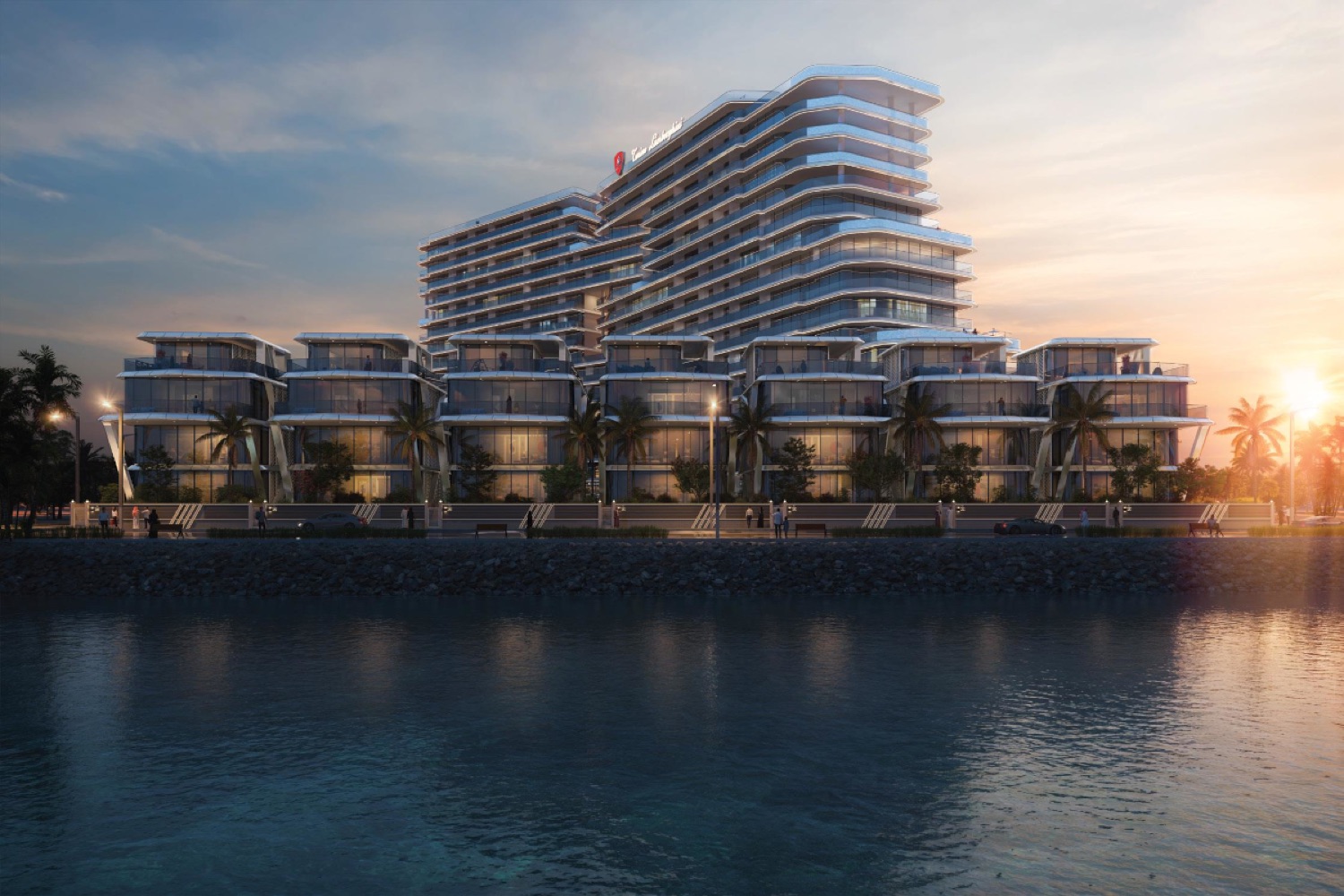
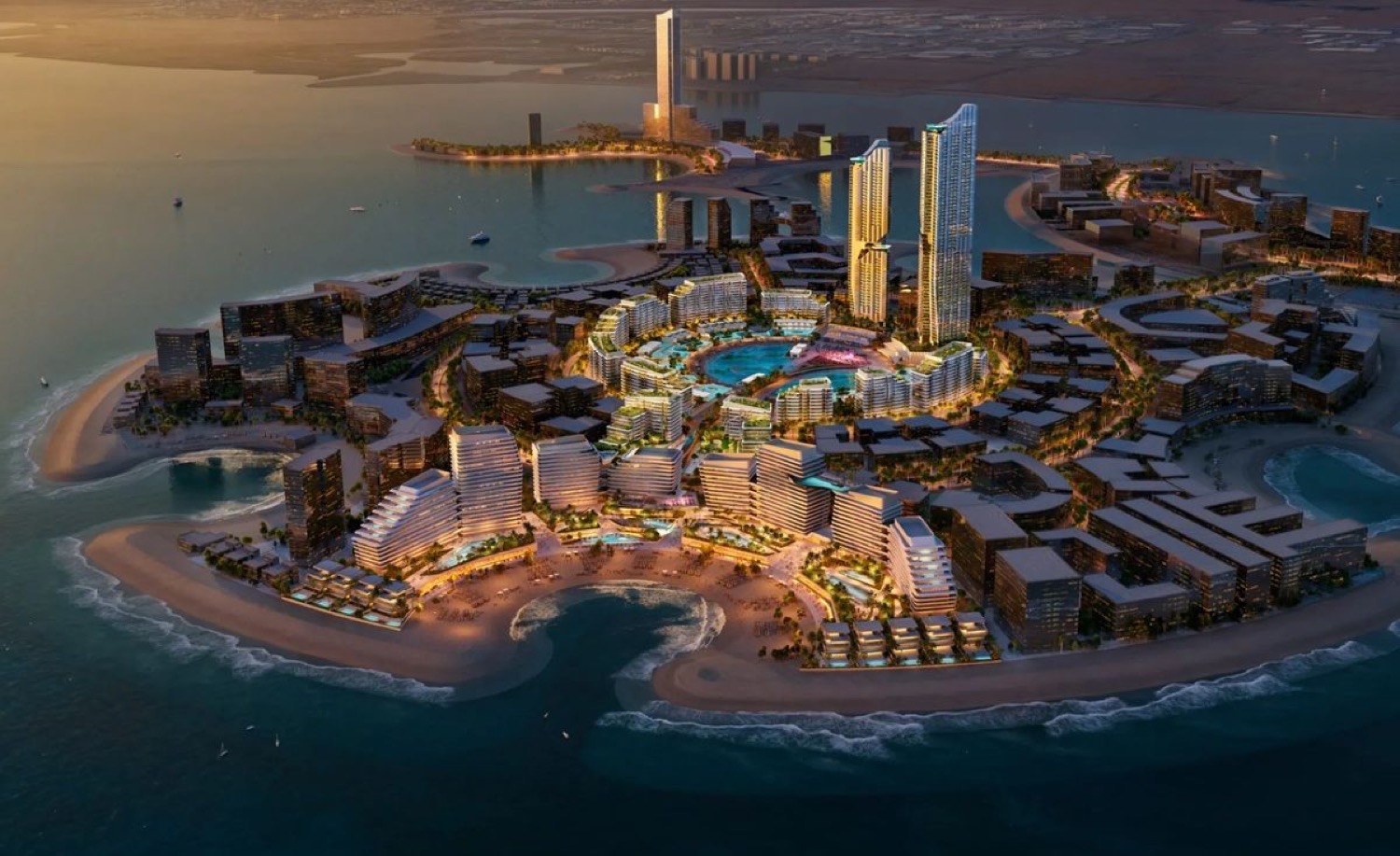
Al Marjan Island is one of the top waterfront destinations in the UAE for buyers looking at beachfront property, branded residences, and tourism-led real estate growth. This 2.7 million sq m man-made island destination stretches 4.5 km into the Arabian Gulf and includes four dist
Updated August 2026
AED 2,750
Average price/sqft
8%
Projected gross yield
AED 1.3M
Entry price, from
Ras Al Khaimah
Location
Homes in Al Marjan Island
Apartments
Branded Residences, Beach Properties
Apartment, Branded Residences, Beach Properties
Apartment, Beach Properties, Branded Residences
Apartment, Branded Residences
Off-plan properties in Al Marjan Island
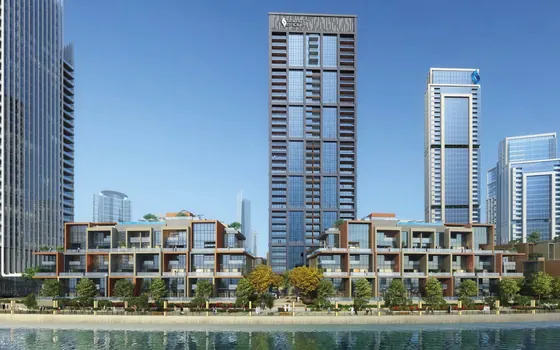
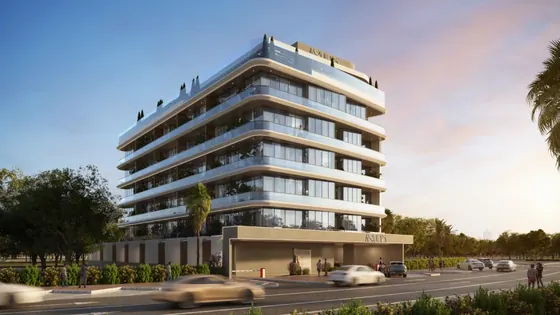
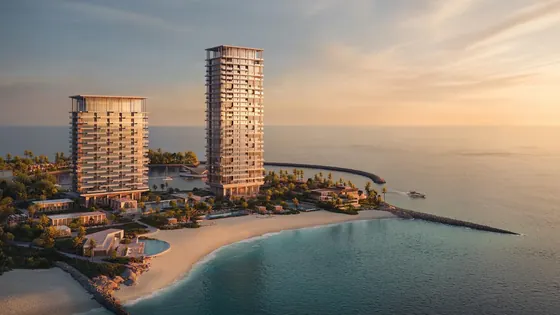
Live off-plan projects in Al Marjan Island with full pricing, floor plans and payment plans. Tap through for the detail on any one.
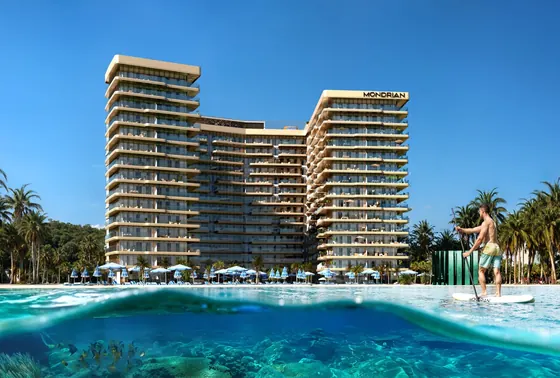
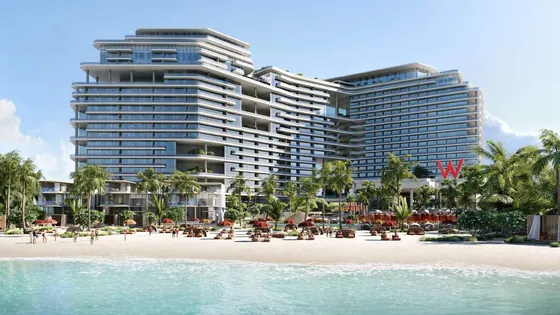
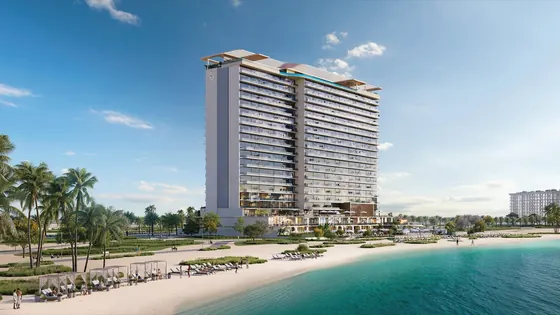
At a glance
AED 2,750Avg price/sqft
8%Rental yield
Apartments, Townhouses, Luxury villas, Branded residencesProperty types
Ras Al KhaimahEmirate
27Projects listed
What are property prices and rental yields in Al Marjan Island?
In Al Marjan Island, average prices are around AED 2,750 per square foot, gross rental yields sit near 8%. Figures move with the market, so treat them as a guide and ask us for the current number on a specific building.
| Average price per sqft | AED 2,750 |
|---|---|
| Gross rental yield | 8% |
See how Al Marjan Island compares to other Dubai areas by yield ›
Useful guides: off-plan payment plans, the cost of buying in Dubai.
What is Al Marjan Island?
Al Marjan Island: Ras Al Khaimah's Rising Coastal Destination Al Marjan Island is a 2.7 million square meter, man-made archipelago in Ras Al Khaimah. Seven-point-eight kilometers of beaches. That's the official description, anyway.
I've driven the stretch from Dubai enough times to know the reality hits different. One moment you're navigating Sheikh Mohammed Bin Zayed Road through industrial zones and desert scrub. Then suddenly there's this shimmering landmass extending into the Arabian Gulf.
Prices & market data
Amenities & lifestyle
Lifestyle
- Beachfront living
- Luxury resort environment
- Water sports and marine leisure
- Walkable waterfront lifestyle
- Family-friendly staycation appeal
- Dining and day-to-night social scene
Connectivity
- 20 minutes from RAK International Airport
- 45 minutes from Dubai International Airport
- Direct road access to major UAE cities
- Easy access from Dubai by highway
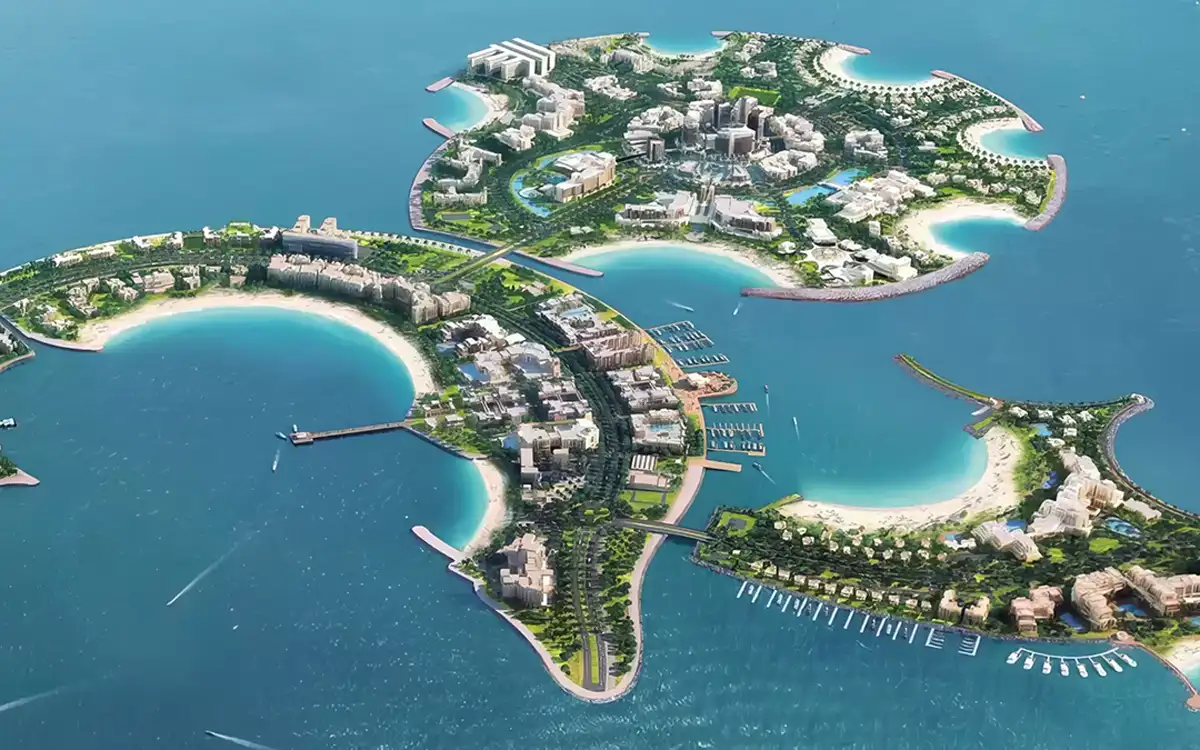
A look around Al Marjan Island
Al Marjan Island — frequently asked questions
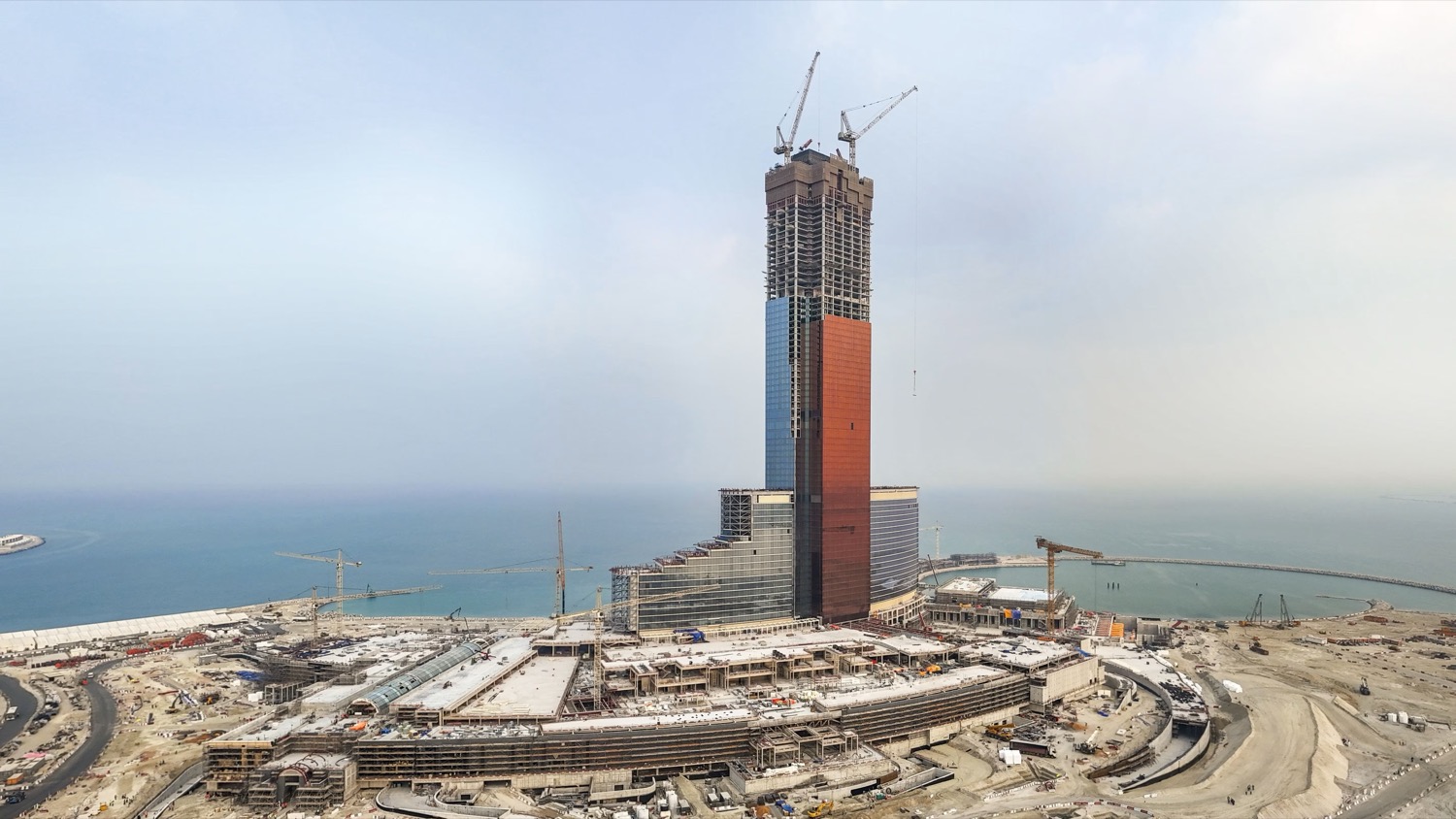
Yes, officially topped out in December 2025, and the spire installation is happening now in 2026. Current status as of March 2026: Structural topping out: Completed December 2025 at 283 meters (70 floors) Full architectural height: 352 meters once the spire installation completes in 2026, making it Ras Al Khaimah’s tallest structure by over 100 meters Latest height reports: Some February 2026 updates indicate the tower has reached 299 meters with 100% structural concrete completed through the 71st floor roof, and the steel roof crown installation has commenced What “topped out” actually means: In construction terms, this refers to reaching the highest structural concrete point, not the final architectural height. The spire (a decorative/functional crown) adds the remaining ~50+ meters to reach the full 352-meter pinnacle. Why this matters for investors: The structural completion signals the project is on track for its Spring 2027 opening Construction velocity: The tower reached this milestone in just 27 months from foundation work, exceptionally fast for a project of this scale Current progress (February 2026): 83% of façade panels installed (21,852 of 26,471), 100% of guest accommodations structurally complete, interior fit-out underway across all 1,530 rooms The bigger picture: This isn’t just about height prestige. The 352-meter tower anchors a $5.1 billion integrated resort that represents the UAE’s first fully integrated gaming destination (pending regulatory finalization). Its dominance of the RAK skyline will serve as a permanent marketing beacon visible from Dubai on clear days.
No, and this is the #1 misconception I see from investors. Al Marjan Island sits in Ras Al Khaimah (RAK), one of the seven emirates of the UAE. It’s about 45 minutes north of Dubai International Airport via Sheikh Mohammed Bin Zayed Road. I get why people confuse it, it’s marketed heavily to Dubai audiences, and many residents treat it as a weekend escape. But legally and administratively, you’re buying in RAK, which actually has benefits: lower property prices, different regulatory frameworks, and a more relaxed lifestyle. If you’re calculating commute times or residency visas, this distinction matters significantly.
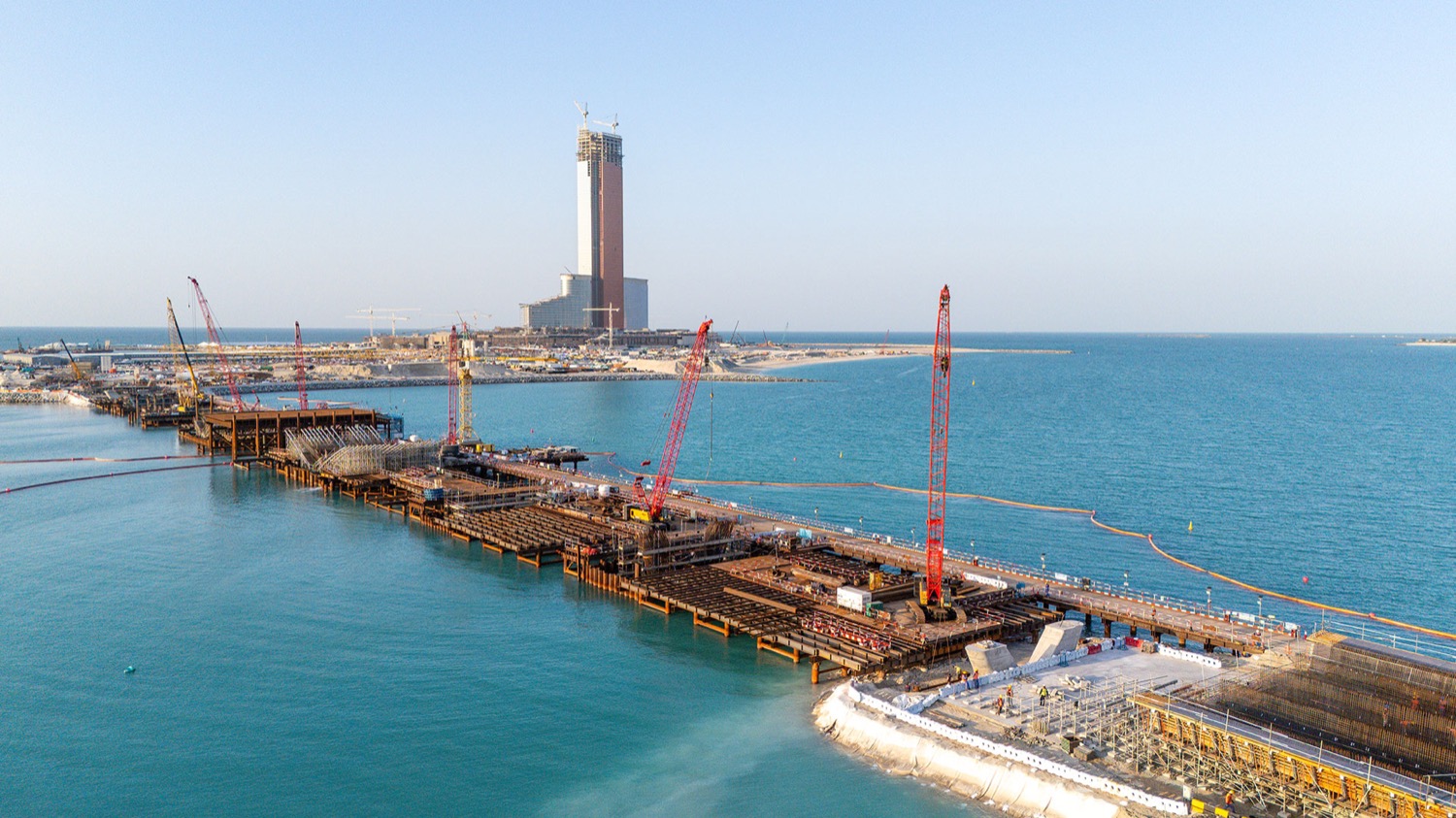
Yes, completely artificial, and impressively engineered. Built by Al Marjan Island Company (a RAK government entity), these four islands were constructed using land reclamation techniques similar to Dubai’s Palm Jumeirah, though on a smaller scale. The archipelago extends 4.5 kilometers into the Arabian Gulf and comprises Breeze, Treasure, Dream, and View islands. The “coral-shaped” design isn’t just aesthetic; it creates natural coves and beachfront that developers leverage for premium pricing. From an investment standpoint, man-made islands carry specific risks, maintenance costs, erosion management, and infrastructure longevity, that natural land doesn’t. Do your due diligence on the developer’s track record with coastal engineering.
Plan for 45 minutes to 1 hour by car, but traffic patterns matter. The route via Sheikh Mohammed Bin Zayed Road (E311) or Emirates Road (E611) is straightforward, roughly 80-90 kilometers from Downtown Dubai. However, I’ve seen this stretch take 90+ minutes during peak hours or holiday weekends when Dubai residents head north. There’s no metro connection (and unlikely to be one soon), so you’re car-dependent. For investors marketing short-term rentals, this distance is actually a selling point: close enough for Dubai weekenders, far enough to feel like a genuine getaway. For daily commuters? Honestly, it’s brutal. Most residents work remotely or locally in RAK.
Beyond the brochure fluff, here’s what actually matters: Four distinct islands with different vibes: Breeze (commercial hub, Wynn location), Treasure (established residential with 3.5km corniche), Dream (emerging, sunset-facing), and View (premium circular design, limited inventory). RAK’s first integrated tourism destination: Unlike Dubai’s scattered developments, this was master-planned from day one. Wynn Al Marjan: When it opens in 2027, it’ll feature the UAE’s first integrated resort casino (gaming license pending regulatory clarity, this is a major variable). Sustainability credentials: The island uses treated wastewater for irrigation and has strict coastal protection mandates, which affects construction costs and timelines. Price appreciation: Values jumped 15%+ year-over-year recently, outpacing some Dubai segments. The “coral shape” marketing is cute, but the real story is strategic positioning as RAK’s tourism and residential flagship.
Yes, with specific implications for foreign buyers. Al Marjan Island operates as a free zone for real estate, meaning foreigners can purchase freehold properties with 100% ownership rights, no local sponsor required. This is standard across designated areas in the UAE now, but RAK’s implementation is notably streamlined. The free zone status also means certain business activities (holiday home rentals, property management) can operate with full foreign ownership and favorable tax treatment. However, don’t confuse this with Dubai’s free zones for mainland business licensing, RAK has separate commercial free zones (like RAKEZ) that handle corporate setups. For pure residential buyers, the freehold benefit is the headline advantage.
Ras Al Khaimah International Airport (RKT), approximately 30-35 minutes away. Here’s the reality: RKT is small, with limited direct international routes. Most residents and tourists fly into Dubai International (DXB) and drive. Etihad and Air Arabia operate select routes from RKT, and there’s talk of expansion, but don’t bank on it for daily convenience. For property investors, this is a double-edged sword, limited flight connectivity caps short-term international rental demand, but also preserves the “undiscovered” premium before mass tourism hits. If RKT secures more long-haul routes (rumored for years), that’s a significant upside catalyst for property values.
Yes, absolutely, and the process is straightforward. Foreigners enjoy freehold ownership rights in designated areas of Al Marjan Island, identical to Dubai’s freehold zones. You don’t need a UAE residence visa to purchase, though having one simplifies banking and utilities setup. The buying process involves: reservation agreement (typically 10% deposit), sales and purchase agreement, and transfer at the RAK Land Department (or trusted developer escrow arrangements for off-plan). One quirk: financing options for non-residents are more limited than in Dubai, expect 50-60% LTV max from UAE banks, or cash purchases. Many international buyers leverage equity from their home countries.