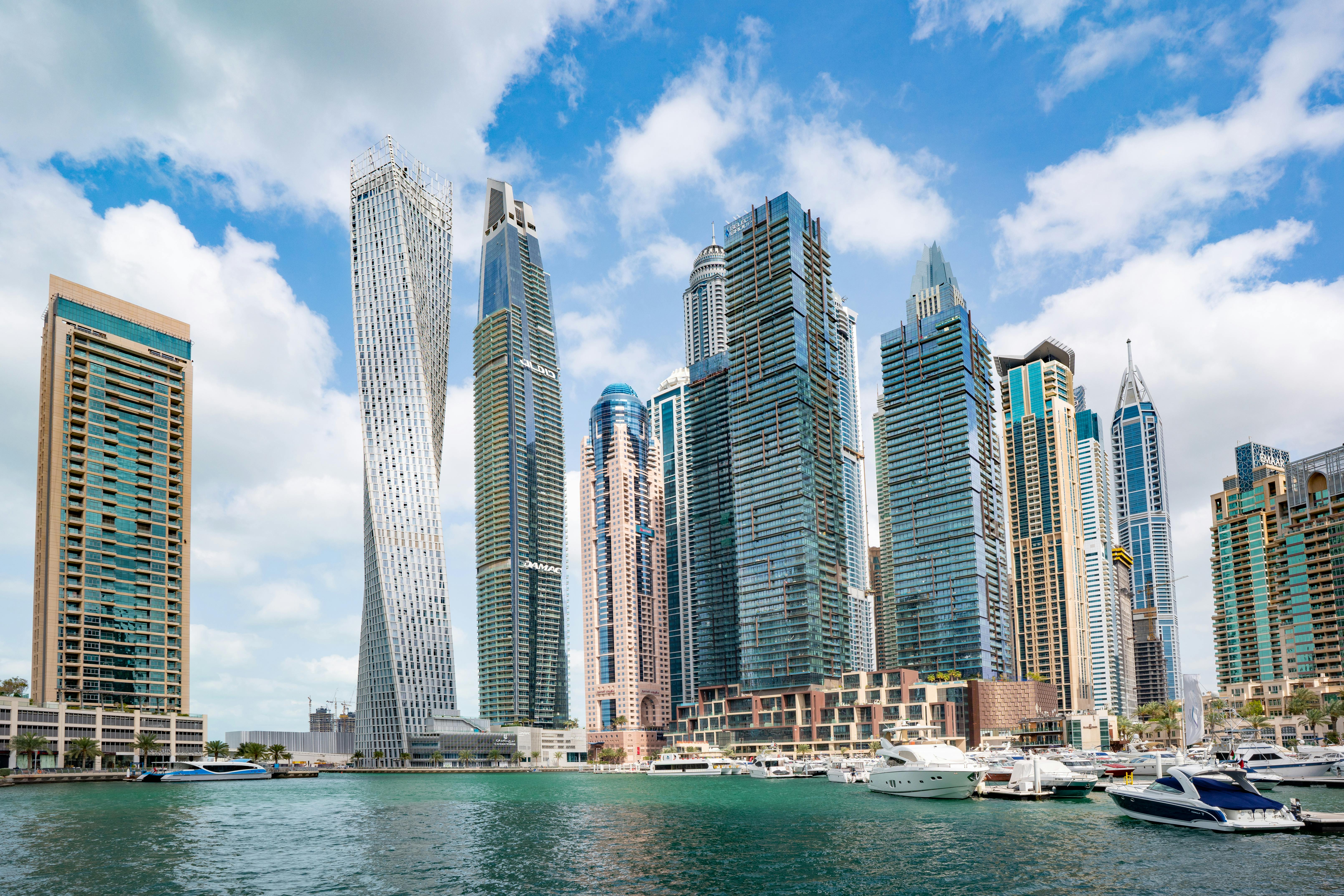
The best residential areas in Dubai for 2026 usually come down to three things, lifestyle, budget, and daily practicality. Palm Jumeirah remains a top pick for beachfront luxury, Downtown Dubai and Dubai Marina lead for urban convenience and walkability, Dubai Hills Estate and Arabian Ranches are still among the safest choices for families, and Jumeirah Village Circle, or JVC, continues to stand out for value. Dubai South is the emerging area to watch if you are thinking a little further ahead.
Key Takeaways
Dubai does not have one perfect residential area for everyone. The right choice depends on what matters most to the buyer — lifestyle, budget, family needs, daily convenience, or long-term growth potential.
Buyers looking for status often lean toward Palm Jumeirah for luxury beachfront living or Downtown Dubai for prestige and central city access.
Families usually feel most comfortable in Dubai Hills Estate — one of the most balanced choices combining green space, amenities, and connectivity — or Arabian Ranches.
Lifestyle-focused professionals often prefer Dubai Marina, JBR, or City Walk for walkability, waterfront energy, and an active social environment.
Budget-conscious buyers tend to find better value in JVC, Motor City, or Dubai Silicon Oasis — practical entry points into Dubai's residential market.
Investors with a longer horizon may be drawn to Dubai South and Dubai Islands — emerging districts where the growth story is still unfolding and early positioning can offer significant upside.
"The best residential area in Dubai is not the most famous one. It is the one that fits the buyer's actual life and objectives best."
If you ask ten people in Dubai where they would actually want to live, you will probably get ten different answers. That is part of the point. Dubai is not one market in the emotional sense, it is several. There is the polished, iconic version of the city, the one people imagine first. There is the family-oriented suburban version with schools, parks, and a calmer rhythm. And then there is the practical investor version, where people quietly ask a less glamorous question, which is simply, “Where will I get the best balance between usability, demand, and future upside?”
That is really how this article should be read.
Because the best residential area in Dubai is not a universal answer. It depends on whether you want a view, a beach, a school run that does not ruin your morning, a shorter commute, stronger rental demand, or just somewhere that still feels underpriced relative to where the city is heading. I think people often pretend these categories overlap more than they do. Sometimes they do. Often they do not.
Dubai also keeps maturing as a residential city, not just a place of landmarks. Downtown Dubai still gives you the prestige and centrality. Dubai Marina still wins on movement, waterfront energy, and walkability. Palm Jumeirah still does what very few places in the region can do, which is make residential life feel like a private resort. Dubai Hills Estate continues to get stronger because it combines greenery, scale, amenities, and road connectivity unusually well. JVC, meanwhile, remains hard to ignore because it answers a simple problem in the market, people want something more affordable without feeling disconnected from the rest of Dubai.
And then there is the newer question in 2026, which areas are still rising, rather than merely established? That is where Dubai South enters the conversation, and, in a different lane, why many buyers are also looking more seriously at waterfront alternatives such as Dubai Islands , especially when they want coastal exposure without defaulting immediately to the most saturated prime districts. Dubai South’s long-term case is tied to Expo City, Al Maktoum International Airport, and the broader Dubai 2040 planning direction.
At a glance, best residential areas in Dubai by type
| Residential area | Best for | Typical feel | Price positioning |
|---|---|---|---|
| Palm Jumeirah | Luxury beachfront living | Exclusive, resort-like, low-density in parts | Premium to ultra-premium |
| Emirates Hills | Mansion living and privacy | Ultra-private, prestigious | Ultra-premium |
| Downtown Dubai | City lifestyle and status | Central, vertical, polished | Premium |
| Dubai Marina | Walkability and waterfront energy | Busy, social, high-rise | Mid to premium |
| JBR | Beach lifestyle | Active, leisure-led, tourist-friendly | Mid to premium |
| Dubai Hills Estate | Families and balanced living | Green, modern, well-planned | Mid to premium |
| Arabian Ranches | Villas and suburban family life | Quiet, established, spacious | Mid to premium |
| The Springs | Accessible family community | Established, practical, community-oriented | Mid-range |
| JVC | Value and investor demand | Growing, convenient, mixed-density | Affordable to mid-range |
| Motor City | Space and quieter value | Low-rise, functional, family-friendly | Mid-range |
| Dubai Silicon Oasis | Budget-conscious end users | Practical, tech-adjacent, self-contained | Affordable to mid-range |
| Dubai South | Emerging growth play | Future-facing, infrastructure-led | Affordable to mid-range |
How to choose the right area, before you get distracted by branding
A lot of Dubai area guides make the same mistake. They start with the postcard version of each community. Nice skyline. Nice beach. Nice golf course. That matters, of course, but not as much as people think once they actually live there.
A better approach is to narrow the search using five filters.
1. Daily lifestyle
Do you want to walk to dinner, the gym, and a supermarket, or are you fine driving everywhere? This is where Downtown Dubai, Dubai Marina, JBR, and City Walk tend to outperform villa communities. Marina Walk, for example, remains one of the clearest lifestyle anchors in the city, and Downtown still benefits from a concentration of landmark retail, hospitality, and entertainment that very few districts can match. City Walk, while smaller in residential footprint, is still one of the cleaner examples of an urban, leisure-led environment in Dubai.
2. Household structure
If you have children, your priorities usually change fast. Green space becomes more important. Parking becomes more important. Noise suddenly matters. Dubai Hills Estate has become one of the strongest all-round family communities because of its parks, schools, mall, golf course, and road access. Emaar describes it as a 2,700-acre development with extensive open space, schools, a major park, and cycling routes, which is exactly why it keeps showing up on serious family shortlists. Arabian Ranches remains relevant for similar reasons, just with a more suburban villa-led feel.
3. Budget, honestly assessed
This sounds obvious, but it is often handled badly. A buyer says they want Palm Jumeirah, then after a week they start looking at JVC, Arjan, Motor City, or Dubai South because the trade-offs become real. That is not failure, it is clarity. JVC continues to attract attention precisely because it gives buyers and tenants a more affordable entry point while still offering community retail, parks, and reasonable access to major employment zones. Visit Dubai also frames JVC as a budget-friendly option with parks, supermarkets, and a short commute to Dubai Knowledge Park.
4. Connectivity, not just distance on a map
Two places can look close on Google Maps and feel completely different at 8:15am. Downtown Dubai has the advantage of centrality. Dubai Marina has public transport appeal and an established promenade-driven lifestyle. Dubai Hills works well for drivers because of road connectivity. Marina and JBR, though still highly desirable, can feel heavier in traffic and noise compared with greener master communities. This is one of those practical issues people underestimate until they live with it.
5. Investment logic
Some communities are easier to explain to tenants. Some are easier to explain to future buyers. These are not always the same thing. Palm Jumeirah benefits from rarity and global recognizability. Dubai Marina and Downtown Dubai benefit from constant demand and strong brand familiarity. Dubai Hills Estate benefits from broad end-user appeal. JVC benefits from accessibility on price. Dubai South is more future-oriented, which means the upside case may be stronger, but it also asks the buyer to be a bit more patient.
Why this topic matters more in 2026
In 2026, choosing the best residential area in Dubai is less about naming the most famous neighborhood and more about matching the right district to the right intent. That sounds simple, but it is really the entire game. Prime districts still matter, of course. Yet many buyers are now comparing mature prime areas with newer lifestyle-led zones and waterfront alternatives.
That is partly why demand is broadening and why areas such as Dubai Islands are getting more serious attention from end users and investors who want the long-term coastal story without simply following the crowd.
Transaction snapshot
| Area | Sales volume snapshot |
|---|---|
| Jumeirah Village Circle | 2,883 |
| Dubai South | 2,711 |
| Business Bay | 2,128 |
| Dubai Islands | 1,604 |
| Dubai Creek Harbour | 1,172 |
| Downtown Dubai | 675 |
| Dubai Marina | 580 |
| Dubai Hills | 535 |
| Palm Jumeirah | 372 |
That is actually useful editorially because it reinforces an important point. The “best” area and the “most active” area are not always the same thing. Volume usually clusters around accessibility, price bands, and future-launch depth, while prestige tends to sit elsewhere.
Top Residential Areas in Dubai by Type
One reason this topic performs well in search is that people are rarely looking for a generic list. They are usually trying to narrow a real decision down. Luxury or practicality. Beach or greenery. Apartment lifestyle or villa privacy. End use or investment.
So instead of lumping every area together, it makes more sense to break Dubai down by how people actually search and choose.
Luxury and Exclusivity
If the goal is prestige, privacy, or simply owning in a location that remains globally recognizable, three communities consistently sit near the top of the conversation: Palm Jumeirah, Emirates Hills, and Downtown Dubai. Competitor pages ranking for this topic tend to cluster around exactly this kind of segmentation, luxury, family, lifestyle, and value, because that is how buyers mentally filter the market.
Palm Jumeirah, best for beachfront luxury
Palm Jumeirah still holds a special position in Dubai. It is not just expensive, plenty of places are expensive. It is iconic in a way that very few residential districts are. Nakheel describes it as one of the world’s largest man-made islands, stretching five kilometres into the Arabian Gulf and home to roughly 25,000 residents, with luxury residences, retail, leisure attractions, and marinas. That matters because global recognition has real value in prime real estate, especially when an area is both lifestyle-driven and scarce.
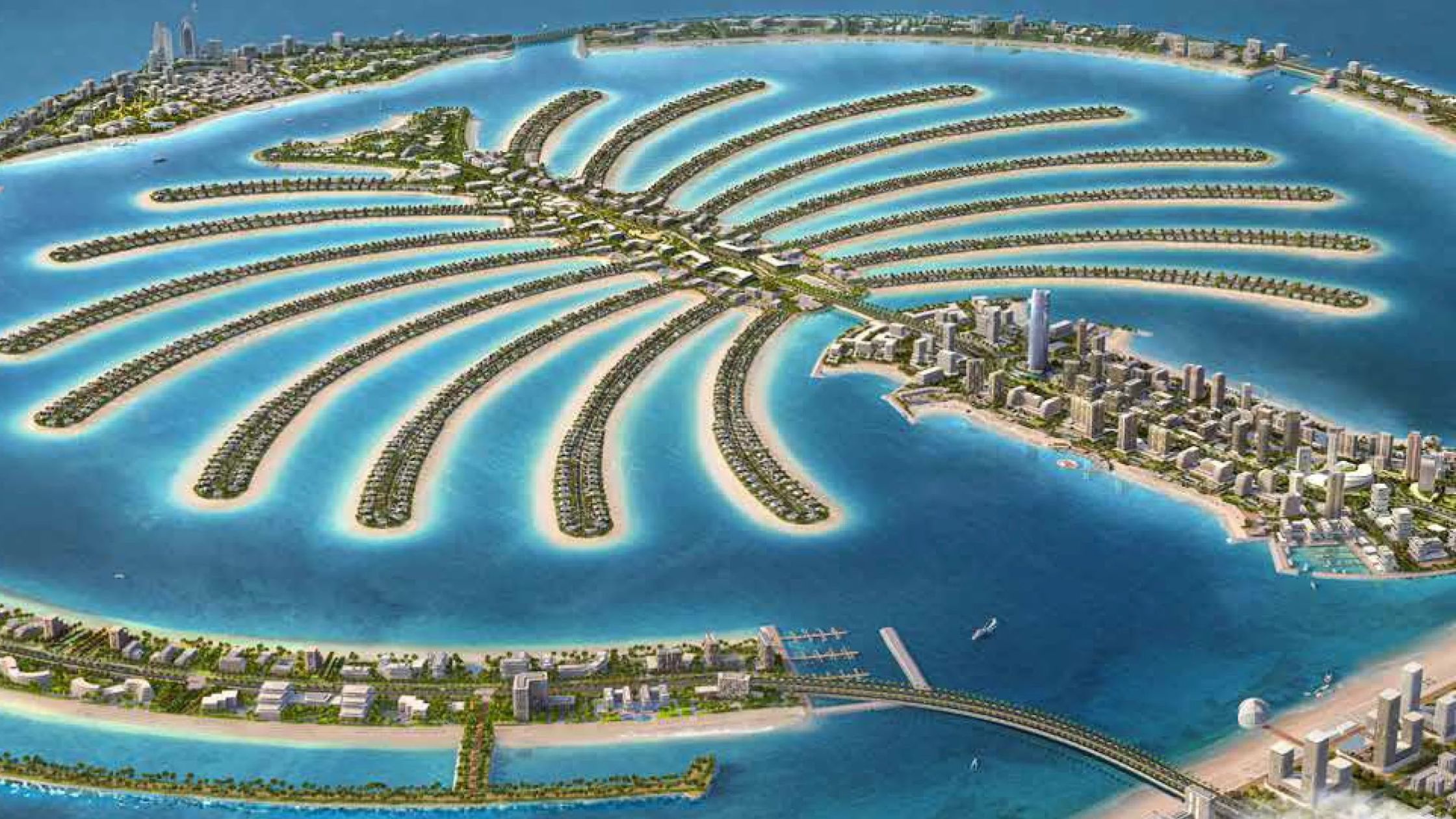
For end users, Palm Jumeirah works best for people who want a resort-style life without leaving the city behind. Beach clubs, waterfront dining, branded residences, private villas, and long sea views all support that. Visit Dubai also frames the Palm as one of the city’s key sun-seeker destinations, which sounds tourism-heavy at first, but it actually reinforces residential desirability because hospitality and lifestyle infrastructure are already deeply established.
The limitation, and there is always one, is price. Entry points are high, service charges can be meaningful depending on the building, and the buyer pool is more selective. But that selectivity is also part of the appeal. Palm Jumeirah is not trying to be broadly accessible. It is trying to remain rare.
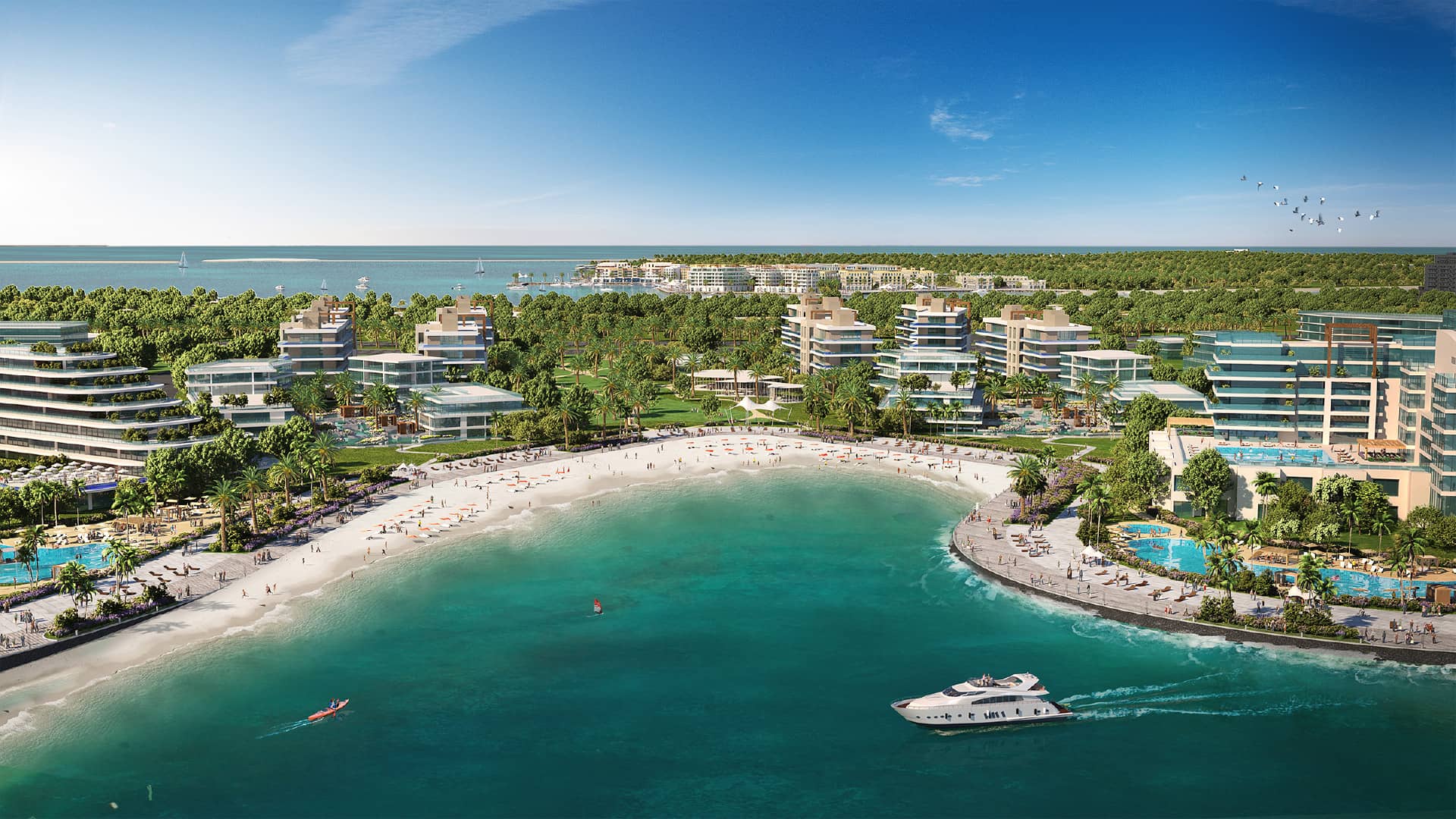
For readers comparing waterfront districts, this is also a useful place to introduce your related internal content on Dubai Islands because some buyers looking at Palm Jumeirah eventually begin comparing mature ultra-prime waterfront with newer coastal master plans that may offer a different entry profile and longer runway.
Emirates Hills, best for mansion living and privacy
Emirates Hills is a very different kind of luxury. Less visible, more discreet. It does not sell the same resort energy as Palm Jumeirah or the same vertical glamour as Downtown. What it offers instead is space, low density, and privacy. In practical terms, it is still one of Dubai’s clearest expressions of trophy villa living.
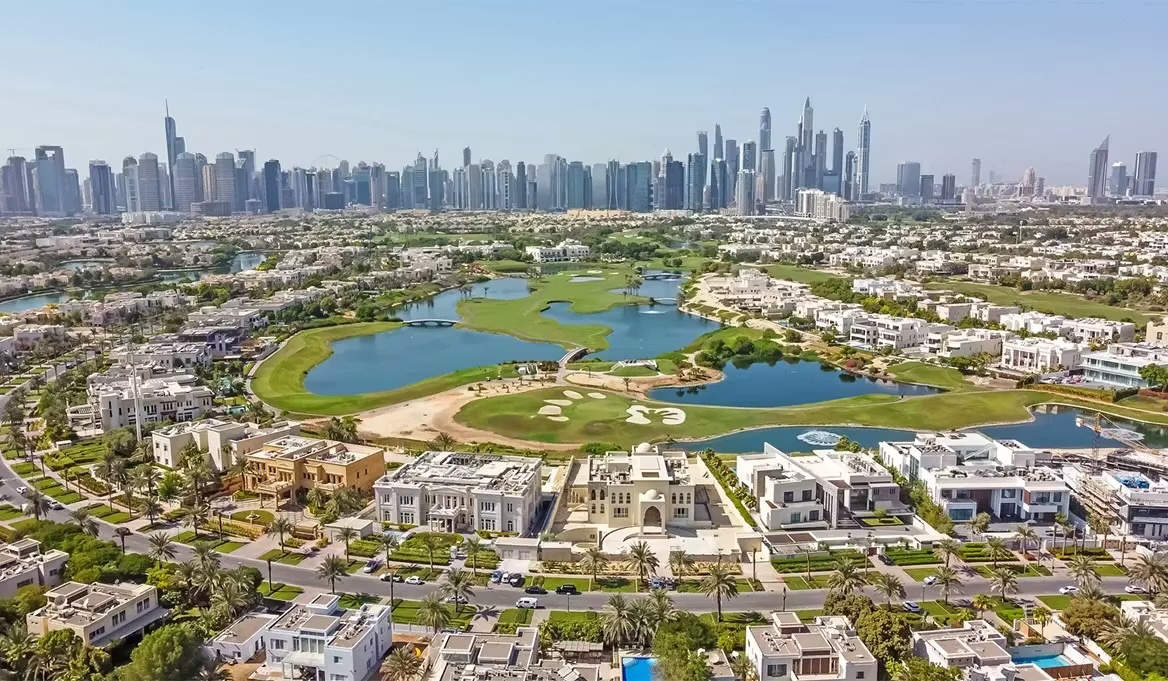
This is the area for buyers who want a mansion community rather than a branded apartment or a serviced seafront residence. The appeal is not walkability, and it is definitely not affordability. It is residential prestige in a quieter form. Some people prefer that. Quite a lot, actually.
Downtown Dubai, best for central high-end apartment living
Downtown Dubai is still the answer for buyers who want the center of the city to feel like the center of their life. Emaar calls it “the ultimate address,” and that branding has held up surprisingly well over time because the district still combines landmark identity, centrality, shopping, hospitality, and daily convenience better than almost anywhere else in Dubai.
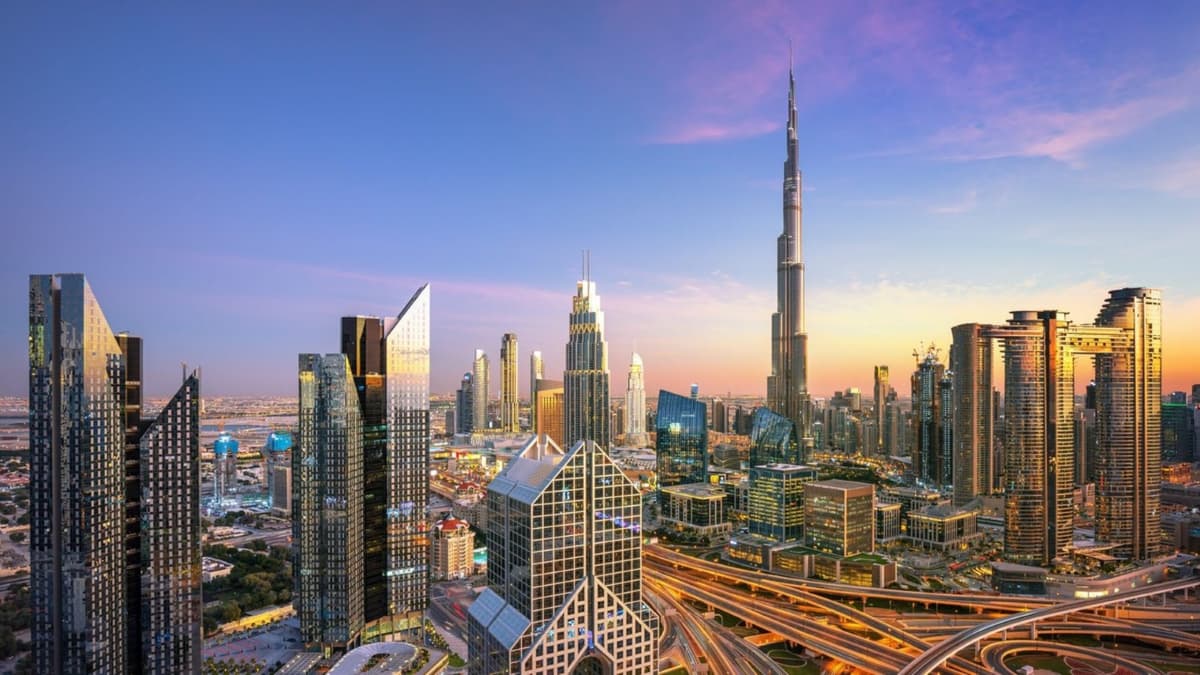
This is where city lovers tend to land. The skyline, the density, the access to major destinations, it all supports a very urban lifestyle. Downtown is especially strong for professionals, international buyers who want an instantly legible address, and owners who value liquidity and recognizability in resale terms. Engel & Völkers also continues to place Downtown among the city’s top residential areas, and its latest average price data puts Downtown around AED 2,980 per sq. ft., which reinforces how firmly it sits in the premium bracket.
That said, Downtown is not the calmest place to live, and it is not supposed to be. The appeal is intensity, convenience, and status. Some people thrive in that. Others admire it and then quietly choose something greener.
Luxury communities comparison table
| Area | Best for | Main housing style | Biggest advantage | Main trade-off |
|---|---|---|---|---|
| Palm Jumeirah | Beachfront prestige | Villas, branded apartments, seafront residences | Global icon status and private coastal lifestyle | High entry price and premium running costs |
| Emirates Hills | Ultra-private family wealth | Mansions and custom villas | Privacy, land, and long-term prestige | Limited walkability and a narrower buyer profile |
| Downtown Dubai | Central luxury apartment life | High-rise apartments and branded residences | Prime centrality and city identity | Noise, density, and premium pricing |
Family-Friendly and Green
For families, the best community is usually not the one with the best skyline. It is the one that makes everyday life easier. That means roads that work, schools nearby, enough green space to breathe, and a home layout that does not feel compromised.
This is where Dubai Hills Estate, Arabian Ranches, and The Springs remain some of the strongest choices.
Dubai Hills Estate, best all-round family community
Dubai Hills Estate has become one of the safest recommendations in Dubai, and I mean that in a strategic sense. It is hard to go very wrong here if the buyer wants a balanced residential environment. Emaar positions it as the “Green Heart of Dubai,” with a championship golf course, parks, schools, healthcare, retail, and a broad property mix, and that description is not just marketing fluff, the community genuinely performs well because it combines green planning with strong positioning between Downtown Dubai and Dubai Marina.
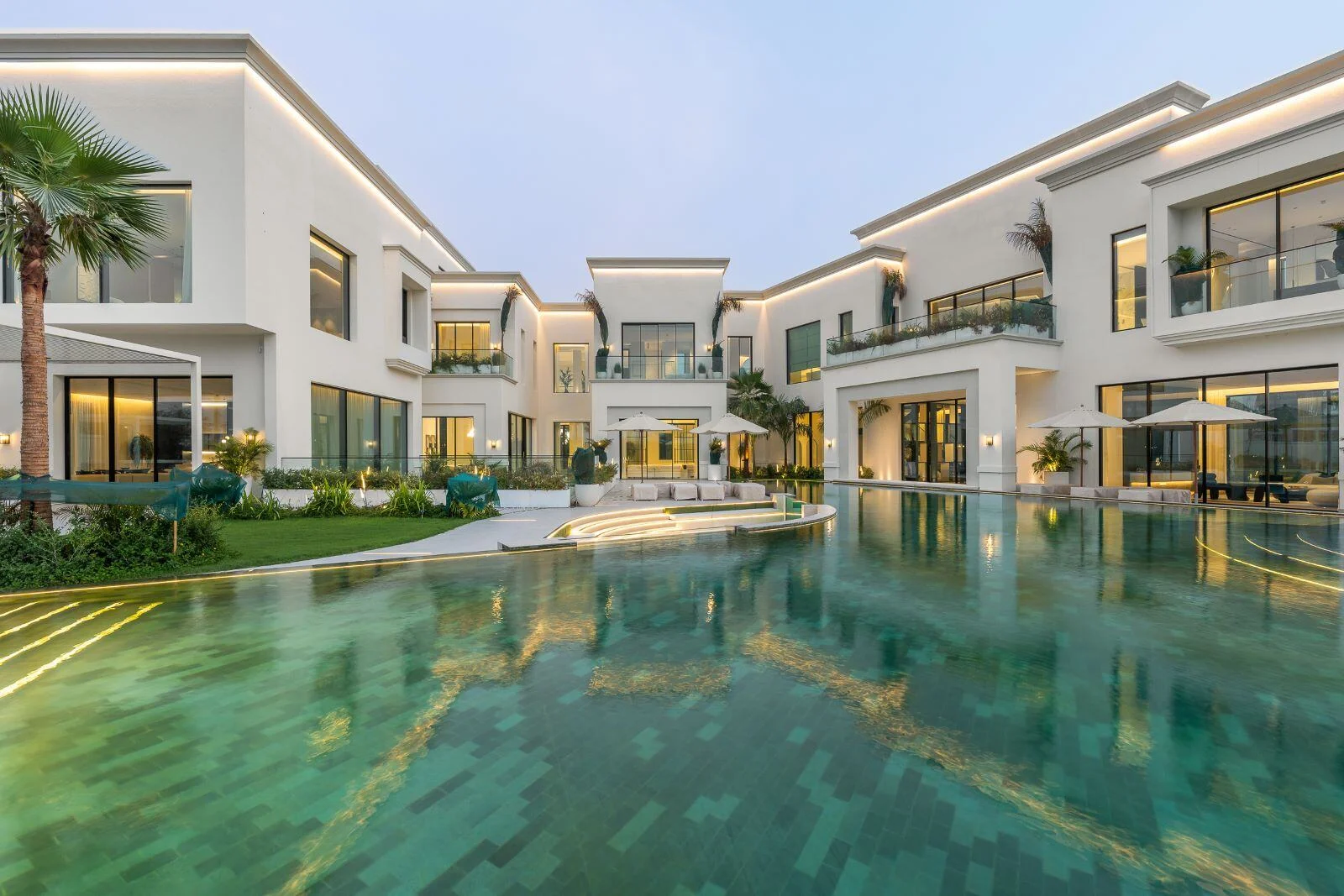
What makes Dubai Hills so effective is not only that it feels modern and well planned. It is that it appeals to several groups at once. Families like it because it is calmer and more spacious than the core high-rise districts. Professionals like it because road access is practical. Investors like it because end-user demand is broad rather than niche.
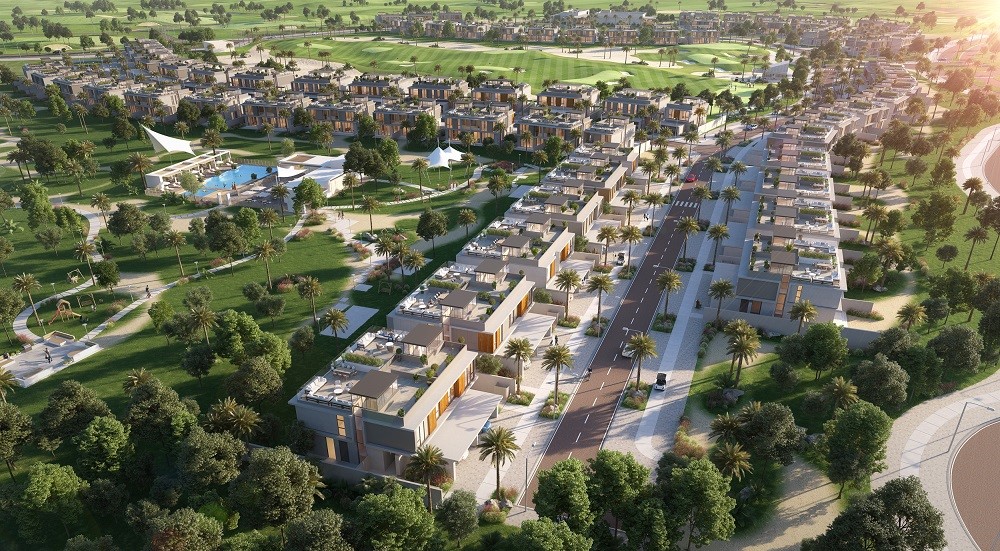
This is also why Dubai Hills tends to rank highly across general “best places to live in Dubai” guides. It is one of the few communities that balances family life, design quality, and investment logic without leaning too hard into just one of them.
Arabian Ranches, best for villa families who want established suburban living
Arabian Ranches remains a strong choice for buyers who already know they want a villa-led lifestyle. Emaar describes it as a prestigious residential community surrounded by landscaped parks, greenery, and desert-inspired calm, with access via Sheikh Mohammed Bin Zayed Road and Umm Suqeim Road. That location profile matters because it gives the area suburban quiet without making it feel completely detached from the rest of Dubai.
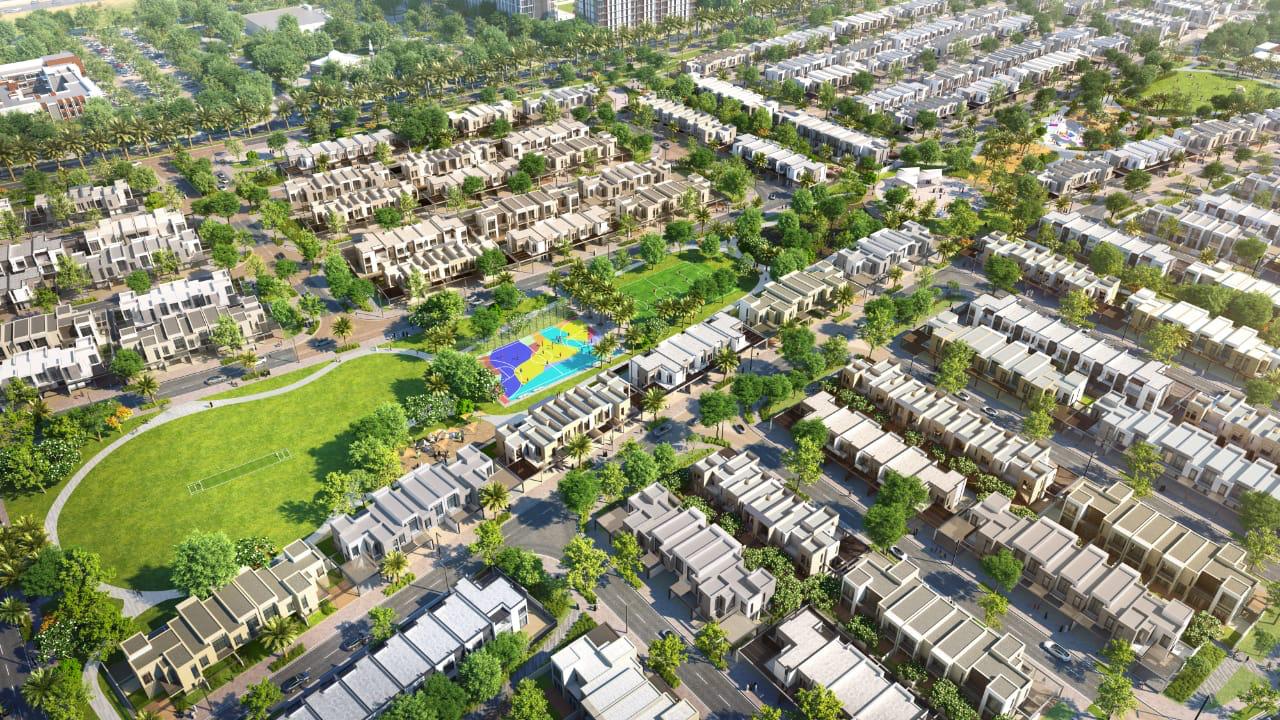
The appeal here is straightforward. Space. Privacy. A family rhythm. If Downtown feels vertical and fast, Arabian Ranches feels horizontal and settled. In some ways it is less exciting, but that is often exactly why buyers choose it.
Arabian Ranches also benefits from maturity. Mature communities generally have fewer unknowns. This matters more than many people admit, especially for end users who are buying with a long horizon.
The Springs, best for practical community living
The Springs is not always treated as a headline area in glossy rankings, but it probably deserves more respect than it gets. It fits buyers who want a community feel without stepping all the way up into more expensive villa districts. Emaar’s broader Emirates Living positioning emphasizes comfort, community, and established residential identity, and The Springs Souk adds a useful daily convenience layer through localized retail and dining.
This is a practical choice. Less flashy. More usable. And honestly, that is often where real residential value lives.
Family-friendly communities comparison table
| Area | Best for | Typical home types | Strength | Watch-out |
|---|---|---|---|---|
| Dubai Hills Estate | Families wanting balance | Apartments, townhouses, villas | Green planning, amenities, broad appeal | Premium pricing in the strongest sub-areas |
| Arabian Ranches | Villa-focused families | Villas and townhouses | Established suburban quality and privacy | Less urban convenience and walkability |
| The Springs | Practical family living | Townhouses and villas | Community feel and day-to-day usability | Less prestige and fewer newer-stock options |
Lifestyle and Urban Walkability
Some buyers want a neighborhood that feels alive the moment they step outside. Restaurants, cafés, promenade walking, beach access, casual meeting points, easy social life. For that category, Dubai Marina, JBR, and City Walk continue to stand out.
Dubai Marina, best for waterfront city energy
Dubai Marina still delivers one of the clearest lifestyle identities in Dubai. Visit Dubai describes it as a district of skyscrapers, watersports, shopping, and waterfront activity, while Marina Walk remains one of the city’s best-known promenades for dining and strolling. That is not a small detail, it is the essence of why Marina keeps outperforming in lifestyle-driven searches.
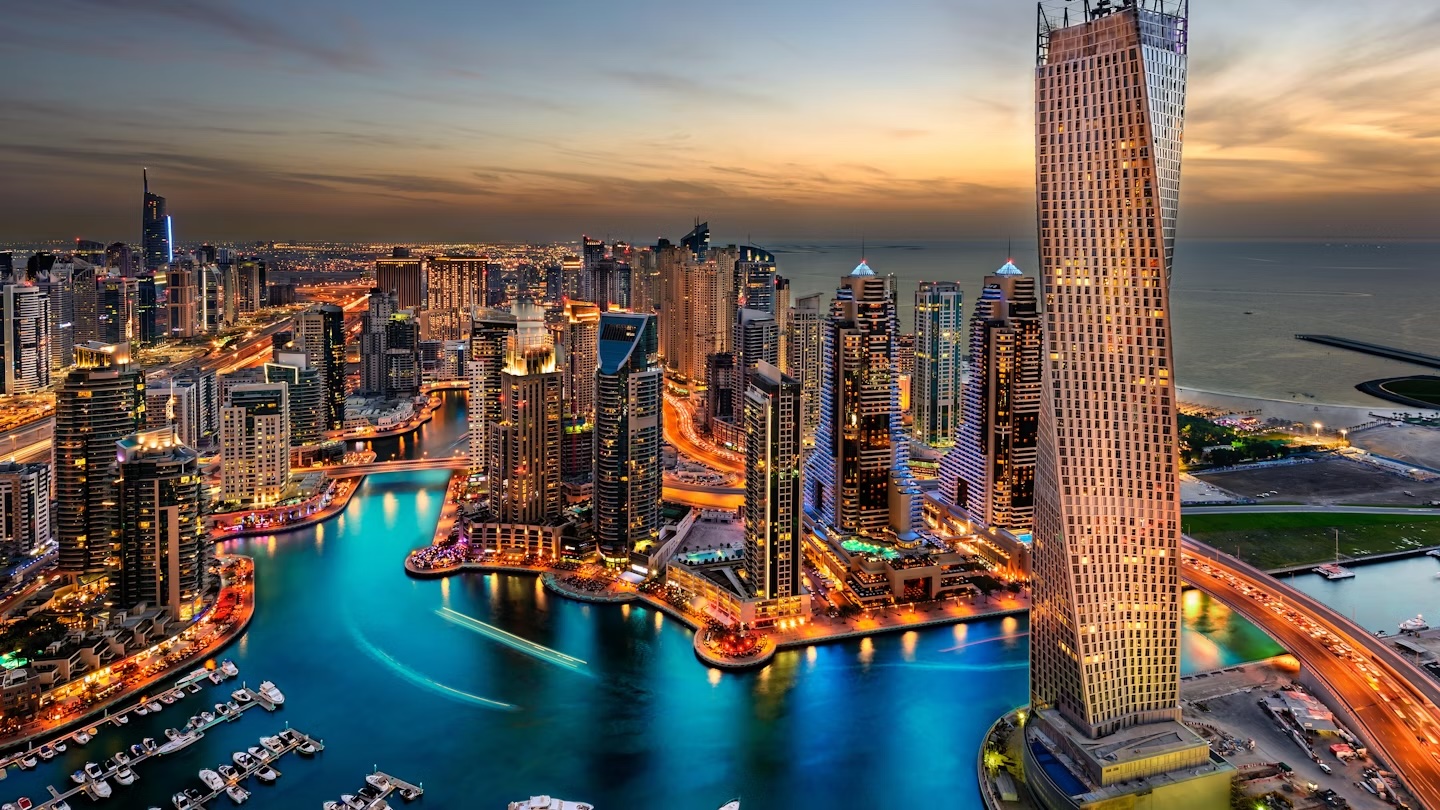
Marina is ideal for professionals, couples, and buyers who want a home that feels plugged into the city. You can live here with far less dependence on the “drive everywhere” pattern that defines many other communities. The trade-off, of course, is congestion. Marina is popular because it is enjoyable, and that popularity creates friction.
Still, for people who want urban waterfront life, Marina remains one of Dubai’s strongest answers.
JBR, best for beachfront walkability and social energy
Jumeirah Beach Residence , or JBR, works for buyers who want the beach to feel like part of daily life, not an occasional weekend plan. Visit Dubai describes JBR as a neighborhood by the sea with a beautiful beach and strong restaurant offering, while The Walk at JBR is framed as a vibrant promenade lined with shops, restaurants, and cafés. The destination’s own site also highlights a 1.7 km promenade and a mix of dining, retail, and leisure experiences, which is really the core of the appeal.
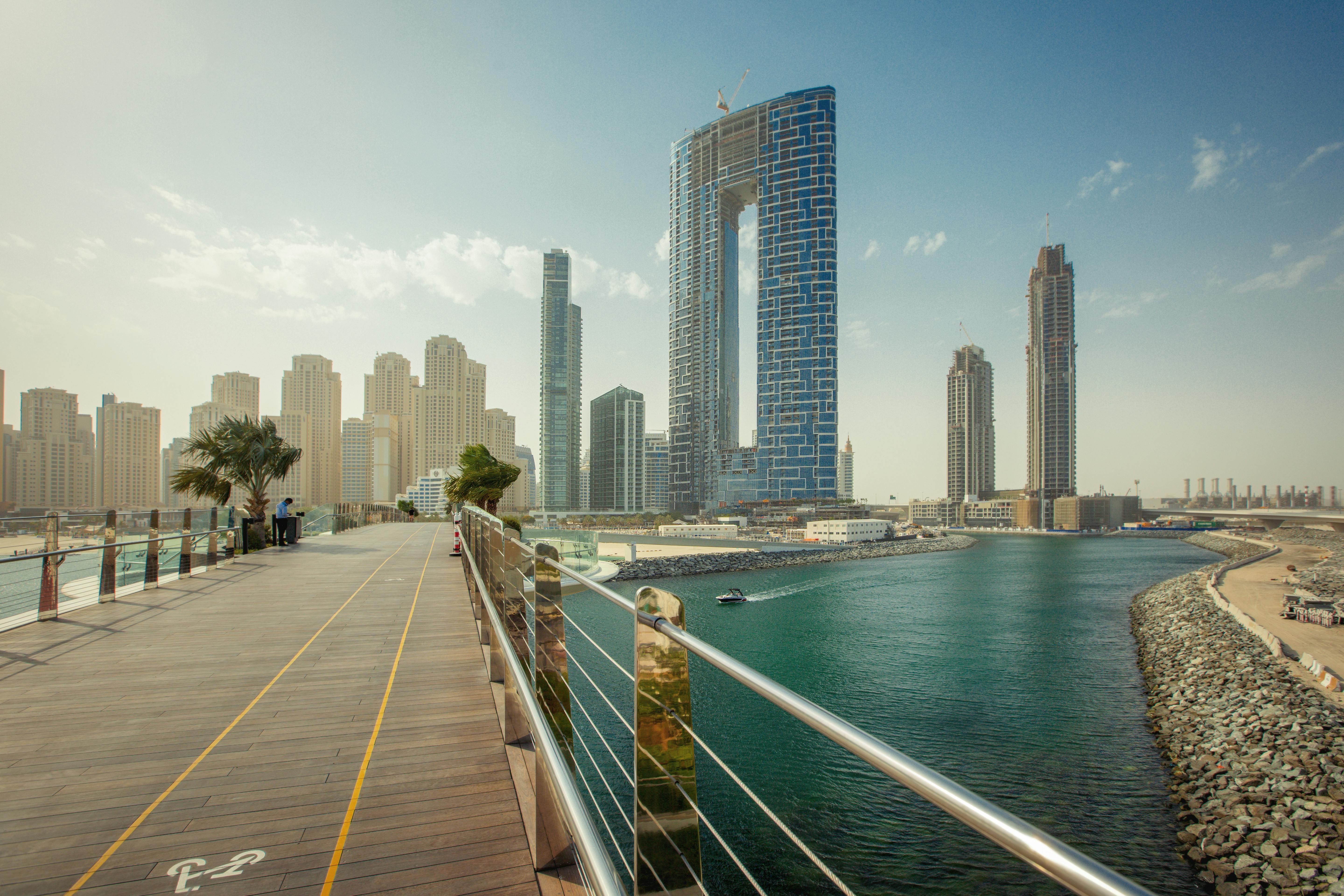
For lifestyle buyers, JBR often feels more holiday-like than Marina. Slightly more open, more beach-led, and more casual. That can be a strength or a weakness depending on what the buyer wants. If you love being able to walk downstairs and be near the sea immediately, JBR is compelling. If you want a quieter rhythm or easier traffic flow, it can feel a bit intense.
It also remains one of the better options for short-term rental logic because the location is easy for visitors to understand. Beachfront, promenade, restaurants, immediate leisure. You do not need to over-explain it.
City Walk, best for urban lifestyle without the marina atmosphere
City Walk sits in a slightly different category. It is urban, yes, but not in the same way as Downtown or Marina. It feels more curated, more design-conscious, a little more self-contained. The official City Walk site describes it as Dubai’s premier lifestyle destination, built around retail, dining, entertainment, hospitality, wellness, and urban living, while Dubai Holding Communities calls it a “city within a city” with residential and commercial space integrated into one destination.
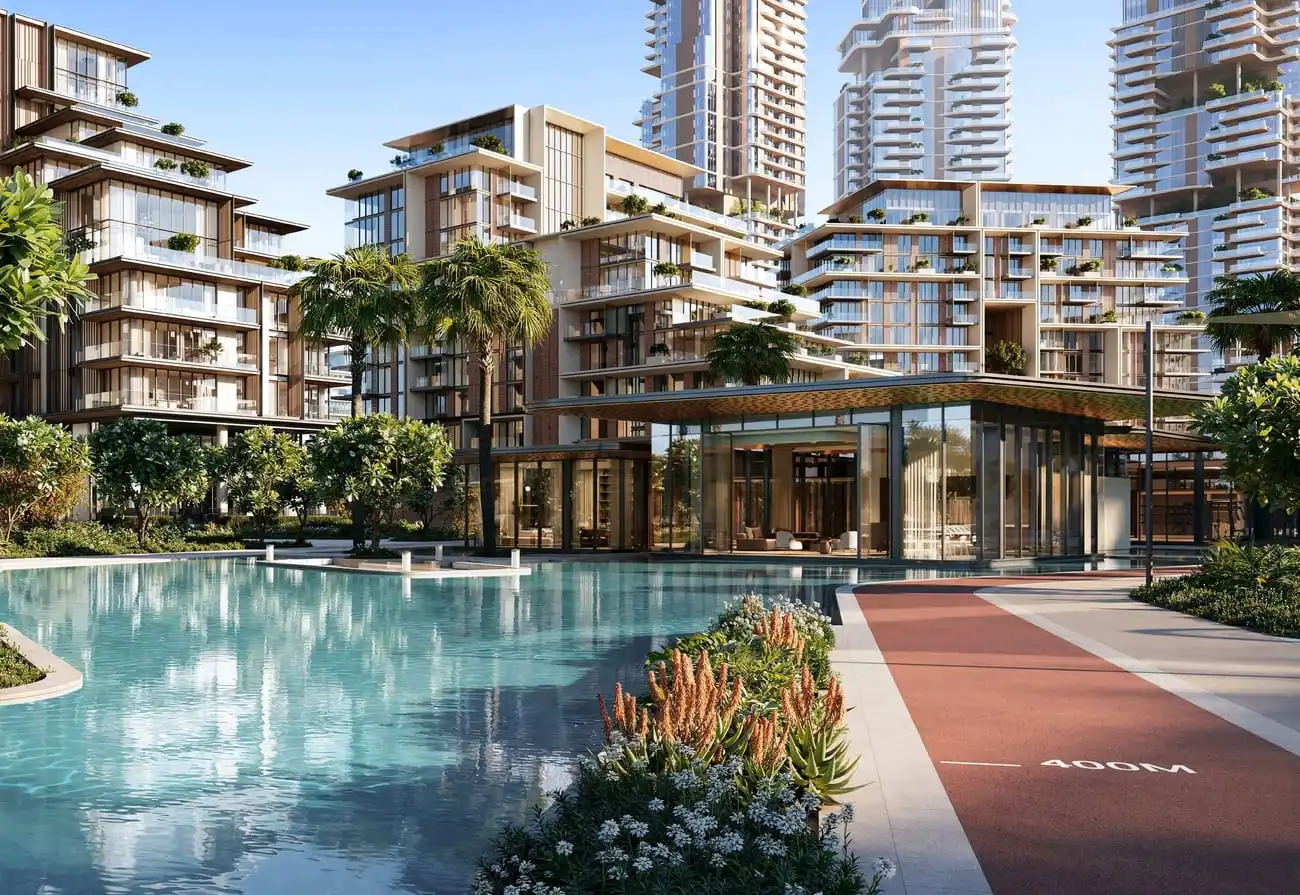
That description is actually quite accurate. City Walk is not for someone chasing the biggest skyline or the most obvious luxury postcode. It is for buyers who want a refined central lifestyle with strong dining, pedestrian comfort in parts, and a more boutique feeling than the larger master communities. It tends to appeal to professionals, couples, and buyers who care as much about atmosphere as they do about square footage.
In some ways, City Walk is a taste-driven choice. Which sounds vague, I know, but that is often how these decisions are made.
Lifestyle communities comparison table
| Area | Best for | What makes it attractive | Main downside |
|---|---|---|---|
| Dubai Marina | Waterfront city living | Promenade, towers, dining, tram and metro access | Traffic, noise, higher density |
| JBR | Beachfront walkability | The Walk, beach access, restaurants, strong leisure vibe | Congestion, tourist-heavy feel in peak periods |
| City Walk | Curated urban living | Design-led environment, dining, central position | Smaller residential stock, premium pricing in good buildings . |
Affordable to Mid-Range Residential Areas
This is where the conversation usually becomes more practical. Buyers still want a good address, or at least a good-feeling address, but they also want numbers that make sense. And in 2026, that part of the market matters a lot, because volume and value-seeking behavior continue to drive a large share of buyer activity.
Jumeirah Village Circle, best for value
JVC has been one of Dubai’s most searched and most transacted residential communities for a reason. It offers a broad mix of apartments, townhouses, and some villas, with a pricing profile that remains far more accessible than prime coastal or central districts. Bayut describes JVC as a well-established, family-friendly community by Nakheel, located between Al Khail Road and Sheikh Mohammed Bin Zayed Road, which helps explain why it continues to attract both tenants and buyers.
The real strength of JVC is not glamour. It is usability. Circle Mall, local retail, schools, supermarkets, and a steadily improving sense of internal convenience have made it easier for residents to treat the area as a functioning community rather than just a lower-cost fallback. That distinction matters.
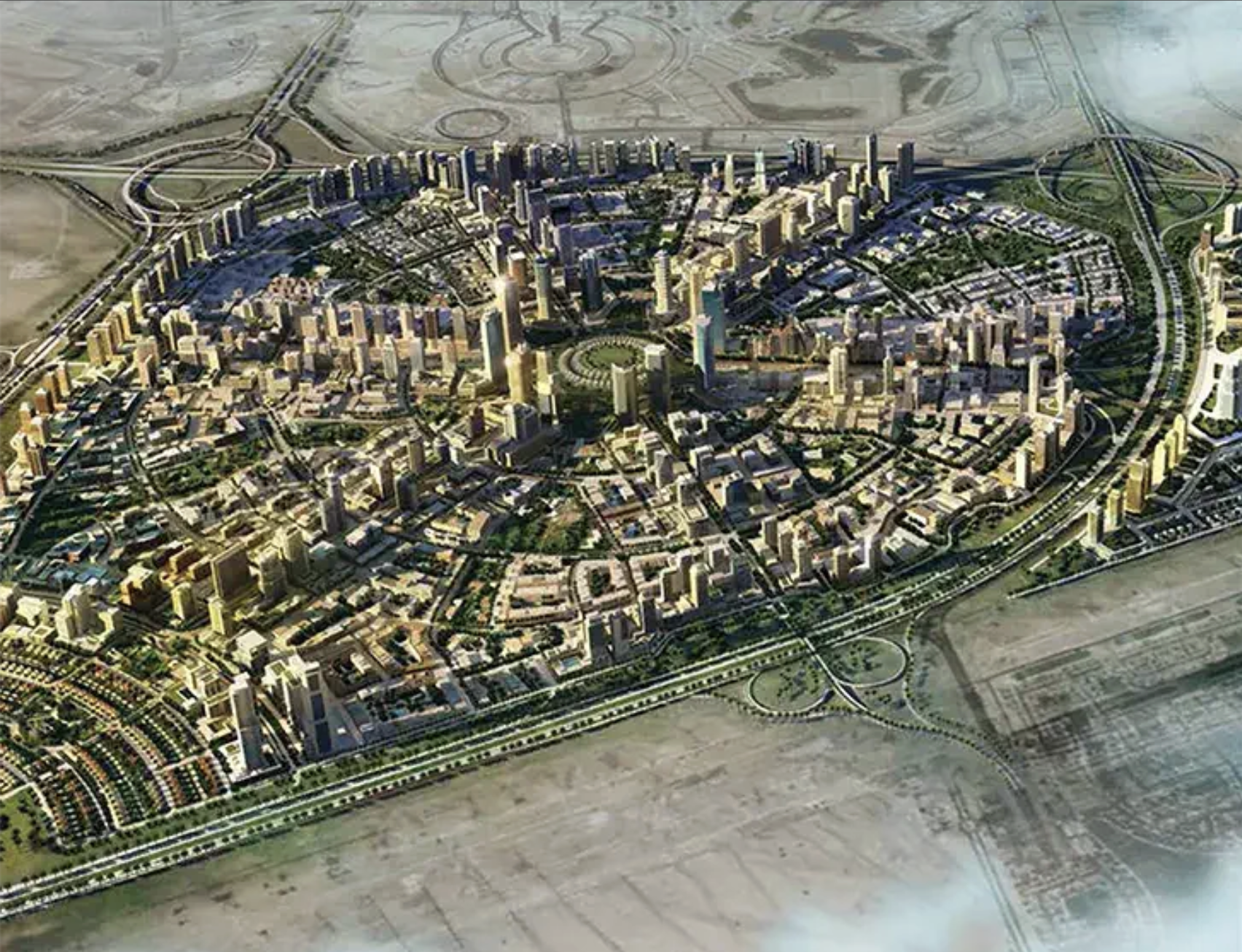
It is also one of the clearest examples of where affordability and rental demand can reinforce each other. Buyers may not get the prestige of Downtown or the beachfront label of Palm Jumeirah, but they often get a larger pool of end users and tenants who can actually afford to live there.
Using the 2026 sales snapshot, JVC also ranks first in transaction volume among the areas you listed, with 2,883 sales , which supports the idea that it is not just talked about, it is actively traded.
Motor City, best for space and quieter value
Motor City deserves more attention than it usually gets in broad rankings. It does not always make the flashy “best areas in Dubai” lists, but it often performs well for people who want larger layouts, a calmer setting, and a more grounded residential feel. Engel & Völkers’ 2025 area guide notes that Motor City sits near Sheikh Mohammed Bin Zayed Road and Hessa Street, offers direct bus access to Mall of the Emirates, and includes established amenities such as schools, healthcare, and First Avenue Mall.
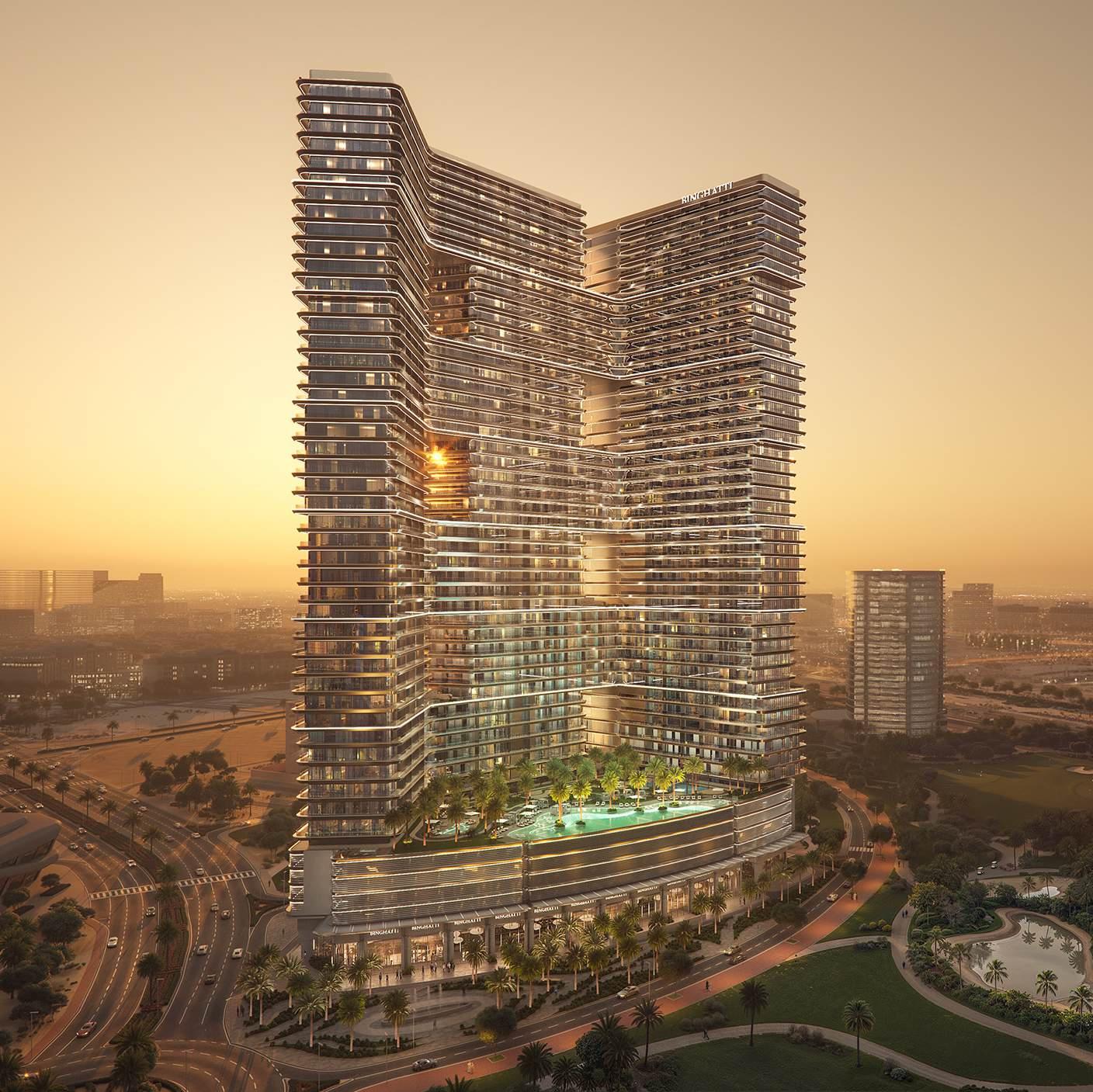
That combination is useful. Motor City feels less compressed than denser apartment districts, and many residents like it precisely because it does not feel hyper-commercial. It is a practical place to live. Apartments tend to be more generous in layout than in some newer communities, and the area has a relatively mature community structure.
It is probably not the first choice for someone who wants to walk to the beach or be surrounded by branded towers. But for families, professionals, or buyers who value livability over image, Motor City can make a lot of sense.
Dubai Silicon Oasis, best for practical mixed-use living
Dubai Silicon Oasis, or DSO, has a different identity again. It is not simply a residential suburb. The official DSO platform describes it as a global hub for knowledge and innovation, a residential community, and a specialized economic zone. It also positions itself as a “15-minute city” within Dubai’s Urban Master Plan 2040, with residents, businesses, education, parks, retail, clinics, schools, and university access all forming part of the ecosystem.
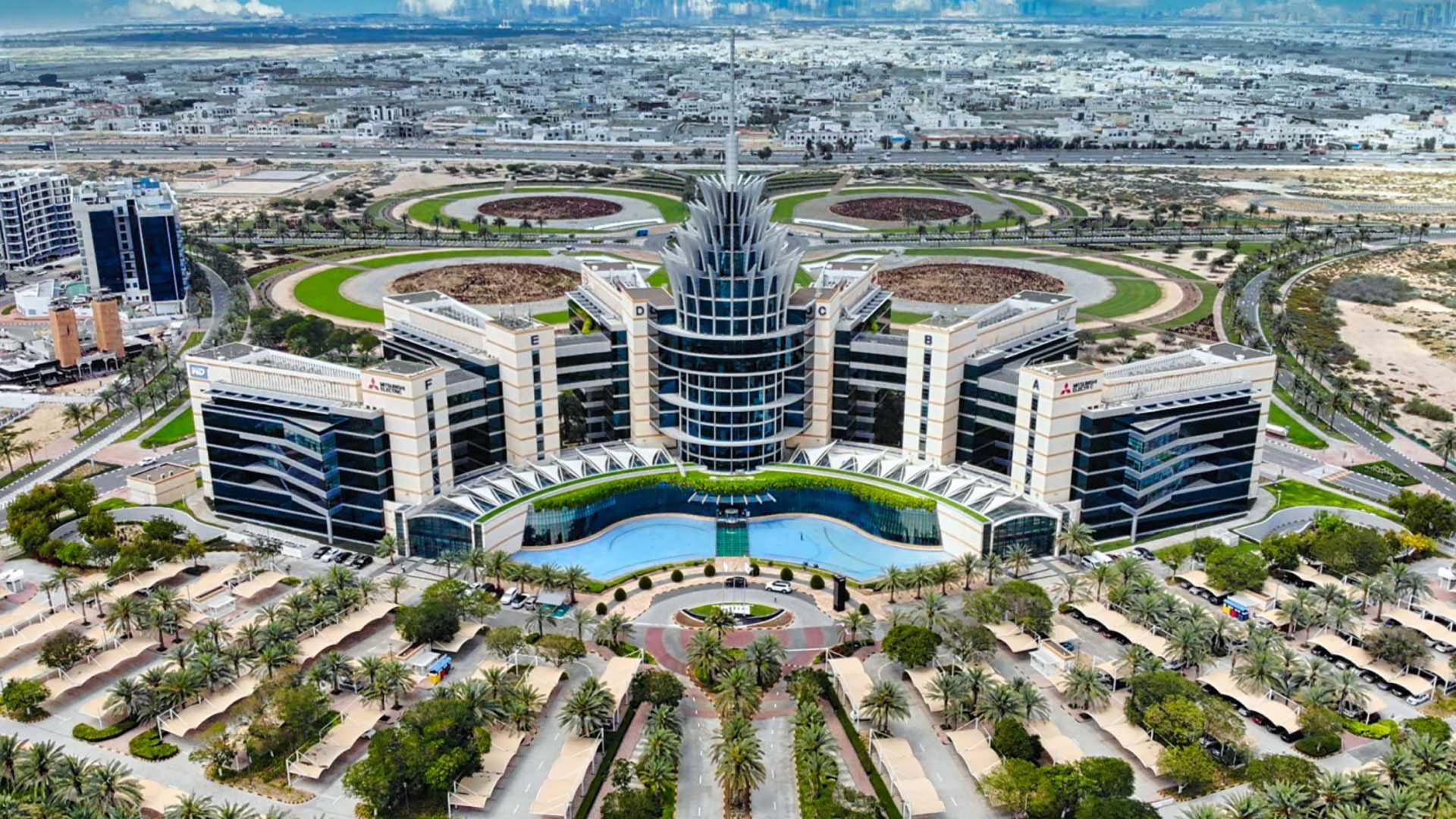
For some buyers, that mixed-use structure is a real advantage. DSO works well for professionals, entrepreneurs, students, and families who want practical housing in a community that combines employment, services, and daily convenience. It is not trying to compete with Palm Jumeirah on lifestyle branding, and it should not. Its value lies in functionality.
That is why DSO often sits comfortably in the affordable-to-mid-range shortlist. It offers a more self-contained environment than many people expect.
Affordable to mid-range comparison table
| Area | Best for | Housing mix | Why buyers like it | Main compromise |
|---|---|---|---|---|
| JVC | Value and rental demand | Apartments, townhouses, villas | Accessible pricing, broad tenant pool, strong transaction activity | Mixed building quality across stock |
| Motor City | Space and quieter living | Larger apartments, townhouses, some villas | Mature feel, larger layouts, practical amenities | Less iconic, more car-dependent |
| Dubai Silicon Oasis | Functional mixed-use living | Apartments and villa communities | Work-live convenience, schools, services, affordability | Less lifestyle prestige than prime districts |
Emerging Areas to Watch
Dubai South, best for future-focused buyers
Dubai South is one of the clearest emerging-area stories in Dubai right now. The official Dubai South site positions it as a major master-planned hub spanning aviation, logistics, business, and residential activity, while residential marketing around the district emphasizes family-oriented apartments, flexible payment plans, and community growth.
The investment case is fairly straightforward. It is tied to large-scale infrastructure, long-horizon planning, and a location narrative linked to Expo City and Al Maktoum International Airport. That does not mean every project there is automatically a great buy. It just means the macro story is credible enough that buyers should pay attention.
In your own transaction snapshot, Dubai South sits second with 2,711 sales , which is significant. That level of activity usually tells you the market sees both affordability and future upside.
Dubai Islands, best for emerging waterfront potential
Dubai Islands is different from Dubai South because the story is not infrastructure-led in the same way, it is waterfront-led. It is increasingly relevant for buyers who want coastal exposure but are also asking whether there is a way to enter a newer seafront district before it fully matures.
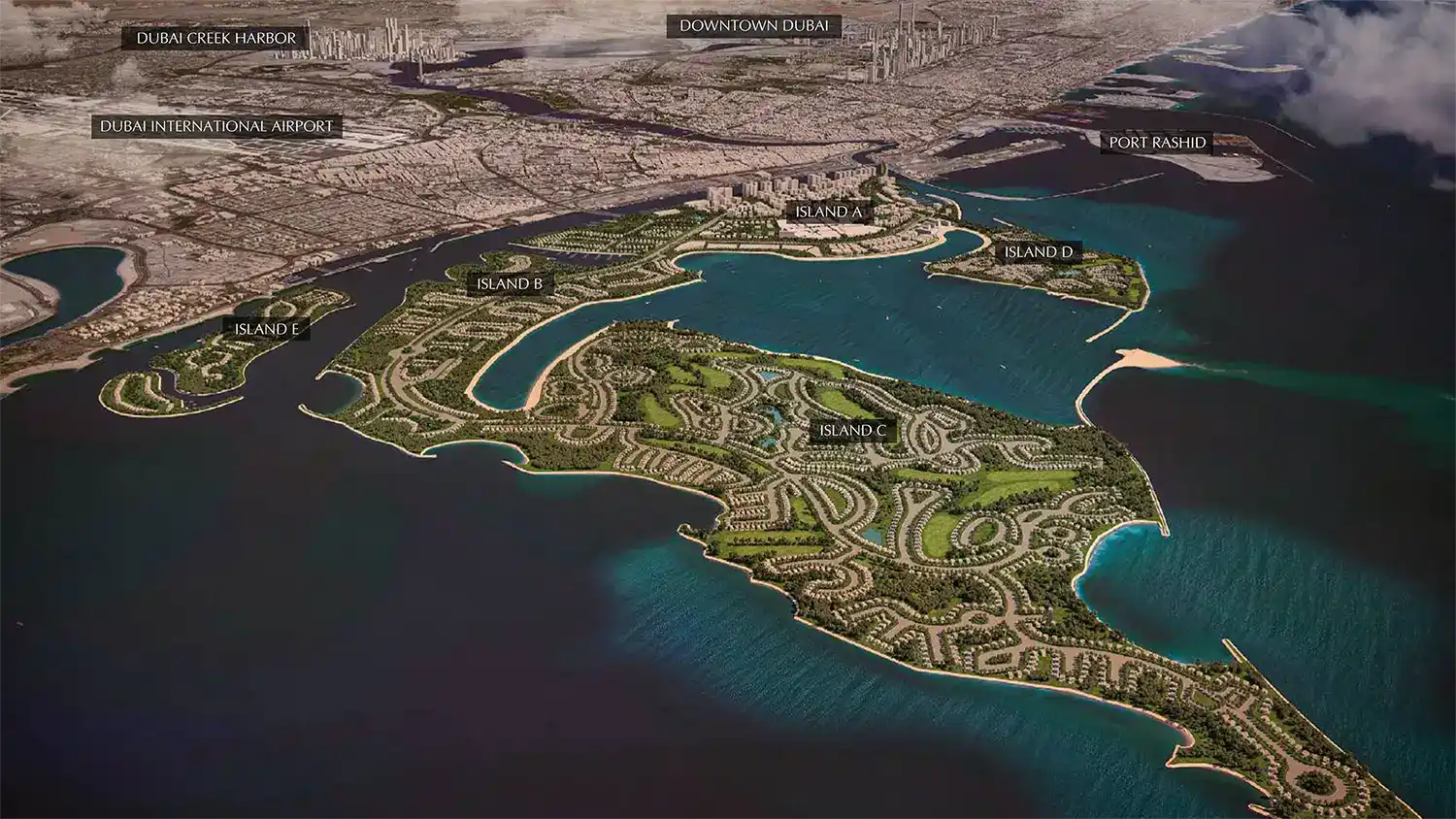
In the 2026 sales snapshot, Dubai Islands also shows 1,604 sales , which is enough to tell us it is no longer some distant speculative concept. Buyers are clearly engaging with it.
Top 5 Areas for Expats in Dubai in 2026
If I had to narrow this entire article down to five general favorites for expats in 2026, the list would still look quite close to the one you outlined, and for good reason.
| Rank | Area | Best for |
|---|---|---|
| 1 | Downtown Dubai | City lovers and central convenience |
| 2 | Dubai Marina / JBR | Walkable lifestyle and waterfront living |
| 3 | Palm Jumeirah | Beachfront luxury |
| 4 | Dubai Hills Estate | Families and green balance |
| 5 | JVC | Value and everyday practicality |
How to Choose the Best Residential Area in Dubai by Buyer Profile
By this stage, the article has probably made one thing clear, there is no single “best” residential area in Dubai. There are several strong answers, depending on what kind of life, budget, and time horizon the buyer actually has. The problem is that many guides stop at listing neighborhoods. They do not help the reader decide. So this section should do that. It should move the article from descriptive to useful. That tends to perform better for both search and AI retrieval because it answers intent, not just keywords. The framework below is a synthesis of official community positioning and established area guides from Emaar, Visit Dubai, Bayut, Nakheel, City Walk, and Dubai South.
Best for luxury buyers
If the buyer wants prestige first, Palm Jumeirah is still the clearest answer for beachfront luxury, Emirates Hills remains the stronger answer for private mansion living, and Downtown Dubai fits buyers who want central high-end apartment living with global recognizability. Palm Jumeirah combines premium residences, hospitality, leisure, and marinas in a way few districts can match, while Downtown remains one of Emaar’s flagship luxury urban communities.
Best for families
For families, Dubai Hills Estate is probably the most balanced answer overall. It combines greenery, schools, healthcare, retail, and a broad property mix, while Arabian Ranches stays attractive for buyers who know they want a villa-led, gated, more suburban rhythm. The Springs is still one of the more practical established options for people who value community feel over headline prestige.
Best for professionals and urban lifestyle buyers
If the buyer wants daily energy, movement, and convenience, Downtown Dubai and Dubai Marina usually sit at the top of the shortlist. Downtown is more central and polished. Marina is more promenade-led and social. JBR is stronger for beachfront walkability, while City Walk appeals to buyers who want a more curated urban environment with strong dining, retail, and lifestyle positioning.
Best for value-conscious buyers
JVC remains one of the strongest value picks in Dubai because it offers a broad residential mix, local amenities, and better affordability than the core prime districts. Motor City and Dubai Silicon Oasis also remain relevant for practical buyers who care more about layout, community function, and day-to-day livability than having the most famous postcode.
Best for long-term growth-oriented buyers
Buyers thinking more strategically, perhaps with a longer hold period, often end up comparing Dubai South and Dubai Islands. Dubai South is tied to a large master-planned ecosystem covering aviation, logistics, business, and residential growth, while Dubai Islands is being positioned by Nakheel as a five-island waterfront destination aligned with Dubai’s 2040 vision. They are different stories, but both fit buyers who are willing to buy into a future narrative rather than only a fully matured district.
Quick comparison, which area fits which kind of buyer?
| Buyer type | Best-fit area | Why it fits |
|---|---|---|
| Luxury beachfront buyer | Palm Jumeirah | Iconic waterfront living, premium residences, strong prestige factor |
| Mansion and privacy buyer | Emirates Hills | Low-density luxury, land, discretion, long-term status |
| Urban luxury buyer | Downtown Dubai | Centrality, skyline identity, luxury apartment stock |
| Family wanting balance | Dubai Hills Estate | Green space, schools, amenities, strong overall livability |
| Villa family buyer | Arabian Ranches | Gated suburban character, villas, quieter pace |
| Walkability and social life | Dubai Marina / JBR | Promenade lifestyle, dining, waterfront atmosphere |
| Design-led city living | City Walk | Curated urban environment, retail and dining integration |
| Value-oriented buyer | JVC | Broad affordability, mixed stock, practical convenience |
| Space-conscious buyer | Motor City | Larger layouts, calmer setting, mature feel |
| Future-focused investor | Dubai South / Dubai Islands | Long-horizon infrastructure or waterfront growth thesis |
My honest conclusion for 2026
If I had to reduce the entire article to a few practical recommendations, this would be it.
Best all-round residential area in Dubai: Dubai Hills Estate. It is not the cheapest and it is not the flashiest, but it is probably the most balanced. It works for families, professionals, and investors better than most communities because it avoids being too narrow.
Best luxury area: Palm Jumeirah. There are more private or more central alternatives, but Palm still has the strongest combination of global recognition, beachfront lifestyle, and premium residential identity.
Best city-lifestyle area: Downtown Dubai for centrality and Dubai Marina for waterfront urban energy. The choice between them usually comes down to whether the buyer prefers skyline centrality or promenade living.
Best value area: JVC. It continues to meet a simple market need: better affordability without complete disconnection from the rest of Dubai.
Best emerging area to watch: this depends on the lens. Dubai South is stronger if the buyer wants infrastructure-led long-term growth. Dubai Islands is stronger if the buyer wants a newer waterfront story with lifestyle upside.
FAQs
What is the best residential area in Dubai overall?
For most buyers in 2026, Dubai Hills Estate is one of the strongest all-round choices because it combines green space, schools, amenities, and good connectivity with a property mix that suits both end users and investors. Buyers wanting more luxury or more city intensity may still prefer Palm Jumeirah or Downtown Dubai.
Which area in Dubai is best for families?
Dubai Hills Estate and Arabian Ranches are among the best family-friendly communities in Dubai. Dubai Hills offers a broader mix of apartments, townhouses, and villas with parks and amenities, while Arabian Ranches is better suited to buyers focused on villa living and a quieter suburban environment.
Which Dubai area is best for luxury living?
Palm Jumeirah is still one of the clearest luxury answers because it combines premium beachfront residences, hotels, restaurants, marinas, and a globally recognized address. Downtown Dubai is another strong luxury choice for buyers who prefer central high-rise living.
What is the best affordable area to live in Dubai?
Jumeirah Village Circle, or JVC, remains one of the strongest value-oriented communities because it offers relatively accessible pricing, community amenities, and a broad mix of apartments, townhouses, and villas. Dubai Silicon Oasis and Motor City are also worth considering for practical buyers.
Is Dubai Marina or Downtown Dubai better?
Dubai Marina is generally better for waterfront walkability, social energy, and promenade living, while Downtown Dubai is better for centrality, prestige, and a more iconic city-center experience. The better choice depends on whether the buyer values lifestyle by the water or being in the heart of the city.
Which emerging residential area in Dubai should buyers watch?
Dubai South and Dubai Islands are two of the more interesting emerging areas to watch. Dubai South is tied to a broad master-planned growth story, while Dubai Islands is a waterfront destination planned across five islands and aligned with Dubai’s 2040 vision.