

Straightforward does not mean mindless. Buying property in Dubai is a clean process by global standards, but a few fees surprise first-timers, and a couple of documents (Form F, the NOC) are worth understanding before you sign anything. I have watched buyers rush the paperwork because they found a unit they loved, then realise later they never budgeted for service charges or the full transfer cost. It happens more than you would think.
If you may exit early, selling your contract before completion is its own process, covered in our off-plan investment guide.
So here is the process the way deals actually move in Dubai: the costs, the order of the steps, and the decisions that matter. If you want the off-plan version of this journey (payment plans, escrow, Oqood), start with off-plan properties and buying guidance and circle back.
Get My Dubai Shortlist.
Send me your budget and timeline, I will reply with 5 to 10 verified options, plus expected fees and a simple next-step plan. Contact today.
Quick answer
- Yes, foreigners can buy property in Dubai in designated freehold zones, and residency is not required.
- Typical upfront costs to plan for:
- 4% DLD transfer fee (often paid by the buyer in practice)
- 2% agency fee is common on secondary transactions (off-plan is often developer-paid, depending on the project)
- 10% deposit is common at MoU/Form F stage for resale purchases
- Mortgage note: expat down payments are commonly 20 to 25%+ depending on resident status and the bank.
- Golden Visa note: real estate investors typically look at the AED 2M+ threshold for the 10-year route.
Key costs to budget
A simple table to keep open while you shop.
| Cost item | Typical amount | When you pay it | Notes |
|---|---|---|---|
| DLD transfer fee | 4% of purchase price | At transfer/title deed | Often the buyer pays in full in real-world deals |
| DLD registration admin | Usually AED 2,000 or AED 4,000 + VAT (price-dependent) | At transfer/title deed | Commonly referenced in Dubai fee guides |
| Agency fee | Often 2% (secondary) | Around MoU/transfer | Structures vary by listing/project |
| Deposit (resale) | Often 10% | At Form F / MoU signing | Terms matter, read default clauses |
| NOC fee (developer) | Often a few thousand AED | Before transfer | Depends on developer/project |
| Service charges | Varies by building | Ongoing | Ask for the current service charge rate early |
I like to treat Dubai buying costs as purchase price plus a buffer. Many guides estimate the extra costs land in the high single digits as a percentage once you add the official fees and the admin items. That buffer keeps you calm during the final week.
Freehold vs leasehold
In Dubai, foreign ownership is permitted in areas designated as freehold. Freehold typically means full ownership rights with no time limit, while leasehold or usufruct is usually time-limited, often up to 99 years. The label is not the point. What matters is that the property sits in an area where foreign ownership is allowed, and that your ownership is recorded through DLD registration and a title deed.
For a plain-language explainer, this reference helps: Who is legally recognised as the owner in Dubai?
Off-plan vs ready property
This decision shapes everything: your timeline, your payment plan, and the kind of risk you take on.
| Topic | Off-plan (under construction) | Ready property (completed) |
|---|---|---|
| Payment style | Staged payments, sometimes post-handover | Larger payment at transfer (cash or mortgage) |
| Registration | Often Oqood and developer processes | Trustee office transfer with title deed |
| Risk profile | Delivery timelines, developer performance | Building condition, tenant status, service charges |
| Best for | Longer-horizon investors, plan-based buyers | End-users, immediate rental income, faster control |
The real-world sequence
1) Search and select, starting with constraints, not vibes
It is tempting to start with “Palm or Downtown?” You will move faster if you start with constraints instead:
- Are you buying for living, long-term rent, short-term rent, or a flip/exit?
- Do you need a mortgage, or is this cash?
- Do you care more about view and lifestyle, or yield and liquidity?

Once you answer those, you can shortlist areas and building types. The moment you have a shortlist, collect three practical data points per building: the service charge range, recent transaction comps, and a realistic rent (not the dream number).
For transaction history, Dubai has sources like DXB Interact that many investors use to sanity-check pricing.
2) Choose a RERA-licensed agent
This step is more important than people admit, not because you cannot browse the portals yourself (you can), but because Dubai’s speed can work against you. A good RERA-licensed agent helps you:
- confirm the listing is real and the seller is in a position to sell,
- structure the offer and the timeline, especially if a mortgage is involved,
- work through the Form F terms and the sequence to transfer.
Competitor guides describe this step the same way, because it is basically how the market operates day to day.
If you want to speak with our team directly and get a short shortlist based on your target yield and budget, this is the cleanest entry point: Contact Totality Real Estate.
3) Secure finance, or decide to stay cash
If you are buying with cash, Dubai can move fast. With a mortgage it can still be smooth, but the order matters more, and people underestimate that. Buyers often shop first and finance second. It feels natural, and it can backfire: you fall in love with a unit, then the bank valuation comes in lower, or the approval takes longer than the seller will wait. The smarter flow is to get a realistic budget, then shop inside it.
Mortgage pre-approval
Pre-approval is the bank saying, based on your income and documents, it is willing to lend up to X, subject to property valuation and final checks. It is not the final offer, but it makes your offer stronger, because the seller can trust you are not guessing.
In the UAE, mortgage lending is governed by loan-to-value (LTV) limits in the Central Bank rulebook, with different caps depending on buyer profile and property value. The practical version most buyers need:
| Buyer profile and property value | Typical max LTV (rule-based cap) | What that means in down payment terms |
|---|---|---|
| Expat, first property, value up to AED 5M | Up to 75% LTV | You cover at least 25% deposit |
| Expat, first property, value above AED 5M | Up to 65% LTV | You cover at least 35% deposit |
| UAE national caps differ, and may be higher in some cases | Caps can reach up to 85% in certain scenarios | Lower deposit possible, situation-dependent |
Banks also look at salary, existing debt, your AECB credit profile, employer, and whether the unit type is easy to finance. So treat LTV as the outer boundary, not a promise. And not every buyer is a UAE resident. If you are a non-resident, some banks lend with tighter LTV and heavier documentation, and some only consider ready properties. That is why, when a buyer tells me “I can mortgage it,” my next question is always “resident or non-resident?” The path is different.
Mortgage costs people forget
Even when your down payment is clear, budget for the costs that sit outside the purchase price. Guides from major portals list items like valuation fees, and they remind buyers that DLD fees and transfer costs are separate from your down payment. When you model affordability, think in three buckets:
- Your deposit and purchase costs (DLD, trustee, admin, agency).
- Your mortgage costs (valuation, processing, insurance if required).
- Your ongoing building costs (service charges, utilities, maintenance).
4) Sign the MoU (Form F)
In Dubai resales, the Memorandum of Understanding is commonly documented through Form F, the core agreement that sets the commercial terms, deadlines, and default clauses. This is where most of the small, expensive mistakes happen.
Deposit, usually 10%, but the details matter more than the number
A 10% deposit is widely treated as the standard at MoU signing. What buyers should focus on is not only how much, but:
- Who holds it (seller, broker, escrow-style arrangement),
- When it becomes at risk (trigger events),
- What counts as default for each party,
- What happens if the bank valuation comes in low, if you are financing.
Some guides discuss the minimum 10% deposit language, but in practice Form F can be negotiated, and your clauses should match your situation.
A simple Form F checklist
This is the part people skim and then regret. Slow down on these:
- Property identification details. Unit number, building, parking, and any storage. It sounds boring, but typos happen.
- Inclusions and exclusions. Furniture, appliances, and whether it is vacant or tenanted.
- Timeline and milestones. Dates for the NOC application, the mortgage final offer if applicable, and the transfer appointment target.
- Default clause logic. What exactly triggers forfeiture or compensation, and what “reasonable efforts” means.
- Special conditions. For example, subject to mortgage approval, subject to the seller settling service charges, or subject to the unit being vacated by a set date.
This is where a RERA-licensed agent and a conveyancing-aware workflow earn their keep, because the clause wording has to match the actual steps that come next.
5) NOC and transfer day
After Form F, most resales move toward two operational steps: getting the developer NOC, then completing the ownership transfer at a DLD-authorised trustee office.
Developer NOC
The developer issues a No Objection Certificate to confirm there are no objections to the transfer, which typically means service charges are settled and internal requirements are met. Costs vary by developer, but many Dubai fee guides cite ranges from a few hundred to a few thousand dirhams, often quoted as AED 500 to AED 5,000 plus VAT.
Trustee office transfer, the title deed moment
Dubai Land Department confirms that title deeds can be issued through DLD and through Real Estate Registration Trustee centres, which is why transfers commonly happen there. On the day, what you are really doing is:
- verifying identity and documents,
- paying official fees,
- presenting payment for the purchase (manager’s cheque or bank settlement, depending on the structure),
- receiving confirmation of transfer, with a new title deed issued in your name.
Besides the 4% transfer fee, buyers usually see trustee processing charges and admin items, often in the low thousands of dirhams depending on the service bracket. DLD fee guides note that the 4% transfer fee is the standard registration/transfer fee, even if in practice the buyer often ends up paying it.
6) Visa eligibility, without overpromising
People hear “buy property in Dubai” and immediately ask about residency. Fair. It is cleaner to split it into two buckets:
- Investor residence route with a minimum property value. Dubai Land Department lists an investor residence application with a minimum real estate value of AED 750,000, with additional conditions for mortgaged properties.
- Golden Visa investor route (10-year). DLD’s Golden Visa investor service states AED 2 million property value as a key threshold, with notes that mortgaged property may be accepted with a bank no-objection letter and specific conditions.
I am cautious here because visa rules carry documentation nuance. The safest workflow is to treat the thresholds as screening criteria, then confirm the exact document list at application time.

Top areas to buy property in Dubai
People ask for the “best area” as if there is one answer. There isn’t. The better question is best for what: cash flow, lifestyle, resale liquidity, long-term appreciation, or a mix you can live with.
And there is something slightly awkward worth admitting: sometimes you only discover your real preference after you view a few buildings. You walk into one tower and feel instantly comfortable, then walk into another and it feels tired, even though the listing photos looked perfect. That is normal. Here is a practical way to shortlist, based on the most common buyer intents.
| Area type | Best for | What tends to be strong | What to double-check |
|---|---|---|---|
| Downtown Dubai | trophy lifestyle, high liquidity | landmark demand, premium positioning | service charges and building age mix |
| Dubai Marina | rental demand and lifestyle | strong tenant pool, walkability | parking, traffic access, tower maintenance |
| Business Bay | investor demand, city core proximity | centrality, newer stock in parts | layout efficiency, noise and roadworks pockets |
| JVC (Jumeirah Village Circle) | entry-to-mid budget investment | broad tenant demand, many new projects | developer quality varies, check handover history |
| Dubai Hills Estate | family end-user and long-term hold | master-planned feel, retail and parks | exact location within Hills, service charge levels |
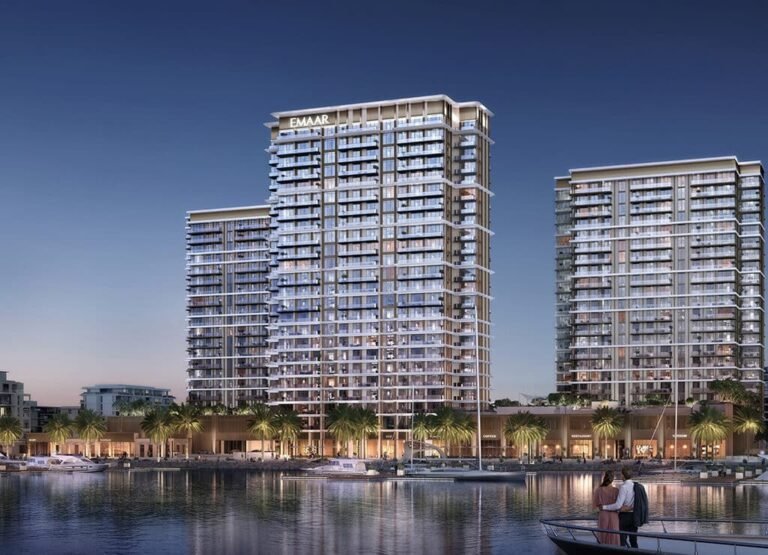
| Dubai Creek Harbour | long-term growth story | master plan, waterfront appeal | phasing and handover timelines |
| Palm Jumeirah | ultra lifestyle and brand value | scarcity, luxury positioning | HOA/service costs, view orientation and access |
| Dubai Silicon Oasis | affordability and steady demand | practical rents, community feel | building-by-building quality differences |
Foreigners can buy in designated freehold areas, and popular examples commonly cited include Dubai Marina, Downtown Dubai, and Palm Jumeirah. For an investor-first workflow, start with yield and liquidity, then choose the area, not the other way around. It feels less romantic, and it tends to produce better decisions.
Project examples
1) Luxury villa communities and trophy villas
Best for: end-users, generational holds, and lifestyle buyers who value space, privacy, and the brand of the master plan.
What to look for:
- master developer track record,
- community delivery timelines,
- realistic running costs (maintenance, landscaping, community fees),
- resale liquidity (villas can be liquid, but only if you are priced correctly).
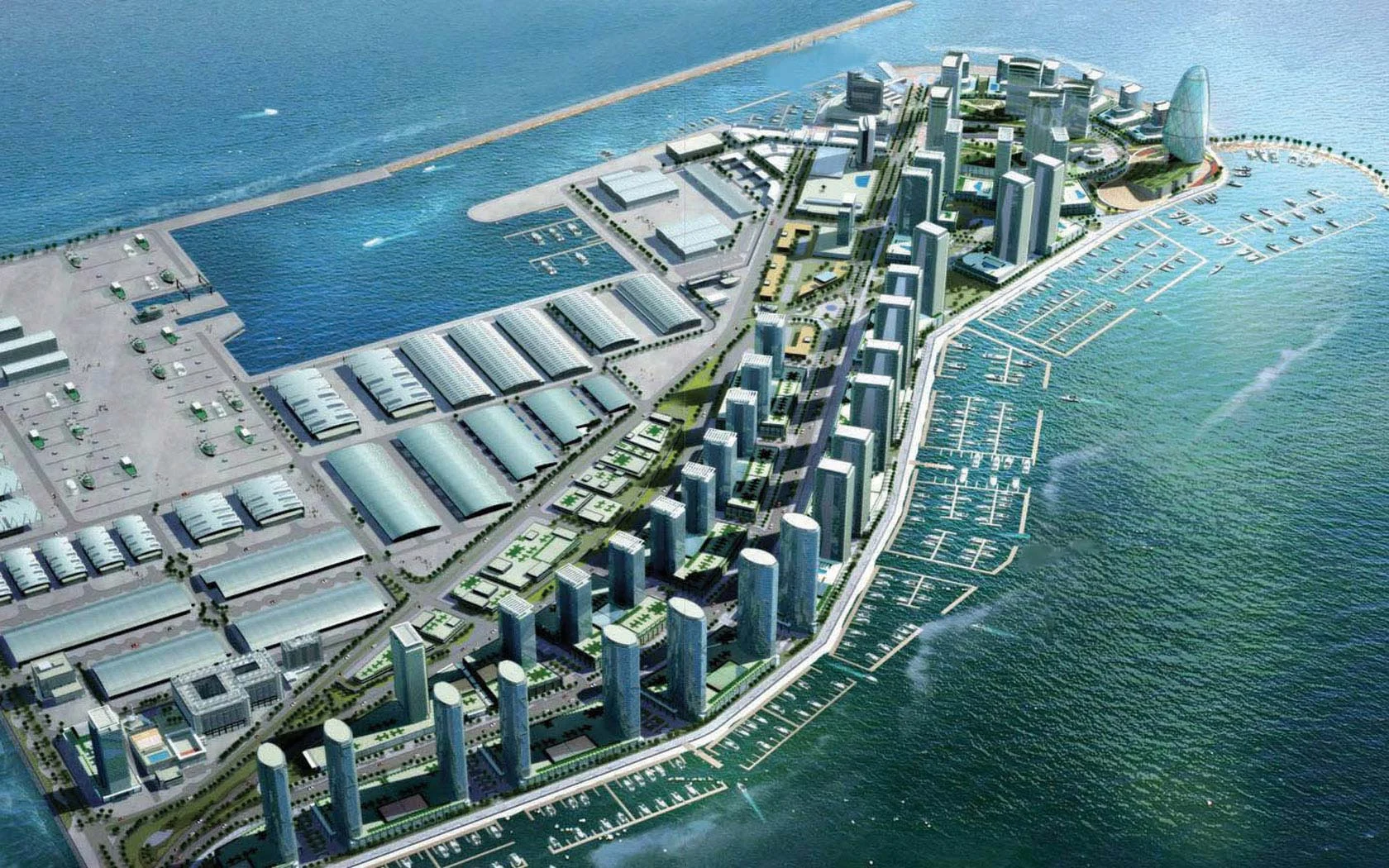
Buyers tend to compare large master-planned villa communities and new ultra-prime waterfront concepts. If you are considering off-plan villas, understand escrow and the off-plan process first (off-plan properties in Dubai).
2) Branded residences and headline towers
Best for: buyers who want brand association, a specific lifestyle, and sometimes an easier marketing story if the unit is later sold or rented.
What to look for:
- whether the brand is actually operating services, or it is mostly marketing,
- service charge expectations,
- view and stack premiums (the same floor plan can trade very differently based on view),
- exit options, because branded premiums can compress if supply increases.
These projects also pull search traffic because they are memorable. Do not let memorability replace due diligence.
3) Practical investor apartments, the quiet winners
Best for: investors focused on occupancy, stable tenant demand, and repeatable performance.
Areas that frequently sit in this lane include JVC, parts of Business Bay, and other mid-budget communities with constant tenant inflow. A lot of first-time investors start here because the math is easier to read and the tenant pool is broad. Put simply, the quiet winner is usually a well-laid-out unit in a well-managed building, with sensible service charges, close to daily-life amenities.
Costs checklist
A checklist-style table that works for both ready properties and resale deals, and lines up with what the major Dubai buying guides consistently mention.
| Cost | Typical amount | Paid by | When | Notes |
|---|---|---|---|---|
| DLD transfer fee | 4% of purchase price | usually buyer in practice | transfer day | the official transfer fee is the big one |
| Trustee / registration fee | AED 2,000 (below AED 500k) or 4,000 (AED 500k+) + VAT | typically buyer | transfer day | commonly referenced as fixed bracket fees |
| Title deed issuance | around AED 580 (ready units, commonly cited) | buyer | transfer day | admin issuance charge |
| MoU deposit (Form F) | commonly 10% | buyer | at MoU signing | amount and refund terms depend on clauses |
| Agency fee | often 2% (secondary) | buyer (common) | MoU or transfer | varies by deal structure |
| Developer NOC fee | often a few hundred to a few thousand AED | usually buyer | before transfer | varies by developer and building |
| Mortgage registration fee (if financing) | 0.25% of loan + admin (often cited) | buyer | mortgage registration | separate from transfer fees |
| Bank valuation (if financing) | varies | buyer | before final offer | depends on bank and property type |
| Service charges | varies by building | owner | annually | ask early, it changes the net yield |
Two things that are easy to overlook:
- Your down payment is not the same as your buying costs. You need both.
- Service charges can turn a great deal on paper into a mediocre one, if the building is expensive to run.
Timeline, what “how long does it take” really means
People want one number. It depends on cash versus mortgage, and whether the unit is vacant, tenanted, or has any developer clearance issues.
| Purchase type | Typical timeline | Why it takes that long |
|---|---|---|
| Ready property, cash | often 1 to 3 weeks | MoU, deposit, NOC, trustee transfer slot |
| Ready property, mortgage | often 3 to 8 weeks | valuation, bank final offer, coordination with seller timeline |
| Off-plan direct from developer | varies, can be same-week reservation | developer docs, payment plan, Oqood and escrow workflow |
| Resale off-plan (assignment) | varies widely | developer approval steps and any resale restrictions |
For mortgage buyers the process is still very workable, just less instant. The UAE Central Bank’s mortgage regulations set the LTV caps, and banks follow a structured path from pre-approval to valuation to final offer.
Documents checklist
This keeps the workflow smooth, especially if you are juggling travel or buying from abroad.
Buyer documents (common)
- passport copy
- visa and Emirates ID (if resident), or entry stamp if applicable
- proof of address (for some banks)
- proof of funds (cash) or pre-approval docs (mortgage)
Seller documents (common)
- title deed
- seller passport and Emirates ID
- developer NOC application documents
- any mortgage release docs if applicable
Property documents to ask for
- service charge statement or current rate
- unit details, parking, storage
- tenancy status, Ejari details if tenanted
Common mistakes I keep seeing
Mistake 1: Falling in love before checking service charges
Boring, I know. But service charges can quietly dominate your annual numbers.
Mistake 2: Treating Form F as standard, nothing to read
The deposit is usually 10%, and the default clauses matter. Read the timelines, the conditions, and the exact definition of default.
Mistake 3: Assuming visa eligibility without checking the rules
Property-linked residency routes exist, but thresholds and conditions matter. Dubai Land Department lists AED 750,000 for an investor residence application, and AED 2,000,000 for the Golden Visa investor route, with additional conditions for mortgaged property and other requirements.
FAQs
Can foreigners buy property in Dubai without residency?
Yes. Foreigners and non-residents can buy in designated freehold areas, and residency is not required to purchase.
What are the main fees when buying property in Dubai?
The big one is the 4% DLD transfer fee, then trustee/registration fees, title deed issuance, plus the agency fee and a potential NOC fee depending on the deal.
What is Form F, and why does it matter?
Form F is the standard MoU format used in many resale deals. It sets the price, timeline, deposit handling, and default clauses.
Is the deposit always 10%?
It is commonly 10% in resale deals, but terms can be negotiated. What matters most is how the deposit is handled and what triggers default.
How long does it take to buy a ready property in Dubai?
Cash deals can close quickly, sometimes in a couple of weeks, while mortgage deals often take longer due to valuation and bank processing.
Can expats get a mortgage in Dubai?
Yes. LTV caps and eligibility depend on buyer profile and property value, and banks follow Central Bank mortgage regulations.
What property value qualifies for a residence visa or Golden Visa?
DLD lists a minimum real estate value of AED 750,000 for an investor residence application, and AED 2,000,000 for a Golden Visa investor route, with conditions for mortgaged properties.
What is a developer NOC?
A clearance document from the developer confirming there is no objection to transferring the property, commonly required before transfer.
Off-plan vs ready, which is better?
Off-plan often offers staged payment plans and long-horizon upside, while ready property offers faster control and immediate rental potential. The best choice depends on your timeline, risk tolerance, and strategy.
If you are planning to buy in Dubai and you want a shortlist that actually matches your strategy, not just whatever is trending, we can map the numbers, the areas, and the process cleanly.
- Start with off-plan if you want payment plans: Off-plan properties in Dubai
- Help structuring the purchase and timeline: Contact Totality Real Estate
- Considering financing: Dubai property financing FAQs
- The off-plan vs ready comparison: Off-plan vs ready analysis
If you are serious about buying in Dubai, talk to me.
I will help you pick the right unit, handle the process cleanly, and avoid surprises at transfer. WhatsApp: +971-58-1946440