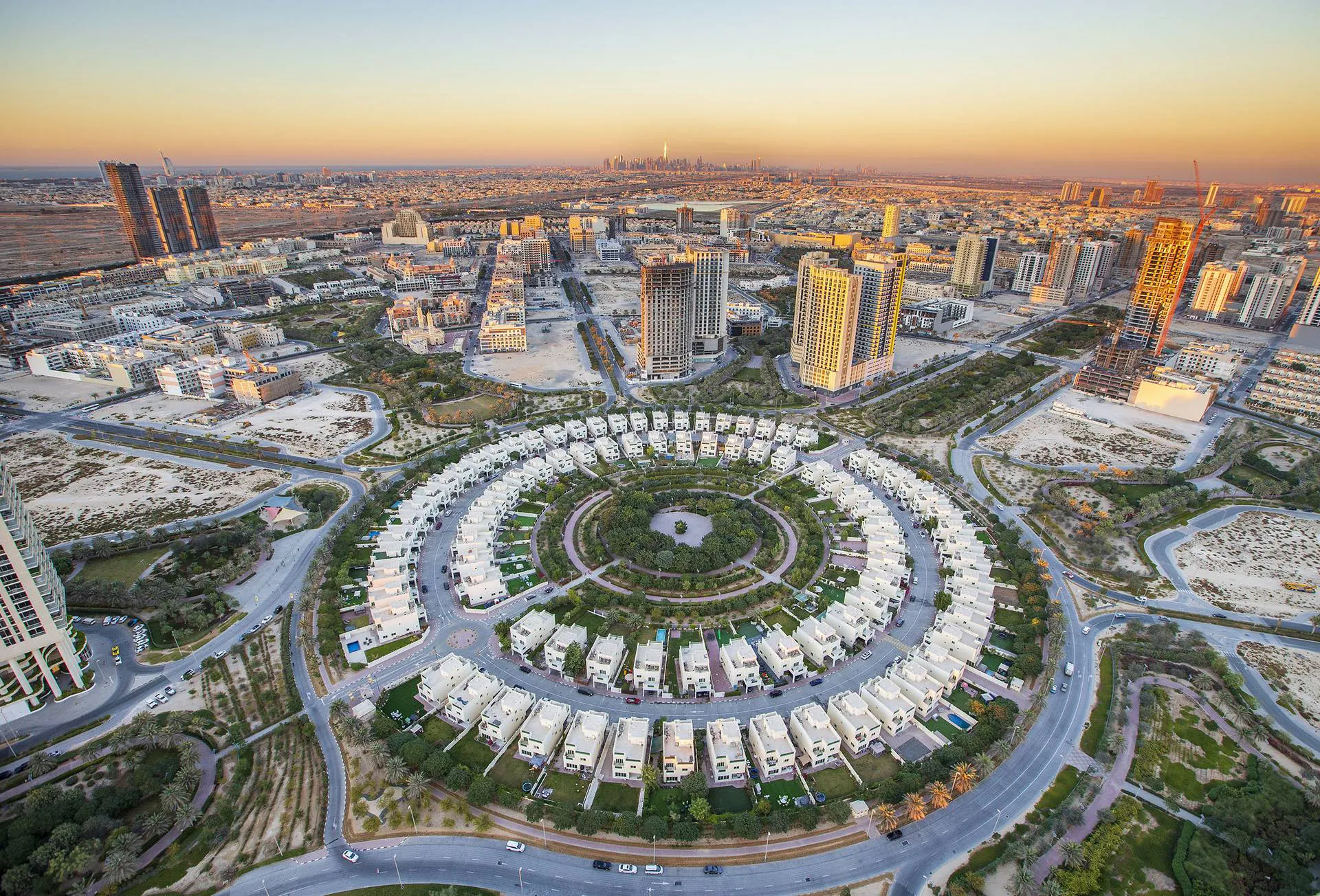
Yes, you can absolutely buy property in Dubai for $250,000 (approximately AED 918,000), opening doors to studio or one-bedroom apartments. While luxury central districts are pricier, this budget is ideal for vibrant, emerging communities like Jumeirah Village Circle (JVC), Dubai Silicon Oasis (DSO), and various sub-communities within Dubailand. Many off-plan projects offer flexible payment plans, making entry into this dynamic market more accessible for both investment and residence. Be sure to factor in an additional 6-7% for transaction fees, including the 4% DLD fee. Although a long-term residency visa typically requires a slightly higher investment of AED 1 million, strategic purchasing can still pave the way for future residency. Dubai's stable AED/USD peg and strong rental yields further enhance its appeal for budget-conscious investors.
Unlocking Dubai's Real Estate Market on a Budget
Dubai, a city synonymous with luxury and towering skyscrapers, often conjures images of multi-million dollar properties. This perception, while not entirely unfounded, sometimes overshadows the accessibility of its real estate market for a broader range of investors. The question, "Can you buy property in Dubai for $250,000?" is a pertinent one, and perhaps surprisingly, the answer is a resounding yes. While high-end, central locations might remain out of reach at this price point, a budget of approximately $250,000 (which translates to around AED 918,000 given the pegged exchange rate) certainly opens doors to various investment and residential opportunities. This typically means focusing on studio or one-bedroom apartments, often found in emerging or suburban areas, and frequently through attractive off-plan projects with flexible payment plans. It's a nuanced landscape, to be sure, but one ripe with potential for those who know where to look.Navigating the Dubai Property Landscape with $250,000
For many, the idea of owning a piece of Dubai's dynamic real estate market is an enticing prospect. The city's robust economy, tax-free environment, and strategic global location make it a magnet for investors and expatriates alike. However, the entry point can seem daunting. With $250,000, you're not just buying a property; you're investing in a lifestyle, a future, and perhaps even a stepping stone to long-term residency. It's a budget that requires strategic thinking, a keen eye for value, and an understanding of the market's less-explored corners. We'll delve into the specifics, exploring the types of properties available, the most promising locations, and the financial considerations that come into play.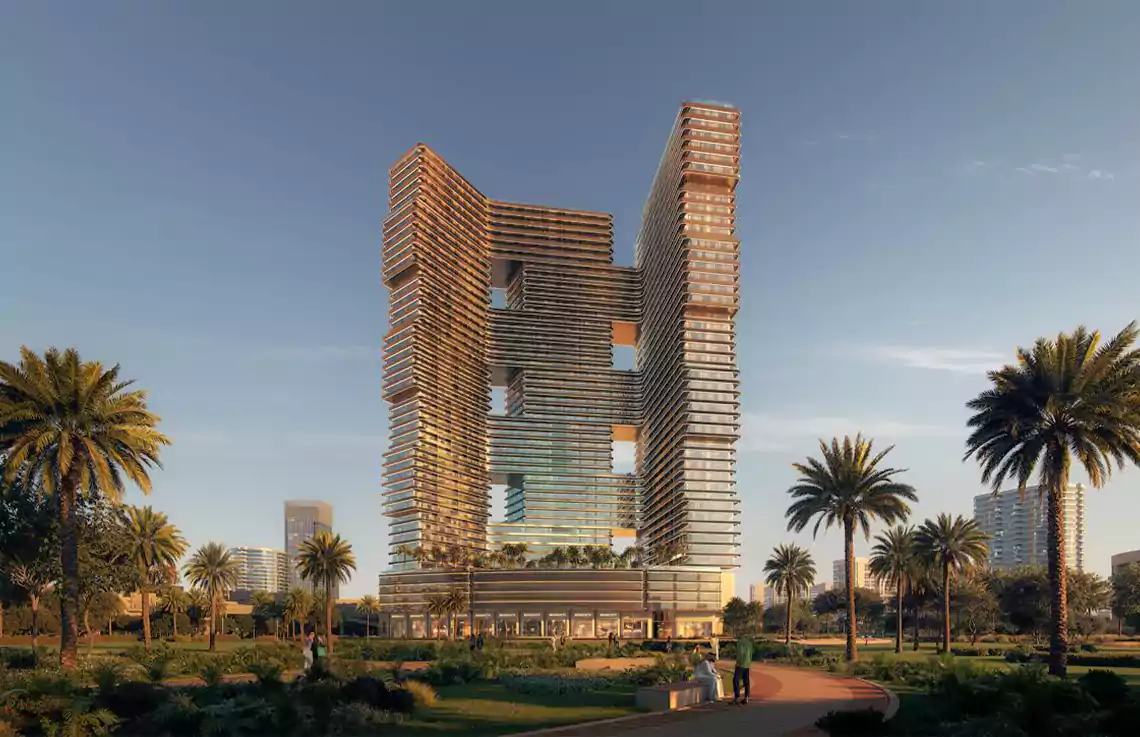
Key Aspects of Buying Property with $250,000 in Dubai
When considering a property purchase in Dubai with a budget of $250,000, it's crucial to understand what this amount can realistically secure. The market is diverse, and while prime areas command premium prices, several vibrant communities offer excellent value without compromising on quality of life or investment potential.Property Types: Studios and Smaller 1-Bedroom Apartments
At the $250,000 price point, the primary focus will be on studio apartments and smaller one-bedroom apartments. These units are particularly popular among young professionals, single expatriates, and investors looking for strong rental yields. Studios, by their very nature, are compact and efficient, offering an open-plan living space that combines the bedroom, living area, and kitchen. One-bedroom apartments provide a separate sleeping area, offering a bit more privacy and space, which can be appealing to couples or those seeking a slightly larger footprint. These property types are often found in modern, amenity-rich buildings that cater to a contemporary urban lifestyle.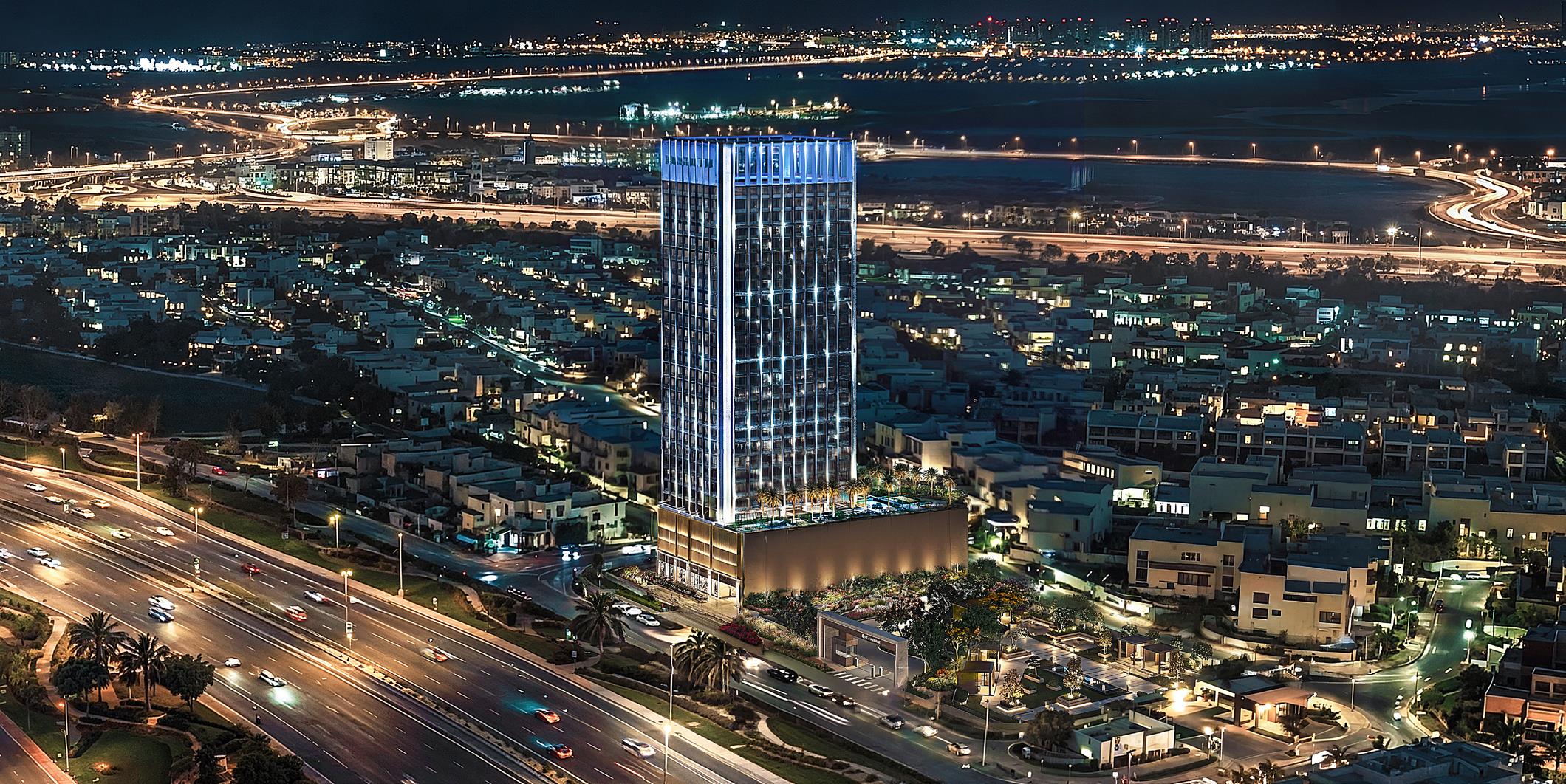
Locations Offering Value for Money
Several areas in Dubai have emerged as hotspots for affordable properties, where the $250,000 budget can go a long way. These locations are typically characterized by newer developments, comprehensive community facilities, and excellent connectivity to major business hubs and attractions, albeit sometimes a little further out from the absolute city center. Some of the most common and promising areas include:- Jumeirah Village Circle (JVC): A master-planned community known for its family-friendly environment, green spaces, and a mix of residential options. JVC offers a strong sense of community and is well-connected to other parts of Dubai. It's a popular choice for both renters and buyers due to its affordability and ongoing development.
- Dubai Silicon Oasis (DSO): A free zone technology park that has evolved into a thriving residential and commercial hub. DSO is attractive to professionals working in the tech sector and offers a range of affordable apartments with modern amenities. It boasts a self-sufficient ecosystem with educational institutions, healthcare facilities, and retail options.
- Dubailand: A massive development encompassing various sub-communities, offering a wide array of residential choices. Areas within Dubailand, such as Arjan and Remraam, often feature properties that fall within the $250,000 budget. Dubailand is known for its entertainment and leisure attractions, making it an appealing location for families.
- Arjan: A district within Dubailand that has seen significant growth in recent years. It's home to several residential projects offering studios and one-bedroom apartments at competitive prices. Arjan's appeal lies in its proximity to major road networks and popular attractions like Dubai Miracle Garden and Dubai Butterfly Garden.
- Areas along Sheikh Mohammed Bin Zayed Road: This major arterial road connects various parts of Dubai, and communities situated along or near it often provide more affordable housing options. These areas benefit from good infrastructure and accessibility, making them convenient for commuters.
Off-Plan Opportunities: Spreading the Cost
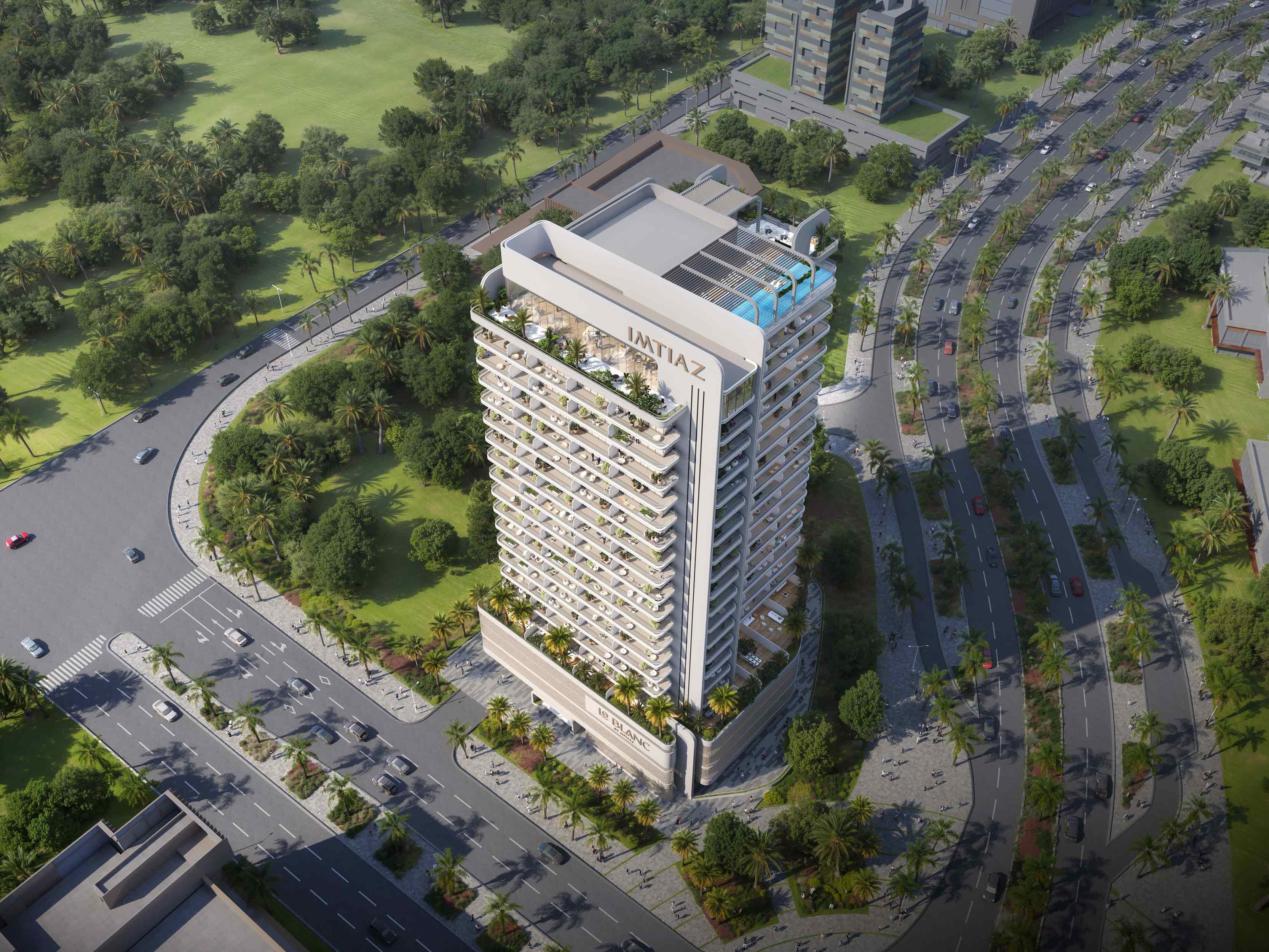
One of the most significant advantages for buyers with a $250,000 budget in Dubai is the prevalence of off-plan opportunities. Off-plan properties are those purchased before or during their construction phase. Developers often offer highly attractive payment plans that allow buyers to spread the cost of the property over several years, sometimes even extending beyond the completion date. This significantly reduces the upfront financial burden and makes property ownership more accessible. For instance, a typical payment plan might involve a 10-20% down payment, followed by installments during construction, and a final payment upon handover. This structure can be particularly beneficial for investors looking to enter the market with a lower initial outlay and benefit from potential capital appreciation as the project develops.Residency Rules: A Consideration for Long-Term Stays
While buying property in Dubai can pave the way for residency, it's important to note the specific investment thresholds. Generally, a minimum investment of AED 1 million (approximately $272,000) is required to qualify for a long-term residency visa, such as the Golden Visa. This figure is slightly above the $250,000 budget we are discussing. However, this doesn't mean residency is entirely out of reach. Investors might consider pooling resources, or looking at properties that, with a slight stretch of the budget or future appreciation, could meet this requirement. It's always advisable to consult with a legal expert or a reputable real estate agency like Totality Real Estate to understand the latest residency regulations and how your specific investment aligns with them. The rules are subject to change, and professional guidance is invaluable in navigating this aspect of property ownership in Dubai.
The Allure of Investment and Rental Yields
Even with a more modest budget, Dubai's real estate market offers attractive investment prospects. The city consistently boasts strong rental yields, often higher than many other global metropolitan centers. This is driven by a continuous influx of expatriates seeking employment and a high demand for rental accommodation. Studio and one-bedroom apartments in the aforementioned emerging areas are particularly popular among renters, ensuring a steady income stream for investors. Furthermore, Dubai's long-term vision and ongoing development projects suggest a promising outlook for capital appreciation, making a $250,000 investment a potentially lucrative entry point into a thriving market.Understanding the Market Dynamics
Dubai's real estate market is dynamic and influenced by various factors, including global economic trends, government initiatives, and supply-demand dynamics. For a budget of $250,000, understanding these dynamics becomes even more critical. It's not just about finding a property within your price range, but also about identifying areas with strong growth potential, good infrastructure, and a sustainable demand for rental properties. The market has shown resilience and a capacity for recovery, making it an attractive destination for long-term investment. However, like any investment, due diligence and thorough research are paramount. Engaging with experienced real estate professionals can provide invaluable insights into market trends and help identify the best opportunities tailored to your budget and investment goals.
Important Tips for Budget-Conscious Buyers
Embarking on a property purchase in a foreign country, especially within a dynamic market like Dubai, necessitates careful planning and an awareness of various nuances. For those aiming to buy within the $250,000 budget, a few critical tips can make the journey smoother and more successful.Additional Costs: Beyond the Purchase Price
It’s a common oversight, perhaps, to focus solely on the advertised property price. However, in Dubai, as with most real estate markets globally, there are several additional costs that buyers must factor into their budget. These typically amount to an extra 6-7% of the property value. This percentage covers a range of fees, and understanding them upfront is crucial for avoiding any unwelcome surprises. The primary components include:- Dubai Land Department (DLD) Fee: This is a significant cost, standing at 4% of the property’s purchase price. It’s a mandatory government fee for registering the property in your name.
- Agent Commissions: While some developers might offer direct sales, many transactions involve real estate agents. Their commission typically is 2% of the purchase price, plus VAT. It’s always wise to clarify this with your agent early in the process. When purchasing off-plan from the developer, the agent's commission is paid by the developer.
- Registration Fees: These are smaller administrative fees associated with the registration process, varying based on the property value. For properties under AED 500,000, it might be around AED 2,000, while for those above, it could be AED 4,000.
- Mortgage Registration Fee (if applicable): If you’re financing your purchase with a mortgage, there will be an additional fee of 0.25% of the loan amount, plus VAT, to register the mortgage with the DLD.
- Service Charges: After purchasing, property owners are subject to annual service charges for the maintenance and upkeep of common areas and facilities within the building or community. These vary significantly based on the developer, location, and amenities provided, so it’s essential to inquire about them before committing.
Location Choice: Balancing Affordability and Lifestyle
As we’ve discussed, properties within the $250,000 range are often found in emerging or suburban areas. While these locations offer greater affordability, they might be further from the bustling city center, the iconic landmarks, or the primary business districts. This isn't necessarily a drawback; it's a trade-off that comes with its own set of advantages. These areas often boast:- Better Rental Yields: Due to their affordability, properties in these areas can often generate higher rental yields compared to more expensive, central locations. The demand for reasonably priced accommodation is consistently strong, attracting a broad tenant base.
- Community Living: Many of these developments are master-planned communities designed with families and a community-centric lifestyle in mind. They often feature parks, schools, retail outlets, and recreational facilities, creating a self-contained and pleasant living environment.
- Future Growth Potential: As Dubai continues to expand, these emerging areas are often at the forefront of new infrastructure development, which can lead to significant capital appreciation over time. Investing early in such areas can yield substantial returns as they mature.
The AED/USD Exchange Rate: A Stable Foundation
One reassuring aspect for international buyers is the stability of the UAE Dirham (AED) against the US Dollar (USD). The AED is pegged to the USD at a rate of approximately 3.6725 AED to 1 USD. This means that your $250,000 budget will consistently provide over 900,000 AED in purchasing power, offering a predictable financial landscape without the volatility often associated with fluctuating exchange rates. This stability simplifies financial planning and reduces currency risk for investors holding USD or currencies pegged to it.Comparing Property Options: What $250,000 Buys You
To provide a clearer picture, let’s consider a hypothetical comparison of what $250,000 might secure in different types of properties and locations. This isn't an exhaustive list, of course, but it aims to illustrate the general possibilities.| Property Type | Location (Example) | Typical Size (sq ft) | Key Features | Potential Rental Yield | Considerations |
| Studio Apartment | Jumeirah Village Circle (JVC) | 350-500 | Modern finishes, access to community amenities, often part of new developments. | 6-8% | Ideal for singles/couples, strong rental demand, good entry point. |
| 1-Bedroom Apartment | Dubai Silicon Oasis (DSO) | 600-800 | Separate living/sleeping areas, proximity to tech hub, self-contained community. | 5-7% | Suitable for small families, professionals, good infrastructure. |
| Studio/1-Bed (Off-Plan) | Dubailand (Arjan) | 400-700 | Flexible payment plans, potential for capital appreciation upon completion, modern design. | 6-9% (projected) | Requires patience, developer reputation is key, potential for higher returns. |
The Investment Perspective: Why Dubai?
Beyond the immediate affordability, Dubai’s real estate market presents a compelling investment case. The government’s proactive approach to economic diversification, coupled with world-class infrastructure and a business-friendly environment, continues to attract global talent and investment. Events like Expo City Dubai (formerly Expo 2020) have further cemented Dubai’s position as a global hub, driving demand across various sectors, including real estate. The city’s commitment to innovation and sustainable development ensures a continuously evolving and attractive market. For an investor with $250,000, this means entering a market with a proven track record of growth and a promising future outlook. The tax-free rental income and potential for capital gains further enhance its appeal, making it a viable option for diversifying one's investment portfolio. It's a market that, I believe, offers more than just bricks and mortar; it offers a stake in a global success story.The Future Outlook: Sustained Growth and Opportunity
Dubai’s real estate market, even at the more accessible $250,000 price point, isn't just about current opportunities; it's also about future potential. The city’s leadership has consistently demonstrated a forward-thinking approach, investing heavily in infrastructure, diversifying the economy, and fostering an environment conducive to business and innovation. This long-term vision underpins the stability and growth prospects of its property market.Government Initiatives and Economic Diversification
One cannot discuss Dubai’s real estate without acknowledging the pivotal role of government initiatives. From the strategic development of new economic zones to the continuous enhancement of its tourism and logistics sectors, these efforts create a ripple effect that benefits the property market. The focus on attracting foreign investment, coupled with progressive visa reforms (like the Golden Visa and Green Visa), ensures a steady influx of residents and businesses, sustaining demand for both residential and commercial properties. This robust governmental support, I believe, provides a strong foundation for investors, even those starting with a more modest budget.Emerging Trends and Investment Hotspots
While areas like JVC, DSO, and Dubailand currently offer excellent value, the landscape is always evolving. New master-planned communities are continuously being developed, each promising unique amenities and investment propositions. Keeping an eye on these emerging trends and future growth corridors is crucial. For instance, areas around the upcoming Al Maktoum International Airport or new metro line extensions could see significant appreciation in the coming years. Investors with a $250,000 budget might find early-stage off-plan projects in these areas particularly appealing, as they offer the potential for substantial capital gains as infrastructure develops and communities mature. It’s a bit like getting in on the ground floor, so to speak, before everyone else catches on.Sustainability and Smart City Initiatives
Dubai is also at the forefront of sustainability and smart city initiatives. Developments are increasingly incorporating green building practices, energy-efficient designs, and smart home technologies. This not only enhances the quality of life for residents but also contributes to the long-term value of properties. As global awareness of environmental impact grows, properties with strong sustainability credentials are likely to command a premium, offering another layer of investment appeal. This forward-thinking approach, in my opinion, sets Dubai apart and ensures its continued relevance on the global stage.Navigating the Purchase Process: A Step-by-Step Guide
For those ready to take the plunge, understanding the typical purchase process can demystify the journey. While it’s always advisable to engage with a reputable real estate agency like Totality Real Estate and legal counsel, a general overview can be helpful.1. Define Your Goals and Budget
Before anything else, clarify your objectives. Are you looking for a primary residence, a holiday home, or a pure investment property? Your goals will influence the type of property and location you consider. Reconfirm your $250,000 budget, remembering to factor in the additional 6-7% for fees and charges. This initial self-assessment is, perhaps, the most critical step.2. Research and Shortlist Properties
Leverage online portals, real estate agencies, and market reports to identify suitable properties within your budget and preferred areas. Pay attention to property types (studio, 1-bedroom), amenities, and proximity to essential services and transport links. This is where the initial research we discussed earlier comes into play, helping you narrow down the options.3. Engage a Real Estate Agent
A local, experienced real estate agent is invaluable. They can provide market insights, access to exclusive listings (especially off-plan projects), and guide you through the complexities of the Dubai market. They will also help negotiate on your behalf and ensure all legal requirements are met. It’s a partnership, really, and a good agent can make all the difference.4. Due Diligence and Legal Checks
Once you’ve identified a property, thorough due diligence is paramount. This includes verifying the developer’s reputation (for off-plan), checking property titles, and understanding any community rules or restrictions. Legal counsel will review all contracts and ensure your interests are protected. This step, I think, cannot be stressed enough.5. Secure Financing (if needed)
If you require a mortgage, explore financing options with local banks. Dubai’s banking sector is well-developed, offering various mortgage products for residents and non-residents. Be prepared to provide financial documentation and meet eligibility criteria. Even if you’re paying cash, understanding the financial implications is key.6. Sign the Sale and Purchase Agreement (SPA)
Upon agreement on terms, you will sign an SPA, outlining the terms and conditions of the sale. For off-plan properties, this will include the payment plan schedule. Ensure you fully understand all clauses before signing. This is the formal commitment, after all.7. Register with the Dubai Land Department (DLD)
Finally, the property ownership is transferred and registered with the DLD. This involves paying the DLD fee and other associated charges. Upon successful registration, you will receive your title deed, officially making you a property owner in Dubai. It’s a moment of accomplishment, I’d say.Conclusion: Dubai's Accessible Dream
So, can you buy property in Dubai for $250,000? Absolutely. While it might not grant you a penthouse overlooking the Burj Khalifa, it certainly offers a tangible entry point into one of the world's most dynamic and promising real estate markets. The key lies in understanding the market's nuances, focusing on emerging areas, exploring off-plan opportunities, and meticulously planning for all associated costs. With careful research and the right guidance, a budget of $250,000 can unlock a world of investment potential and even a pathway to a vibrant life in this extraordinary city. It’s a journey that, perhaps, requires a bit of patience and strategic thinking, but one that can yield significant rewards. Dubai, it seems, continues to offer dreams that are, surprisingly, within reach for many.FAQs
Is it truly possible to buy property in Dubai for $250,000?
What types of properties can I expect to purchase with $250,000 in Dubai?
Which specific areas in Dubai offer properties within the $250,000 price range?
- Jumeirah Village Circle (JVC): Known for its family-friendly environment, green spaces, and strong community feel.
- Dubai Silicon Oasis (DSO): A tech-centric hub offering modern apartments, popular with professionals.
- Dubailand: A vast development with various sub-communities like Arjan and Remraam, providing diverse and affordable options.
- Areas along Sheikh Mohammed Bin Zayed Road: These locations benefit from excellent connectivity and ongoing infrastructure development.
What are the additional costs involved when buying property in Dubai, beyond the purchase price?
- Dubai Land Department (DLD) Fee: A mandatory 4% of the property purchase price, paid by the buyer.
- Agent Commissions: Usually between 2% to 5% of the purchase price, plus VAT, if a real estate agent is involved. This is typically paid by the buyer.
- Registration Fees: Smaller administrative fees associated with the property registration process, which can vary. For properties under AED 500,000, it might be around AED 2,000, while for those above, it could be AED 4,000.
- Mortgage Registration Fee: If you are financing your purchase with a mortgage, there will be an additional fee of 0.25% of the loan amount, plus VAT, to register the mortgage with the DLD.
- Annual Service Charges: After purchasing, property owners are subject to annual service charges for the maintenance and upkeep of common areas and facilities within the building or community. These vary significantly based on the developer, location, and amenities provided, so it’s essential to inquire about them before committing.
Can buying a property for $250,000 in Dubai help me obtain a residency visa?
Are off-plan properties a good option for a $250,000 budget in Dubai?
What are the potential rental yields for properties in the $250,000 range in Dubai?
Is the AED/USD exchange rate stable for international buyers?
What should I consider when choosing a location for my budget property in Dubai?
- Higher Rental Yields: Due to strong demand for affordable housing.
- Community Living: Master-planned communities with amenities like parks, schools, and retail.
- Future Growth Potential: As Dubai expands, these emerging areas often see significant infrastructure development and capital appreciation.
How can I ensure a smooth property purchase process in Dubai?
- Define Your Goals: Clearly understand if it's for residence, investment, or both.
- Engage a Reputable Real Estate Agent: They provide market insights, access to listings, and negotiation support.
- Conduct Thorough Due Diligence: Verify developer reputation (for off-plan), check property titles, and understand community rules.
- Seek Legal Counsel: Have all contracts reviewed to protect your interests.
- Plan for All Costs: Factor in the purchase price plus the additional 6-7% for fees.
- Secure Financing Early: If needed, explore mortgage options with local banks.