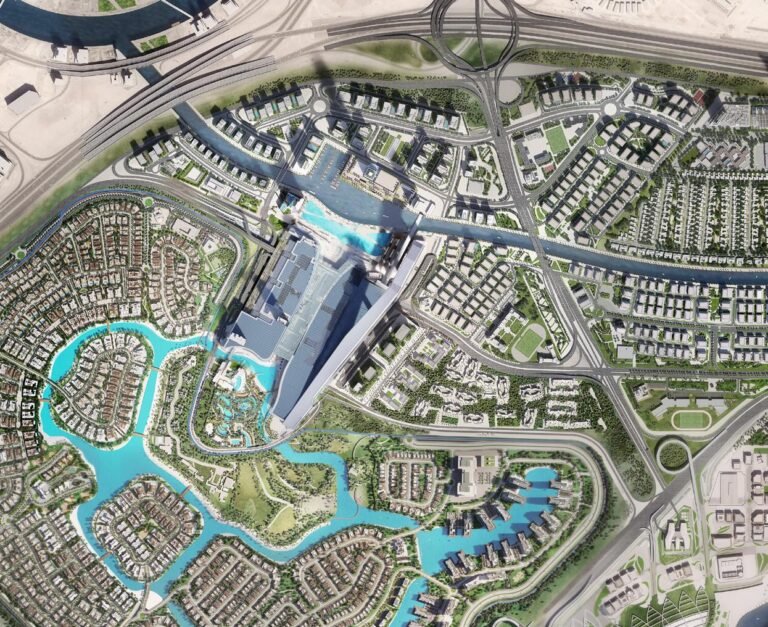

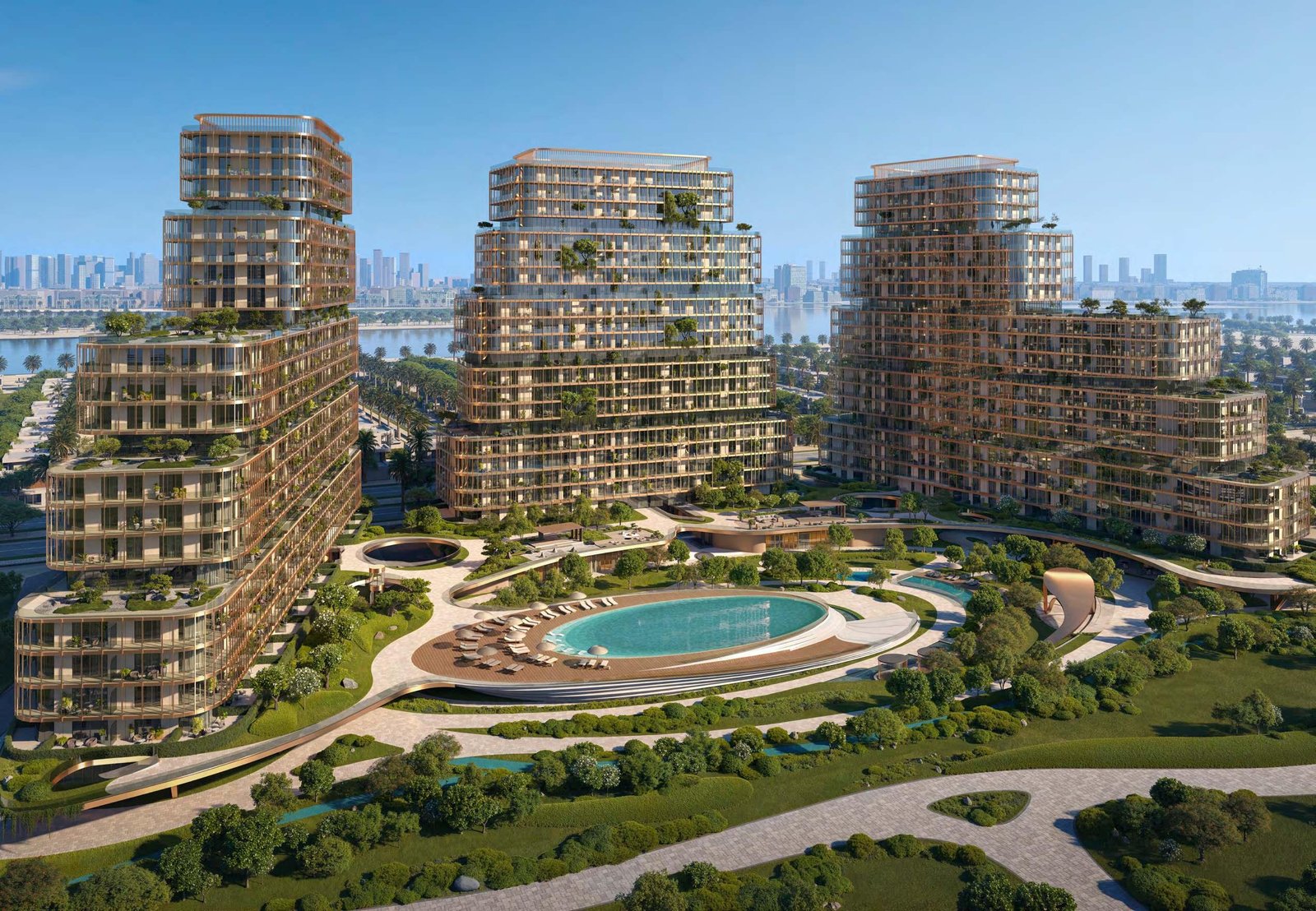
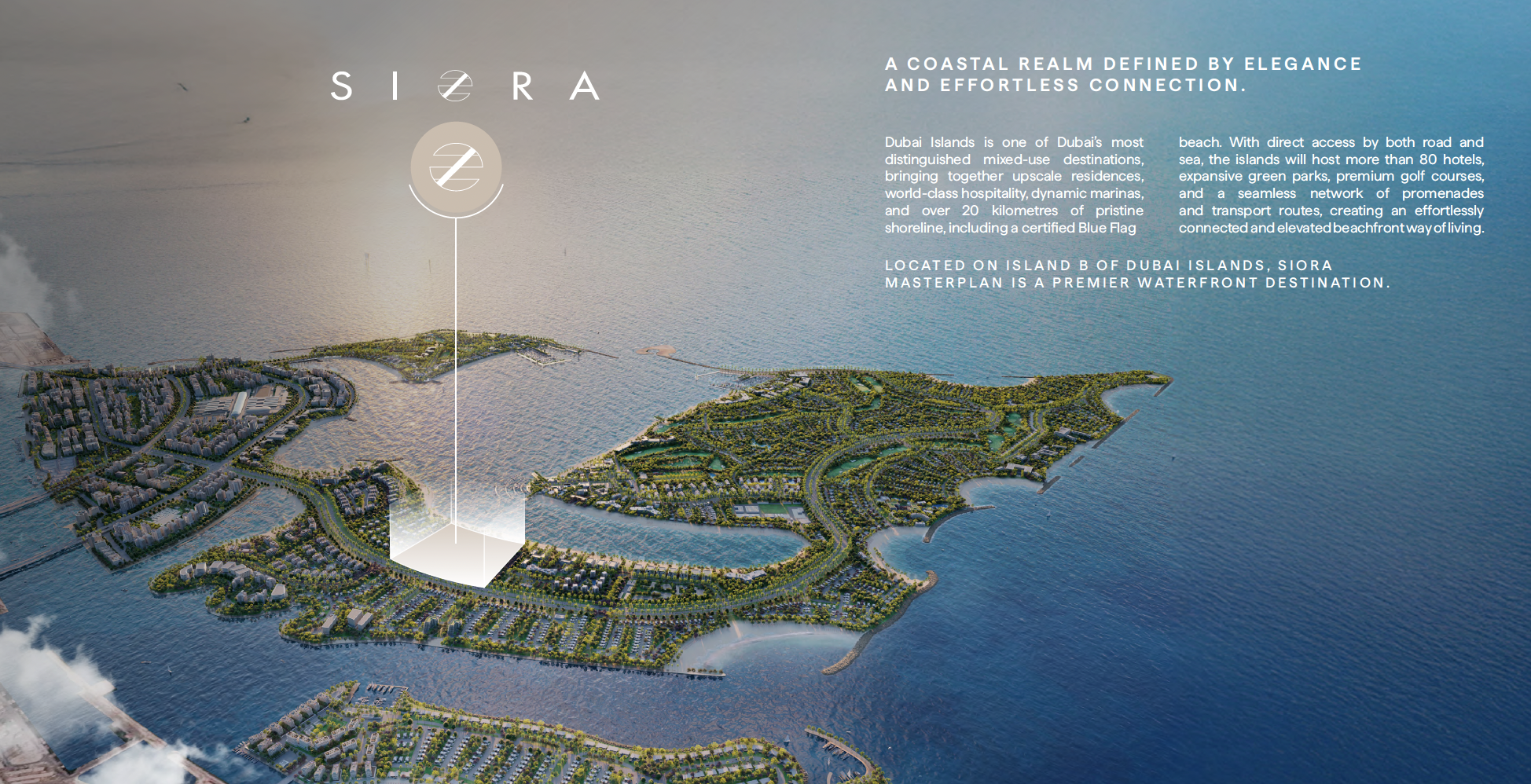
HADO sits inside SIØRA, on Island B of Dubai Islands, and the developer describes it as the first landmark to emerge in that waterfront community. That framing tells you where you are on the curve. Before I get poetic about it, let me anchor the facts.
Want the latest availability and real pricing for Hado by Beyond, not the “starting from” headline? Contact me direct.
What is HADO?
HADO by Beyond is a Japanese-inspired, Ikigai-themed waterfront residential project in SIØRA (Island B), Dubai Islands, developed by Beyond (Omniyat Group). It runs to six towers up to 21 residential floors, a mix of 1 to 4 bedroom apartments plus simplex and duplex layouts, and a 50/50 payment plan with handover targeted for Q3 2029.
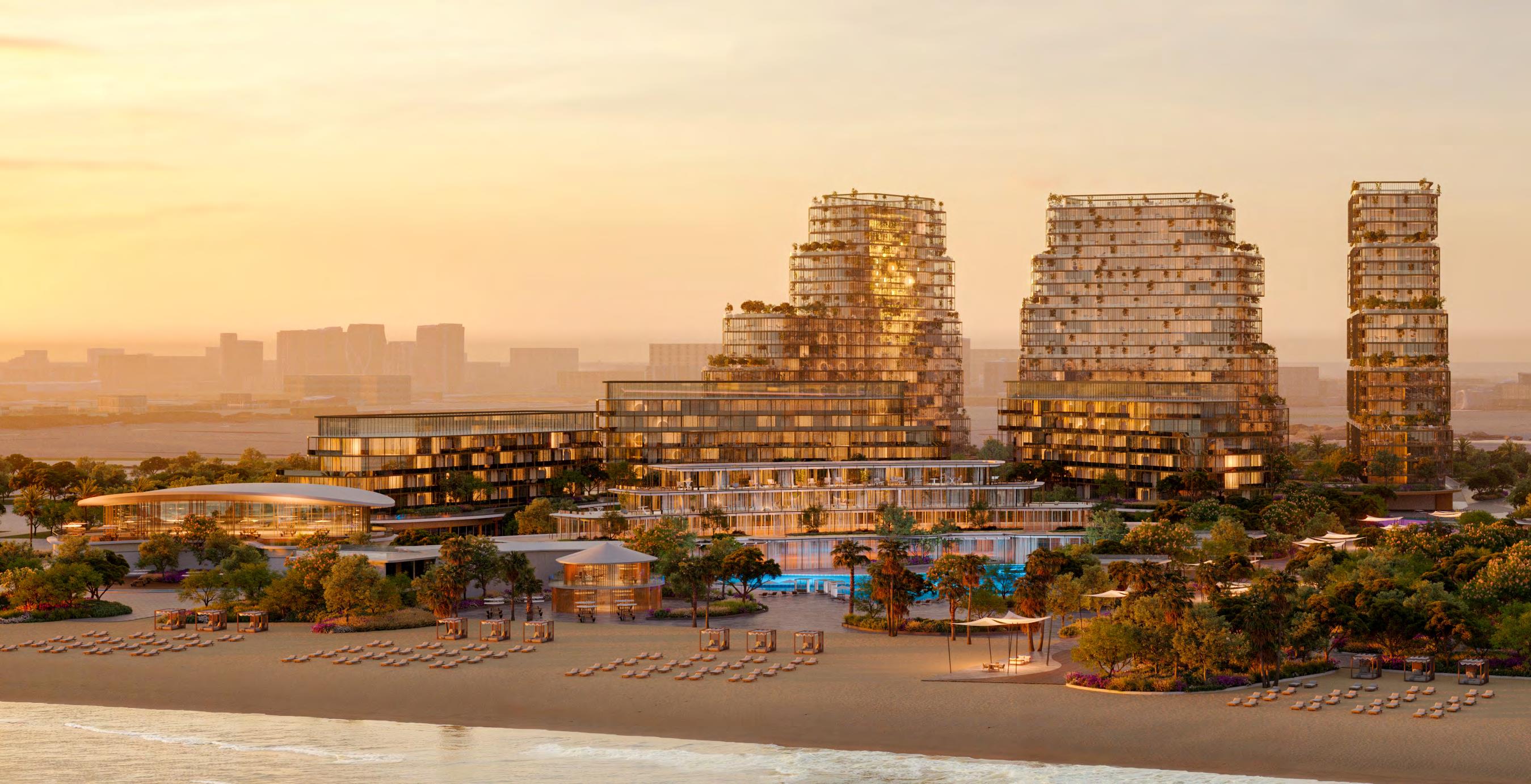
If you are buying for upside, do not guess the unit. Ask for the unit-selection shortlist. I will share best-value stacks, likely strongest resale types, and a conservative rent scenario based on comparable waterfront stock on Dubai Islands, then we map it to your budget in 10 minutes. Contact me direct.
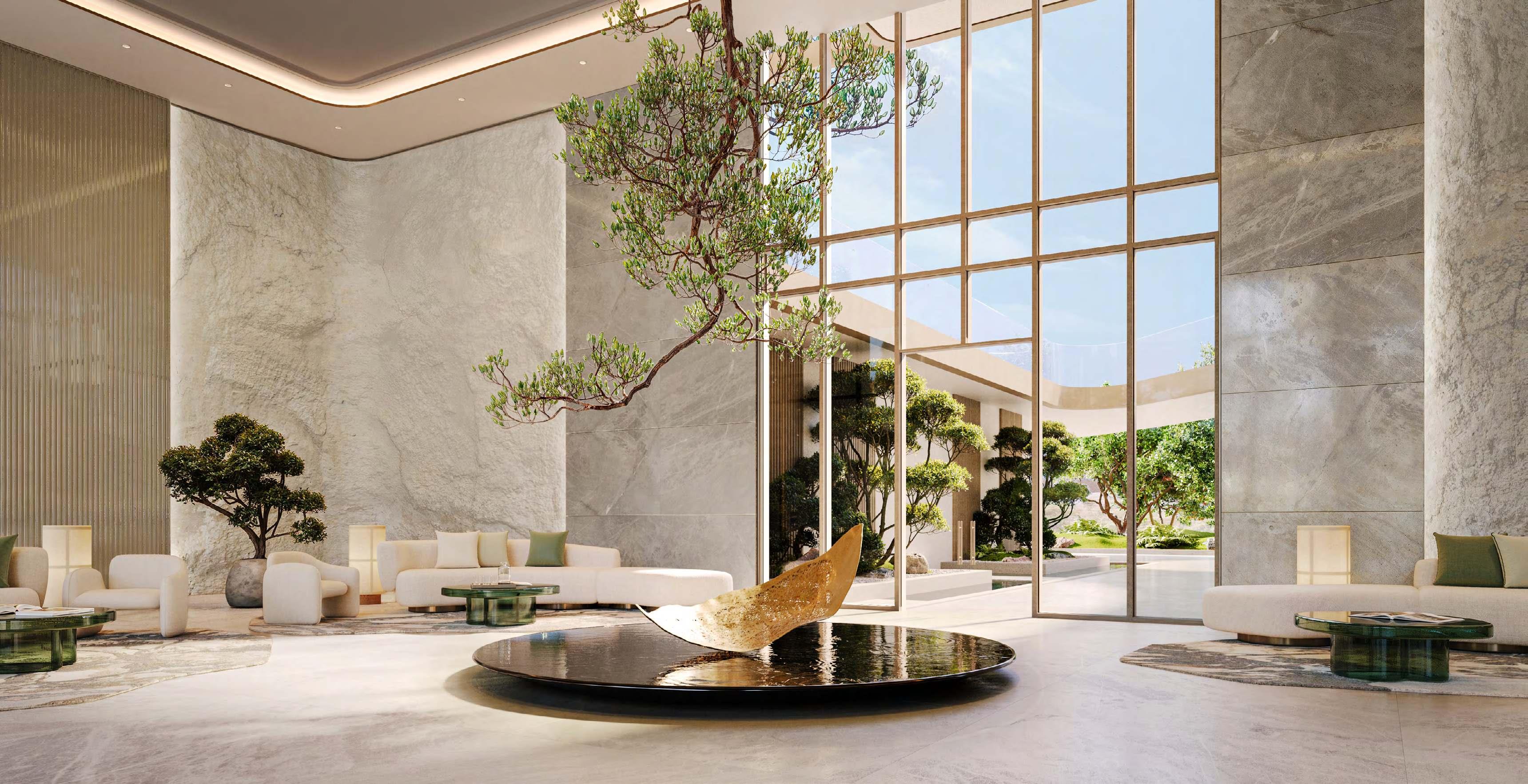
HADO is the inaugural residential release within SIØRA, the flagship waterfront district on Dubai Islands B. It is marketed around stillness, wellness, and natural materials, clean lines, wood and stone, expansive glass, and layouts that feel light rather than busy.
And yes, it is off-plan, and yes, it is early. That matters.
Dubai Islands, as a masterplan, is a Nakheel development made up of five islands, with beaches, resorts, and cultural and leisure hubs planned across the archipelago. Nakheel has said the wider plan will hold 80+ resorts and hotels, and their 2026 update cites 60+ km of waterfront and 20+ km of beaches, including Blue Flag beach areas.
When a project like HADO is called the “first landmark” in its pocket of the masterplan, that is basically code for “we are early in the curve.” Sometimes that is where the upside sits. Sometimes it is where the patience is required. Both can be true at once.
Key facts at a glance
Here is the clean snapshot, so you can line it up against other launches without scrolling forever.
| Item | What is known (publicly marketed) |
|---|---|
| Developer | Beyond (part of Omniyat Group) |
| Location | SIØRA, Island B, Dubai Islands |
| Towers | 6 towers, up to 21 residential floors each |
| Unit mix | 1 to 4 bed, simplex and duplex options |
| Size range | About 767 to 4,784 sq ft (varies by type) |
| Ceiling height | Marketed as 3.2m living room ceiling heights |
| Payment plan | 50/50, with staged construction instalments |
| Target handover | Q3 2029 |
| Starting price (marketing) | Often shown from about AED 2.35M+, varies by unit and release |
A quick word on pricing, because buyers get annoyed when blogs dodge it, and fairly so. Public marketing pages commonly show “from AED 2.35M+,” while other channels talk in price-per-sq-ft bands. Availability, view premiums, and which tower release you are in can swing the real number, so treat any “from” figure as a starting signal, not the final truth.
Unit types and sizing, the practical breakdown
This is where HADO starts to feel real, because the layout mix is not just 1 bed and 2 bed on repeat. It runs into larger simplex and duplex product.
| Residence type | Typical size range (sq ft) |
|---|---|
| 1 Bedroom | ~767.90 to 1,426.33 |
| 2 Bedroom | ~1,063.58 to 2,199.50 |
| 3 Bedroom | ~1,631.70 to 2,714.66 |
| 3 Bedroom Duplex | ~2,894.42 to 2,931.77 |
| 4 Bedroom Simplex | ~2,425.65 to 2,809.27 |
| 4 Bedroom Duplex | ~4,784.88 |
If you are underwriting investment performance, these ranges matter more than the philosophy. Bigger formats can be excellent for end users, but they can be trickier on rent velocity, depending on the tenant profile you expect on Dubai Islands in 2029 and beyond. I have views on that, but I will hold them for the investment section, otherwise we drift.
Location: SIØRA on Dubai Islands, and why Island B keeps coming up
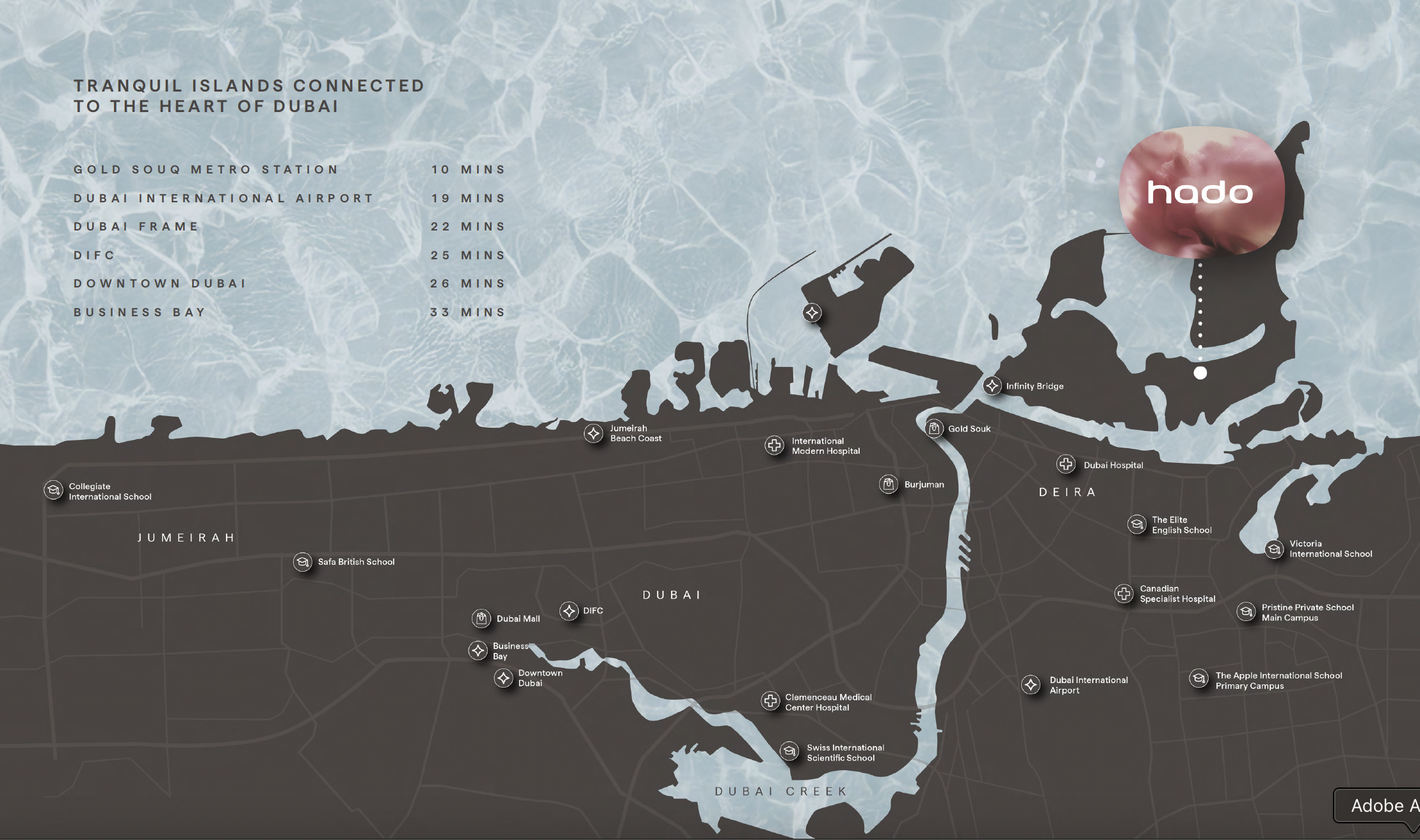
HADO sits on Island B within the SIØRA masterplan. Dubai Islands is positioned as a major waterfront destination, directly connected to the mainland, with planned marinas, beaches, resorts, and leisure infrastructure across five islands.
A simple way to think about it: Island B is marketed as one of the “shore” style zones, closer to beach living, resort flow, and walkability, rather than a purely urban skyline feel. Nakheel’s masterplan messaging leans hard into lifestyle, hospitality, and coastline expansion.
Blue Flag beach keeps coming up in official and semi-official materials, including Beyond’s own positioning for Dubai Islands. Not a detail to obsess over, but it does signal a direction for the area’s brand.
Design and layout, what “Ikigai” translates to in real buildings
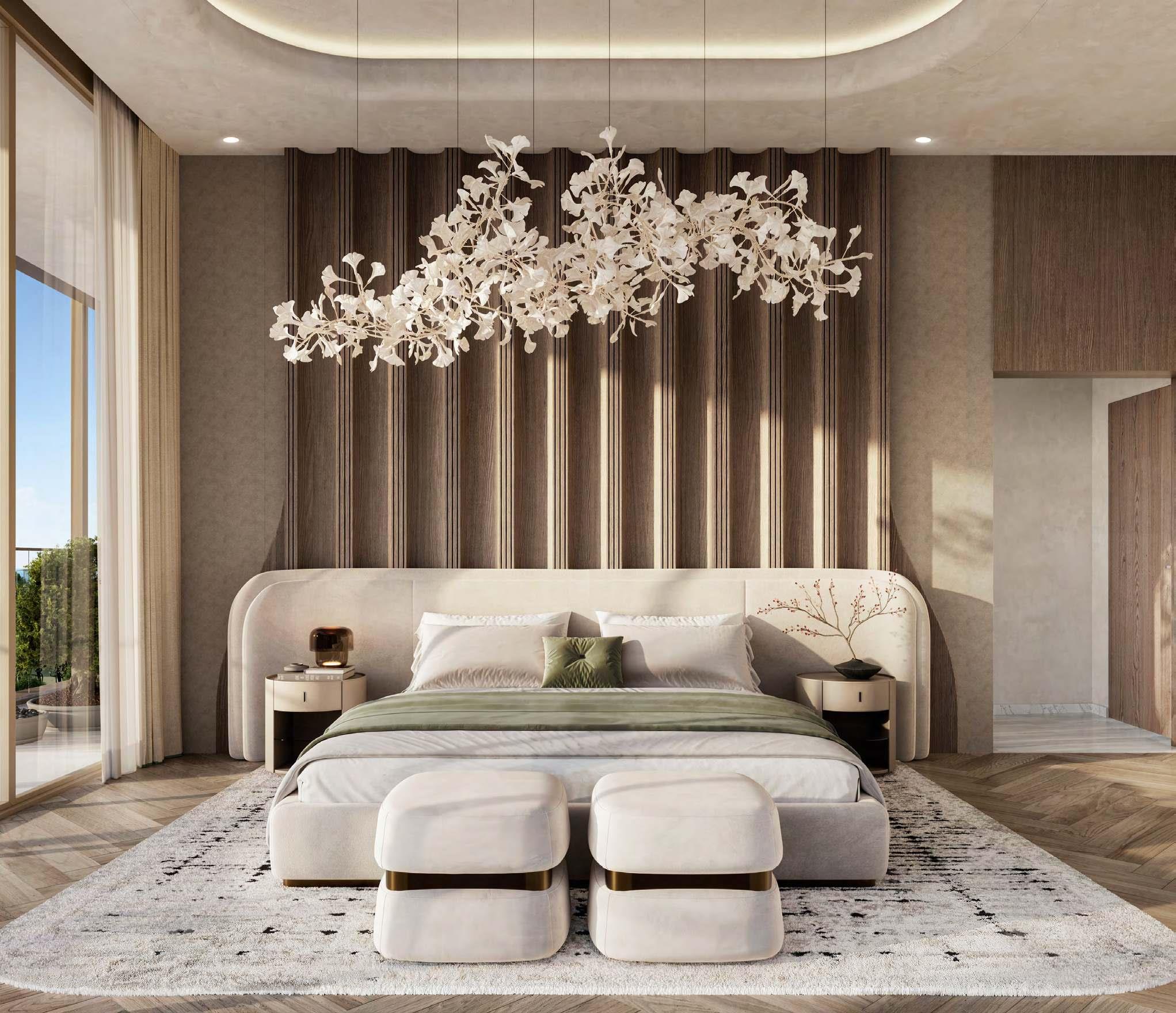
HADO’s design language is consistently described as calm and minimal: clean architectural lines, expansive glass, heavy use of natural materials like wood and stone.
A few practical takeaways from the way it is marketed:
- Orientation toward light and views, with corner glazing mentioned across third-party coverage and towers positioned to maximise openness.
- 3.2m ceiling heights (marketed), one of those things you feel when you walk in even if you cannot explain it on a viewing.
- Low density, retreat framing, presented as a quieter counterbalance to the city.
Here is where I will admit something slightly irrational. I get cautious whenever a project leans too heavily on philosophy in the marketing. Sometimes it is substance, sometimes it is fluff. With HADO, the reason I am not dismissing it is that the tangible specs, the breadth of unit sizing, the ceiling height, the tower count, the masterplan positioning, all line up with the quiet-luxury narrative rather than fighting it.
Payment plan and timeline, what you actually pay and when
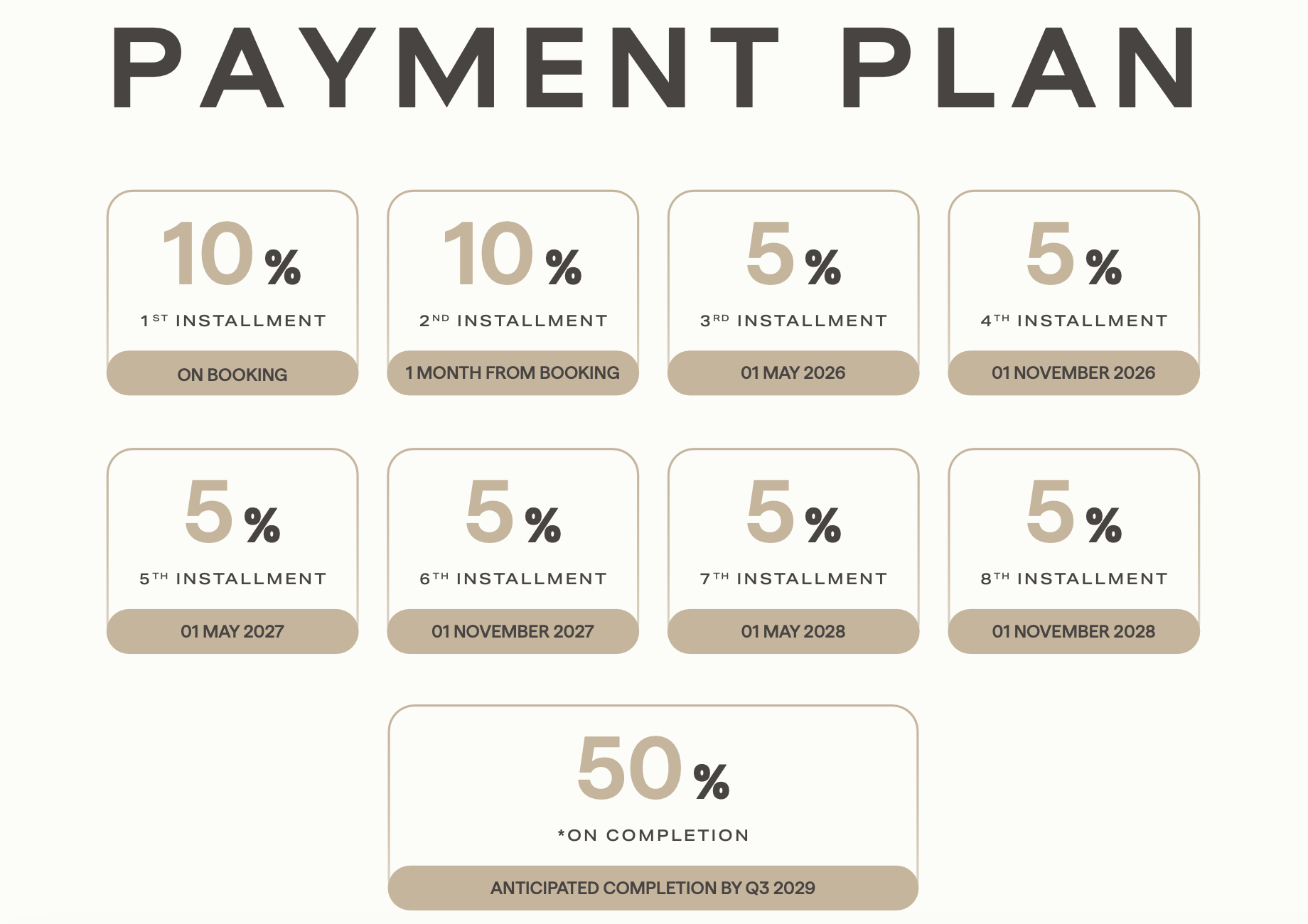
The most common structure marketed is a 50/50 payment plan, with staged payments during construction and 50% due on completion (Q3 2029).
One published schedule example shows:
- 10% on booking
- another 10% one month from booking
- then 5% instalments on specific dates through 2028
- 50% on completion in Q3 2029
This matters because it tells you who the developer is targeting. 50/50 plans usually pull in investors who want runway, and end users who would rather not carry a large mortgage too early.
Amenities: what actually matters, and what is just brochure
When a project sells itself on stillness and balance, the amenity list can go two ways. Either it is genuinely selected, fewer things done better, or it becomes a long checklist that looks impressive and feels generic in real life.
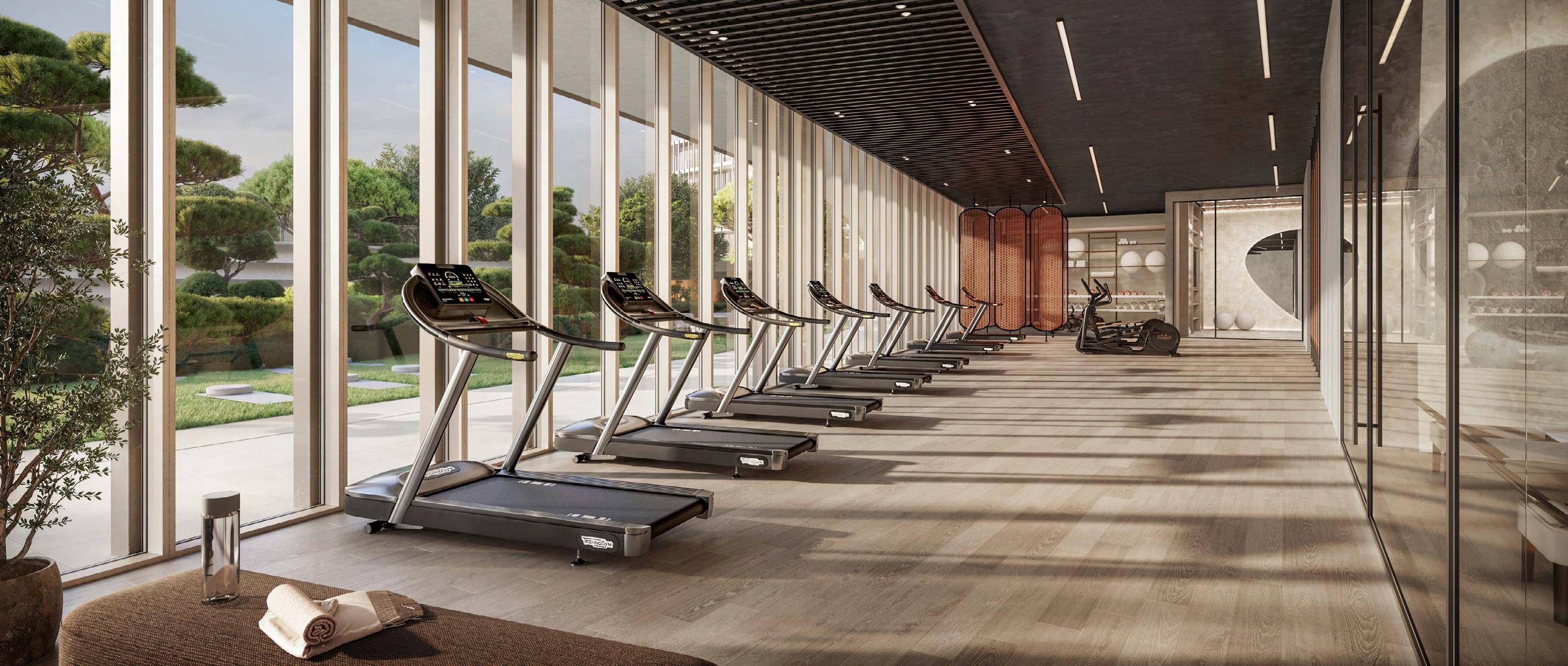
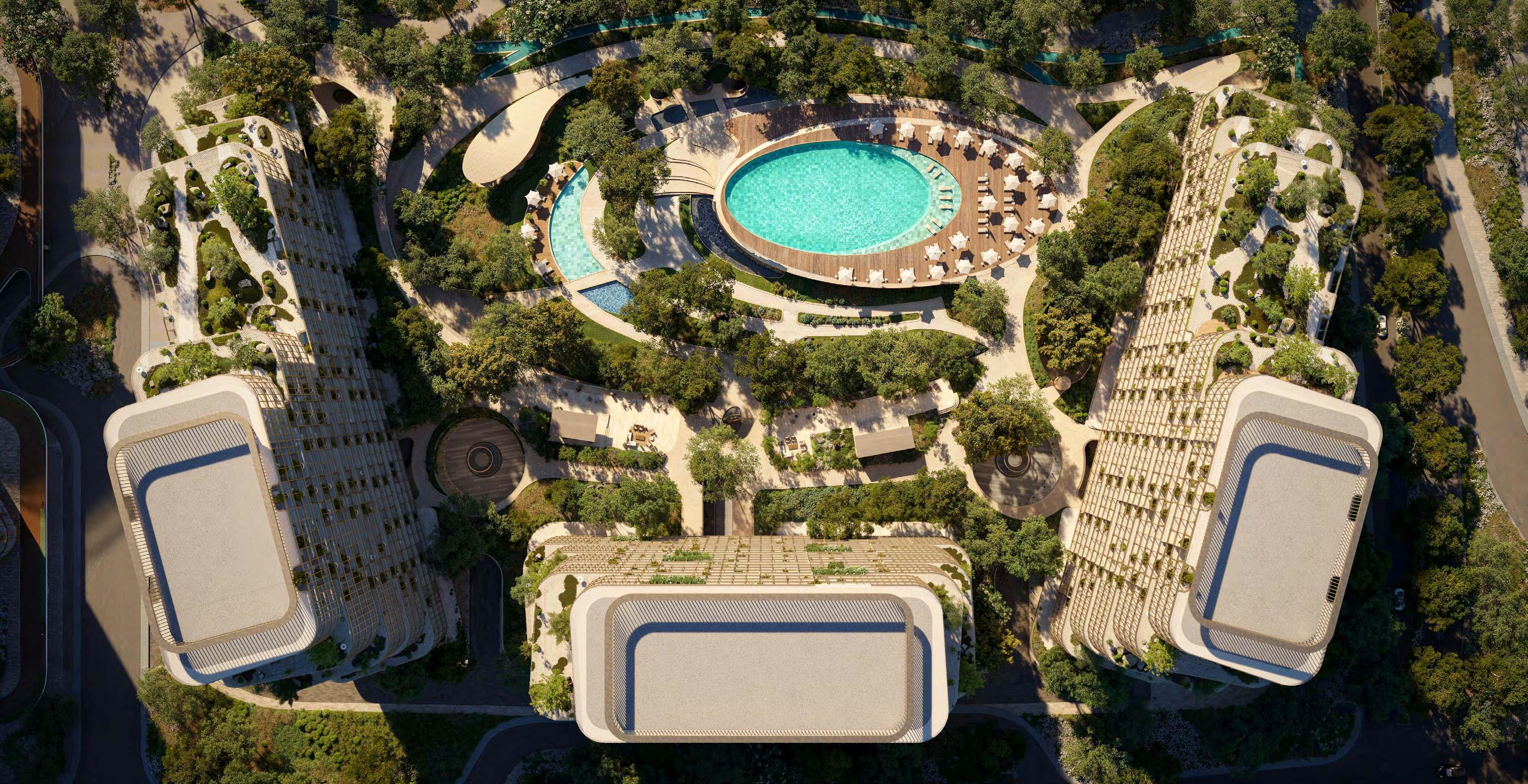
HADO is positioned as a resort-style, wellness-led podium community, with landscaped gardens, reflective water features, and calm social spaces that lean into the Ikigai narrative. Marketing pages repeatedly mention meditation zones, elevated pools, wellness and spa-style facilities, yoga and fitness areas, and family-friendly outdoor spaces.
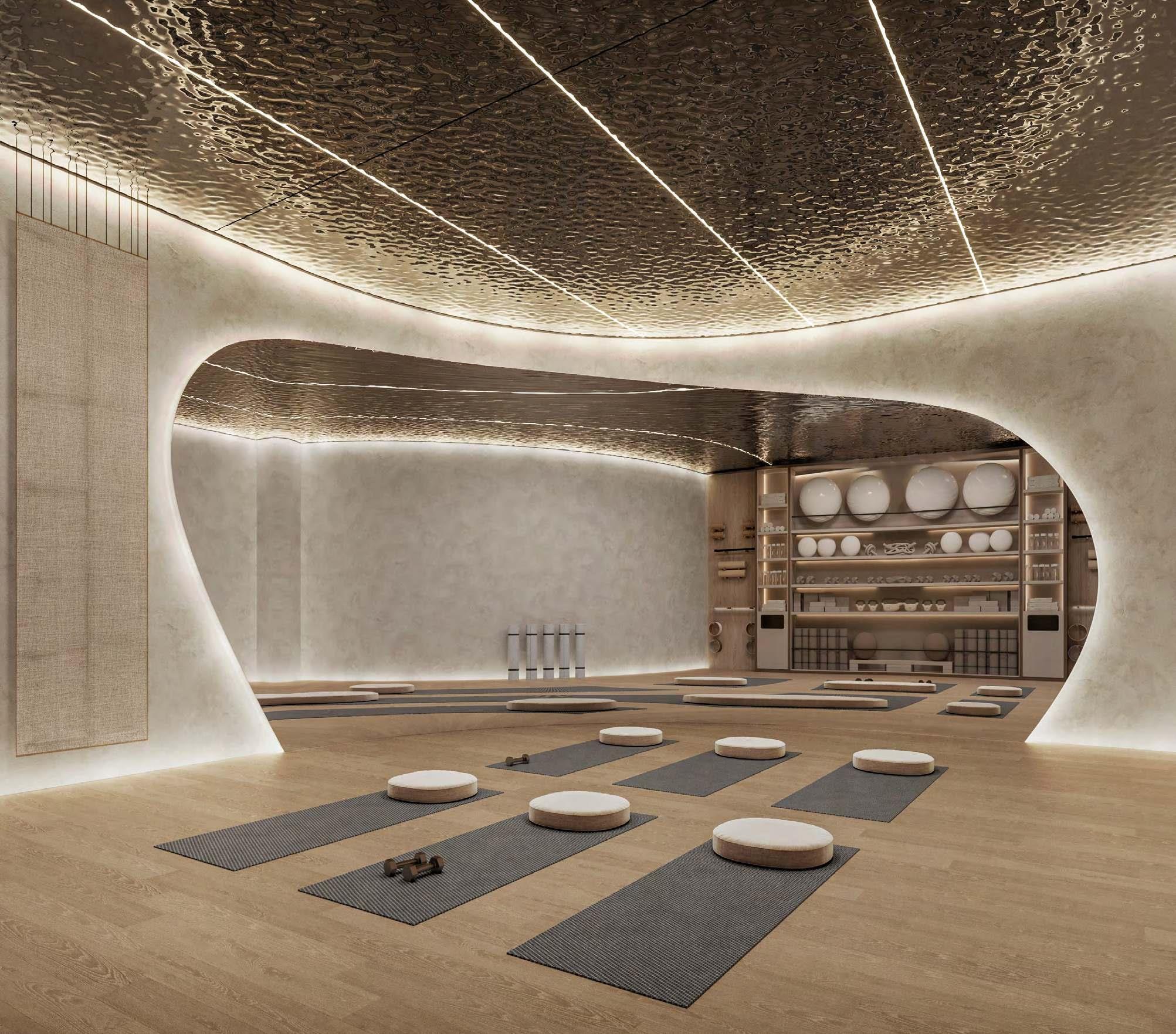
What caught my attention is the consistency across sources, even the ones that are not official. Multiple listings and project pages repeat the same core idea: a green base level, reflective pools, shaded walkways, and wellness programming. That usually means the concept is embedded in the design, not bolted on at the end.
Amenity breakdown, grouped the way buyers actually think
The simplest way to map it is not by marketing adjectives, but by how each thing affects livability and resale demand.
| Category | What is commonly referenced | Why it matters for buyers |
|---|---|---|
| Water and views | Infinity or elevated pools, water features, reflective pools, beach-adjacent lifestyle | Helps the holiday-home positioning, and supports premium resale if the podium feels like a private resort |
| Wellness | Yoga, meditation areas, gym, spa-style wellness | One of the few amenity themes that ages well, especially in waterfront districts |
| Outdoor calm | Landscaped gardens, shaded walkways, green pockets | A genuinely pleasant base level improves daily life, which creates long-term tenant stickiness |
| Social | Lounges, gathering spaces, selected communal areas | Social spaces help, but only when they feel elegant rather than a hotel-lobby copy-paste |
| Family | Kids areas, play zones, multipurpose areas | Family demand is part of the long-term rental story, but it depends on what Dubai Islands becomes by 2029 |
One subtle point. Beyond’s broader SIØRA narrative mentions distinct districts, The Cove, The Forest, and The Promenade. Executed well, that districting usually makes a community feel walkable, layered, and less monotonous. Executed badly, it is just labels on a map. Either way, I like seeing it referenced on the developer side.
Design and layout, where HADO may justify its premium
This is the part where I try to be objective, because “design-led” is a phrase every developer uses, even when it is not true.
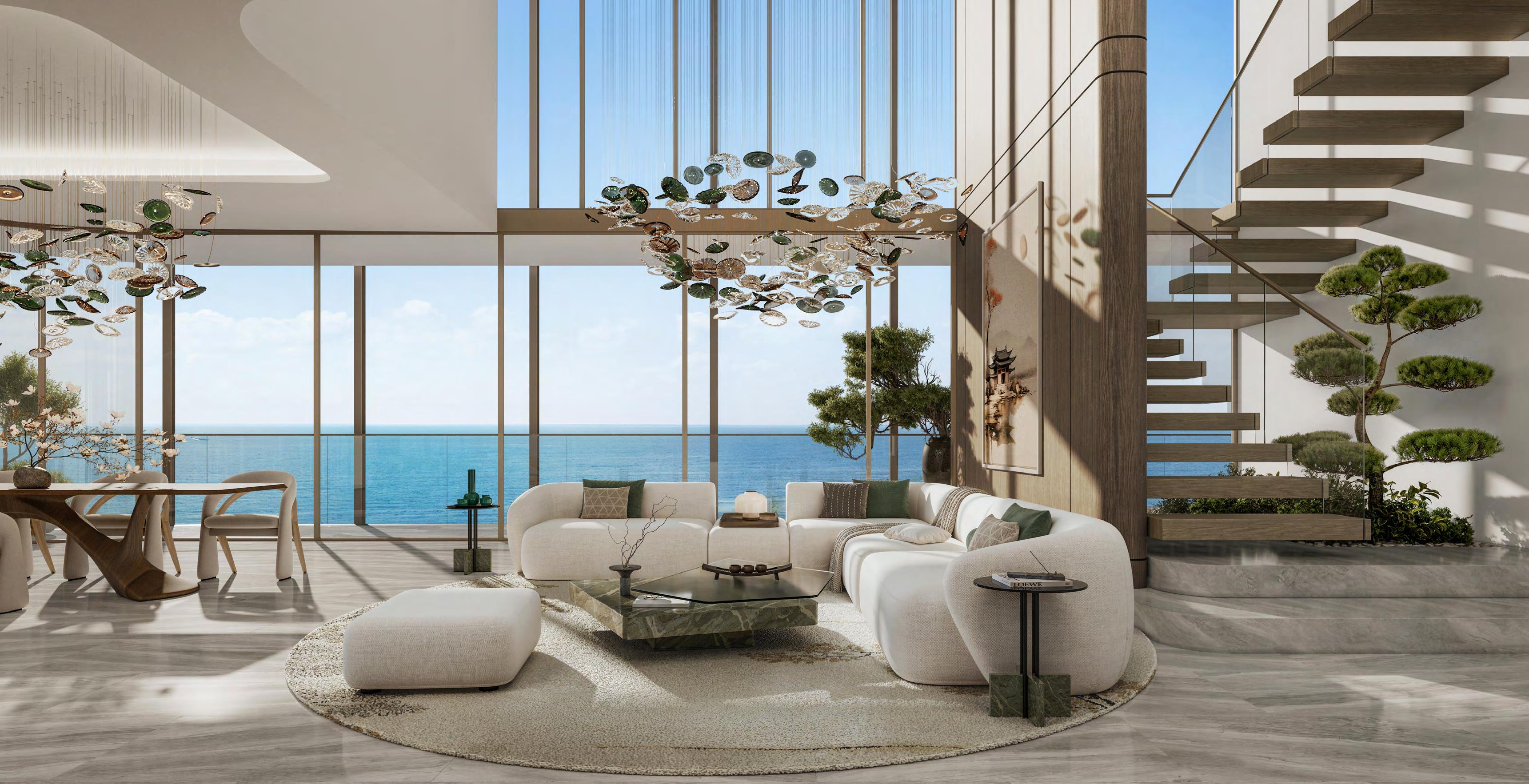
For HADO, a few specific, repeated details are hard to fake in the finished product:
- 3.2 metre floor-to-ceiling heights, commonly cited for living areas, which changes the feel of a space the moment you walk in.
- A natural material palette, usually described as stone, wood, and marble, in a neutral, biophilic direction.
- Corner glazing and tiered forms that open up views and light, again repeated across multiple sources.
Those three together, height, light, and materiality, often correlate with stronger resale resilience. Not always, but often enough to weigh.
Unit selection, a practical cheat sheet for investors and end users
People overcomplicate unit selection, then under-complicate it. There is a middle ground. If you are buying HADO as a long-term hold, the best unit is usually the one that stays easy to rent and easy to resell. If you are buying for lifestyle, you can bend those rules, but you still want optionality.
Best unit type by goal
| Goal | Unit type that usually fits | What to watch |
|---|---|---|
| Highest liquidity on resale | 1BR and efficient 2BR | Avoid awkward layouts, pick cleaner view lines where possible |
| Long-term rental stability | 2BR, some 3BR if priced right | Broader tenant pool, but the rent has to match what the district delivers by 2029 |
| End-user upgrade living | Larger 2BR, 3BR, simplex | Lifestyle premium can be real here, especially with ceiling height and finishes |
| Trophy lifestyle, low compromise | Duplex, large simplex | Excellent product, but you rely on a narrower buyer pool later |
A small, maybe annoying tip: try to choose a unit that feels obvious to the next buyer. Some duplexes are spectacular, but if they are too niche, you end up waiting for the right person.
Pricing signals, and the real question: is it overpriced at 3,100 AED per sq ft?
Careful here, because price per sq ft is the easiest metric to misuse. Public portals and project pages commonly show starting prices around AED 2.35M to 2.5M, depending on the source and release window. There is a real conversation online about whether that works out to roughly 3,100 AED per sq ft for some 1BR examples, and whether that is too high for an area still at an early stage.
My take, and I am a little conflicted, honestly:
- If Dubai Islands executes the coastal-destination vision, 3,100 AED per sq ft for a premium, design-led waterfront product may look normal in hindsight.
- If delivery is slower, if the area feels planned but quiet for too long, then yes, early buyers may feel they paid ahead of the curve.
Which is exactly why the payment plan matters.
Want the full buyer pack?
Send a message and I will forward the floor plans, tower positioning notes, and a clean one-page summary, sizes, views, payment milestones, and handover timeline, so you can review it without digging through five tabs.
Payment plan and timeline, why 50/50 changes the risk profile
HADO is widely marketed with a 50/50 structure: a booking percentage, staged payments through construction, then 50% on handover targeted for Q3 2029. Some portal listings describe it as 10/40/50, which is the same story told differently.
| Phase | Typical structure shown publicly | What it means |
|---|---|---|
| Booking | About 10% | Locks the unit, minimal initial exposure |
| Construction period | Staged instalments into 2028 | Gives runway, spreads risk, supports portfolio planning |
| Handover | 50% on completion (Q3 2029) | Big milestone, you want clarity on financing or liquidity before this stage |
This is one of the reasons investors like these structures. You are not fully committed up front, but you are still positioned if the district runs.
Why the developer brand matters here: Beyond and Omniyat Group
Dubai has no shortage of waterfront launches. What separates the long-term winners is often execution, and brand. Beyond explicitly positions itself as part of Omniyat Group. That association matters for investor confidence, because it signals design-led, premium positioning rather than mass-volume delivery. It guarantees nothing, obviously, but it is a meaningful input when you compare options.
Dubai Islands context, the part most blogs rush through
Dubai Islands is a Nakheel masterplan of five interconnected islands. Nakheel’s own 2026 update describes over 60 km of waterfront and more than 20 km of beaches, including a certified Blue Flag beach. Beyond’s site repeats the “over 20 kilometres of coastline” framing in its Dubai Islands positioning.
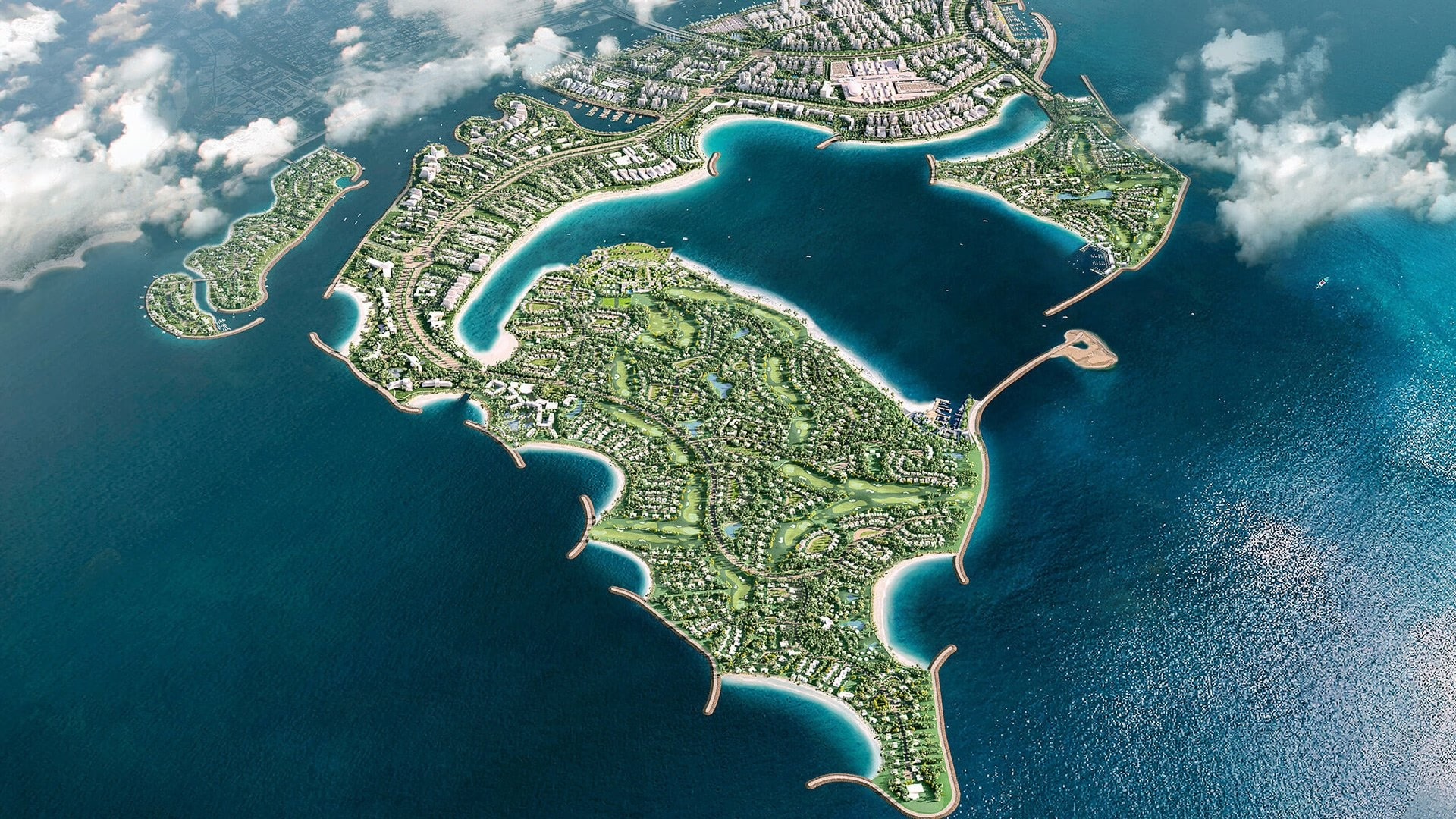
I raise this because, like it or not, your HADO investment thesis is tied to Dubai Islands momentum. The project can be excellent, but the district still needs to mature around it.
HADO vs the real Dubai Islands alternatives
When someone tells me they are considering HADO, what they usually mean is: “I am considering Dubai Islands, and I need to pick the best product, developer, and timeline for my risk tolerance.” So let us compare it against a few actual alternatives buyers cross-shop on Dubai Islands, without pretending they are identical.
| Project | Developer | Positioning | Typical unit mix | Timeline (publicly marketed) | Best fit if you want |
|---|---|---|---|---|---|
| HADO | Beyond | Design-led, calm luxury, wellness tone, SIØRA district | 1 to 4 bed, simplex and duplex formats | Handover targeted Q3 2029, 50/50 plan commonly marketed | Long runway, premium feel, future district upside |
| Bay Grove Residences | Nakheel | Seaside living, big master-developer product | 1 to 4 bed + penthouse formats | Official page focuses on product, views, floor-to-ceiling windows | A more mainstream island option, broader buyer pool |
| Rixos Hotel & Residences Dubai Islands | Nakheel | Branded resort lifestyle | Apartments, duplexes, beach houses, villas | Completion shown as Q4 2026 on a major broker overview, Nakheel positions it as a new launch | Earlier completion, branded hospitality angle |
| Sunset Bay by Imtiaz | Imtiaz Developments | Coastal lifestyle, boutique waterfront tone | Apartments, furnished direction often marketed | Official developer page frames it as waterfront living | Smaller scale, simpler entry story |
A small but important note: this is not “best project wins,” it is “best match wins.” A 2026-completion branded product and a 2029-completion design-led district flagship are not competing on the same timeline, even if they share a coastline.
How to choose between them: personas, not hype
Here is how I would simplify the decision if we were on a call and you wanted clarity fast.
Persona 1: “I want earlier handover, I hate waiting”
Look at the earlier-timeline options first, especially branded hospitality-style products. The branded angle is basically “the lifestyle sells itself,” which can help liquidity.
Persona 2: “I am fine waiting, I want the highest upside if the district wins”
This is where HADO starts to make sense. The whole SIØRA framing, the towers, the unit variety, the 50/50 plan, and the Q3 2029 handover all point to a long-runway thesis.
Persona 3: “I want the safest resale path, even if upside is slightly lower”
A master-developer project can win here simply because it feels familiar to more buyers. Bay Grove is positioned as a seaside residential collection with 1 to 4 bedroom residences and a signature penthouse, with floor-to-ceiling windows called out on the official page.
Persona 4: “I want a smaller, more boutique building story”
That is where boutique coastal launches appeal, especially if you like furnished, ready-to-rent narratives. Imtiaz markets Sunset Bay as coastal living built around comfort and amenities.
HADO investment underwriting, a realistic way to model it
This is where most blogs get weirdly confident. I am going to stay practical.
Step 1, anchor your price reality with something verifiable
Marketing “from” prices change, and they vary by release, view, and tower. Two useful anchors you can reference:
- A premium brokerage page states starting prices “from approximately AED 2.35M,” with the usual caveat that it depends on unit type and availability.
- A recorded transaction entry on PropSearch shows a price per sq ft of AED 3,783 for a transaction dated 13 Jan 2026.
Those two facts can coexist. A starting price and a later transaction price per sq ft can point to different unit sizes, view premiums, or simply market movement.
Step 2, model cash outflows the way the payment plan actually behaves
A widely published structure for HADO is a 50/50 plan, with 10% on booking, staged payments during construction, and 50% at handover in Q3 2029. That changes the math because your biggest chunk is delayed, which means:
- Your opportunity cost matters, what else could that capital be doing.
- Your financing plan matters, how you handle the 50% due at completion.
Step 3, use scenario bands, not single-point predictions
Below is a simple underwriting template you can drop into a spreadsheet. It avoids magical thinking and still gives you a decision. Assumptions you fill in:
- Purchase price (AED) and size (sq ft)
- Service charges estimate (later)
- Furnishing budget if you plan holiday lets
- Rent band by unit type (later, closer to handover)
| Scenario | Price growth by handover | Rental positioning after handover | When this scenario happens |
|---|---|---|---|
| Conservative | Low to moderate | Long-term tenant focus, stable rent | District matures slower, more competing supply arrives |
| Base case | Moderate | Mix of end-user and long-term rental demand | Infrastructure and hospitality ramp steadily on Dubai Islands |
| Bull case | High | Strong premium for waterfront lifestyle | Dubai Islands becomes a top-tier leisure destination faster than expected |
If you want one clean metric to compare alternatives, use this: total return potential = equity built during construction + value at handover minus total costs, then stress-test it with slower rent-up and higher service charges. Yes, that sounds spreadsheet-y. It is. But it saves people from buying a pretty render with no plan.
Risk checklist for HADO buyers
This is the part I would actually want you to do before you commit.
1) View protection, not just “sea view”
Ask for:
- Exact stack options, tower orientation, and what is planned in front of you
- Whether “uninterrupted” is marketing language or genuinely protected by planning
2) Unit efficiency
HADO has a wide size range and larger formats. That is good, but you still want:
- Efficient living room and bedroom proportions
- Minimal wasted corridor space
- Practical storage, especially in 1 and 2 bedroom units
3) Your handover liquidity plan
Because 50% is due at completion, decide now:
- Are you paying cash at handover
- Are you planning mortgage approval closer to 2029
- Are you expecting to sell before handover
4) Masterplan momentum matters
Dubai Islands is positioned by Nakheel as five islands with major waterfront and beach scale, and their January 2026 update mentions over 60 km of waterfront and 20+ km of beaches including a Blue Flag beach. Your thesis should be aligned with that timeline, not just the building.
Unit-picking framework: stack logic, tower trade-offs
By now you know what the project is trying to be, calm, design-led, waterfront living in SIØRA, Dubai Islands. Now the real question gets a lot less romantic: which unit do you pick so that, when handover arrives in Q3 2029, you are not sitting there thinking “I bought the wrong line.”
Start with one decision: resale, rental, or lifestyle?
People say “investment” but they usually mean three different things.
- Resale first: you want the widest future buyer pool, so the unit needs to be easy to understand and easy to love quickly.
- Rental first: you want tenant fit, a practical layout, and a rent that makes sense against service charges and competing supply.
- Lifestyle first: you can accept some quirks if the unit genuinely feels special, but you still want the option to exit without pain.
This one decision controls everything else, floor, view, duplex vs simplex, even where you sit relative to the podium.
View logic on Dubai Islands, what “sea view” can actually mean
Dubai Islands is marketed as a five-island waterfront destination with over 60 km of waterfront and over 20 km of beaches, including a Blue Flag certified beach. Exciting, but it creates a trap: a lot of buyers assume every angle is “the angle.” When you shortlist stacks, bucket views into four simple types, then pick the one that matches your exit plan:
| View type | How it usually feels | Often best for |
|---|---|---|
| Open sea, horizon | The premium postcard view, fewer visual interruptions | Lifestyle, premium resale |
| Beach, active waterfront | More energy, more movement, sometimes more noise | Holiday rental appeal, lifestyle |
| Internal gardens, podium water features | Calmer, greener, more private feel | Long-term rental, end user |
| Future-facing masterplan plots | Can become amazing, or can become obstructed | Investors who can tolerate uncertainty |
A small thing that matters more than people admit: “partially sea view” can outperform “full sea view” if the layout is better and the balcony is usable. Humans buy feelings, but they live in floorplans.
Floor selection, the sweet spot is not always the highest floor
There is a myth that higher is always better. Sometimes it is. Sometimes it is just more expensive.
Low floors, usually 3 to 7
- Pros: faster lift access, closer to amenities, sometimes more shaded.
- Cons: more podium noise potential, less open view, more exposure to landscaping maintenance activity.
Best for: rental stability, buyers who want convenience, families who use amenities daily.
Mid floors, roughly 8 to 14
- Pros: balance of view and practicality, often the easiest to resell, usually less noise than low floors.
- Cons: not always the “wow” premium, depends on the view corridor.
Best for: a resale-first strategy, conservative investors, buyers who want the safest middle.
High floors, roughly 15+
- Pros: strongest openness, more privacy, better breeze and horizon feel.
- Cons: higher entry price, sometimes a bit more wind exposure on balconies, and you pay for the view premium upfront.
Best for: lifestyle buyers, premium resale, long-hold investors who want the trophy feel.
One simple heuristic: mid floors with the cleanest view corridor usually produce the best liquidity. High floors can win on emotion, but you often pay for that emotion today.
Corner units vs interior units, what to watch with glazing
Many sources highlight the focus on light and premium interiors, and a refined palette, wood, stone, calm tones. Corner glazing and large glass are part of that aesthetic, but you still choose intelligently.
Corner units
- Pros: more windows, better cross light, stronger premium perception.
- Cons: more exterior wall surface, more solar-gain risk depending on orientation.
Interior units
- Pros: often more efficient layouts, sometimes better value per sq ft.
- Cons: fewer angles, sometimes less dramatic.
Practical tip: if you are torn, pick the unit where the living area and primary bedroom both get good light without becoming a heat box in the afternoon. It sounds obvious, but plenty of buyers do not check orientation early enough.
Layout efficiency checklist, where returns quietly get made
HADO’s published unit range is broad, from smaller one beds up to large duplex formats. Great range, but it means some layouts will be far more efficient than others. Use this checklist when you review floorplans:
- Living room shape. A rectangle that fits real furniture beats a beautiful but awkward curve.
- Kitchen placement. An open kitchen can help rental appeal, but it needs real prep space, not just a display counter.
- Bedroom privacy. If the bedroom door opens straight into the living room sightline, some tenants will feel it.
- Bathrooms. For 2 bed and up, a guest bathroom can be a resale advantage, even if it looks minor on paper.
- Storage. Built-in storage creates daily livability, and livability creates tenant retention.
- Balcony usability. A deep balcony you can actually sit on is a lifestyle and resale upgrade, not a cosmetic detail.
I have watched buyers obsess over a 0.2 percent price difference and ignore the fact they cannot place a dining table. That is real, and it is expensive.
Simplex vs duplex, choose on liquidity, not just wow factor
Duplexes sell dreams. They also narrow your buyer pool.
- Simplex is usually the liquidity play, easier to rent, easier to resell, broader buyer pool.
- Duplex is the lifestyle statement, excellent for end users and potentially strong for premium resale, but fewer buyers can absorb the ticket size.
If your objective is investor-grade flexibility, simplex often wins. If your objective is “this is where I want to live,” a duplex can be worth it, as long as you accept a longer exit window later.
Podium adjacency, the trade-off nobody explains well
HADO is marketed with a landscaped podium and selected wellness and leisure facilities. Sounds great, and it creates a classic trade-off.
- Units close to podium amenities feel convenient and often rent well.
- Units directly overlooking active zones can pick up noise, especially above a pool deck with peak hours.
How to choose: if you are rental first, being near amenities can be a positive, as long as the unit is not directly above a loud zone. If you are lifestyle first, you may prefer a quieter elevation and a calmer view corridor.
The developer
Beyond is positioned as a premium brand under Omniyat, with messaging built around design, quality, and delivery. For HADO specifically, market summaries repeatedly cite the 50/50 payment structure and the Q3 2029 handover target. That combination, premium positioning plus a longer runway, is exactly why the project attracts long-term investors rather than quick-flip buyers.
Who HADO fits, and who should probably skip it
Let me be blunt, in a friendly way.
HADO fits you if
- You want Dubai Islands exposure early and accept that the district’s story matures over time.
- You prefer a design-led, calm-luxury product over a loud, hotel-styled tower.
- You like the 50/50 structure because it keeps your upfront capital lighter and pushes the big decision closer to handover.
Pause, or skip, if
- You want quick handover, because Q3 2029 is a long runway even for patient investors.
- You rely on immediate rental income, because this is not a near-term yield play.
- Masterplan uncertainty stresses you, because Dubai Islands will evolve, and evolving districts always produce winners and “almost winners.”
That sounds slightly contradictory, and it is true anyway: a long runway is both the opportunity and the risk. If Hado by Beyond is on your shortlist, reach out. I will help you compare it to the closest alternatives, and keep you from overpaying for the wrong view or layout. Handled by me and the Totality Real Estate team.