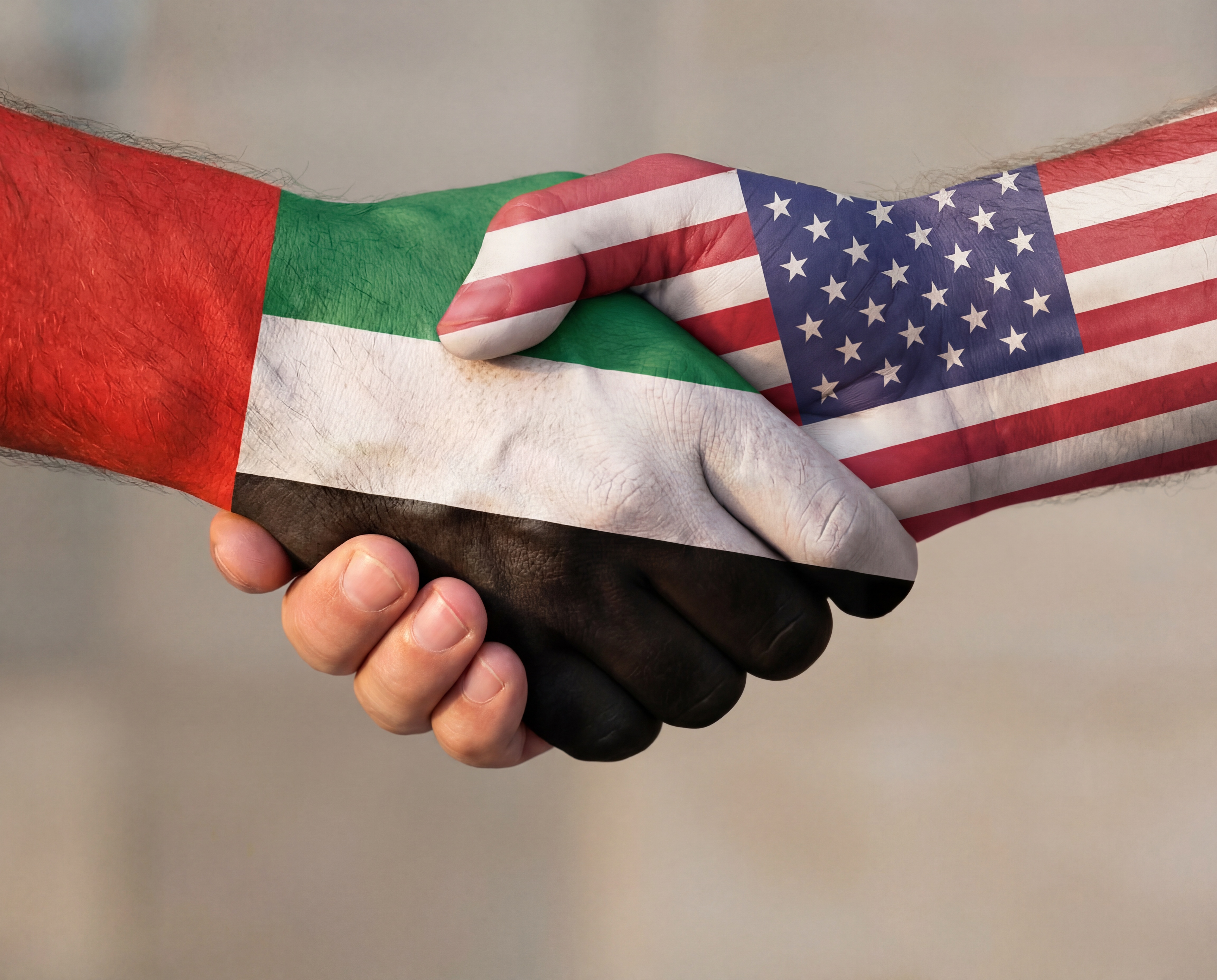
Living in Dubai as an American can feel like a lifestyle upgrade, high safety, modern infrastructure, and no UAE personal income tax. But you still file US taxes, visas tie you to work or investment, summers are intense, and culture and laws require respect. The win is real, if you plan properly.
Living in Dubai as an American offers a tax friendly, high safety, modern lifestyle, and a genuinely international social scene. Dubai is overwhelmingly expatriate, one recent report put expats at about 87% of residents, which matters because it changes how quickly you find “your people” here.
Now, the honest caveat. I am not American, I am Canadian. But I lived over a decade in Miami, so I understand the American baseline pretty well, what “normal” feels like, what convenience looks like, how direct Americans are socially, and how quickly people expect systems to just work.
Since moving to Dubai, I have worked with a lot of Americans making the jump, some thrive fast, some struggle in ways they did not see coming. And most of the surprises are not the Instagram stuff. They are the boring, practical parts, visas, banking, taxes, school fees, the heat, and the little cultural lines you do not want to cross without meaning to.
So this is the unfiltered version. The wins everyone talks about, the trade offs most people discover too late, and the reality that Dubai is not “America but cheaper and tax free”. It is its own place, and that is why it can be amazing, and also why it can feel disorienting at first.
If you want to cross reference the cost angle, Pacific Prime recently estimated Dubai can be cheaper than major US cities on average, but the spread is huge depending on rent, schools, and lifestyle choices.
I will be straight with you. Dubai can be one of the best moves an American makes, financially and lifestyle wise, but only if you understand the rules of the game. Not just the legal rules, also the social ones.
You are probably here for one of three reasons:
-
Taxes, 2) career and income upside, 3) safety plus lifestyle.
All valid. But the details matter more than the headline.
Want a Dubai neighborhood shortlist that fits your budget and lifestyle? Message me and I will send a few options.
Visas and residency for Americans, the simple view first
Let’s keep this practical.
Can Americans enter Dubai easily?
Most Americans can enter the UAE without arranging a visa in advance, the allowed stay can vary by policy and update cycle, and you should verify the current rule right before you fly using official sources. The UAE Embassy in Washington notes visa on arrival access and references a 90 day stay within a 180 day period for US citizens.
The US State Department describes a visitor visa on arrival for shorter trips and points people to official UAE sources.
That sounds messy, I know. It is. This is why I always tell clients, treat “visa on arrival” as convenience, not as your residency plan.
What actually matters, your long term residency route
If you want to live here properly, sign a lease, open accounts smoothly, get a local driver’s license, sponsor family, you need a residence visa path.
Here are the most common legal routes Americans use.
Residency pathways for Americans in Dubai (high level)
| Path | Typical fit | What you get | What trips people up |
|---|---|---|---|
| Employment visa (company sponsorship) | Traditional job in UAE | Residency tied to employer | Job change timing, paperwork, leverage imbalance |
| Remote work residency (virtual working) | US based job, want Dubai base | 1 year renewable residency program | Proof rules can change, income evidence, valid insurance |
| Investor or property related long term residency (Golden Visa routes) | Higher net worth, long horizon | Multi year residency options | Eligibility thresholds, documentation, buying the wrong asset for the visa |
| Business setup (free zone or mainland) | Entrepreneurs | Residency via company | Costs, compliance, renewals, banking friction early on |
For remote work, official Dubai and UAE portals describe requirements like proof of remote employment and income, plus medical insurance.
For property linked Golden Visa style routes, Dubai Land Department’s own service notes a 2 million AED property value requirement (with conditions, including mortgage NOC language if relevant).
The UAE government Golden Visa page also references the AED 2 million investor threshold across categories.
The hidden “residency checklist” nobody tells you upfront
Even when you qualify, you will usually still go through the practical steps: entry permit, medical fitness test, Emirates ID process, then visa stamping or its digital equivalent depending on the route.
The exact sequence varies by visa type, but medical fitness screening is a normal part of UAE residency workflows, and government health portals document it as a formal service.
If you want a real estate oriented, investor friendly walkthrough of Dubai systems, fees, and setup costs, you can also cross read:
Not sure which visa path matches your situation? I can point you to the most realistic options based on your timeline. Lets connect!
The tax reality, it is complicated, but worth understanding
This is the section where Americans either save a lot of money, or accidentally create a future headache.
Dubai taxes, what you actually pay day to day
Dubai has no UAE personal income tax in the way Americans think of federal or state income tax. But you still pay plenty of “life taxes” like housing, schooling, and you will feel VAT.
The UAE introduced Value Added Tax at a standard 5% rate, this shows up in many purchases.
Also, the UAE has a corporate tax framework for businesses, but that is different from personal income tax, and the government outlines the corporate tax tiers publicly.
US taxes, the US still wants a relationship
Here is the key sentence: US citizens generally still have to file US tax returns even when living abroad.
That is not Dubai’s rule, it is America’s rule. The IRS is very direct about worldwide income for US citizens and the existence of the foreign earned income exclusion framework.
The Foreign Earned Income Exclusion (FEIE), the headline number
For taxable years beginning in 2025, the IRS published the FEIE maximum at $130,000.
Many Americans in Dubai structure life around this, especially if they are employees earning under or near that level. But it is not automatic, you must qualify through residency or physical presence style tests, and you need clean documentation.
FBAR, the thing people ignore until it bites
If you have foreign accounts, and the aggregate value exceeds $10,000 at any time during the year, FinCEN says you may need to file an FBAR.
This is why I tell Americans, do not treat Dubai banking as “just another checking account”. It is normal life here, but it creates reporting duties back home.
A quick mindset shift that helps
Dubai can absolutely improve your net position. But the smartest Americans I see here do two things early:
They hire a US expat tax professional for a first year plan, not forever, just to set the foundation.
They build a “two country system”, UAE banking for daily life, US banking for continuity, credit history, and investing.
If you want a deeper investor angle on cashflow planning (especially if property is part of your Dubai plan), you may like:
Mini reality check before we move on
If your main reason is taxes, Dubai can be a powerful move, but only if your residency path is stable and your compliance is clean. The worst case is not paying tax, it is paying penalties because you assumed you did not need to file anything.
Cost of living, housing choices, transport, healthcare, schools, and the everyday stuff that decides whether you actually enjoy Dubai
If you have been in Dubai for, say, two weeks, you can still be in the honeymoon phase. Everything feels clean, safe, efficient, glossy. Then you get your first real set of bills, you start looking at school options (if you have kids), you realize summer is not “hot”, it is a lifestyle constraint, and you begin to understand the real equation.
Also, one quick reminder: Dubai can be cheaper than major US cities on paper, but it depends heavily on your lifestyle tier. Pacific Prime’s cost comparison, for example, frames Dubai as around 45% cheaper than New York, 27% cheaper than Miami, and 7% cheaper than Las Vegas, on average. Useful, but not universal.
And to make it even more confusing, other rankings put Dubai among the more expensive global cities for expats in general. Mercer has highlighted Dubai’s rising housing costs in recent years, which is very real if you are arriving in a tight rental cycle.
So let’s break it down the way a normal person experiences it.
The cost of living reality check
Dubai has a “lifestyle slider”, and Americans feel it fast
Here is the honest pattern I see with Americans moving here:
If you live like a high earning American in a premium US city, Dubai can feel like better value, especially for space, safety, amenities, and convenience.
If you move here on a mid range income and try to keep the same lifestyle habits, the math can get tight, quickly.
If you have kids in private school, Dubai is a different financial universe, unless your employer covers it.
Where Dubai is often better value
Space and amenities per dollar: pools, gyms, concierge, newer buildings, that part can feel like a lifestyle upgrade.
Transportation flexibility: many Americans are surprised they can live with one car, or even no car, if they pick the right neighborhood.
Healthcare experience: quality is typically strong, and it feels more “service oriented” than what many Americans are used to.
Where Dubai can be more expensive than you expect
School fees and extras: tuition, transport, activities, uniforms, it stacks. KHDA is actively pushing more transparency around school fees and verified extra charges, which tells you the topic is big enough to need a system.
Dining and nightlife: you can spend a lot without even trying, especially in the “weekend brunch” ecosystem.
Rent spikes in hot areas: if you want the most in demand communities, you pay the premium.
A practical comparison table Americans actually use
Dubai vs a big US city lifestyle, what changes
| Category | Dubai, what feels different | US big city baseline | The practical takeaway |
|---|---|---|---|
| Taxes | No UAE personal income tax, but you still have US filing obligations | Federal, state, city in some places | Dubai helps net income, but only if you plan compliance properly |
| Housing | More amenities bundled into buildings | Often pay extra for amenities | Dubai “luxury buildings” can feel normal fast |
| Healthcare | Mandatory insurance culture, often quicker access | US system varies, can be complex | Expect a smoother patient experience, but learn your network early |
| Schools | Huge choice, often expensive | Public school option exists by default | If you have kids, budget schools first, rent second |
| Transport | Metro, taxis, ride hailing, very usable | Car heavy in many cities | Choose a walkable area, it changes everything |
| Summer | Indoor life becomes normal for months | Seasonal variety | Summer is real, plan travel, hobbies, routines |
Housing, neighborhoods, and the part nobody says out loud
Your Dubai experience is basically decided by where you live
I think this is the biggest lever. If you choose the wrong area for your personality, Dubai can feel artificial or lonely. Choose the right one, and you start saying things like, “Wait, why was I so stressed in the US?”
Also, many Americans assume Dubai is “mostly expats”, which is true. Dubai is heavily expatriate, and various sources commonly cite the expat share around the mid 80% range.
That matters because it means your neighborhood choice often decides what your day to day social life looks like.
Neighborhood fit table, American expat lens
| Area | Best for | What you will love | What might annoy you |
|---|---|---|---|
| Dubai Marina | First landing spot, social, walkable | Water, restaurants, easy to meet people | Busy, traffic, some buildings vary in quality |
| Downtown | City core, skyline life | Energy, events, iconic Dubai feel | Premium pricing, crowds on weekends |
| JLT | More balanced, practical | Walkability, value vs Marina | Some clusters feel “office heavy” |
| Business Bay | Central and fast moving | Access, newer towers | Still developing in parts, traffic |
| JVC | Budget conscious, space | Value, growing community | Less walkable, you rely on car more |
| Arabian Ranches, Damac Hills style areas | Families, villa life | Space, quieter routines | Car dependency, school commute planning matters |
If you want a Dubai neighborhood shortlist that leans more “investor and long term value” explore these articles;
- Dubai property fees and charges breakdown
- Totality Real Estate, Dubai investing and relocation support
Those links help because a lot of Americans arrive, rent first, then realize buying might be the smarter second step, especially if they are staying 3 plus years.
If you tell me your monthly budget and work setup, I will suggest 3 areas that actually match your day to day routine. Lets connect!
Transport, yes you can live without a car in Dubai (sometimes)
Americans often hear “Dubai is car city” and assume it is non negotiable. It is not that simple.
Dubai’s public transport is more usable than many newcomers expect, especially Metro plus taxis plus ride hailing. The RTA’s own guidance makes it pretty clear how integrated the nol card is across Metro, buses, tram, and more.

If you live in Marina, Downtown, parts of JLT, parts of DIFC, you can do a lot on foot, and fill the gaps with Metro or taxis. If you live in villa communities, you will drive, and you will plan your life around it.
A small personal moment, I remember thinking I would “just drive everywhere”, then I tried the Metro on a day with terrible traffic, and I was annoyed at myself for not trying it earlier. It is not glamorous, but it works.
Healthcare, better than expected, different than the US
Dubai is very insurance structured. In Dubai, employers are required to provide health insurance for employees, and official UAE guidance also notes the employer requirement in Dubai specifically.
The adjustment for Americans is usually not quality, it is learning how the network works, what is covered, where your preferred clinics are, and how referrals and approvals show up in practice.
If you want a simple rule: do not wait until you are sick to understand your coverage.
Schools and kids, the single biggest budget shock for American families
If you have children, I would almost say, start with schools, then choose your neighborhood, not the other way around.
KHDA sets the framework that allows private schools to adjust fees, for example it approved an Education Cost Index for the 2025 to 2026 academic year.
KHDA has also pushed tools like school fee fact sheets to make total costs clearer, including verified “extra” fees.
That is the bigger message: school costs are not just tuition, and families feel that difference fast.
Culture and laws, the “small respect” approach works best
I know we are going deeper into culture in Batch 3, but one thing helps right away: behave like a guest in someone else’s country, even if Dubai feels global.
The official UAE government platform is pretty direct about public behavior norms, public displays of affection should be minimal, and people should be mindful about conduct in public spaces.
Dubai is not looking for trouble, but it is not a place to test boundaries either.
Ready to plan your move properly? Book a 15 minute call and we will map visa route, neighborhood, and first month steps.

Summer, social life, culture and laws, banking, common mistakes, FAQs, and the schemas you can paste into the page
By this point, you probably have the shape of it.
Dubai can be incredible for Americans, but it is not “easy mode life”. It is more like a high performance city. If you match it well, the upside is huge. If you mismatch it, you can feel oddly stressed while living somewhere that looks perfect.
Also, I want to say something that sounds small but is not. Dubai rewards calm, respectful people. Loud confidence can work in the US. Here it sometimes reads as disrespect, even when you do not mean it. I have watched that play out at restaurants, in offices, even in building lobbies.
Let’s get into the topics that make or break the move.
The climate reality, more than heat, it changes your lifestyle calendar
Dubai’s hot season is long, and in summer the daily highs can sit around the low 40s Celsius, with humidity that makes it feel heavier than people expect. WeatherSpark’s year round averages, for example, show August as the hottest month with an average high around 106°F (about 41°C).
And then there is the “real summer” part, the spikes. Reuters reported multiple instances of temperatures in the UAE exceeding 50°C in inland areas, and coastal cities like Dubai often posting mid 40s°C highs during peak summer.
The truth no one tells you
Air conditioning does not solve everything. It solves survival, yes. But it does not solve mood, routines, or the fact that your “free outdoor life” becomes a winter thing.
So here is the practical playbook that works for most Americans.
Dubai seasonal lifestyle planner (simple and honest)
| Season | What life feels like | What to plan | What catches Americans off guard |
|---|---|---|---|
| Nov to Mar | Best weather, outdoor city | Beach, desert trips, running, patios | You start thinking “I could live here forever” |
| Apr to May | Warming fast | Lock in indoor hobbies, travel windows | Heat creeps up fast, you forget how intense it gets |
| Jun to Sep | Indoor dominant | Gym, malls, indoor events, summer travel | Cabin fever, higher DEWA bills, motivation dips |
| Oct | Transition | Outdoor returns slowly | People underestimate how good October feels |
If you are moving with kids, plan summer travel in advance. If you are moving for work, try to arrive in late summer or early fall so your first impression is not “why did I do this”.
Culture and laws, the “small respect” strategy
Dubai is modern, international, and pretty tolerant, but it is still a place with clear social expectations.
The official UAE government platform literally spells out a few big ones, public displays of affection should be minimal, holding hands is generally acceptable, kissing and hugging in public is not, and people should avoid offensive language, gestures, and disruptive behavior.
Fast etiquette checklist for Americans
- Keep public affection low key.
- Dress with context, beach clubs are different than government buildings.
- Do not argue loudly in public.
- Be careful filming people without permission.
- If you are angry, pause, then handle it privately.
- This is not about fear, it is about being smart.
Alcohol, nightlife, and the “Dubai rules” Americans assume are optional
Dubai has a big nightlife scene, but it is regulated. The clean, safe vibe you enjoy is partly because public behavior is monitored and the rules are enforced when needed.

A simple and generally safe way to frame it is: drink only in licensed venues, avoid public intoxication, never drink and drive, and do not treat streets or public beaches like an extension of a bar.
If you want a source that explains the general reality in plain English, Food and Wine summarizes that alcohol is allowed under specific conditions, typically in licensed venues, while public drinking and drunken behavior are prohibited and can carry serious penalties.
If you want one mindset shift, it is this, you can have fun here, just do it with a bit of discretion.
Relationships and dating, where Americans misread the city
This part is complicated, because Dubai is not one dating culture, it is many cultures on top of each other.
You have American style dating inside expat circles. You also have conservative expectations within many local and regional communities. And you have a nightlife scene that can feel transactional if you live inside it.
What tends to work
- Build a life first, gym, hobbies, community, then date from stability.
- Choose social circles that fit your values, not just convenience.
- Be cautious with public affection, again, not because you are doing something “wrong”, but because you do not want avoidable problems.
About cohabitation
A lot of Americans still arrive thinking cohabitation is automatically illegal. UAE laws and guidance have evolved, and many sources describe reforms that made cohabitation less of a legal tripwire compared to the past. Because legal interpretation can get nuanced quickly, I usually advise people to stay updated via official channels and treat public behavior standards as the practical baseline anyway.
That might sound cautious, but honestly, the cautious approach saves people headaches.
Banking and money logistics, the boring stuff that matters
This is the part where Americans feel friction in the first 30 days.
What you should expect
Opening a bank account often becomes easier after you have residency steps underway, Emirates ID is commonly a key document in daily life systems.
US citizens sometimes experience extra compliance steps because of US reporting frameworks, so be patient and keep documents tidy.
Keep your US banking alive, for credit history, investing continuity, and simple life admin.
A simple “two country setup” that works
UAE account for salary, rent, utilities, daily spending.
US account kept active for investing, credit score continuity, and US obligations.
A routine for US tax compliance, including awareness of reporting like FEIE and foreign account reporting.
On the FEIE side, the IRS has confirmed the maximum foreign earned income exclusion for tax year 2026 is $132,900, up from $130,000 for 2025.
Also, do not ignore foreign bank reporting concepts, it is not “Dubai specific”, it is the US being the US.
Medication and prescriptions, a surprisingly common mistake
This one is not glamorous, but it causes real problems at airports.
The official UAE government platform explains that to import some medicines you may need a permit from the Ministry of Health and Prevention.
The UAE Embassy also warns that narcotic, psychotropic, and other controlled medicines are restricted and should not be freely imported, and travelers should seek guidance if bringing medications.
MOHAP has published guidance encouraging travelers to use online services to obtain electronic approvals or disclose medicines upon arrival, depending on the case.
Dubai’s own city portal also notes travelers carrying controlled medicines need prior approval and proper medical documentation.
If you only remember one line, do not pack controlled medication casually, check first.
Remote work visa, the requirements can vary, so check the right portal
Americans often ask, “Can I keep my US job and live in Dubai?”
Yes, there are remote work style residency options, but requirements differ depending on the issuing authority and the program you apply through.
For example, the official UAE government platform page on residence visa for working outside the UAE references a minimum salary of USD 5,000 per month with a one year contract and proof of insurance.
Dubai’s GDRFA service page for a virtual work style entry references USD 3,500 per month plus proof of remote work and valid health insurance.
Invest in Dubai’s portal also references a minimum salary threshold and documentation requirements.
So yes, it is possible, but do not build your plan on one blog post, use the official portal for the visa route you want.
The most common mistakes Americans make, and what to do instead
| Mistake | Why it happens | Fix that actually works |
|---|---|---|
| Choosing a neighborhood for status, not lifestyle | Social media bias | Pick based on commute, walkability, and routines |
| Underestimating school costs | US public school assumption | Budget schools first, then rent |
| Treating taxes as “solved” | Dubai headline thinking | Get a US expat tax plan in month one |
| Bringing meds without checking | Habit | Use MOHAP guidance, get permits if needed |
| Thinking summer is “fine” | Short visit in winter | Build summer travel and indoor routines early |
Who Dubai is right for, and who it frustrates
This is where I get slightly opinionated.
Dubai is amazing for Americans who want a high energy, international chapter with real wealth building potential. It can be frustrating for Americans who want deep rooted, slow life stability with zero bureaucracy.
| You will probably thrive if | You might struggle if |
|---|---|
| You like international environments and fast systems | You need long term hometown style roots immediately |
| You are motivated by safety, convenience, and ambition | You dislike rules, social expectations, and structure |
| You can handle a “summer indoor season” | You need outdoor life year round |
| You plan visas, taxes, banking calmly | You wing admin and hope it works out |
FAQs
Do Americans get a visa on arrival in Dubai?
US citizens do not need to apply in advance for a UAE tourist visa, the UAE Embassy describes a visa issued on entry allowing up to 90 days within a 180 day period for regular passport holders.
Do Americans still pay US taxes if they live in Dubai?
Yes, Americans generally still file US tax returns. The FEIE can reduce taxable income if you qualify, and for tax year 2026 the maximum exclusion is $132,900.
Is Dubai actually cheaper than the US?
It can be, compared to high cost US cities, but your lifestyle and school choices change the math fast. Some cost studies show Dubai cheaper than cities like New York, but other indexes rank Dubai as expensive for expats, so treat averages carefully.
How bad is the summer in Dubai?
Very hot, and it changes daily life. Average highs in the hottest months sit around the low 40s Celsius, with spikes in the UAE region that can exceed 50°C in inland areas.
Do I need health insurance in Dubai?
Health insurance is mandatory for expatriates in Dubai, and costs vary widely by plan level.
Can I bring my prescription medication from the US?
Sometimes yes, but some medicines are controlled and may require permits. UAE government guidance explains permits may be required and MOHAP offers online approval pathways.
What public behavior rules do Americans need to know?
Keep public displays of affection minimal, avoid offensive gestures or language, and be respectful in public spaces, the UAE government platform outlines these expectations directly.
Can I live in Dubai while working remotely for a US company?
Often yes, through remote work style residency pathways, but requirements vary by program, with salary thresholds and documentation listed on official portals.
Is Dubai good for American families?
It can be excellent for safety, amenities, and international schooling, but school costs can be a major budget item, and summers require planning.
What is the biggest mistake Americans make when moving to Dubai?
Assuming Dubai works like a US city with different taxes. The people who win here plan visas, taxes, housing, and culture intentionally, not emotionally.
If you are considering Dubai and you want a real plan, not just vibes, we can help. At Totality we work with Americans who want to rent first, buy later, or do both strategically, with clear numbers and a realistic timeline.