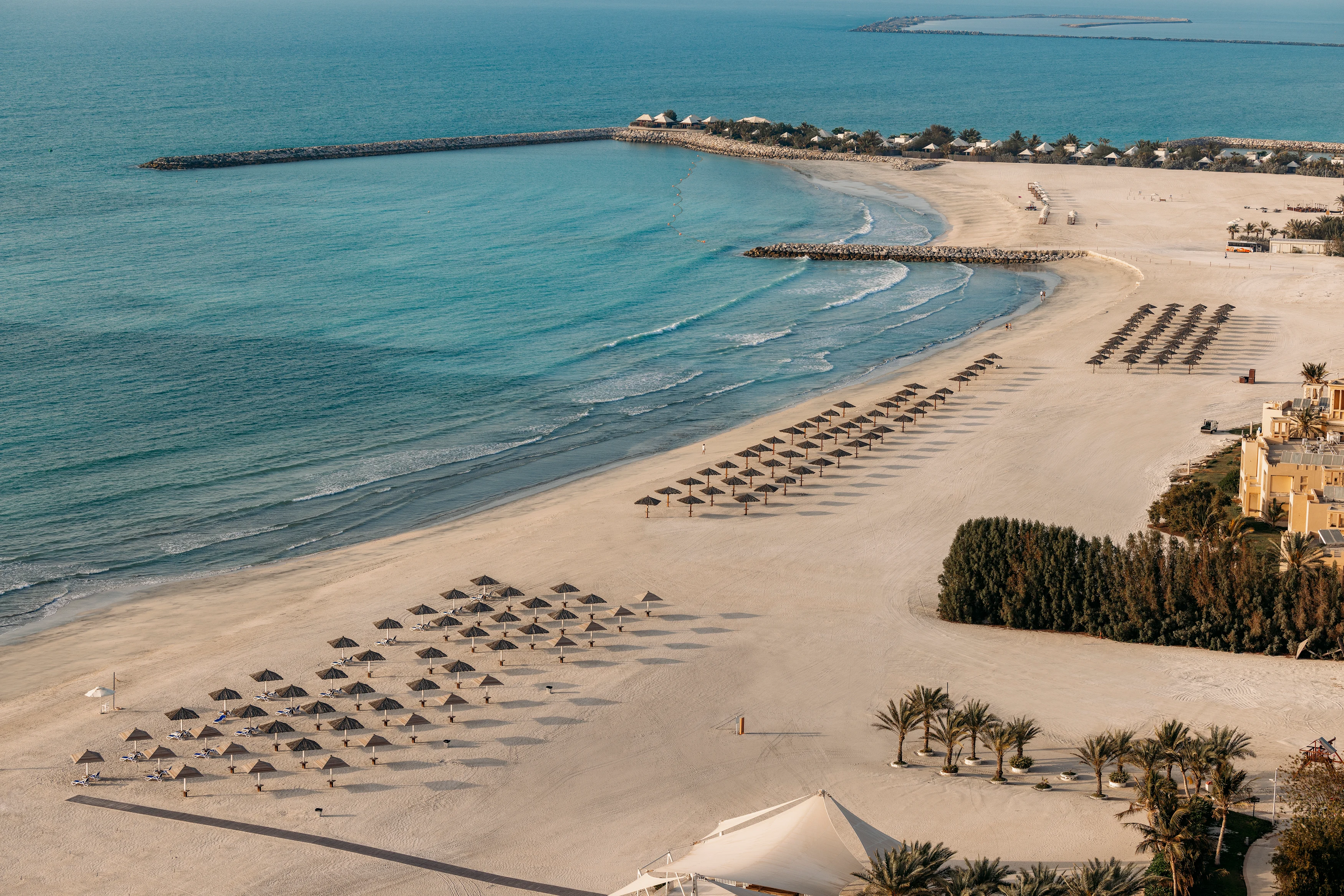
Ras Al Khaimah, often shortened to RAK, is becoming one of the most watched real estate markets in the UAE because it offers a growing, lower-density, and still relatively affordable alternative to Dubai.
For many buyers, that is the real hook.
You can still access premium waterfront communities, beach-facing residences, branded developments, and investment-led property at price points that, in many cases, remain well below comparable Dubai stock. Areas such as Al Marjan Island, Mina Al Arab, Al Hamra Village, and RAK Central are attracting increasing attention as tourism expands, new infrastructure comes online, and the emirate pushes toward a much larger visitor economy over the rest of this decade. Ras Al Khaimah welcomed a record 1.28 million overnight arrivals in 2024 , and the tourism authority is targeting more than 3.5 million annual visitors by 2030 , which matters because tourism growth tends to feed directly into hotel demand, short-stay accommodation, branded residences, and investor confidence.
In simple terms, RAK sits in an interesting position right now. It is no longer unknown, obviously. That stage has passed. But it is also not yet as saturated, as expensive, or as aggressively priced as many parts of Dubai. And that middle stage, when a market has visibility but still has room to mature, is often where a lot of the opportunity lives.
At Totality Real Estate, we usually look at markets through a fairly practical lens, price per square foot, end-user appeal, tourism depth, developer quality, and how easy it will be to rent, operate, or exit later. Ras Al Khaimah keeps coming up because it checks more of those boxes than many people expect. You hear “northern emirate” and some investors still assume slow demand or limited liquidity. I think that view is getting outdated.
Why Ras Al Khaimah Real Estate Is Getting So Much Attention
Part of the appeal is pricing. Part of it is the lifestyle product. But a big part, maybe the biggest, is timing.
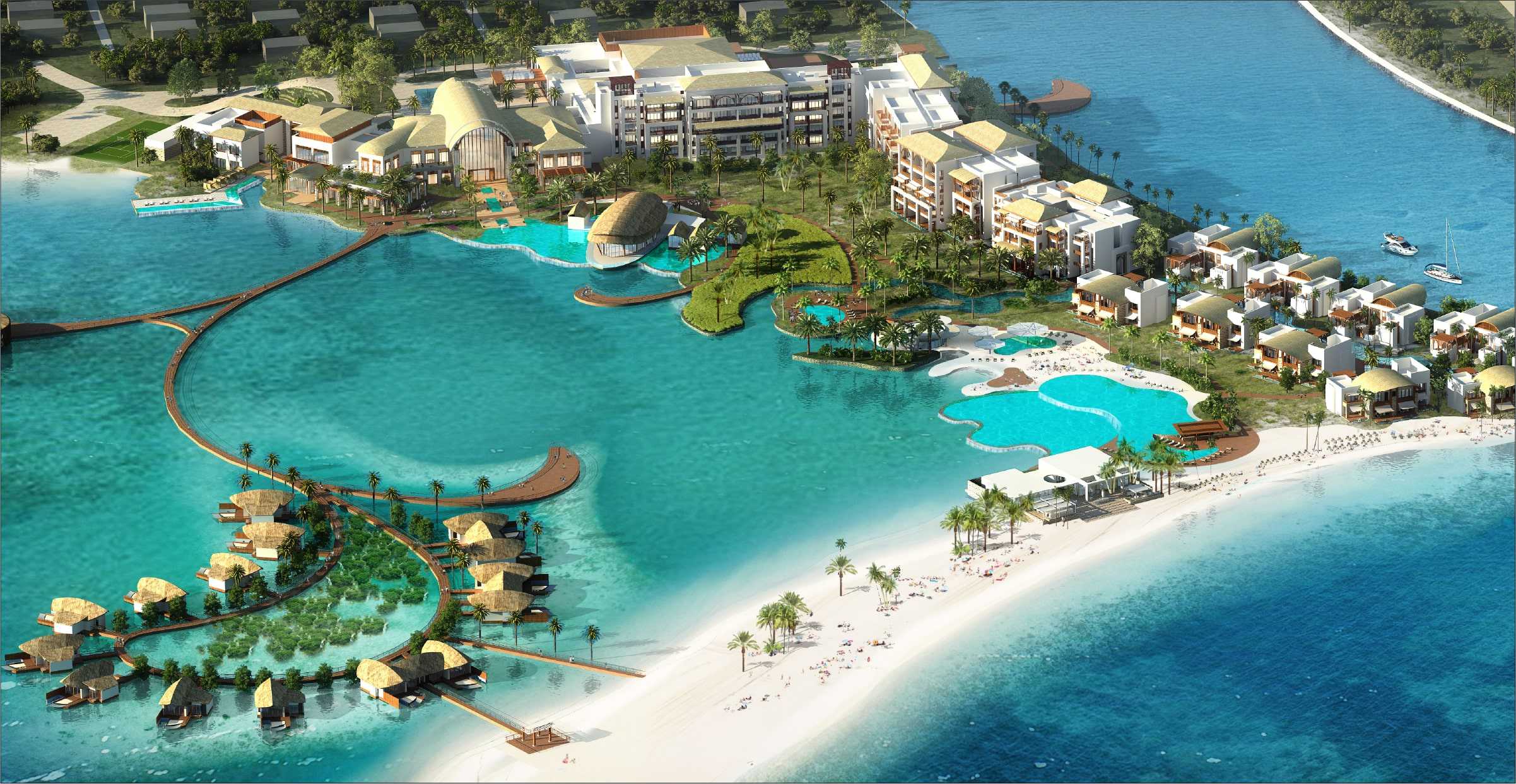
Ras Al Khaimah is benefiting from several demand drivers at once. Tourism is growing. Hospitality supply is expanding. Large waterfront master communities are maturing. International hotel and branded residence interest is rising. And the emirate is getting a level of global attention that it simply did not have a few years ago, especially around Al Marjan Island and the upcoming Wynn Al Marjan Island , which is slated to open in early 2027 .
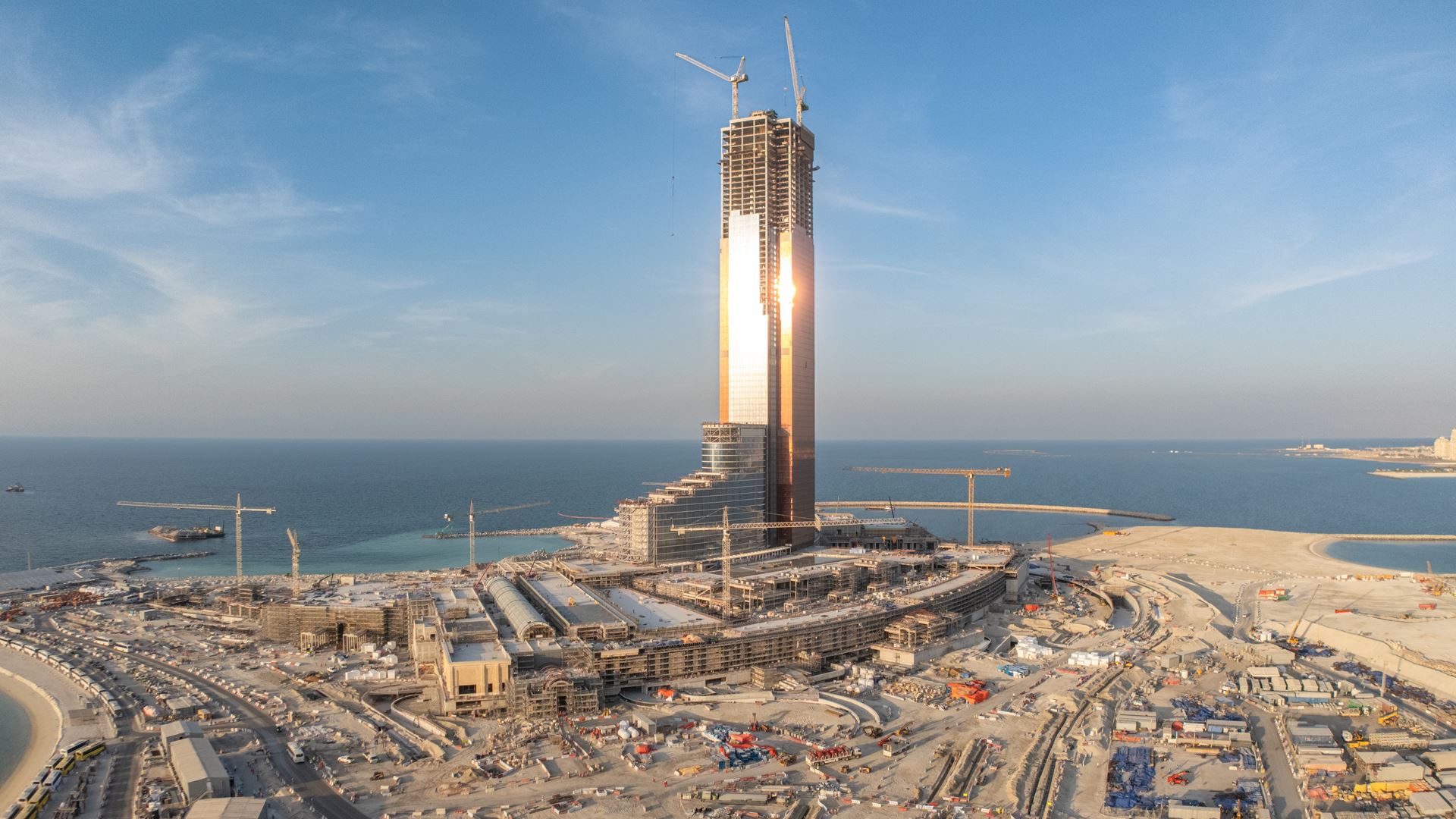
That does not mean every project will perform equally well. They will not. Some units will overperform, some will disappoint, and some will just be fine. But as a market, RAK is moving from niche interest into mainstream UAE investment conversations.
There is also a structural reason investors are paying attention. According to Marjan, it offers freehold land with 100% foreign ownership , which gives international buyers a clearer path into the market, particularly in large investment zones and master communities.
And then there is the supply story. In Dubai, buyers often face a lot of inventory, a lot of noise, and frankly, a lot of recycled launches. Ras Al Khaimah still feels more selective. That can be a good thing. Not always, but often.
Ras Al Khaimah vs Dubai, Is RAK Actually Better Value?
This is where the conversation gets interesting.
RAK is not “better than Dubai” in every sense. Dubai is deeper, more liquid, more international, and more established across every asset class. If a buyer wants maximum resale depth, wider tenant pools, or a fully mature luxury ecosystem, Dubai still leads.
But if the question is value , especially waterfront value, RAK has a serious argument.
Many investor guides and market commentaries position Ras Al Khaimah as meaningfully cheaper than Dubai for comparable lifestyle-driven stock, particularly in beachfront and resort-linked communities. That aligns with what we see in the market too. In several RAK locations, pricing has remained more accessible while the product is becoming noticeably more premium. At the same time, tourism-led demand and branded development are pushing the market upward.
Here is a simple comparison framework.
Comparison Table, Ras Al Khaimah vs Dubai for Property Investors
| Factor | Ras Al Khaimah | Dubai |
|---|---|---|
| Entry pricing | Generally lower, especially for waterfront and resort-style projects | Higher in most prime and branded locations |
| Market maturity | Earlier growth cycle | Mature, deeper, more liquid |
| Density | Lower density, more relaxed | Higher density, more urban |
| Lifestyle product | Beach, island, nature, resort living | Urban luxury, mixed-use, global city living |
| Investor profile | Buyers seeking early positioning and value | Buyers seeking scale, liquidity, and established demand |
| Short-term rental angle | Strong in tourism-led zones | Strong, but highly competitive |
| Branded residence upside | Growing quickly | Already proven but often priced in |
That is probably the cleanest way to explain it. Dubai is the benchmark. RAK is the asymmetric play, or at least it can be.
Key Areas for Investment in Ras Al Khaimah
If someone asks where to focus, I do not think you start with the whole emirate. You start with the communities that already have identity, demand, and a clear story.
1. Al Marjan Island, The Flagship Growth Story
Al Marjan Island is the name most investors know first, and for good reason. It has become the headline destination for luxury launches, branded residences, and resort-driven property demand. The Wynn project is the obvious catalyst, but not the only one. The area is also benefiting from broader hospitality growth, international awareness, and the simple reality that beachfront island product in the UAE tends to hold attention very well.
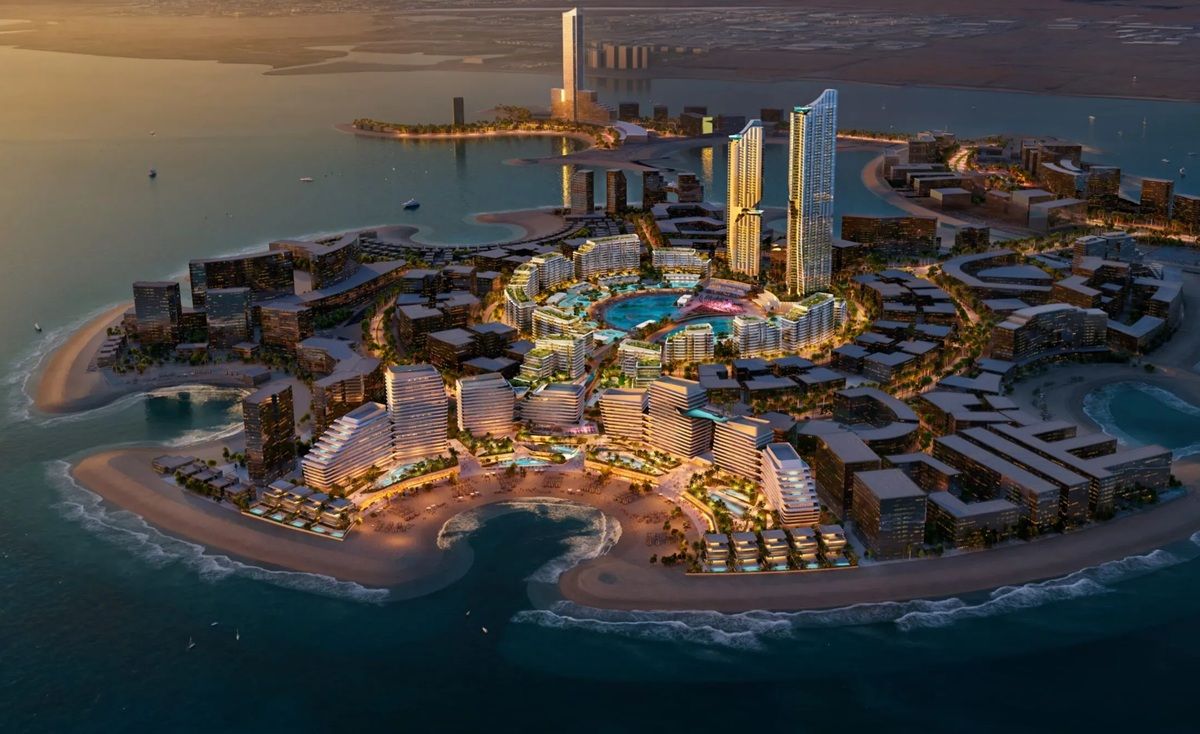
What makes Al Marjan attractive is not only the gaming-resort narrative. In fact, I think some buyers focus too much on that one angle. The bigger story is that Al Marjan is becoming a recognizable luxury coastal district with global pull. That matters more over the long term.
Typical buyer profiles here include:
investors targeting capital appreciation
short-stay and holiday home buyers
buyers looking for branded residence exposure
end users who want beach-led living without Dubai pricing
The risk, if we are being honest, is that launch pricing in some projects has already moved up sharply. So yes, Al Marjan may still have upside, but buyers need to be selective about entry price, brand strength, service charges, and actual rental positioning. Not every “sea view” unit is equal. Far from it.
2. Mina Al Arab, Waterfront Living with Broader End-User Appeal
Mina Al Arab feels slightly different. It is waterfront, yes, but a bit more grounded, perhaps more livable day to day, and in many cases better suited to buyers who want a real community rather than purely a speculative launch environment.
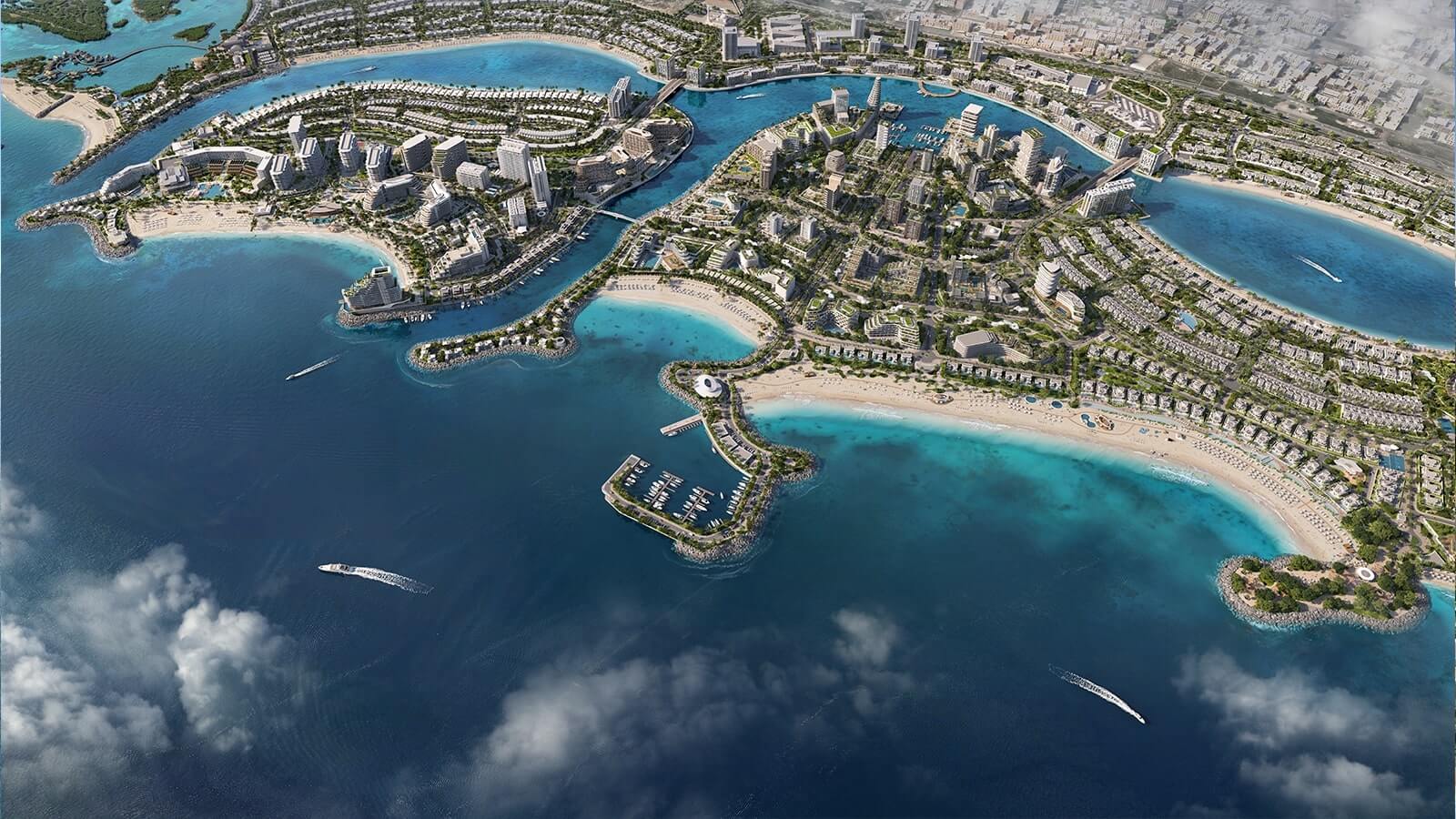
RAK Properties describes Mina as a large coastal master development spanning more than 4 million square meters, with a strong nature-led setting that includes mangroves and resort-style living. That mix is quite important. It gives the area a lifestyle identity beyond marketing language.
From an investment perspective, Mina Al Arab tends to appeal to:
families wanting a calmer waterfront environment
medium-term investors seeking solid occupier demand
buyers who want beach access without the intensity of purely tourism-heavy zones
landlords targeting longer-stay tenants and hybrid holiday demand
And honestly, this is one of those communities that can surprise people. On paper, some investors chase the louder story of Al Marjan. In practice, Mina can feel more balanced.
3. Al Hamra Village, Established, Recognizable, and Still Relevant
Al Hamra Village remains one of the most established residential and lifestyle communities in Ras Al Khaimah. That matters because in a growing market, mature communities often provide a form of stability. You already know the area. You know the amenities. You can understand tenant demand more clearly. You are not underwriting pure promise.
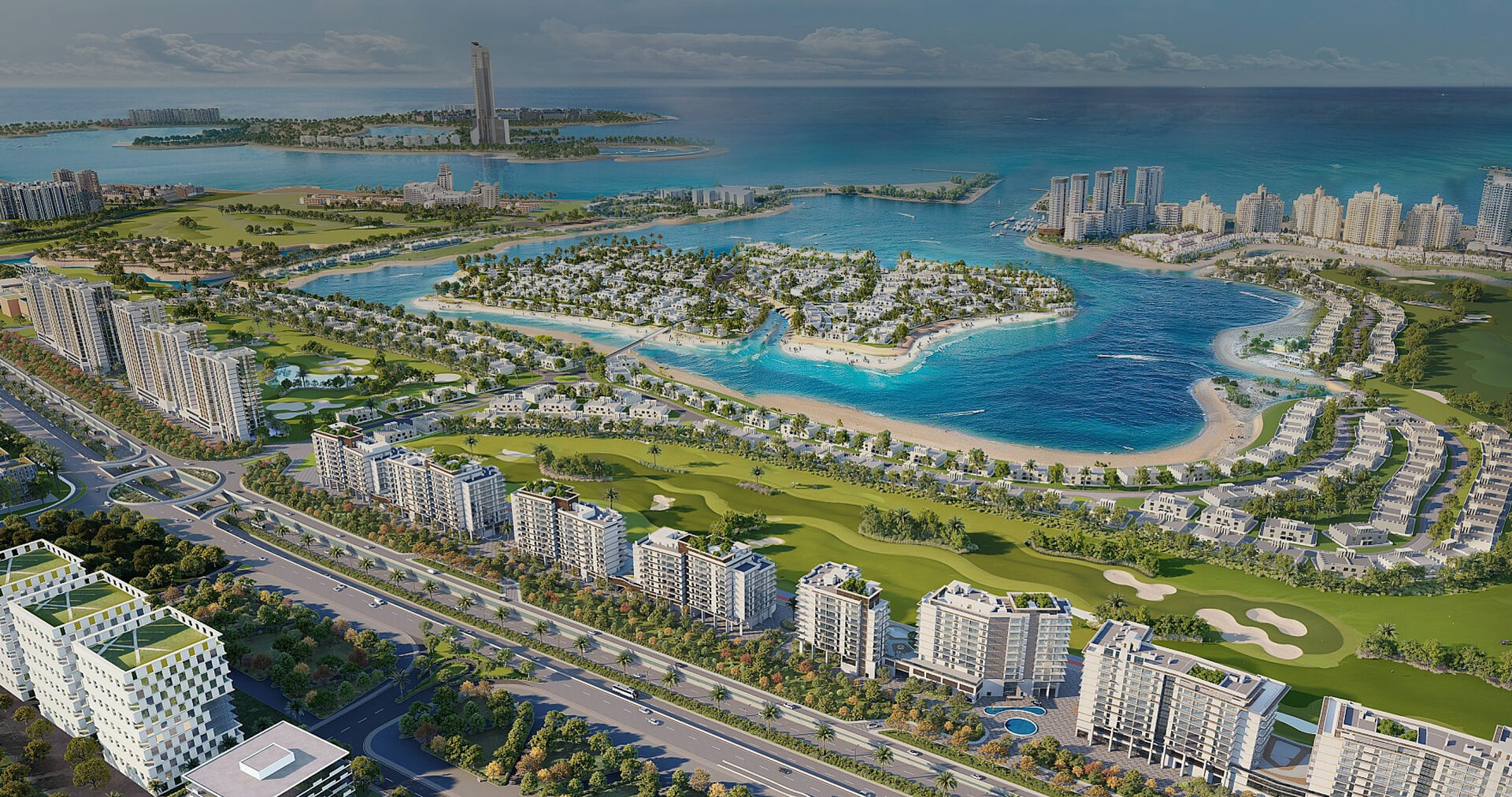
Al Hamra’s residential positioning is supported by golf, marina, hospitality, retail, and beach elements, while Falcon Island adds a more premium island-living component within the broader destination. Official project material describes Falcon Island as a twin-island concept with two-to-seven-bedroom townhouses and villas , accessible by land and sea within Al Hamra Village.
For many buyers, Al Hamra works because it is easier to understand. It does not require quite as much imagination.
Quick Snapshot Table, Best Areas in RAK for Different Buyer Types
| Area | Best For | Typical Strength |
|---|---|---|
| Al Marjan Island | Growth-focused investors, branded residence buyers | Luxury waterfront upside |
| Mina Al Arab | Lifestyle buyers, family investors, longer-stay landlords | Balanced waterfront community |
| Al Hamra Village | Yield-focused buyers, established-community investors | Mature amenities and recognisable demand |
| RAK Central | Early commercial and mixed-use positioning | Future business district potential |
RAK Central, Why It Matters More Than People Think
If Al Marjan Island is the headline-maker, RAK Central may become the part of the market that changes how investors think about Ras Al Khaimah altogether. It is not a beach community in the traditional sense. It is not selling only resort fantasy. It is being positioned as a true mixed-use business district, and that matters because mature real estate markets usually need more than tourism. They need office demand, daily footfall, education, retail, hospitality, and year-round economic activity. RAK Central is designed around exactly that. Marjan describes it as a 288,000 square metre masterplan combining residential neighbourhoods, Grade A office clusters, retail and dining, a university campus, green spaces, and civic and cultural components. Later updates said the wider masterplan would include 3 million square feet of rentable office space , more than 4,000 apartments , and multiple hotels.
That is a meaningful shift. A lot of buyers still view RAK mostly through a holiday-home lens. I understand that, because beach and branded launches dominate the headlines. But if RAK Central develops the way it is being presented, the emirate starts looking less like a pure leisure play and more like a broader real estate economy. That tends to support absorption, rental depth, and investor confidence over time.
From a strategy point of view, RAK Central may suit buyers who are comfortable entering a district before full maturity, provided they are selective about developer quality, building positioning, and eventual tenant profile. It is probably not the right first purchase for someone who only wants immediate beachfront appeal. But for investors thinking two, three, or five years ahead, it is one of the most interesting parts of this market.
Market Highlights, Pricing, Demand, and Why the Story Is Holding
A lot of RAK content online falls into one of two traps. Either it sounds overly promotional, or it tries to compare everything to Dubai in a way that feels a little forced. The better way to look at Ras Al Khaimah is this: it has become a credible UAE growth market with real demand drivers, but buyers still need to underwrite carefully.
The demand side is relatively clear. Ras Al Khaimah recorded 1.28 million overnight arrivals in 2024 , its strongest tourism year on record at the time, and the emirate is targeting 3.5 million annual visitors by 2030 . In the first half of 2025, tourism authorities also reported 654,000 visitors and described it as the strongest first half on record. That kind of visitor growth supports hotel pipelines, serviced apartments, short-stay demand, and broader investor attention.
The supply and pricing side is a little more nuanced, which is where investors need to slow down and think.
Recent market reporting shows that RAK pricing has been rising quickly in core communities. Bayut’s 2025 market report indicated, for example, that Mina Al Arab villas averaged AED 1,462 per sq ft , while Al Hamra Village apartments were around AED 1,180 per sq ft and villas in the same area were roughly AED 1,446 per sq ft . In Al Marjan Island, your own Totality market analysis notes that broad average valuation metrics were around AED 2600 per sq ft in Q1 2026 , while branded and frontline beachfront launches often priced materially higher. In other words, broad “RAK price per sq ft” claims can be misleading, because product type and exact micro-location matter a lot.
So yes, the older rule of thumb, that RAK sits around AED 1,000 to AED 1,200 per sq ft , can still work as a directional opening statement for some stock. But it is no longer enough on its own. Prime beachfront, branded, or launch-led product can now sit above that range, sometimes well above it. More established or secondary inventory may still trade closer to the traditional band. The market is fragmenting, which usually happens when a destination starts maturing.
Comparison Table, Indicative Positioning by Area
| Area | Typical Market Position | General Pricing Tone | Investor Angle |
|---|---|---|---|
| Al Marjan Island | Prime waterfront, branded, tourism-led | Highest in many cases, especially beachfront and branded stock | Capital appreciation, holiday homes, short-stay demand |
| Mina Al Arab | Waterfront master community | Mid to upper-mid, depending on product | End-user appeal, balanced rental profile |
| Al Hamra Village | Established integrated community | Often more legible and comparable by sub-community | Yield, familiarity, resale clarity |
| RAK Central | Emerging mixed-use district | Early-stage pricing logic, developer-dependent | Future office-led and urban growth thesis |
Rental Yield in Ras Al Khaimah, Strong Potential, But Not Every Unit Will Hit It
This is another area where real estate content gets a bit too neat.
You will see very high yield claims in the market, sometimes double-digit . In selected short-stay or holiday-home scenarios, especially in high-demand waterfront stock, that may be achievable. But it should not be treated as the default outcome. More grounded market reports show a range. Bayut’s 2025 report, for example, listed apartment ROI at roughly 5.89% in Al Hamra Village , around 5.57% on Al Marjan Island, and villa ROI in Mina Al Arab at a much lower 3.63% . Those figures are useful because they remind investors that headline excitement and actual stabilized yield are not always the same thing.
I think the right way to explain yield in RAK is this:
-
short-term rental upside can be compelling in the right waterfront locations
-
long-term leasing may be steadier, but usually less dramatic
-
villa yields can look lower than apartment yields because capital values have moved sharply
-
service charges, furnishing costs, and seasonal occupancy can materially change net returns
That last point gets ignored too often. Gross ROI is easy to market. Net ROI is where investors either feel smart or regretful.
Property Types in Ras Al Khaimah
One reason RAK appeals to a wider investor base now is that the product mix has broadened noticeably. Buyers are not limited to one narrow segment. The market includes:
studios and one-bedroom apartments for entry-level investors
larger beachfront apartments for lifestyle buyers
townhouses and villas in integrated communities
branded residences tied to hospitality and luxury names
mixed-use and urban product emerging around districts like RAK Central
RAK Properties’ 2025 annual report also shows how the development pipeline is moving further into hospitality-branded and high-spec beachfront inventory inside Mina and related coastal districts, including projects with resort rooms, branded residences, and larger community-scale expansion. That pipeline matters because it shows the emirate is not relying on one isolated launch story.
Who Should Invest in Ras Al Khaimah, and Who Probably Should Not
This part is important, maybe more important than the area guides.
RAK may suit:
investors priced out of prime Dubai waterfront markets
buyers who want earlier-cycle positioning
holiday-home investors with a medium-term view
end users who value lower density and coastal living
investors comfortable with a market still discovering its long-term pricing ceiling
RAK may not suit:
buyers who want maximum resale liquidity today
investors who dislike construction-led growth markets
people expecting every project to surge simply because it is in RAK
investors who need immediate fully mature infrastructure in every submarket
That is not a criticism of Ras Al Khaimah. It is just the reality of a market that is developing quickly. The upside comes with selectivity. Perhaps that is obvious, but I think it is worth saying plainly.
Buying and Investment Guidelines in Ras Al Khaimah
At this point, the market case for Ras Al Khaimah is fairly clear. The more practical question is how someone actually buys well here, and what they need to check before committing capital.
Because this is where a lot of otherwise good investments get weaker. Not due to the market itself, but because buyers rush the underwriting.
Can Foreigners Buy Property in Ras Al Khaimah?
Yes, foreigners can buy property in designated freehold areas in Ras Al Khaimah. The legal basis for this sits within the emirate’s real estate framework, including Emiri Decree No. 19 of 2016 , which concerns special authorization for freehold ownership and other real estate rights in the emirate. Marjan also explicitly describes itself as the master developer of freehold property in Ras Al Khaimah, which is one reason areas such as Al Marjan Island are so central to international investment demand.
In practice, that means overseas buyers typically focus on established freehold investment zones and master communities rather than assuming every location across the emirate is equally available for foreign ownership. That distinction matters.
Off-Plan Purchases in RAK
Off-plan remains one of the main ways investors enter the market, especially in communities such as Al Marjan Island and newer phases of coastal development. The structure is broadly familiar to UAE buyers, a booking amount, a construction-linked payment plan, then a final balance on completion or handover. But buyers should not treat every payment plan as a value opportunity. Some are useful. Some merely stretch affordability while masking high launch pricing.
Ras Al Khaimah’s legal framework for real estate development is also more formalised than many buyers assume. Law No. 12 of 2023 on Regulating Real Estate Development in the Emirate of Ras Al Khaimah sets out rules around developers, escrow accounts, off-plan unit payments, and project regulation, which is important for investor protection.
So when buying off-plan in RAK, the real checklist is not only “what is the payment plan?” but also:
Is the developer credible?
Is the project properly structured and registered?
Is the price sensible relative to nearby stock?
What is the handover risk?
What are the service charges likely to be?
Will the unit still look attractive on resale, not just on launch day?
That last question is probably the one people skip most often.
Ras Al Khaimah Property Transaction Costs
A lot of blogs simplify this too aggressively. The cleaner way to explain it is that the emirate’s Land Property Assignment Registration service card shows a 2% buyer fee and a 2% seller fee , each calculated on the market value of the property, plus a AED 200 plan issuance fee . In real transactions, who pays what can vary by agreement and by the nature of the deal, but the official published schedule gives a strong baseline.
Transaction Cost Table, Ras Al Khaimah
| Cost Item | Indicative Amount | Notes |
|---|---|---|
| Buyer registration fee | 2% of property market value | Official service card fee |
| Seller registration fee | 2% of property market value | Official service card fee |
| Plan issuance fee | AED 200 | Official service card fee |
| Agency commission | Usually market-dependent | Confirm in writing before reservation |
| NOC / admin charges | Project-dependent | Can vary by community and developer |
| Mortgage-related fees | Bank-dependent | Relevant only if financing is used |
For readers, the key takeaway is simple. Do not budget only for the purchase price. Budget for transfer-related costs, furniture if relevant, short-let setup if relevant, and a realistic service-charge assumption.
Reputed Developers to Watch in RAK
The developer landscape in Ras Al Khaimah matters a great deal because this is still a market where master planning, delivery quality, and brand credibility can materially affect returns.
1. RAK Properties
RAK Properties is one of the emirate’s flagship listed developers and a central player in major community and waterfront development, especially around Mina Al Arab and related districts. The company’s public materials position it as a long-term community builder with residential, retail, hospitality, and master development activity across Ras Al Khaimah.
2. Al Hamra
Al Hamra remains one of the most recognisable private developers and operators in the emirate, especially through Al Hamra Village , hospitality assets, golf-linked product, marina-linked living, and premium residential projects such as Falcon Island .
3. Marjan
Marjan is especially important because it is not simply another developer. It is the emirate’s master developer of freehold property , and it plays a major role in shaping strategic investment districts including Al Marjan Island and RAK Central .
That is why, when evaluating a project in Ras Al Khaimah, I would not just ask who the tower developer is. I would also ask who controls the broader masterplan, how the district is evolving, and whether the surrounding ecosystem is genuinely improving.
Why Choose Ras Al Khaimah?
There are several reasons, and some are more obvious than others.
The first is value. In many cases, buyers can still enter waterfront or beach-access product at a lower price point than equivalent lifestyle-led stock in Dubai. The second is growth. Tourism has been expanding quickly, the hospitality pipeline is deepening, and large mixed-use districts are pushing the emirate beyond a purely resort-driven narrative. Ras Al Khaimah recorded a record 1.28 million overnight visitors in 2024 , while Wynn Resorts states that Wynn Al Marjan Island is set to open in spring 2027 , which continues to reinforce international visibility around the emirate.
The third is perhaps less discussed, but just as important. RAK offers a different pace. Lower density. More coastal orientation. More space between things. That lifestyle angle helps both end-user demand and holiday-home positioning.
Still, I would avoid the temptation to make the case too perfect. Not every investor belongs in RAK. Dubai is still the more liquid and institutionally mature property market. Abu Dhabi may suit certain capital profiles better. But for buyers looking for an earlier-stage UAE coastal growth story, Ras Al Khaimah is now one of the most credible markets in the region.
Which RAK Area Fits Which Investor?
| Area | Best For | Main Strength | Main Watch-Out |
|---|---|---|---|
| Al Marjan Island | Appreciation-focused investors, branded residence buyers | Global visibility, beachfront appeal, tourism upside | Entry pricing can already be aggressive |
| Mina Al Arab | Balanced investors, end users, family buyers | Livability, coastal community feel, broader tenant appeal | Returns depend heavily on exact product and management |
| Al Hamra Village | Yield-focused buyers, familiar-community investors | Established ecosystem, marina, golf, hospitality | Older stock can vary a lot by building quality |
| RAK Central | Forward-looking investors, mixed-use believers | Urban growth thesis, office and residential demand potential | Requires more patience and stronger underwriting |
Frequently Asked Questions
Is Ras Al Khaimah a good place to invest in real estate?
It can be, especially for buyers looking for UAE waterfront exposure, lower-density living, and a market that is still developing rather than fully priced like many prime Dubai locations. The strongest areas tend to be Al Marjan Island, Mina Al Arab, Al Hamra Village, and emerging mixed-use districts such as RAK Central.
Can foreigners buy property in Ras Al Khaimah?
Yes, foreigners can buy in designated freehold areas. The emirate’s legal and regulatory framework includes provisions for freehold ownership and related real estate rights, and major master developers such as Marjan openly position their districts as freehold investment zones.
What are the best areas to buy property in Ras Al Khaimah?
The most commonly discussed investment areas are Al Marjan Island , Mina Al Arab , Al Hamra Village , and RAK Central . Each appeals to a slightly different buyer profile, from beachfront luxury and branded residences to more established community-led and mixed-use urban product.
What are the property registration fees in Ras Al Khaimah?
The official Land Property Assignment Registration service card shows 2% on the buyer , 2% on the seller , plus a AED 200 plan issuance fee . Actual commercial arrangements can vary by deal, but those are the official published figures.
Is off-plan property in Ras Al Khaimah safe to buy?
It can be, provided the buyer checks project registration, escrow structure, developer credibility, payment schedules, and realistic resale demand. The emirate’s 2023 real estate development law provides a more formal regulatory framework for off-plan development and escrow management.
How does Ras Al Khaimah compare with Dubai for investors?
RAK generally offers lower entry pricing and a more resort-led, lower-density environment, while Dubai offers stronger liquidity, broader tenant depth, and a more mature market overall. Investors choosing between them are usually deciding between value and early positioning on one side, versus scale and maturity on the other.