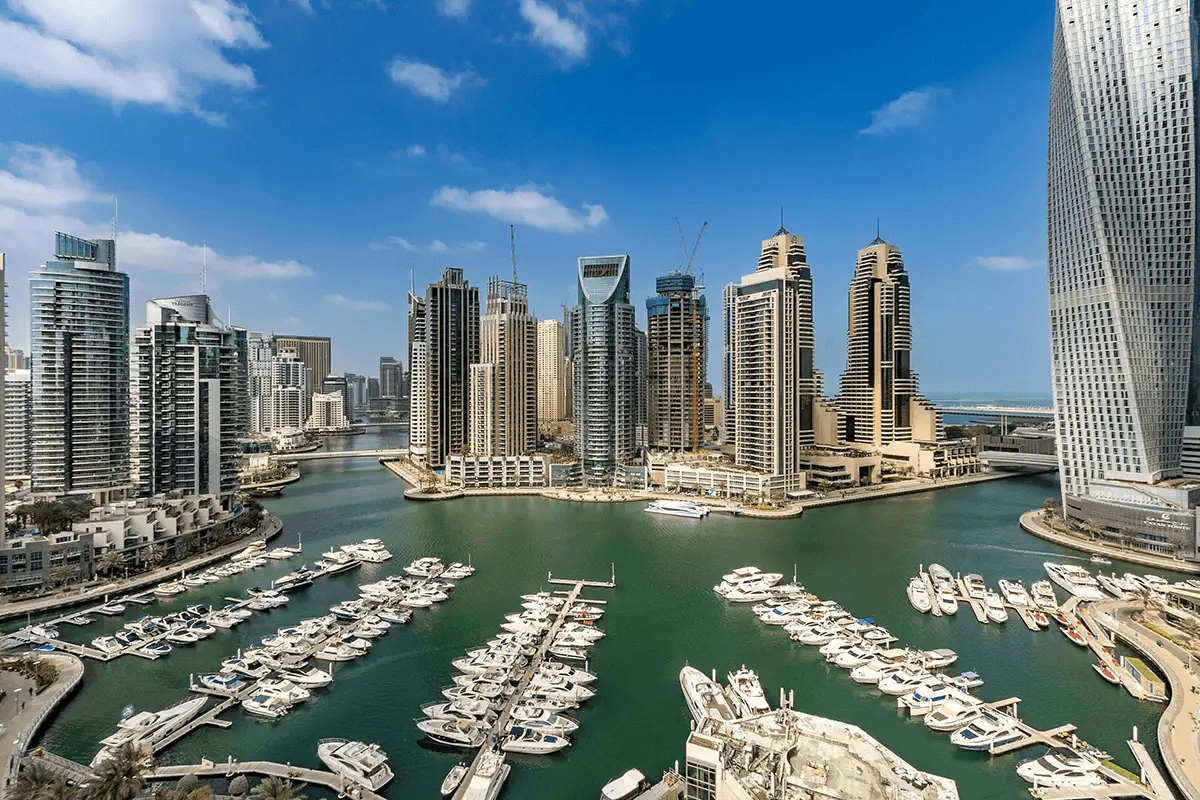
From Dubai’s 10-year Golden Visa to Qatar, Saudi, and Bahrain’s programs, see which Middle Eastern property markets offer the strongest residency-by-investment incentives in 2025.
Property investment used to be about the asset alone. Now it is increasingly about access. In the Middle East, the intersection between real estate and residency rights has created a new playing field for global investors. It is no longer enough to buy a home in a well-located neighborhood. Many buyers want that purchase to come with lifestyle mobility, long-term legal certainty, and the benefits of residency or even citizenship. Across the region, governments have responded with visa-by-investment programs aimed at attracting capital, talent, and global interest. Some countries are further along than others. The results so far have shown that while price per square foot still matters, the visa attached to a title deed can make just as much of a difference.
Dubai’s Golden Visa: The Regional Standard
Dubai set the regional benchmark when it launched its Golden Visa program in 2019 and then expanded it aggressively from 2022 onward. As of 2024, any real estate investor who purchases a property worth AED 2 million or more is eligible for a renewable 10-year residency visa, with no minimum stay requirement and full sponsorship rights for family members. The property must be fully paid or, if mortgaged, the investor must hold at least AED 2 million in equity. Both off-plan and completed properties qualify, provided they are in freehold areas.
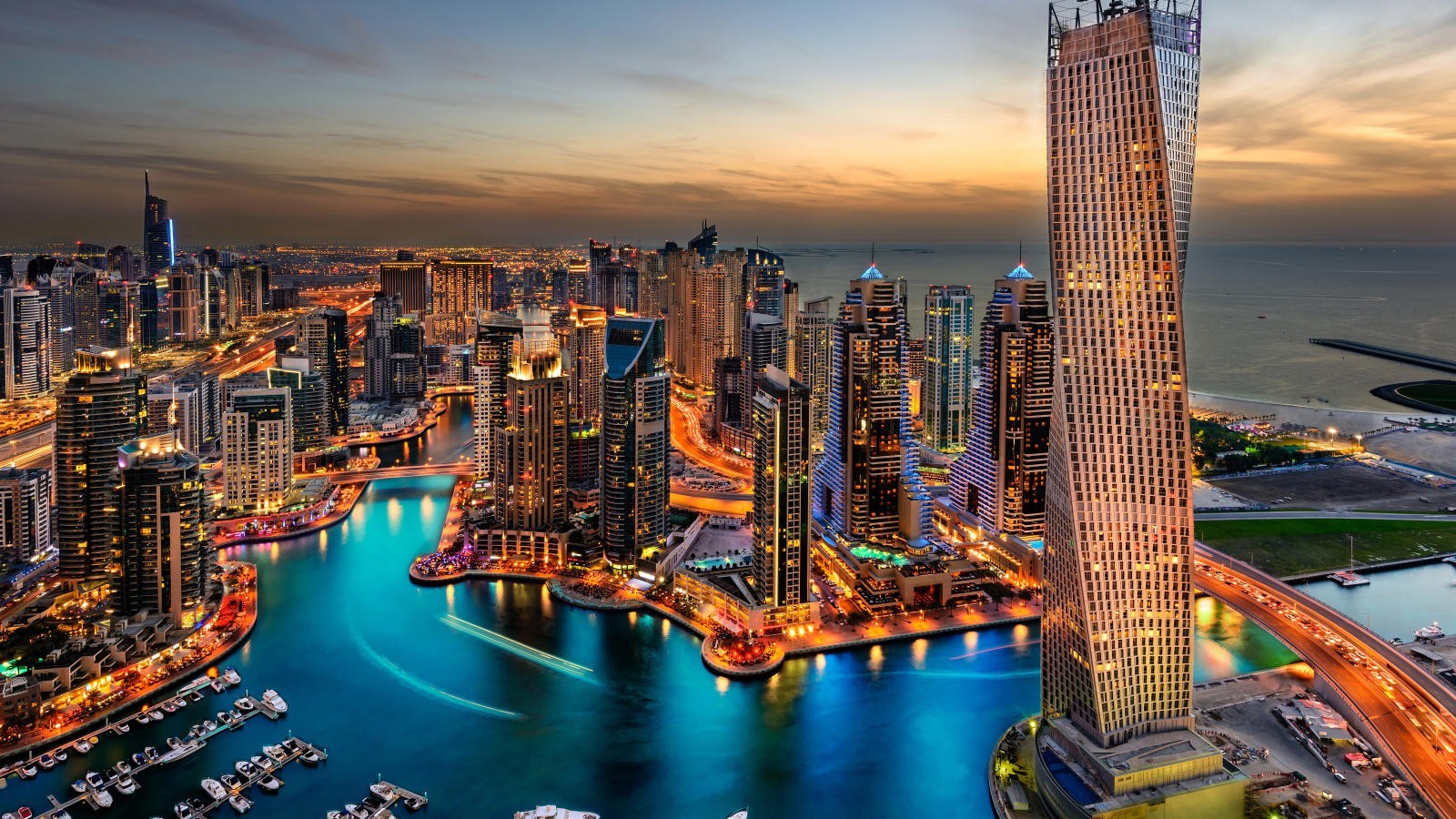
This has significantly impacted investor behavior. In 2023 alone, the Dubai Land Department recorded over 21,000 Golden Visas issued through property investment. The number increased further in 2024, fueled by off-plan launches that were structured around the AED 2 million threshold. Developers are now marketing units specifically for visa eligibility, and brokers report that up to 30 percent of high-value purchases are visa-motivated.
The appeal is obvious. The Dubai Golden Visa grants not only the right to live in the UAE long term, but also offers access to banking, business licensing, driver’s licenses, and other national services. Unlike many other regions globally, there is no requirement to live in the UAE full-time to maintain the visa, nor is there a tax burden tied to residency. This level of flexibility has made it a preferred option for entrepreneurs, remote workers, and international families looking for a stable base in the region.
Abu Dhabi: Matching Benefits, Less Visibility
Abu Dhabi offers similar terms to Dubai under the federal Golden Visa program. The minimum investment is likewise AED 2 million, and the benefits largely mirror those of Dubai. The key difference lies in visibility and volume. While Dubai’s property market is highly international and aggressively marketed, Abu Dhabi has taken a quieter approach. Despite high-end developments on Saadiyat Island, Yas Island, and Reem Island, the volume of property-linked Golden Visas issued in Abu Dhabi remains lower. In 2024, the Abu Dhabi Department of Municipalities and Transport reported just under 5,000 visas granted via real estate, a fraction of Dubai’s total.
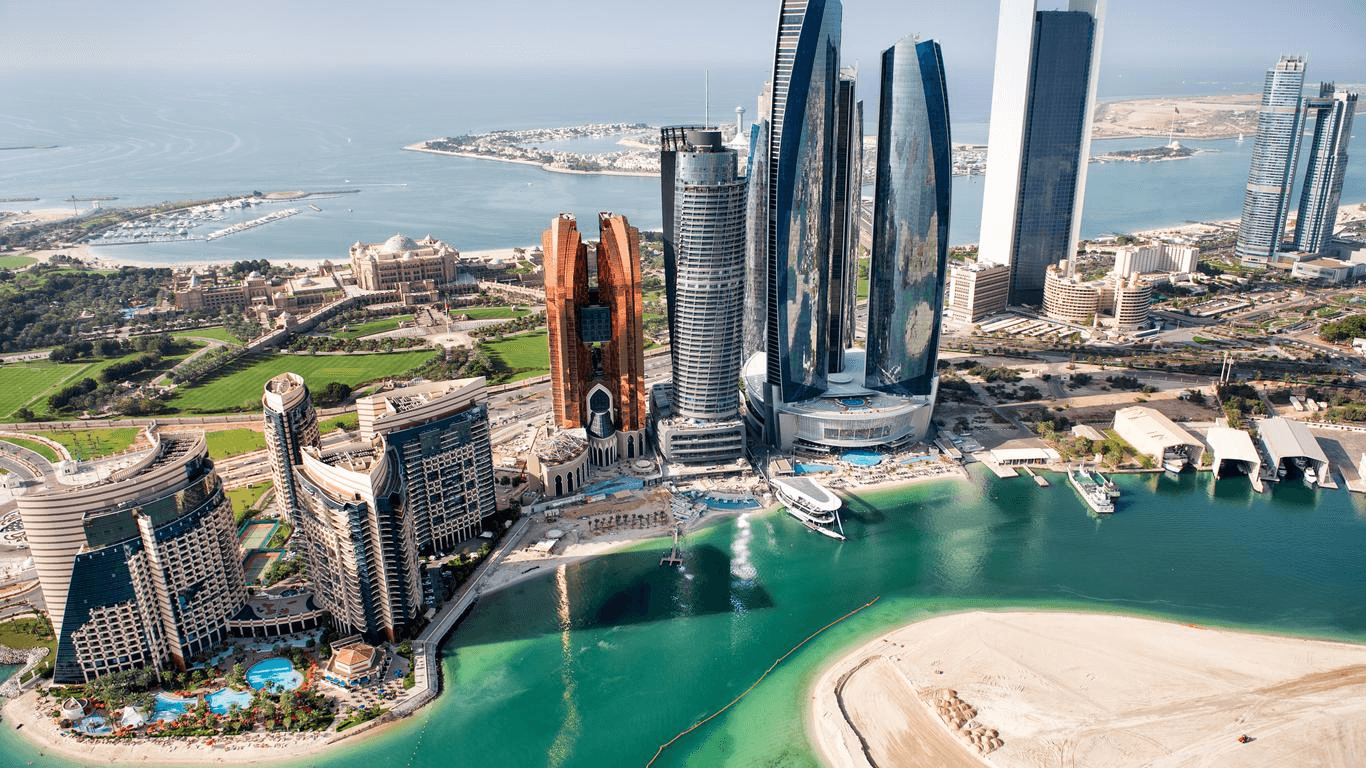
That said, for investors focused on longer-term family living rather than asset trading, Abu Dhabi presents a quieter, more community-oriented environment. Returns are slightly lower but more stable, and new education and healthcare infrastructure in investment zones is beginning to attract international attention. In terms of the visa process, Abu Dhabi is fully integrated into the federal system and provides similar speed and security. However, fewer off-plan projects fall neatly into the AED 2 million category, which can narrow eligibility.
Qatar: Strict Tiers and Select Access
Qatar has opened parts of its property market to foreign investors through freehold zones in areas such as The Pearl, Lusail, and West Bay Lagoon. Since 2020, the country has offered a two-tier residency program linked to real estate value. Investors purchasing property worth USD 200,000 or more are eligible for a renewable five-year residency permit, while those who spend over USD 1 million can obtain permanent residency benefits, including access to public healthcare and education.
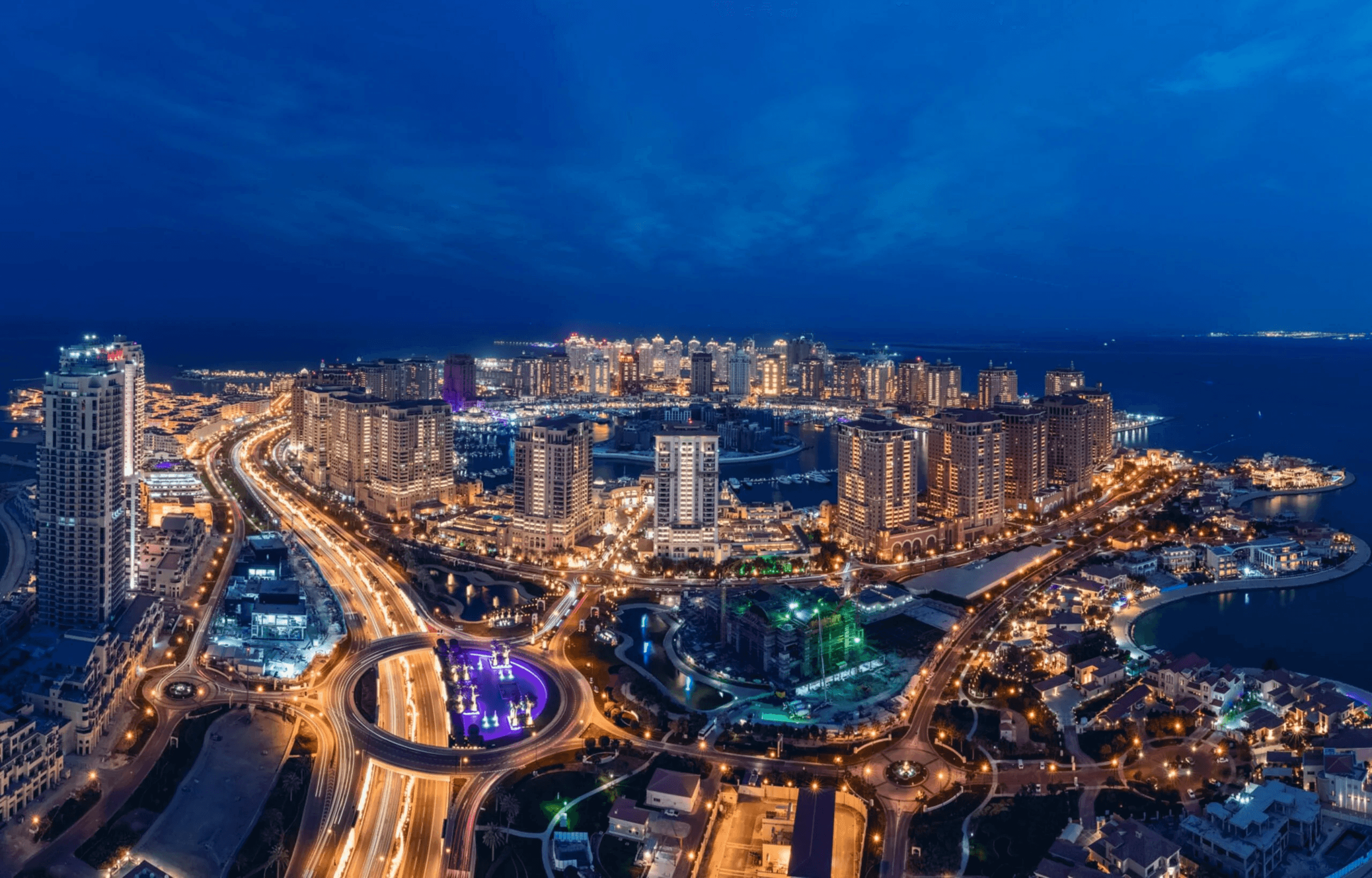
While this structure is attractive on paper, the program is limited by tighter restrictions. Unlike the UAE, where the process is largely automated and managed through the Land Department and immigration portals, Qatar’s system involves more manual approval and longer processing times. There is also no guarantee of employment sponsorship rights or business licensing with the visa, and repatriation rules for rental income and capital gains are less clearly defined for some nationalities.
Still, interest is growing. In 2023, Lusail and The Pearl saw a noticeable uptick in foreign buyers, particularly from Europe and South Asia, with a reported 18 percent increase in foreign freehold transactions compared to 2022. The FIFA World Cup legacy infrastructure and new urban development zones have also helped raise Qatar’s profile. For investors seeking a foothold in a high-income, strategically located Gulf state, the residency benefits, while limited, can still serve as an entry point.
Saudi Arabia: Investment Visas in a Controlled Market
Saudi Arabia has taken a more cautious path. Until recently, foreign property ownership was largely restricted to leaseholds or designated investment zones. That changed in 2024, when new laws allowed foreigners to own property across wider zones of Riyadh, Jeddah, and NEOM. However, Saudi Arabia does not yet offer a formal visa linked to real estate investment in the same manner as the UAE or Qatar.
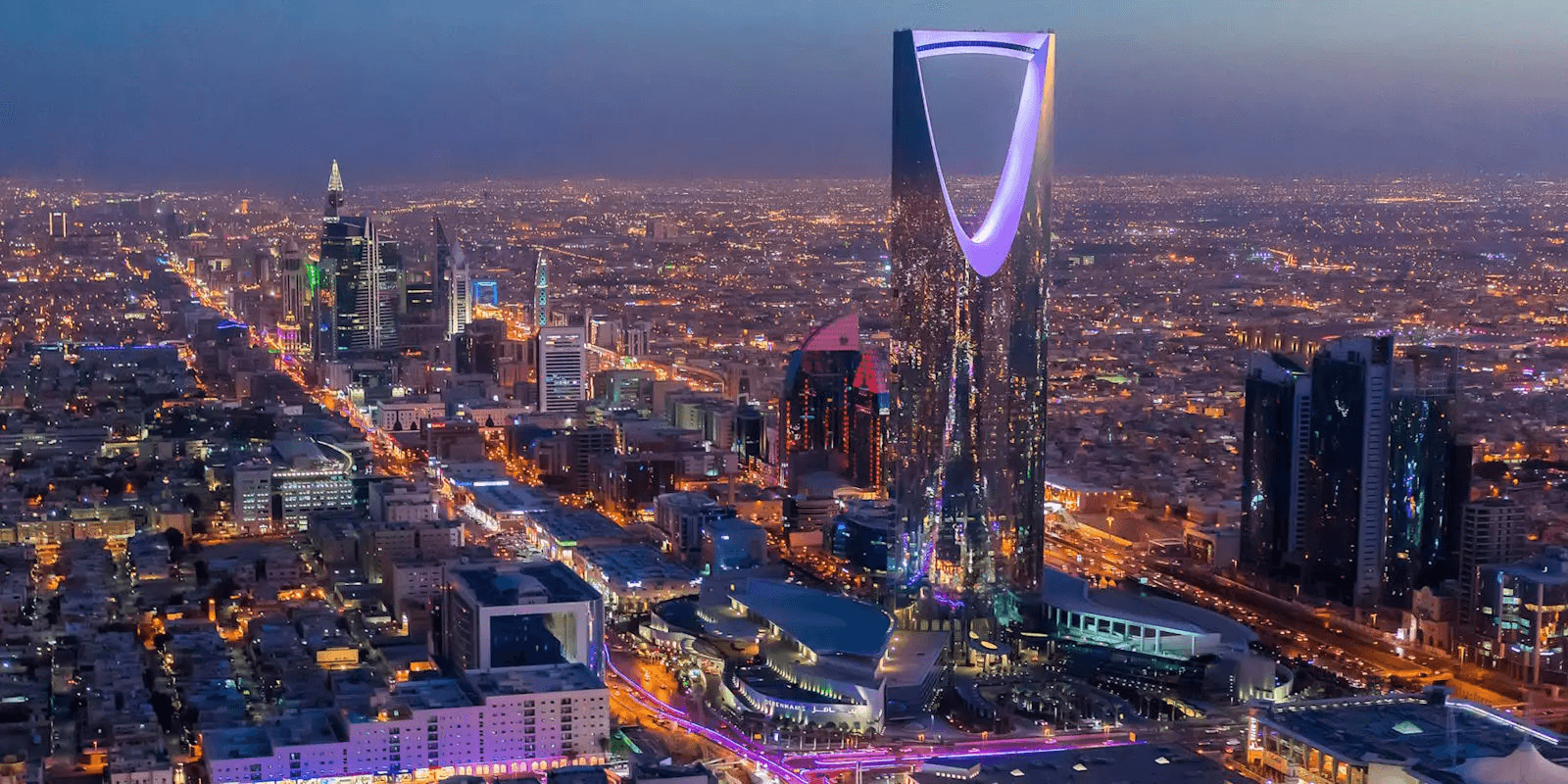
That may be changing. In April 2025, Saudi authorities launched the “Premium Residency” program, a form of long-term visa similar to the UAE’s Golden Visa. This visa requires a total investment of SAR 4 million across approved sectors, of which up to SAR 2 million may be allocated to real estate. The remaining must be placed in business or financial assets. This makes real estate part of the eligibility equation but not the entire basis. The visa grants residency, business ownership rights, and access to public services, with no local sponsor required.
Still, the path is longer and the structure more complex. Property transactions for foreigners remain limited in number, and most high-profile developments are still in the early stages. In 2024, less than 3 percent of residential transactions in Riyadh involved foreign buyers. That said, as large-scale projects like Diriyah, Qiddiya, and The Line move toward completion, Saudi Arabia is expected to refine its residency offerings to attract more international capital.
Bahrain: Affordable Entry but Limited Scalability
Bahrain was one of the earliest Gulf states to link property to residency, introducing programs in the mid-2000s that allowed buyers of approved freehold properties to apply for long-term visas. As of 2024, property buyers who invest more than BHD 50,000 (approximately USD 132,000) in designated developments are eligible for a renewable residency permit. That includes areas such as Amwaj Islands, Reef Island, and parts of Durrat Al Bahrain.
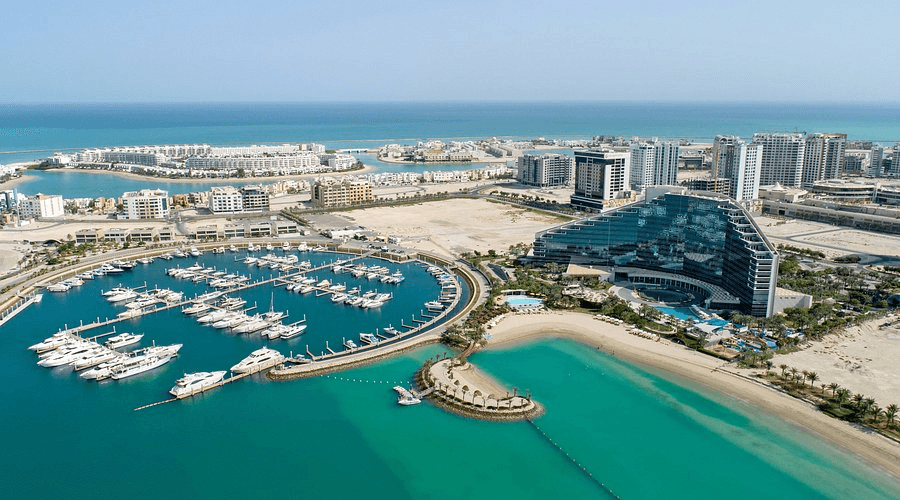
While the threshold is low and the process is relatively straightforward, Bahrain’s visa lacks some of the structural advantages of the UAE’s system. It does not grant business ownership rights or extend easily to multiple family dependents. The property market itself is also narrower, with fewer active developments and a smaller rental market. According to Bahrain’s Real Estate Regulatory Authority, foreign property sales declined slightly in 2024 after a brief surge in 2022, with just under BHD 200 million in foreign-led transactions.
Still, for retirees or remote workers looking for a cost-effective base in the Gulf, Bahrain’s property visa offers good value. There are no foreign income taxes, and the banking system is stable. But scalability remains a challenge, both for the investor and for the market itself.
Egypt and Jordan: Unclear Paths, Unstable Regulations
In Egypt, property-linked residency has been promoted in waves but with little consistency. In 2023, the government introduced a program allowing foreigners who invest USD 300,000 in property to qualify for a five-year residency permit. But the rapid devaluation of the Egyptian pound and restrictions on repatriating funds have made the program less attractive. Many buyers report long processing delays and inconsistent enforcement. Jordan, meanwhile, offers a citizenship-by-investment scheme for those who place USD 750,000 in real estate, but it comes with added scrutiny, longer timelines, and few active participants.

Why the UAE Continues to Lead
Across all markets, the UAE stands out for three reasons: clarity, efficiency, and scale. Dubai’s Golden Visa is now fully embedded into the real estate sector. It is issued quickly, tracked digitally, and supported by banks, developers, and government agencies that treat visa-linked investment as routine. Abu Dhabi is following closely behind. Together, they account for the vast majority of real estate-driven residency activity in the region.
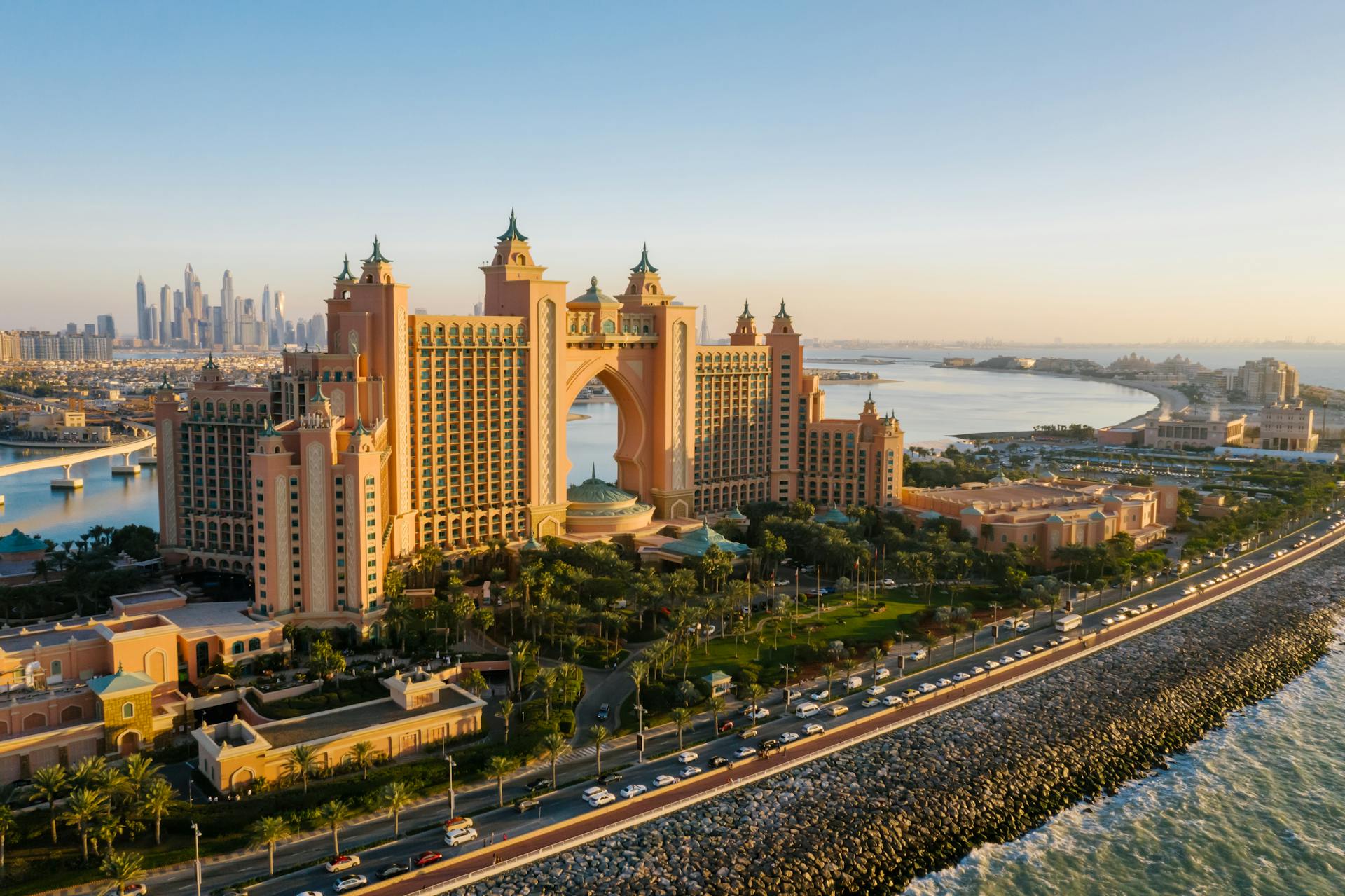
In 2024 alone, over 26,000 Golden Visas were granted across the UAE via property investment, with an average asset value exceeding AED 3.1 million. Buyers are not just entering for yield or capital gains, but because the asset gives them leverage over their own mobility and legal future. The visa is no longer just an incentive. It is part of the value proposition.
The Middle East is becoming more open, more connected, and more globally relevant. Residency by investment is one of the clearest expressions of that shift. In that landscape, the UAE has built not only the best property markets but the clearest path to long-term access. For today’s globally mobile investor, that is a form of security money cannot easily buy elsewhere.