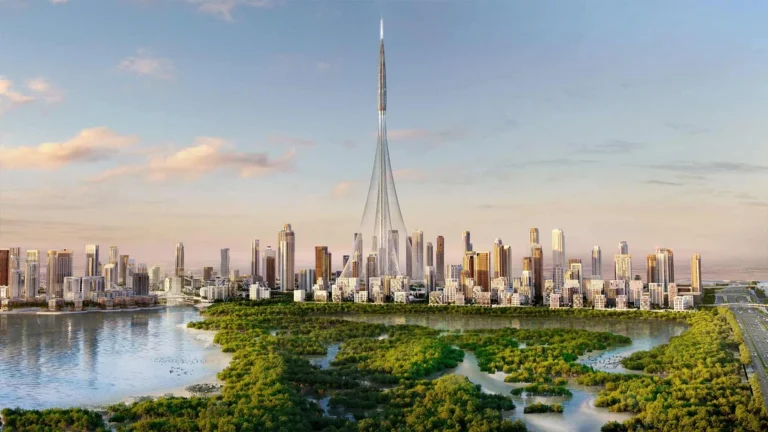

This is not a set-it-and-forget-it market where any unit works. In Dubai Creek Harbour, the advantage goes to buyers who choose the pocket well, underwrite net rather than gross, and buy for real tenants instead of brochure photos. Get those three things right and it is one of the better-balanced districts in the city. Get sloppy on any of them and you overpay for a view a tenant will not fully pay you back for.
Dubai Creek Harbour is a waterfront community near central Dubai, built around promenades, residential towers, hospitality brands, and long-term infrastructure plans. Investors choose it for a mix of rental demand, lifestyle positioning, and potential value growth as the area matures. The best results come from efficient layouts in walkable pockets.
What Dubai Creek Harbour actually is
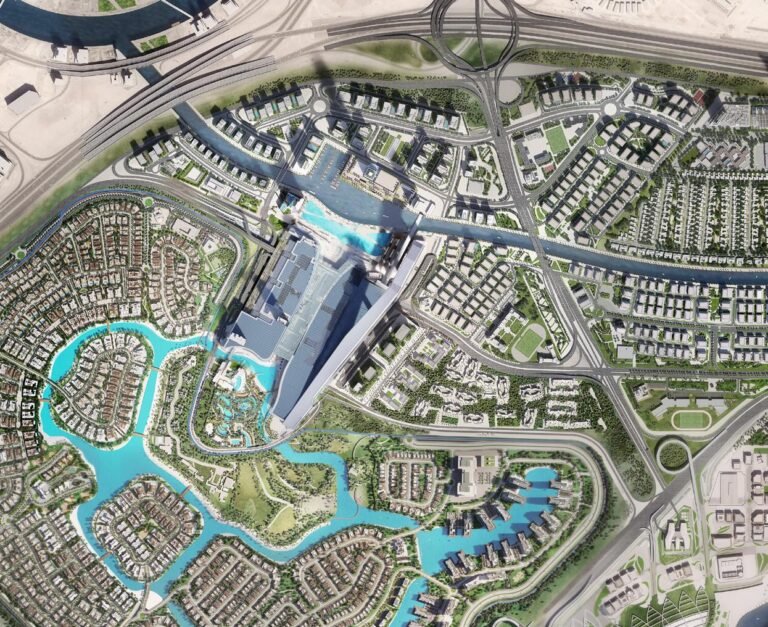
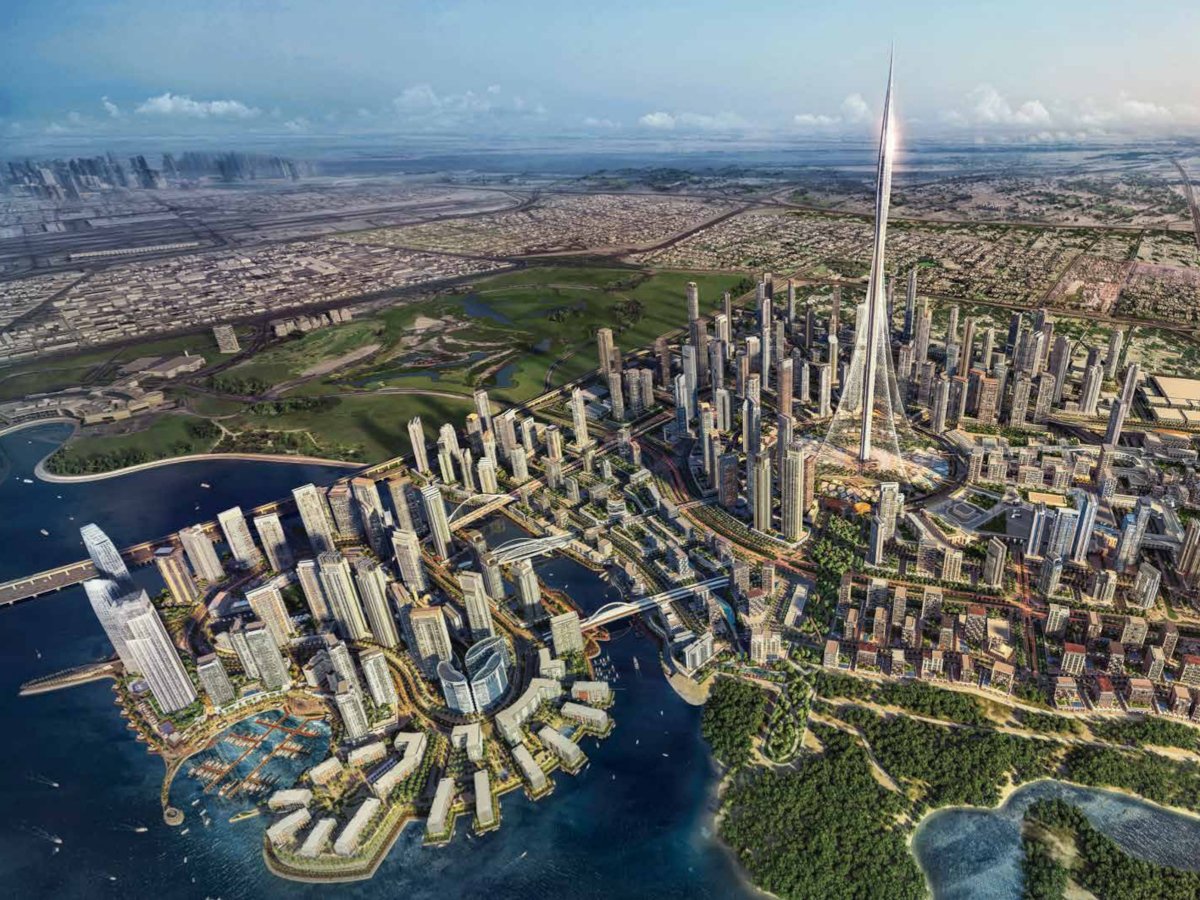
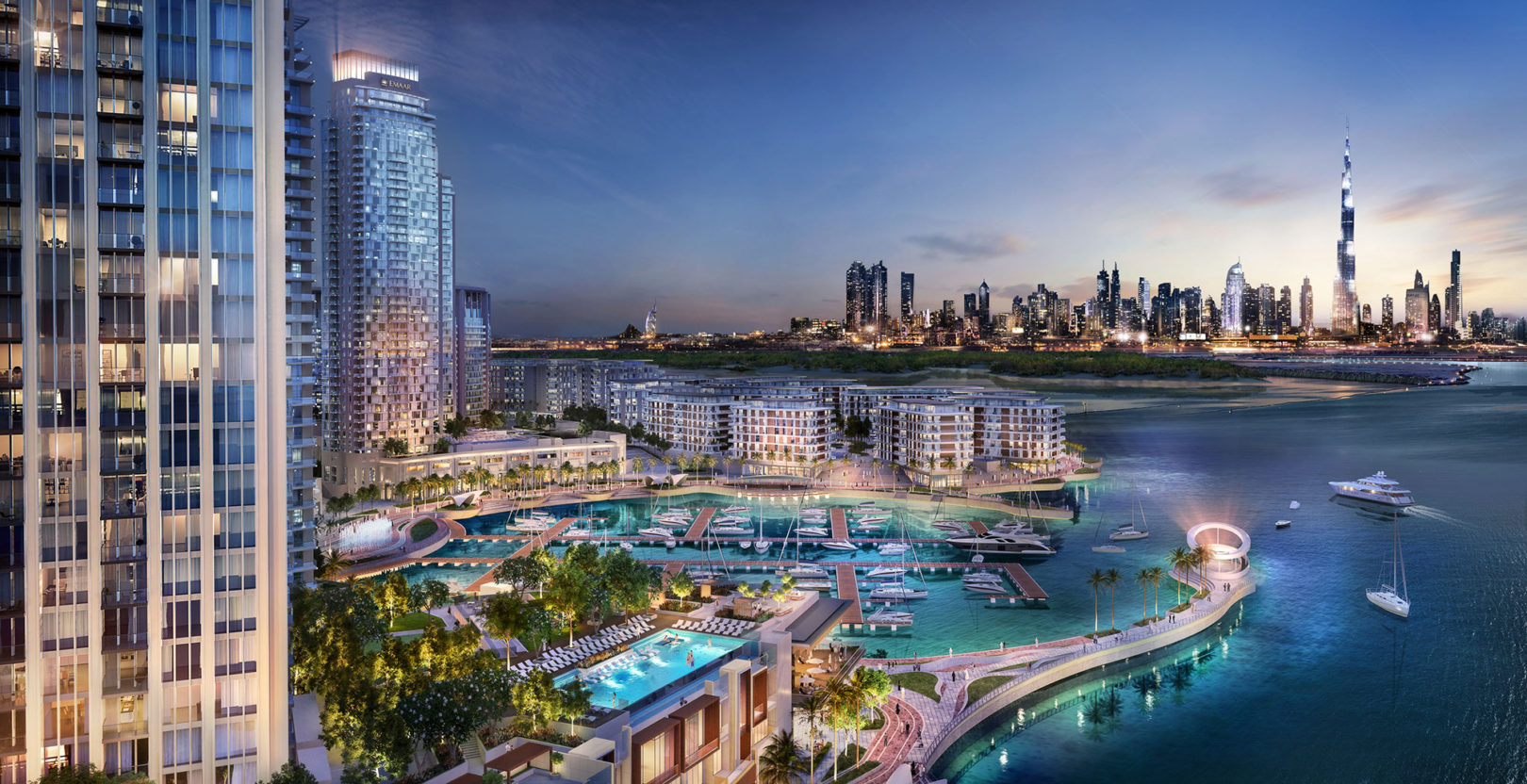
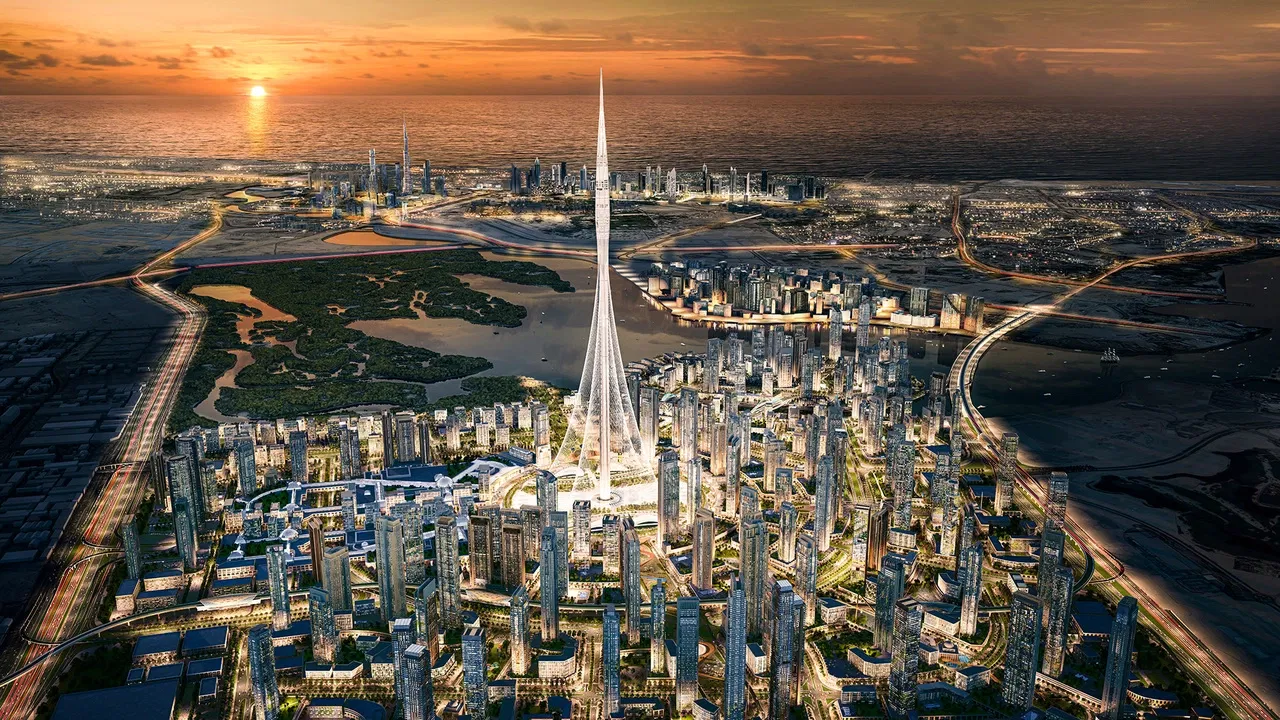
It is not a tower here and there. It is a masterplanned waterfront district built to feel like a complete piece of city: homes, promenades, hotels, retail, parks, and the skyline views everyone uses as their phone wallpaper for a week. Emaar’s community overview frames it as a mix of apartments, penthouses, and hospitality-branded components like Vida, Address, and Palace-branded residences. That matters, because branded stock shapes tenant quality and resale liquidity.
The investor angle people miss is that masterplanned areas tend to compress risk over time. Not eliminate it, compress it. You are buying into a district where roads, retail, public realm, and the reason to be there are part of one plan, which usually supports pricing power once the community stops feeling new and starts feeling established. Emaar’s full acquisition of Dubai Creek Harbour from Dubai Holding in 2022 is part of why buyers feel more comfortable underwriting the longer timelines here.
And yes, the Dubai Creek Tower story floats around this area. The project has had pauses and redesign discussions, with media reports about revival plans. I mention it carefully, because good underwriting still works even if a headline project takes longer than expected. If you want the wider view on upside plays, Totality’s guide to the best off-plan projects in Dubai toward 2030 is a useful companion read.
Want numbers, not hype? I will run a net-yield estimate on three units you like, service charges and vacancy included. Message me or schedule a call.
Why investors keep circling back
Waterfront that translates into rentability. Not all waterfront is equal. Some is a nice view with nothing to do. Creek Harbour is designed around being outside, walking, meeting friends, living in a way that feels resort-adjacent without being isolated. Tenants, especially professional couples, young families, and relocations, pay for that consistency. When a community has a promenade culture and active hospitality nearby, you usually see stronger occupancy and less pushback on rents when the market softens. Not a guarantee, but a pattern. The easiest rent is the rent you never have to fight for.
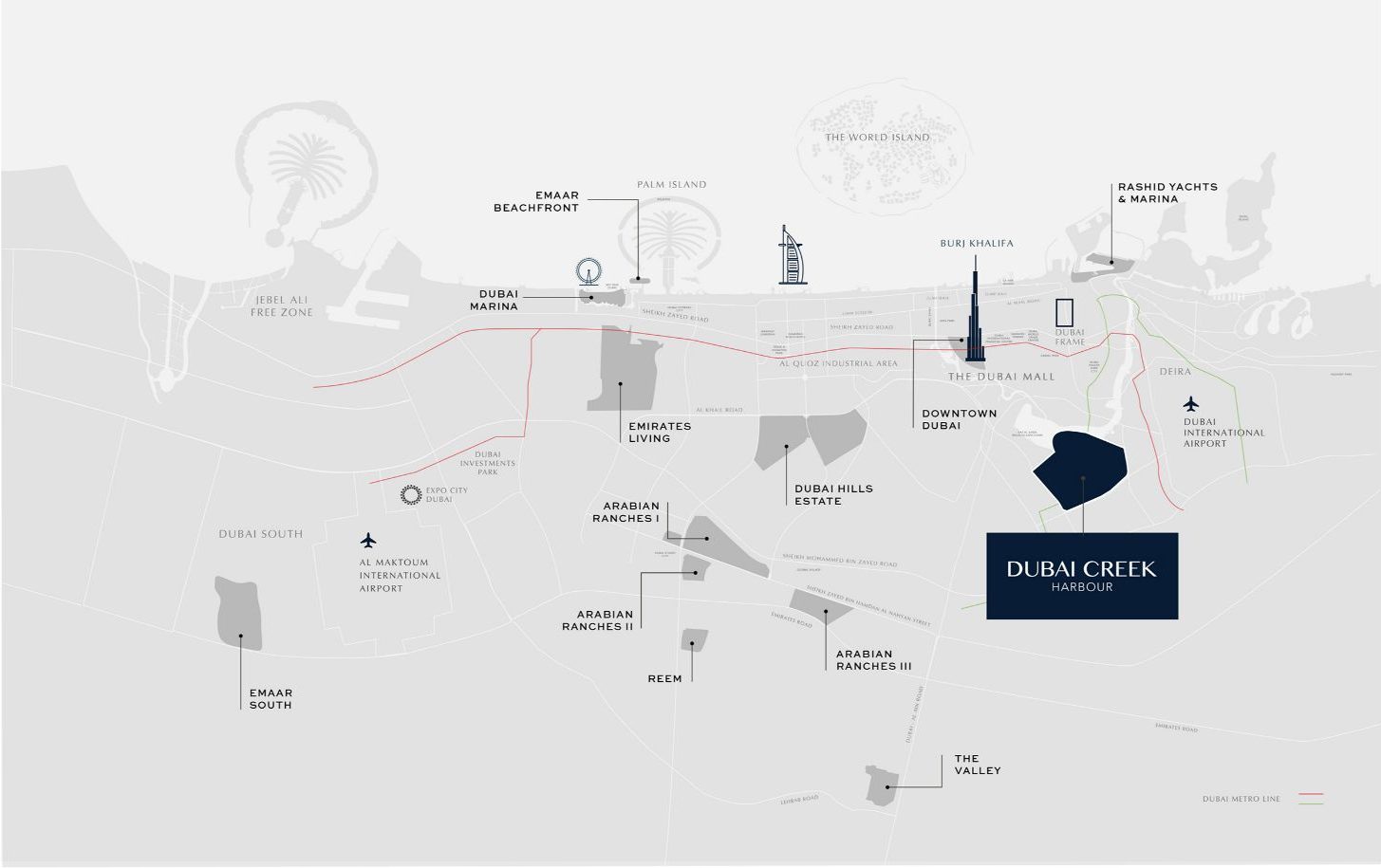
Location that behaves like a new core, not a far suburb. A lot of Dubai areas feel amazing and are a mission to reach. Emaar’s material commonly cites about 10 minutes to Burj Khalifa and about 15 minutes to Dubai International Airport, outside rush hours. That access is a rental driver by itself, especially for tenants who want a calm home base with quick reach to business and travel. It is why the “new Downtown” label keeps coming up. It does not replace Downtown, it behaves like an extension of the central spine with newer stock. You can talk to our team about current availability if you want to see what that looks like in practice.
Yields that compete for a prime-style waterfront district. Most write-ups point to gross yields around 6.5% to 7.5%, with demand from both long-term tenants and short-term stays, especially well-furnished 1 beds and view units. The caution, and this is where people get burned: yield is not an area number, it is a unit strategy. Your actual yield depends on your entry price, layout efficiency, furnishing level if you go short-term, and your holding costs, service charges above all. For a broader benchmark, see the Dubai rental yields by community guide.
Golden Visa logic. When a purchase can align with a residency pathway, the buyer pool widens. Many buyers target the AED 2M level because it can align with the 10-year investor visa route, subject to eligibility and documentation.
Developer credibility. In Dubai the developer name is part of liquidity. Not everything, but a meaningful part. A strong brand helps with buyer confidence, maintenance expectations, and how easy the asset is to explain to a future buyer.
If Creek Harbour appeals because you want prime waterfront that still has room to mature, tell me your budget range and whether you want skyline, full water, or park facing, and I will send a tight shortlist filtered by layout quality, walkability, and resale strength. Message me your budget. No giant list, just units you would actually consider owning.
How the area compares
These are directional comparisons to think clearly, not a claim that every building behaves the same.
| Area | Typical tenant profile | Liquidity feel | Yield tendency (bought right) | Best-fit investor |
|---|---|---|---|---|
| Dubai Creek Harbour | Lifestyle tenants, relocations, families | Rising | Competitive, often mid to high single digits | Balanced growth and income |
| Downtown Dubai | Corporate, luxury, short-term heavy | Very strong | Can be strong, often price-sensitive | Prestige, higher entry |
| Dubai Marina | Expats, short-term, young professionals | Strong | Solid, depends on building | Income focus, established market |
| Business Bay | Corporate, commuters, investors | Strong | Varies widely by tower | Value hunting, tenant demand |
Where to buy inside Creek Harbour
Creek Harbour is not one product. The pocket you choose changes tenant demand, noise, walkability, and how clearly the unit resells. Rather than name every building, I sort the area into tenant experiences. That helps investors pick faster, and usually pick better.
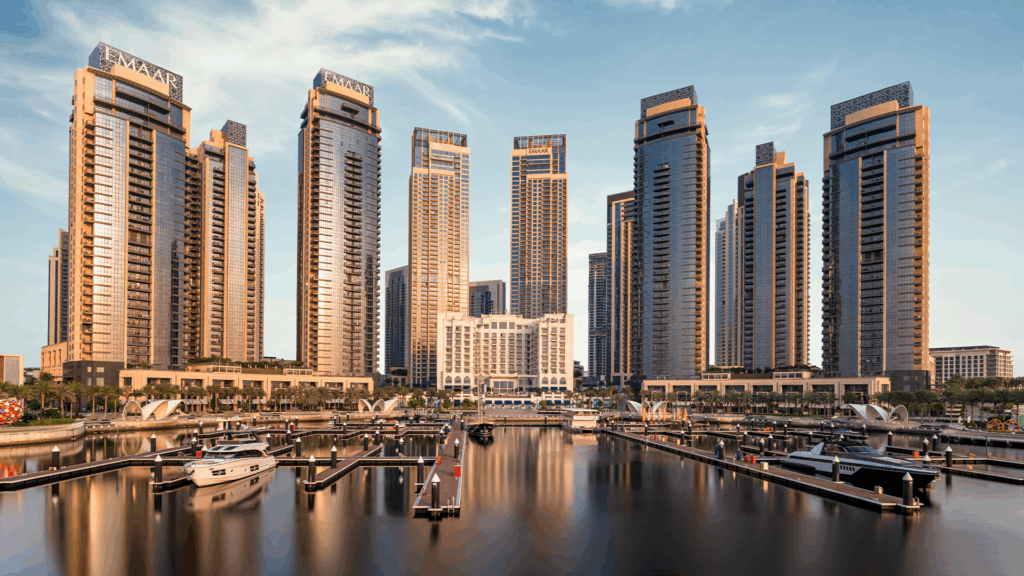
Creek Beach style pockets. The calm version of Creek Harbour, more resort energy, more walking, more “I could live here” than “I am only here for the view.” Best for lifestyle rentability and family-friendly demand, strong for long-term tenants. Short-term can work, but only if the unit is genuinely premium on views, light, and furnishing. Watch the service charges, which quietly compress net yield, and be honest about beach and lagoon adjacency premiums. Sometimes worth it, sometimes just expensive.
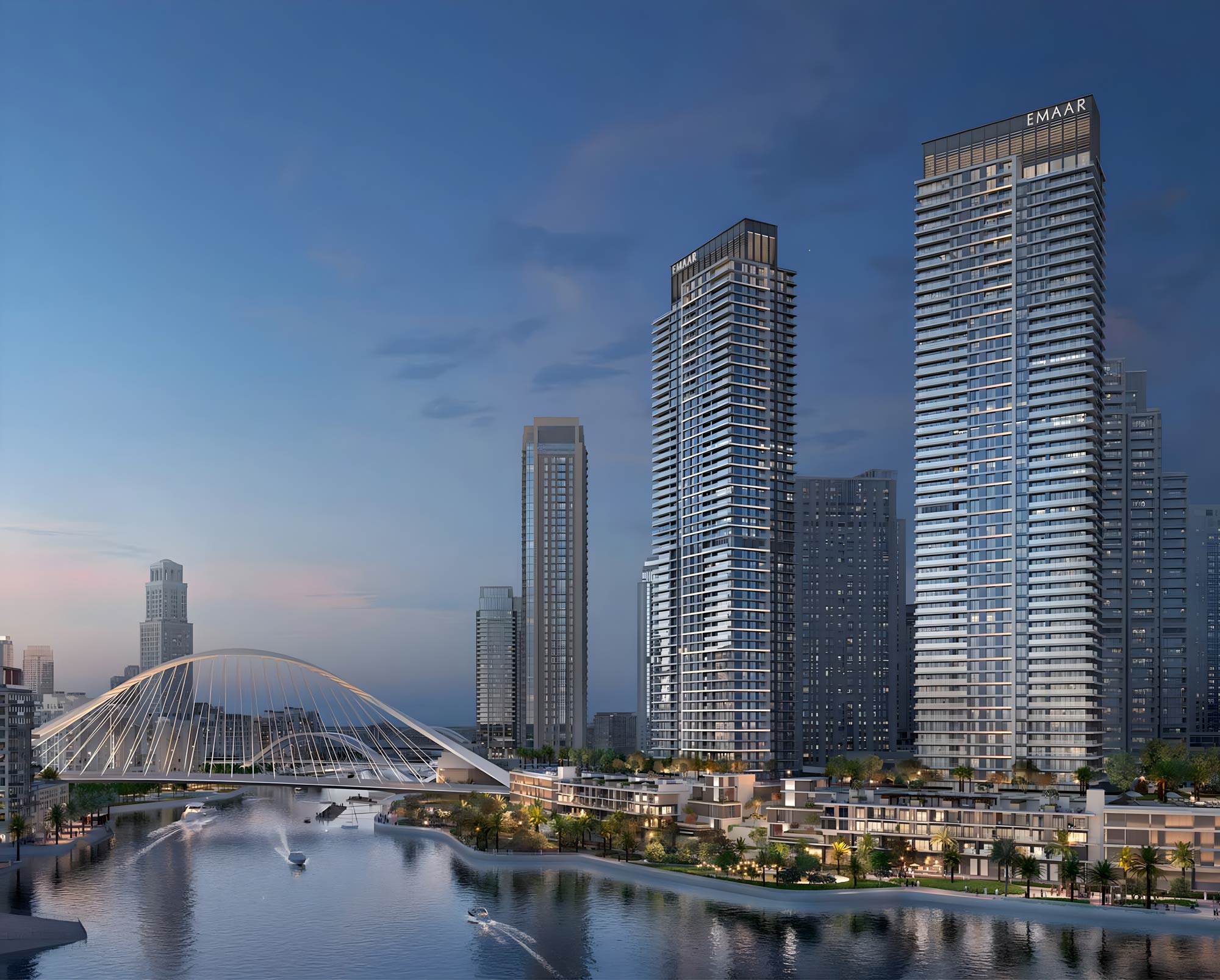
Marina and promenade pockets. Dining, movement, more of a city feel. This pocket attracts professionals, couples, and relocations, and as the district matures these nodes often become the default for resales because they are easy to explain to the next buyer. That perceived liquidity is real, and it pairs with the near-core location story, quick access to Downtown Dubai and Dubai International Airport. Check noise and road adjacency unit by unit. Same building, different side, totally different rental outcome.
Park and skyline facing pockets. The boring-money strategy, and I mean that as a compliment. Calmer, family tenants, higher renewal probability, less churn, with open outlooks and proximity to Ras Al Khor Wildlife Retreat as part of the lifestyle mix. Renewals are where you quietly win as a landlord. The catch: the unit still has to be efficient. Park facing does not save a bad layout.
| Your main goal | Pocket that fits | Unit style that fits | The simple reason |
|---|---|---|---|
| Balanced growth and rentability | Creek Beach vibe | 1 bed, efficient 2 bed | Broad tenant pool, lifestyle demand |
| Liquidity and resale clarity | Marina and promenade energy | View 1 bed, premium 2 bed | Easy to explain, easy to resell later |
| Stability and renewals | Park and skyline facing | 2 bed family layouts | Longer tenancies, less churn |
Here is where I pause and ask one question: are you optimising for resale, for rent, or for both? You can do both, but you have to decide which one wins when there is a trade-off. Contact me directly for the current best buys ranked by yield and resale strength.
Picking the right unit, not just the right district
If you remember one thing from this article, remember that the unit matters more than the headline district. Here is the scorecard I use. Give each factor a 1 to 5 score, then compare two units side by side.
- Layout efficiency. Does it waste space on long corridors, or does it live bigger than its floor area?
- View and light. Water, skyline, park, and corner light rent faster. Emaar itself highlights skyline views and waterfront living as key lifestyle elements.
- Walkability to the habit zones. Promenade, dining, parks, marina. Tenants pay for convenience they feel daily.
- Noise and privacy. A premium view over an active road or loading zone is still a weaker rental.
- Exit pool strength. Would an end user love this? Even if you are purely investing, end-user love usually equals resale liquidity.
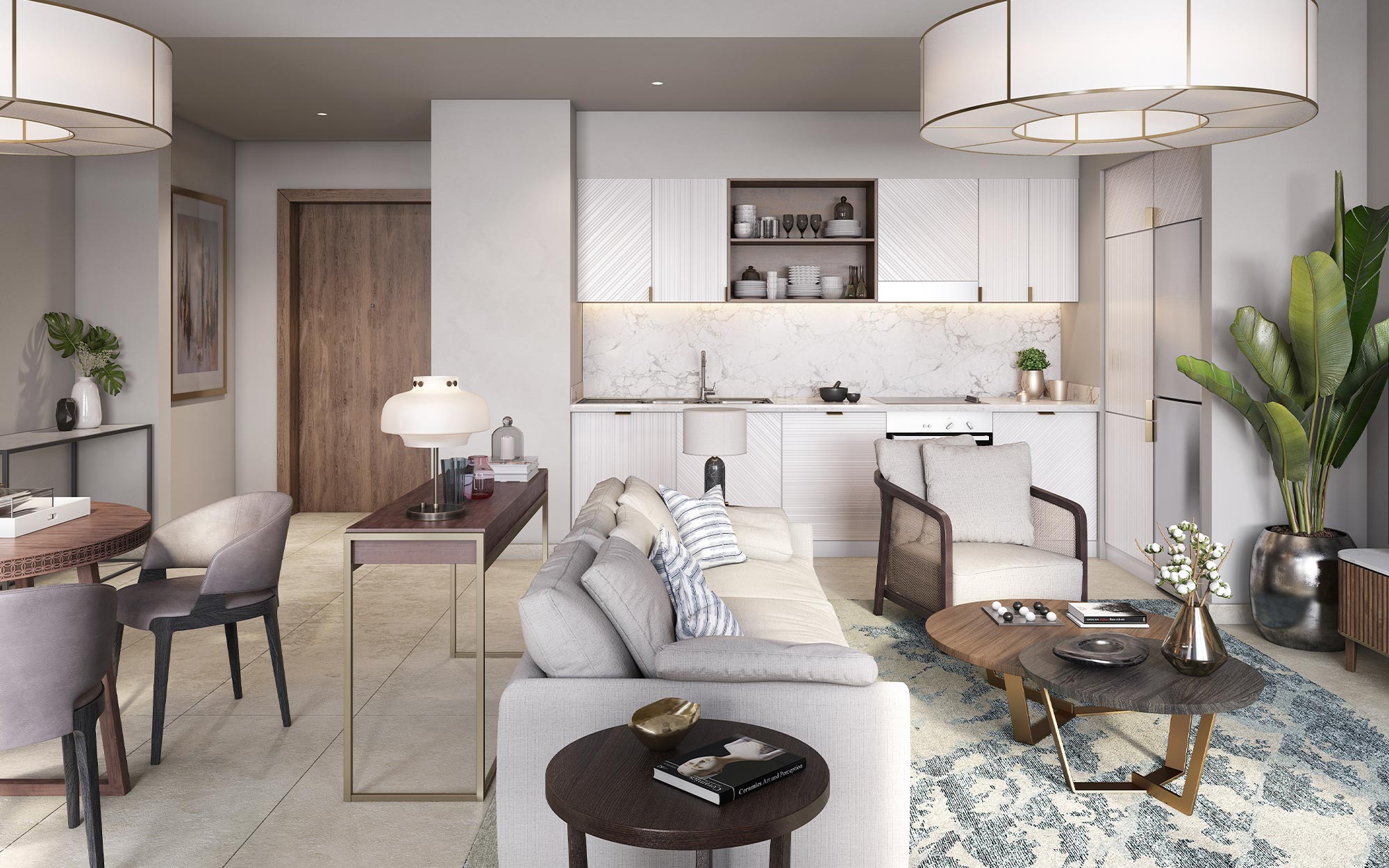
On unit types: the 1-bed is usually the liquidity play, easier to rent, easier to sell, and often strongest for short-term when the views are good. The 2-bed is the balanced play, a better family tenant profile and steadier renewals. Three beds and above can do well, but be more selective, because the buyer pool narrows. I am not saying always buy a 1-bed. I am saying buy the unit that matches your exit plan. If you want faster liquidity later, smaller units tend to behave better in most markets.
Off-plan or ready?
No universal answer. Here is the clean way to decide.
| Preference | Ready usually wins if… | Off-plan usually wins if… |
|---|---|---|
| Income now | You want rent immediately and like certainty | You can wait and want a staged payment plan |
| Risk tolerance | You want less execution risk | You are comfortable with development timelines |
| Upside style | You are targeting yield and stability | You are targeting appreciation into handover and maturity |
What could go wrong
I like Creek Harbour, but I will not pretend every investment here is perfect. The real risks are paying too much for a view premium tenants will not fully pay back, overestimating net yield because service charges, furnishing, and management costs were not modelled carefully, assuming infrastructure timelines are fixed when even good projects shift, and picking a unit that photographs well but lives poorly, an awkward layout, low light, road noise. The good news is these are mostly controllable. They are unit selection and underwriting issues, not “the district collapses” issues.
The numbers, two quick ROI scenarios
Most articles quote gross yield and move on. I would rather be slightly conservative and correct than optimistic and wrong. Here are two simplified scenarios for a typical apartment, deliberately conservative in places, because optimism is easy and spreadsheets are ruthless. Baseline assumptions: purchase price AED 2,200,000, DLD fee 4%, agent fee 2%, furniture and setup AED 80,000 if needed, and service charges confirmed per building before buying. If you want a reference for buying steps and fees, Totality’s step-by-step buying guide has a clean checklist.
Scenario A, long-term rental. Assume advertised annual rent of AED 160,000, a one-month vacancy allowance so 11 months collected, property management at 5% of collected rent, leasing amortised at 2.5% of collected rent (tenant changes every two years), service charges of AED 20,000, and maintenance, insurance, and misc of AED 5,500 combined. Collected rent works out to AED 146,667, estimated net income to about AED 110,167, and the all-in investment cost including fees and furniture to about AED 2,416,600, for a net yield of about 4.6%, conservative. This is exactly why good investors obsess over entry price and service charges. A small improvement in either moves net yield meaningfully.
Scenario B, short-term rental. Assume an average nightly rate of AED 750, occupancy of 65%, platform fees of 15%, holiday-home management of 20%, utilities and internet of AED 12,000, service charges of AED 20,000, and maintenance, consumables, and reserve of AED 15,000. Gross revenue comes to about AED 177,938, net income to about AED 68,659, and net yield to about 2.8%, conservative. That surprises people. Short-term is not bad, but fees and friction add up fast. It can outperform long-term when your nightly rate and occupancy beat these assumptions and your management is tight, but do not assume short-term automatically means higher ROI.
| Scenario | Gross income | Net income (illustrative) | Net yield feel | Best for |
|---|---|---|---|---|
| Long-term lease | AED 160,000 | ~AED 110,000 | Steady, mid single digits if bought well | Hands-off investors who value stability |
| Short-term rental | ~AED 178,000 | ~AED 69,000 | Can vary wildly | View units, premium fit-outs, active management |
Send me your target yield and I will filter units that can realistically hit it after costs. My WhatsApp.
A net-yield table you can reuse
Same logic, laid out line by line so you can rank units quickly.
| Line item | Example input | Notes |
|---|---|---|
| Purchase price | AED 2,200,000 | Your negotiation matters more than you think |
| Annual rent (headline) | AED 160,000 | Use realistic comps, not asking rents |
| Vacancy | 1 month | Conservative default for planning |
| Collected rent | AED 146,667 | Rent x 11/12 |
| Property management | 5% | Long-term lease management |
| Management cost | AED 7,333 | Collected rent x 5% |
| Service charges | AED 20,000 | Confirm per building |
| Maintenance reserve | AED 5,000 | Light, but realistic |
| Insurance, misc | AED 500 | Keep it simple |
| Net income | AED 113,834 | Collected minus costs |
| Net yield | 5.17% | Net income / purchase price |
My own shortlisting rules are simple. I only shortlist units with a livable layout, not just a pretty view. I treat service charges as non-negotiable, because they hit net yield every year. I assume some vacancy, because perfect occupancy is a fantasy. I prefer walkability, promenade, retail, parks, because it protects rentability. And I buy based on the exit pool: would an end user love this unit enough to pay a premium later?
Golden Visa positioning
Dubai Land Department’s Golden Visa investor service states that a real estate investor owning a property with a purchase value of AED 2 million or more at the time of purchase can apply for a 10-year renewable residence permit, with documentation requirements, including a bank letter in the case of a mortgaged property showing AED 2 million paid.
| Item | Detail |
|---|---|
| Minimum value | AED 2,000,000 purchase value at time of purchase |
| Duration | 10 years, renewable |
| Family sponsorship | Spouse, children, and parents per the DLD description |
| Mortgaged property | Bank letter proving AED 2,000,000 paid |
Infrastructure catalysts
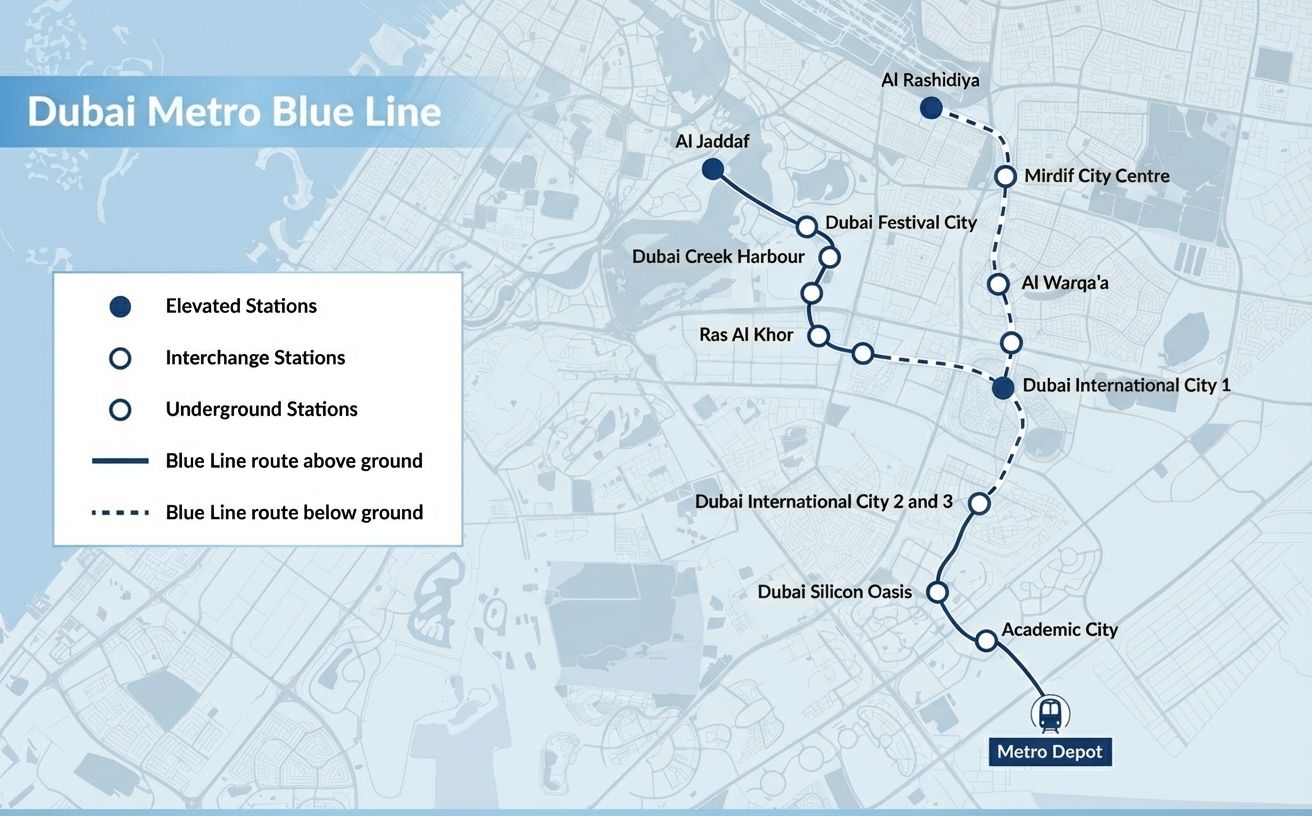
The Metro Blue Line. Reporting and planning materials indicate the line includes a Dubai Creek Harbour station, with a public timeline pointing toward September 9, 2029 for full operations, and RTA updates state the Blue Line is anticipated to boost land and property values by up to 25% around metro stations. I phrase that carefully: RTA positions station areas as value-supported zones, not “your property will rise 25%,” because that is not how real markets behave. What a station reliably does over time is widen the tenant pool, so your vacancy risk usually improves when you can rent to people who rely on rail, not just cars. If you want the full purchase walkthrough, here is the step-by-step guide to buying property in Dubai.
Dubai Square as a district anchor. Emaar’s announcement describes Dubai Square as the anchor of the wider Dubai Creek Harbour project, with a masterplan scale of over 11 million square metres and a total development cost cited at AED 180 billion. Dubai Square itself is cited at 2.6 million square metres of retail, hospitality, and commercial area, with a target opening around three years from the December 2025 announcement. An anchor like that reduces the “why would someone live here” friction for end users and widens your exit pool, because more buyers understand the location.
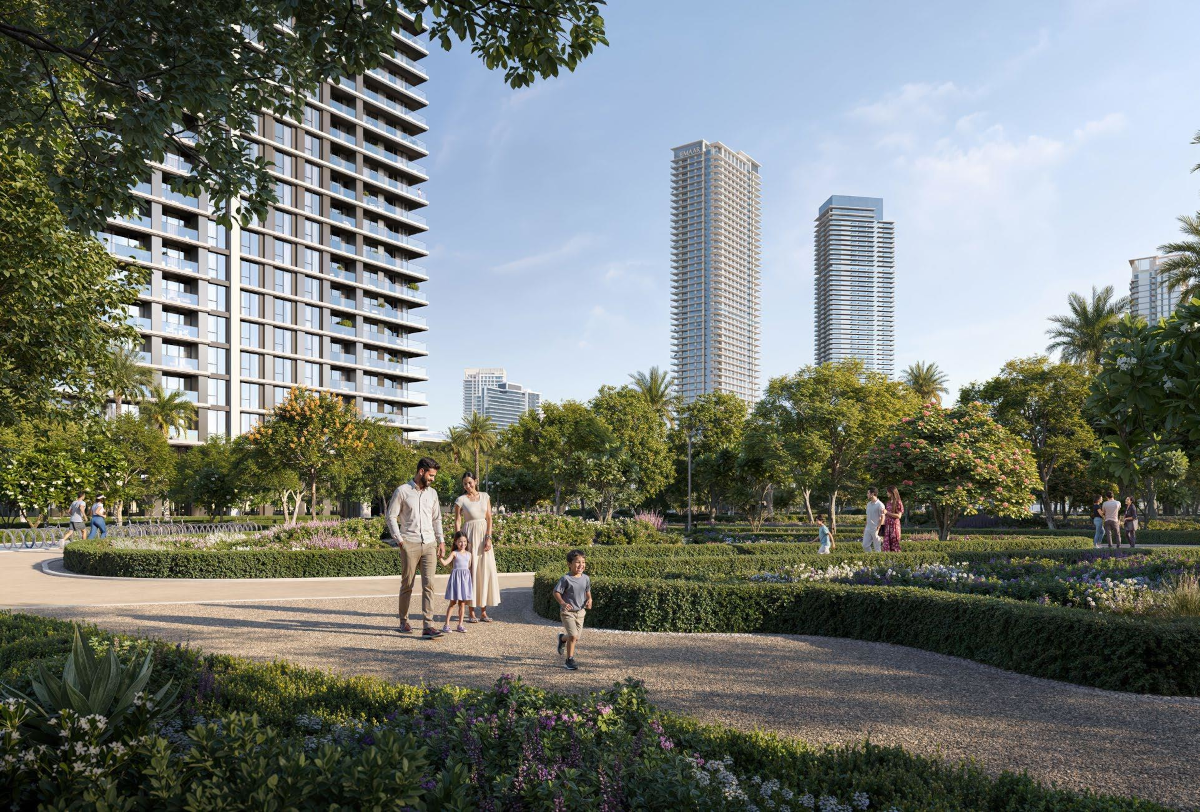
On the “new Downtown” narrative: a fäm Properties write-up leans into that positioning and cites average price growth of 12% year on year as of 2025. Does Creek Harbour literally become Downtown 2.0? Maybe, maybe not. The better takeaway is that it is close enough to the core to behave like a central district, but new enough to offer modern stock and waterfront planning. That combination is rare. I use the phrase sometimes, but I underwrite on catalysts and rentability, not a slogan.
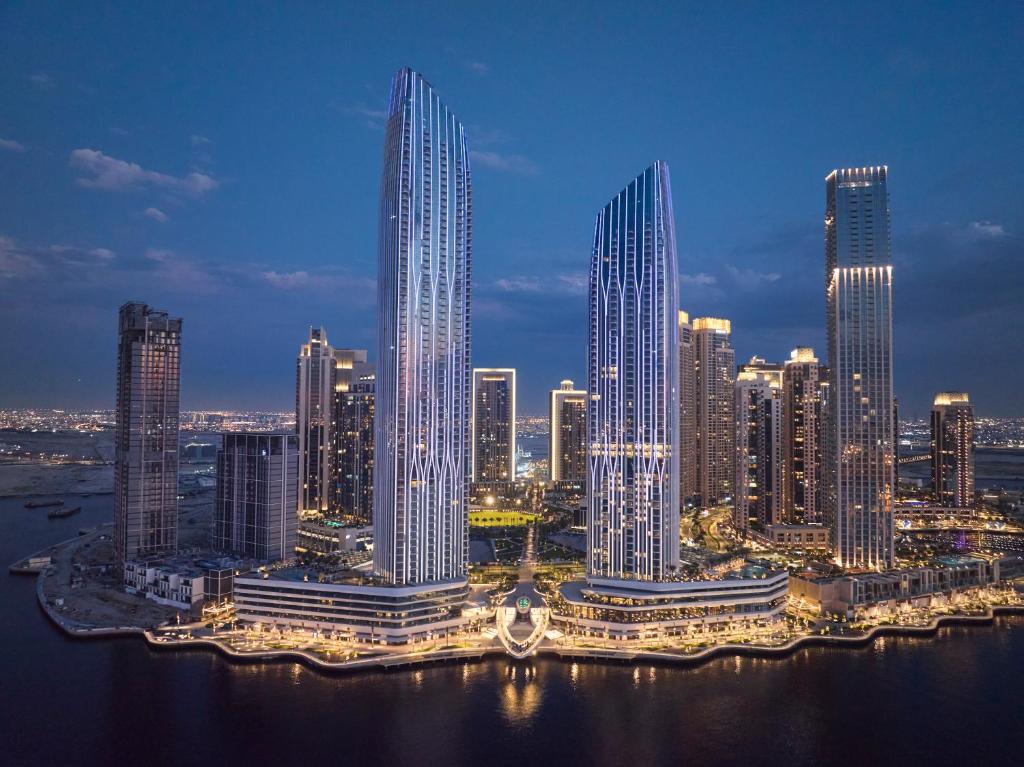
Pick your win condition
Many buyers get stuck wanting every outcome at once: highest yield, fastest appreciation, easiest resale, zero management hassle. That is normal, and it is not how property behaves. So decide which one wins.
If your win condition is capital growth, you care about district maturity, anchors, and future connectivity, and you want a unit end users would pay a premium for later, not just a unit that is cheap today. Emaar’s commute positioning to nodes like Dubai International Airport and Burj Khalifa helps that end-user story. If your win condition is rental income, treat it like a business: layout, rentability, vacancy, service charges, tenant profile. Even the write-ups quoting 6.5% to 7.5% are talking gross, so your edge is modelling net properly. If your win condition is balance, this is where Creek Harbour tends to shine, lifestyle-driven enough to rent well, with late-stage catalysts that support pricing confidence.
| Buyer type | Best approach | What to avoid |
|---|---|---|
| High-net-worth end-user investor | Prime view, premium building, high-quality finish | Overpaying for an almost-identical view |
| Portfolio builder | Efficient layouts, strong rentability, repeatable underwriting | Chasing the flashiest unit without net-yield math |
| Short-term rental focused | Units that photograph well and sit near lifestyle nodes | Underestimating management and turnover costs |
A shortlist template
Capture these fields per unit and the decision stops being emotional.
| Field | What to capture | Why it matters |
|---|---|---|
| Building name | Tower and phase | Different phases behave differently for rents and resales |
| Unit type | Studio, 1 bed, 2 bed | Exit pool and rentability |
| Size | Sq ft | Compare price per sq ft apples to apples |
| View | Water, skyline, park, partial | View drives demand, but only if paid sensibly |
| Layout score (1 to 5) | Efficiency, wasted corridors, storage | Layout often beats nice photos |
| Walkability score (1 to 5) | Promenade, retail, parks | Tenants pay for daily convenience |
| Noise risk (low/med/high) | Roads, loading areas, event zones | Quiet units rent faster and renew more |
| Service charges estimate | AED per year | Net-yield reality check |
| Target rent | AED per year | Base for underwriting |
| Vacancy assumption | Months per year | Keeps you honest |
| Net yield estimate | % | Lets you rank units quickly |
| Notes | Anything odd | The gut-check field |
FAQs
Is Dubai Creek Harbour good for rental income?
It can be, if you buy the right unit at the right price. Commentary commonly cites gross yields around 6.5% to 7.5%, but your net depends on service charges, vacancy, and management structure. Want your yield figures accurate before you buy? Speak with Totality Holiday Homes for realistic rental projections on your exact unit type, view, and furnishing level.
What type of unit performs best?
Usually 1-bedroom and efficient 2-bedroom layouts, because liquidity is broader and demand is consistent. Still, a strong 2-bed with a good view can outperform a mediocre 1-bed, so layout and outlook matter more than bedroom count.
Is it close to Downtown and the airport?
Yes, it is positioned as a central, near-core district. Emaar’s materials frame it as a quick drive to key nodes, and that convenience is part of the rentability story. Travel times move with traffic, so treat them as directional. The drive from DXB to Dubai Creek Harbour during rush hour is about 30 minutes or more.
Does the Metro Blue Line include Dubai Creek Harbour?
RTA updates and market coverage connect the Blue Line to key districts including Dubai Creek Harbour, with public planning pointing to full operations around September 9, 2029. Connectivity tends to widen the tenant pool and support values over time, but your purchase should make sense even without a perfect infrastructure timeline.
Can buying here qualify me for a 10-year Golden Visa?
If the property purchase value is AED 2 million or more at the time of purchase, the Dubai Land Department service states you can apply for a 10-year renewable residence permit, with specific documentation rules, including a bank letter for mortgaged properties. It is subject to eligibility.
Off-plan or ready?
Ready is usually better for immediate income and certainty. Off-plan can be better for staged payments and appreciation into handover, but timelines and delivery matter. Match the choice to your cashflow plan.
What is the main downside to watch?
Overpaying for a view premium, ignoring service charges, and buying a layout that looks good in photos but rents poorly. Controllable risks, but they need discipline.
Can short-term rentals beat long-term here?
Sometimes, not always. Short-term can produce higher gross revenue, but platform fees, holiday-home management, utilities, and wear-and-tear compress net returns. Underwrite both before deciding.
Who is the developer?
Emaar is the developer brand associated with the community, and it publishes the official community information and updates.
What is the best first step?
Decide your goal, capital appreciation, yield, or a balance, then shortlist units on layout, view, walkability, and service charges. Strip away the marketing and investing here is a bet on a simple idea: this part of Dubai is moving from up-and-coming to obvious, and the gap between those two words is usually where the money gets made. It rewards buyers who hold through the in-between phase.
If you want, I can build a numbers-first shortlist of Dubai Creek Harbour options based on your budget, your target net yield, and whether the AED 2M Golden Visa threshold matters to you, ranked with the same underwriting table from this article. Clear assumptions, clear ranking, and a practical next step.