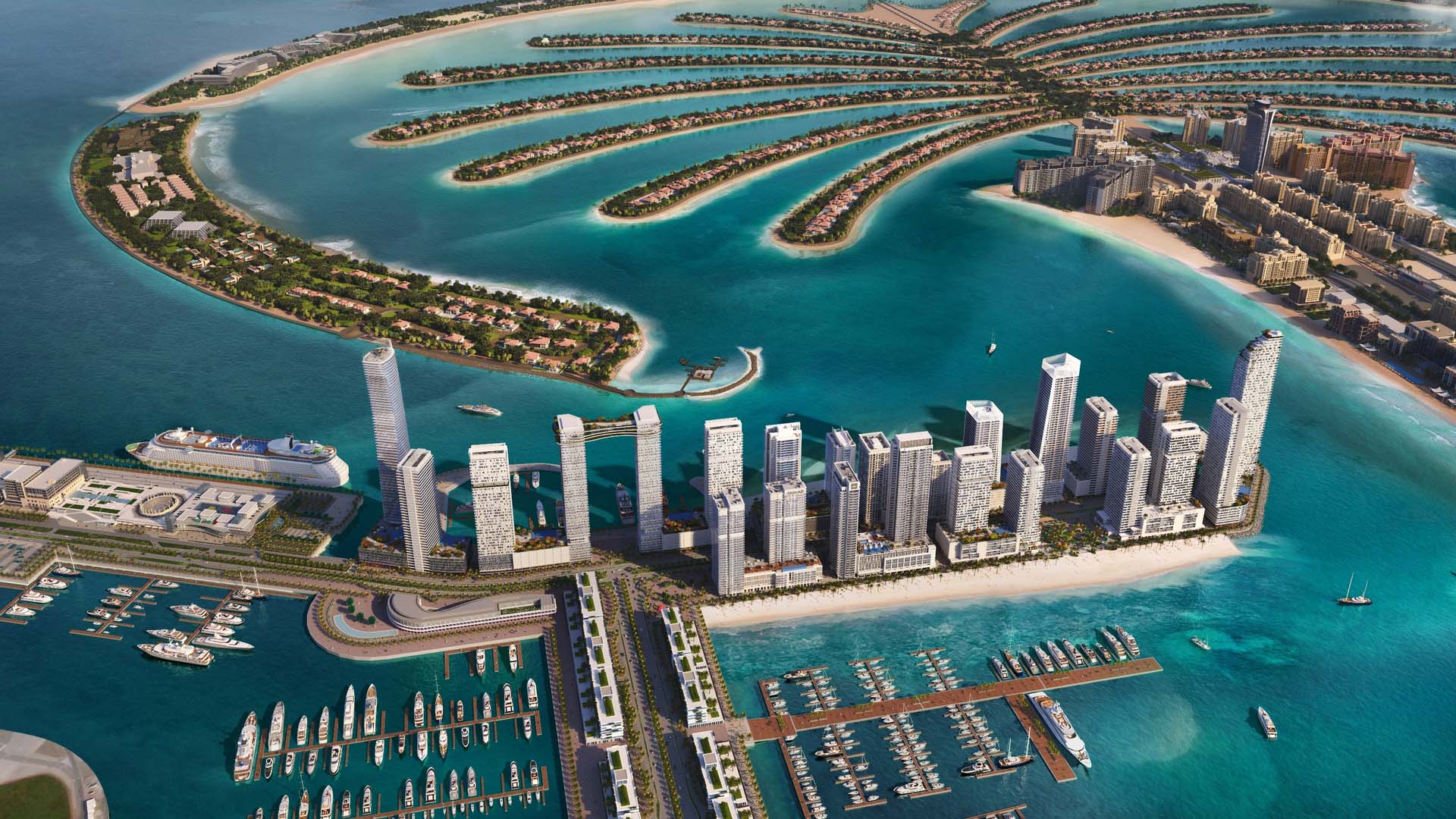
Investing in Emaar Beachfront is attractive for a simple reason that sounds obvious, but still matters, it is one of the rare “central Dubai” beachfront addresses that sits right between Dubai Marina and Palm Jumeirah, inside Dubai Harbour, with a private-beach, resort-style feel that is hard to replicate at scale. It is Emaar, it is gated, it is limited supply, and the buyer pool is not just local end users, it is global investors, second-home buyers, and short-stay demand in one of Dubai’s most liquid waterfront corridors. The result is usually a blend of lifestyle value and investment value, rental demand that stays relatively deep in both long-term and holiday-home cycles, and an exit story that tends to be easier than most newer communities.
If I am being honest, I think this is why Emaar Beachfront keeps popping up in investor conversations even when people say they are “not paying a premium for branding.” They still do, because they are actually paying for liquidity, view durability, and a location that is hard to copy.
Quick answer
Emaar Beachfront tends to appeal to investors because it combines a prime Dubai Harbour location (between Dubai Marina and Palm Jumeirah) with gated, private-beach living, a well-known developer, and limited coastal supply. Typical annual lease yields in the area are often mid single digits, while holiday-home strategies can be higher but more operationally demanding. The community’s core strength is long-term desirability, not just a short-term yield spike.
What Emaar Beachfront actually is, and why that changes the investment math
Emaar Beachfront is not a single tower story. It is a master-planned waterfront district inside Dubai Harbour, delivered in multiple towers and phases, with the whole concept built around private beach access, marina adjacency, and the kind of “resort routine” that makes tenants stay longer and holiday guests pay more. Emaar describes it as a gated, private-island lifestyle, and also calls out the scale, 1.5 km of shoreline, 27 residential towers, and a planned retail mall within the community.
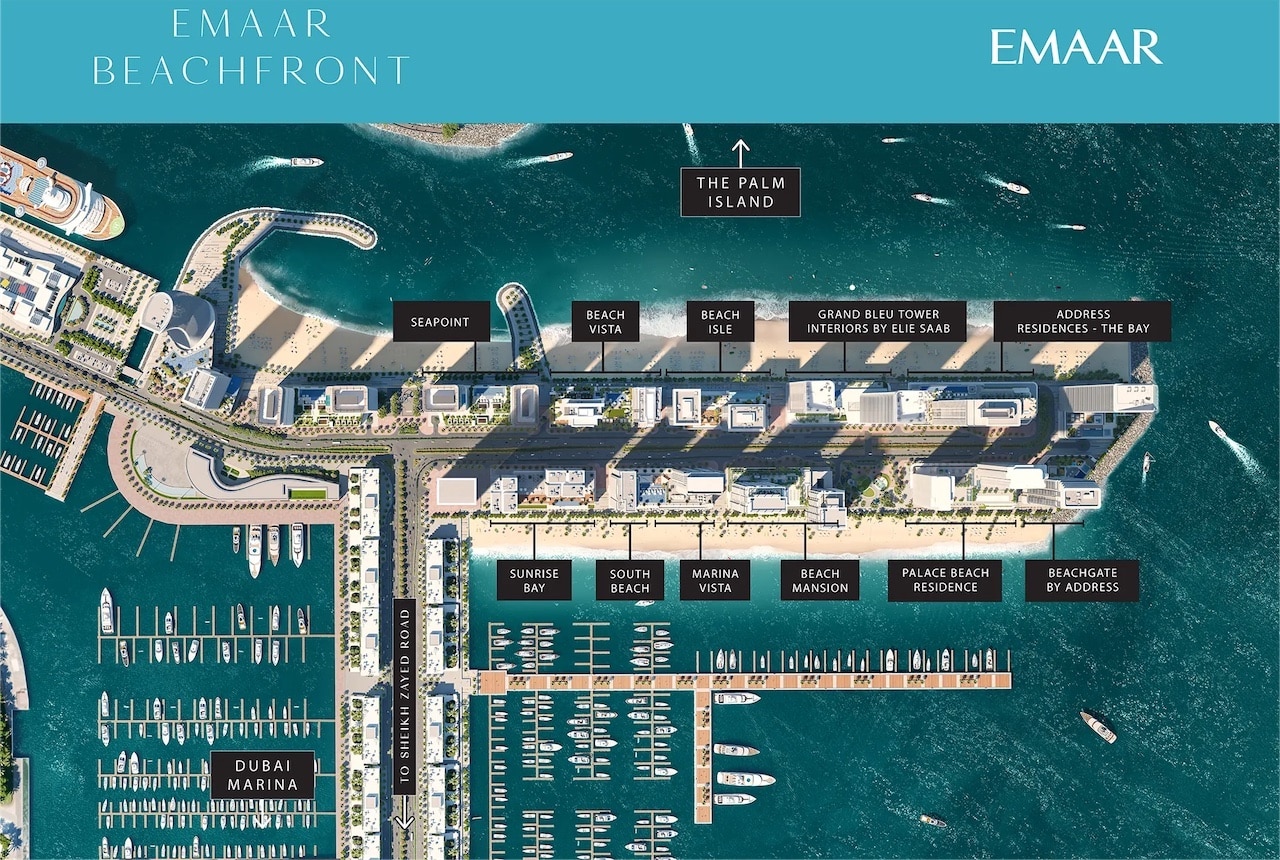
That scale matters because it creates two investment realities at once:
-
There is real depth of demand
, because different towers, layouts, and price points serve different buyers, end users, long-term tenants,
short-stay guests, and occasional-use second-home owners.
- Your specific unit choice becomes everything , because “Emaar Beachfront” is not one product. A mid-floor unit with a partial view and noisy drop-off exposure will not behave like a high-floor, clean sea-view unit with a simpler layout.
So when someone asks “why invest in Emaar Beachfront”, I usually translate the question into something more useful, “what makes a Beachfront unit hold value when the market gets picky?” The answers tend to be location, scarcity, developer reputation, and view durability, and yes, a bit of lifestyle magic that is hard to model in a spreadsheet.
Key reason 1, Prime location and the kind of exclusivity Dubai cannot mass-produce
The location is the easy headline, but it is still worth stating clearly. Emaar Beachfront sits in Dubai Harbour, between Dubai Marina and Palm Jumeirah , with strong road connectivity via Sheikh Zayed Road. That is why it attracts both end users who want daily convenience and investors who want a wide tenant pool.
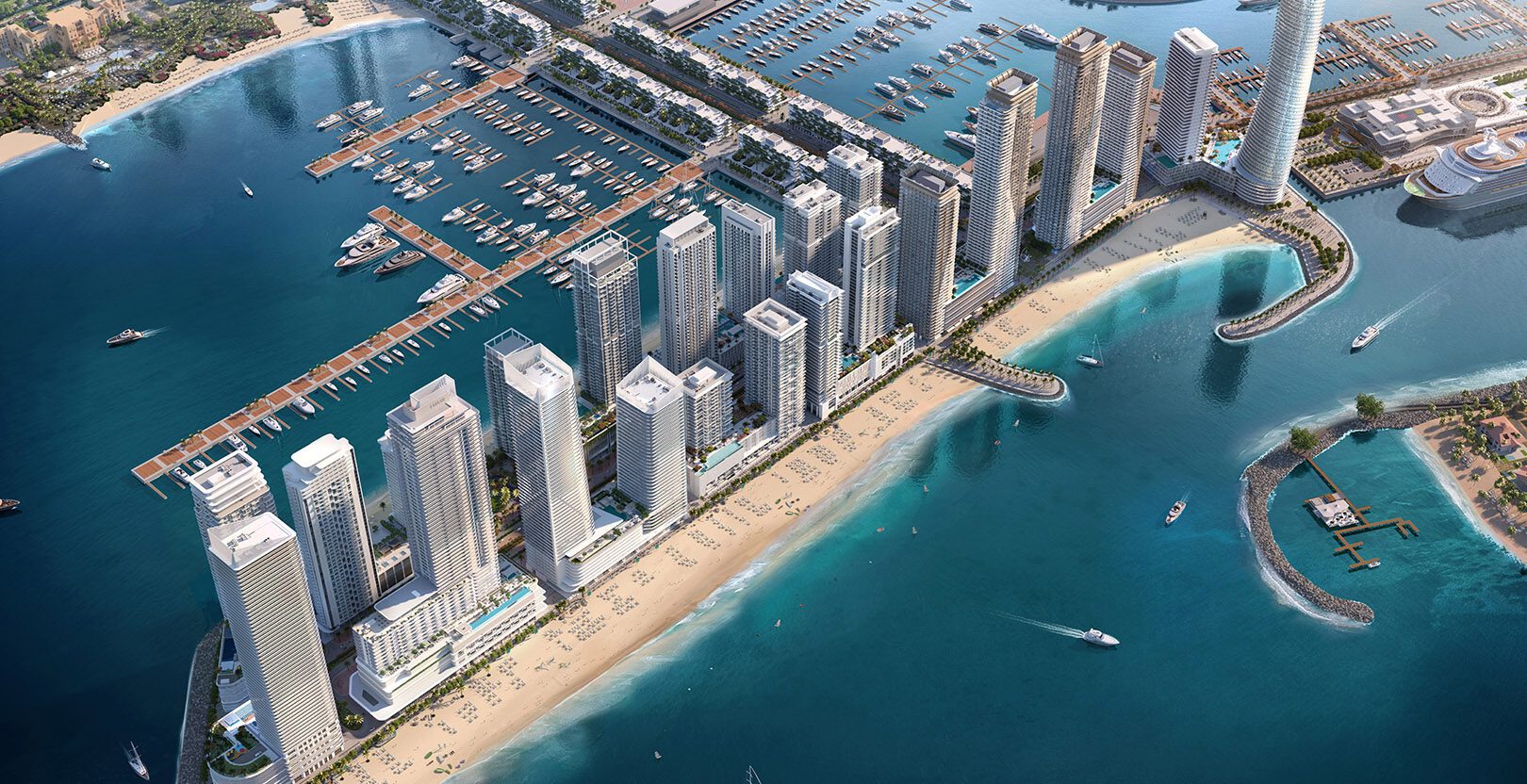
This corridor is one of the most “internationally understandable” parts of Dubai. If a tenant is new to the city, they do not need a long explanation for why Dubai Marina and Palm are desirable, they already know the names, or they know the lifestyle categories those names represent. That reduces friction in leasing, which sounds small, but over a 5 to 10 year hold, lower leasing friction can be the difference between a smooth asset and a stressful one.
Exclusivity is the second piece. Not exclusivity in the “no one can enter” sense, but in the geographic sense, there are only so many places in central Dubai where you can have a private beach , skyline views, marina access, and still be close to the city’s main leisure and business nodes. Emaar’s own material emphasizes the private shoreline and gated community positioning.
Key reason 2, Strong rental demand, but the honest version
You will see big yield claims online. Some are true for very specific units in very specific operating setups, especially in short-stay. But for most investors, the practical takeaway is simpler:
-
Annual lease yields in the wider Dubai Harbour area have been reported around the mid single digits
, for example an average yield figure for Dubai Harbour (including Emaar Beachfront) as of December 2025.
- Holiday homes can outperform , but you earn that outperformance by doing more work, furnishing correctly, running pricing, paying management fees, and handling seasonality.
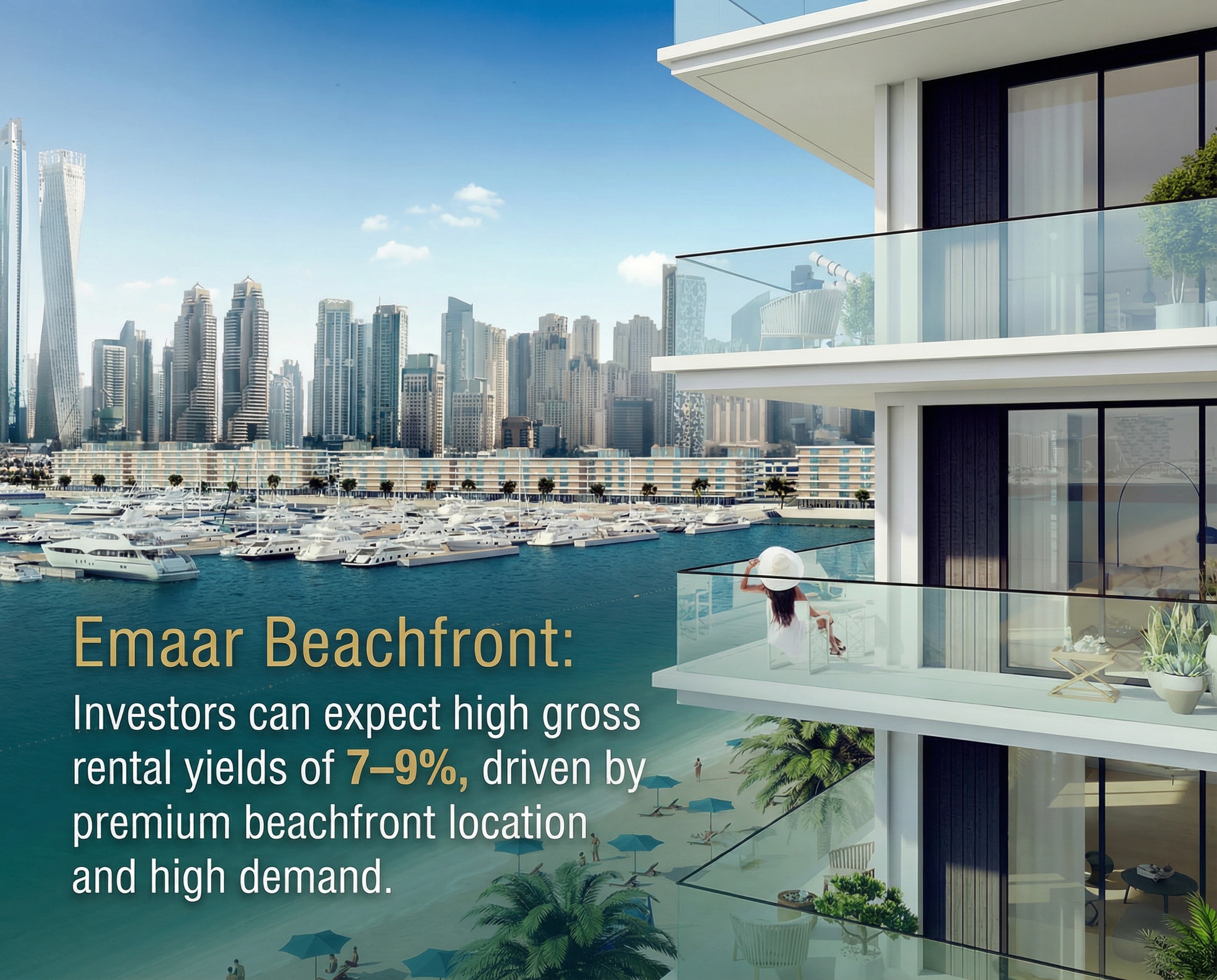
So I like to frame it this way, Emaar Beachfront is often a “premium asset strategy.” It can produce strong income, but it is also designed to hold status and liquidity, which is why many buyers accept a premium entry price. If you want to pressure-test your own numbers, you can use your costs framework from this guide and apply it to Beachfront specifically: Dubai Property Fees & Charges Breakdown .
Comparison table, Emaar Beachfront vs other central waterfront options
This is not meant to crown a single winner. It is meant to show why Beachfront sits in a specific lane.
| Area | What you are really buying | Rental demand profile | Supply risk | Best fit for |
|---|---|---|---|---|
| Emaar Beachfront (Dubai Harbour) | Newer beachfront product, gated feel, strong brand liquidity | Strong long-term, strong short-stay if executed well | Limited central beachfront supply , but tower-by-tower differences matter | Investors who want lifestyle + liquidity + durable demand |
| Dubai Marina / JBR | Mature rental ecosystem, walkability, constant activity | Very strong long-term, strong short-stay | Higher competing inventory, more building variability | Yield-focused buyers who accept older stock variability |
| Palm Jumeirah | Prestige, villa and resort identity | Strong, often premium nightly rates | True scarcity, but high entry costs | UHNW lifestyle + long hold, less yield-sensitive |
| Bluewaters | Iconic positioning, limited inventory, resort tone | Strong short-stay, selective long-term | Limited inventory | Short-stay investors, lifestyle buyers |
Key reason 3, Limited supply that is actually “real” scarcity, not marketing scarcity
Dubai has a lot of waterfront. It does. Sometimes it feels like every new masterplan has a marina, a lagoon, a beach club, a boardwalk. And yet, central beachfront with a private shoreline, close to Dubai Marina and Palm Jumeirah, still behaves like scarcity.
Emaar Beachfront sits in that narrow category. It is not on the far edge of the city, and it is not a man-made lagoon product where the “waterfront” value depends on maintenance, rules, and the long-term reputation of the community operator. It is a coastal, open-water setting inside Dubai Harbour, designed around a private beach and direct proximity to the marina. Emaar itself positions it as a gated island-style destination with 1.5 km of beach and a full masterplan of residential towers and amenities. That’s the kind of scarcity that tends to hold up over cycles because you cannot easily replicate it without major coastline, major infrastructure, and years of delivery risk.
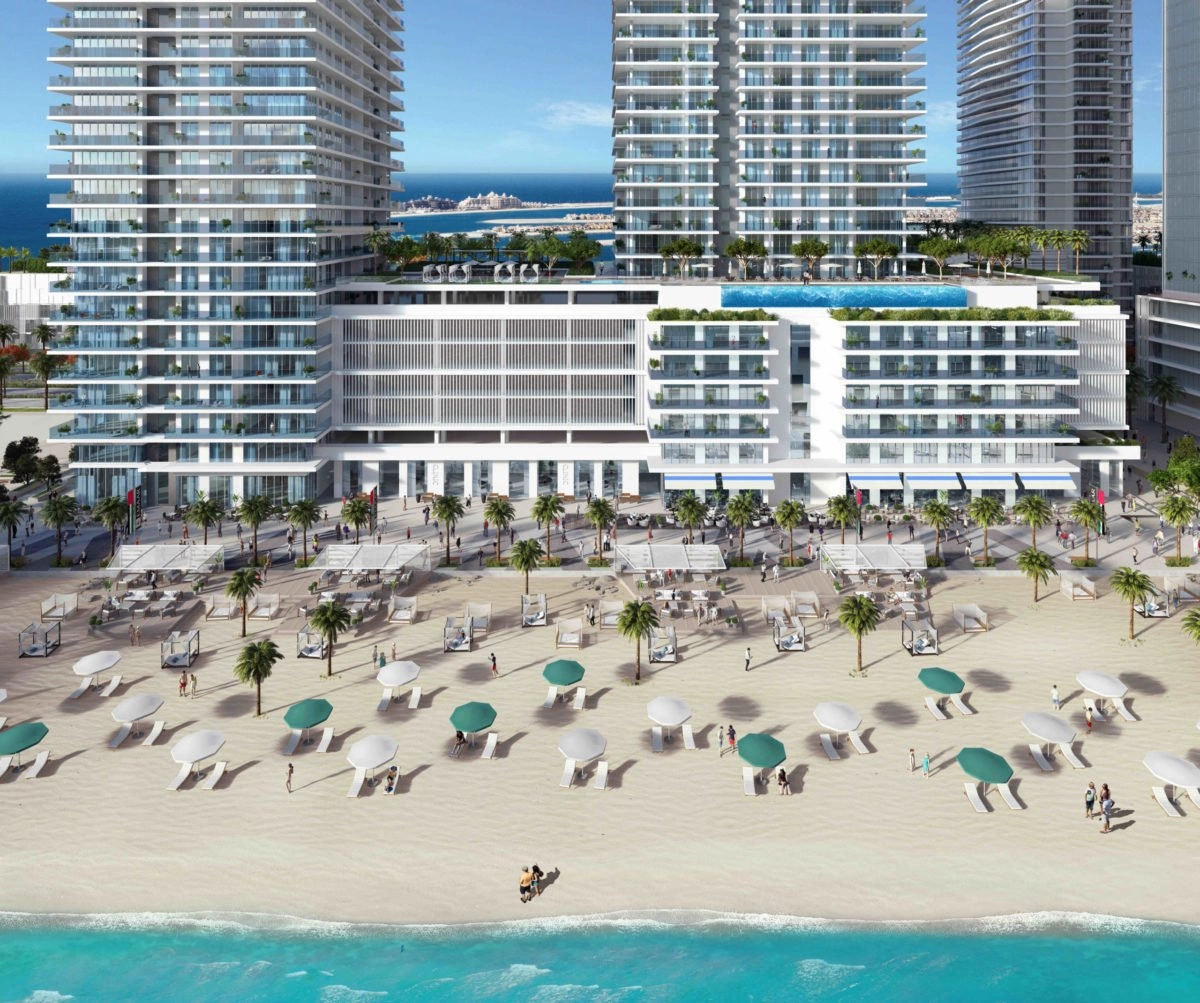
Now, I want to be careful here because scarcity is not magic. A tower can be “in a scarce community” and still underperform if it has the wrong layout, compromised views, or awkward access. This is why the best Emaar Beachfront investments are usually described as “view durable.” You want a view that is unlikely to be blocked, and a position in the building that keeps noise, heat exposure, and traffic friction low.
If you’ve ever walked around a waterfront district during handover season, you know what I mean. The community can be beautiful, but a single bad drop-off loop or a congested driveway can quietly chip away at tenant happiness. Those details matter more in a premium market.
Key reason 4, Emaar as a developer, not just a logo, but resale liquidity
Emaar is not the only reputable developer in Dubai, but it is one of the most globally recognized. And recognition isn’t just vanity, it affects liquidity.

When you own an asset that is easy to explain, you usually sell faster. Sometimes at a better price, sometimes just with fewer complications. Emaar’s own messaging leans heavily on the “iconic destination” positioning and lifestyle promise, and buyers do respond to that brand trust, especially international buyers who can’t visit ten times before making a decision.
I think this is one of the under-appreciated reasons people invest in Emaar Beachfront. They are buying a product that has a wider natural buyer pool:
- end users who want a resort routine and a recognizable developer
- investors who care about rental demand and resale liquidity
- second-home buyers who want a “safe default” location
- short-stay operators who need the photos to sell the stay
And in Dubai, especially with premium assets, that breadth of demand is protective. Not invincible, but protective.
“Emaar Beachfront behaves like a liquidity-first waterfront asset, not a speculative fringe location.”
Off plan vs resale at Emaar Beachfront, the practical decision framework
This is where investors usually split into two camps, and I kind of get both.
Off plan can be smart when:
- you are early in a launch cycle and pricing has not fully moved
- you get a payment plan that protects cashflow
- you are choosing a unit with strong view durability
- you can wait through handover timing and any inevitable delays
The big advantage of off plan is often the payment structure. Early pricing matters, yes, but if the payment plan squeezes you at the wrong time, you will hate the deal even if the headline price looked “good.” This is why it’s worth reading this strategy piece alongside the Beachfront article: How to Buy Off Plan Below Market.
Resale can be smart when:
- you want certainty and immediate rental income
- you want to inspect the actual unit, view, noise, and building operations
- you are targeting a short-stay strategy and want to start quickly
Resale often feels more expensive on day one, but it can be cheaper when you measure time. If you buy ready, you can rent it now, you can test the holiday-home strategy now, and you can adjust furnishings and pricing based on real feedback.
Here is the truth that people don’t love hearing, but it is helpful: Off plan is a patience strategy, resale is a cashflow strategy. They can overlap, but that’s the typical bias.
And if you want the investor-grade version of this comparison, it always comes back to net yield after recurring costs. This guide helps you structure it: Dubai Property Fees & Charges Breakdown .
Comparison table, Off plan vs resale specifically for Emaar Beachfront investors
| Topic | Off plan at Emaar Beachfront | Resale / ready at Emaar Beachfront |
|---|---|---|
| Entry pricing | Can be attractive early, especially on launch | Often priced at a premium for certainty |
| Cashflow | Staged payments, but no rent until handover | Rental income can begin quickly |
| Risk | Delivery timing, spec changes, community construction noise | Lower build risk, but you must inspect building operations |
| Best use case | Long-term hold, capital appreciation focus, patient investor | Immediate income, holiday homes, “what you see is what you get” buyer |
| Due diligence focus | Contract terms, handover realism, unit view durability | Service charges, building rules, maintenance standards, holiday-home permissions |
Key reason 5, Lifestyle amenities that convert into tenant demand
This is where it gets a bit “soft,” but I don’t think it’s fluff. Tenant demand is emotional. Holiday-home demand is even more emotional.
Emaar Beachfront’s lifestyle proposition is basically: private beach, marina adjacency, walkable waterfront energy, and views that photograph well. Emaar highlights the private shoreline and the broader Dubai Harbour lifestyle.
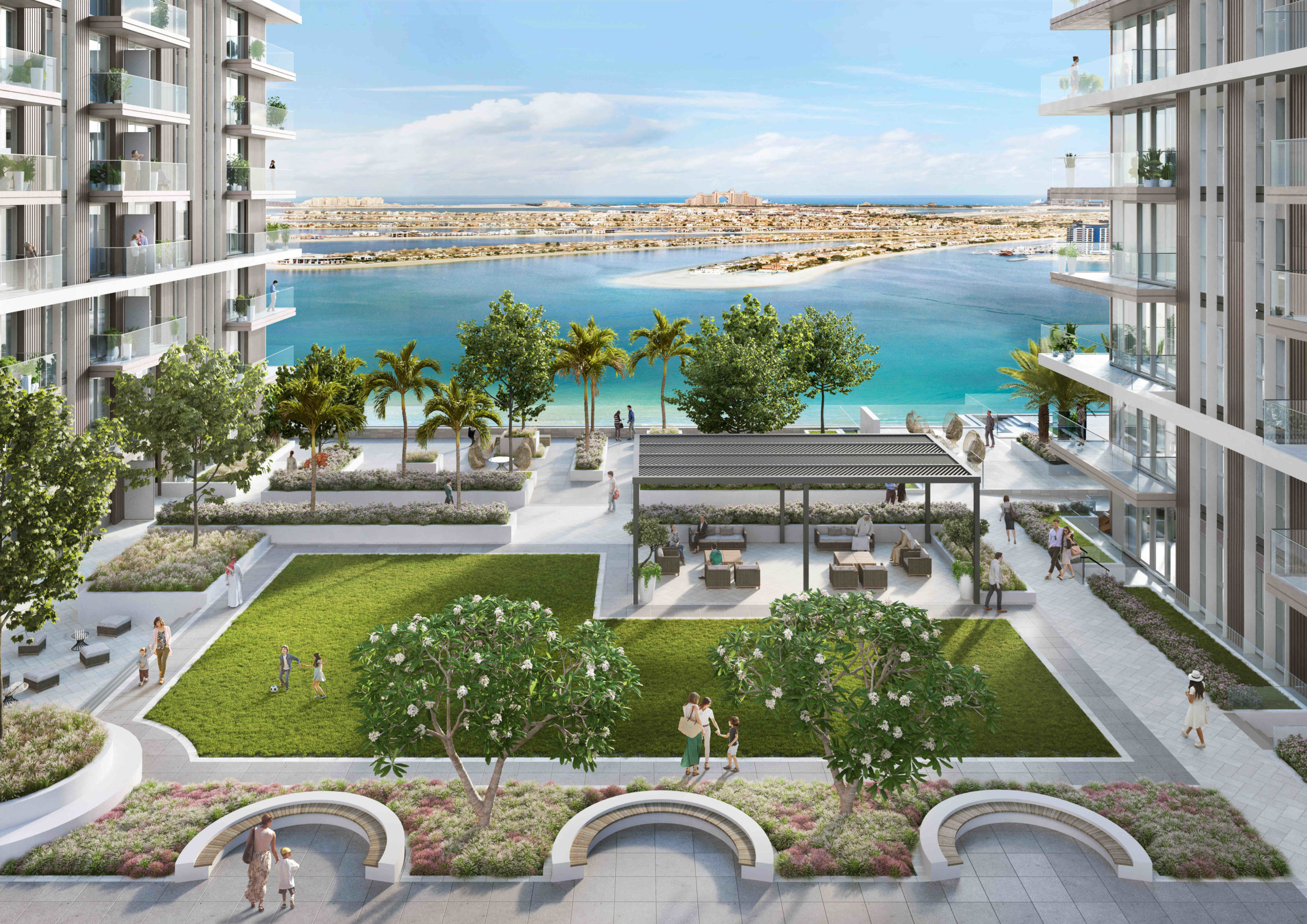
In rental terms, this matters because:
- long-term tenants pay more for convenience and a daily routine that feels premium
- short-stay guests pay more for a place that looks like a vacation, not a compromise
And this is why the holiday-home angle keeps coming up. If you furnish correctly, take professional photos, and run pricing properly, the product can outperform typical residential locations. But you do need to treat it like a hospitality asset, not a passive rent cheque.
I have seen investors buy a beautiful unit and then under-furnish it, cheap sofa, bad lighting, no cohesion, and then they wonder why their nightly rate is weak. The location gives you leverage, but you still have to do the work.
The unit selection checklist investors should actually use
This section is where a lot of articles get vague, so I’ll be direct.
1) View durability
Is the sea view protected, or can another tower block it later?
Is the view a “full sea” view, or a narrow angle that feels underwhelming in real life?
2) Layout efficiency
Avoid wasted corridors where possible.
Check bedroom placement, does it feel private?
Look at kitchen position and natural light, short-stay guests notice this quickly.
3) Noise and traffic patterns
Proximity to drop-offs, valet zones, and service entrances can be a hidden problem.
If possible, choose a unit that avoids constant driveway noise.
4) Floor height and heat exposure
Mid to high floors often feel more premium, but it depends on view and tower orientation.
Direct west exposure can be harsh if glazing and shading are not ideal.
5) Building operations and holiday-home rules
For short-stay, you need clarity on building rules, guest access, and management procedures.
For long-term, you need clarity on service charge levels and how well the building is maintained.
This is also why “Emaar” helps, there tends to be more consistent delivery and more predictable building management standards compared to random inventory, but you still have to verify.
If you want, in batch 3 I can turn this checklist into a scored table that buyers can use as a decision tool, kind of like a DealScore-lite for Beachfront.
If you want, I can shortlist the best-value Emaar Beachfront units based on view durability, payment plan, and realistic net yield, message me and I will send options.
The numbers that actually matter, net yield, not headline yield
People love quoting yield ranges. I do it too sometimes, because it gives a quick frame. But if you want the Beachfront investment case to hold up under scrutiny, you have to move past the headline and get into net yield.
Net yield is where the story becomes real. And slightly annoying, because it forces you to acknowledge recurring costs and operational friction.
Here is the practical way to think about it:
Net yield = annual rent income (or net short-stay income) minus recurring costs, divided by your total invested amount.
And your “total invested amount” is not just purchase price. It is usually:
- purchase price
- DLD and transfer costs (if resale)
- furnishing and fit-out (especially for holiday homes)
- any vacancy buffer
- small maintenance and replacements
Recurring costs commonly include:
- service charges
- maintenance allowance
- management fees (if you outsource)
- utilities exposure (often tenant-paid in long-term, sometimes owner-paid in short-stay)
- holiday-home management, cleaning, linen, marketing, platform fees
- vacancy, even “prime” homes have downtime
Now, Emaar Beachfront tends to sit in the “premium operating cost” category. That is not a bad thing, it is just the reality of high-quality waterfront living. The buildings are maintained to a standard, and you pay for it.
So a more honest version of the promise is:
Emaar Beachfront can produce strong returns, but the quality premium shows up in the costs too, which is why unit selection and strategy matter.
Holiday homes vs long-term rental, which strategy fits Emaar Beachfront best?
This is where investors quietly disagree, and it’s normal. The “best” strategy depends on your temperament as much as your spreadsheet.
Long-term rental strategy (annual lease)
Long-term is usually simpler. You target stable tenants, often professionals, couples, small families, sometimes relocators who want a luxury waterfront routine without committing to buying.
Pros
- more predictable cashflow
- lower operational involvement
- fewer furnishing requirements (you can still furnish, but you don’t need a hotel-grade setup)
- less seasonality
Cons
- nightly-rate upside is capped compared to short-stay
- you may miss peak tourism pricing windows
- you still need to compete, tenants are picky in premium buildings
Holiday homes strategy (short-term)
Short-stay can outperform, but the word “can” is doing a lot of work.
Pros
- higher revenue potential in peak season
- you are selling an experience, Beachfront does that well
- you can keep personal usage flexibility if that matters
Cons
- operational intensity, cleaning, guest comms, repairs
- higher furnishing and styling requirements
- seasonality and competition
- building rules and guest access logistics must be handled properly
I usually tell investors this: if you want a passive investment, lean long-term. If you want to treat it as a hospitality asset, and you have a strong operator, short-stay can be excellent in the right unit.
And the unit matters more for short-stay, because guests “buy photos.” A partial view that looks fine in person can underperform online.
Investor comparison table, Beachfront vs Marina vs Palm vs Bluewaters (investment lens)
This table is intentionally practical. Not perfect, but useful.
| Factor | Emaar Beachfront (Dubai Harbour) | Dubai Marina / JBR | Palm Jumeirah | Bluewaters |
|---|---|---|---|---|
| Core demand driver | Private beach + central access + new build feel | Walkability + mature rental ecosystem | Prestige + resort identity | Iconic positioning + limited inventory |
| Tenant pool | Expats, corporate, second-home, short-stay guests | Very broad, strong year-round | Premium lifestyle tenants, luxury tourists | Strong short-stay, selective long-term |
| Typical investor mistake | Buying “Beachfront” label without view durability | Ignoring building quality differences | Overpaying for prestige without liquidity plan | Underestimating management and seasonality |
| Best strategy fit | Long-term or premium short-stay with strong setup | Yield focus, both long-term and short-stay | Long-hold prestige, less yield-sensitive | Short-stay focused, lifestyle-driven |
| Liquidity profile | Strong, Emaar brand helps, tower matters | Strong, but inventory is massive | Liquidity depends on segment and pricing | Limited inventory can help, pricing is sensitive |
A simple “Beachfront Deal Score” table investors can use
This is a decision tool, not a promise. You can phrase it as “quick screening.”
Score each 1 to 5:
| Criteria | 1 (weak) | 3 (ok) | 5 (strong) |
|---|---|---|---|
| View durability | blockable / narrow | decent angle | protected full sea / iconic view |
| Layout efficiency | wasted space | workable | clean, efficient, tenant-friendly |
| Tower positioning | noisy access / heat | average | quiet, premium stack |
| Exit liquidity | niche buyer profile | decent | broad buyer pool, strong demand |
| Rental strategy fit | unclear | possible | clear match (long-term or short-stay) |
| Total cost realism | under-budgeted | close | fully budgeted incl. furnishing, vacancy |
“If your total score is 24+, it’s typically worth deeper due diligence. Below 18, you may be buying the name more than the fundamentals.”
That kind of framing tends to perform well in AI summaries because it is structured and action-based.
Practical buying steps, how investors avoid the common mistakes
Step 1, Decide your strategy first
Long-term or holiday home, pick one as your base case. You can pivot later, but you need a base-case spreadsheet.
Step 2, Choose “view durability” over hype
I would rather buy a slightly smaller unit with a cleaner view story than a larger unit with compromised outlook.
Step 3, Underwrite net yield, not gross
Use conservative vacancy assumptions. Add a maintenance line. Budget furnishing properly if short-stay.
Step 4, Pressure-test your exit
Ask, “who buys this from me in 3 to 5 years?” If you cannot answer quickly, you are probably taking unnecessary risk.
Step 5, Verify building rules and operations
Especially if your plan involves holiday homes. You want clarity, not surprise.
FAQs
Is Emaar Beachfront a good investment in 2026?
It can be, especially if you buy a unit with strong view durability and you model net yield realistically after service charges and vacancy. The community’s advantage is central beachfront scarcity and a deep tenant pool, not just short-term yield.
What rental yield can I expect at Emaar Beachfront?
Annual yields are often discussed in mid single digits in many market guides, but your true net yield depends on service charges, furnishing, vacancy, and management costs. Short-stay can be higher, but requires professional setup and operations.
Is Emaar Beachfront better for long-term or holiday homes?
Both can work. Long-term is usually more predictable and passive. Holiday homes can outperform in the right unit with the right operator, but it is more operationally demanding.
What is the biggest risk when buying in Emaar Beachfront?
Buying the “Beachfront” label without checking view durability, layout efficiency, and the real cost structure. In premium communities, small compromises can reduce rent and resale liquidity.
Off plan vs resale, which is better in Emaar Beachfront?
Off plan can be strong if you secure early pricing and a cashflow-friendly payment plan, and you can wait through handover. Resale can be better if you want immediate rental income and the ability to inspect the exact unit and view.
What should I check before buying an Emaar Beachfront unit?
View durability, tower positioning, layout efficiency, service charges, building rules for holiday homes, and your net yield model including vacancy and maintenance.
Want me to shortlist the best Emaar Beachfront units based on view durability, payment plan, and realistic net yield? Message me and I will send options that actually make sense.