
For years, a Dubai property sold on square footage and a skyline view. In 2025 that pitch is starting to age. What increasingly moves value now is what the building actually does: how it uses energy, how it manages itself, whether the community around it works without a car. Dubai’s real estate market is shifting from selling space to selling performance, and buyers who still read only the brochure are missing where the value has gone.
Sustainability and smart technology used to be optional extras. They have become the markers that separate a building holding its value from one quietly falling behind.
If you want the mechanics of the buying process first, start here:
- The UK Investor’s Guide to Buying Property in Dubai
- The US Investor’s Guide to Buying Property in Dubai
- The Canadian Investor’s Guide to Buying Property in Dubai
And if you want to talk it through, join our webinar.

Sustainability stopped being a bonus
The national agenda is pushing this from the top down. Dubai’s commitment to net-zero emissions by 2050 and the targets under the Dubai Urban Master Plan 2040 are filtering into how property gets built. Green building codes are enforced more strictly than they were, and developers are increasingly working to LEED, BREEAM, and WELL certification rather than treating those as marketing badges.
The Sustainable City and Expo City Dubai are the reference points. Solar systems, water recycling, EV infrastructure, zero-waste targets. What matters for an investor is that these features do more than look good in a sales deck: they attract better tenants, cut operating costs, and hold asset value over time. That is the case for paying attention to them.
Buyers are already moving. Developers like DAMAC, along with Deloitte’s 2025 forecast, point to steadily rising demand for eco-conscious homes, particularly from millennial buyers and global investors who need ESG-aligned assets to fit their own mandates.

Smart homes, smart city
Alongside the green push is a real move toward connected buildings. Dubai has talked about being a smart city for a long time; in 2025 it is showing up in the actual units. New developments build in Internet of Things infrastructure, so residents run lighting, security, HVAC, and energy from their phones.
Smart elevators, facial-recognition access, AI-driven maintenance tracking, digital concierge. And this is no longer a luxury-tier thing. Mid-market developments are fitting the same intelligent systems, because they cut cost and improve safety across price points. On the developer side, big data and predictive analytics feed into better building design and tighter resource management. For an investor that reads as lower maintenance cost, stronger tenant retention, and performance you can actually monitor, which is where the ROI case sits.
Mixed-use and community-first planning
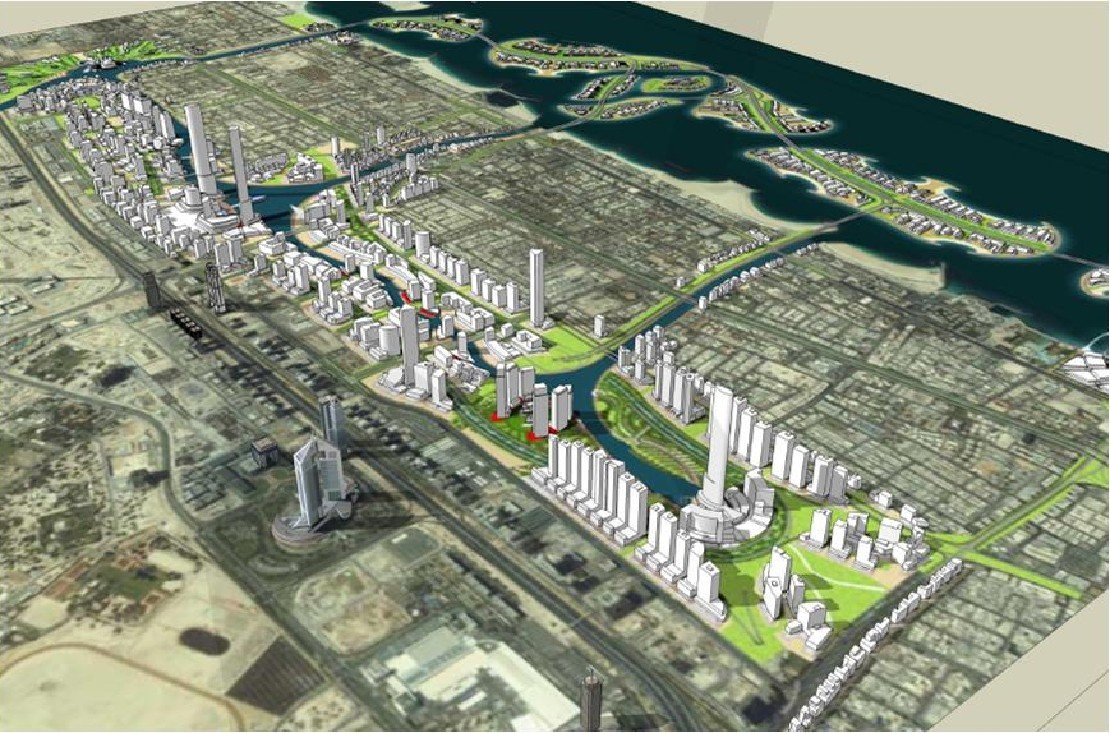
Urban planning is getting more thoughtful too. The sprawling single-use mega-districts are giving way to walkable, mixed-use communities that fold residential, commercial, educational, and recreational uses into one place.
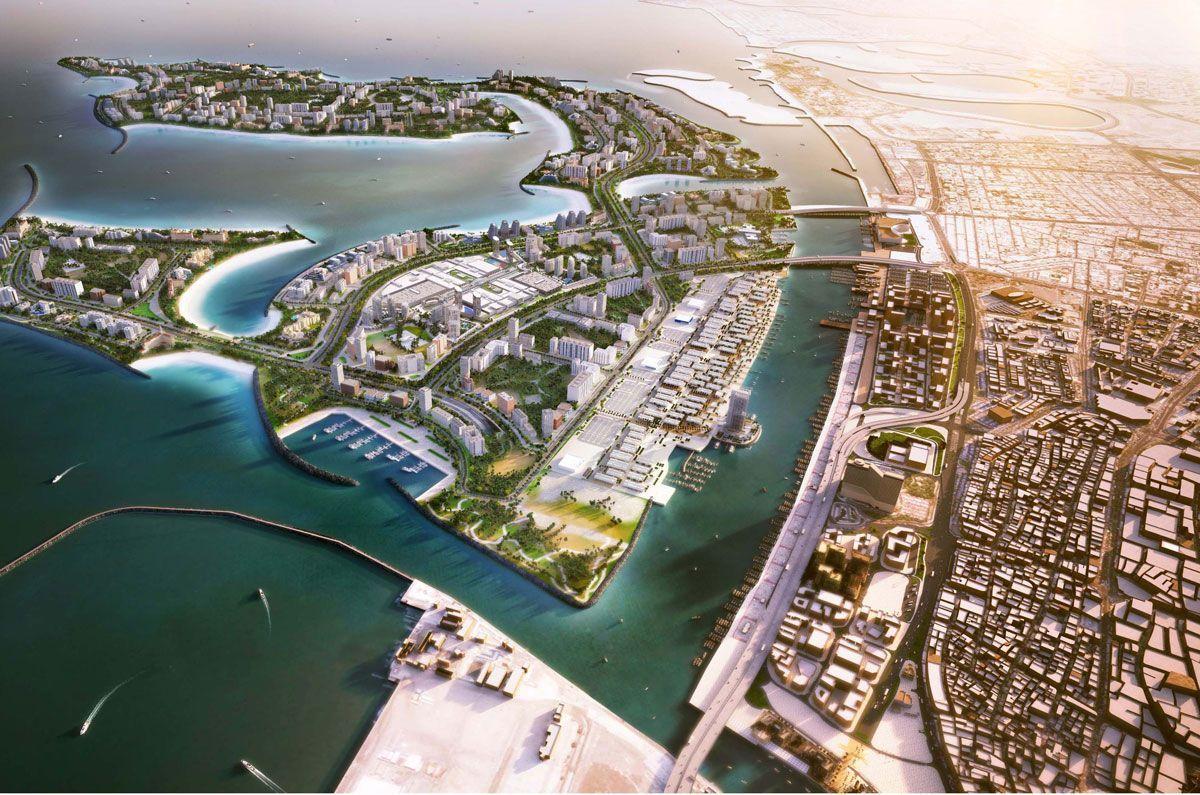
The newer projects put accessibility and livability first, whether that is bike lanes and electric shuttle routes or zoning that favours neighbourhood retail and green space. The aim is shorter commutes and a better daily experience, and it has proven popular with both residents and businesses that want long-term stability. Communities that put coworking, cultural venues, wellness centres, and schools within walking distance are pulling in younger professionals and remote workers in particular. That is a shift in what living and working in Dubai actually looks like.
The transaction side is going digital
Innovation is not only in the concrete. The way property changes hands is being rebuilt. Digital portals, blockchain-based title registration, and AI pricing tools are making the market more transparent and quicker to move through.
Government platforms like Dubai REST are digitising land and property transactions, which cuts bureaucracy and fraud risk. Agents and developers are using VR and AR to run immersive tours for overseas buyers, so a purchase decision no longer waits on a flight. Crowdfunding and fractional ownership are opening the market to younger buyers and to anyone who wants exposure without putting everything into one door. As those tools mature, expect a fresh wave of retail and cross-border investors who could not easily get in before.
Innovation as a risk hedge
The under-appreciated benefit is resilience. Analyses from Global Banking & Finance and Tallbricks make the point that buildings with forward-looking design and operations adapt better to regulatory change, hold up better against external shocks like a pandemic or climate risk, and are better placed for long-term capital appreciation.
Put plainly: this is not only about future-proofing, it is about not being caught out. An investor who prioritises these features is buying a hedge against the building going obsolete while newer stock takes the tenants.
What this means when you buy
Dubai’s market in 2025 is maturing rather than just expanding. The frantic build-anything decades are giving way to something more deliberate, where sustainability and smart systems are baseline expectations rather than selling points. For a buyer, that changes the questions worth asking. Look past the render and ask about energy use, the digital systems actually installed, and the community infrastructure around the unit. The buildings that answer those well are the ones that will still be easy to let and easy to sell in ten years. The ones that cannot are the risk nobody prices at the point of sale.