

Dubai · Area Investment Guide
DIFC Dubai: Prices, Yields & Investor Guide
The Dubai International Financial Centre (DIFC) is the leading financial hub for the Middle East, Africa, and South Asia (MEASA), right in the heart of Dubai.
Updated August 2026
At a glance
What are property prices and rental yields in DIFC Dubai?
In DIFC Dubai, average prices are around AED 3,500 per square foot, gross rental yields sit near 7%. Figures move with the market, so treat them as a guide and ask us for the current number on a specific building.
| Average price per sqft | AED 3,500 |
|---|---|
| Gross rental yield | 7% |
See how DIFC Dubai compares to other Dubai areas by yield ›
Useful guides: off-plan payment plans, the cost of buying in Dubai.
What is DIFC Dubai?
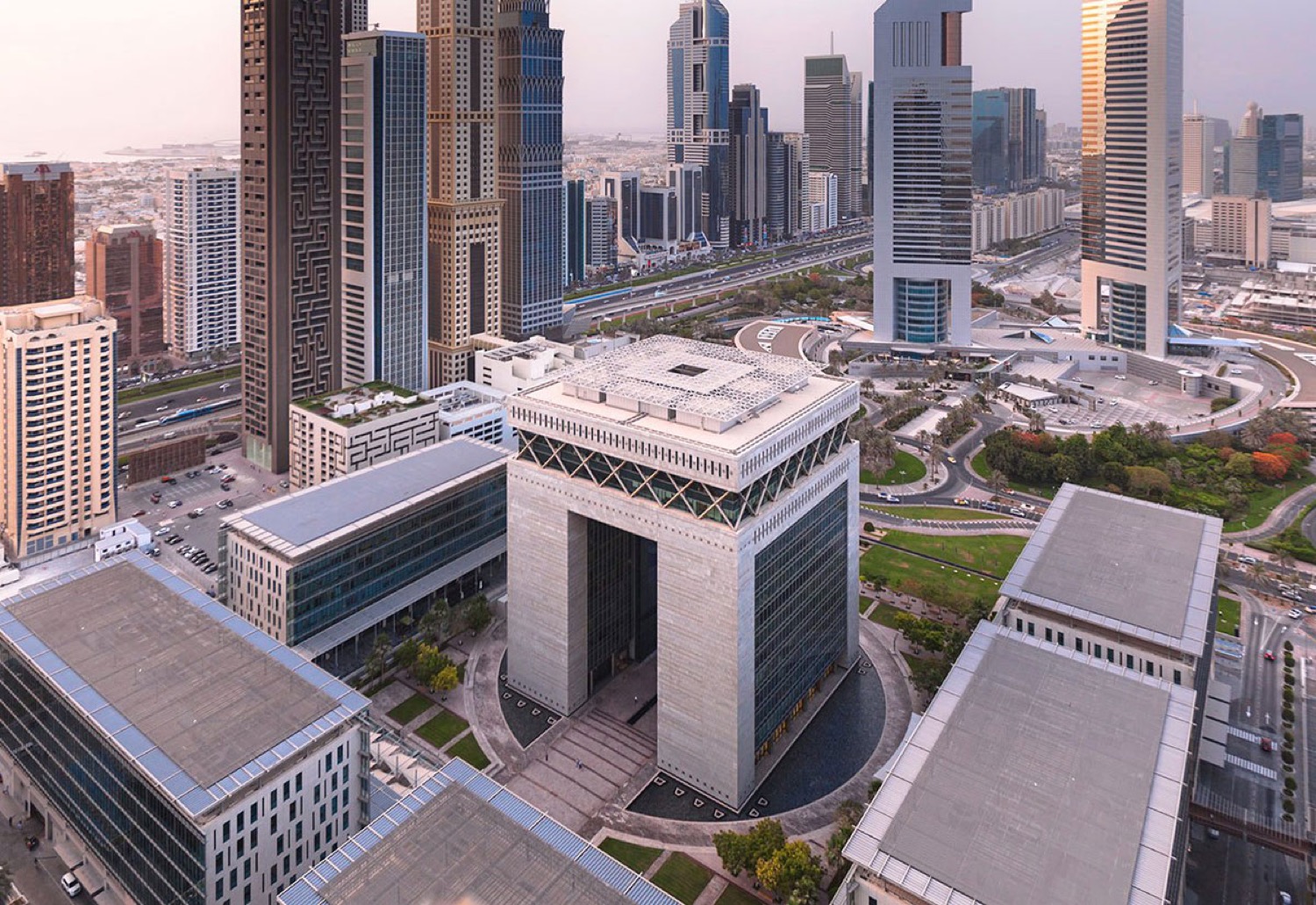
DIFC What it is, why it matters, and how it shapes real estate demand The Dubai International Financial Centre (DIFC) is the leading financial hub for the Middle East, Africa, and South Asia (MEASA), right in the heart of Dubai. Established in 2004, it operates as an independent financial free zone with its own legal and regulatory framework based on common law principles, with 100% foreign ownership for entities, and a 0% corporate tax rate on qualifying income for qualifying free zone persons, so yes, the “qualifying” part really matters. If you have ever walked through Gate Avenue or Gate Village, you probably felt it immediately, DIFC is not just an office cluster.
It’s a dense, curated work plus lifestyle district that tends to pull in a particular type of resident and tenant, high income professionals who want to be close to where decisions, and salaries, concentrate. That’s the real estate angle people sometimes miss when they treat DIFC as only a business setup topic. Decision makers concentrate here, and budgets tend to follow.
Prices & market data
Amenities & lifestyle
Lifestyle
- Urban Lifestyle
- Gate Avenue promenade
- Gate Village
- Fine dining
- Galleries
Amenities
- Restaurants
- Cafes
- Shopping
- Wellness
- Events
Connectivity
- Sheikh Zayed Road
- Dubai Metro access
- Easy internal movement on foot
- Visitor parking system
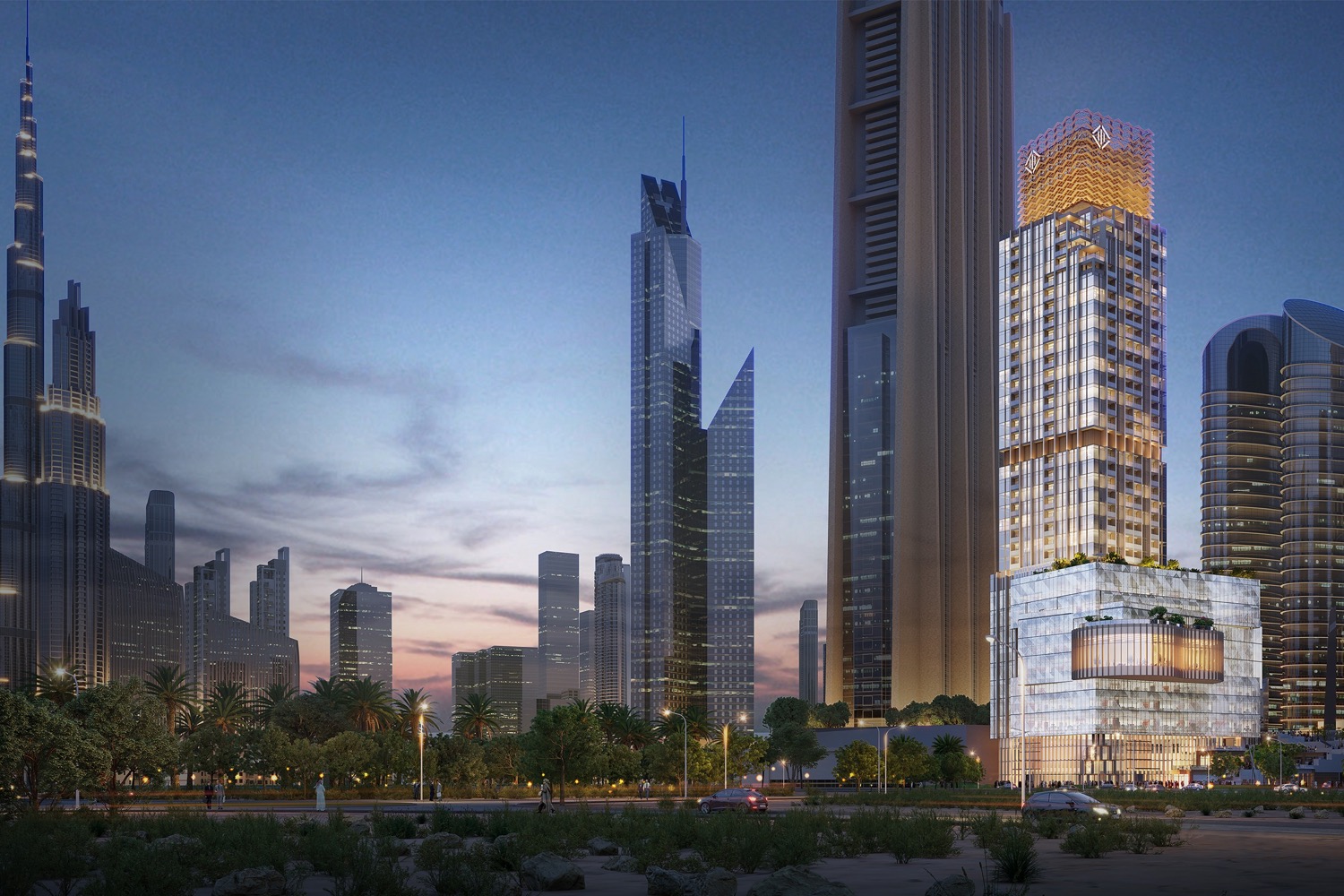
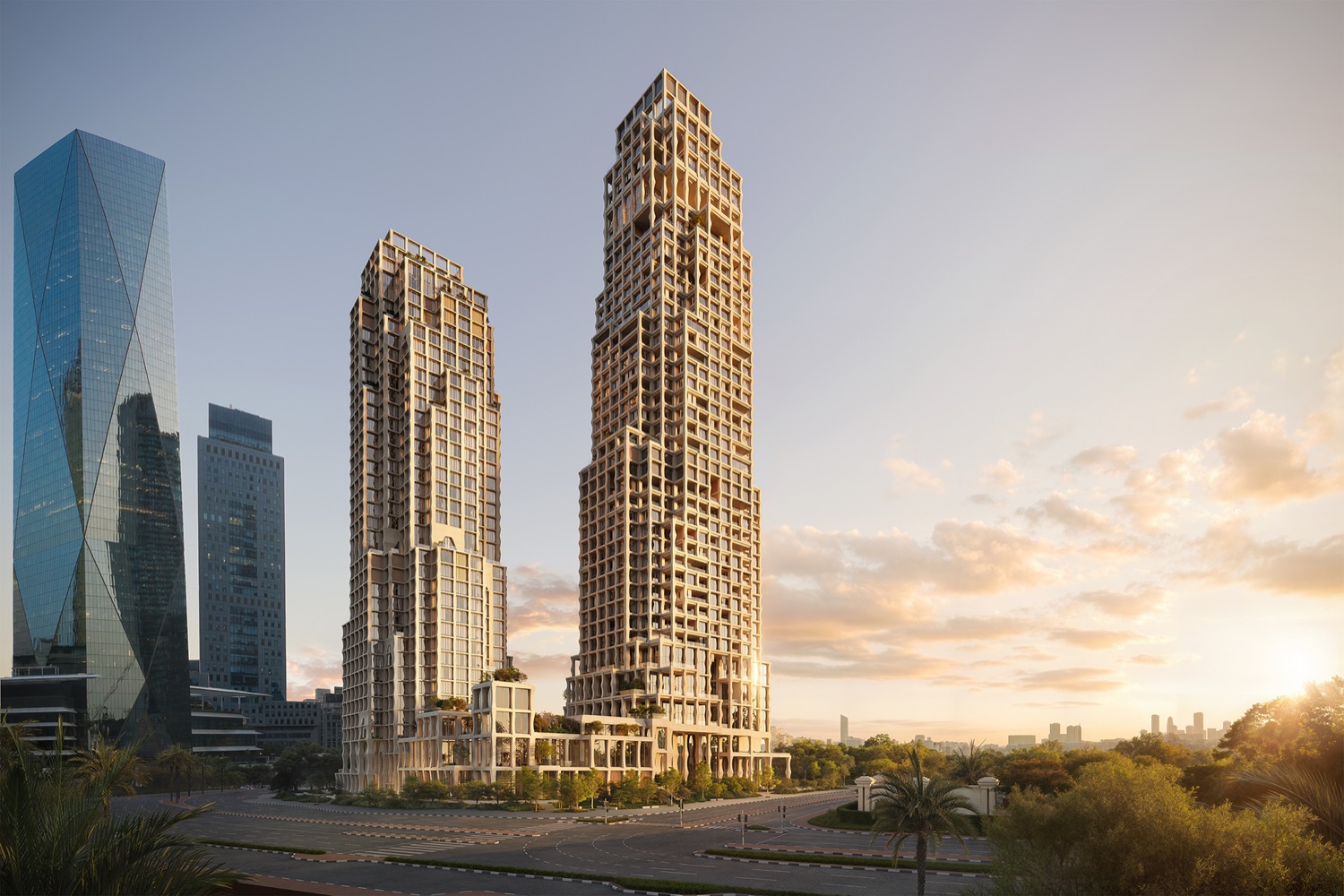
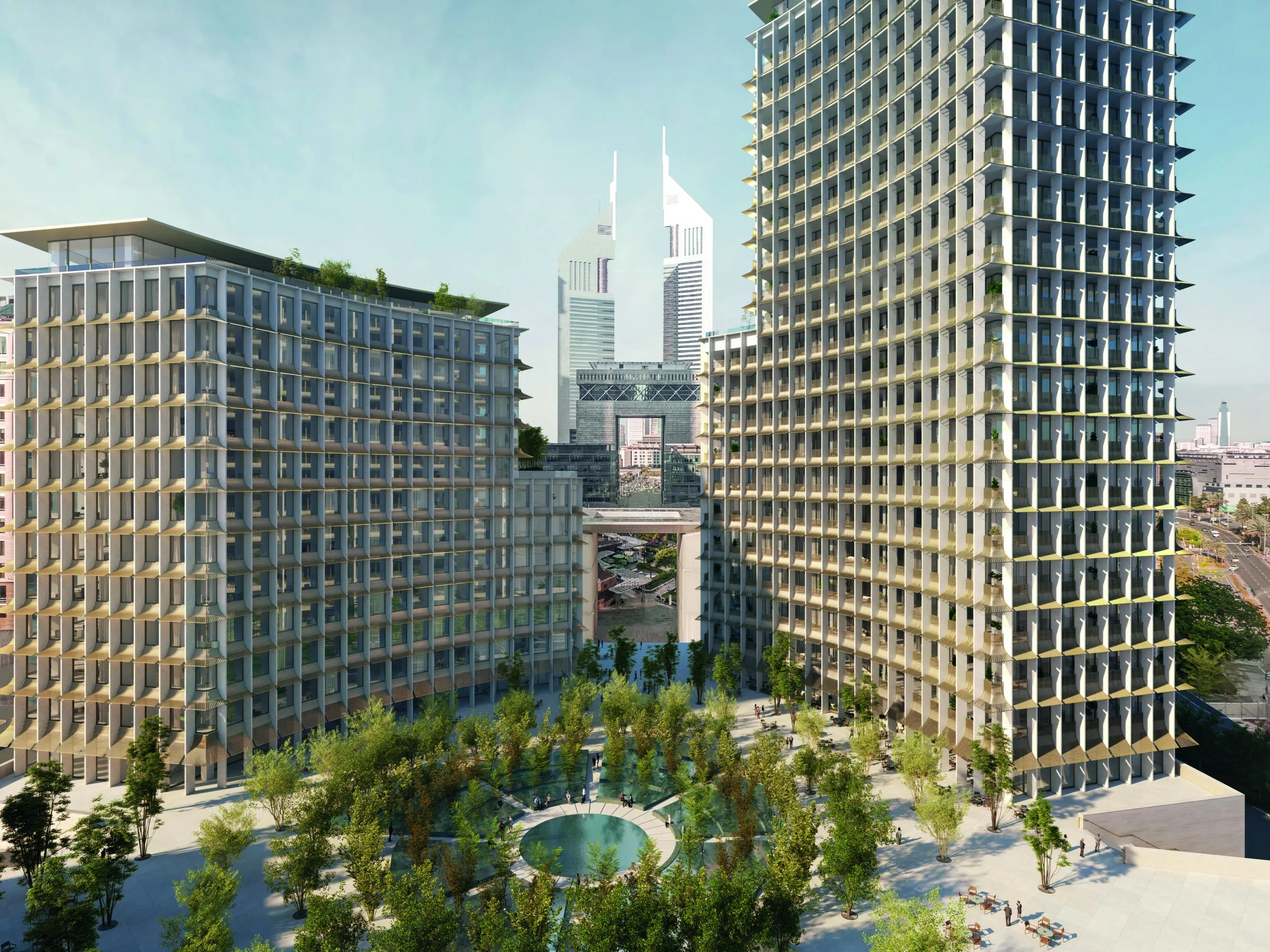
A look around DIFC Dubai
DIFC Dubai — frequently asked questions
DIFC, short for Dubai International Financial Centre, is Dubai’s financial free zone built to host financial services firms and the ecosystem around them, think banks, asset managers, insurers, FinTech, legal, and professional services. It’s set up with its own laws and institutions so companies can operate in a framework designed for international business.
Yes. DIFC is a financial free zone created under Dubai law, and it operates with its own legal and regulatory framework for civil and commercial matters.
Yes. DIFC states that subsidiaries and incorporated entities in DIFC enjoy 100% ownership.
It depends on what you mean by “regulates,” because DIFC is built around separate institutions. DFSA regulates financial services conducted in or from DIFC. DIFC Courts handle civil and commercial disputes within their jurisdiction. DIFC Authority develops DIFC as a business destination and oversees the wider centre ecosystem.
DIFC describes its legal and regulatory framework as being based on principles of common law, and DIFC Courts operate in English for civil and commercial matters within their scope.
In plain terms, DIFC Courts are a separate, specialist court system for civil and commercial matters connected to DIFC, and they operate in English under a common law framework. Dubai Courts follow the UAE’s broader legal system.
DIFC Courts deal with cases and claims arising out of DIFC and its operations, and they can also hear other disputes if all parties agree in writing to use DIFC Courts.
Yes, parties can agree in writing to use DIFC Courts, and that agreement can give the court jurisdiction even if the dispute is not otherwise tied to DIFC operations.