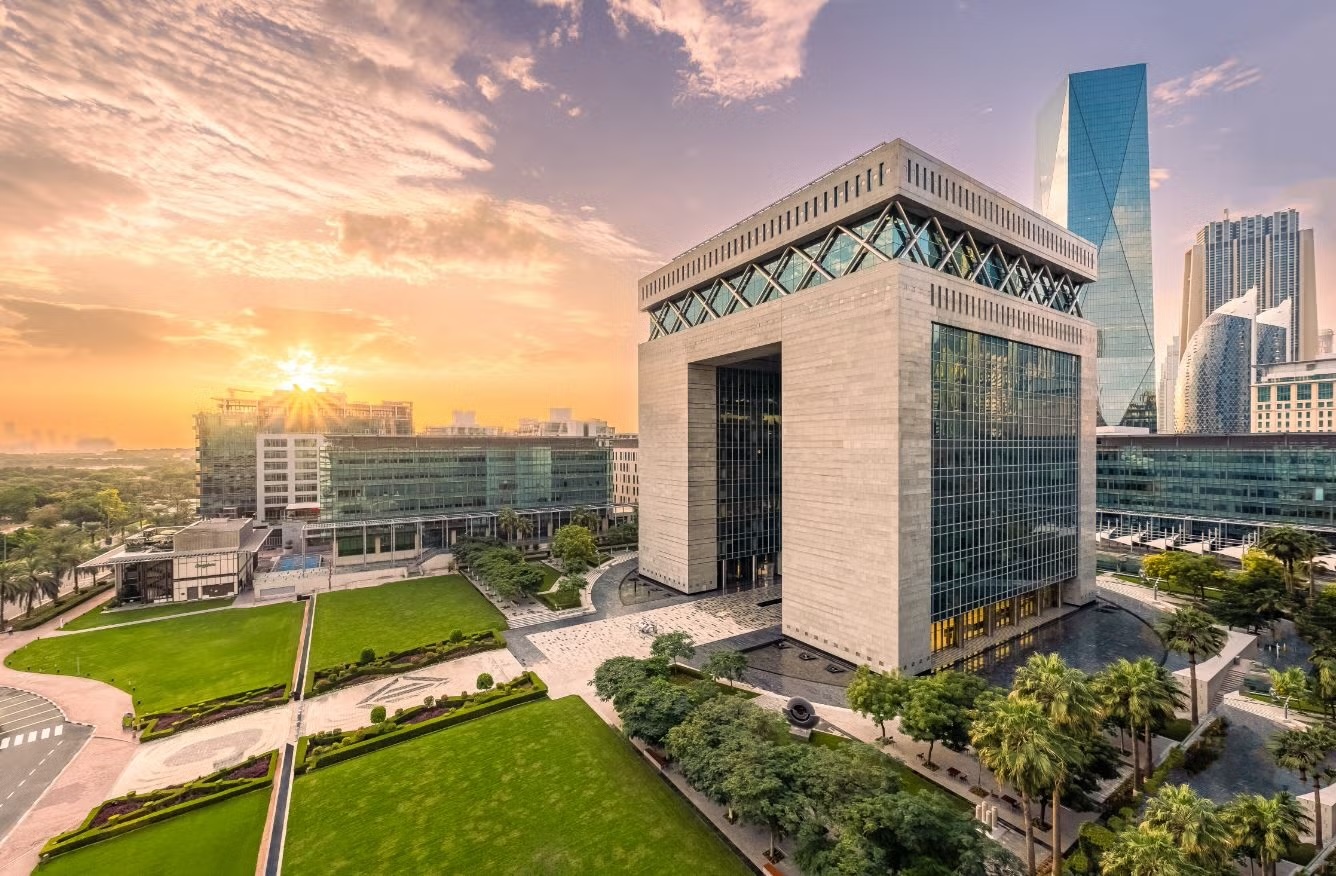
Dubai International Financial Centre, usually just called DIFC, is one of those places in Dubai that feels like it has its own gravity. It is a compact, high-end, mixed-use district along Sheikh Zayed Road, positioned between Downtown Dubai and the wider Trade Centre corridor, and it is deliberately built for a work, live, play rhythm. You can do a morning coffee, a meeting, a gallery visit, and dinner, and not really need a car, which is still kind of rare in Dubai.
It is also not just “nice lifestyle branding”. DIFC is a major financial hub for the MEASA region, with its own regulator, a legal framework based on English common law, and a track record that keeps pulling in financial services, professional firms, and now a growing chunk of tech and innovation as well.
If you are here because you typed “DIFC area guide” with an investment angle in mind, that makes sense. Demand is real, tenant quality is typically strong, and pricing is premium, but it is not “everything is always a bargain”, it is more “pay for position, then underwrite carefully”.
DIFC in 60 seconds
- Best for: finance professionals, founders, consultants, and anyone who wants a polished, walkable, “always on” central lifestyle.
- Property style: primarily luxury high-rise apartments, very few “family villa” options inside DIFC itself.
- Connectivity: close to the Financial Centre Metro Station, and very fast access to Downtown and Business Bay by road.
- Business weight: DIFC reported more than 8,000 active registered companies by late 2025, with continued growth into 2026.
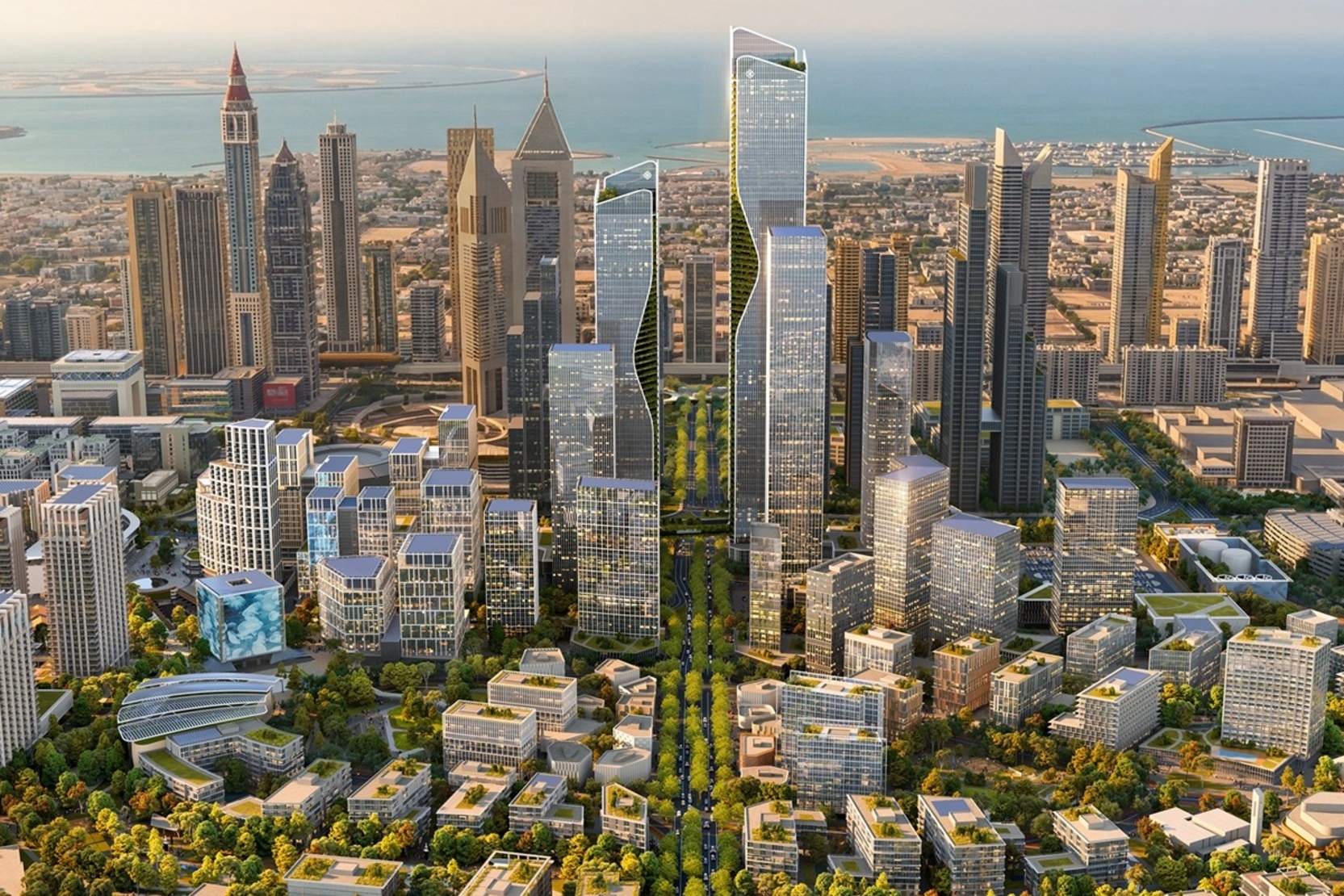
- Big catalyst: DIFC announced a major expansion program, including the Zabeel District, with figures reported around AED 100 billion and a long runway to 2040.
Key features and highlights
1) A genuinely central location
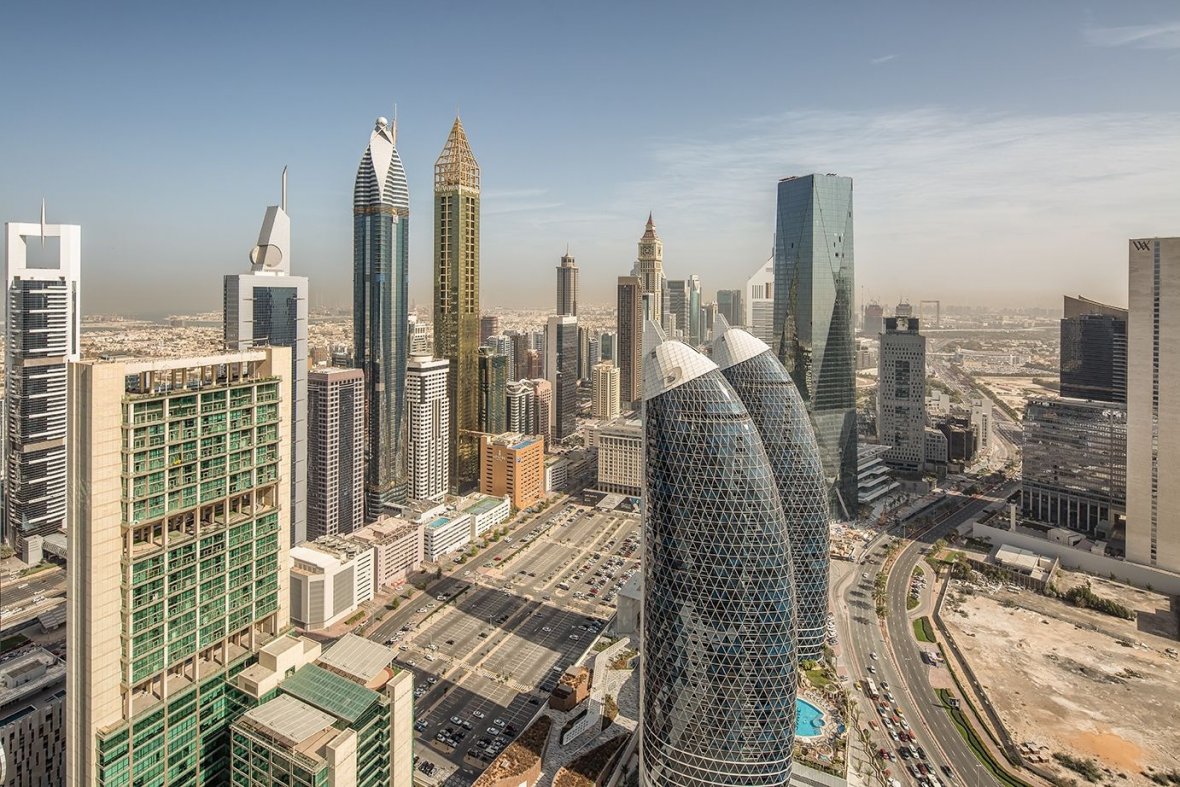
DIFC sits right in the middle of modern Dubai’s “business spine”. That is why it feels so efficient. You are minutes from Business Bay, minutes from Downtown, and you can get across the city quickly via Sheikh Zayed Road and the Red Line.
People throw around “15 minutes to the airport” a lot. Realistically, it is more like “often 15 to 25 minutes depending on traffic”, but the point still stands, it is one of the easiest premium districts in Dubai for airport runs, client meetings, and late dinners that turn into early mornings.
2) A real work, live, play district, not a marketing slogan
The district is built around a walkable core with retail, restaurants, art, and public spaces. Gate Avenue is the obvious lifestyle spine, it is where a lot of the casual foot traffic concentrates.
And yes, it leans upscale. That is the brand. Some people love that. Some people find it a bit intense. Both reactions are valid, and if a guide pretends otherwise, it is not a real guide.
3) A distinct legal and regulatory setup
This matters if you are buying, running a business, or investing with a long horizon.
DIFC promotes an independent regulator and a judicial system based on an English common law framework, which is a big reason international firms are comfortable anchoring there.
4) Business density that supports premium rents
DIFC’s own reporting shows rapid growth in active registered companies, for example 6,153 active registered companies in H1 2024, and 7,700 in H1 2025, then “more than 8,000” by late 2025 in broader reporting.
That density is not just a bragging right, it is part of why DIFC rentals tend to stay resilient. When your tenant pool includes law firms, banks, consultancies, and now more tech firms, the demand profile is often less price-sensitive than the city average.
5) Taxes and ownership, said carefully
You will often see “0 percent tax” headlines. Here is the cleaner version:
- The UAE has introduced corporate tax, but qualifying free zone entities can benefit from a 0 percent rate on qualifying income, subject to conditions.
- DIFC is also widely marketed with 100 percent foreign ownership for businesses in the free zone structure.
For property investors, what usually matters most day to day is simpler, Dubai has no personal income tax in the way many investors are used to back home, and the market is relatively landlord-friendly, but you still want to structure things properly.
DIFC quick facts and what the numbers actually suggest
You will see two different “area size” figures online, some guides describe DIFC as about 110 hectares (about 272 acres), while DIFC’s own site uses “Experience DIFC 110 acres” language. The practical takeaway is not the exact unit conversion, it is that DIFC is compact enough to feel walkable and self-contained.
Here are the real estate metrics most investors ask first:
- Average sale pricing (apartments): Bayut’s market analysis for DIFC apartments shows price-per-sqft figures that vary by unit type, for example around AED 2,736 per sqft for 1-bed, and around AED 2,441 per sqft for 2-bed in their index view.
- Rent levels (area-level, directional): DIFC data shows 1-bedroom apartments commonly listed across a wide band, and tower-specific pages confirm meaningful variance by building, furnishing, and view.
That variance is why DIFC investing is very tower-specific. One building can feel “corporate and liquid”, another can feel “beautiful but overpriced for net yield once service charges hit”.
If you want a live set of DIFC listings and an overview on our side, you can use the DIFC area hub on Totality’s site.
Location and accessibility
Metro and roads
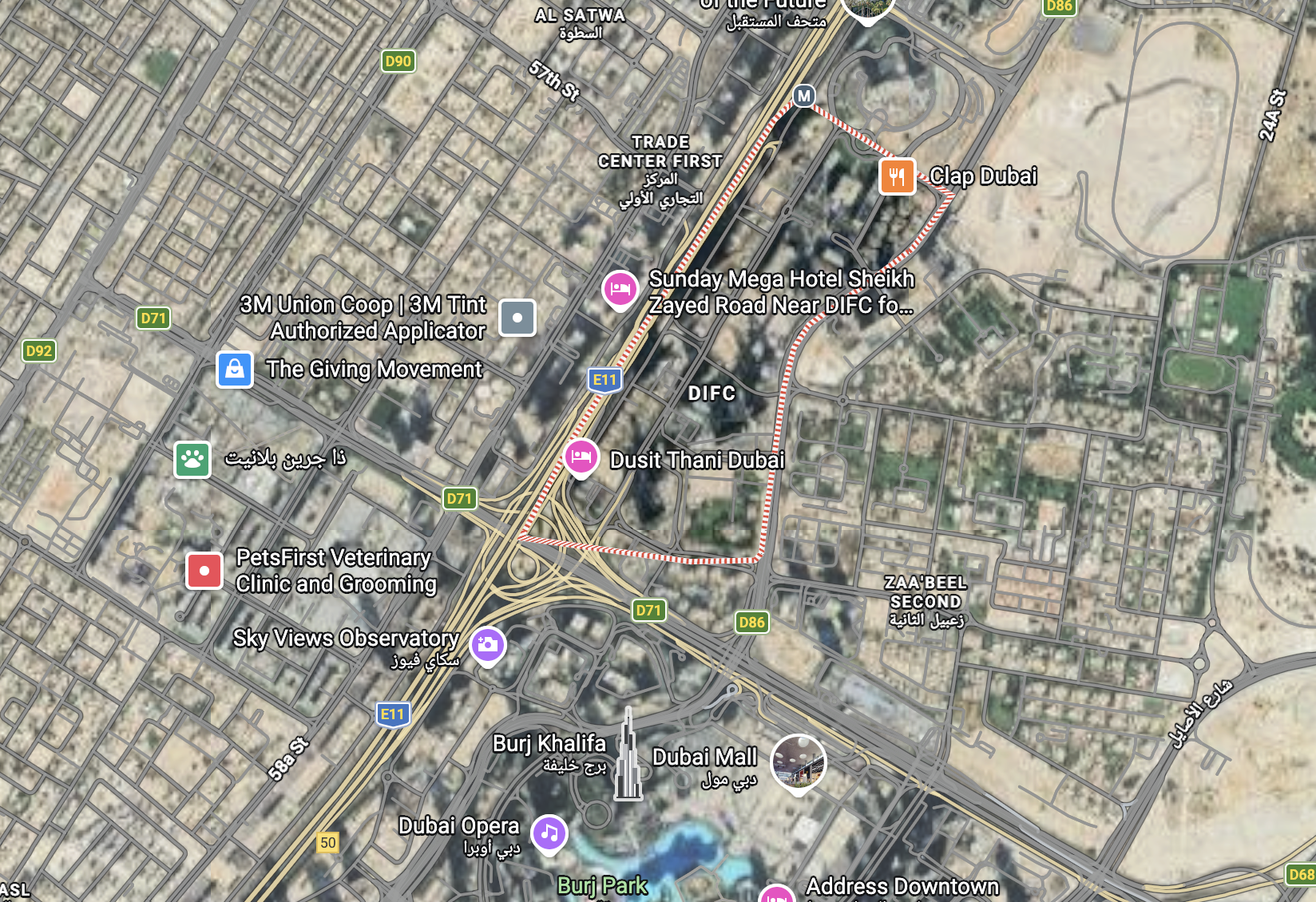
DIFC access is one of its unfair advantages. The district is close to Financial Centre Metro Station, and many of the landmark buildings advertise that proximity as a key benefit.
Road access is also straightforward, with immediate connectivity to Sheikh Zayed Road, and short hops into Downtown and Business Bay.
Nearby landmarks that shape demand
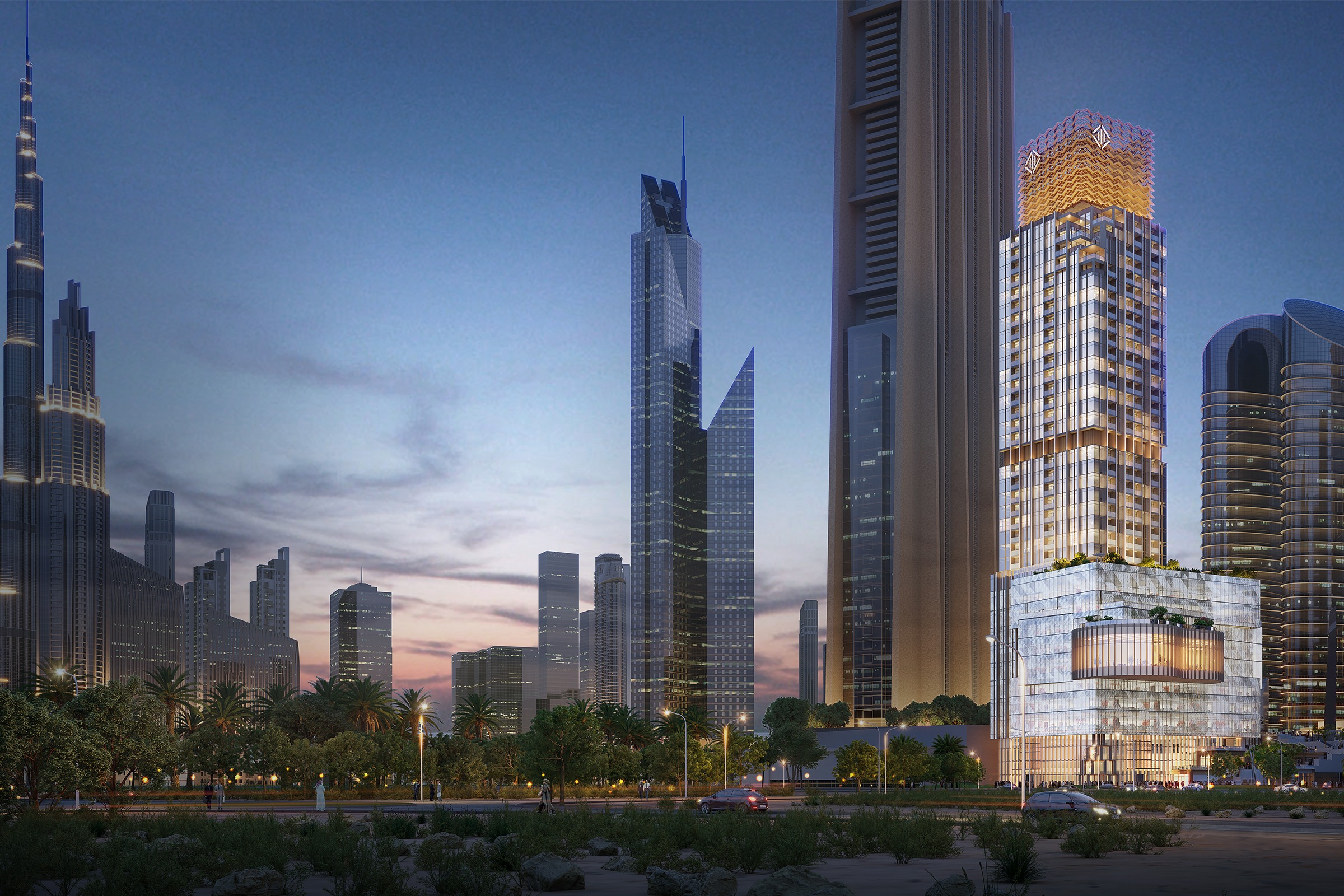
The reason DIFC rents well is partly DIFC itself, and partly what sits right next to it. Being close to Burj Khalifa, The Dubai Mall, and the wider Downtown ecosystem keeps DIFC in a “convenience premium” category for both residents and corporate tenants.
DIFC vs Downtown vs Business Bay
This is not a “winner” comparison. It is more like choosing a base, then underwriting the deal inside that base.
| Factor | DIFC | Downtown Dubai | Business Bay |
|---|---|---|---|
| Best vibe match | Polished, corporate, walkable, gallery and dining culture | Iconic, lifestyle-led, tourist energy, premium views | Faster moving, mixed inventory, lots of choice, commuter friendly |
| Typical tenant profile | Finance, consulting, legal, execs, founders | Professionals plus high short-stay demand | Broad professional demand, especially office-linked tenants |
| Yield expectations | Often mid-single digits, can push higher in specific buildings, but underwrite net after charges | Often slightly lower gross yield than mid-market areas, but strong liquidity in prime stock | Frequently positioned as a balance of yield and centrality, building selection matters |
| Why buyers choose it | Prestige plus real business density, “live next to work” | Icon status and resale appeal | Variety, price bands, and proximity to multiple districts |
If you want a broader yield comparison across Dubai communities (useful context before you pick DIFC), this guide on Dubai rental yields by community is a solid starting point.
The towers people keep asking about
In DIFC, building choice is half the strategy. The names that come up constantly include Sky Gardens, Park Towers, Central Park Towers, Burj Daman, and Index Tower.
Even a quick look at rental listings shows how wide the spread can be. For example, Bayut’s Park Towers rental pages show asking rents ranging broadly depending on unit and listing specifics.
Residential, towers, pricing logic, and what actually drives returns
If Batch 1 was the “why DIFC” story, this batch is the part people use to make decisions. Because in DIFC, the building you pick is basically the investment thesis. Two apartments can be the same size on paper, but one rents instantly and resells clean, and the other sits there while you slowly question your life choices.
The short version of DIFC residential stock
DIFC residential inventory is mostly high-rise apartments: studios, 1-bed, 2-bed, then fewer 3-bed options, plus a small premium segment that pushes the lifestyle angle harder. That’s why DIFC works so well for professionals and corporate tenants, and less well for larger families who want space, parks, and a quieter pace.
As a pricing anchor, Bayut’s sale index for DIFC apartments shows mid-to-high AED 2,000s per sq ft for 1-bed and 2-bed segments, with 3-bed trending higher.
Now the rental side, because that’s where most investors focus first: Bayut’s DIFC rental stats put average 1-bedroom rent in the area around the mid AED 100k range annually, but the range is wide and tower-driven.
The towers everyone asks about, and what they feel like
Below is a practical “what to expect” table. Not perfect, because buildings evolve and listings are noisy, but it’s the right starting lens.
| Tower | Best fit | Typical 1-bed rent ranges shown on portals | Yield notes you should know |
|---|---|---|---|
| Sky Gardens | Tenants who want walkability and a residential vibe, not purely corporate | AED 115k to 175k for 1-beds listed recently | Bayut building guide shows strong ROI figures, studios and 1-beds can be high versus many DIFC peers |
| Park Towers | Value and liquidity, practical layouts, strong “rentability” | Park Towers 1-beds often sit around low-to-mid AED 100ks, average also reported in that band | Bayut indicates ROI can reach the mid 7% range in some cases, again very unit-specific |
| Central Park Towers | People who want to be close to DIFC action but still feel slightly “buffered” | AED 140k to 216k shown for 1-beds | Bayut notes ROI can be attractive here too, often positioned as a stronger-yield DIFC option |
| Burj Daman | Premium finishes, strong prestige, higher budgets | 1-bed averages reported around AED 184k, with wide total rent bands | Bayut building guide shows lower ROI than some DIFC “yield plays”, more lifestyle, more brand |
| Index Tower | Iconic tower living, design-led tenants, executives | 1-bed averages reported around AED 166k, and the band stretches much higher for larger units | Bayut’s building guide shows ROI around the mid single digits in many cases, again net matters |
A small, honest note: I’ve seen investors chase “highest advertised yield” and miss the quieter truth, in DIFC, the most reliable returns usually come from units that are easy to rent, easy to maintain, and easy to resell. Glamour is great, vacancy is not.
How to think about yield in DIFC without fooling yourself
When people say “DIFC studios are doing 7% plus”, they’re often talking gross yield, and often about specific buildings where demand is unusually strong. Bayut’s building-level data does show studio and 1-bed ROIs that can reach into the 7% range in some DIFC towers.
But your decision should be based on net yield, and net yield is where service charges, furnishing strategy, and vacancy risk do the real damage.
A simple net-yield sanity check
Use this quick structure when you underwrite any unit:
- Annual rent (realistic, not “best listing”)
- Minus vacancy buffer (even 1 month a year is meaningful)
- Minus service charges (often the silent killer in premium towers)
- Minus maintenance, DEWA, internet, small repairs
- Minus leasing fees and management if you outsource
- Minus furnishing depreciation if furnished
If after that you still like the return, great, you have something real.
DIFC expansion, and why it matters for property owners
This is the forward-looking part, and it’s a big one.
DIFC has publicly announced a major AED 100 billion expansion tied to the Zabeel District, with messaging around future technologies and large-scale capacity growth. Reuters also reported the development value in USD terms, with a long runway to 2040 and a stated capacity to host tens of thousands of companies.
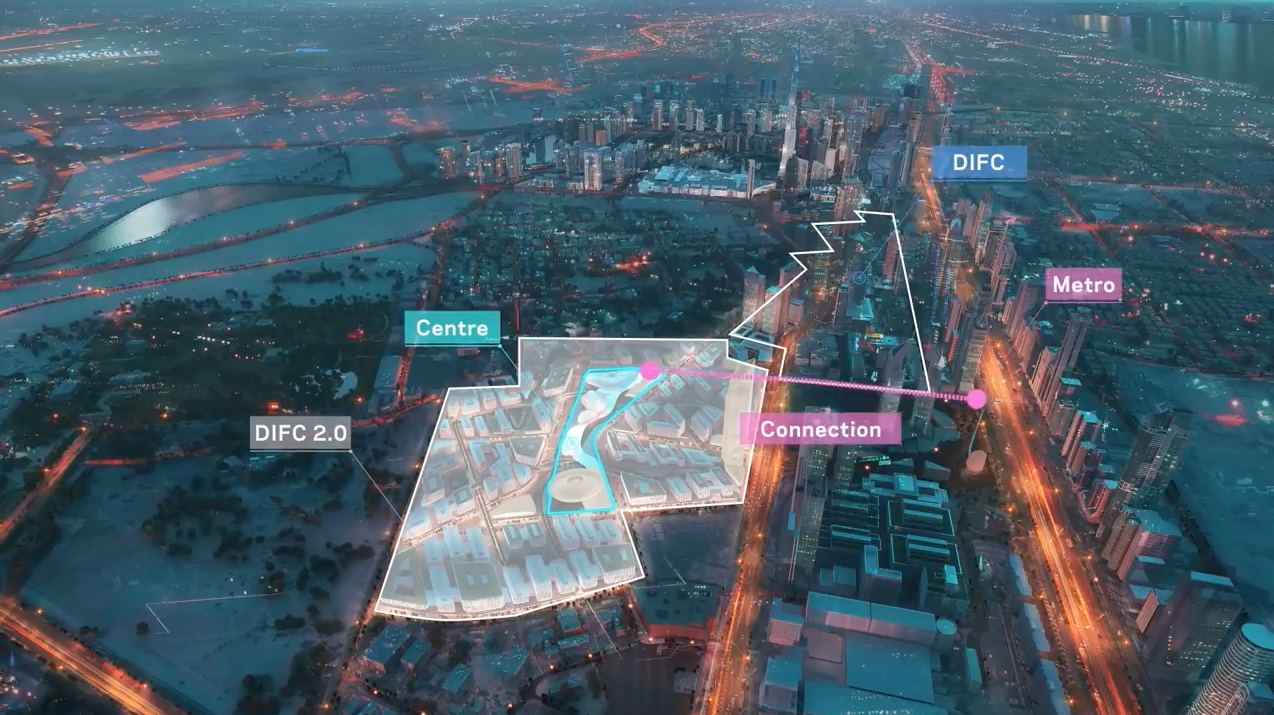
At the same time, DIFC has reported active registered companies exceeding 8,000, with continued momentum in financial and innovation-related firms.
What that could mean for residential investors: more employees, more visitors, more corporate housing demand, more “I want to live close to work” renters. But, and this matters, expansion also brings new supply over time. So the winners will likely be the buildings that remain desirable even when tenants have more choice.
DIFC vs nearby areas, decision checklist
If someone asked me “should I buy in DIFC”, I’d probably answer with questions, not a yes or no.
DIFC is usually a good fit if you want
- A tenant base tied to finance, legal, consulting, executive roles
- Central convenience near Downtown Dubai and Business Bay, with quick road access and metro connectivity
- Strong resale liquidity in known towers, not necessarily “cheap entry”
- A lifestyle district anchored by Gate Avenue and the DIFC core
DIFC might not be a good fit if you need
- A quiet, family-first community feel
- Large layouts at value pricing
- A strategy that depends on ultra-low holding costs
Lifestyle, walkability, daily routines, and what it is actually like to live here
DIFC is often described like a headline, finance hub, luxury towers, fine dining. True, but it misses the more practical question people ask once they are seriously considering moving in, or buying, which is, what does an average Tuesday feel like?
In DIFC, Tuesday usually feels efficient. You can walk to coffee, walk to meetings, walk to dinner, and the district is designed to keep you inside a polished little bubble. Gate Avenue is one of the key “connectors” for that, it is built around retail, dining, galleries, and a year-round events calendar, with both outdoor promenade space and an indoor walkway, so it stays usable even in hotter months.
Key DIFC micro-areas, explained like you are actually navigating them
People say “I live in DIFC” but they usually mean one of these pockets.
- Gate Village, think art galleries, terraces, dining, and open-air spaces, it is one of the most “stroll-friendly” parts of DIFC.
- Gate Avenue, more retail-forward, very walkable, and designed as an all-season link between parts of the district.
- Gate District, the wider core zone around the Gate building and offices, it tends to feel the most corporate during the workday, then softens into lifestyle at night.
- Residential clusters, the tower zones people actually rent in, where your daily life depends on building quality, lift times, gym quality, and whether the lobby feels like a hotel or a waiting room.
Dining, cafes, and the “I can walk everywhere” factor
I think DIFC is one of the few places in Dubai where you can genuinely decide not to drive for an evening. That sounds small, but it changes your quality of life fast.
Gate Village and Gate Avenue both lean heavily into dining, cafes, and terraces, and DIFC itself frames these areas as places to dine, explore galleries, and spend time in open-air spaces.
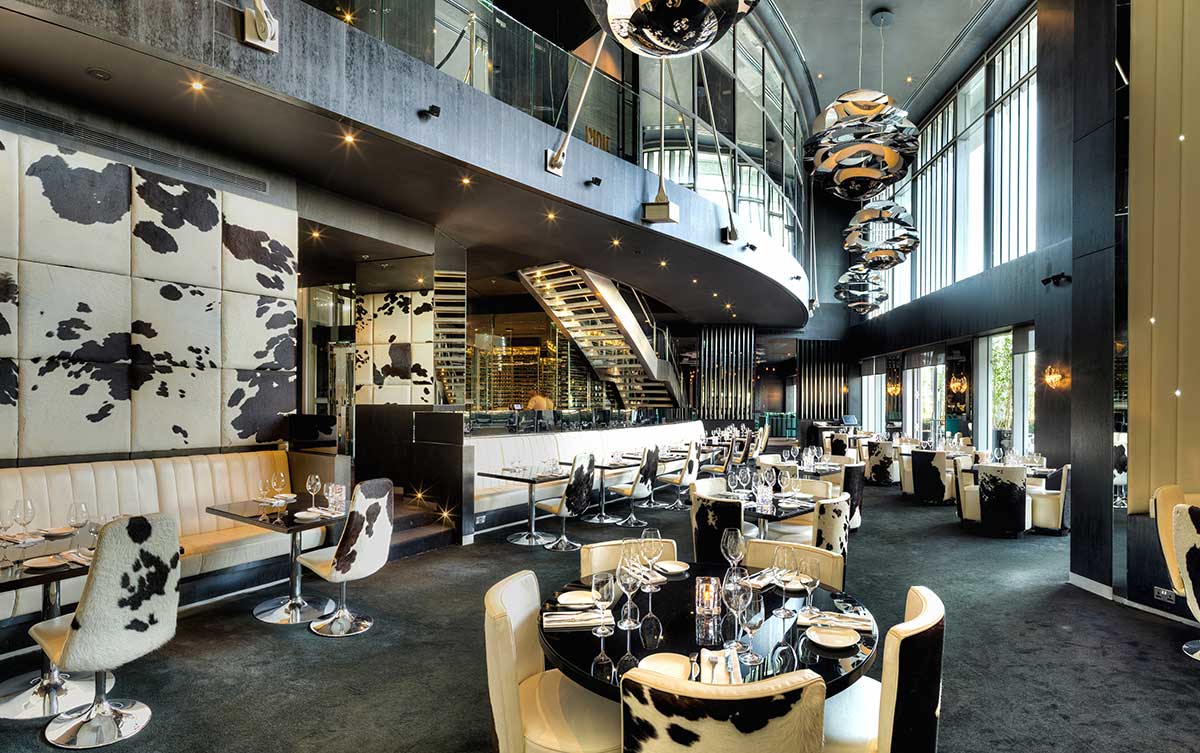
If you want a simple line for the blog that reads human, here is the honest version: DIFC is expensive, but it is convenient, and convenience is what people actually pay for.
A quick lifestyle cost reality table
Not numbers, because pricing changes weekly, but decision logic.
| Lifestyle item | DIFC tends to be | Why it matters for renters and investors |
|---|---|---|
| Coffee and casual lunches | Premium | Higher-income tenants tolerate this, it supports stable rent bands |
| Fine dining and business dining | Very strong | Corporate demand, client meetings, expense-account culture |
| Daily groceries | Mixed | Depends on your building and whether you are walking or driving for shops |
| Gyms and wellness | Strong but building-dependent | A great gym inside a tower can reduce vacancy risk for certain tenant types |
Arts, culture, and events, the part most area guides rush past
A lot of guides name-drop “art scene” and move on. DIFC actually leans into it.
DIFC’s own experience pages position Gate Avenue and Gate Village as places where retail and restaurants sit alongside galleries, and they also highlight an active calendar of events and activities.
- Start in Gate Village for a gallery browse and a slow coffee.
- Walk across to Gate Avenue for shopping, salons, and dinner plans, it is built to be that connector space.
- End with a late dessert or a final walk, DIFC is one of the few central districts where that still feels comfortable.
Walkability and transport, what it means in practice
Most Dubai “walkable” claims are a little optimistic. DIFC is one of the exceptions, not perfect, but meaningfully better than most.
And if you are coming from London, Toronto, New York, you will care about this a lot.
DIFC walkability comparison table
| Area | Walkability | Best for | Watch-outs |
|---|---|---|---|
| DIFC | High, for Dubai | Professionals who want a compact routine, dining, galleries, office proximity | Price, service charges, traffic at peak times |
| Downtown Dubai | Medium to high in pockets | Icon views, nightlife, short-stay demand | Tourist density, seasonal crowd swings |
| Business Bay | Medium, improving | Value-relative centrality and broad inventory | Some pockets feel fragmented, car dependence can creep back in |
| City Walk | High | Low-rise lifestyle, cafes, “neighborhood feel” | Smaller inventory, pricing can be premium |
DIFC is closely tied to the Financial Centre Metro Station corridor on the Red Line, and that is a major reason it works so well for commuters and corporate tenants.
The investor lens, what lifestyle tells you about tenant quality
Lifestyle is not fluff, it is demand infrastructure.
When a district has dense offices, dining, retail, and walkability, it tends to attract higher-income tenants who renew leases, treat the unit better, and do not negotiate every dirham. That is not always true, but in DIFC it is common enough to underwrite as a pattern.
Bayut’s DIFC rental index and area guides show the rental market is active, with apartments ranging from studios to larger layouts, and pricing that varies meaningfully by building.
How the DIFC expansion story fits into lifestyle and demand
DIFC has announced the Zabeel District expansion, described as a landmark AED 100 billion project, with a big emphasis on future technologies and an AI Campus component. Reuters reporting adds detail on scale and timeline, including delivery phases towards 2030 and a longer completion horizon to 2040.
Buy vs rent in DIFC, net yield reality, and a shortlisting framework that actually works
At some point, every DIFC buyer hits the same fork in the road.
Do you buy because you want the address and the daily convenience, or do you buy because the numbers work, even after you strip out the “DIFC premium” emotion? Ideally it’s both, but, honestly, it’s often one first, then you make the other one fit.
DIFC buy vs rent, how most people decide
Here’s a clean, decision-useful table that mirrors what I see in real conversations.
| Decision goal | Renting in DIFC tends to make sense when | Buying in DIFC tends to make sense when |
|---|---|---|
| Lifestyle first | You want to test the building, the lifts, the noise, the gym, the vibe, without commitment | You already know the tower you want, or you want long-term stability and control |
| Investment first | You are still comparing net yields across central Dubai | You can underwrite net yield confidently, and you are not relying on best-case rent |
| Flexibility | You might leave Dubai within 12 to 24 months | You see yourself holding through multiple cycles and you value the resale liquidity of known towers |
| Cashflow pressure | You want predictable monthly costs | You can carry service charges and occasional maintenance without stress |
The net yield part people skip, then regret later
I’m going to say this plainly because it saves people money.
In DIFC, gross yield is interesting, net yield is what you actually own.
DIFC towers can post attractive ROI figures in listings and portal data, especially for studios and certain 1-beds. But the gap between gross and net can be meaningful in premium buildings, mainly because of service charges and the cost of keeping a unit “executive ready”.
A quick net yield checklist for DIFC units
When you’re assessing a unit, ask for these items early, not after you’ve mentally committed:
- Service charge history (last 2 to 3 years if possible)
- Sinking fund status and whether major works are expected
- Chiller arrangement and what is included vs billed separately
- Typical maintenance tickets for that building, lifts, AC, water pressure, common areas
- Comparable rents for the same line, same view direction, same furnishing level, not just “a 1-bed somewhere in the tower”
If you want a simple underwriting structure, use this:
Net annual cashflow = rent collected minus vacancy buffer minus service charges minus maintenance minus leasing or management fees minus furnishing depreciation.
Even a one-month vacancy buffer changes your yield materially. And in DIFC, vacancy risk is often less about area demand and more about unit positioning, layout, view, condition, and whether your asking price is realistic.
A shortlisting framework for DIFC towers that feels practical
I’d shortlist DIFC buildings using three filters. It’s not complicated, it’s just disciplined.
Filter 1, Tenant demand strength
DIFC benefits from dense business demand, and DIFC reporting highlights more than 8,000 active registered companies and tens of thousands of professionals in the ecosystem.
That matters because it supports corporate tenants, executive rentals, and people who prefer a short commute more than they prefer a bigger living room.
Filter 2, Liquidity and resale clarity
In DIFC, the “most famous” towers often resell with fewer surprises because buyers already understand them. This is why names like Sky Gardens, Park Towers, Central Park Towers, Burj Daman, and Index Tower keep coming up.
The tower isn’t the whole story, the specific unit line is, but starting with liquid stock reduces risk.
Filter 3, Net costs you can actually live with
This is where some premium buildings look great on Instagram and less great in a spreadsheet. I’m not saying avoid prestige, not at all, I’m saying decide what you’re buying: lifestyle, yield, or a blend.
Furnished vs unfurnished, and why DIFC tends to favor furnished
In many Dubai areas, unfurnished can be totally fine. In DIFC, furnished often performs better for a simple reason, a lot of the tenant base is professional, time-poor, and willing to pay for convenience.
But furnishing is not “free money”. The wear and tear is real, and styles date faster than people expect. If you go furnished, keep it calm and durable. Neutral, clean lines, easy maintenance. The goal is to look high-end without being fragile.
A forward-looking approach that works well in DIFC is “executive minimalism”, something that photographs well for listings but still survives normal life.
DIFC vs Downtown vs Business Bay, investment comparison
This comes up constantly, so here’s the clearest comparison I can give without pretending it’s one-size-fits-all.
| Factor | DIFC | Downtown Dubai | Business Bay |
|---|---|---|---|
| Core demand driver | Business density and premium lifestyle ecosystem | Global landmark pull, hospitality, lifestyle | Mixed central demand, large inventory, office adjacency |
| Pricing tone | Premium, price per sq ft supported by centrality | Premium, especially view-driven | Wider bands, more “find a deal” opportunities |
| Best unit strategy | Studios and 1-beds that rent fast, net costs controlled | View-driven units or prime buildings with strong resale | Pick the micro-location carefully, avoid fragmented pockets |
| Main risk | Overpaying for prestige, ignoring net costs | Paying for views that are hard to replicate | Supply competition, building quality variance |
DIFC is a premium, walkable, business-anchored district, it often delivers strong tenant quality, but investors should underwrite net yield carefully because holding costs can be meaningful.
The expansion story, what it could change, and what it will not
DIFC’s Zabeel District expansion has been announced as a landmark AED 100 billion plan, with phased delivery and a stated completion horizon to 2040, plus an initial public opening target around 2030.
This is one of those developments that can strengthen the “live near work” logic over time, especially if it pulls in more firms and more talent. But it’s also honest to say new supply arrives with expansion, so your defense is still the same: buy good units in buildings people consistently choose.
FAQs
Is DIFC a freehold area?
Parts of DIFC include residential towers available for purchase by eligible buyers, and listings across major portals show active for-sale inventory.
Is DIFC good for property investment?
It can be, especially for studios and 1-bed units with consistent rental demand, but investors should focus on net yield after service charges and vacancy buffers.
What is the average price per square foot in DIFC?
Pricing varies by building and unit type. Bayut’s sale index for DIFC apartments shows figures around AED 2,736 per sq ft for 1-bed and AED 2,441 per sq ft for 2-bed, with larger units higher.
How many companies are based in DIFC?
DIFC reporting in late 2025 references over 8,000 active registered companies.
What is Gate Avenue and why does it matter?
Gate Avenue is a retail and dining spine that strengthens walkability, which supports tenant experience and demand, especially for professionals who want convenience.
Is DIFC common law?
DIFC promotes a legal and regulatory framework based on common law principles, and DIFC Courts information describes independent administration of justice in the DIFC under Dubai laws.
Does DIFC mean zero tax?
For corporate structuring, the UAE Ministry of Finance notes that free zone entities are within the scope of corporate tax, but a qualifying free zone person can benefit from a 0% corporate tax rate on qualifying income, subject to conditions.
Schools, daily essentials, buyer checklist, and a clean finish
If DIFC is your “I want to live central” idea, this is the part where it turns into real-life logistics. Because the moment you start thinking seriously, you stop asking only about views and start asking things like, where do I park, where do I grab groceries, is the lift situation annoying, and if I have kids, what does the school run look like?
A quick lifestyle anchor
DIFC leans hard into a walkable routine, especially around Gate Avenue, which DIFC positions as a dining and shopping destination, with parking rules that matter if you drive in regularly.
And Gate Village is still the “stroll and linger” pocket, galleries, terraces, that slightly calmer feel compared to the office-heavy core.
Schools and family considerations near DIFC
Let’s be honest, DIFC itself is not designed like a suburban family community. It’s a premium, vertical neighborhood. Some families love that, some bounce off it fast.
What works well for families
- You want central living, and you are happy with apartments.
- You like the idea of being close to everything, and you are okay with driving for bigger parks or weekend family space.
- You prefer a “city family” rhythm, cafes, museums, Downtown nearby, rather than a villa lifestyle.
What can feel harder
- Daily school runs can be traffic-sensitive, timing matters a lot.
- Larger unit supply is thinner, especially “family sized plus storage plus helper room” setups.
- Weekend outdoor time often means leaving the district.
How to choose schools without guessing
The most reliable approach is using KHDA’s Education Directory to shortlist schools, then filter by location and curriculum.
If you have younger kids, KHDA also maintains an Early Childhood Centres directory that can help you map nursery options around your commute corridors.
A small practical tip, most DIFC residents who have kids end up choosing schools in surrounding zones like Jumeirah, Al Satwa, Downtown, or further out based on curriculum first, then they optimize the commute second. It sounds backwards, but it tends to reduce regrets.
Groceries, gyms, clinics, and the “Tuesday night errands” test
This is the hidden reason DIFC rents well. People pay for frictionless living.
Essentials checklist, what renters care about
| Category | What tenants usually want in DIFC | What you should check before buying |
|---|---|---|
| Groceries | Close, quick, parking not painful | Is the closest option walkable, or are you driving every time |
| Gyms | A strong building gym is a big plus | Visit it, don’t rely on photos, check equipment age |
| Clinics | Easy access to basic care | How fast can you get to Dubai Healthcare City or nearby clinics when you need it |
| Delivery | Smooth access for food, groceries | Concierge rules, visitor parking, delivery access policies |
I know this sounds boring, but it’s the stuff that drives renewals. A renter will tolerate a slightly smaller living room if the building works, the lobby is smooth, and the day-to-day is easy.
Buyer checklist, the DIFC version
Here’s the checklist I’d want in front of me if I was viewing units back-to-back and my brain was starting to blur.
1) Unit positioning and livability
-
View protection: Is your view likely to be blocked by future construction, even partially?
-
Noise: Road exposure, restaurant terraces below, mechanical floors, and nightlife pockets.
-
Sun and heat: Afternoon sun can be beautiful, and brutal. Try to visit at different times.
-
Layout efficiency: In DIFC, two “same size” 1-beds can feel totally different.
2) Building mechanics, the stuff you feel after month one
-
Lift speeds and wait times at peak hours.
-
Parking allocation, guest parking, and how strict access control is.
-
Gym quality, pool maintenance, common area upkeep.
-
AC and chiller structure, what is included, what is billed separately.
3) Financial reality checks
-
Service charge history and any planned major works.
-
Realistic rent comps for the same line and furnishing level.
-
Vacancy buffer, even one month a year changes the story.
4) Compliance and paperwork
If you’re buying for investment, the basics still matter, but DIFC buyers sometimes get distracted by the “premium” feel and skip the boring checks.
-
Confirm ownership status and documentation through Dubai Land Department.
-
Make sure your agent provides a clean comparison set, not just “best listings” screenshots.
“Should I buy this unit?” a quick scoring table
Not scientific, but it’s a helpful gut-check when you’re torn between two apartments.
| Factor | Score 1 to 5 | Notes to write down |
|---|---|---|
| Rentability | How fast would this rent at a fair price | |
| Net cost control | Service charges, maintenance risk | |
| Building experience | Lifts, lobby, security, gym | |
| Layout quality | Storage, wasted space, kitchen usability | |
| Resale liquidity | Does this building trade often, do buyers recognize it |
If a unit scores high on vibe but low on net cost control, that’s not automatically wrong, it just means you’re buying lifestyle first, and the spreadsheet is secondary. Some investors are fine with that, as long as they admit it.
Forward-looking section, the expansion tailwind, with one important caution
DIFC is not standing still. The Zabeel District expansion has been announced as a major AED 100 billion development value plan, positioned as a long-term growth project. Reuters reporting adds detail on scale, timeline, and capacity, including first-phase delivery expectations around 2030 and an overall horizon to 2040.
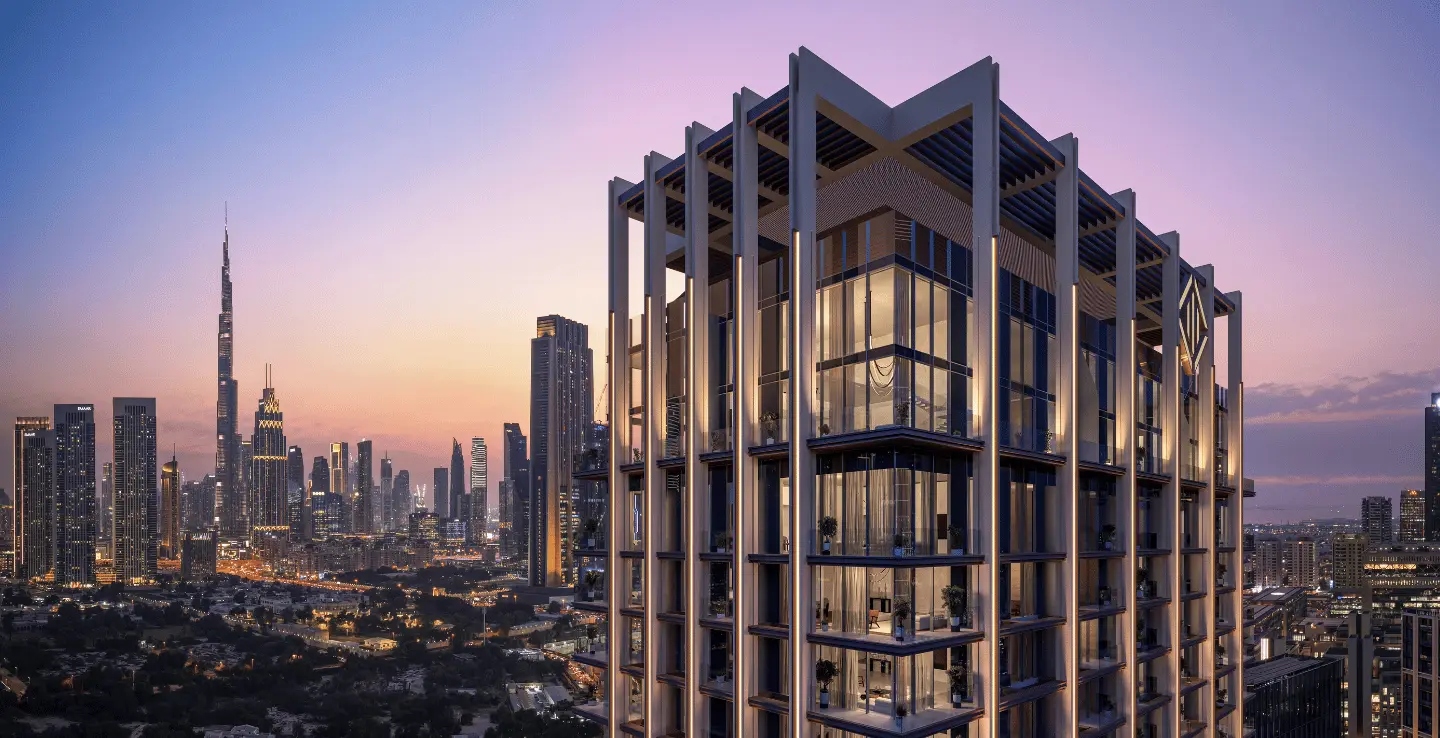
The tailwind is obvious, more firms, more talent, more demand for “live close to work”. The caution is also obvious, expansion can bring new supply. So the defensive play stays the same, buy units that are desirable even when tenants have more choices.
If you want, I can send a DIFC shortlist based on your budget and goal, lifestyle, yield, or a blend. I’ll include building notes, rent comps, and the “watch-outs” people only learn after moving in.