
The numbers that matter first
| Category | Details |
| Developer | Nakheel Properties |
| Total area | 17 sq km across 5 interconnected islands |
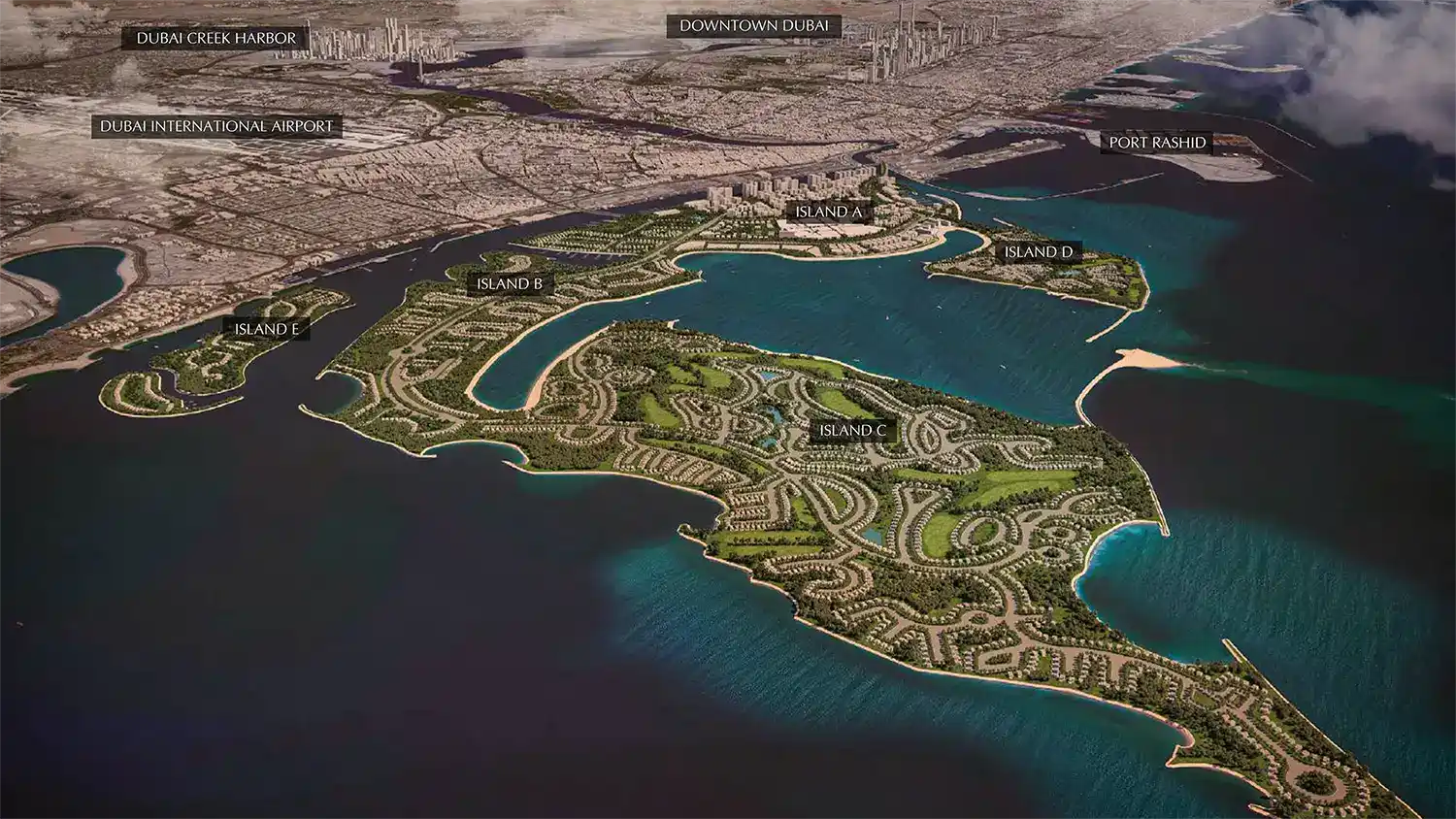
| The 5 islands | Island A (Central), Island B (Shore), Island C (Oasis), Island D (Golf), Island E (Elite) |
| Beaches | 21 km of coastline, including Blue Flag-certified zones |
| Hotels and resorts | 87 planned properties (luxury, eco, wellness, family, boutique) |
| Green spaces | 400% increase, nearly 2 sq km of parks and open areas |
| Golf courses | 18-hole championship course (Island C) plus a 9-hole course (Island D) |
| Property types | Freehold apartments, townhouses, penthouses, villas, and luxury estates |
| Starting prices | Off-plan apartments from ~AED 1.6M, villas from ~AED 4M |
| Connectivity | Infinity Bridge access, 20 min to DXB Airport, 25 min to Downtown Dubai |
| Completion | Phased handovers ongoing, full master plan in the late 2030s |
| Alignment | Dubai 2040 Urban Master Plan (sustainability, eco-tourism, walkability) |
The reason to pay attention to the northern coastline is not the marketing. It is the scale and the sequencing. Dubai Islands runs to 17 square kilometres, and what makes it worth a serious look is not that Nakheel is building luxury homes, which every developer does, but that it is building a coastal system, five islands with different jobs, wired together on one plan.
When Nakheel rebranded Deira Islands as Dubai Islands, it was a statement of intent. This was never meant to be an extension of the old city. It was designed as a destination in its own right, and it sits squarely inside the Dubai 2040 Urban Master Plan, which leans hard on sustainability, green space, and quality of life. Here is what the plan actually contains, because there is a lot to work through.
The vision behind the plan
At its core the plan is about two things: connectivity and lifestyle. Five islands, each with its own character, so whether you want high-energy urban living, a quiet wellness retreat, or an ultra-private estate, there is an island shaped for it.
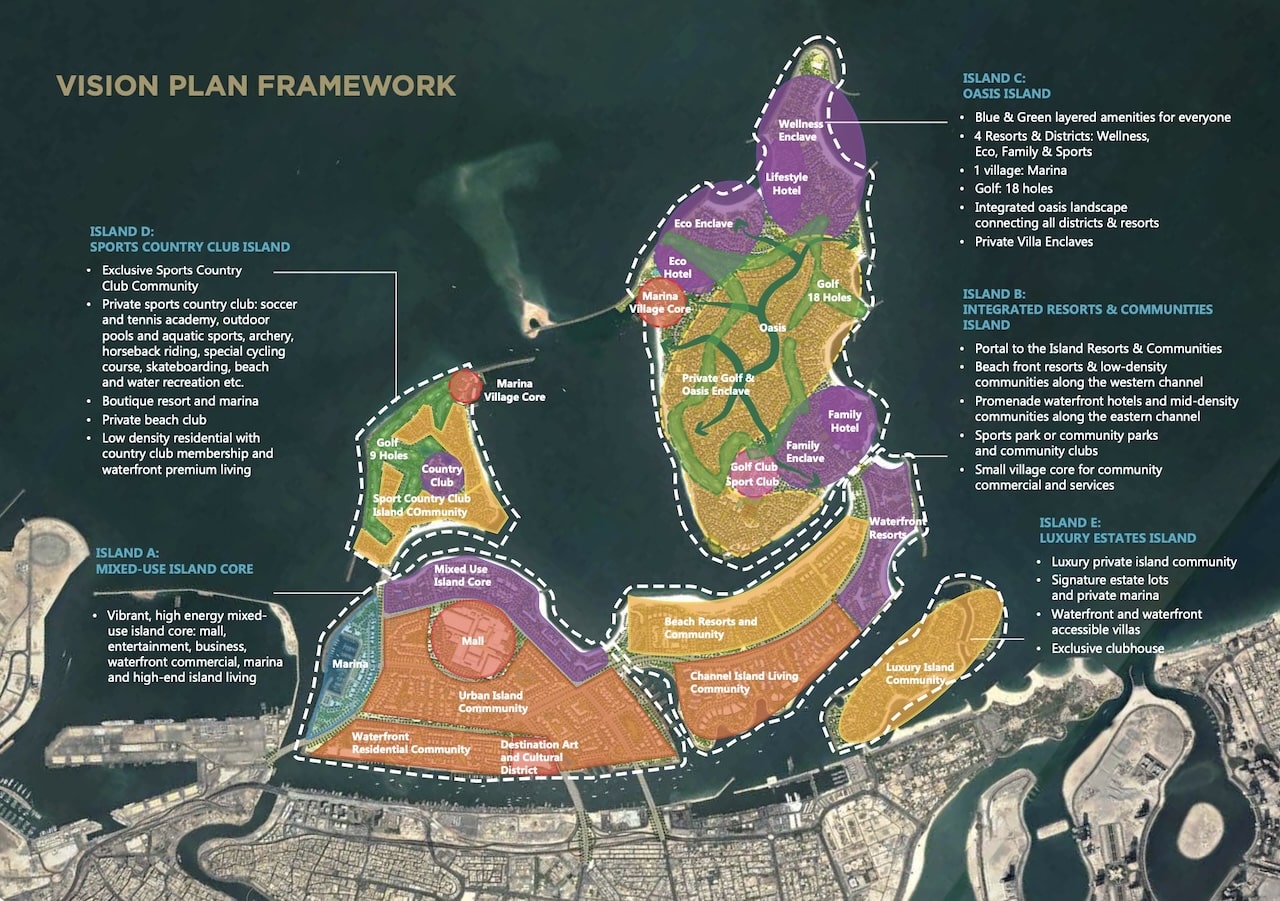
The green commitment is the part that stands out to me. The plan raises green areas by more than 400 percent, roughly two square kilometres of parks and open space threaded through the residential and commercial zones. In a city built on concrete and glass, that is a deliberate choice, and you can already picture the shaded walkways and parks that will link the neighbourhoods.
The waterfront is the headline draw. Over 21 kilometres of beaches, some Blue Flag certified, and a waterfront edge stretching 2.2 million square metres, so the sea is never far. Add luxury marinas, promenades, and more than 80 hotels and resorts, from eco-boutique stays to five-star properties, and you have coastal living aimed at residents and tourists alike.
For the wider investment picture, our Dubai Islands Area Guide lays out the available properties and how the community is shaping up.
The five islands, one by one
The clever part of the plan is the segmentation. Splitting 17 square kilometres into five islands lets Nakheel build specialised zones for very different lifestyles without losing the sense that it is all one place. Here is what each brings.
Island A: the mixed-use central hub
Island A, the Central Island, is the engine room. If you want energy, convenience, and everything at your doorstep, this is it: a high-density mixed-use core pulling together commercial, retail, entertainment, and residential.
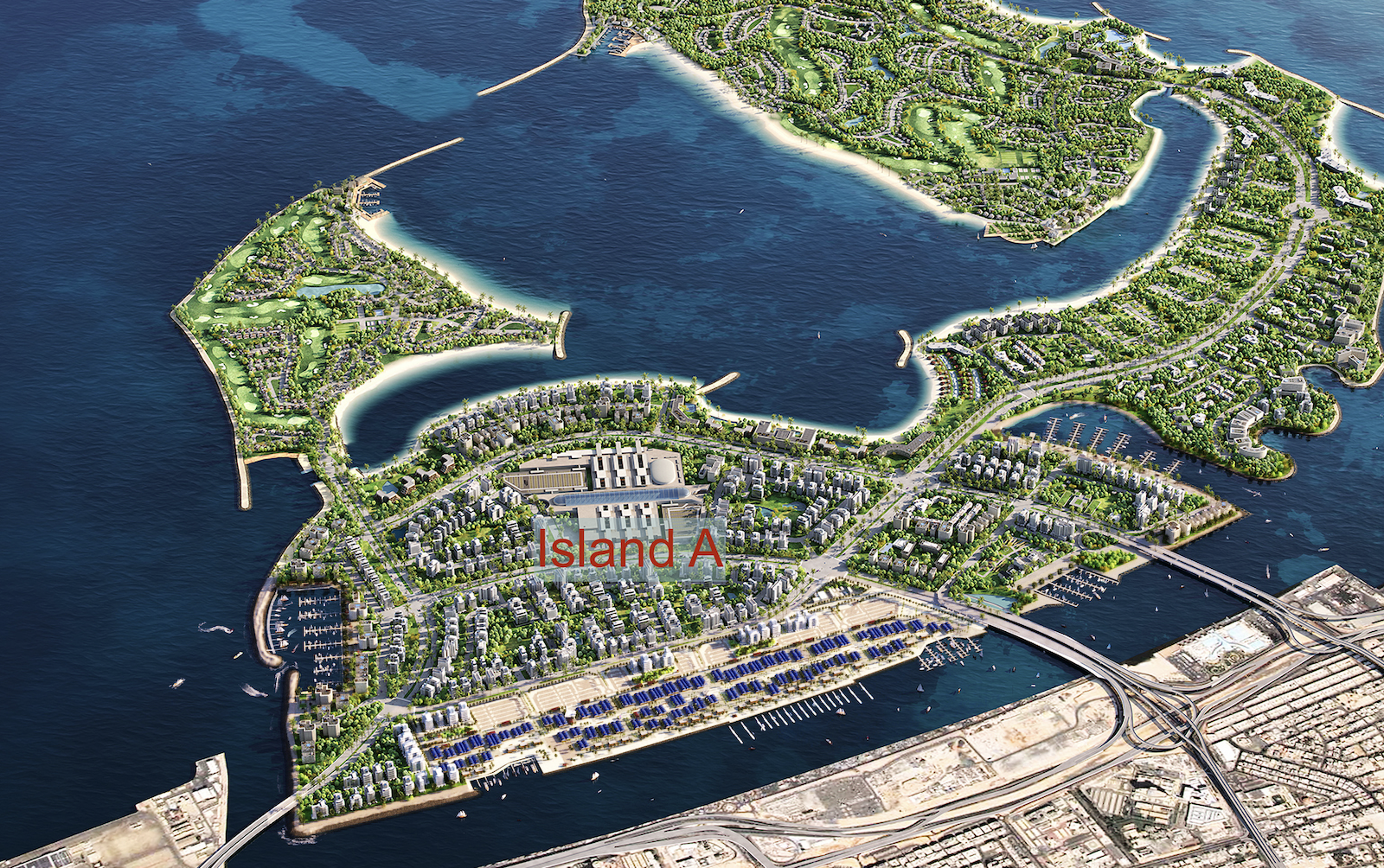
The anchor will be a large marina mall serving as the retail and entertainment hub for the whole archipelago, plus waterfront commercial space for business and dining with a view, and a dedicated arts and culture district for events. With around 28,500 residential units planned, from apartments to penthouses, Island A is built for people who want island life without giving up city convenience. Busy, dynamic, and a bit much if you came for calm.
Island B: integrated resorts and communities (Shore Island)
Step away from the centre and Island B, or Shore Island, is the gateway to the more relaxed resort and community zones. It balances beachfront living with mid-density housing, mixing luxury beach resorts and family-friendly communities.
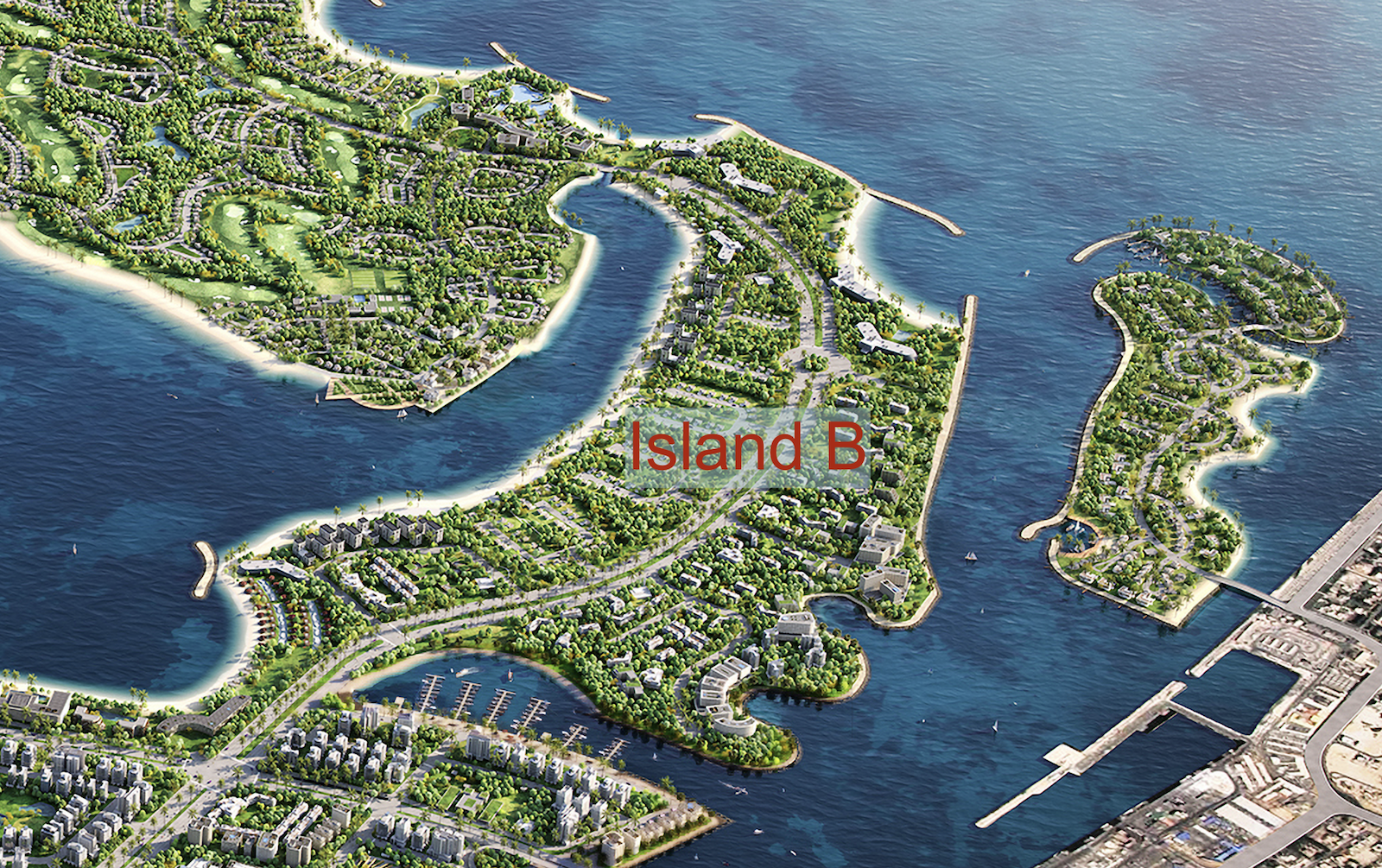
The promenades here are made for walking, lined with hotels, parks, and clubs, and the whole thing has a neighbourhood feel anchored by a village core. The planned Rixos resort should set the tone for the hospitality on offer. With over 300,000 square metres of open space and 45 planned hotels, Island B is built around leisure and tourism, which makes it a prime spot for investors watching short-term rental yields.
If you are weighing the longer game, our Dubai Islands Investment Deep Dive 2026-2027 gets into expected returns and market trends.
Island C: Oasis Island
If Island A is the energetic core, Island C is its opposite. Named Oasis Island, it puts wellness, nature, and quiet first, envisioned as a green green retreat from the city.
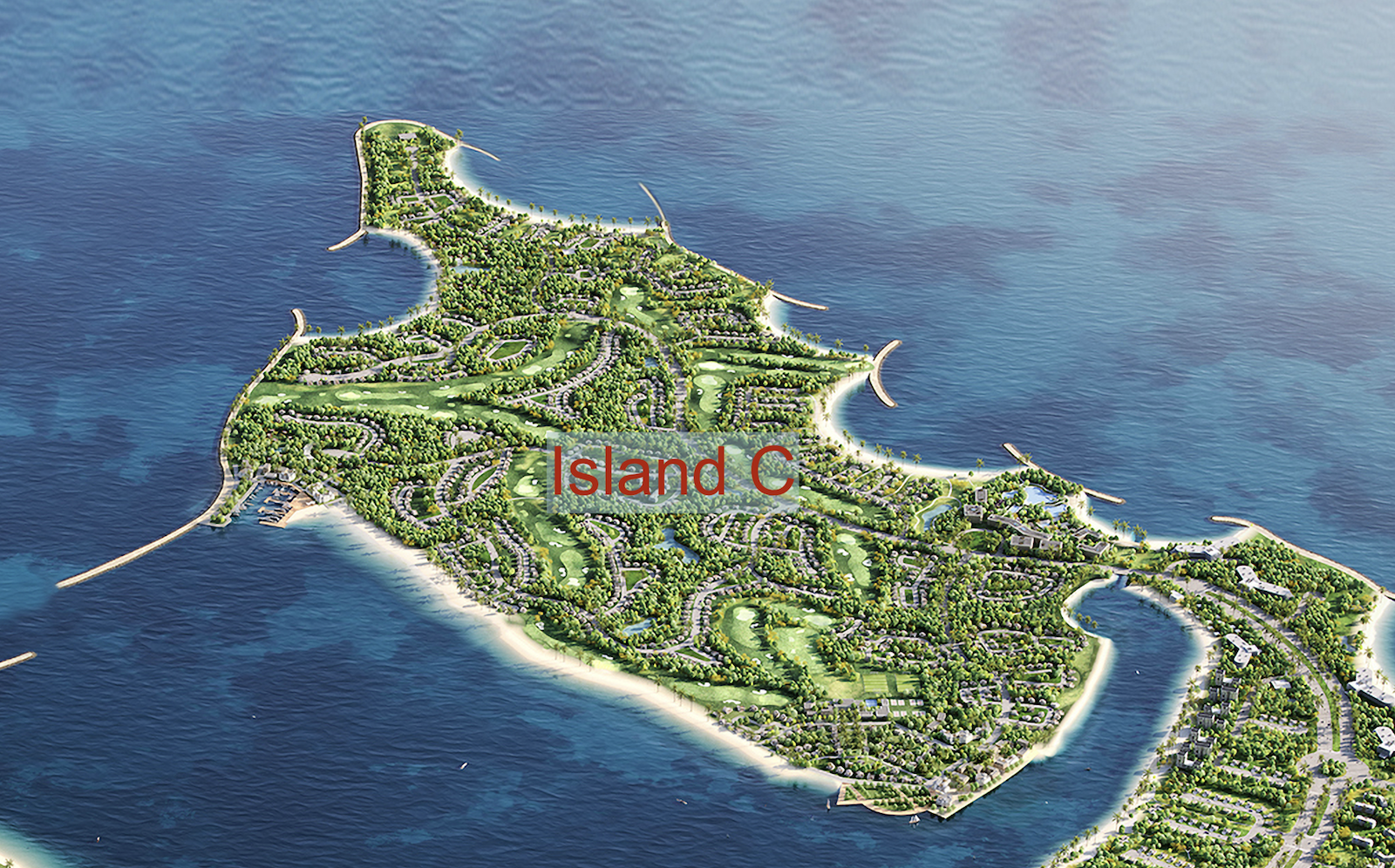
The landscape here runs to more than 1.1 million square metres of parks and open areas, an integrated retreat linking the districts and resorts. Four resort concepts are planned, aimed at wellness, eco-tourism, family, and sport. Residents get private villa communities for a secluded feel, and golfers get an 18-hole championship course built into the landscape. It is green, it is calm, and it feels like a different world from the Central Island.
Island D: sports and country club island (Golf Island)
Island D is built for active lifestyles. Often called Golf Island, it is the sports and recreation hub of the plan.
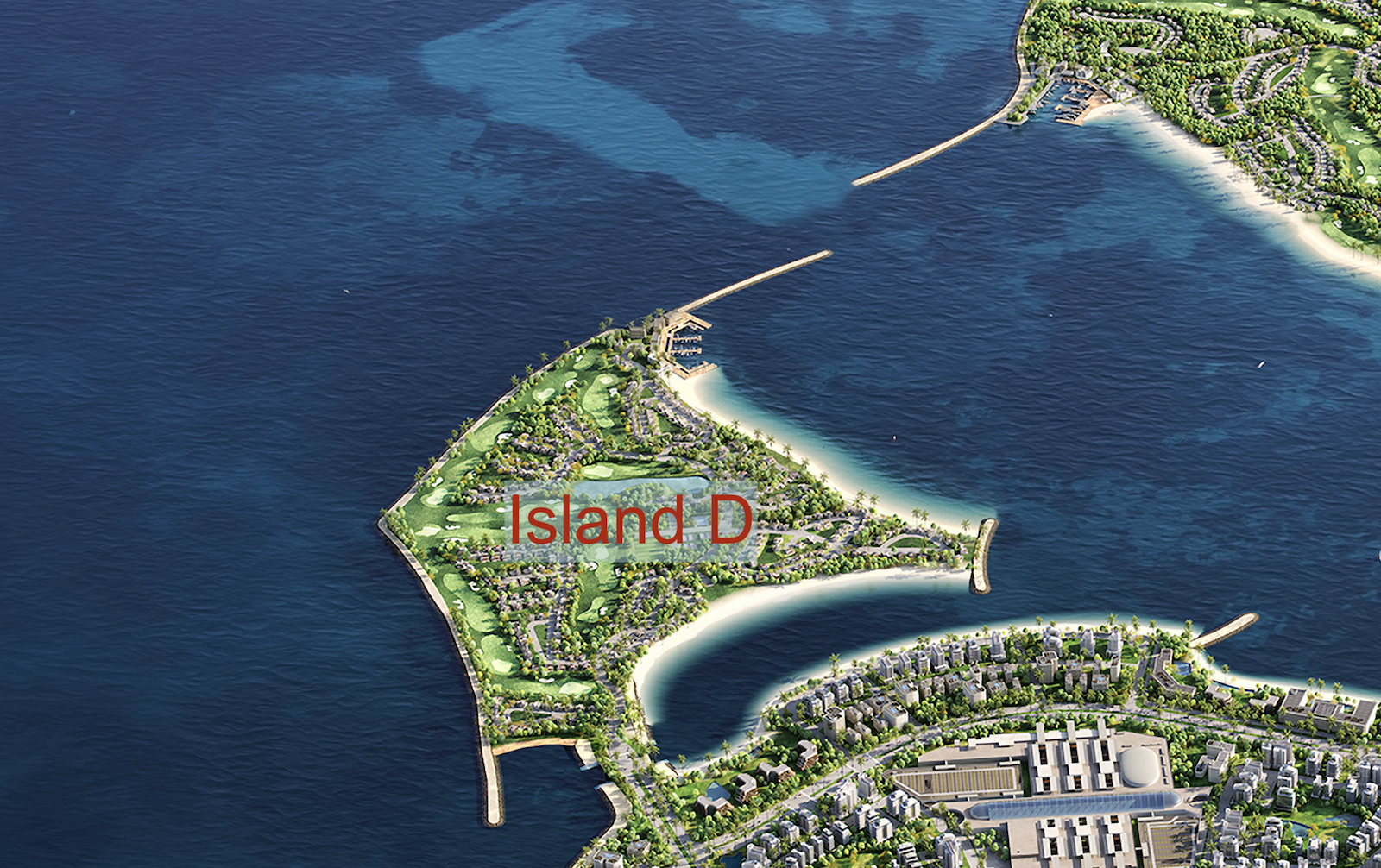
The centrepiece is a sports country club with facilities for soccer, tennis, archery, horse riding, and cycling, a proper hub rather than a token gym. There is a 9-hole golf course and plenty of water sports, including a private beach club and marina. The housing is deliberately low-density: premium waterfront living where homes come with country club memberships. With over 300 villas planned and 30,000 square metres given to sports and club facilities, Island D is a niche, but a niche Dubai buyers chase.
Island E: luxury estates island (Elite Island)
Island E is the top of the pyramid. Designed as a private luxury community, Elite Island is for buyers who want the most privacy and the most space.
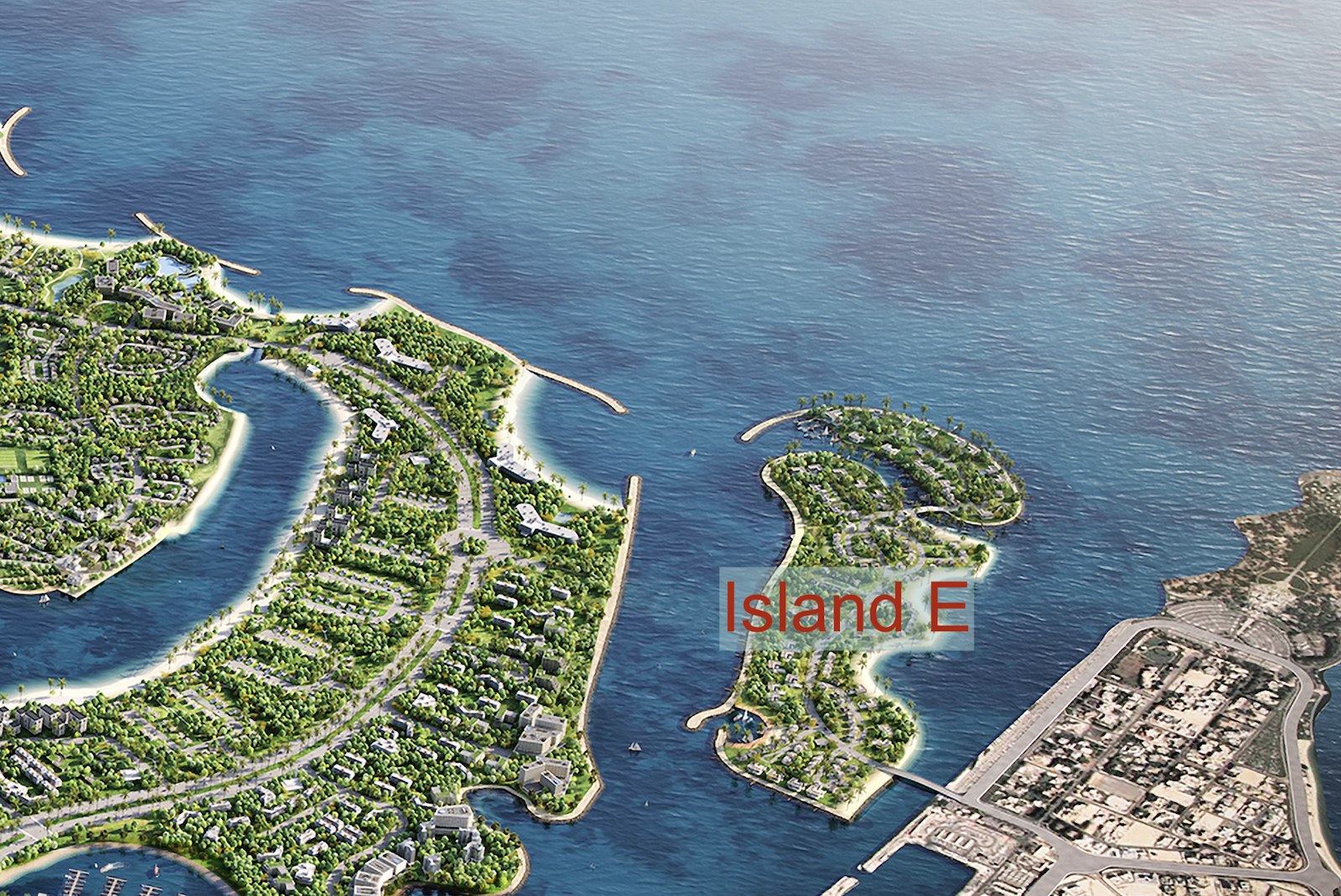
There are no commercial zones. The island is given over entirely to high-end waterfront villas, private estates, and ultra-luxury residences. With only about 80 signature estate lots planned, many with private marina access, the density is very low. The focus is on large plots, sea views, and privacy you do not usually get this close to a city. Residents get a 3,800-square-metre private clubhouse and 49,000 square metres of green open space, so you can retreat completely and still be a short drive or boat ride from the rest of Dubai.
For why this level of luxury is drawing global buyers, our piece on Dubai Islands for Investors is worth a read.
Engineering and sustainability
Look past the villas and the resorts and the engineering is the real story. Drawing a beautiful concept is one thing. Building it out of the sea is another. To create the five islands, developers used roughly 120 million cubic metres of sand dredged from the Gulf, reinforced with around 7 million tons of rock. If that scale of reclamation sounds familiar, it is the same order as the original Palm Jumeirah. The difference is that Dubai Islands has decades of engineering experience behind it and a far stronger focus on fitting into the environment rather than just conquering it.
Sustainability is built into the foundation, not bolted on. As part of Dubai 2040, the development leans toward eco-tourism, leisure, and hospitality that does not cost the environment. The 400 percent increase in green space is central. This is a shift from pure concrete to blue-and-green infrastructure: more parks, more natural shade, and an effort to create microclimates that make outdoor life bearable even in the warmer months.
Walkability and human-first design
One of my favourite parts is the emphasis on walking. Dubai has always been car-centric. You drive from the apartment to the mall, the mall to the beach. Here the streets are designed the other way around, human first. A network of pathways, promenades, and dedicated biking and jogging tracks connects the neighbourhoods and islands, so you should not need a car to grab a morning coffee or reach a neighbouring beach club. It sounds small. It changes how residents live, and it cuts the community’s carbon footprint at the same time.
Access and connectivity
An island is only as good as its links to the mainland. You want the seclusion without the isolation, and Nakheel has clearly thought it through. The primary access is the Infinity Bridge, which ties the islands to the mainland. From there the travel times are short: roughly 15 minutes to Dubai Maritime City, 20 minutes to Dubai International Airport, and about 24 to 25 minutes to Downtown and the Burj Khalifa.
And it is not only roads. The plan includes marine transport, with multiple marinas and water taxi stations, so commuting by boat becomes a real, scenic option. A water taxi to Business Bay instead of Sheikh Zayed Road traffic is exactly the kind of upgrade that gives the project its pull.
What is actually available to buy
So what does the market look like on Dubai Islands right now? Diverse and expanding fast. Because the plan is still in its development phases, off-plan projects are hitting the market in volume, which opens a real window for investors and early buyers. Stock ranges from accessible one-bedroom apartments to ultra-luxury beachfront mansions, and the island dictates the type.
On Island A you get a high concentration of modern apartments, duplexes, and penthouses in mid-to-high-rise towers. Projects like Bayview Boulevard and Wynwood Residence are the prime examples, resort-style amenities with starting prices around the AED 1.8 million to 1.9 million mark.
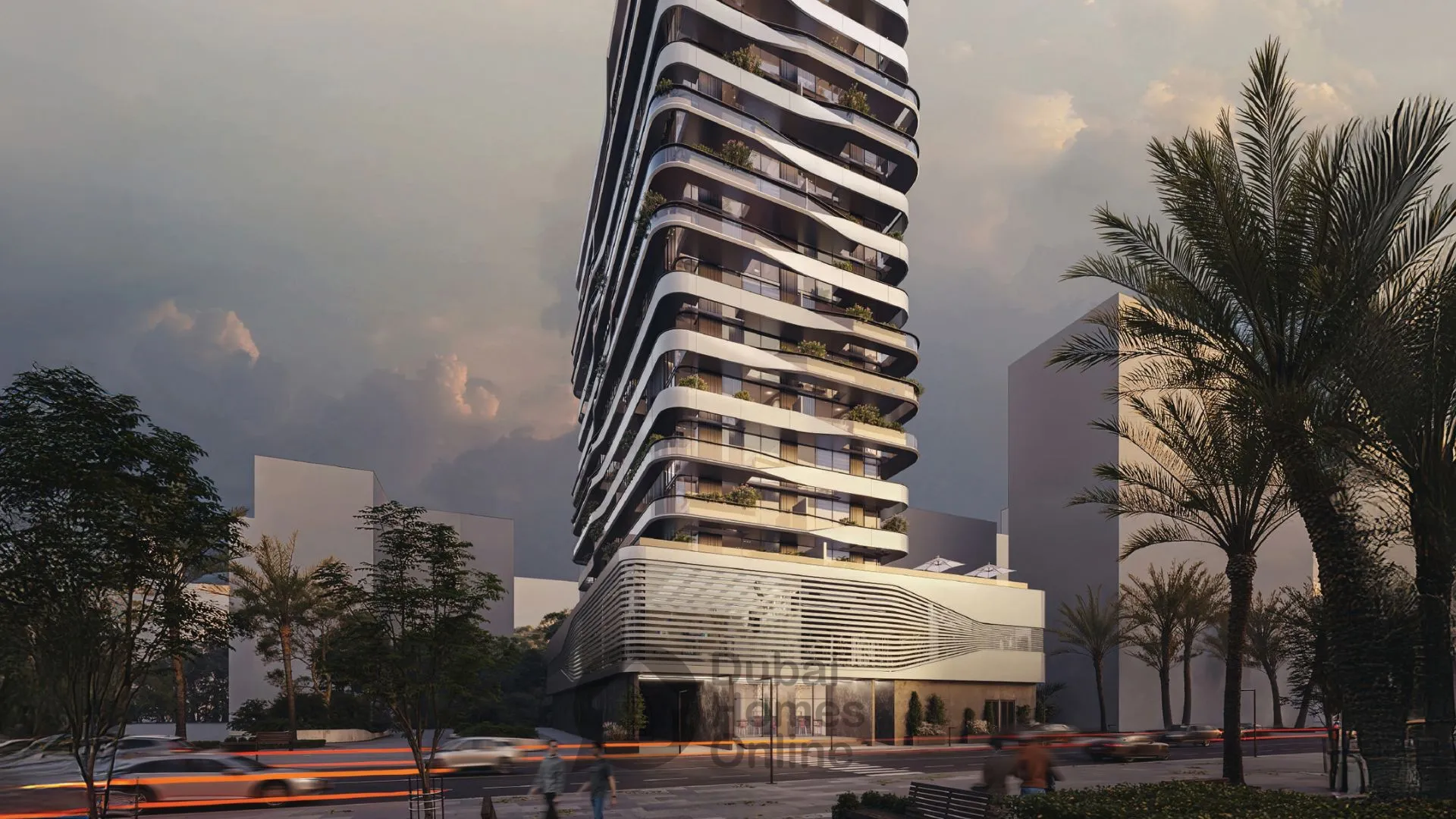
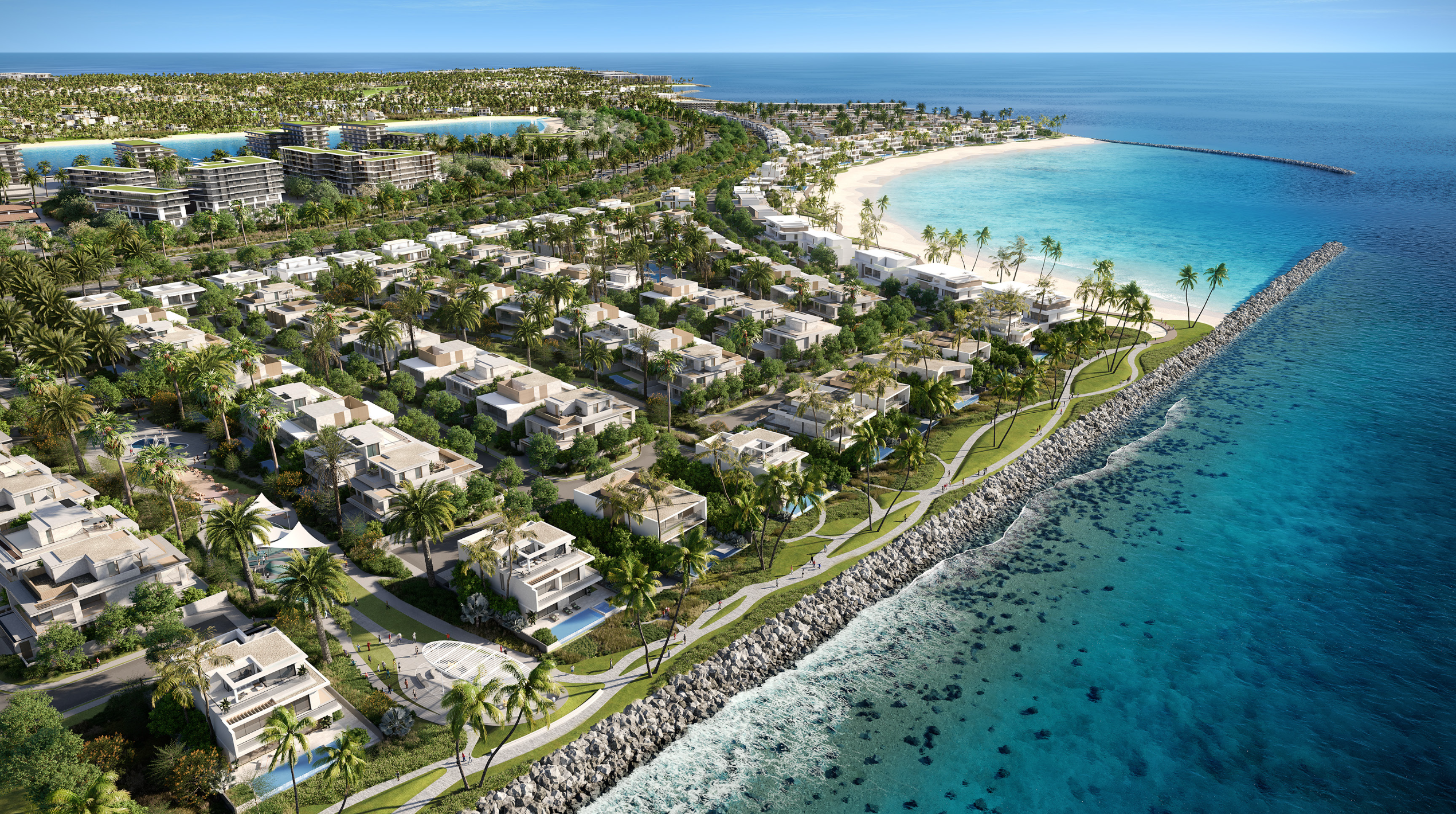
On Islands B and C the focus shifts toward townhouses, low-rise apartments, and villas. Bay Villas by Nakheel offers 3 to 5 bedroom waterfront homes starting around AED 4 million. And on Island E the properties are custom, high-end estates where prices are usually available only on request.
Property types and prices
A rough breakdown of average selling prices from recent data. These are averages, and premium waterfront units run higher.
| Property type | Bedrooms | Average selling price (AED) |
|---|---|---|
| Apartment | 1-bedroom | ~ 2,146,000 |
| Apartment | 2-bedroom | ~ 3,328,000 |
| Apartment | 3-bedroom | ~ 5,288,000 |
| Townhouse / villa | 3 to 5-bedroom | 4,000,000+ |
Prices are indicative of current off-plan launches and will move with the market. What makes them compelling is the room for capital appreciation. Against established waterfront communities like Palm Jumeirah or Dubai Marina, the entry price per square foot here is still competitive. For the fuller numbers, our Dubai Islands to 2030 forecast breaks down expected yields and appreciation.
Why buy now
Timing decides a lot in real estate, and Dubai Islands is at a genuine sweet spot. The plan is approved, the infrastructure is going in, and the first wave of major residential projects is launching, but the area is nowhere near mature. Buying now means buying the vision before the malls, the 80-plus resorts, and the championship courses are operational. Once those amenities open, the value of the surrounding property tends to move up. It is the classic off-plan advantage, scaled up by the size of the plan.
The properties here are freehold, so foreign investors get full ownership. Pair that with the UAE Golden Visa, easily reachable at the price points on these islands, and it becomes a sticky proposition for international buyers. You are not just buying a holiday home, you are securing long-term residency in one of the safest and most active cities in the world.
Then there is rental yield. With the weight of tourism, beach clubs, and resorts, the short-term rental market here should be strong, and Islands A and B in particular are well placed to capture holiday demand. If you are comparing options across the country, our piece on next-generation coastal investment sets it against other emerging UAE areas.
Where the coastline is heading
The direction looks clear. This is not just another residential project, it is a strategic expansion of Dubai’s tourism and lifestyle offering. The government’s push to lift public beach capacity by 150 percent and extend beachfront walking areas is directly served by this plan.
People often ask whether Dubai Islands is the next Palm Jumeirah. Fair question, same developer, similar scale, but I think it misses the point. The Palm was a pioneer built around sheer luxury and novelty. Dubai Islands feels like a more mature, holistic take on urban planning, applying the lessons from earlier mega-projects with a modern lens: sustainability, walkability, and varied community ecosystems over pure opulence. The 87 hotels and resorts across the five islands add thousands of keys to Dubai’s inventory, from eco-resorts to wellness retreats, and that alone will pull footfall north, shifting some of the tourist focus away from Marina and JBR.
Land use and allocation
To grasp the scale, look at the land use split. It shows how much space goes to lifestyle and community rather than cramming in units.
| Land use category | Area (sq.m.) |
|---|---|
| Residential zones (all types) | 3,900,000+ |
| Waterfront edge | 2,267,000 |
| Parks and open space | 1,987,000 |
| Golf areas | 1,508,000 |
| Commercial (GFA) | 404,500 |
| Community facilities | 239,000 |
| Marina villages (GFA) | 102,000 |
| Clubhouse / club zones | 61,500 |
Data sourced from official master plan projections. Notice how much goes to parks, open space, and golf. Combined, they almost match the total residential footprint. That is deliberate. Even at full capacity, the islands should not feel crowded, and breathing room is a premium commodity in any major city.
The verdict
Dubai Islands marks a real evolution in how the city builds. Ambitious, yes, but grounded in what buyers now actually want. People are not just after a nice apartment anymore, they want a lifestyle: walk to a cafe, reach green space, feel close to the water. By splitting the project into five distinct islands, Nakheel has built a micro-city that covers almost every demographic, from the young professional drawn to Island A’s energy to the family after Island B’s resort living to the ultra-high-net-worth buyer who wants Island E’s privacy.
The timeline is long, with full completion expected in the late 2030s, and that is exactly why the opportunity is live now. The early phases are where most of the capital appreciation happens. As the infrastructure matures and residents move in, the story shifts from potential to proven. If you are thinking about a move, watch the upcoming off-plan launches closely. The market here moves fast, and the best units, particularly those with clear sea or golf views, get taken quickly.
For how this fits a broader strategy, review our Dubai Islands Area Guide and reach out to the team at Totality Estates. In ten years I think we will look back at this as one of the more transformative projects in the region.
Frequently asked questions
What is the Dubai Islands master plan by Nakheel?
A waterfront development by Nakheel made up of five interconnected islands, A through E, spanning 17 square kilometres. It is designed to expand Dubai’s tourism, residential, and recreational offering in line with the Dubai 2040 Urban Master Plan.
What are the standout features?
Over 20 kilometres of beaches, some Blue Flag certified, two square kilometres of parks and green space, 87 planned hotels and resorts, luxury marinas, and championship golf. Each island carries its own theme, from a mixed-use urban core to an ultra-exclusive estate island.
What lifestyle and recreation options are there?
Walkable promenades, dedicated biking and jogging tracks, community pools, wellness centres, and a dedicated Sports and Country Club Island with facilities for soccer, tennis, and water sports.
Are properties on Dubai Islands freehold?
Yes. Properties are available freehold, so foreign investors and expatriates get full ownership rights.
When will it be completed?
Individual residential and commercial projects hand over in phases over the coming years. Full completion of the whole master plan is expected in the late 2030s.