
Top 4 Investment Areas in the UAE
Dubai Islands, Dubai Maritime City, Al Marjan Island and Yas Island, ranked and compared for investors.
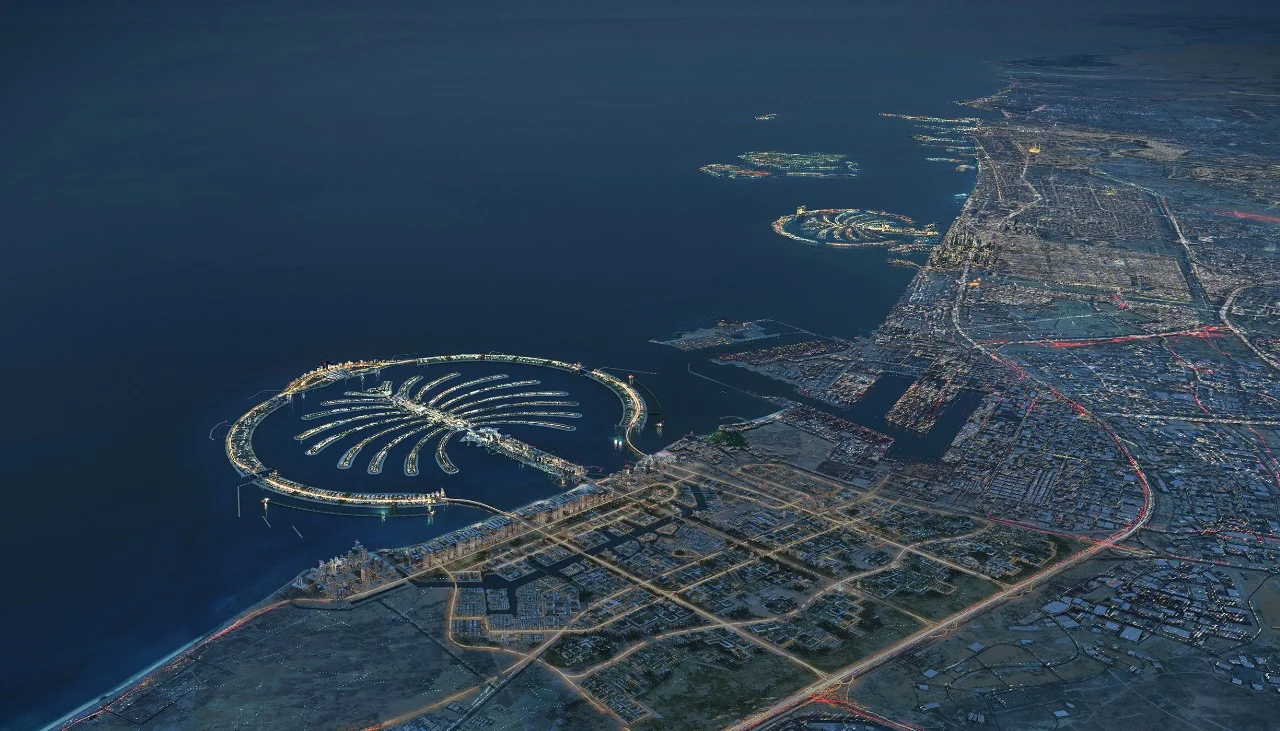
Before the four areas, one piece of backdrop that keeps mattering. The UAE still levies no personal income tax on individuals, and the Federal Tax Authority treats real estate income for natural persons as outside a business activity when it comes to corporate tax registration thresholds. That is not a substitute for tax advice in your home country, but it is a big part of why international capital keeps coming.
Why these four, and not a list of twelve
Most “best areas” content online lists ten or twelve places and calls it a day. The lists are rarely wrong, but they tend to mix mature, income-first districts with early-cycle, higher-upside ones and never explain the difference. That is exactly where investors get confused.
This shortlist is tight on purpose, because these four are strategically different from each other, not just individually popular. Dubai Islands is early-cycle waterfront at real scale. Dubai Maritime City is central-city scarcity with a business and infrastructure angle. Al Marjan Island is tourism-led upside in a market that still feels earlier than Dubai. Yas Island is a more established leisure-and-family demand base, which makes it feel steadier even if less speculative.
The four at a glance
| Area | Emirate | Best for | Main demand driver | Investment character |
|---|---|---|---|---|
| Dubai Islands | Dubai | Beachfront luxury, villas, branded residences | Five-island waterfront master plan, beaches, resorts, leisure infrastructure | Early-to-mid cycle growth |
| Dubai Maritime City | Dubai | Waterfront apartments, serviced living, mixed-use urban plays | Strategic location between Port Rashid and Dubai Dry Docks, commercial district, promenade | Urban waterfront appreciation play |
| Al Marjan Island | RAK | Resort property, branded residences, tourism-led investment | Freehold investment framework, Wynn resort catalyst, tourism growth | High-growth coastal thesis |
| Yas Island | Abu Dhabi | Family-oriented premium apartments and villas | Theme parks, Yas Bay, hotels, events, lifestyle ecosystem | Stable long-term demand |
1. Dubai Islands, the big waterfront growth thesis in Dubai
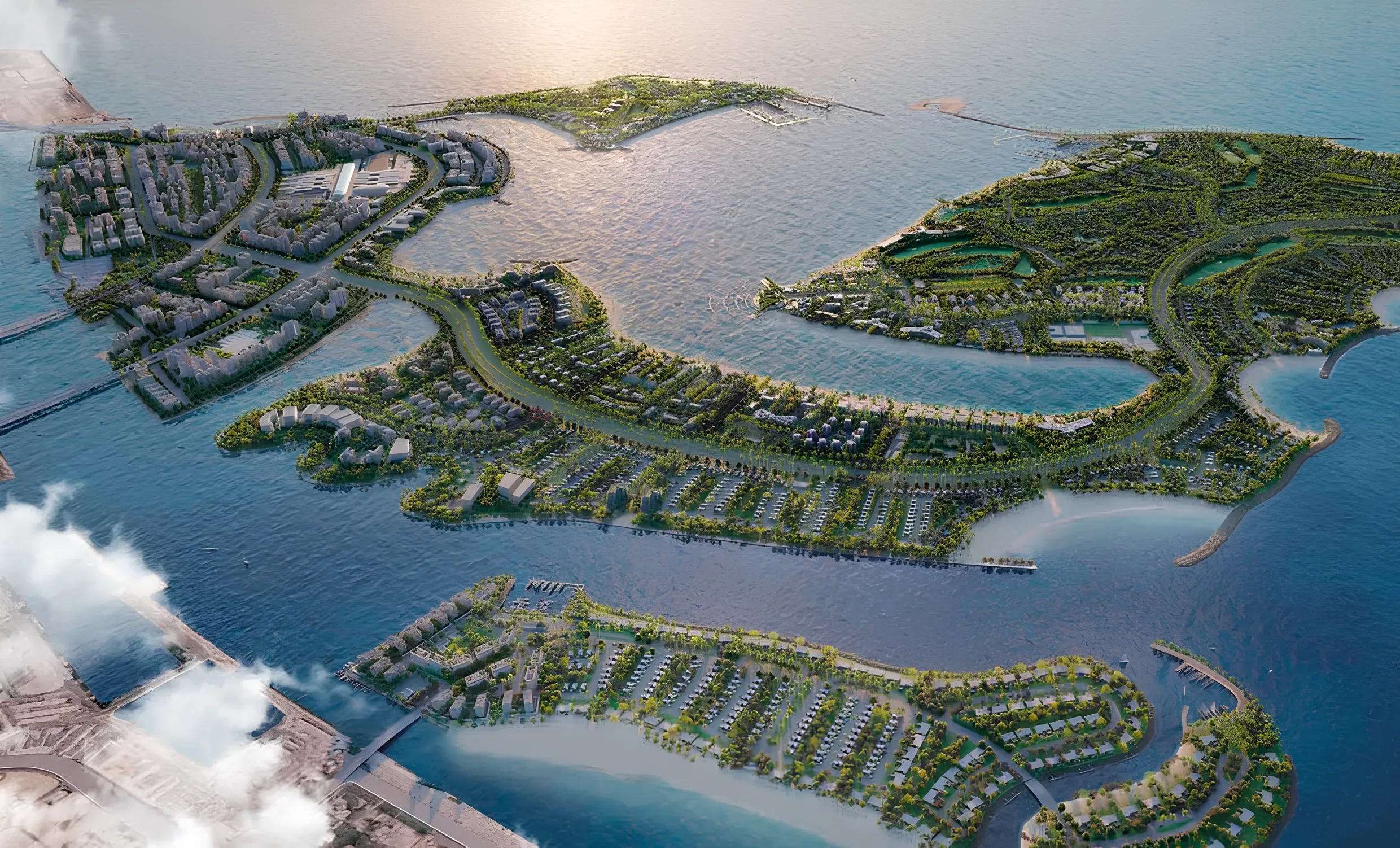
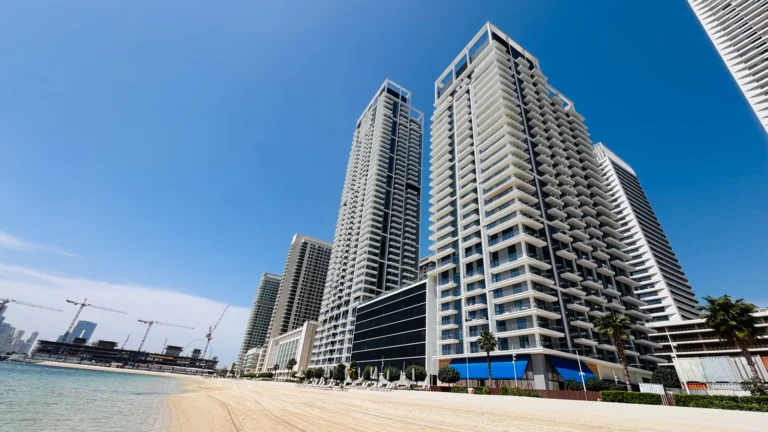
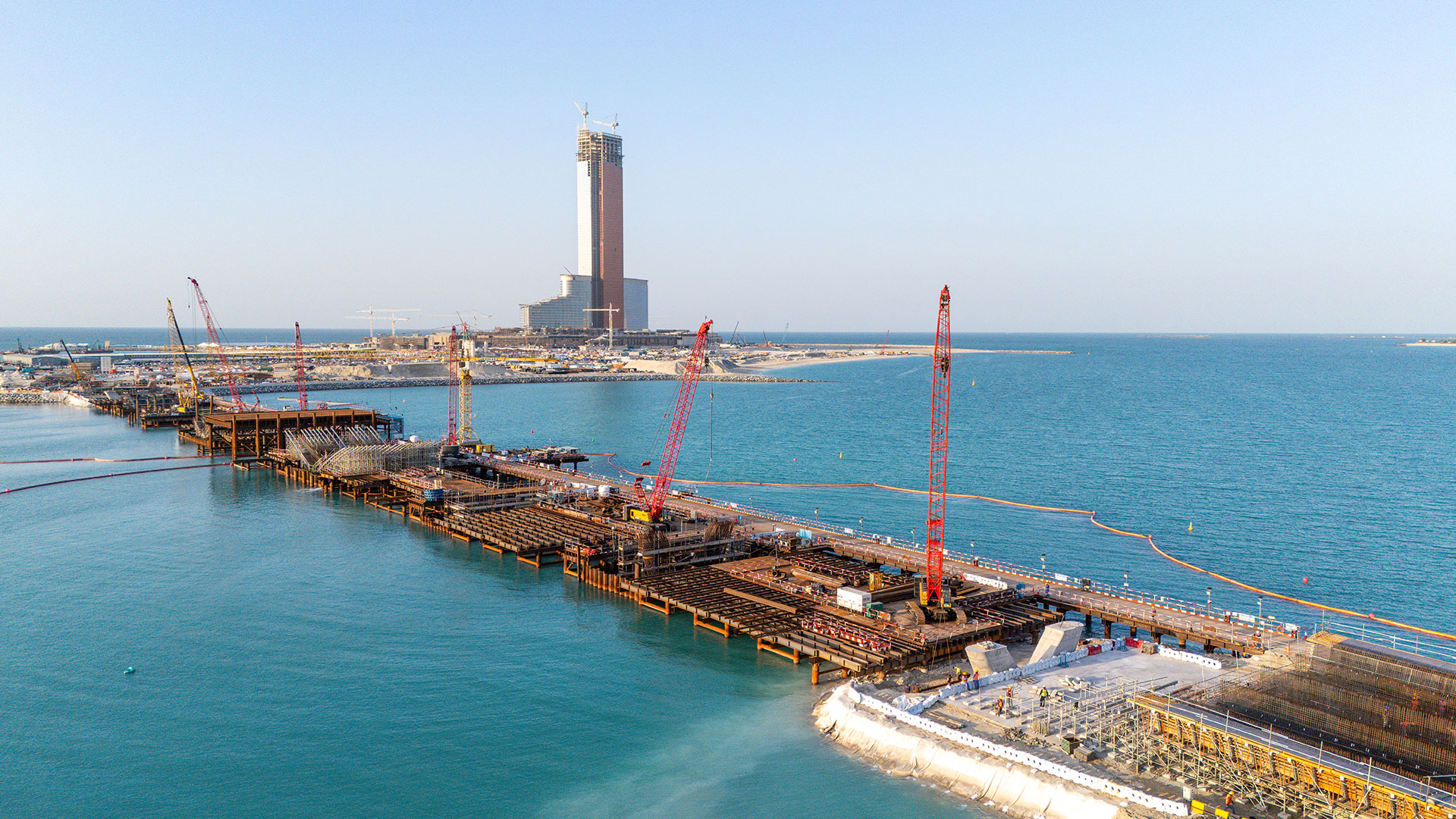
If I had to sum up Dubai Islands in a sentence, it is one of those places where the sheer scale of the master plan changes the whole conversation. This is not just another beachfront address. Nakheel frames Dubai Islands as five interconnected islands built around luxury living, resorts, beaches, cultural hubs and wellness experiences, all tied to Dubai’s 2040 vision. Official project material points to more than 20 kilometers of beaches, over 60 kilometers of waterfront, and a wide spread of parks, golf, hospitality and residential districts.
Scale is what creates optionality. A small waterfront project can do fine, but a large master development can grow into a full district with its own momentum, and it can serve several buyer profiles at once: investors, second-home buyers, end-users, hospitality operators, and eventually tenants after a lifestyle location that still feels new. That usually supports a stronger long-term pricing story than a one-dimensional community. Maybe not in every sub-project on day one, but over time, yes, that is how it tends to play out.
Location helps too. Dubai Islands sits off the coast of Deira, and Nakheel specifically points to mainland access by road and sea, including the Infinity Bridge. So the area sells a resort mood without the isolation buyers fear when they hear “island living.” Close to the city but psychologically apart from it is one of the strongest parts of the pitch.
For an investor, this suits someone who wants to be earlier in the cycle than Palm Jumeirah while still owning inside a globally recognizable waterfront story.
2. Dubai Maritime City, the central waterfront district investors still underrate
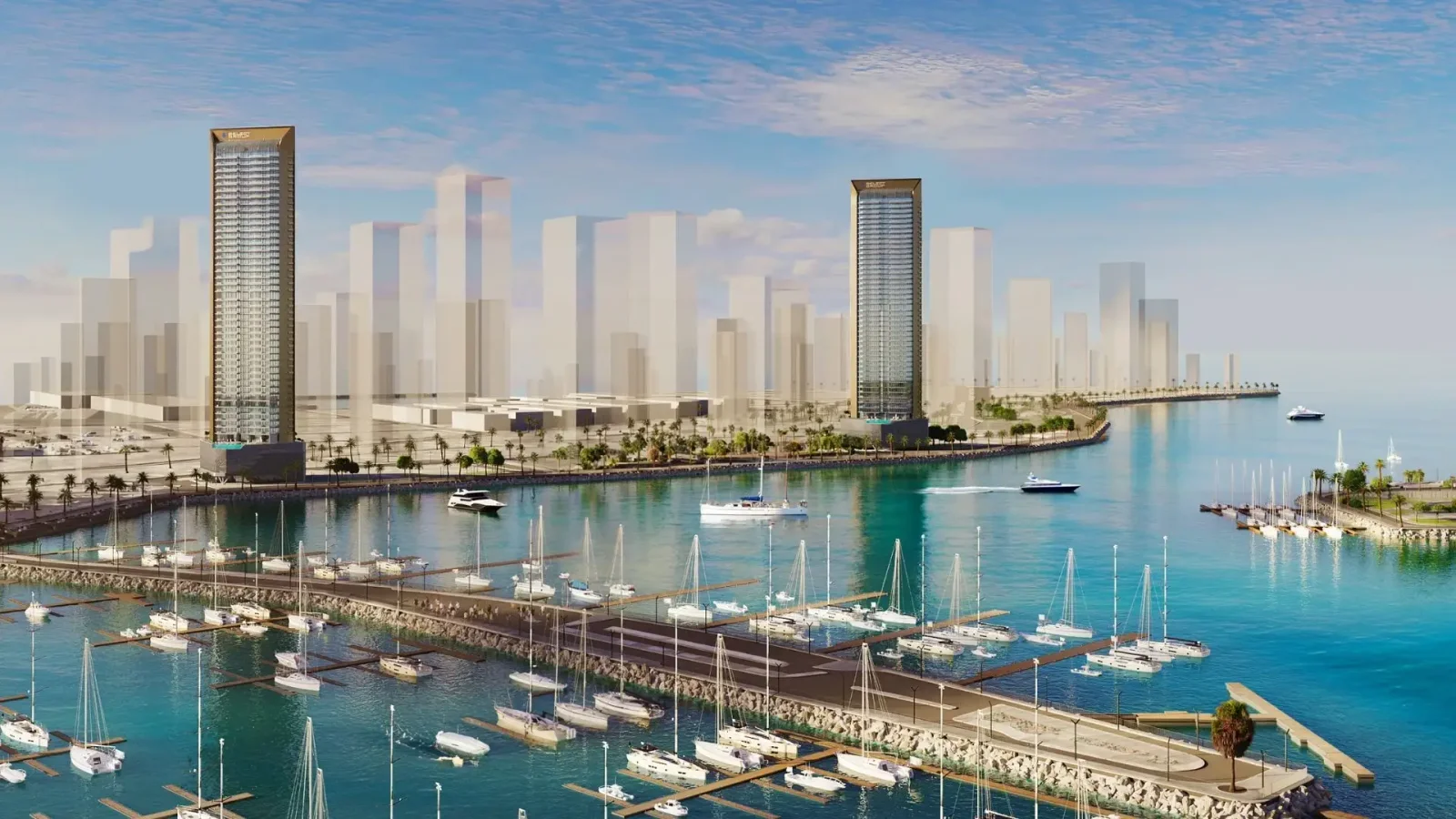
Dubai Maritime City reads differently from Dubai Islands. Less resort-first, more urban. Less escape, more positioning. And that difference is useful.
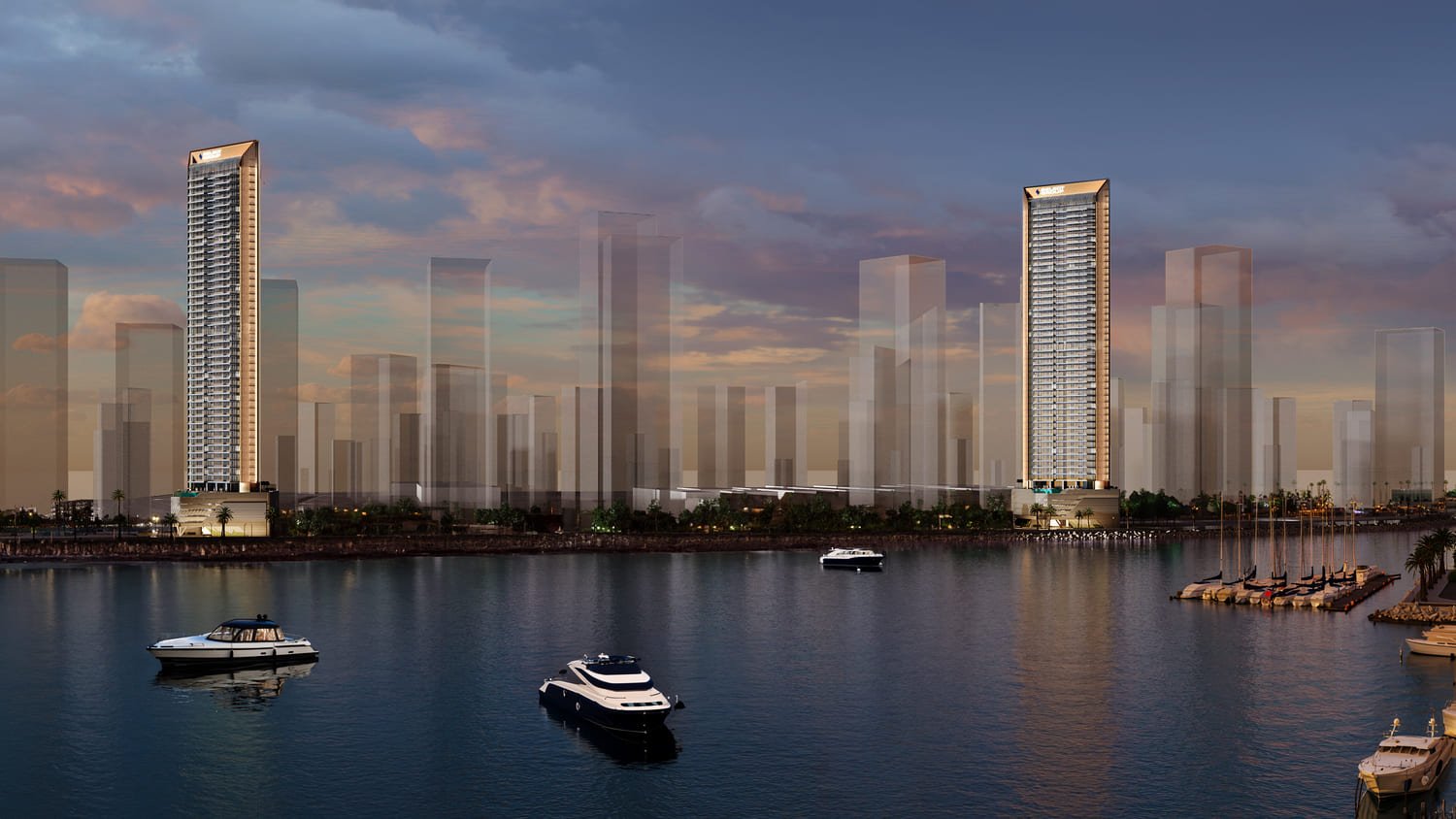
Officially, DMC describes itself as strategically located between Port Rashid and Dubai Dry Docks, connected by causeway to the wider road network, and set up as a specialized maritime cluster for the UAE and GCC. That gives it a distinct identity. This is waterfront with an economic reason to exist, not waterfront as decoration.
There is tangible progress here too. DMC states that its Commercial District is a mixed-use waterfront area with residential, retail, offices and hotels, and that Phase 1 includes 28 mixed-use plots and a completed 3.5 km waterfront promenade. Listed community amenities include parks, RTA bus stations, marine stations and other public-support infrastructure. Serious investors tend to weigh that kind of detail more heavily than glossy renderings, because it signals a district moving from concept toward something usable.
What makes DMC compelling is centrality plus scarcity. Dubai does not have endless centrally located waterfront land left that can still be reshaped at district scale. Some of the best-performing real estate stories in this city came from exactly that mix of water, access and limited future comparables. I would not call it a mass-market yield play. It looks more like a medium-term capital appreciation and premium urban lifestyle thesis.
3. Al Marjan Island, the tourism-led coastal market that still feels early
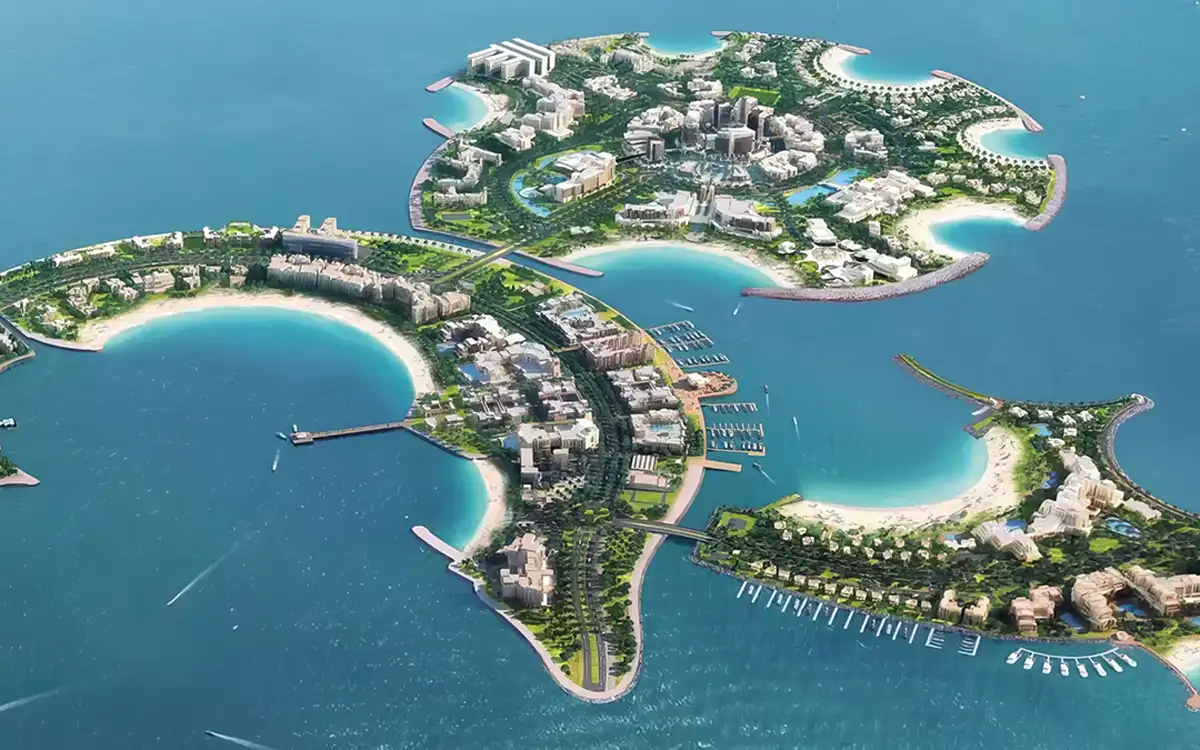
Al Marjan Island is one of those places that only looks obvious after the move has already happened. Right now it still carries that earlier-stage feeling, which is often where the outsized upside sits, assuming the entry price, project quality and holding period all line up. Officially, Marjan describes Al Marjan Island as its flagship waterfront destination, spread across four coral-shaped islands with 23 kilometers of coastline, combining resorts, residences, leisure space and beaches. That is a destination-scale master plan, not a small coastal scheme.
The case here is not only beachfront living. It is also Ras Al Khaimah positioning itself as a lower-friction, investor-friendly growth market inside the UAE. Marjan’s own investment page highlights 100 percent foreign ownership across onshore and free-zone structures, zero personal income tax, full repatriation of capital and profits, and residency pathways tied to qualifying investments. That removes a lot of the hesitation international buyers usually feel about an emerging coastal market.
Then there is the Wynn effect. Wynn Resorts said in its November 21, 2024 construction update that Wynn Al Marjan Island is expected to open on time in Q1 2027, and called it the first integrated resort in the United Arab Emirates. Even if you have no interest in hospitality-led demand yourself, a project on that scale shifts perception, visitor flow, branding and pricing psychology across the whole area. That part gets underestimated. Markets do not move only on spreadsheets. They move on narrative, confidence and outside attention too.
That said, Al Marjan is not a recommendation for everyone. It fits investors who are comfortable in a market where the upside may be strong but the long-term tenant depth is still forming compared with older Dubai districts. In other words, buyers who understand timing and can hold through a growth phase, rather than people who demand fully proven rental stability from day one. That is not a weakness, it is just honest underwriting.
There is also a subtle advantage the generic blogs miss. Ras Al Khaimah can feel more spacious and less saturated than Dubai while staying close enough to ride the UAE’s wider tourism and capital flows. Marjan’s material stresses the emirate’s location, road connectivity to Dubai, and destination-scale projects driving tourism, residential and commercial growth. So this is not a “remote beach market.” It is a coastal growth node inside a larger national investment ecosystem, and that distinction matters.
For Totality’s audience, Al Marjan works especially well as a comparison anchor against Dubai Islands. Both are waterfront-led, both appeal to lifestyle buyers and investors, and both are tied to tourism and luxury. But the buyer psychology differs. Dubai Islands feels like a Dubai master plan with major city adjacency. Al Marjan feels like a coastal growth thesis with a sharper resort and destination catalyst.
Who Al Marjan Island usually fits best
In my view it is strongest for four kinds of buyer.
First, lifestyle investors who want UAE beachfront but prefer a market that still has runway left.
Second, hospitality-minded investors who understand that tourism infrastructure can reshape both occupancy and resale narratives over time.
Third, international buyers who value ownership clarity, tax efficiency and the ability to hold in a market still being built out institutionally.
Fourth, investors comfortable with a longer hold who do not need the thesis to be purely yield-led in year one.
That last point is the important one. Some projects there may produce very attractive income, but I would still frame the area first as a capital-growth-plus-tourism-demand thesis, and only second as a stabilized rental-income play. Small distinction on paper, meaningful in practice.
4. Yas Island, the more established leisure-and-family investment zone in Abu Dhabi
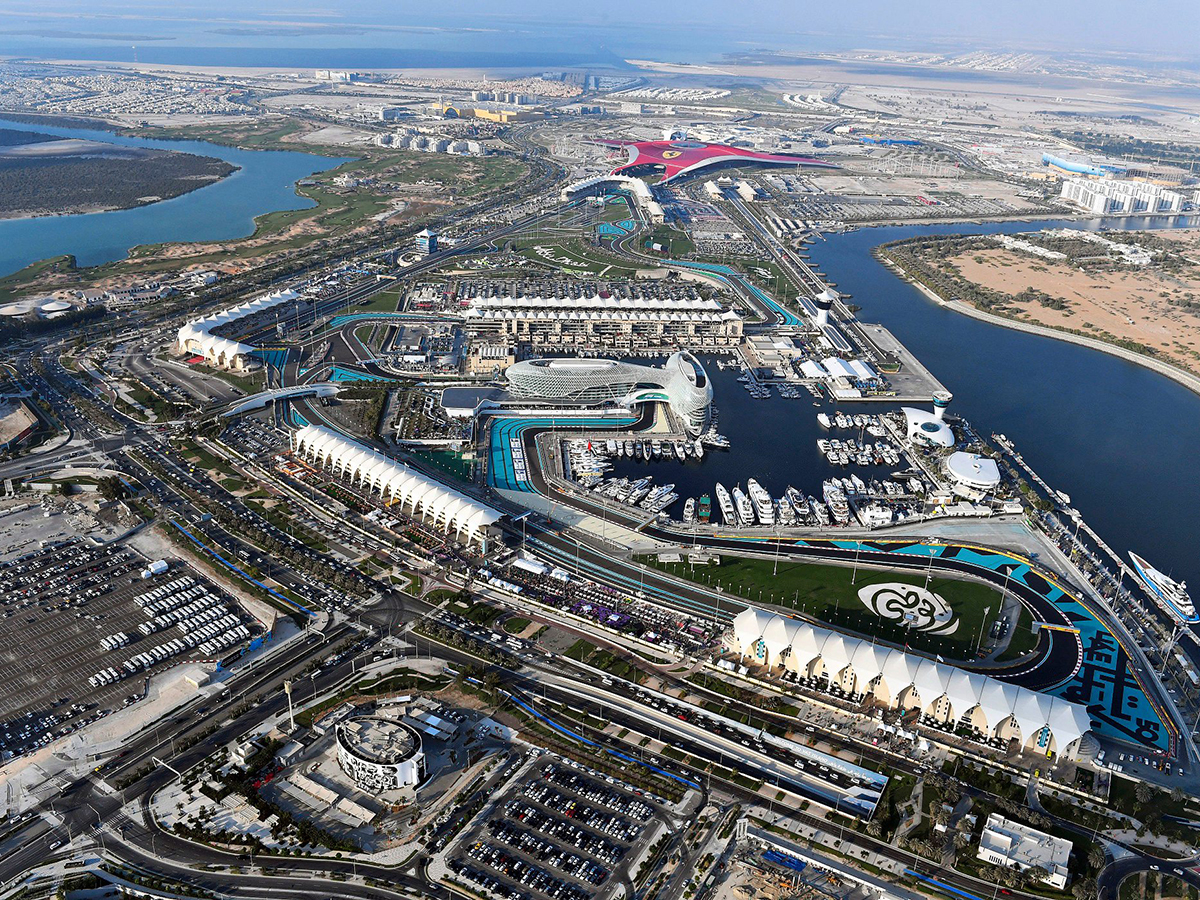
Yas Island is different again. It is not an early-stage beach frontier, and it is not the central urban waterfront play that Dubai Maritime City is. Yas is more mature and more complete, and it is easier for most buyers to grasp immediately because the demand drivers are already visible.
Official Yas Island material presents it as a major entertainment, hospitality and lifestyle destination, with theme parks, hotels, sporting venues, dining, family attractions and year-round events. The main site points to Ferrari World, Warner Bros. World, SeaWorld Abu Dhabi, Yas Marina Circuit, multiple hotels, restaurant clusters and packaged leisure experiences. Yas Bay Waterfront alone is described as having more than 20 restaurants, cafés and bars, plus a concert arena, luxury hotels and entertainment offerings.
That ecosystem creates layered demand. Tourists come for the attractions, event visitors for the concerts and F1, families for the entertainment and convenience, residents because a place with real amenities is simply easier to live in. Miral, the master developer behind much of the island’s growth, frames Yas as one of the region’s top leisure, entertainment and tourism destinations, with long-term investment opportunities tied to that vision.
For investors, Yas often appeals because the story is less speculative than newer areas. The demand base is broad, the place already has identity, and it is not waiting on its first headline attraction or first infrastructure wave. That makes it easier to explain to both end-users and future buyers, which helps liquidity. Not every project there will outperform, obviously, but the district has a far more legible investment case than most emerging communities.
One underrated point: Yas is not only about tourism anymore. The official site increasingly presents it as a place to stay, dine, attend events and return to, rather than a one-day attraction zone. Investor-friendly districts generally do better once they shift from “destination” into “habitable district,” and Yas Bay, the hotels and the wider integration of entertainment with real lifestyle infrastructure all push in that direction.
If Dubai Islands is about catching a new waterfront growth curve, Yas is about buying into an already established demand engine. The trade-off is straightforward. Yas offers a steadier story but probably less of the early-cycle repricing potential investors chase in newer master plans. Some buyers want exactly that steadiness. Others want more upside elasticity. Neither is wrong. It depends on the mandate.
Al Marjan Island vs Yas Island, in practice
The table below is a practical read of the official positioning, infrastructure and demand drivers for both, translated into investment language rather than tourism copy.
| Factor | Al Marjan Island | Yas Island |
|---|---|---|
| Market stage | Earlier growth phase | More established destination |
| Core demand driver | Coastal tourism, resort living, future-led pricing narrative | Leisure, events, family attractions, hospitality ecosystem |
| Investor appeal | Higher upside narrative, tourism catalyst, branded coastal product | Broader demand base, clearer use case, steadier long-term appeal |
| Best fit | Growth-oriented buyers with patience | Buyers seeking a more proven destination market |
| Main emotional pull | Beachfront scarcity and resort prestige | Lifestyle convenience and recognizable attractions |
The one-line version
If an investor asked me to boil each area down to a single line:
| Dubai Islands | The big Dubai beachfront growth thesis. |
| Dubai Maritime City | The urban waterfront scarcity play. |
| Al Marjan Island | The coastal tourism and resort upside story. |
| Yas Island | The mature leisure-led stability play. |
That is about the cleanest way to separate them without flattening the nuance.
Which area fits which buyer
Once the shortlist is clear, the next question is fit. Not hype, not headlines, fit. A waterfront market can look excellent on paper and still be wrong for you if the holding period, cash-flow expectations or exit horizon do not match the area’s actual stage of growth. That is where broad “best areas” articles mislead people. They flatten everything into one list. Real capital does not work that way.
Dubai Islands is strongest for investors who want to enter a major Dubai waterfront district while it is still building out its identity. Nakheel positions it as a five-island master plan tied to the 2040 vision, with beaches, resorts and cultural hubs, which supports the idea that it is more than a single launch. That tends to attract buyers focused on long-term appreciation, luxury positioning and future end-user demand.
Dubai Maritime City suits buyers who want centrality, infrastructure logic and urban waterfront scarcity. Official material highlights a mixed-use commercial district, Phase 1 plots and an already completed 3.5 km promenade, which gives it a “district in formation” feel rather than a purely conceptual one. I would put it in the bucket of investors who like being early, but not too early.
Al Marjan Island is probably the clearest tourism-and-repricing thesis of the four. Marjan’s investment pages emphasize foreign ownership, profit repatriation and Ras Al Khaimah’s economic push, while Wynn Resorts has publicly stated that Wynn Al Marjan Island remains on track for a Q1 2027 opening. That combination builds a strong growth narrative, though it still suits buyers who can hold through a developing cycle rather than insist on seasoned rental depth from the start.
Yas Island is the most established demand ecosystem on the list. Its appeal comes from the fact that the lifestyle and event engine is already there: theme parks, hotels, waterfront dining, major events, a year-round leisure identity. Yas Island and Yas Bay are presented officially as integrated entertainment and hospitality destinations, which makes the area easier to underwrite for investors who value visibility and breadth of demand.
| Investor objective | Best-fit area | Why it tends to fit |
|---|---|---|
| Long-term beachfront appreciation in Dubai | Dubai Islands | Large-scale master plan, luxury waterfront positioning, future district growth |
| Central urban waterfront appreciation | Dubai Maritime City | Scarcity, location logic, mixed-use momentum, promenade and district infrastructure |
| Tourism-led upside and coastal growth | Al Marjan Island | Strong destination narrative, foreign ownership appeal, Wynn-driven attention |
| More stable lifestyle and family-led demand | Yas Island | Mature attraction base, recurring events, stronger district familiarity |
Final verdict
If I had to rank these four by strategic role rather than hype:
| Dubai Islands | Strongest all-round Dubai waterfront growth story |
| Dubai Maritime City | Strongest urban waterfront appreciation play |
| Al Marjan Island | Strongest tourism-led coastal upside market |
| Yas Island | Strongest established leisure-and-lifestyle hold |
That does not crown one as universally best. Each wins in a different category, and that is the more useful way to think about UAE property now. The market is broad enough that the sharper question is not “Where is the best area?” but “Which demand engine do I want exposure to?” The answer changes everything after it: pricing, patience, exit logic, even the kind of unit that makes sense.
Key takeaway
Dubai Islands, Dubai Maritime City, Al Marjan Island and Yas Island each represent a different version of where premium property demand is heading. Dubai Islands offers large-scale beachfront growth inside Dubai. Dubai Maritime City offers central waterfront scarcity with mixed-use infrastructure. Al Marjan Island offers a tourism and resort-driven upside story in Ras Al Khaimah. Yas Island offers a more established, entertainment-backed residential and hospitality ecosystem in Abu Dhabi. The right pick depends less on marketing language and more on your objective, whether that is growth-first, income-conscious, lifestyle-led or capital-preservation focused.
FAQs
Is Dubai Islands the best long-term investment area in Dubai right now?
It is one of the strongest long-term waterfront growth candidates in Dubai, because Nakheel positions it as a five-island master plan tied to future living, beaches, resorts and broad mixed-use development. That said, “best” still depends on whether you want early-cycle upside or more established rental history.
Is Dubai Maritime City better for capital appreciation than rental yield?
In many cases, yes. DMC’s official positioning centers on mixed-use waterfront development, commercial integration and promenade-led urban buildout, which supports a medium-term appreciation thesis more naturally than a pure yield-first one.
Why is Al Marjan Island attracting so much investor interest?
Because it combines beachfront positioning, buyer-friendly investment signals and a major destination catalyst. Marjan highlights foreign ownership and full repatriation of profits, while Wynn Resorts has publicly stated that Wynn Al Marjan Island is on track for Q1 2027. That combination pulls attention fast.
Is Yas Island better for stable demand than newer UAE waterfront markets?
Generally, yes. Yas already has an established mix of attractions, hotels, entertainment venues and waterfront districts such as Yas Bay, which makes the demand base broader and easier to understand than in earlier-stage master developments.
Which of the four areas is best for waterfront luxury property investment?
Dubai Islands and Al Marjan Island are the clearest waterfront luxury plays, though they serve different profiles. Dubai Islands is more tied to Dubai’s urban and luxury expansion, while Al Marjan Island is more destination-resort and tourism-led in character.
Are these areas suitable for foreign investors?
Yes. Marjan explicitly markets Ras Al Khaimah on foreign ownership and profit repatriation. Dubai’s large waterfront master communities such as Dubai Islands also target international lifestyle and investment demand, while Yas Island keeps drawing regional and international visitors through its established destination ecosystem. Buyers should still verify title structure, project specifics and legal eligibility case by case.