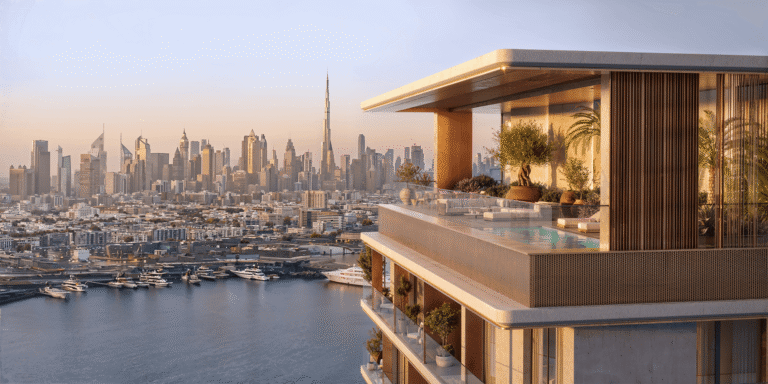

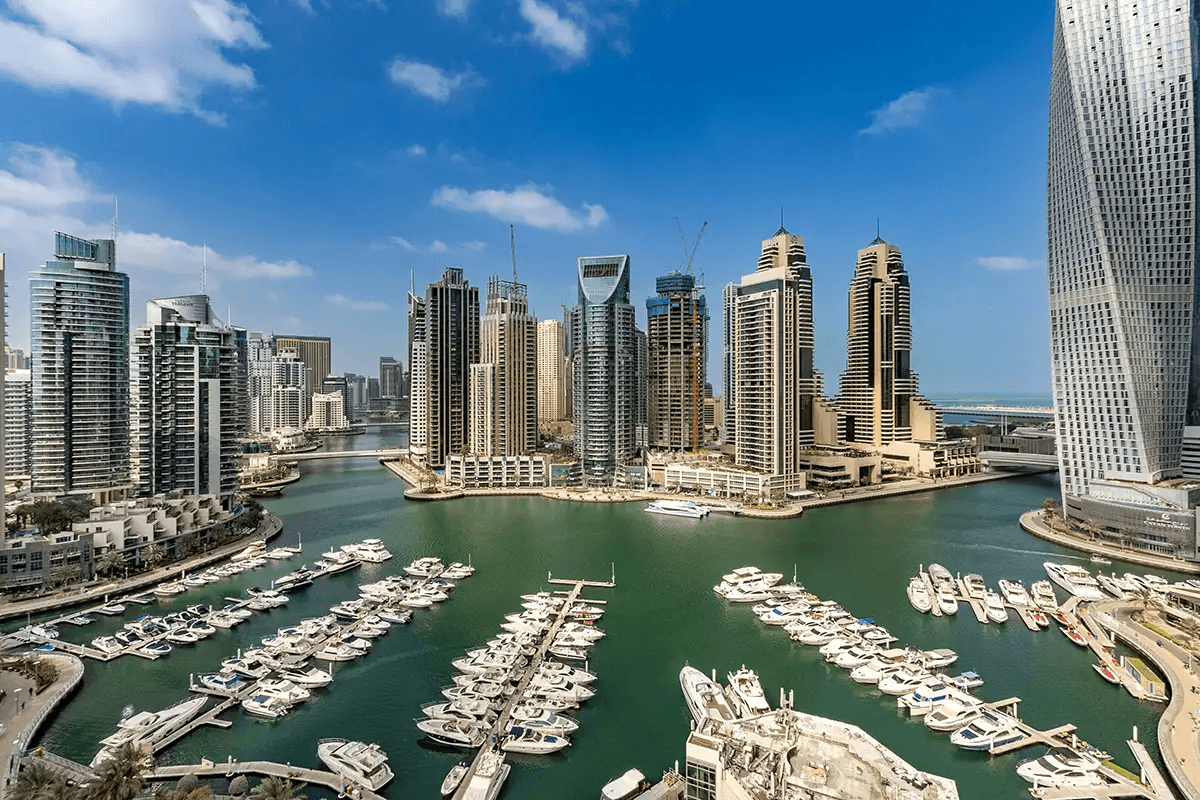
A title deed in the Gulf increasingly comes with something the price per square foot never shows: the right to stay. Across the Middle East, governments have tied residency, and in a couple of cases citizenship, to property purchases, and the visa attached to a deed can move a buying decision as much as the yield. The programs are not equal, though. Some are fast, digital, and routine. Others read well on paper and then bog down in manual approvals and unclear rules. Here is how the region actually compares.
Dubai’s Golden Visa: the regional standard
Dubai wrote the template. It launched the Golden Visa in 2019 and expanded it hard from 2022. As of 2024, buy a property worth AED 2 million or more and you qualify for a renewable 10-year residency with no minimum stay requirement and full sponsorship rights for your family. The property has to be fully paid, or if it is mortgaged you need to hold at least AED 2 million in equity. Off-plan and completed both count, as long as they sit in freehold areas.
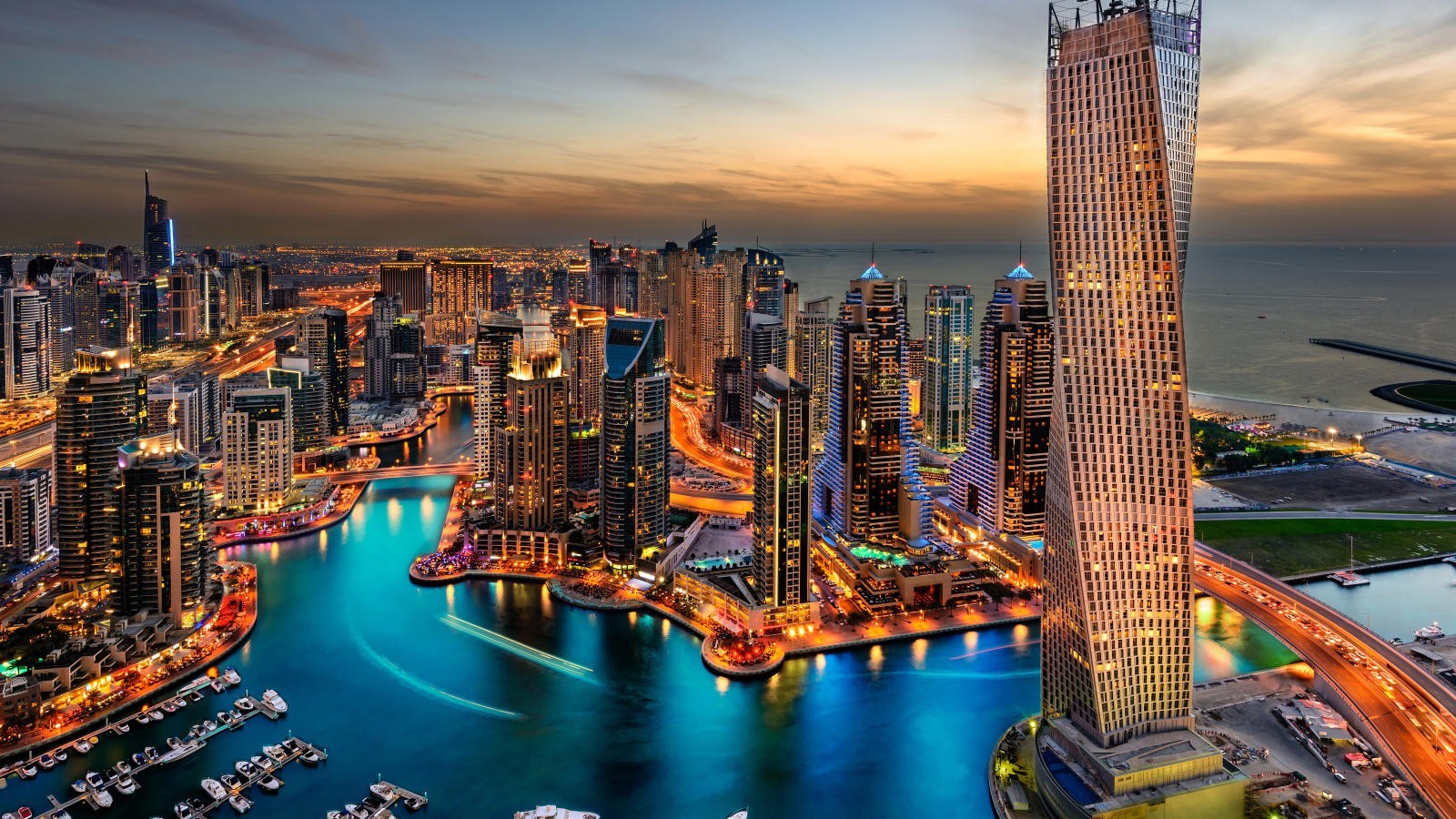
The effect on buyer behaviour has been direct. In 2023, the Dubai Land Department recorded over 21,000 Golden Visas issued through property investment, and the number rose again in 2024 as off-plan launches were deliberately structured around the AED 2 million line. Developers now market units specifically for visa eligibility, and brokers report that up to 30 percent of high-value purchases are visa-motivated.
The pull is easy to understand. The visa brings the right to live in the UAE long term plus access to banking, business licensing, driver’s licenses, and the rest of the national services. There is no requirement to live here full-time to keep it, and no tax tied to holding it. For entrepreneurs, remote workers, and international families looking for a stable base, that combination is hard to match.
Abu Dhabi: same terms, quieter market
Abu Dhabi runs on the same federal Golden Visa, so the terms mirror Dubai: AED 2 million minimum, broadly the same benefits. The difference is volume and visibility. Dubai’s market is loud and international; Abu Dhabi’s is deliberately quieter. Despite the developments on Saadiyat, Yas, and Reem Islands, the count of property-linked Golden Visas is far lower. In 2024, the Abu Dhabi Department of Municipalities and Transport reported just under 5,000 visas granted through real estate, a fraction of Dubai’s number.
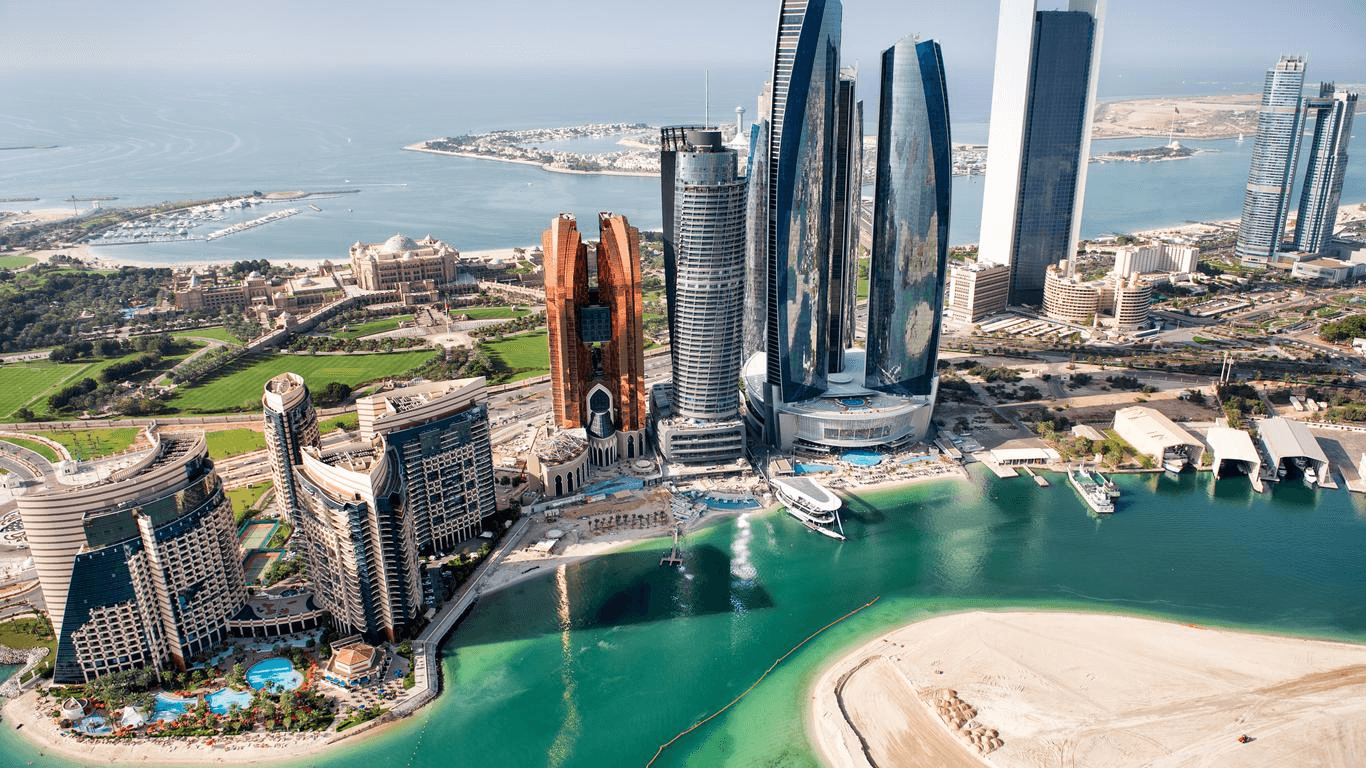
For a buyer thinking about long-term family living rather than trading assets, that quieter, more community-focused setting is a feature. Returns run slightly lower but steadier, and new education and healthcare infrastructure in the investment zones is starting to pull international attention. The visa process is fully inside the federal system, so it moves at the same speed with the same security. The catch is supply: fewer off-plan projects land cleanly in the AED 2 million bracket, which narrows what qualifies.
Qatar: strict tiers, selective access
Qatar has opened freehold zones to foreign buyers in areas like The Pearl, Lusail, and West Bay Lagoon. Since 2020 it has run a two-tier residency tied to property value. Spend USD 200,000 or more and you qualify for a renewable five-year permit. Spend over USD 1 million and you reach permanent residency benefits, including public healthcare and education.
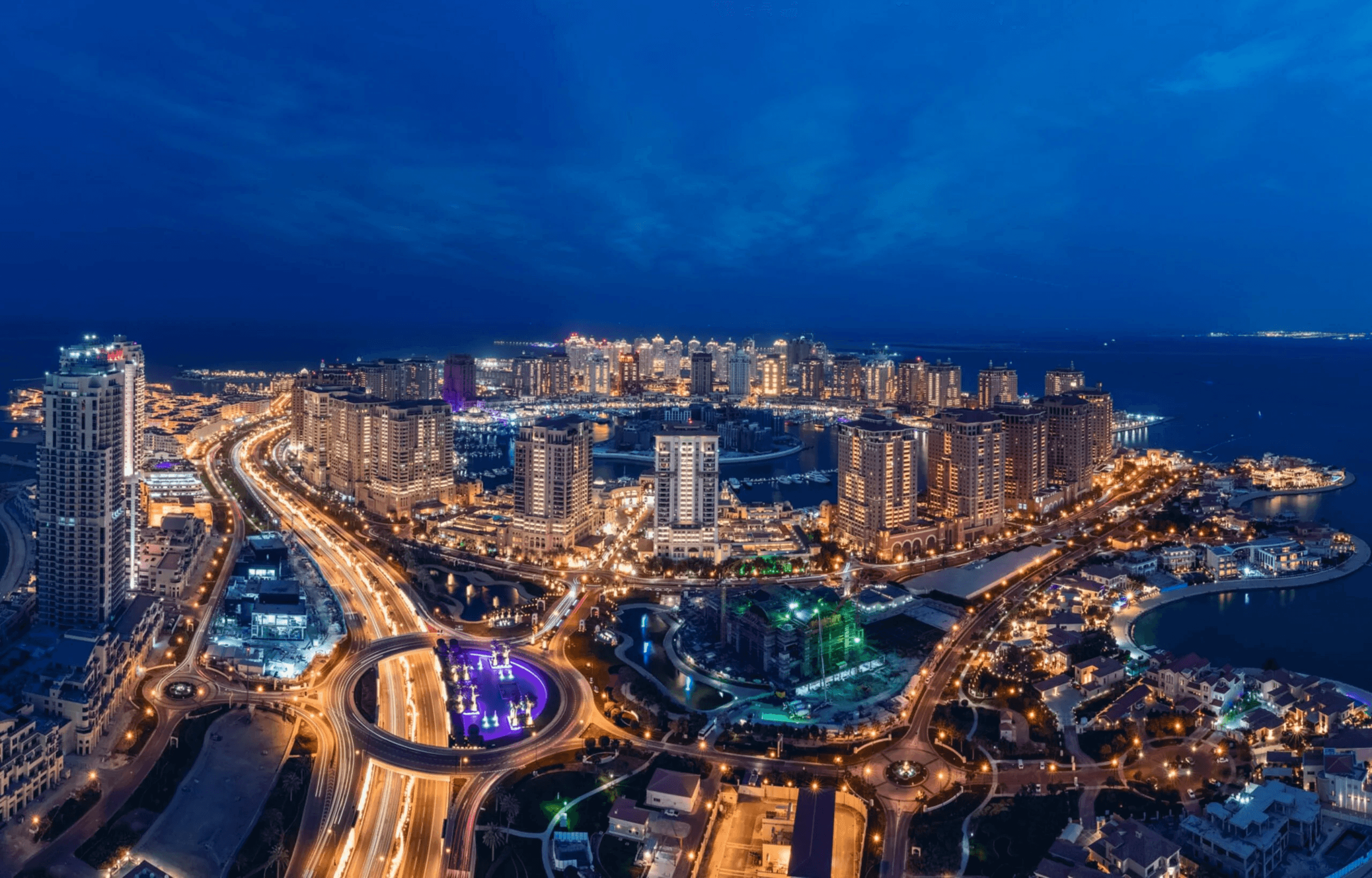
On paper that is attractive. In practice the program carries tighter limits. Where the UAE runs largely automated through the Land Department and immigration portals, Qatar’s system leans on manual approval and longer processing. There is no guaranteed employment sponsorship or business licensing with the visa, and for some nationalities the rules on repatriating rental income and capital gains are not clearly defined.
Interest is still building. In 2023, Lusail and The Pearl saw more foreign buyers, particularly from Europe and South Asia, with a reported 18 percent rise in foreign freehold transactions over 2022. World Cup legacy infrastructure and new development zones have lifted the country’s profile. For someone who wants a foothold in a high-income Gulf state, the residency benefits are limited but real enough to serve as an entry point.
Saudi Arabia: investment visas in a controlled market
Saudi Arabia has moved carefully. Until recently, foreign ownership was mostly restricted to leaseholds or designated zones. That changed in 2024, when new laws allowed foreigners to own property across wider parts of Riyadh, Jeddah, and NEOM. But the kingdom does not yet offer a visa tied directly to real estate the way the UAE or Qatar do.
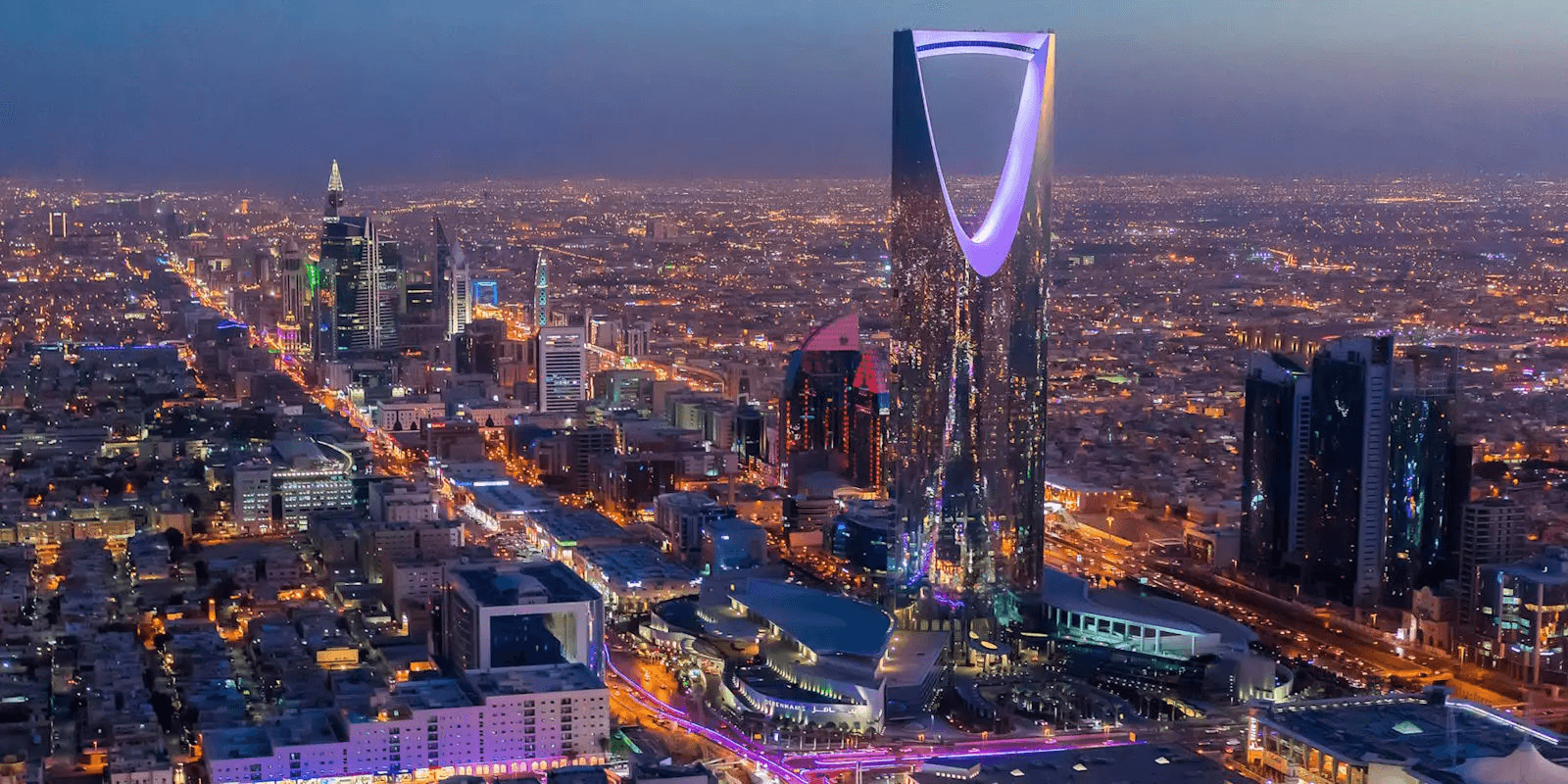
That may shift. In April 2025, Saudi authorities launched the Premium Residency program, a long-term visa in the mould of the UAE’s Golden Visa. It requires a total investment of SAR 4 million across approved sectors, of which up to SAR 2 million can go into real estate. The rest has to sit in business or financial assets. So property is part of the equation, not the whole of it. The visa grants residency, business ownership rights, and access to public services, with no local sponsor required.
The path is longer and the structure more complex. Foreign property transactions are still limited in number, and most of the headline developments are early-stage. In 2024, less than 3 percent of residential transactions in Riyadh involved foreign buyers. As projects like Diriyah, Qiddiya, and The Line move toward completion, expect Saudi Arabia to refine its residency offering to pull in more international capital.
Bahrain: cheap entry, limited ceiling
Bahrain was one of the first Gulf states to link property to residency, with programs going back to the mid-2000s. As of 2024, buy more than BHD 50,000 (roughly USD 132,000) in a designated development and you qualify for a renewable residency permit. That covers Amwaj Islands, Reef Island, and parts of Durrat Al Bahrain.
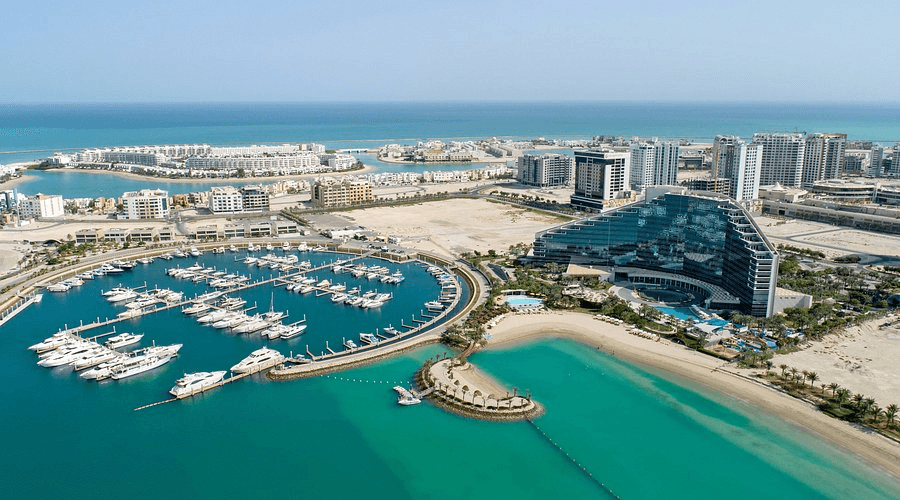
The threshold is low and the process straightforward, but the visa lacks some of what the UAE’s offers. It does not grant business ownership rights and does not extend easily to multiple dependents. The property market is narrower too, with fewer active developments and a smaller rental market underneath it. Bahrain’s Real Estate Regulatory Authority reported foreign property sales slipping slightly in 2024 after a 2022 surge, with just under BHD 200 million in foreign-led transactions.
For a retiree or a remote worker who wants a low-cost Gulf base, it still offers good value. No foreign income tax, a stable banking system, and a cheap way in. The limit is scale, both for the investor’s ambitions and for the market itself.
Egypt and Jordan: unclear paths, shifting rules
Egypt has promoted property-linked residency in waves, without much consistency. In 2023 it introduced a program giving foreigners who invest USD 300,000 in property a five-year residency permit. But the sharp devaluation of the pound and restrictions on moving funds out have taken the shine off it, and buyers report long delays and uneven enforcement. Jordan offers citizenship by investment for USD 750,000 placed in real estate, but it comes with heavier scrutiny, longer timelines, and few active participants.

Why the UAE keeps leading
Three things separate the UAE from the rest: clarity, efficiency, and scale. Dubai’s Golden Visa is embedded in the property sector now. It is issued quickly, tracked digitally, and backed by banks, developers, and government agencies that treat visa-linked investment as routine rather than exceptional. Abu Dhabi is close behind. Between them they account for the large majority of real estate-driven residency in the region.
In 2024 alone, over 26,000 Golden Visas were granted across the UAE through property, at an average asset value above AED 3.1 million. Buyers are not only chasing yield or capital gains. They are buying leverage over their own mobility and legal standing. That is the point worth holding onto: in the UAE the visa is not a bonus stapled to the purchase, it is priced into the reason people buy at all. Elsewhere in the region the residency exists on paper; here it works at the counter, and that difference is what money struggles to buy anywhere else.