
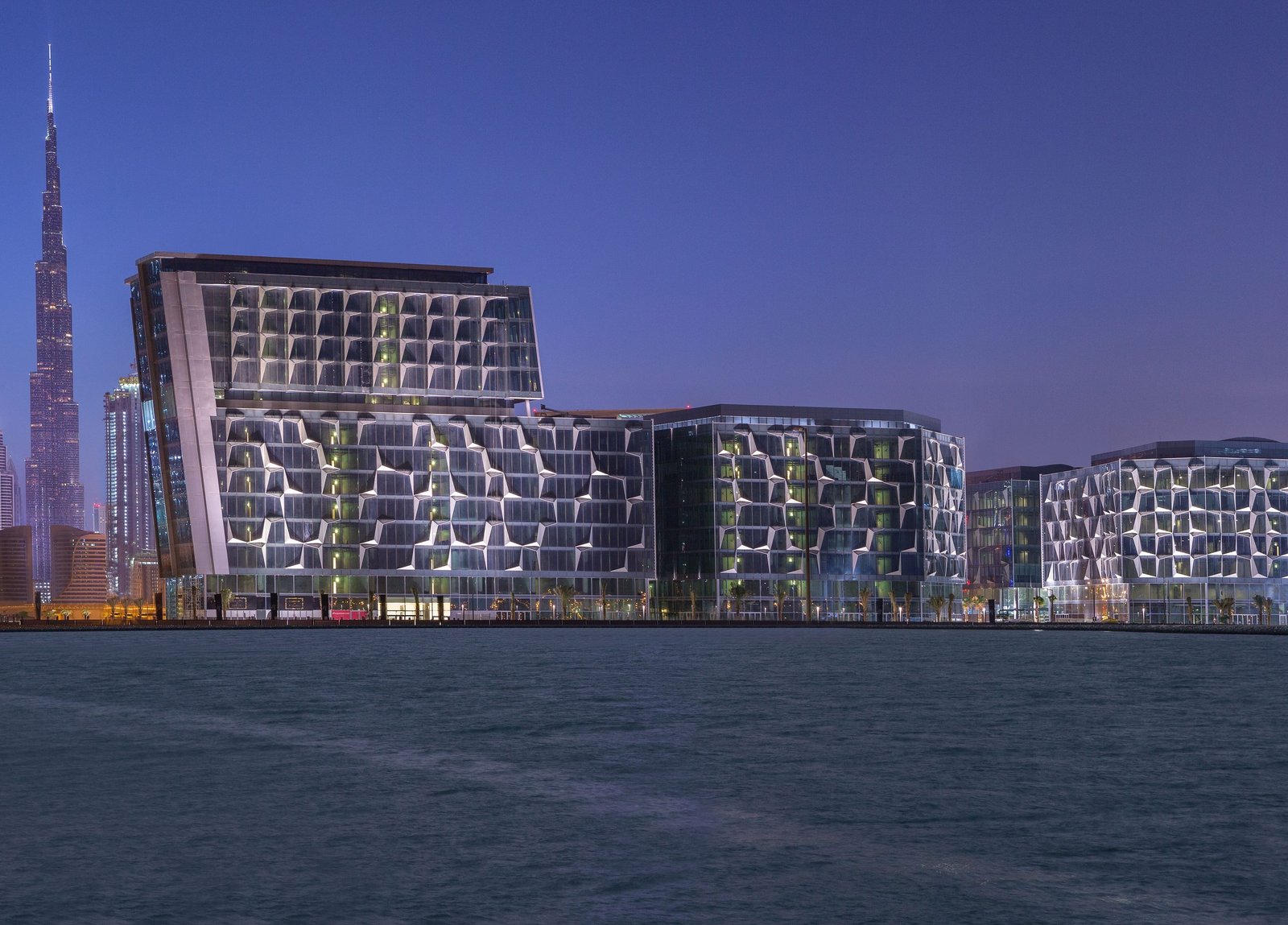
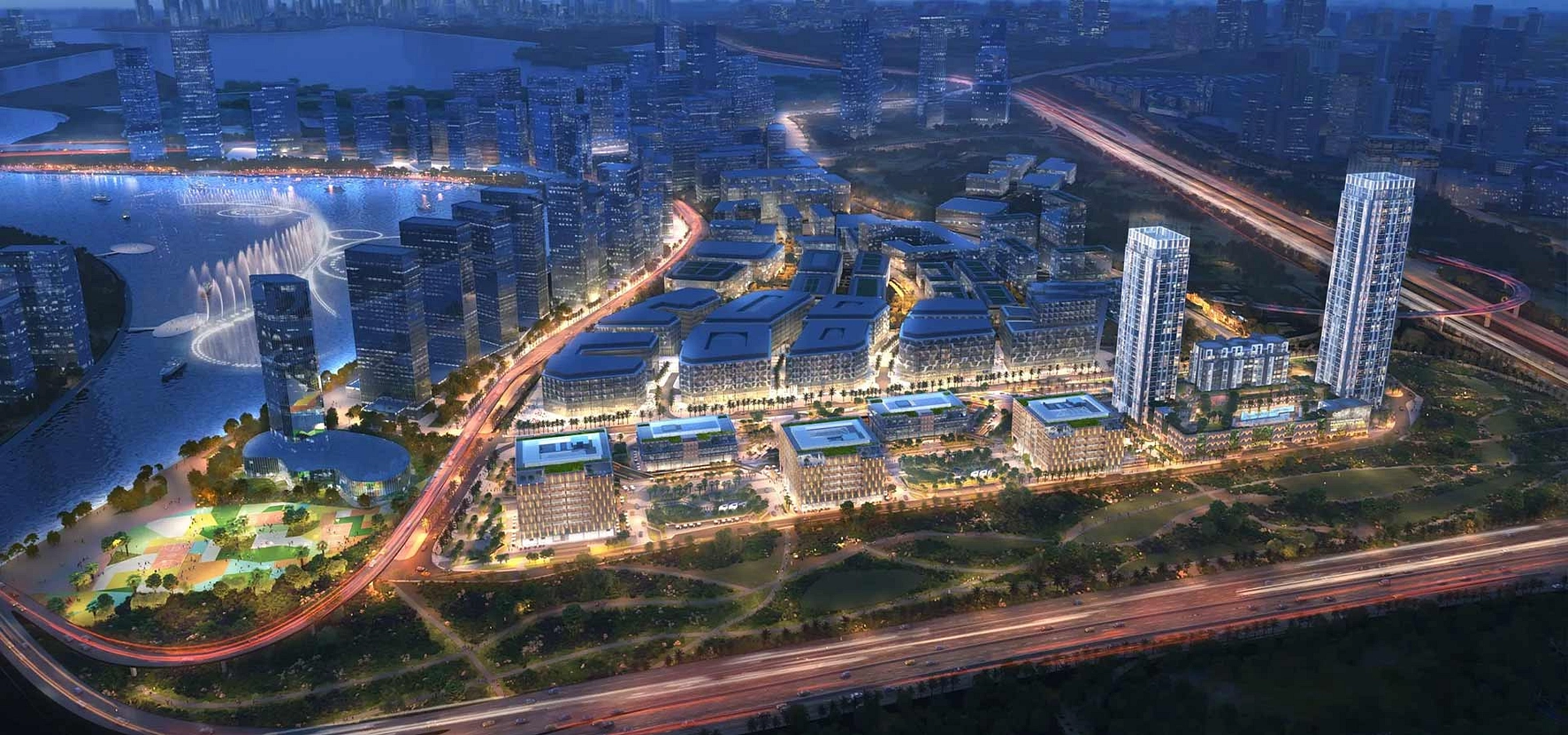
Dubai Design District, or d3, is one of the few districts in the city that was built around an industry rather than an outcome. Finance districts are built for finance. Tourism districts are built for tourism. d3 was built for creative output, which is harder to measure but obvious the moment you walk through it. If you are weighing it up as a place to base a business or buy a home, here is the honest read.
The quick version
- What it is: a design-focused district that blends creative business, events, retail, and a growing residential scene.
- What it is known for: design and fashion platforms like Dubai Design Week, plus showrooms, galleries, and brand activations.
- Why it exists: to cluster talent, brands, and infrastructure in one place so creative companies can scale without operating out of scattered offices.
- Where it sits: close to Burj Khalifa and Dubai World Trade Centre, which makes access easy.
Why d3 feels different
The district was designed to be a working neighbourhood for designers, founders, and brands, and it has been growing into that identity since it launched in 2013. Two things make that real rather than a brochure line.
First, scale and density. TECOM Group describes d3 as home to more than 1,000 businesses, from multinationals to startups. That density is the point. It creates the useful kind of collisions: pop-ups, partnerships, quick hires, and referrals that happen because the right people are ten minutes away.
Second, it is not only offices. The district mixes Grade A office space with retail, showrooms, boutiques, and cultural platforms. It expects footfall and public life, not just badge access.
Location and access
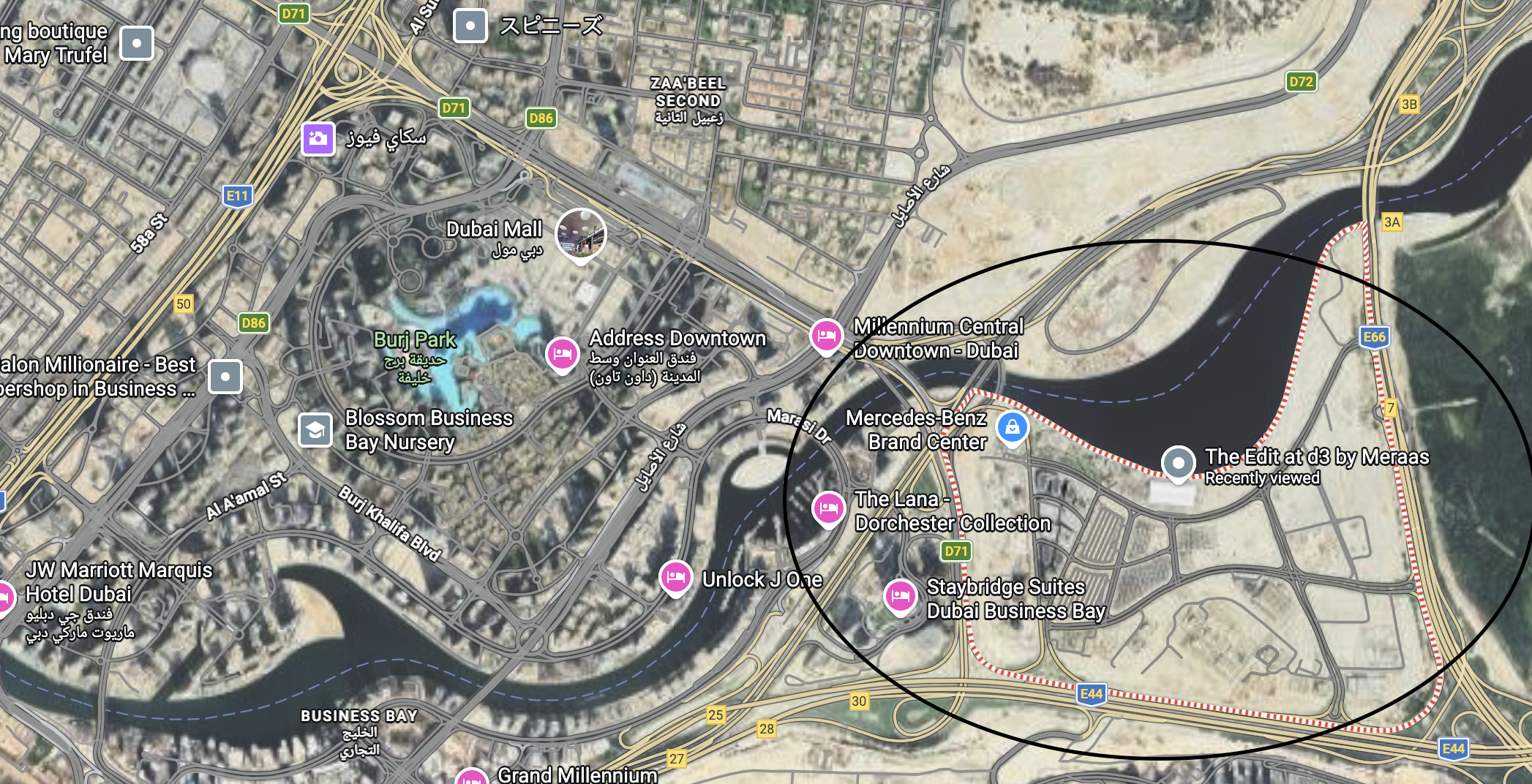
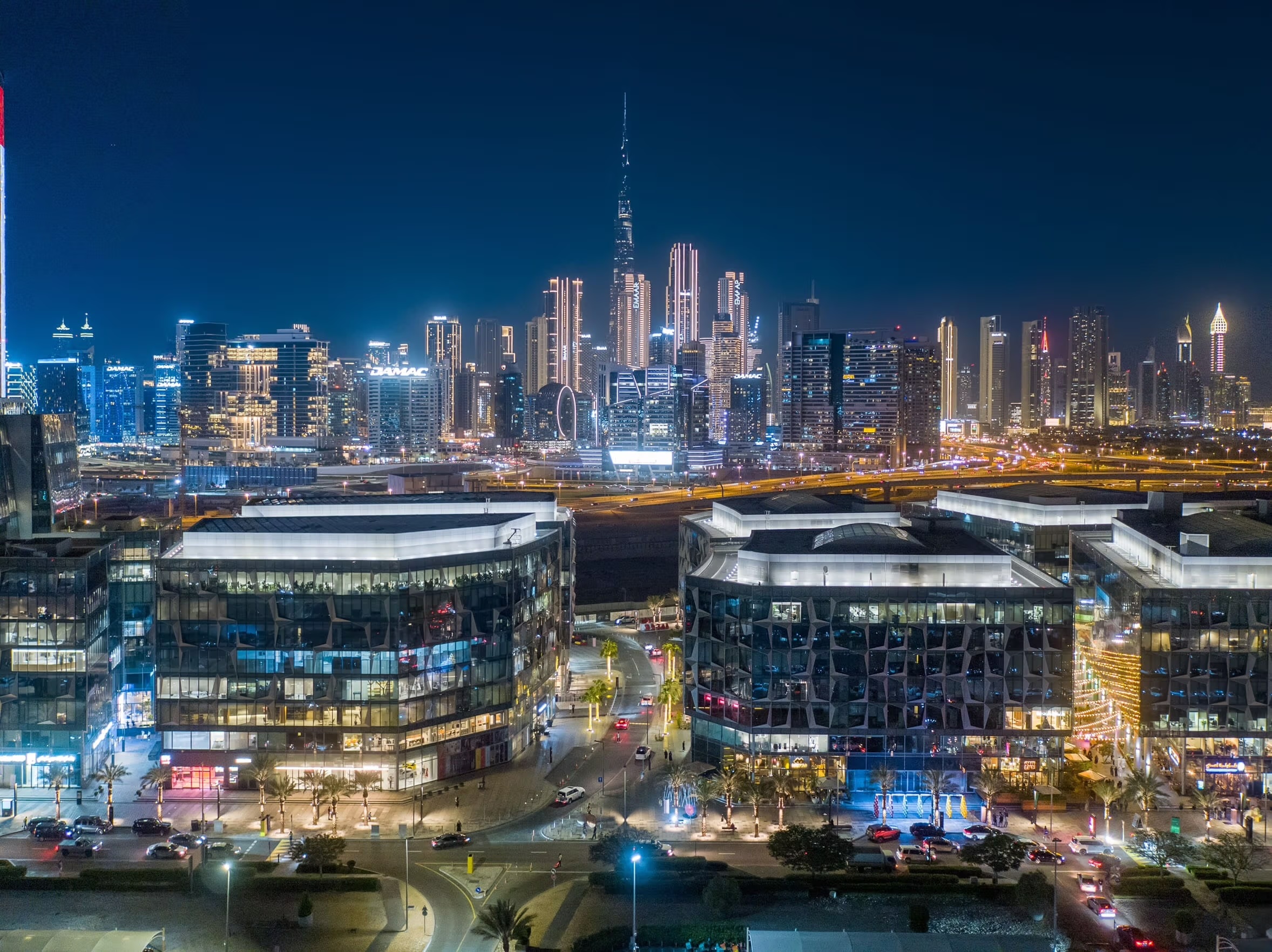
d3 sits in a central part of the city, close to Burj Khalifa and Dubai World Trade Centre, with Business Bay and Downtown Dubai next door and direct access to Al Khail Road and Ras Al Khor Road. In plain terms, you are in the middle of the action rather than out of town.
That location changes how people use the area. Founders and teams can meet clients in central Dubai without losing half a day to it. Brands and event organisers can pull crowds because nobody has to treat it as a remote destination. On the public transport side, the nearest metro is Dubai Mall/Burj Khalifa Station on the Red Line, RTA Bus Route D03 serves the district, and there is ample parking across multi-level and surface areas.
The creative community is the real asset
d3 positions itself as the region’s hub for design, fashion, and culture, and it has the community scale to back it: the district cites more than 550 partners and over 10,000 professionals. That base is what makes the address worth something beyond the buildings.
For international companies, the free zone setup is the other draw. The Ministry of Economy and Tourism lists the common free zone advantages, including 100 percent foreign ownership and 100 percent repatriation of capital and profits, alongside simplified setup and modern infrastructure. For a foreign founder who wants a clean ownership structure and easy operations early on, that matters.
in5 and the maker layer
This is the part that keeps early-stage talent coming, and the part most area guides skip. in5 Design sits in the heart of the district and supports design startups with coworking and private offices, plus prototyping labs and specialist equipment: 3D printers, wood and metal cutting machinery, fashion labs, and workshops. Startups in its ecosystem have raised significant funding since 2013.
Plenty of districts call themselves creative. Far fewer can point to actual CNC machines, electronics benches, and woodworking sections. That maker and production layer is what makes d3 sticky, and it is why the ecosystem is worth more than any single lease.
Events are the district’s proof of life
TECOM Group ties d3 to platforms like Dubai Design Week and Dubai Fashion Week, along with events such as Sole DXB. These are not background details. They are central to how the district stays relevant and keeps refreshing footfall. Dubai Design Week runs as the region’s leading creative festival, with tens of thousands of visitors and year-on-year attendance growth, and it activates spaces across the whole district rather than a single hall.
If you are using d3 as a business, treat the events as a calendar to plan around. Set your meetings and showings before the big week, host something small and private during the peak, and follow up fast afterwards, because the city moves on quickly. Obvious, and still ignored constantly.
Who d3 actually suits
It is not for every business, and it is not trying to be. It fits best if you are in one of these camps:
- Design, architecture, interiors, branding, and creative agencies. You want a client-friendly address, proximity to other creatives, and district energy without the pure corporate feel.
- Fashion brands, showrooms, and production-adjacent teams. This is where the ecosystem earns its keep. d3 is tied into the fashion calendar, including Dubai Fashion Week, which keeps the district relevant beyond office hours.
- Startups that need infrastructure, not just a lease. This is where in5 becomes a practical asset: coworking, private offices, prototyping labs, 3D printers, fashion labs, and workshops, plus the chance to show alongside international brands at Dubai Design Week.
If you are a traditional corporate with no creative angle, you can still operate here, but you may feel like you turned up in the wrong outfit. Not always, but often enough to mention.
Is d3 the right base for your company?
| If you are | d3 tends to work when | Consider alternatives when |
|---|---|---|
| Design studio or brand | You want community overlap, events, and a creative address | You need heavy industrial operations |
| Fashion startup | You want proximity to fashion calendar moments and makers | You need the lowest-cost space above all else |
| Agency or consultancy | You want client-friendly access near central Dubai | You want a purely corporate setting |
| Solo freelancer | You want coworking and ecosystem support | You want a quiet, low-footfall neighbourhood |
Choosing a workspace style
| Workspace style | Best for | Why it works in d3 | Watch-out |
|---|---|---|---|
| Private office | Established studios, client-facing teams | Polished address, easy to host meetings | Can feel too quiet if you want constant buzz |
| Coworking | Startups, small teams, freelancers | Flexible, social, faster collaboration | Not ideal for confidentiality-heavy work |
| Workshop and lab access | Product designers, fashion creators, prototyping | Real tools and real making, not just slides | Availability varies, plan ahead |
| Showroom-style presence | Brands, galleries, design retail | The district already attracts design-led footfall | You need programming, or it is just a pretty space |
What it is like to walk through
d3 is not a beach district and it is not a mega-mall zone. It is a working neighbourhood that occasionally turns into a festival ground, then quietly goes back to being a place where people build things. Property portals describe it as modern, walkable, and built around open courtyards and wide walkways, which is accurate. It is laid out for movement between meetings and pop-ups, not for driving from tower to tower.
A simple first visit is a loop. Start in the public spaces, including The Block Park. Move toward the creative programming, where Dubai Design Week hosts installations, exhibitions, workshops in the Maker Space, and an outdoor Marketplace. End at the waterfront, which the district treats as one of its signature event stages, for example when Downtown Design returns to the d3 waterfront.
The Block Park
The Block is described as the country’s first urban beach park, built around movement and downtime: a skatepark, basketball and volleyball courts, climbing walls, and an urban-beach feel along the waterfront. It is the clearest sign that d3 is trying to be more than offices.
DIDI, and why it quietly lifts the district
The Dubai Institute of Design and Innovation sits inside d3, and educational anchors like it tend to keep creative districts alive year-round rather than only during event weeks. It adds a student, maker, early-career energy that feeds the cafes, the pop-ups, and the kind of talks that show up on the creative calendar.
Where to eat
A few venues publish their d3 location directly, which makes them easy to point people toward. One Life Kitchen and Cafe runs as its flagship cafe in the district and works well as a meeting room with better coffee. Mohalla lists Dubai Design District as its location with full opening hours and suits a proper meal with a group. Joe & The Juice has a d3 location page and covers the quick, all-day option.
| Spot | Best for | Why it fits d3 |
|---|---|---|
| One Life | Work sessions, brunch-ish meetups | Feels like a creative HQ cafe |
| Mohalla | Proper meal, friends, visitors | Clear district location, strong identity |
| Joe & The Juice | Grab-and-go, light meetings | Simple, all-day casual option |
A simple two-hour loop
| Time | Do this | What to look for |
|---|---|---|
| 0:00 to 0:30 | Walk the district | Shops, dining, art, and event spaces |
| 0:30 to 1:15 | The Block | Skatepark, courts, climbing walls, urban beach, waterfront |
| 1:15 to 2:00 | Coffee or lunch | One Life, Mohalla, or Joe & The Juice |
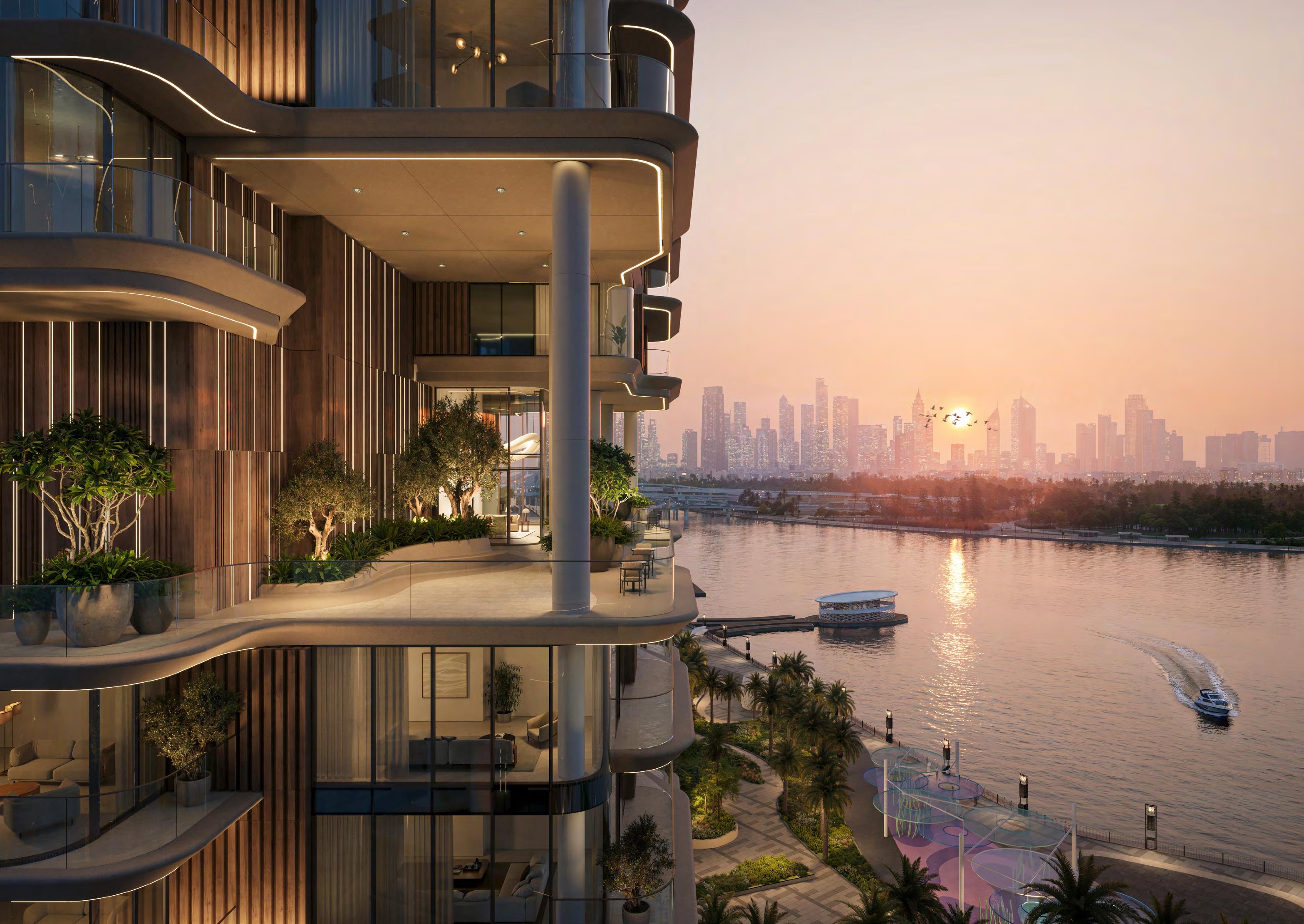
Living here: Design Quarter at d3 by Meraas
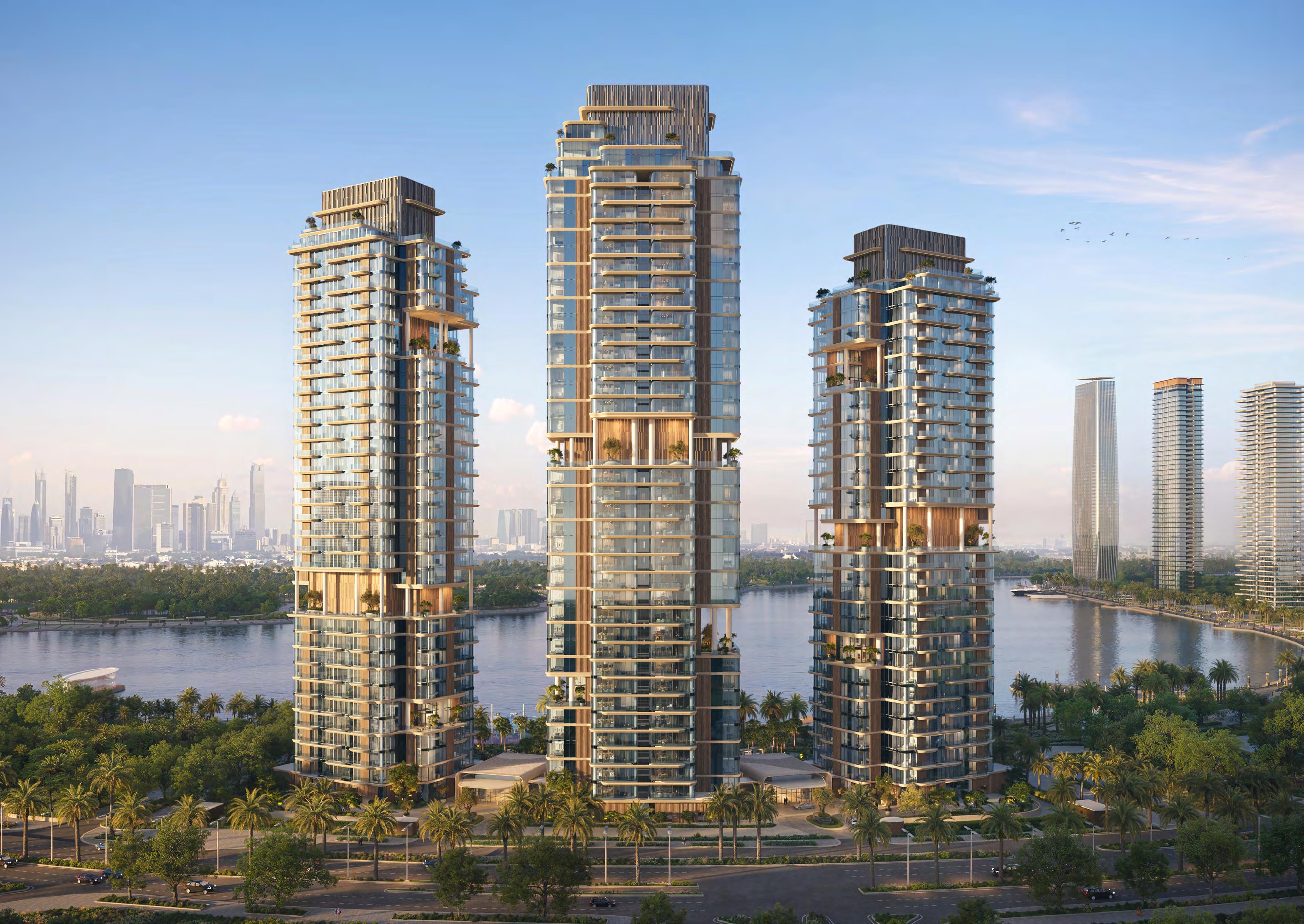
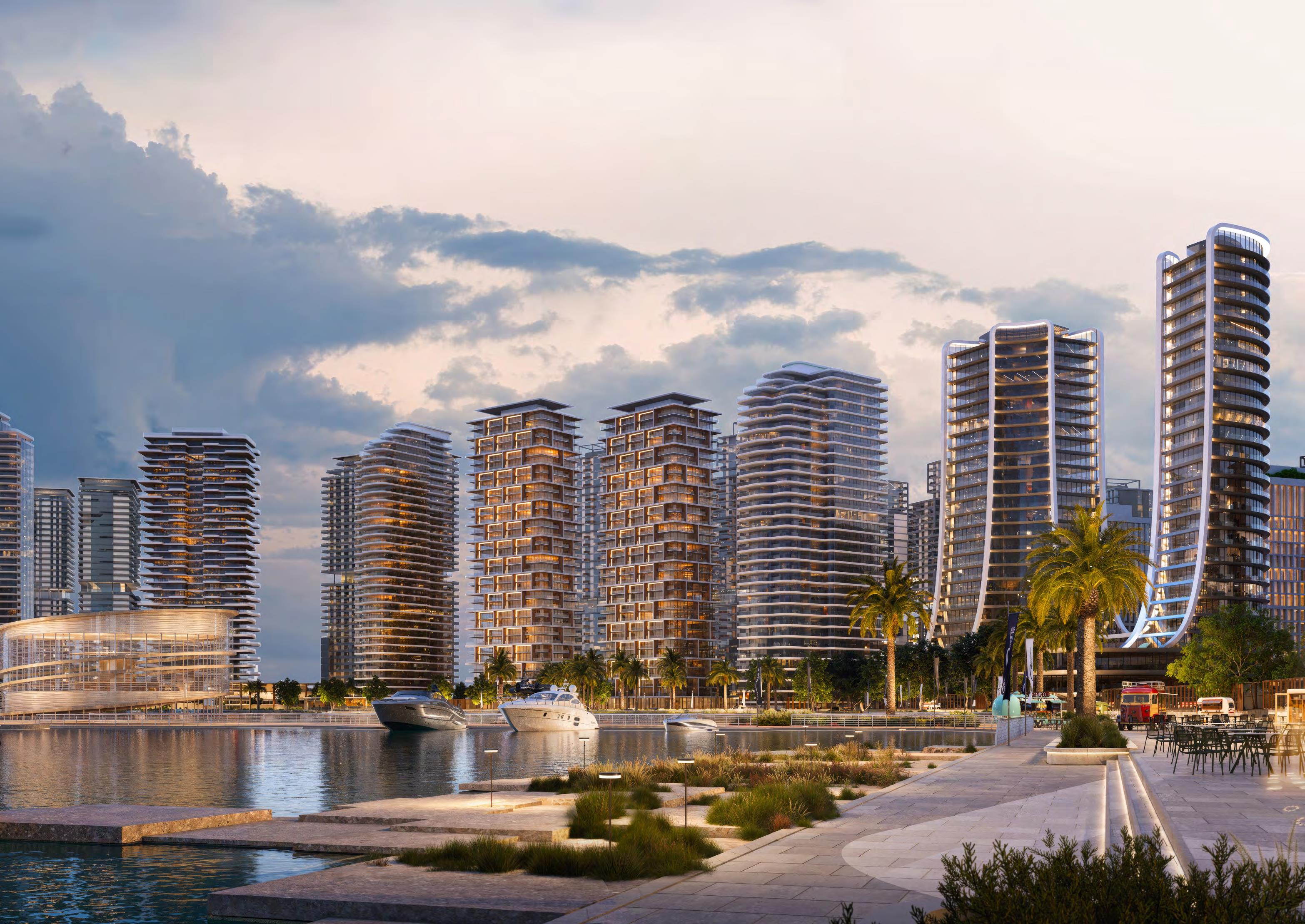
d3 is increasingly a place you can live, not only visit. The flagship residential project is Design Quarter at d3 by Meraas, framed as a creative-led residence in the heart of the district. Meraas lists it as 1 to 4 bedroom apartments, with a starting price shown on the official project page. Property Finder describes it as the primary residential offering inside d3, laid out across multiple towers with a mix of unit types.
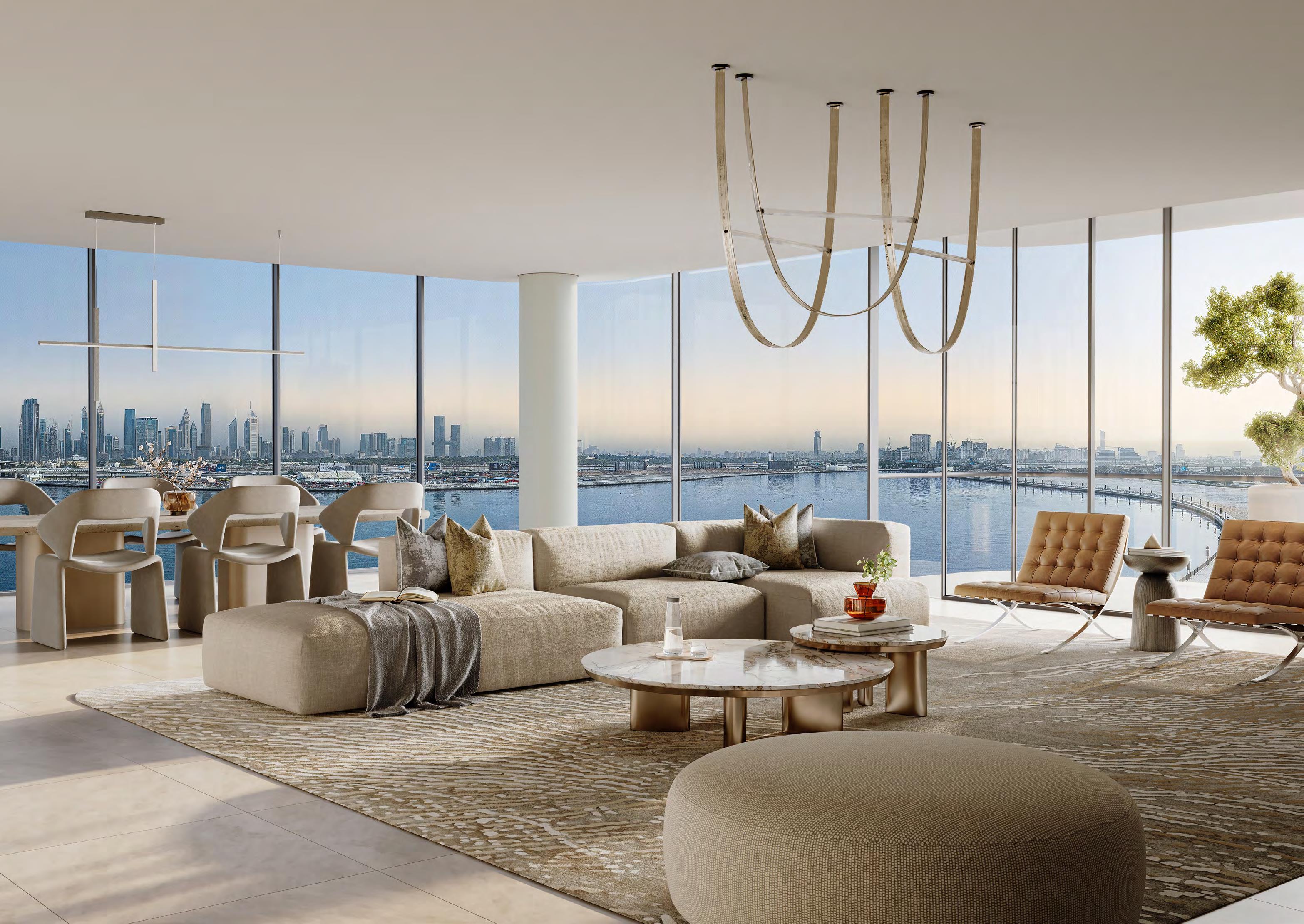
The developer page lists pricing from AED 2M at the time of writing, so check current availability for the live figure. If you want the shortlist, including payment plan options and unit selection notes, message me and I will send it.
Who Design Quarter tends to appeal to
| Buyer profile | Why they look at d3 residential | The practical reason |
|---|---|---|
| Creative professionals | Live close to work and community | Walkability, event access |
| Investors targeting tenant demand | Unique tenant pool, design-led positioning | A differentiated rental story |
| Brand founders and executives | An address that signals taste and industry proximity | Central Dubai access |
| Second-home buyers | Culture, dining, and centrality | Close to Downtown and key districts |
The investor read, without the hype
I would put it plainly. The upside is differentiation. You are not selling another tower, you are selling a lifestyle with a creative identity and an event calendar behind it, and that stands out in a city where a lot of new inventory feels interchangeable. The risk is that creative districts move in waves. One year is loud and full, another is quieter, depending on programming and the wider market mood. That mild tension is the honest picture, and it is worth going in with your eyes open on both sides.
d3 against other central districts
| District | Best for | Vibe | When it beats d3 |
|---|---|---|---|
| DIFC | Finance, corporate HQ, luxury dining | High polish, corporate | If your brand needs a finance-first signal |
| City Walk | Lifestyle retail, walkable city living | Urban, trendy | If you want pure lifestyle and mainstream footfall |
| Alserkal Avenue | Galleries, independent arts community | Warehouse arts, experimental | If you want grassroots arts over a corporate ecosystem |
| d3 | Design, fashion, creative startups, events | Modern, selected, creative | If you want the creative industry as the centre of gravity |
Behind all of it sits TECOM Group, which operates multiple business districts, offers leasing across offices, coworking, warehouses, and land, and runs enabling platforms like in5 and packages like GoFreelance. That structure is why d3 works as an ecosystem rather than a single address.
FAQs
What is d3 in Dubai?
d3 is Dubai Design District, a purpose-built creative neighbourhood focused on design, fashion, art, culture, and the businesses around them.
Is Dubai Design District a good area to visit?
Yes. It is a public-facing district with dining, retail, art concepts, and events, not just offices.
What is The Block in d3?
The Block is an urban beach park on the d3 waterfront, with a skatepark and multiple outdoor sports features.
Can you live in Dubai Design District?
Yes. There are residential options, including Design Quarter at d3.
How much do apartments start from in Design Quarter at d3?
The developer page lists pricing from AED 1.87M. Check current availability for updates.
What kind of companies choose d3?
Creative-led companies in design, fashion, art, and related services tend to cluster there.
Is there a park in Dubai Design District?
Yes. The Block Park is a major recreation space in the district.
Is d3 good for remote work or meetings?
It can be, especially if you prefer cafe-meeting culture and walkable public spaces.
Where can I eat in Dubai Design District?
There are several options, and venues like One Life Kitchen and Cafe, Mohalla, and Joe & The Juice publish their d3 locations directly.
What is the general vibe of d3?
Modern, creative, and event-aware. It can feel calm on normal days and busy when the district hosts activations.
Is d3 only for fashion?
No. Fashion is a major pillar, but d3 is a wider design, art, and culture hub.
Is d3 a neighbourhood or a business district?
Both. It is a creative business district with public-facing lifestyle and recreation built in.
Why do investors mention d3 in Dubai real estate discussions?
Because it has a distinct identity, growing residential supply, and a central location that appeals to specific tenant and buyer profiles.
The bottom line
d3 is one of the few districts in Dubai that feels intentional. Not another set of towers with a nice name, but a place built around a clear purpose: creative industries, public life, and a calendar of events that keeps the area active all year. That mix affects demand, tenant quality, and how well the location holds its identity over time.
The investment case is straightforward. It sits close to central Dubai, which supports rentability. The lifestyle story is strong, with the waterfront, walkability, cafes, and spaces like The Block giving it a pull beyond office hours. And projects like Design Quarter at d3 add a limited, design-led supply that stands apart in a city full of interchangeable inventory. You are not only buying square footage, you are buying into an ecosystem. If that ecosystem matches the tenants you want, d3 deserves a serious place on your shortlist.