
In most cities the building is where the money already sits. In Dubai the building is often what pulls the money in. That reversal is the thing to understand about this market. A tower here is a marketing instrument as much as a piece of engineering, and the addresses that command a premium are usually the ones attached to a landmark you could sketch from memory. Design is not decoration on top of the property value. In Dubai it is a large part of the property value.
Tradition and modernity in the same frame
What separates Dubai from other fast-built cities is that the heritage did not get bulldozed out of the design language. The best work here pulls Islamic and Arabian references into contemporary form, and that combination reads as distinctly Dubai to both local and international buyers.
Islamic design under futuristic skins
A lot of Dubai’s buildings carry traditional Islamic elements, even the ones that look aggressively modern:
- Geometric patterns across facades and interiors, a signature of Islamic art.
- Arches and courtyards that open a building up and tie it back to the outdoors.
- Mashrabiya screens on windows and balconies, which throw shade and give privacy while doing real aesthetic work.
The Burj Khalifa is the obvious case. The silhouette is pure engineering ambition, but the geometry at its base draws on traditional Islamic motifs. Madinat Jumeirah Living works the same trick at a lower height, borrowing the feel of old Arabian architecture and wrapping modern amenities inside it. Neither reads as pastiche, which is the hard part.

The landmarks doing the heavy lifting
Much of Dubai’s pull comes down to a handful of buildings that the whole world recognises. They set the skyline, and proximity to them shows up directly in what nearby property is worth.
Burj Al Arab

The sail-shaped Burj Al Arab, sitting on its own artificial island, has become shorthand for the city’s luxury end. Homes within sight of it trade higher simply because of what stands next door.
Palm Jumeirah

Palm Jumeirah, the palm-shaped island reclaimed from the sea, is the clearest statement of what Dubai will attempt when it decides to. Its villas, hotels and apartments remain some of the most in-demand addresses in the emirate.
Museum of the Future

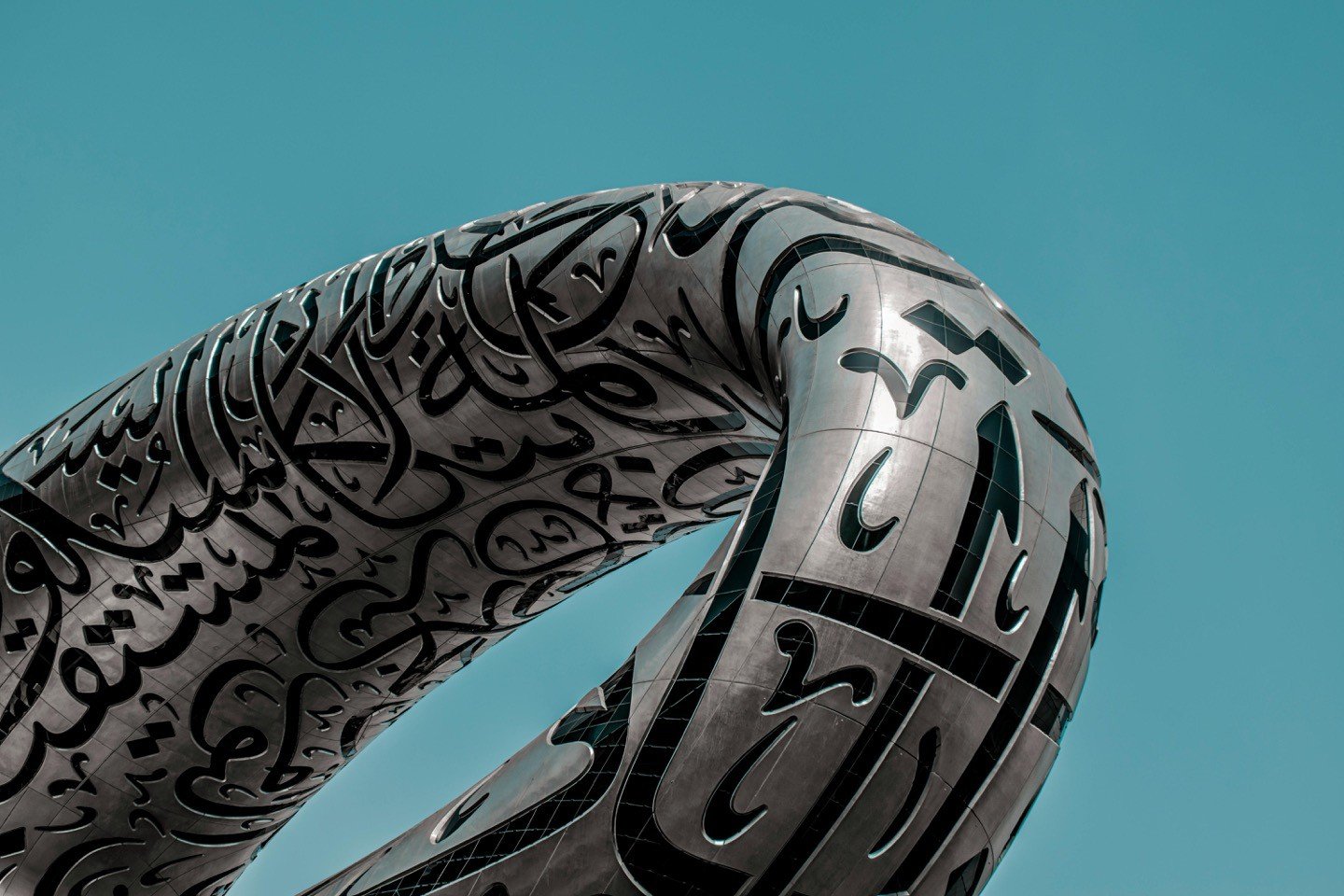
The Museum of the Future is the newer arrival. Its torus shape wrapped in Arabic calligraphy has already become a reference point, and developments around it draw buyers who want an address that signals ambition. A building like this does more than house exhibits. It relabels the district it sits in.
These are statements, not just structures. Each one shows the city can take an unlikely idea and actually build it, and that track record is a large part of why capital keeps arriving.
Sustainable and smart by design
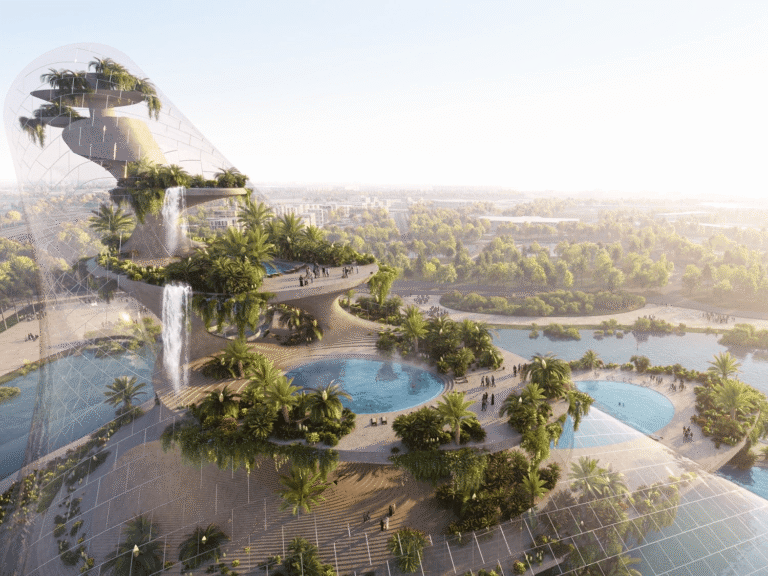
Dubai has been folding sustainability and smart technology into new projects, partly to meet global environmental targets and partly because eco-conscious buyers now ask for it directly.
Green living in the Sustainable City
Dubai’s Sustainable City shows what happens when the environmental thinking comes first rather than last. It runs on:
- Solar-powered homes that cut energy use sharply.
- Green spaces and urban farms that support biodiversity and a degree of self-sufficiency.
- Recycling and water management systems built to keep waste down.
It has become a template other developments now measure themselves against, and it draws a specific kind of buyer who wants the greener option without leaving the city.
Read our walkthroughs on how to invest in a smart sustainable city:
The UK Investor’s Guide to Buying Property in Dubai
And you can join one of our free webinars.
Smart city integration
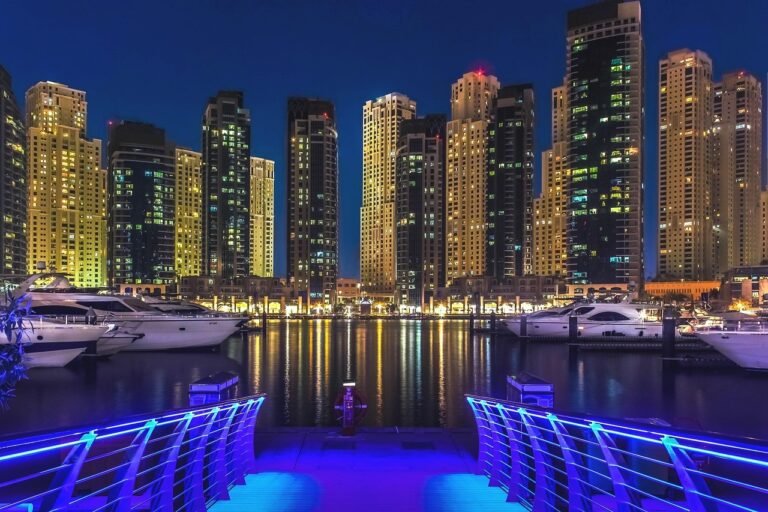
The technology is moving from luxury add-on to baseline expectation. Automated lighting, energy-efficient cooling and AI-driven property management are now standard in the higher-end stock across Dubai Marina and Downtown Dubai. Buyers increasingly treat these as given rather than as extras worth paying for.
Luxury and customisation as the pitch
Luxury is central to how Dubai sells itself, and architecture is where that promise gets delivered or exposed.
Exclusive features
High-end homes here tend to come with:
- Private elevators and rooftop pools.
- Interiors designed by architects with international reputations.
- Concierge service and access to top-tier amenities.
Emirates Hills, often called the “Beverly Hills of Dubai,” is the sharpest example: villas built to their owners’ exact taste. That level of customisation is what keeps high-net-worth buyers interested and pulls the wider market up with it.

Master-planned communities and the question of livability
Dubai’s appeal runs past single buildings to whole communities designed as one piece, blending homes, offices and leisure into a single place you can actually live.
Communities that work
Downtown Dubai, anchored by the Burj Khalifa and Dubai Mall, packs luxury apartments, dining and entertainment into a dense urban core.

Dubai Hills Estate goes the other way, built around greenery, parks, schools and a championship golf course for families who want space.

Jumeirah Lakes Towers (JLT) mixes residential and commercial around walkable streets and lakes.
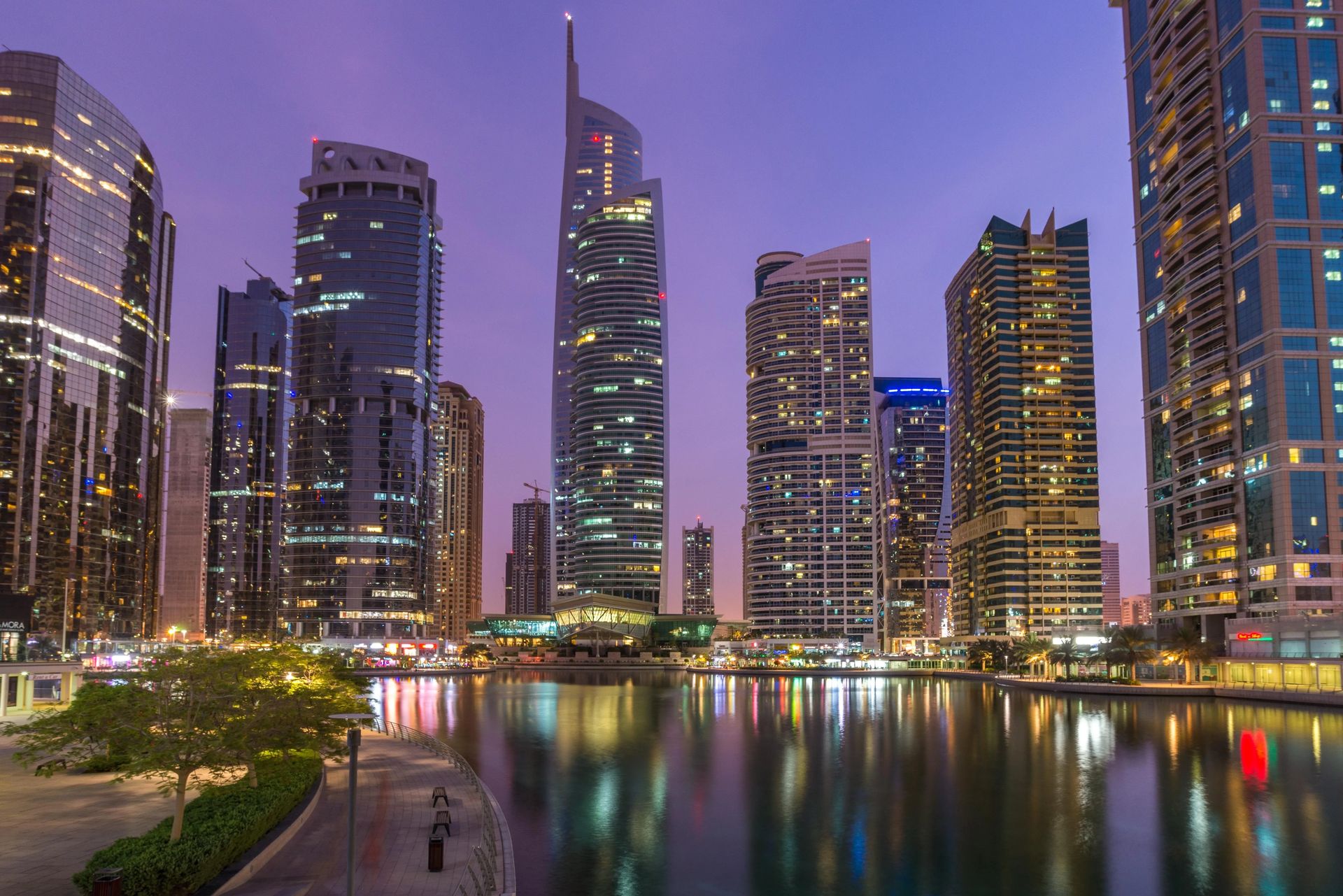
The common thread is livability: open space, streets you can walk, and community hubs. That is what makes these places hold their value with families, professionals and investors alike.
Architecture as economic engine
Beyond how it looks, design shapes what the city earns.
Cultural influence
Dubai’s buildings tend to broadcast its ambition, which gives residents something to point to and visitors something to remember. Events like Expo 2020 pushed that further, drawing global attention and fresh investment toward the city’s design credentials.
Economic impact
Landmark buildings and well-run master plans lift surrounding property values and pull in business, tourism and talent. That loop is a real part of why Dubai keeps its lead in real estate and urban development, rather than a nice side effect of it.
Design is not the finish on Dubai’s real estate. It is the argument for it. The city keeps its market fresh by treating tradition and innovation as partners, building things people fly in to see, and putting sustainability and technology into the everyday stock rather than the showpieces. For a buyer, the practical takeaway is simple: in Dubai, the way a building looks and works is not separate from what it is worth. It is most of what it is worth.