
Everyone knows Dubai for the trophy end of the market, the Palm villas and the branded penthouses. That is not where most sensible money starts. The better first move for a lot of buyers is the edge of the map, the districts that are still cheap because the infrastructure has not fully caught up yet. For 2024, three of those stand out: Dubai South, Dubailand, and JVC. Here is what actually makes them worth a look, and where the pricing gap really sits.
The three areas doing the heavy lifting
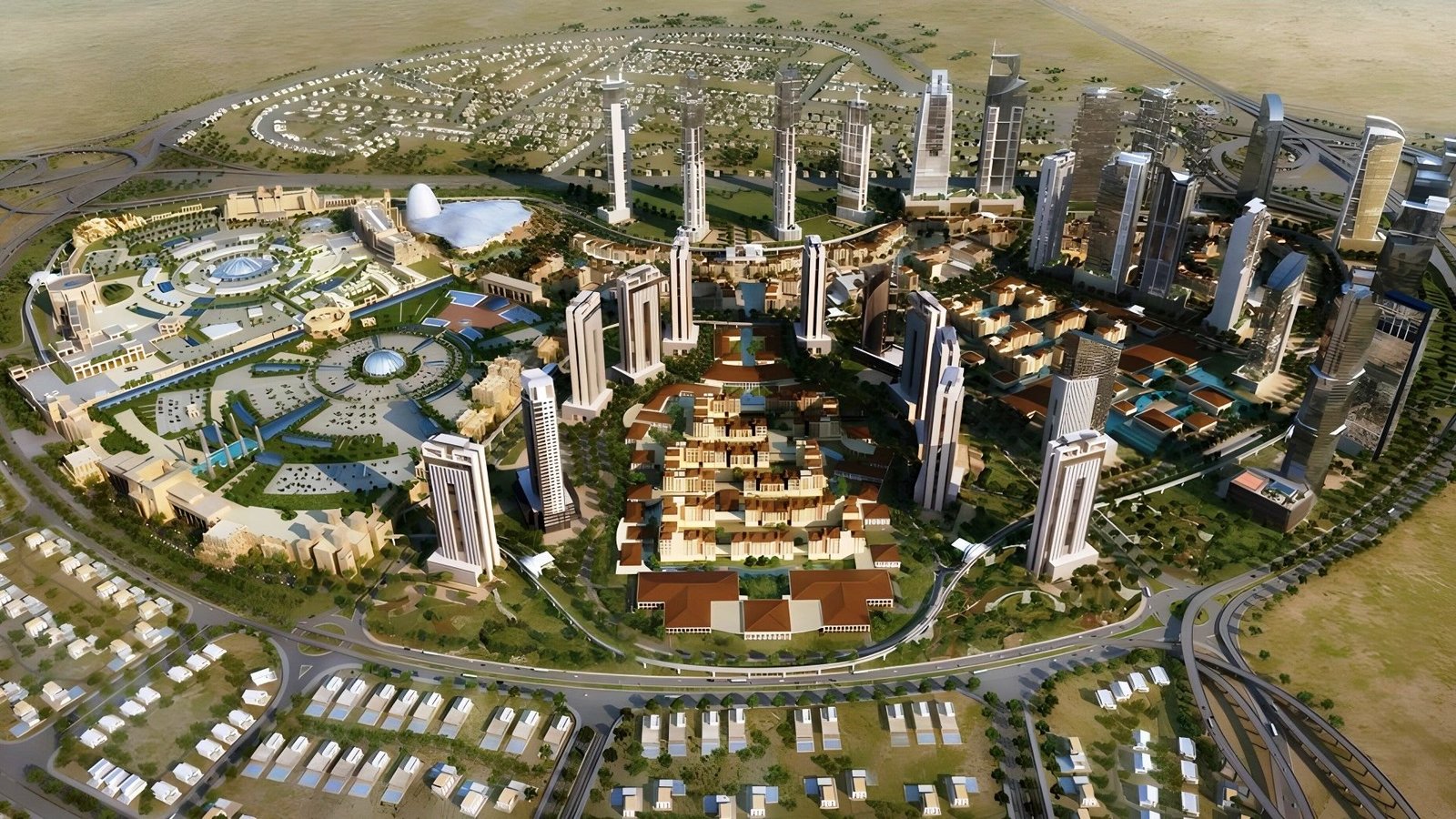
Dubai South sits next to Al Maktoum International Airport and the old Expo 2020 site. It was planned as a self-contained hub, residential, commercial, and recreational in one footprint, and prices there are still well below the established communities. If you are buying on a budget and you care about growth potential over prestige, this is the one people underrate.
Dubailand started life as a tourism and entertainment concept and quietly turned into a residential belt instead. It now holds sub-communities like Mudon, The Villa, and Arabian Ranches 2. The location works, the development keeps coming, and demand has followed. It is a practical choice rather than a flashy one.
Jumeirah Village Circle (JVC) keeps pulling steady demand for unglamorous reasons: it is central, it is family-friendly, and it is affordable. You get apartments, townhouses, and villas across a range of budgets, plus continuous infrastructure upgrades and new amenities. It is the safe pick of the three.
The infrastructure that actually moves prices
Cheap areas stay cheap until the roads and the metro arrive. That is the whole thesis, so it is worth being specific about what is coming.
- Dubai Metro expansion. Extending the Red Line toward areas like Dubai South is the single biggest connectivity change for these districts. Access is what turns a fringe address into a commuter one.
- New roads and highways. Fresh links are being built to tie Dubailand and JVC into the main business districts. Better access to Sheikh Mohammed Bin Zayed Road and Al Khail Road matters most for the people commuting to the centre every day, and that is what firms up demand.
- Retail and leisure. New malls, parks, and leisure facilities lift desirability. Dubai South’s upcoming Business Park and the expansion of Dubailand’s entertainment options are the notable ones here.
Why the investment case holds
Dubai South and Dubailand both sit close to major development zones like Expo City Dubai and key transport hubs, and values in the surrounding neighbourhoods tend to move up as those projects advance. Layer on a population that keeps growing, with expatriates arriving steadily, and the demand for cost-effective housing in JVC and Dubai South has an obvious floor under it. Government initiatives, including affordable housing programs and visa reforms aimed at foreign investors, push the same direction.
Yields and occupancy
The trade-off for a lower entry price is usually a higher yield. Emerging areas tend to out-yield the established ones precisely because you paid less going in and demand for affordable housing is strong. JVC and Dubai South are both known for attractive rental returns, which is what makes them appealing if you want income rather than a trophy.
Occupancy tends to hold up too, carried by the steady inflow of new residents. Dubailand in particular, with its family-friendly amenities, sees consistent rental demand, which is what keeps returns reliable rather than lumpy.
What you are really buying for the long run
The capital appreciation case rests on timing. As the infrastructure projects finish and these areas mature, values are expected to rise, and the buyers who got in early in the development cycle are the ones who capture the gain. The lower entry price does two other things worth naming: it widens the pool of buyers you can eventually sell to, and it keeps resale liquidity healthy because first-time buyers and budget-conscious investors are a large, permanent audience.
What the price gap actually looks like
The affordability argument is easier to see when you put the numbers next to the established areas.
- Dubai South vs Dubai Marina. Luxury apartments in Dubai Marina can run upwards of AED 2 million. A similar-sized unit in Dubai South can be available for roughly half that. That spread is the entire reason to look south.
- Dubailand vs Downtown Dubai. A three-bedroom villa in Dubailand might sit around AED 1.5 million. The Downtown equivalent can be three times higher. You are paying for the postcode, not the extra bedroom.
What the money buys you
- Dubai South. Modern apartments with contemporary finishes, community parks, retail centres, and schools within reach, with more amenities arriving as the district builds out.
- JVC. Landscaped gardens, pools, and fitness centres, a good spread of affordable stock, and enough connectivity that commuting to the rest of Dubai is not a chore.
How to buy well here
- Know the local market. Understanding the trends and the specific infrastructure timelines gives you leverage on price. An agent who genuinely works these areas will spot the undervalued stock you would otherwise miss.
- Look at off-plan. Off-plan in emerging districts often comes with discounts and flexible payment plans, and the value is real if the area is developing quickly. Just check the developer’s delivery record before you sign.
- Mind the timing. Buying in the early stages of a neighbourhood’s development is where the appreciation lives. Wait until the roads are open and the discount is already priced out.
The short version: Dubai South, Dubailand, and JVC give you a real entry point into a market most people assume is closed to them, with infrastructure that is visibly on the way and yields that beat the established names. The winners here will be the buyers who read the timing correctly and get in before the connectivity lands, not after.