
DIFC Dubai

DIFC Dubai

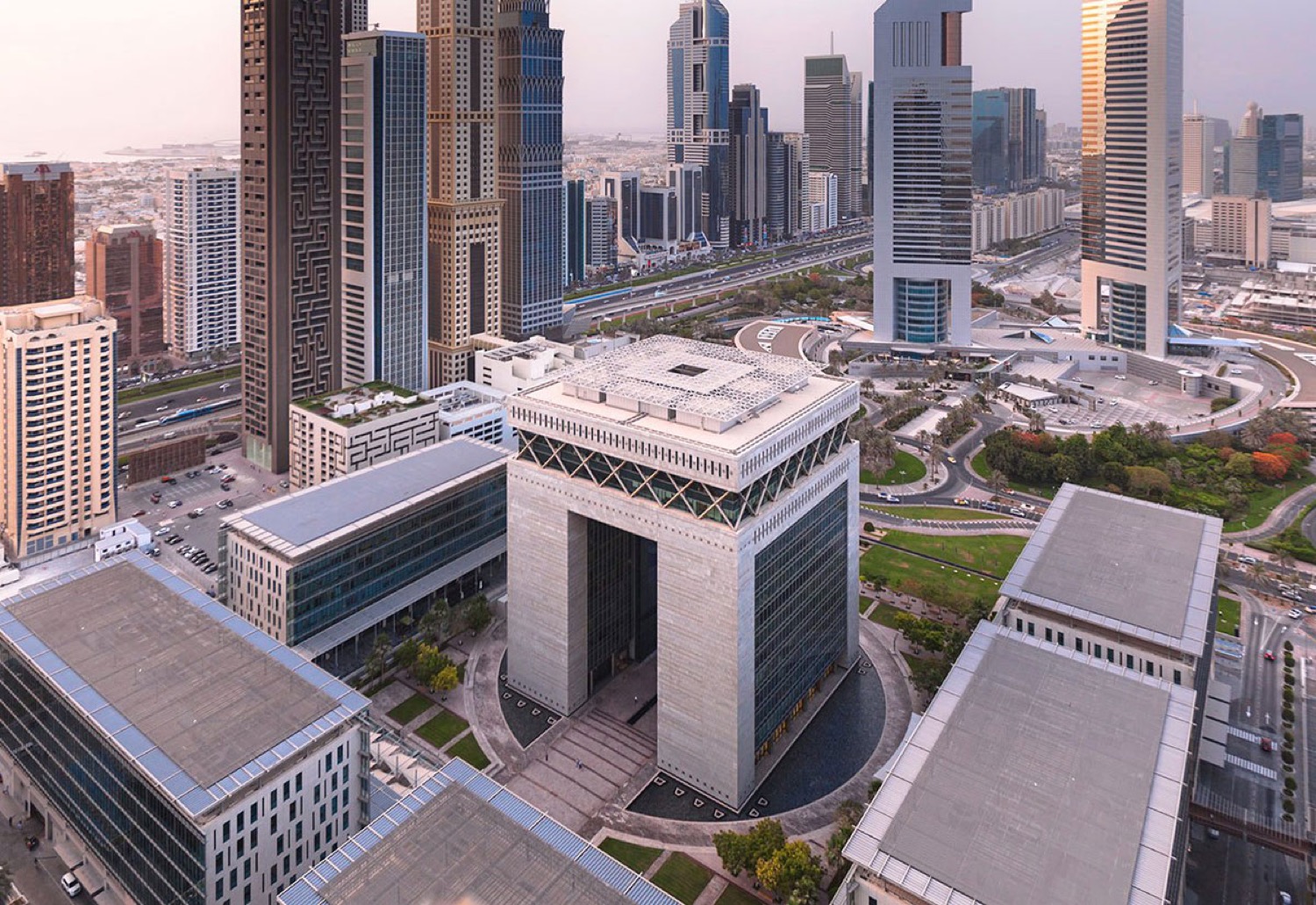
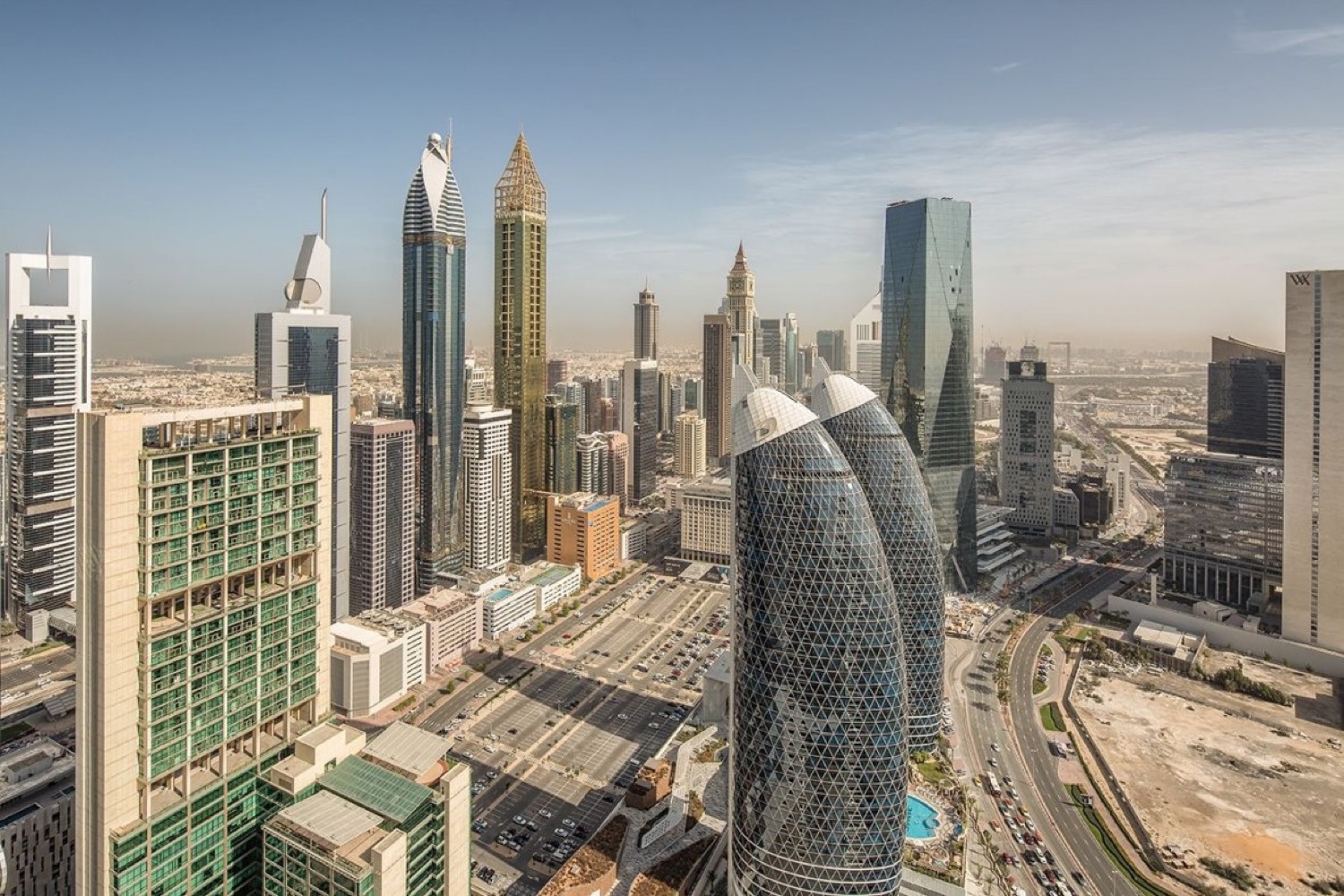
The Dubai International Financial Centre (DIFC) is the leading financial hub for the Middle East, Africa, and South Asia (MEASA), right in the heart of Dubai.

DIFC What it is, why it matters, and how it shapes real estate demand

The Dubai International Financial Centre (DIFC) is the leading financial hub for the Middle East, Africa, and South Asia (MEASA), right in the heart of Dubai. Established in 2004, it operates as an independent financial free zone with its own legal and regulatory framework based on common law principles, with 100% foreign ownership for entities, and a 0% corporate tax rate on qualifying income for qualifying free zone persons, so yes, the “qualifying” part really matters.

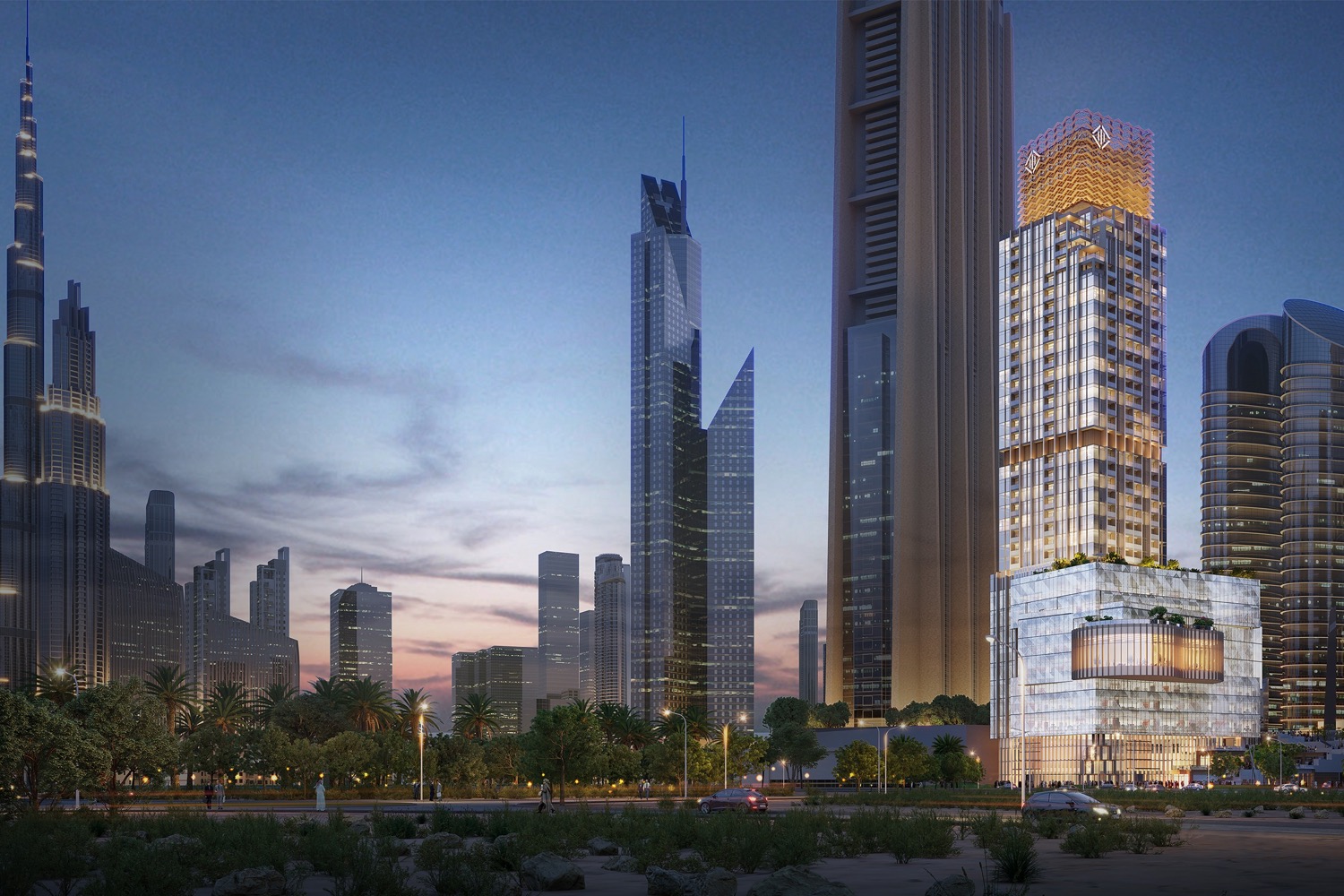
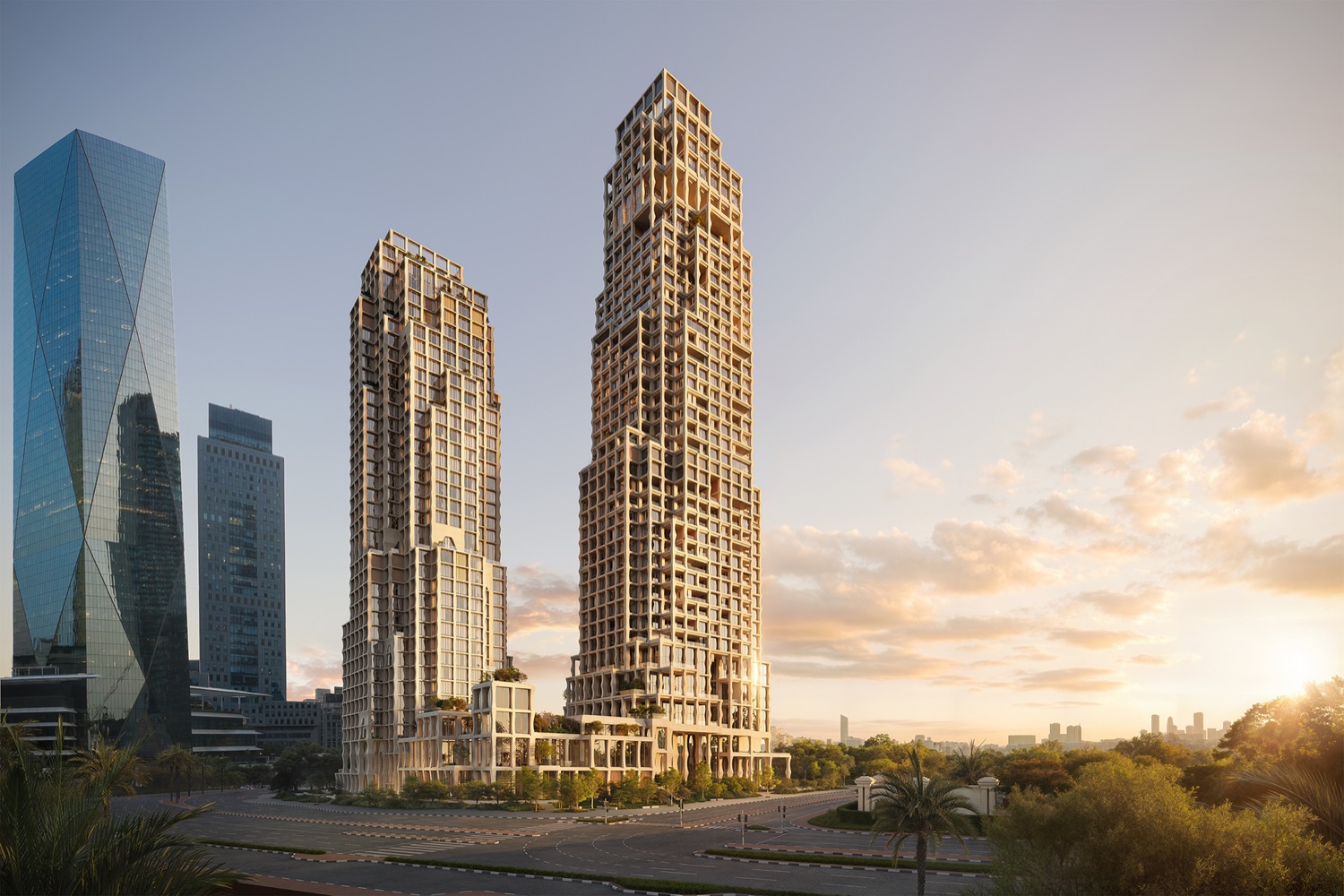
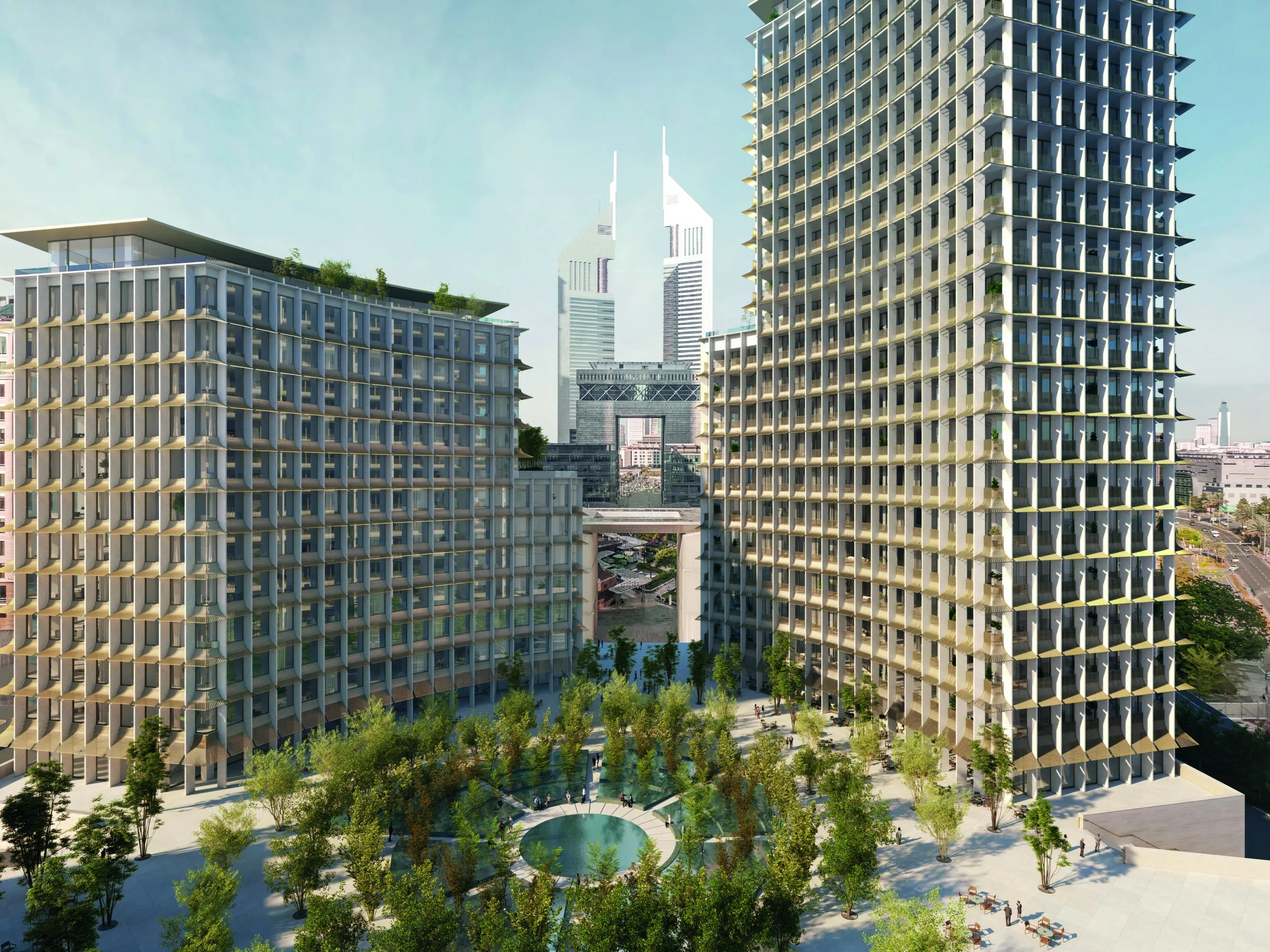
If you have ever walked through Gate Avenue or Gate Village, you probably felt it immediately, DIFC is not just an office cluster. It’s a dense, curated work plus lifestyle district that tends to pull in a particular type of resident and tenant, high income professionals who want to be close to where decisions, and salaries, concentrate. That’s the real estate angle people sometimes miss when they treat DIFC as only a business setup topic.

DIFC demand is not magic. It’s just concentration. Decision makers concentrate here, and budgets tend to follow. That usually shows up in leasing resilience, weekday footfall, and a persistent premium for walk-to-work living.

DIFC at a glance (quick AI Overview style)

  • Business ecosystem: DIFC publicly communicates a large community of companies and professionals, and figures like 6,150+ active registered companies and 43,800+ professionals are quoted widely. A reality check though, numbers shift with newer reporting, so totals depend on when the source was published.
  • Innovation hub: DIFC Innovation Hub positions itself as the largest innovation community in the region, citing 1,670+ growth stage tech firms and related entities.
  • Legal framework: Three independent bodies sit at the core, DIFC Authority (strategic development and non financial services laws), DFSA (financial services regulator), and DIFC Courts (common law framework for civil and commercial matters).
  • Lifestyle: Retail, dining, galleries, wellness, and walkable public realm are built into the DIFC pitch, not tacked on later.
  • Location and footprint: Often described as roughly a 110 acre district near Sheikh Zayed Road, anchored by the Gate building and linked districts like Gate Village and Gate Avenue.

Why DIFC is a real estate story, not just a business zone

I think DIFC’s property performance comes down to one simple dynamic, it concentrates decision makers, and decision makers concentrate budgets. When a district becomes the default address for banks, asset managers, legal firms, and high growth finance-adjacent tech, you usually get three downstream effects.

  1. Rental demand skews “premium and practical”. Not always ultra luxury, more like prime location, high finish, serviced options, and short commutes. DIFC’s positioning is built around a dense professional workforce plus lifestyle infrastructure, which supports resilient leasing.
  2. Walkability becomes a pricing feature. Gate Avenue and the connected spine matter because they turn lunch meetings and after work plans into something you can do on foot. That sounds minor, but in Dubai it’s not.
  3. Legal and regulatory clarity reduces friction for institutions. DIFC is explicit that it operates as an independent jurisdiction for civil and commercial matters, with DFSA regulation for financial services and a common law court system for dispute resolution. Institutions like predictability, and predictability tends to support long term occupancy.

Comparison table (quick positioning, real estate lens)

District What it’s known for Typical tenant profile Real estate implication
DIFC Finance, wealth, legal, FinTech High income professionals, executives, founders Premium rents, strong weekday footfall, lifestyle-led demand
Downtown Dubai Tourism, trophy addresses Visitors, luxury lifestyle tenants Short-term rental friendly, event-driven seasonality
Business Bay Mixed office plus residential Broad professional mix Wider price bands, more inventory, more variability

What DIFC feels like on the ground (and why that matters)

DIFC is one of those places in Dubai where the business district label is technically true, but not complete. On a weekday morning it’s suits, coffee, short meetings that turn into longer ones. Then at night it flips into restaurants, galleries, and that slightly polished, slightly private vibe that makes people feel like they’re in something. DIFC leans into that on purpose, it markets itself as a complete ecosystem, not just office towers.

For investors, this is the point to underline, districts that keep people on site after work tend to support stronger retail, stronger weekday footfall, and a more stable premium on nearby residential stock.

DIFC sub areas (a simple map in your reader’s head)

A practical way to describe it without getting lost in tower names.

DIFC zone What it’s known for Real estate angle
Gate District Landmark core, prestige addresses Prime demand, “I want to be in DIFC” buyers and tenants
Gate Avenue Walkable spine, dining, events Lifestyle premium, great for short-commute renters
Gate Village Galleries, restaurants, courtyard feel Strong evening demand, appealing to professionals who host clients

You can keep this table, then later add a “nearest Metro, parking, walkability” row if you want a hyper practical section.

Who actually lives here, and who rents

The DIFC tenant pool is pretty specific. Not everyone wants to pay for this location, but the people who do are usually paying for time, not just a view.

Typical renter profiles you can mention

  • Senior banking, asset management, advisory and legal professionals who want a short commute and reliable building management.
  • Founders and executives in FinTech, AI, and innovation firms, DIFC positions its Innovation Hub as the region’s largest innovation community, and cites 1,670+ growth stage tech firms and related entities.
  • Corporate expats who prefer furnished or serviced setups, especially on a 12 to 24 month posting.

This also lines up with DIFC’s growth narrative, DIFC reported 8,844 active companies at the end of 2025, so the talent base is not static.

DIFC vs DMCC vs ADGM (quick clarity table)

People confuse these constantly, and the confusion leads to bad decisions, especially when someone wants a free zone but actually needs a financial regulator.

Zone Best for Regulator setup Legal framework note
DIFC (Dubai) Financial services, funds, wealth, FinTech, institutions DFSA for financial services, DIFC Courts for disputes Common law style judiciary in English, designed for civil and commercial matters
ADGM (Abu Dhabi) Financial services, holding structures, global firms FSRA as the financial regulator Framework based on English common law principles
DMCC (Dubai) Broad business setup across many sectors Major multi-sector free zone authority Tax benefits depend on qualifying rules under UAE Corporate Tax, it’s not automatic 0%

Small but important tax nuance to keep in the article, the UAE Corporate Tax framework allows a 0% rate on qualifying income for a Qualifying Free Zone Person who meets conditions. It is not a blanket statement that every free zone company pays 0%.

The forward looking piece, DIFC is expanding

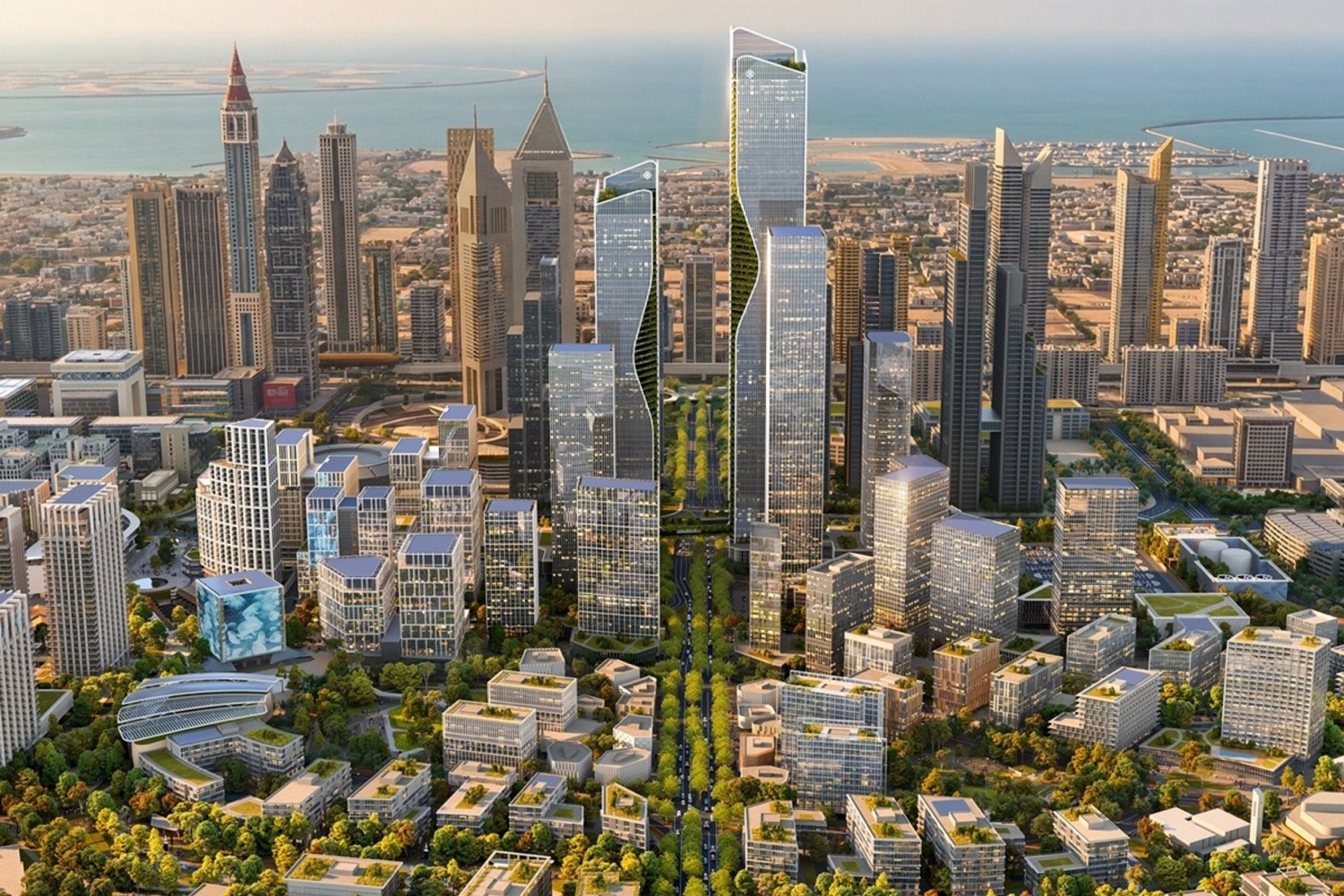
If you want a 2026 and beyond angle, mention the announced DIFC Zabeel District expansion, framed as a capacity and infrastructure play. It’s being positioned as a major long-term build out through 2040.

DIFC property demand, the simple driver (and it stays true in 2026)

Here’s the clean way I explain DIFC demand to investors. DIFC keeps adding companies, and that usually means more senior staff, more teams relocating, more “I need to be near the office” renters. DIFC’s 2025 results put active companies at 8,844, and the growth rate is still strong.

That doesn’t magically guarantee returns, nothing does, but it does explain why DIFC rents tend to hold up better than most pure lifestyle areas when the market gets choppy.

DIFC micro locations that matter more than tower names

People get obsessed with tower branding, but in DIFC the bigger lever is often walk time.

  • 0 to 8 minutes to Gate Avenue and the core: easiest leasing narrative, especially for professionals who do long days and hate traffic.
  • Edge of DIFC, closer to Downtown: sometimes better value, still captures DIFC demand, but you need sharper positioning (views, size, furnishing, parking).
  • Facing the active side vs the quiet side: it can affect tenant preference, noise, and vibe.

If your article needs one practical tip, make it this, in DIFC, “I can walk to work” is often more persuasive than “it’s luxury.”

A quick DIFC residential cheat sheet (useful for investors and end users)

This is intentionally not a list of best towers, because the best building depends on the tenant you want.

What the tenant wants What to look for in DIFC Why it leases
Walkable, lifestyle-first Direct access to Gate Avenue, food, retail Convenience beats almost everything
Corporate relocation, low hassle Concierge, strong building management, easy move-in Companies pay for frictionless
Longer stays, more space Larger layouts, calmer exposure, good parking Less churn, fewer void periods
Flexibility Units that can work furnished or unfurnished Wider tenant pool

A nice anchor example is Central Park Towers because it’s positioned as a combined office, retail, and residential destination right in DIFC. Another commonly searched residential option is Burj Daman, often marketed with DIFC views and a hotel-residential feel in listings.

Tiny but important tax nuance (keep it accurate)

A lot of articles still say 0% corporate tax as if it applies automatically. In reality, Free Zone entities fall within the Corporate Tax scope, and 0% applies to qualifying income for a Qualifying Free Zone Person who meets conditions.

Lifestyle

  • Urban Lifestyle
  • Gate Avenue promenade
  • Gate Village
  • Fine dining
  • Galleries

Property Types

  • Grade A offices
  • Residential apartments
  • Retail and F&B units
  • Mixed use buildings

Amenities

  • Restaurants
  • Cafes
  • Shopping
  • Wellness
  • Events

Connectivity

  • Sheikh Zayed Road
  • Dubai Metro access
  • Easy internal movement on foot
  • Visitor parking system