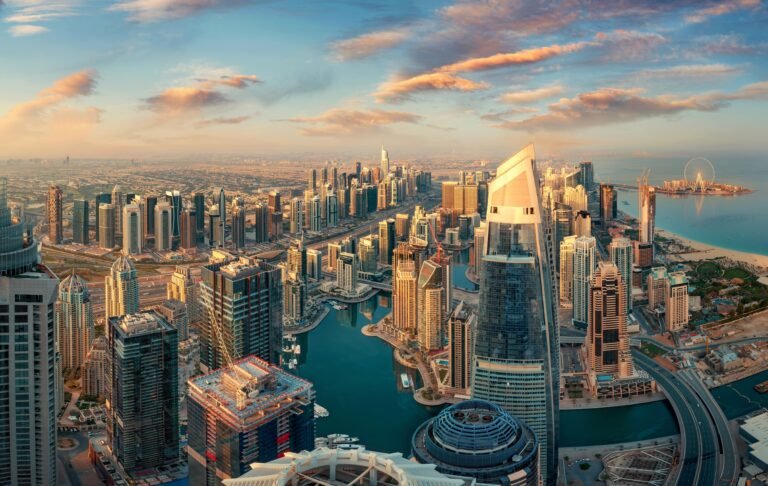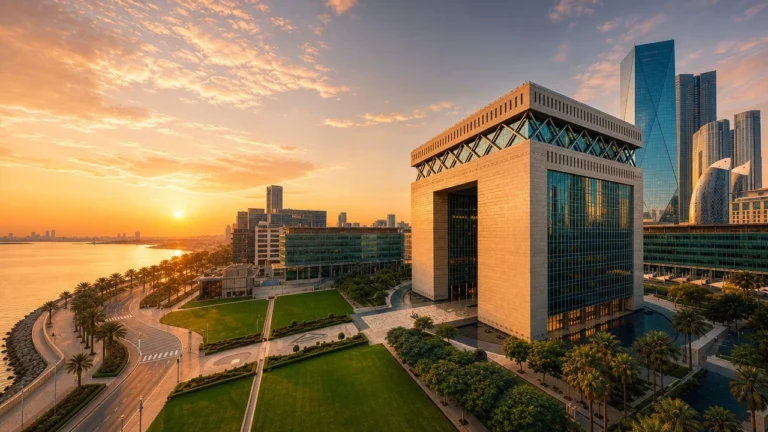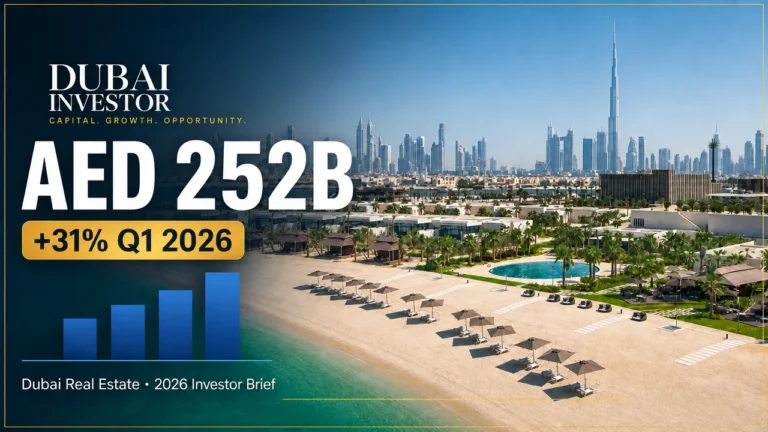

The last few years have knocked the confidence out of a lot of investors. War, inflation, broken supply chains, a global health crisis, and political unrest all left a mark, and markets that used to feel dependable now carry a question mark. Property, the classic safe retreat, has not escaped it either, with major cities facing price corrections, softer demand, and buyers rethinking what they want. Against that backdrop, Dubai has done something quietly unusual: it has become one of the few markets offering genuine stability.
Location backed by intent
Dubai is well placed, sitting between Europe, Asia, and Africa with most of the world’s key markets a short flight away. But plenty of cities have good geography and never turn it into anything. What separates Dubai is intent. This is a city that was planned, and the leadership worked out early that if you want global capital to arrive and stay, you have to make it easy for that capital to enter, operate, and leave when it wants to. The rules are clear and the government moves quickly when something needs changing, and that is the real reason the money keeps coming.
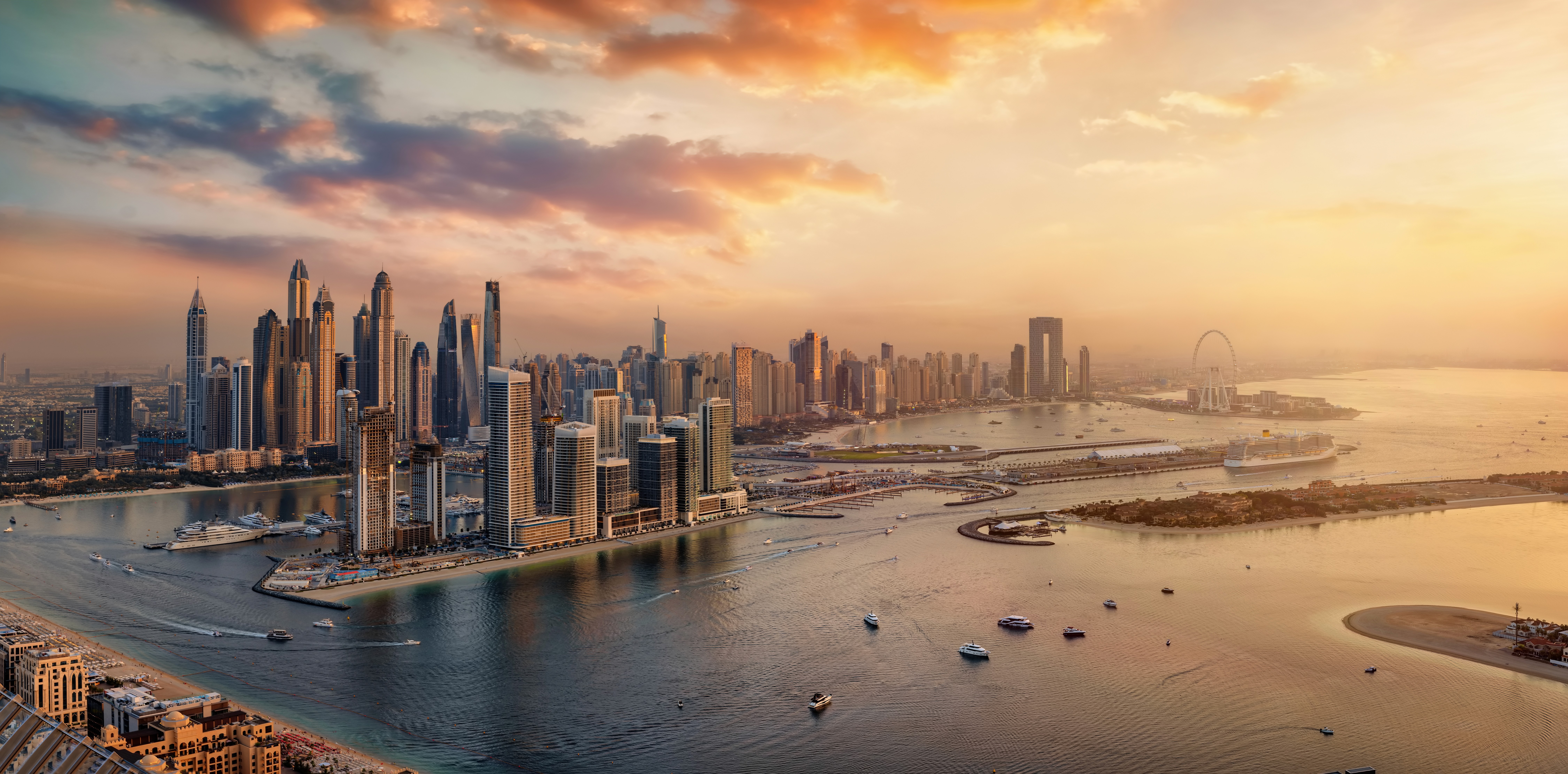
A market built on fundamentals
Lots of cities promise returns. Few give you structure. Dubai has spent two decades building a property market that runs on fundamentals rather than hype. The Real Estate Regulatory Agency and the Dubai Land Department were not set up for show; they exist to hold the industry accountable and give buyers a system they can trust.
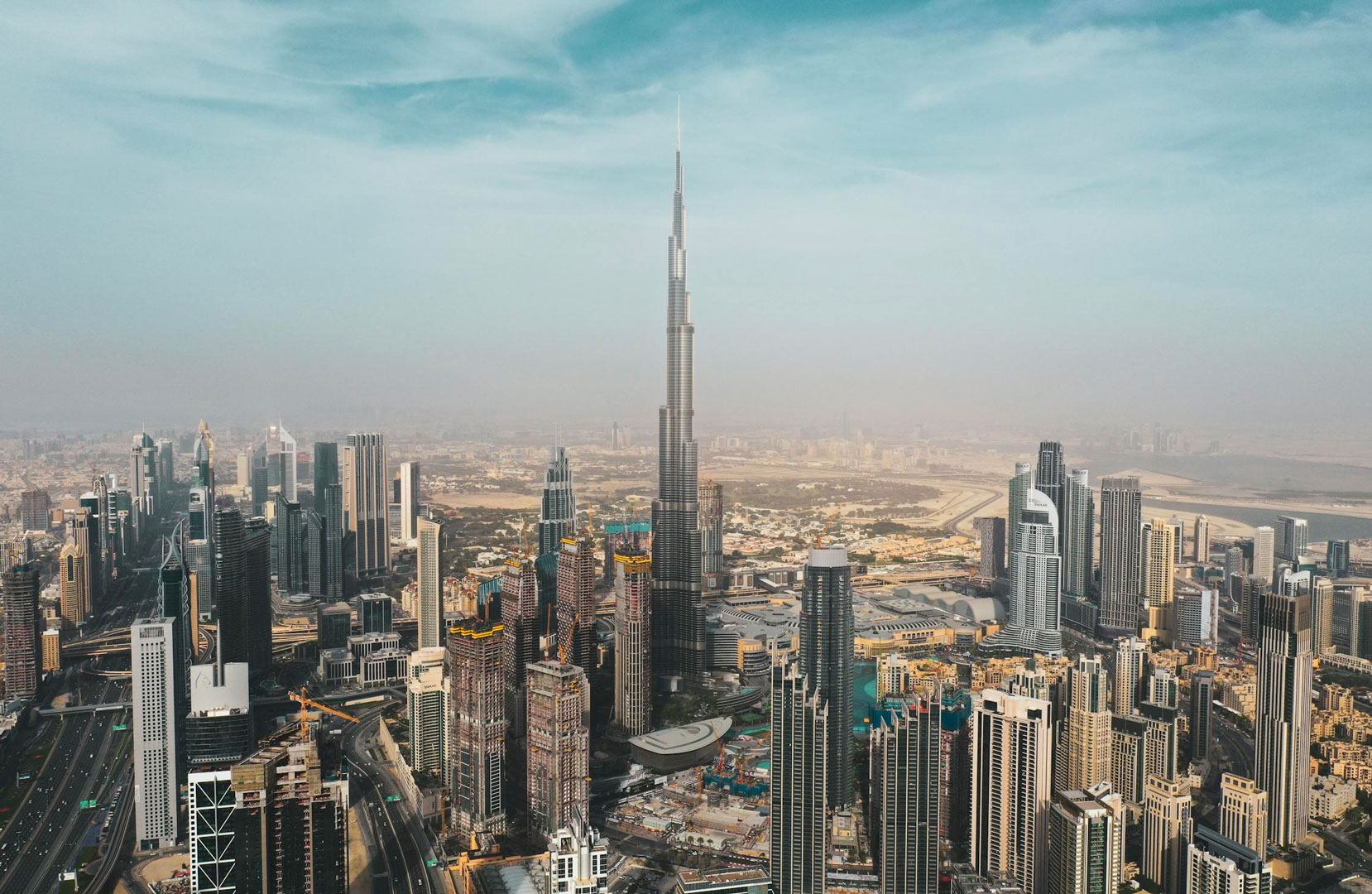
That work shows up in the buying experience. The process is transparent, the legal protections are strong, and because the market is watched closely, you see less of the unchecked speculation that burns people elsewhere. And the demand underneath it is real, driven by population growth, tourism, new visa policies, and a steady flow of global talent looking for a base.
The tax position
In most of the world, owning property means handing back a slice of your gains through capital gains, income, and inheritance taxes. Dubai runs the opposite way: no income tax, no capital gains tax, no recurring property tax. What you earn, you keep.

Set that against London or New York, where simply holding a property costs you every year, and the difference is hard to ignore. The pitch is simple: invest, and you will not be penalized for it. That clarity carries extra weight right now, while other governments are raising taxes to plug deficits and answer political pressure.
Political calm in a noisy region
The Middle East gets attention for instability, and Dubai is the outlier. It has stayed out of conflict and kept its focus on building a city that works. Ask anyone who lives or invests here and safety and order come up almost first; you feel it in the streets and in how the systems run. That stability is not luck either. The leadership chose openness, economic growth, and social tolerance on purpose, and as the rest of the world gets more polarized, that steadiness turns into a real advantage.
Tested under pressure
You learn the most about a market by watching it under stress. When COVID hit, Dubai did not freeze. It acted fast, reopened early, and rolled out measures to support both residents and investors. While other cities were still deciding what to do, Dubai had already launched long-term visas, courted remote workers, and pushed through reforms to pull in investment. The recovery turned into a boom, and that kind of responsiveness is exactly what gives investors confidence: when things go wrong globally, Dubai tends to come out stronger rather than just intact.
Higher yields, lower entry price
For all the luxury branding, Dubai property is surprisingly reachable. Compared with other major global cities it is relatively affordable, whether you are looking at an apartment in Business Bay or a villa in Arabian Ranches. The returns, though, are among the best anywhere. Rental yields regularly beat Paris, Sydney, and Singapore, and in some areas landlords see 6 to 8 percent, sometimes more. Because of the tax position, those yields are not just numbers on a page; they turn into real, usable income. For investors coming from overtaxed or oversupplied markets, that is the whole appeal.
A city that keeps building
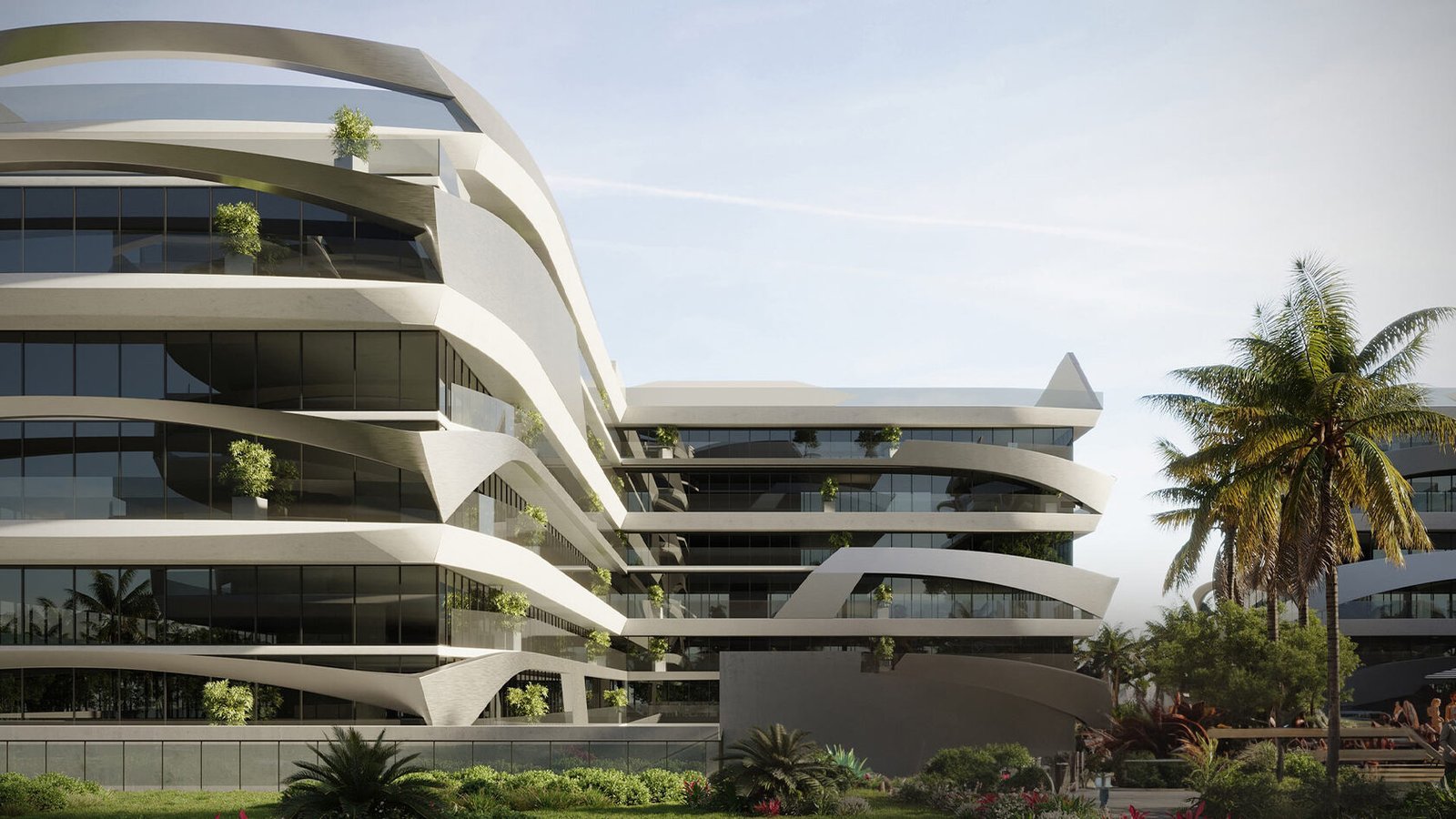
Dubai does not coast on what it has already put up. It keeps moving, on infrastructure, on urban planning, on the next wave of smart districts, sustainable communities, and tech-focused commercial zones. That feeds straight into property. Homes here are increasingly built with long-term value in mind, with green building practices, smart home tech, and layouts that match how people actually live now. You are not just buying square footage; you are buying into a city that knows where it is going.

A place to live, not just a line on a spreadsheet
For a lot of buyers the appeal is not purely financial, it is lifestyle: year-round sun, international schools, modern healthcare, easy travel. And with policies that now make it easier to gain residency or long-term visas through property, owning here is increasingly about putting down roots rather than chasing ROI. That is one of the bigger shifts of recent years. Dubai has stopped being a stopover and become somewhere people want to live, raise families, and build businesses, and that sense of permanence is part of what keeps demand steady.
So is Dubai actually a safe bet?
Safe is the wrong word, because no investment is risk-free. But in a world where volatility has become the default setting, Dubai offers something rarer: consistency. You know what to expect from the legal system, from the market, and from the city itself. You can look at the five-year plans and the ten-year projects and see that it is playing a long game, and that kind of visibility is hard to find right now. Maybe Dubai is not the safest bet on the table. Increasingly, though, it is the smartest one, and in a climate like this that is more than enough.