

A studio or one-bedroom in a mid-market Dubai community can generate 7 to 9% gross yield, sometimes more. The equivalent unit in London or New York might barely clear 3 to 4%. That gap is the whole reason this market pulls income-focused investors from all over the world, and it is why the same community names keep repeating once you start researching: Jumeirah Village Circle, Dubai Investment Park, International City, Dubai Marina, Business Bay, Dubai Silicon Oasis.
According to multiple 2025 and early-2026 datasets, the strongest returns show up in the more affordable communities, at least on paper. Meanwhile premium zones like Downtown Dubai, Dubai Hills Estate, and Palm Jumeirah post lower yields in percentage terms and compensate with capital appreciation and global brand power. This guide is for the person caught between those two poles. You want to know where yields are highest based on real data, why studios and one-beds tend to outperform, how to weigh mid-market against blue-chip, and what happens to your return once you subtract service charges, maintenance, and management. No finance lecture. Just the ground truth.
How strong are Dubai yields right now
- Multiple independent sources put the average overall residential yield around 6.3 to 6.8%, with apartments near 7% and villas closer to 5%.
- Rental income is tax-free at the emirate level, which keeps gross and net much closer together than in a high-tax country once you account for costs.
- Population growth and a strong post-pandemic recovery have held demand up. One major brokerage notes rents rose roughly 10 to 20% in key communities in 2024 and stayed supported through 2025 as leasing volumes ran high.
Under that average, the spread is wide. An older International City building bought well can out-yield a premium two-bed in a waterfront tower if you look only at gross. Which is exactly why the community-level detail matters.
Top yield communities, 2025 to 2026
These are approximate gross yield ranges, aggregated from 2025 data and cross-referenced against several public yield rankings. Treat them as ballpark. Individual buildings sit well above or below, and net yields land lower once you subtract costs.
| Community | Typical asset focus | Approx gross yield | Quick notes |
|---|---|---|---|
| Dubai Investment Park (DIP) | Studios and 1-beds in mid-rise buildings | 9.0 to 9.5% (studios up to 10%) | One of the highest-yielding areas, driven by budget housing for logistics, industrial, and service workers. |
| International City | Compact studios and 1-beds | 8.0 to 9.0% | Very low entry prices and a deep demand pool. Often the entry point to Dubai rental investing. |
| Dubai Silicon Oasis (DSO) | Apartments near schools and tech parks | 7.5 to 8.5% | Tech and education cluster, strong for young professionals and families. |
| Dubai Sports City | Apartments around sports venues | 7.5 to 8.5% | Competitive yields, lifestyle hook for fitness-focused tenants. |
| Discovery Gardens | Older but spacious apartments | 7.5 to 8.5% | Established budget community, benefits from nearby metro and mall. |
| Jumeirah Village Circle (JVC) | Broad mix, studios to townhouses | 7.0 to 9.0% | Classic mid-market yield play, big tenant base, constant new stock. |
| Arjan and Al Furjan | Newer mid-market communities | 7.0 to 8.5% | Growing stock, metro access in Al Furjan, family appeal. |
| Business Bay and Dubai Marina | Smaller units in mixed-use towers | 6.0 to 6.8% | Core city locations, strong for long-term and short-stay rentals. |
| Downtown Dubai and Dubai Hills Estate | One-beds in quality towers | 5.5 to 6.2% | Prime and near-prime, trading some yield for capital growth and brand value. |
Four trends shaping the numbers
Smaller units win on yield
Across almost every community, studios and one-beds beat larger units on gross yield. The reasons are practical. Purchase prices are lower, so even modest rent translates into a high percentage. The tenant pool of singles and couples is enormous in an expat-heavy city. And many tenants happily trade space for location, especially in Marina, Downtown, and Business Bay. One recent analysis found studios typically deliver 7 to 8.5% gross while two- and three-bed apartments more often sit at 5.8 to 7%. In Downtown specifically, yields range from roughly 4.1 to 7.9%, with the low end from large four-bed units and the high end from studios. So when a headline says “Dubai Marina yields 6%,” it is hiding a story. A well-chosen studio in the same tower can be far more efficient than a big three-bed that photographs better.
Mid-market areas are catching up
Dubai South, Town Square, Arjan, and Al Furjan show up again and again in 2025 ranking tables, especially for income-oriented buyers. In one ranking, mid-income zones such as International City, Discovery Gardens, DIP, JVC, Arjan, Sports City, and Town Square delivered 6.5 to 9% net yields for investors focused purely on cash flow. The logic is intuitive: lower purchase prices per square foot, reasonable service charges thanks to fewer luxury amenities, and steady demand from working professionals and families on a budget. These areas rarely make the glossy skyline photo, but they frequently win inside an Excel model. For the granular building-by-building view, our Dubai property manager guide gets into how on-the-ground management changes the outcome.
Prime waterfront trades yield for growth
On the other side sit Palm Jumeirah, parts of Dubai Marina, and premium beachfront or branded residences. Yield here is often quoted at 5 to 7%, still strong globally but modest next to DIP or International City. Buyers here usually have different motivations: a property that doubles as a lifestyle asset, comfort with a moderate yield if they believe in long-term price growth on limited waterfront stock, and a premium on liquidity and global recognizability. There is a mild contradiction worth naming. Some investors say they are purely yield-driven yet feel more comfortable buying in a famous district even when the numbers are objectively weaker. It is human. If that sounds like you, be conscious of it and run the numbers both ways.
Demand is supportive, but cycles are real
Population growth, tourism, and corporate relocations have kept the rental side tight, with double-digit rental growth in 2024 and strong performance through 2025, especially for family-sized homes. But yields are not immune to cycles. As new supply hands over in some apartment-heavy areas, rent growth can flatten or step back for a year or two. So do not just chase the top percentage this quarter. Understand how deep the tenant pool is in that specific micro-market, how sensitive your tenants are to small rent changes, and whether your building has enough differentiation to stay desirable when new stock appears next door.
Gross versus net, and why online numbers rarely match your spreadsheet
Most public tables talk in gross yield because it is simple: annual rent divided by purchase price, times 100. It ignores almost everything that can go wrong. Net yield, the number that actually matters, requires you to subtract service charges and cooling where applicable, an allowance for vacancy and late payments, maintenance and small capex, and property management or holiday-home fees. Several guides warn that net yields sit roughly 1 to 2.5 percentage points below gross, depending on the building and community. In budget communities with lean charges the gap is small. In luxury towers with multiple pools, gyms, concierge, and chilled water included, the drop is sharper. So treat a headline like “Dubai average rental yield is 6.76%” as a first filter, not an investment decision.
Where the yields really live, community by community
A number in a table is one thing. What it feels like to own a unit in each of these places is another. Once people hear a human description of an area, the percentages start to make sense.
Dubai Investment Park: yield first, lifestyle second
On a spreadsheet, DIP looks close to perfect. Yields near the top of the city, sometimes into double digits on well-bought studios, plenty of demand from people who work nearby, and low entry prices.
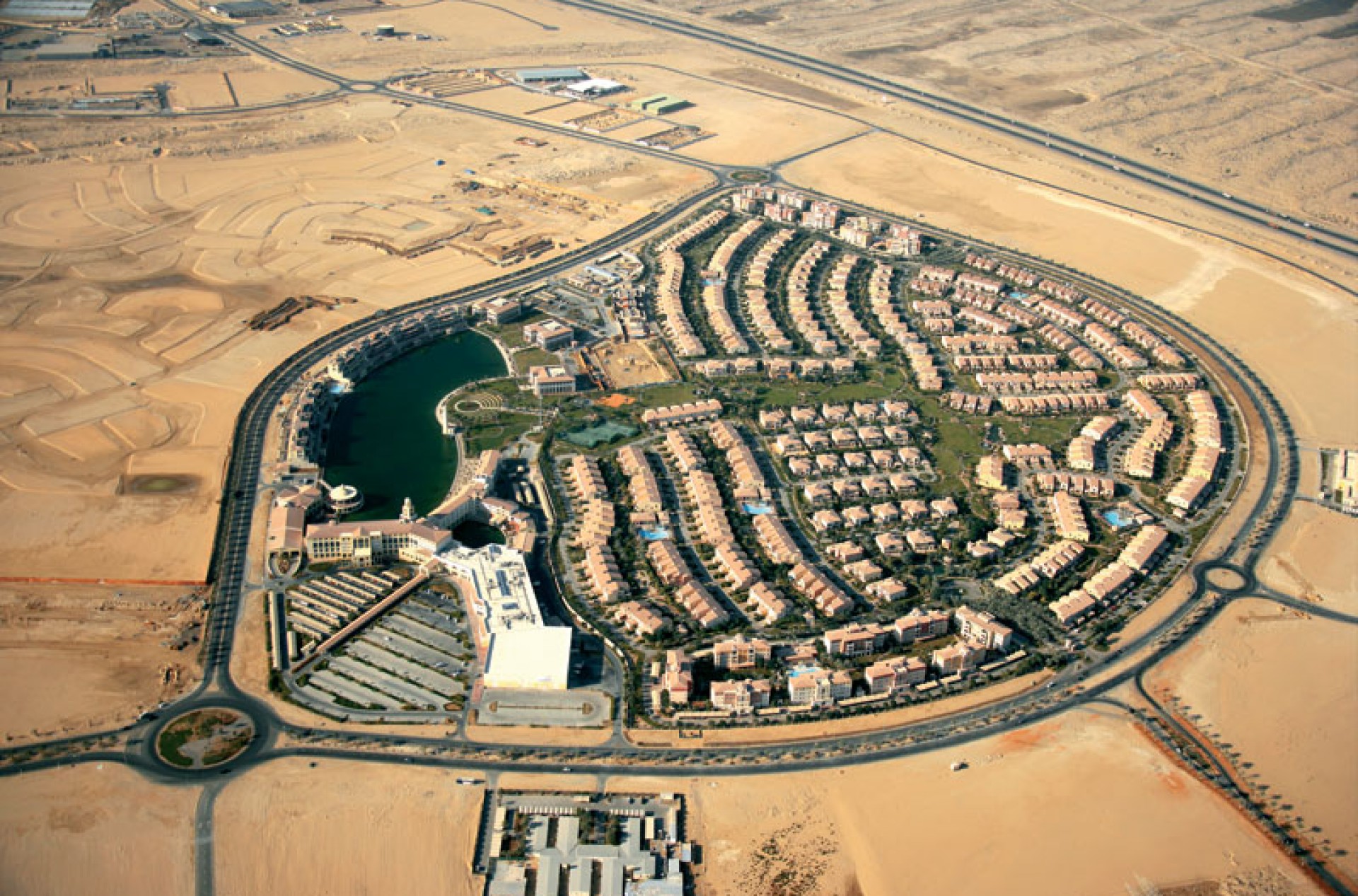
Then you visit and see the trade-off. DIP is an industrial and logistics corridor at heart. Warehouses, staff accommodation, mixed-use plots. Not everyone is comfortable with that, which is fine, but it narrows the buyer pool compared with, say, JVC. From a yield angle the logic is clean: a stable tenant base, often long-term employees in logistics, aviation, manufacturing, or services; rent levels that are healthy relative to purchase price; and no five-star towers next door inflating service charges. The main risk is concentration. If most of your portfolio sits in budget, employment-driven corridors, you are tied hard to those sectors. That is why we usually treat DIP as a satellite piece, not the whole bet.
Dubai International City: the classic entry point
International City has been the first step into Dubai rentals for a lot of small investors. Prices are low, rents are surprisingly resilient, and the mechanics are simple.
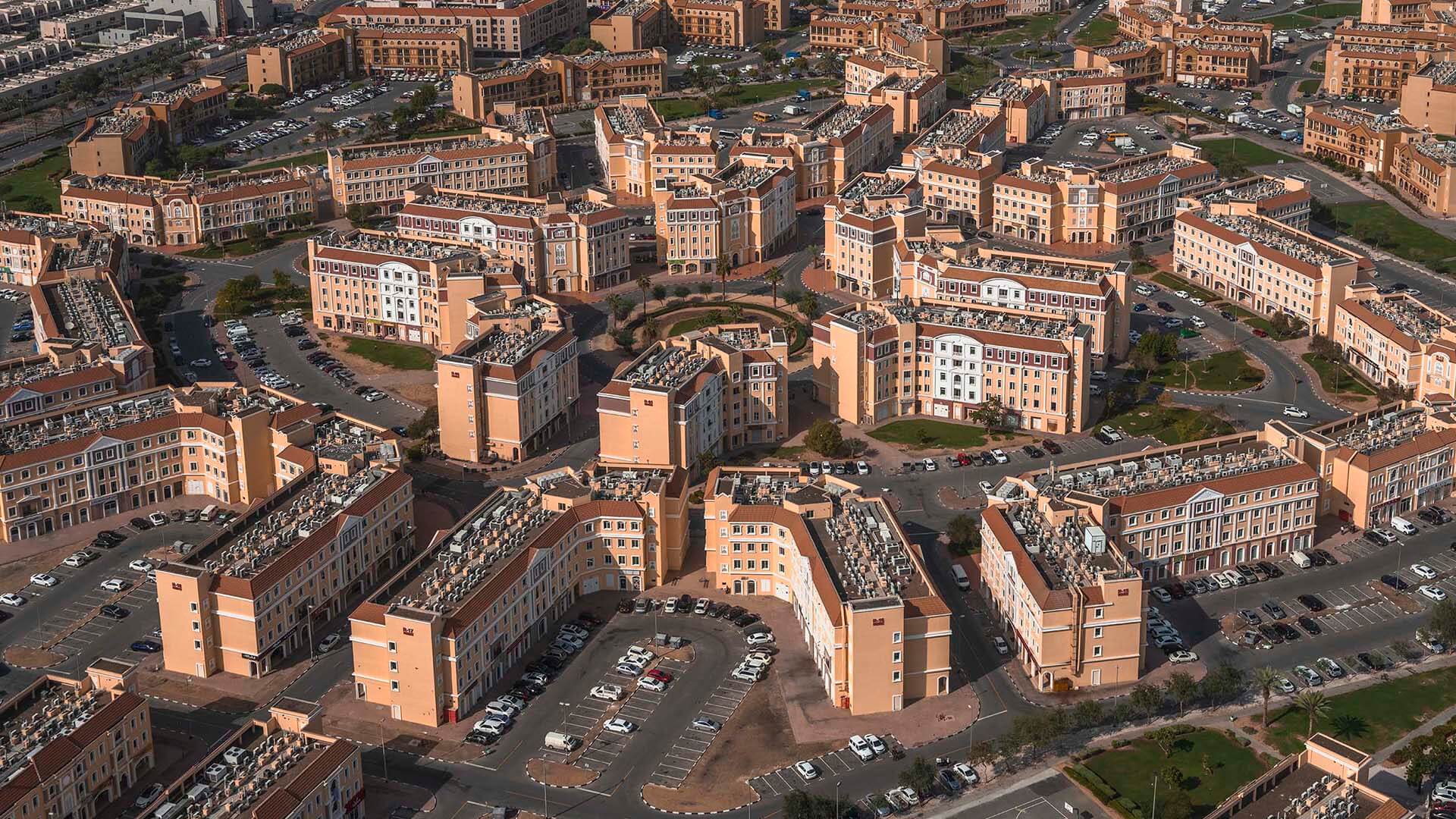
A typical path: you buy a compact one-bed at a price that is still genuinely accessible, sometimes below what people think is even possible in Dubai; you rent it quickly to a tenant who values budget and proximity to work over views; and you accept slower capital appreciation in exchange for steady cash flow. The caveats are real. Buildings are older in many clusters, so maintenance planning matters, and small recurring issues, lifts, minor leaks, common-area work, eat into net yield if you have not budgeted for them. On the flip side, you are nowhere near Downtown or Marina service-charge levels, which gives you margin for error. For someone with a single chunk of capital to deploy, International City can be a rational start, if you are intentionally choosing cash flow over image.
Dubai Silicon Oasis: yield with a story you can tell
DSO sits in a more comfortable middle. Good numbers on paper, especially on studios and one-beds, plus a coherent lifestyle and employment story.
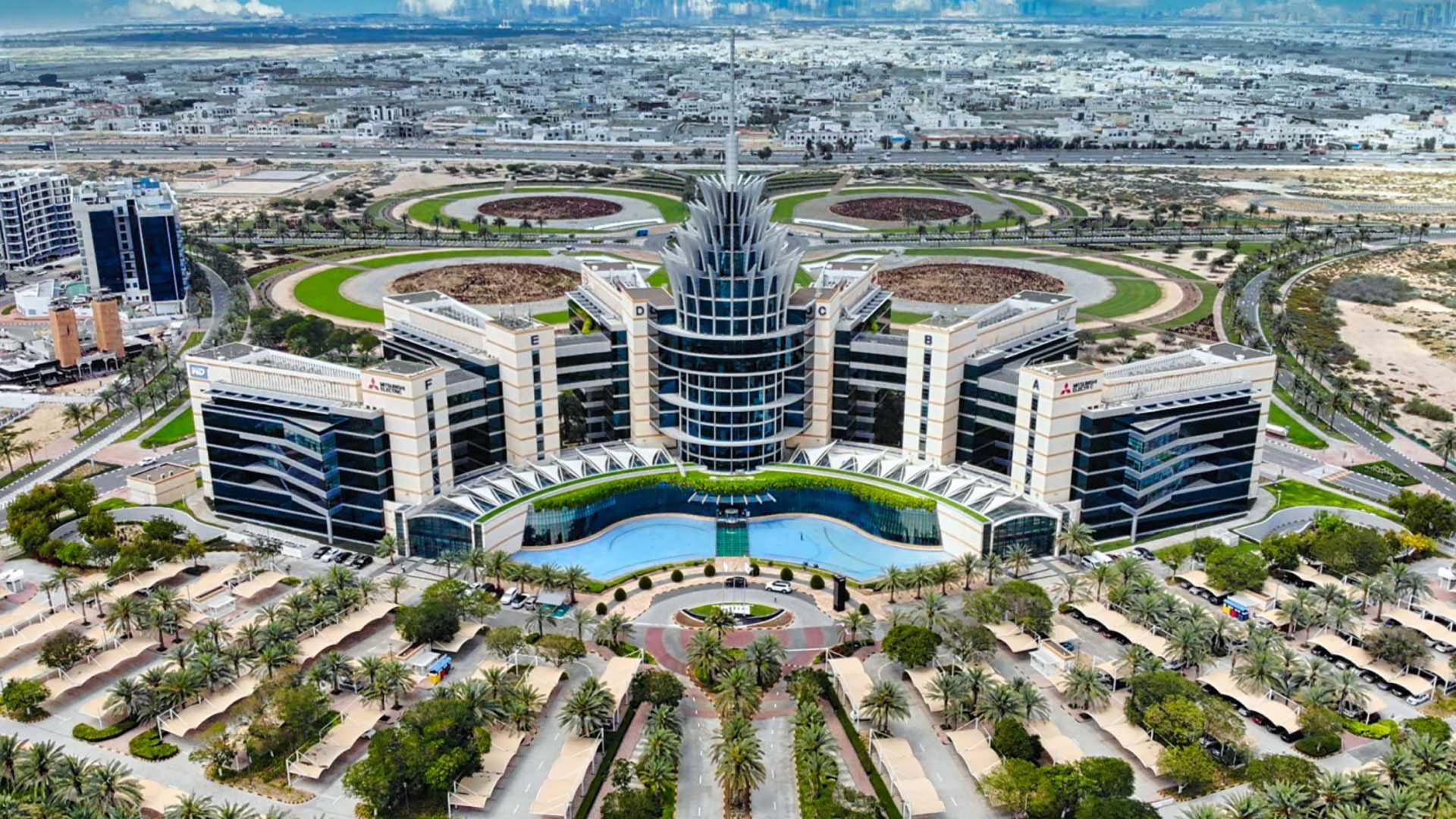
There are tech parks, universities, schools, supermarkets, parks. You can actually walk in certain pockets, still underrated in Dubai. Tenants tend to be students, young professionals, educators, and mid-income families. For an investor that means you can position your unit as part of a daily life rather than just a bed near work, tenants sometimes stay longer because moving children between schools is costly, and in the right building service charges land in a sensible middle band. The decision point is whether you are happy with mid-market positioning. DSO is not glamour. It is functional. And functional areas with strong employment anchors tend to age well in a portfolio.
Dubai Sports City: niche appeal, familiar numbers
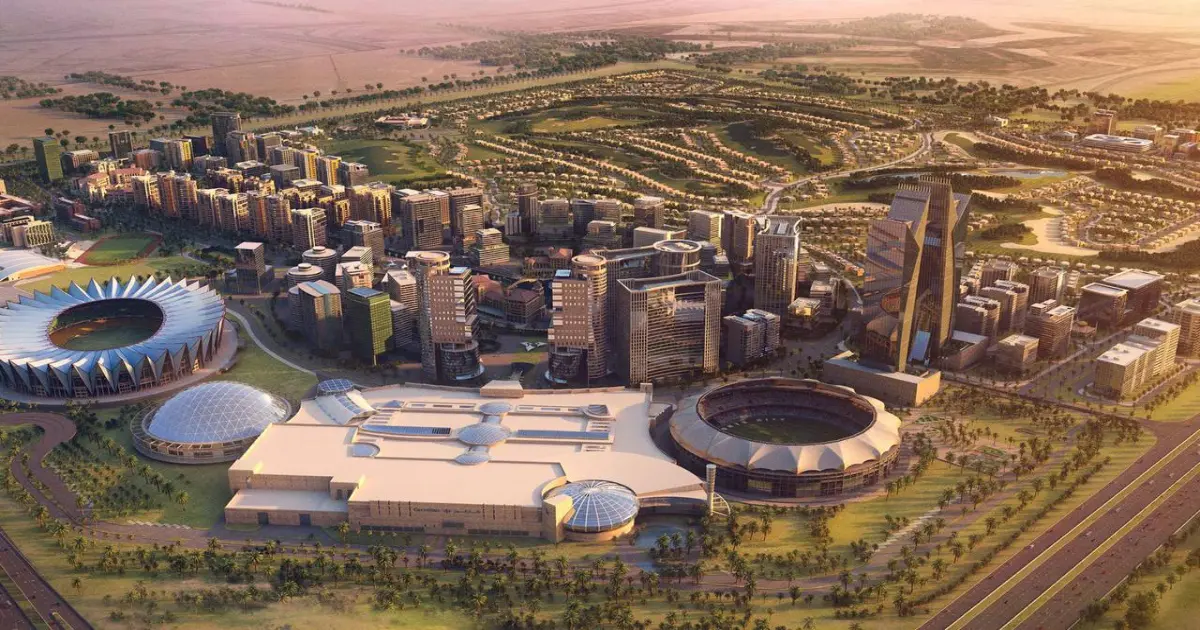
Dubai Sports City makes more sense the more time you spend there. On the map it is a cluster of buildings around stadiums and academies. On the ground you notice the pattern: active tenants who use the gyms, running tracks, and golf next door; rents that sit above the cheapest areas but below Marina; and plenty of mid- and high-rise stock with decent layouts. Yields can be very competitive, especially on smaller units. The thing to watch is supply. There has been a fair amount of construction over the years, and not every building is equally well managed. Pick carefully, work with current rental comps, and underwrite service charges realistically, and Sports City can be another engine-room community. It sits in the same conversation as JVC, Town Square, and DSO when we build side-by-side comparisons.
Discovery Gardens: older stock, quietly effective
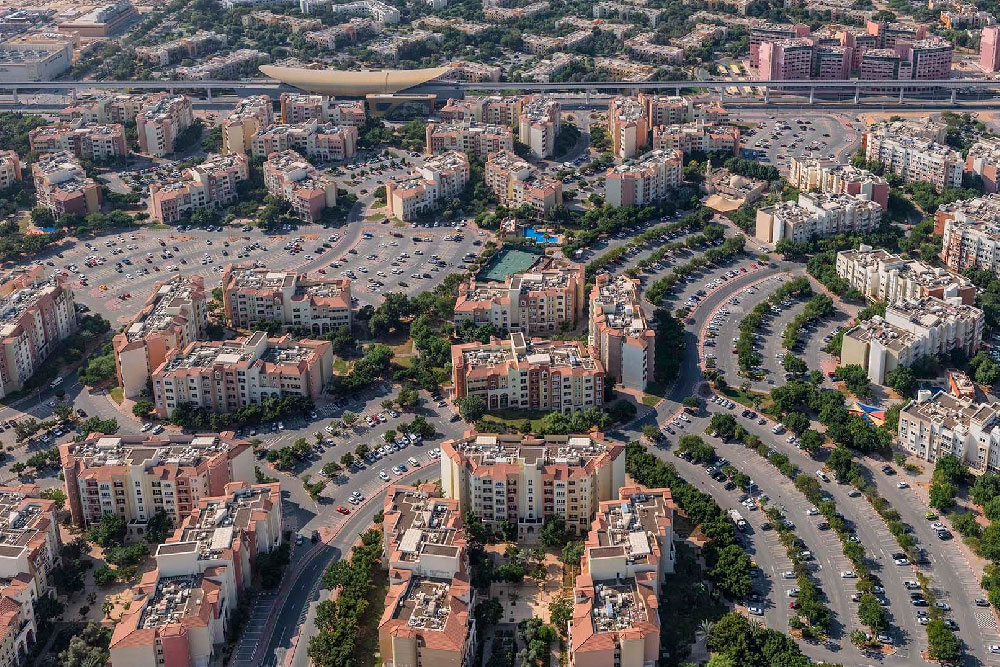
Discovery Gardens rarely features on glossy billboards, yet keeps showing up in yield rankings. The formula is simple: units are generally larger than newer budget apartments, which families appreciate; layouts are straightforward and easy to furnish; and the community has greenery, a metro link via Ibn Battuta, and a lived-in feel. Gross yields can be healthy, but be honest about two things. Buildings are older, so assume ongoing maintenance even if year one feels smooth. And not every cluster performs equally, so walking the area, or having someone who actually manages units there, beats reading another online table. Used thoughtfully, Discovery Gardens plays the value-plus-space role in a portfolio that also holds more modern stock.
Jumeirah Village Circle: the workhorse
JVC deserves a bit more space, because it lands in the middle of so many conversations.
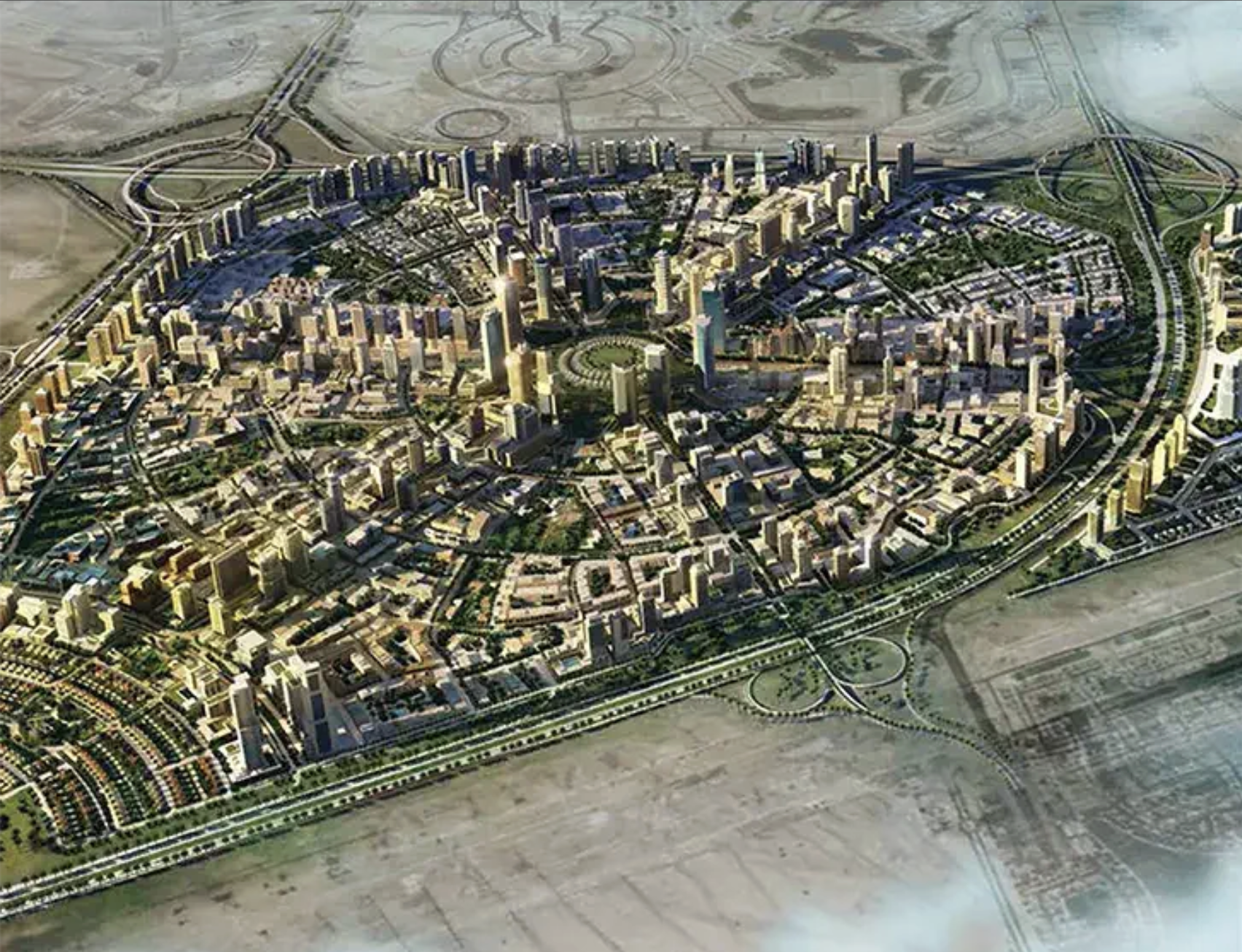
When someone says “I want good yield, decent appreciation, and not too remote,” JVC ends up on the shortlist. It works because of the huge variety of units, from budget studios to polished boutique buildings and even townhouses; constant tenant demand from young couples, sharers, small families, and staff in nearby business hubs; and reasonable price per square foot versus Marina or Downtown, especially early in a handover cycle. The challenge is choice. With so much stock, “I own in JVC” tells you almost nothing about performance. Two buildings a few streets apart can behave completely differently on service charges, build quality, and tenant profile. This is exactly where data plus local eyes turns an average outcome into a very good one.
Arjan and Al Furjan: growing into themselves
They do not feel identical, but they often come up together because both sit in that mid-market, still-developing, yield-friendly zone.
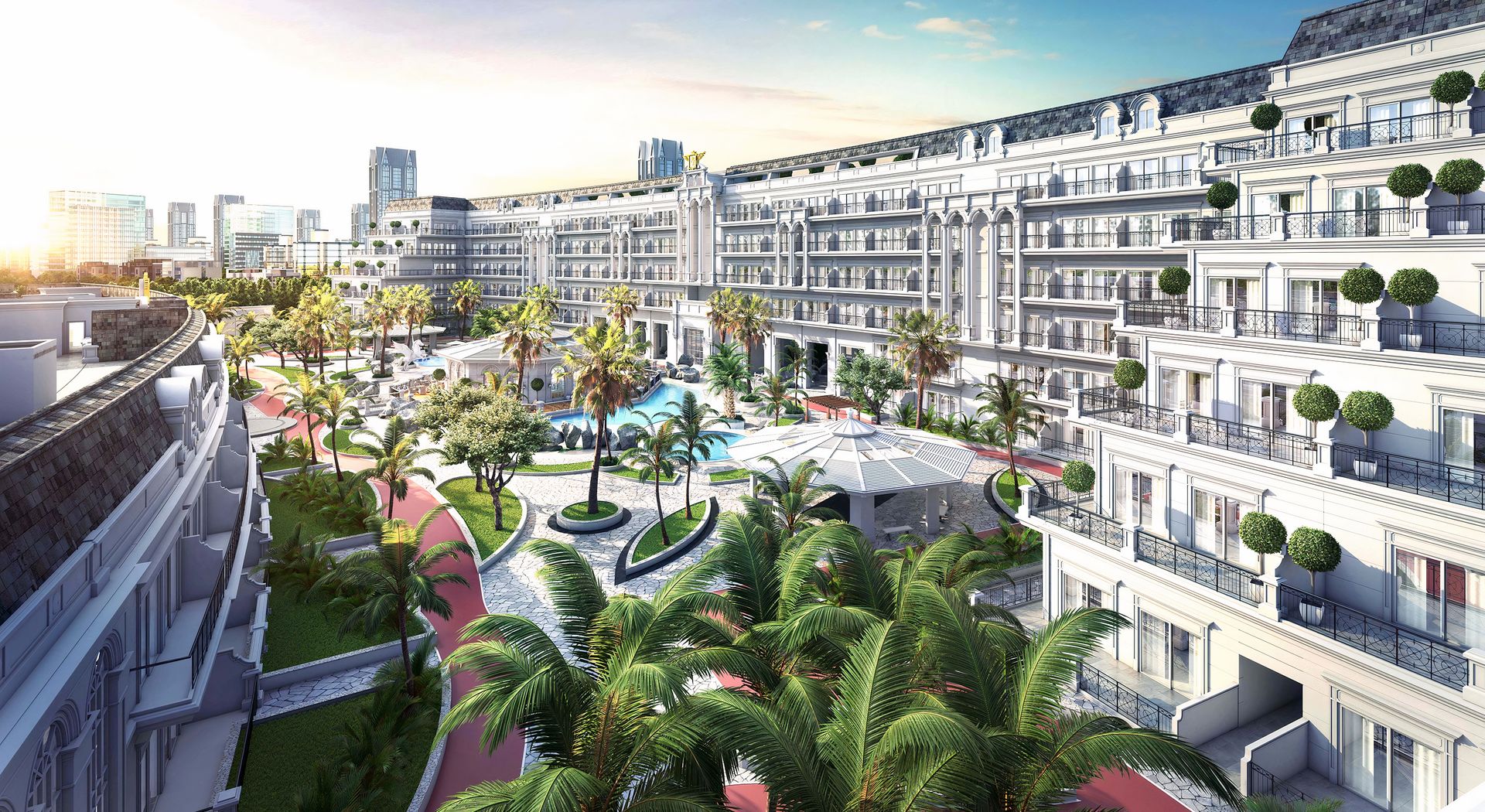
Arjan is more of an apartment-led suburban pocket, a lot of new buildings and a tilt toward young tenants who want a modern unit without Marina prices. As projects complete and retail fills in, it becomes more self-sufficient, which supports occupancy. Al Furjan has a more family-oriented feel: townhouses and villas alongside apartment blocks, two metro stations plugging it into the wider network, and a sense that the community is maturing around residents rather than just investors.
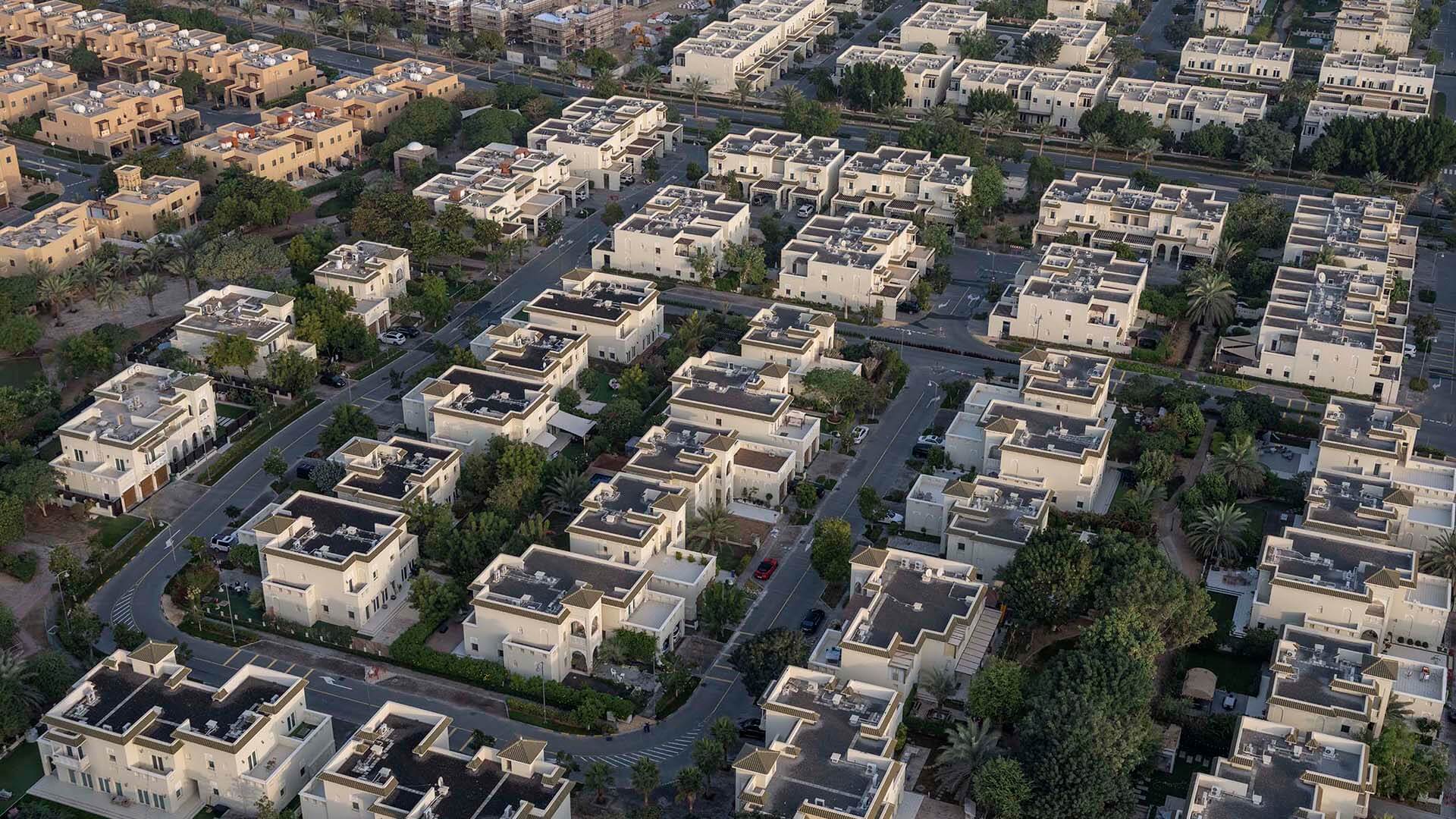
On yield, both can deliver into the seven percent band if bought well, sometimes higher on small units. The longer-term question is how each sits in the city’s wider map once nearby mega-projects and road links are fully in place. If you are comfortable holding seven to ten years and like catching an area as it grows into its infrastructure, these two reward closer study.
Business Bay and Dubai Marina: yield with more moving parts
By the time people ask about these two, they usually know they are not chasing the absolute highest percentage. They want central, flexible, recognizable, maybe a unit they would not mind using themselves once a year.
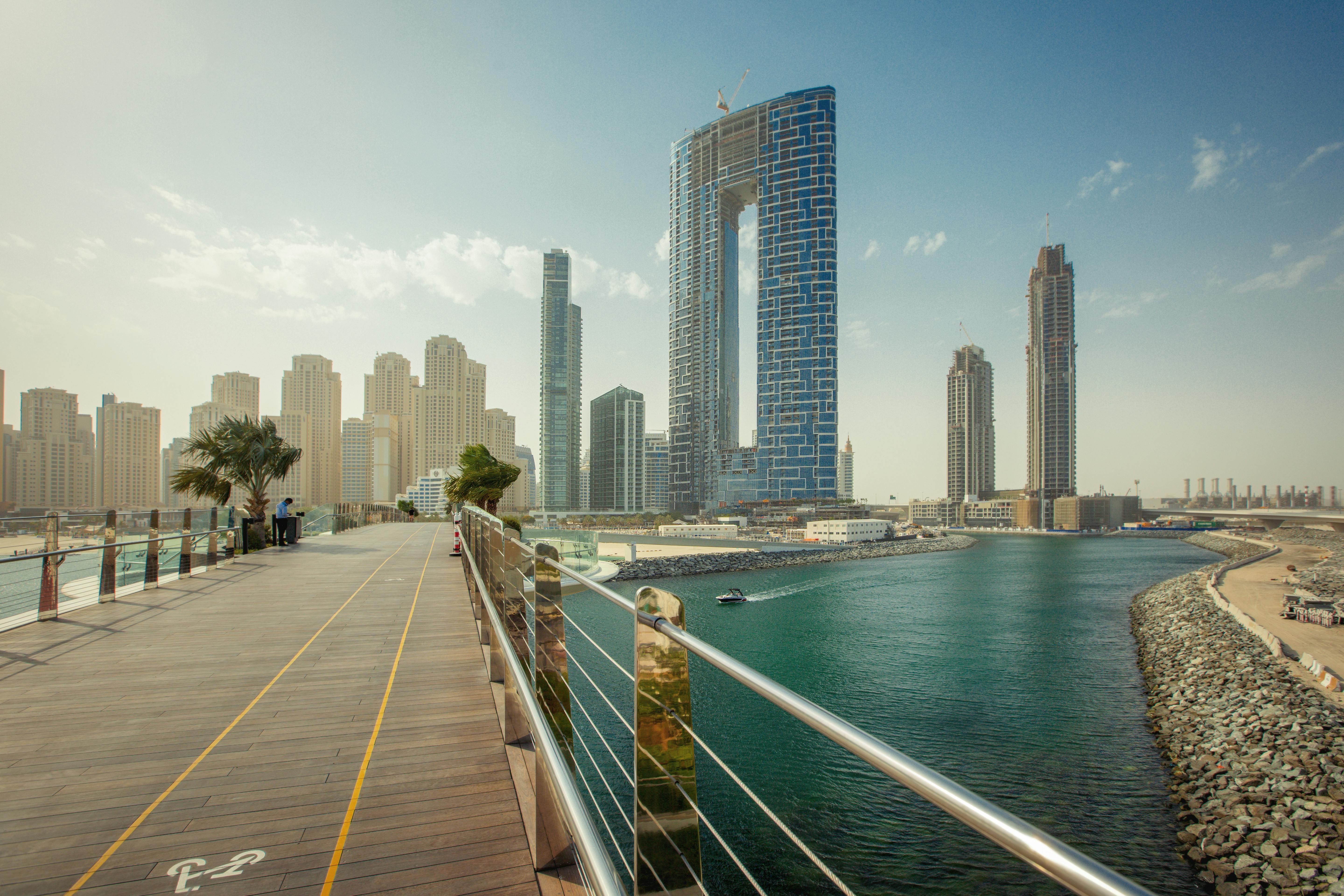
The dynamic is similar in both. Small units, especially studios and compact one-beds, can still produce respectable gross yields, often mid-six percent at a fair price. There is also the short-term rental angle, which can lift income if managed well but adds licensing and compliance work, furnishing and refresh costs, and review management and seasonality. In Business Bay the tenant base tilts toward office workers, consultants, and a mix of corporate and leisure visitors. In Marina you get a stronger lifestyle component, people who want water within walking distance.
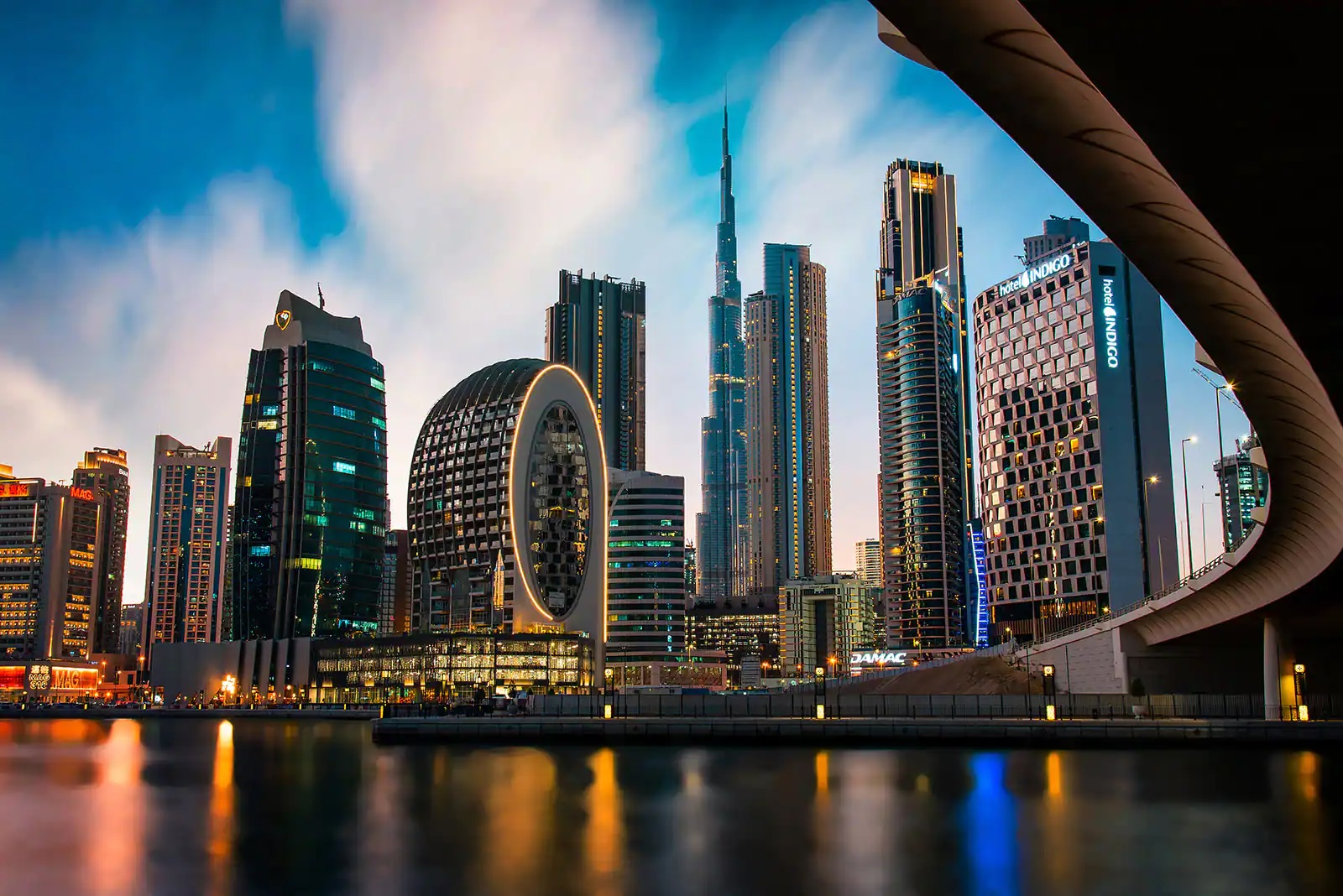
For many investors the real question is not “does this area give the best yield” but “does this area, plus one or two higher-yield communities, give me a blend of comfort and numbers I can live with.”
Downtown Dubai and Dubai Hills: lower yield, higher comfort
At the calmer end sit Downtown and Dubai Hills Estate. Yields on typical one-beds drift into the mid-five to low-six percent range. Not weak globally, but lower than the mid-market stretches.
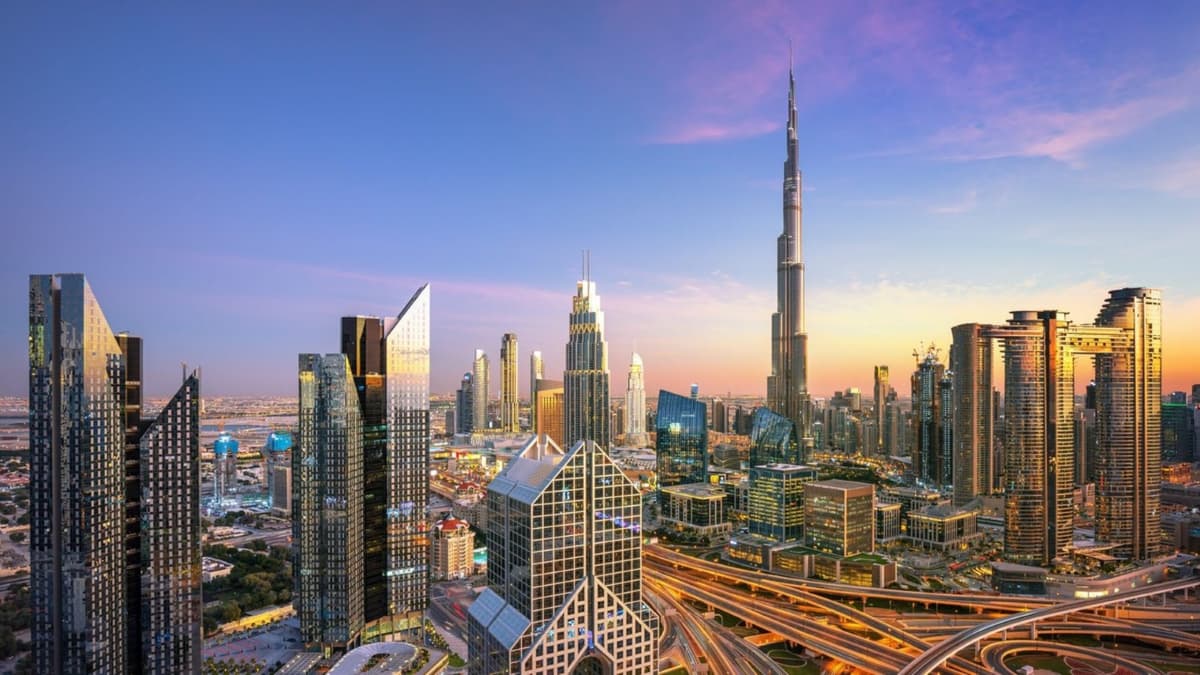
Buyers here tend to say things like “I want something I am proud to own, that feels blue chip,” or “I care more about ten-year capital growth than maximizing yield this year,” or “I might move in myself one day, so I want that option open.” Nothing wrong with any of that, provided the numbers still work under conservative rent and appreciation assumptions. What we often suggest is splitting the portfolio on paper into two buckets: yield engines, mainly smaller apartments in mid-priced communities; and comfort or growth assets, including Downtown, Dubai Hills, and select waterfront. Once you see it that way, the tension between “I want yield” and “I want prestige” softens.
Apartments or villas
Strip it back and apartments usually win on rental yield while villas win on lifestyle and long-term equity growth. Apartments show higher gross yields because ticket sizes are lower, especially studios and one-beds, the tenant pool that can afford them is deep, and mid-market service charges are not yet at ultra-luxury levels, so the math stays efficient. Villas and townhouses show lower yield on paper but often come with land, where long-run value likes to hide, family tenants who stay multiple years if schools and commute work, and scarcity in certain master communities that can support appreciation.
A lot of confusion comes from mixing these in one conversation. An investor says “Dubai yields are great, I am getting eight percent,” but what they mean is “my JVC studio is doing eight percent.” The same person might own a Dubai Hills townhouse at five percent gross, held for entirely different reasons. If you sketch a real plan, define the roles clearly. Income-engine units, studios and one-beds in JVC, International City, DSO, Arjan, Sports City, or select Marina and Business Bay towers bought carefully, exist to service financing, cover costs, and throw off surplus cash. Growth-and-comfort units, townhouses and villas in family communities or prime apartments in Downtown, Dubai Hills, Palm, and high-grade waterfront, earn lower yield in exchange for a long-term exit story. Framed that way, “are villas bad because yield is lower” becomes the wrong question. The right one is “am I expecting villa numbers to behave like studio numbers, and is that fair.”
Stress-testing a yield for your own budget
You do not need a complicated model to avoid most mistakes. A simple, slightly cautious spreadsheet is enough.
Step 1: define one real unit per community
Instead of thinking in averages, pick something concrete. A JVC studio at 750k. A Business Bay one-bed at 1.6m. A Downtown one-bed at 2.3m. You may not buy these exact units, but they give you something specific to work with.
Step 2: use honest rent and vacancy assumptions
Take current asking rents and shade them down, maybe five to ten percent below the most optimistic listing. For each unit ask what a conservative annual rent is right now, how many weeks a year it could realistically sit vacant, and how much room there is for rent growth if the wider market slows. Be slightly pessimistic. If it still works under cautious assumptions, you will sleep better.
Step 3: layer in the boring costs
This is where glossy yield tables go quiet. Include service charges, ideally per square foot multiplied out to the true area; cooling costs if they fall on the owner; a maintenance reserve even for a new building, something small but real, a few thousand dirhams a year; and management fees if you are not handling everything yourself, a bigger percentage for short-term rentals and a smaller one for long-term.
Step 4: compare net yield, not gross
Net yield equals net annual income divided by total acquisition cost, times 100. This is where the hierarchy between communities gets clear. Some units drop from eight to six percent or lower once everything is in. Others barely move, because running costs are lean. You might find a budget studio with sensible charges keeps most of its edge, while a premium apartment in a heavily serviced tower slides more than you expected. The point is not to punish any area. It is to see where the true spread lives.
Step 5: run three small scenarios
Rather than forecast the whole market, run three cases per unit. Base case: rents flat for two years then grow slowly, prices growing gently in line with inflation. Soft case: rents drop ten percent and stay there, prices stagnate or dip before stabilizing. Optimistic case: rents grow modestly, prices grow at a rate you see as realistic for that exact community. You will often find mid-market yield units stay viable even in the soft case, while premium units lean more heavily on the optimistic one.
Common questions
Are Dubai rental yields really higher than other global cities?
In most recent comparisons, yes, especially for apartments. Many major cities sit at two to four percent for prime residential yield, sometimes lower, while Dubai delivers mid-single to high-single digits in many communities, with no local tax on rental income.
Do I need to focus only on the highest-yielding communities?
Not necessarily. Blending high-yield mid-market units with at least one blue-chip asset in a prime or family area can be more resilient. You are less exposed to one type of tenant or one corridor of employment.
How much lower are net yields than the numbers I see online?
As a rough rule, subtract one to two and a half percentage points from the headline gross to get closer to net, depending on service charges and management style. Lean buildings in budget areas have a small gap; luxury towers with full facilities have a bigger one.
Are villas a bad investment because the yield is lower?
Lower yield does not mean bad. It means different. Villas and townhouses can be strong long-term equity builders in the right master communities, particularly where land and family stock are limited. Treat them as growth assets, not substitutes for high-yield studios.
Where can I get help running proper comparisons?
If you would rather not build everything from scratch, lean on a structured, data-led approach. We use internal tools and on-the-ground experience to compare communities and unit types side by side. Our off-plan goldmine or death trap guide and our Dubai property manager guide apply the same thinking, and you can adapt it to your own spreadsheet or work with a team that already runs those systems.