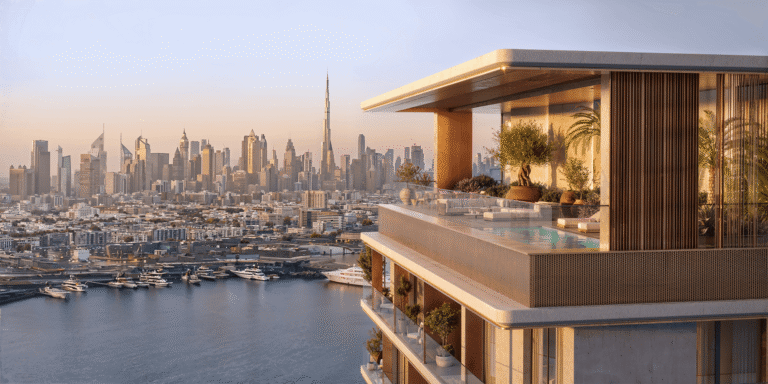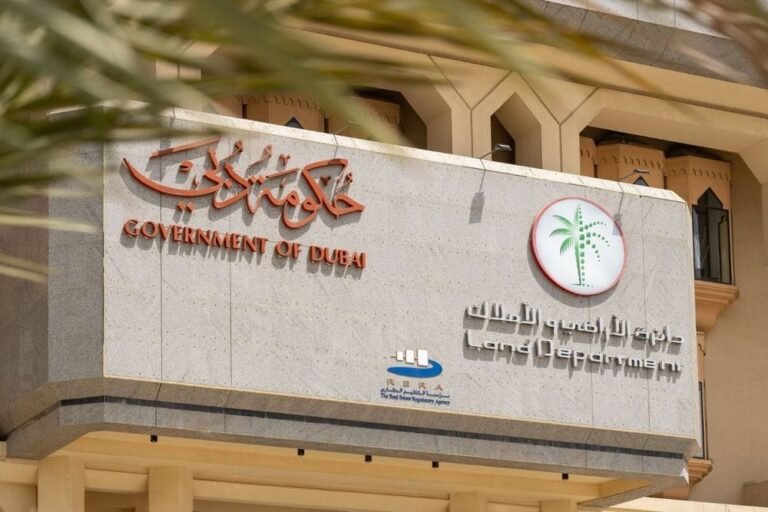

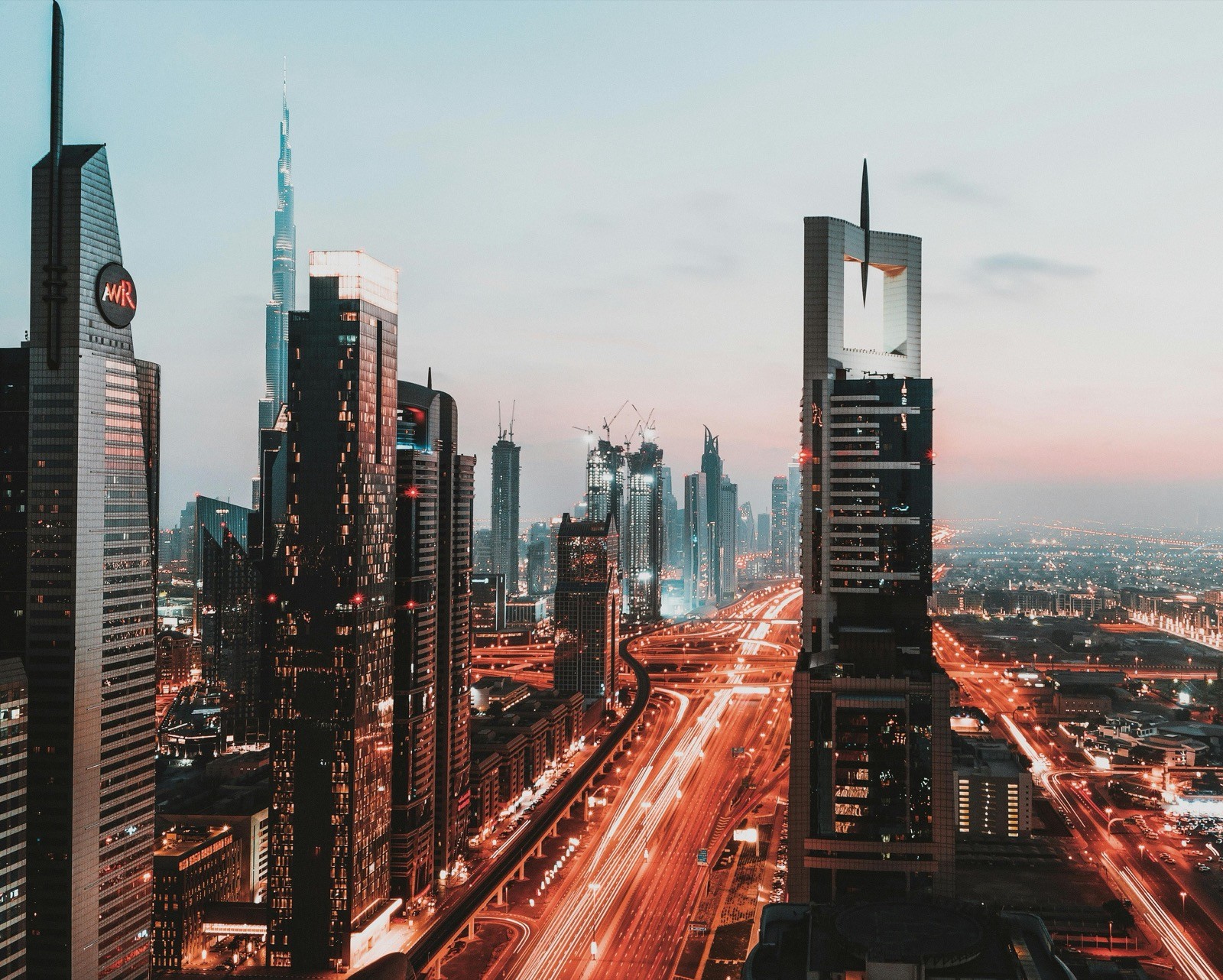
The legal side of buying property in Dubai is more buyer-friendly than most people expect, but the details are where money is won or lost. Who can own, how your deposit is held, what registration actually costs, what happens to the property if you die: none of it is complicated, and all of it changes the real price and safety of the deal. The Dubai Land Department sits over the whole process and keeps it transparent. Here is what to have straight before you sign anything.
Can foreigners buy property in Dubai?
Yes. Foreigners can buy, own and sell property in Dubai outright, with no residency requirement and no need for a local partner, as long as the property sits in a designated freehold area. This was opened up in 2002, and that single change is what turned Dubai into a global property market. You do not need to live here, hold a visa, or be a resident to own freehold. You buy in your own name, and the title deed is yours.
Freehold or leasehold, and why it matters
Dubai runs on two ownership types, and the difference is not a technicality. It decides what you actually own.

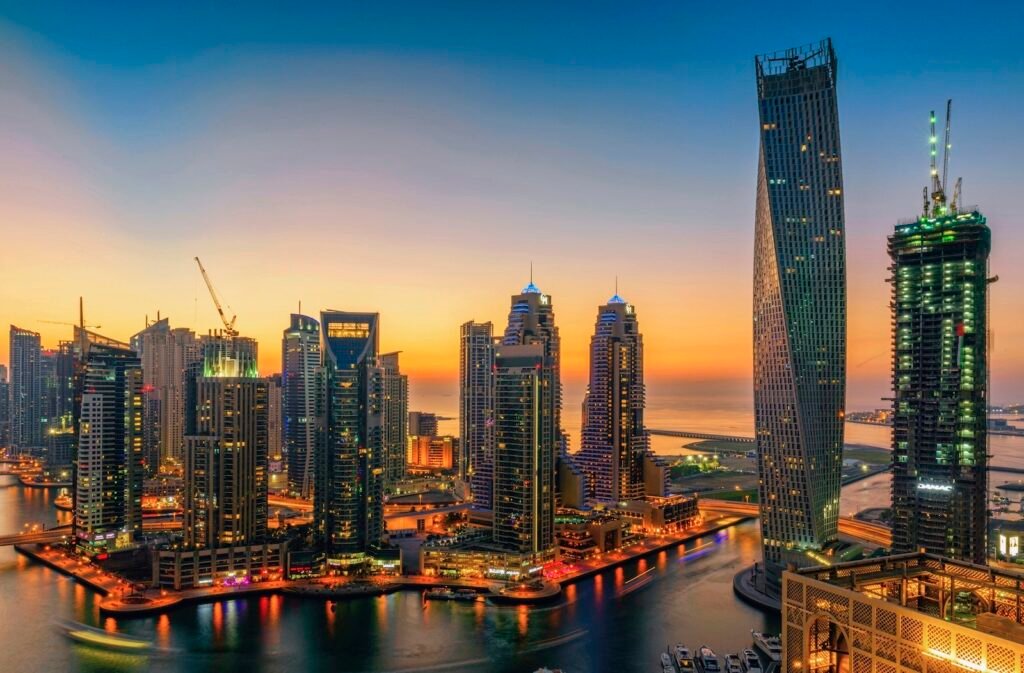
Freehold gives you full, outright ownership of the property and the land it sits on, forever, with the right to sell, lease or pass it on. By 2021 the Dubai Land Department had roughly 49 percent of the city’s land designated as freehold, so there is no shortage of room for foreign buyers. The best-known freehold areas are Downtown Dubai, Dubai Marina, Palm Jumeirah and Dubai Hills Estate.
Leasehold works differently. You hold the right to use the property for up to 99 years, but ownership reverts to the freeholder when the term ends. It shows up mostly in developing areas built around long-term infrastructure, like Dubai South and Dubai Silicon Oasis. It draws less attention than freehold, but for the right buyer in the right spot it has a place.
| Point | Freehold | Leasehold |
|---|---|---|
| What you own | The property and the land, outright | The right to use it for a fixed term |
| Term | Permanent | Usually up to 99 years |
| Foreign ownership | Open to any nationality in designated zones | Available, but more restricted |
| Resale and inheritance | Full control | Within the terms of the lease |
| Best for | Most investors and end users | Specific locations and budgets |
The legal buying process, step by step
The mechanics are standardised, which is a large part of why the market is safe to transact in. A ready (completed) resale usually runs like this.
- Agree terms and sign the MOU (Form F). This is the Dubai Land Department’s standard sale contract between buyer and seller, setting price and conditions. A deposit, commonly 10 percent, is held by the registered agent or a trustee.
- Apply for the developer’s NOC. The developer issues a No Objection Certificate confirming service charges are clear and they do not object to the transfer. Nothing moves without it.
- Transfer at a DLD trustee office. Buyer and seller attend a registration trustee, the balance and fees are paid, and the title deed is issued in the buyer’s name the same day.
Off-plan is slightly different: the purchase is registered on the DLD’s interim register through the Oqood system, which protects your claim to the unit before it is built.

Registration and the fees that come with it
Registration is what makes your ownership real in law, and the Dubai Land Department handles it. The title deed is the official record that the property is yours, and it is required on every deal. The headline is a 4 percent DLD transfer fee on the property value, and in practice there are a few smaller fixed costs around it. Budget for it up front, because it is not a small line.
| Cost | Typical amount | Notes |
|---|---|---|
| DLD transfer fee | 4% of the property value | The main one; often discussed as split in practice |
| Title deed issuance | Fixed fee | Paid at transfer |
| Trustee office fee | Fixed fee | Scales slightly with value |
| Agent commission | Usually 2% plus VAT | Confirm in writing |
| Mortgage registration | 0.25% of the loan | Only if you borrow |
For the full picture, see the cost of buying property in Dubai.
Financing and mortgages
The UAE Central Bank sets the mortgage rules banks have to follow. The loan-to-value ceiling is 80 percent for UAE nationals and 75 percent for expats, so an expat buyer needs at least 25 percent down. That deposit requirement is the first thing to plan around if you intend to borrow.
Appetite is clearly there. Average mortgage rates have sat in the mid-single digits, which keeps borrowing genuinely competitive for residents and non-residents alike. Non-residents can get a mortgage from UAE banks, usually at a higher deposit and a slightly higher rate than residents.
Escrow and off-plan protection
This is the mechanism that quietly fixed the problems Dubai had in its early years. RERA, the Real Estate Regulatory Agency, requires developers to hold buyers’ money in a dedicated escrow account. On off-plan, your payments stay ring-fenced and are released to the developer against construction milestones, not handed over up front. The project itself has to be registered with RERA, and your unit is recorded on the interim register. If a developer underdelivers, the money is not simply gone.
What protects you as a buyer
RERA does more than register deals. When something goes wrong between a buyer, seller or developer, it offers arbitration and mediation to resolve it, and DLD figures have put the large majority of Dubai property disputes as settled through that system rather than dragging through open-ended litigation. Behind it, the escrow requirement keeps your money tied to the property it was meant to buy and nothing else. For how the two bodies divide the work, see the roles of the DLD and RERA.
Wills, inheritance and what happens to the property
This is the part foreign buyers most often miss, and it matters. Without a registered will, a deceased owner’s UAE assets can fall under local succession rules, which may not distribute the property the way you expect. Non-Muslim owners can register a will through the DIFC Wills Service or Abu Dhabi, naming exactly who inherits the property and on what terms, under a common-law framework. If you are buying as a foreigner and you care where the asset goes, put the will in place when you buy, not later.
Residency through property, the Golden Visa
Ownership can also buy you time in the country. A property investment of AED 2 million or more qualifies the owner for the 10-year Golden Visa, which extends to a spouse and dependents and does not require you to hold a job or sponsor. It can be used on a completed property or, in many cases, an off-plan purchase that meets the threshold. For the detail and the recent changes, see the UAE Golden Visa guide.
Tax and the costs that do exist
Residential property in Dubai carries no annual property tax and no capital gains tax on a personal sale, which is a large part of why the net returns hold up. That does not mean the property is free to hold. Service charges apply in community developments, commonly around AED 10 to AED 15 per square foot per year depending on the building, on top of utilities and maintenance. None of it is a tax, but it is real cash out every year, and a service charge at the high end of that range can quietly take a meaningful bite out of your yield. Check the exact figure for the specific building before you buy, not after.
The legal mistakes buyers actually make
- Skipping the service charge check. It is a legal obligation that follows the unit, and it varies wildly building to building. It changes your real yield.
- Not registering a will. Cheap to do, expensive to ignore, especially for families holding a single large asset here.
- Trusting a render on off-plan without checking the developer’s RERA registration and track record. The escrow protects the cash, not the timeline.
- Assuming “freehold” applies everywhere. It is zone by zone. Confirm the exact plot, not the area’s reputation.
- Not getting the NOC and service-charge clearance in writing before transfer. A clean paper trail is what makes a resale fast.
Buying from abroad
If you are purchasing from another country, these guides go deeper on the process and the tax treatment back home.
The UK Investor’s Guide to Buying Property in Dubai
Get the ownership type, the registration cost, the service charge and the will clear before you commit, and most of the legal risk takes care of itself. The market is built to be safe for a foreign buyer who does the homework. It is far less forgiving of one who assumes.
Frequently asked questions
Can foreigners buy property in Dubai?
Yes. Any nationality can buy, own and sell property outright in Dubai’s designated freehold areas, in their own name, with no residency requirement and no local partner. This was opened up in 2002. Outside the freehold zones, ownership is limited to leasehold or to GCC nationals, so the area decides what kind of ownership you get.
Do you need to be a resident to buy property in Dubai?
No. You do not need a visa, residency or to live in the UAE to buy freehold property. You buy in your own name and the title deed is yours. Buying a property worth AED 2 million or more can itself qualify you for a 10-year Golden Visa, but residency is a benefit of ownership, not a condition of it.
What is the difference between freehold and leasehold in Dubai?
Freehold is outright, permanent ownership of the property and its land, open to any nationality in designated zones. Leasehold is the right to use the property for a fixed term, usually up to 99 years, after which ownership reverts to the freeholder. Most foreign investors buy freehold; leasehold suits specific locations and budgets.
What fees do you pay when buying property in Dubai?
The main one is the 4 percent Dubai Land Department transfer fee on the property value, plus smaller fixed costs for the title deed and the trustee office, agent commission of around 2 percent plus VAT, and a 0.25 percent mortgage registration fee if you borrow. Budget for these up front, they are not a small line.
Is there property tax in Dubai?
No. Dubai has no annual property tax and no capital gains tax on a personal sale, which is a large part of why net returns hold up. The real ongoing cost is service charges in community developments, commonly AED 10 to 15 per square foot per year, plus utilities and maintenance. Check the exact service charge for the building before you buy.
Do I need a will for property I own in Dubai?
If you are a non-Muslim owner, strongly yes. Without a registered will, your UAE assets can fall under local succession rules that may not distribute the property as you intend. You can register a will through the DIFC Wills Service under a common-law framework, naming exactly who inherits. Put it in place when you buy, not later.
Buying a specific property and want the legal side checked?
Send me the deal and I will walk through the ownership type, the fees, the NOC and the paperwork with you before you sign.