


A property investment tour in Dubai is a guided run through the districts actually worth your capital, so you can see, compare, and decide in a single day instead of six weeks of listings. Part education, part deal discovery, part gut check. That last part matters more than people expect.
You visit targeted neighborhoods with a broker who works this market, step into show units and lived-in homes, meet developers, and match numbers to places in context. Infrastructure plans, tenant demand, service charges, even which elevator stack a unit sits on. It is the market up close, not a brochure. I used to think you could understand a neighborhood from a spreadsheet. Then I stood on a Dubai Hills balcony at 4:30 in the afternoon and watched the school run melt into evening park joggers. The data had not changed. My read on the tenant base had.
If you only read one paragraph: a good tour helps you understand what drives return here (location, yield, liquidity), gives you real developer access including early off-plan allocations, and clears up the legal and visa path, including the Golden Visa route for qualifying property. Dubai charges no annual property tax, but there are one-time transfer fees and ongoing service charges, and both shape your net more than the headline price does.
Who actually benefits
- First-time Dubai buyers who want a guided overview and honest talk on service charges, rentability, and exit timelines.
- Experienced landlords chasing yield stability and liquidity, often shifting a slice of a portfolio out of a mature market.
- Families exploring a future base plus long-term residency through qualifying real estate.
- Entrepreneurs and remote professionals after short-let-friendly assets near business and event hubs.
Who does not need one? If you are already locked into a specific developer, tower, and floor plate and you are confident on the law and the fees, a single targeted acquisition day is enough. For everyone else, the tour is where the fog lifts.
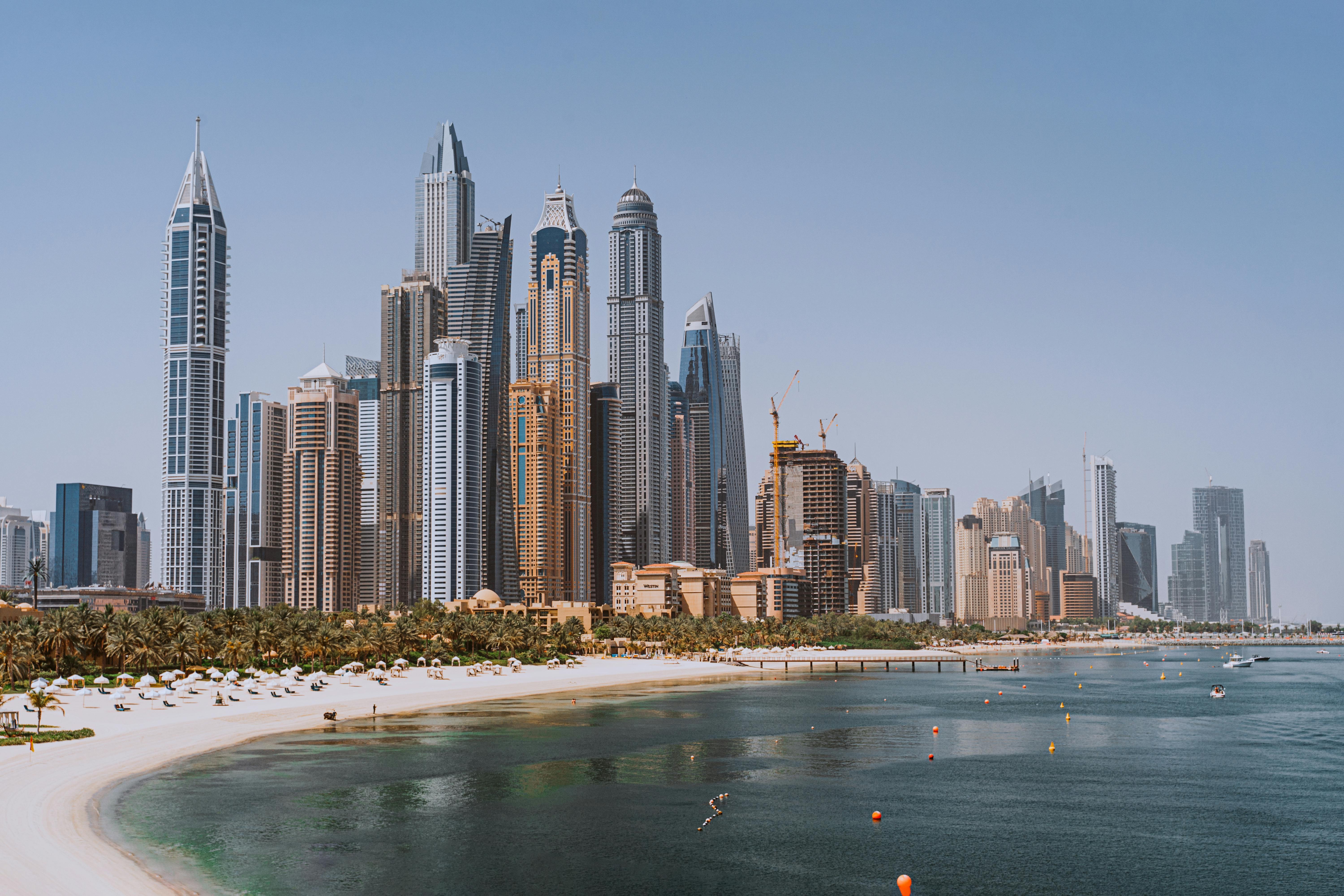
What a tour day looks like
Morning, context and calibration. A market briefing on current absorption, how fast inventory is releasing, who is buying, and how payment plans move your IRR, for better and sometimes for worse. Then a banking and legal orientation: foreign ownership rules, escrow structure for off-plan, and the residency path, including Golden Visa eligibility for qualifying values.
Midday, walkthroughs. Two or three contrasting neighborhoods on the ground. Dubai Hills Estate for master-planned family demand, Business Bay for central tenant depth, Dubai Creek Harbour for the long-horizon waterfront play, with Palm Jumeirah or Dubai Islands as optional stops.
Afternoon, product. A developer showroom or site visit: unit types, floor-plate logic, orientation for sun and noise, service-charge estimates, and which amenities actually rent. Plus off-plan allocation previews, so you see what is realistic to secure with proof of funds and the right timing.
Late afternoon, decisions. Side-by-side comparisons of ready versus off-plan and waterfront versus urban, a short-let versus long-let fit check, and the next steps: reservation, SPA, DLD registration, property management, and a Golden Visa application if it applies.
If you want a tour that runs this way, the Totality Estates Investor Tour 2025-2026 is built around it.
The areas, and the logic behind each
Dubai Hills Estate
The confident middle. Master-planned, lived-in, schools and parks and joggers at sunset. Townhomes, villas, and a growing amenity spine. The real pitch is depth of end-user demand and resale liquidity. If you prefer quiet confidence over spectacle, this fits. On the ground the micro-location matters: proximity to the park spine, distance to the main road for the morning run, where the sun lands on your balcony. Efficient floor plates rent first, so watch service charges by building and avoid stacks near mechanicals or busy delivery bays. Tour cue: walk the central park in the late afternoon. That is when you get it.
Dubai Islands

A new coastal district for buyers who believe in Dubai’s shoreline ambitions and can hold. Forward-leaning by design, eco-minded, room to breathe, villa and townhome optionality. It suits longer holds. Watch amenity timing and connectivity, and factor those into your vacancy buffer. Tour cue: drive the access routes at commute time. Paper maps do not show the queues.
Business Bay
The pragmatic performer. It rarely photographs as well as it rents. Central, practical, deep tenant base of consultants, remote teams, and creatives. Interiors matter more than you think; a modest upgrade to lighting and fixtures can lift rent noticeably. Watch internal noise from chillers and road hum, and check lobby traffic at peak. Tour cue: stand on the balcony, pause, listen, look down. You learn more in thirty seconds than in any brochure.
Dubai Creek Harbour
Patient growth anchored by a major waterfront masterplan that is still refining. Some days it feels almost there; other days the long view makes more sense. The urban-nature blend is genuinely compelling for a slice of global tenants. Plan for interim leasing around nearby construction. Tour cue: the sunset check. The views shift from nice to signature, and that is what drives resale appetite.
Palm Jumeirah
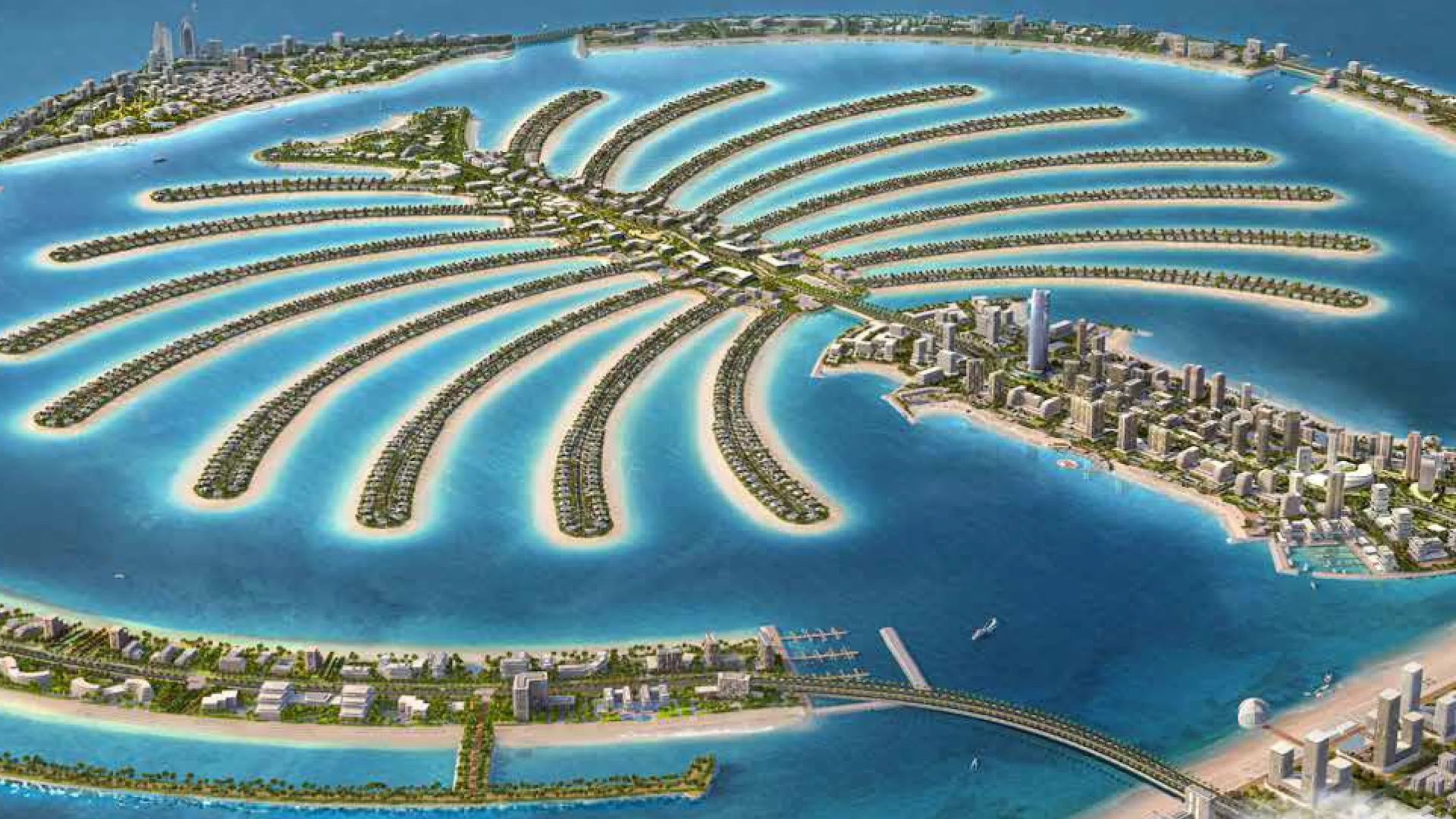
Scarcity, brand power, an international buyer base. You are buying into a story the world already knows, which is exactly why discipline still matters. Floor height, view axis, and beach access decide your rent and your future bid. Watch overpaying on hype, and make sure your finish level matches your rent ask. Tour cue: ask to see a direct comp that rented in the last 30 to 60 days, and ground your expectations there.
Neighborhood logic at a glance
| Area | Primary asset types | Renter profile | Hold style | Why investors choose it |
|---|---|---|---|---|
| Dubai Hills Estate | Townhomes, villas, mid-to-upscale apartments | Families, long-term tenants | Medium to long | Liquidity, schools and parks, community feel |
| Dubai Islands | Villas, townhomes, low-to-mid-rise apartments | Lifestyle movers, coastal-first tenants | Longer | New coastal district, future catalysts |
| Business Bay | Apartments (1 to 3 bed), serviced units | Professionals, business travelers | Flexible | Tenant depth, central access, amenities |
| Dubai Creek Harbour | Apartments, select townhomes | Waterfront-lifestyle tenants | Medium to long | Masterplan growth, skyline and water views |
| Palm Jumeirah | Luxury apartments and villas | Global tenants, premium short-lets | Medium to long | Scarcity plus international brand recognition |
Ready or off-plan
| Dimension | Ready (completed) | Off-plan (under construction) |
|---|---|---|
| Cash flow | Immediate rental income | Future income, staged payments |
| Price discovery | Transparent via comps | Early allocations, pricing ladders |
| Risk | Physical inspection lowers delivery risk | Construction and handover timing, developer execution |
| Upside | More tied to rental optimization | Capital appreciation from early entry plus payment terms |
| Paperwork | Title immediately, straightforward | Escrow-backed, DLD registration, staged milestones |
Dubai imposes no annual property tax. Expect one-time transfer and registration fees at purchase and ongoing building service charges by square foot. Those two shape net yield more than anything besides rent.
Legal and residency, in plain terms
Foreign ownership is allowed in designated freehold areas. The common Golden Visa route runs through property with a purchase value of AED 2,000,000 or more, including allowances for mortgaged property where the paid-in amount meets the threshold. Always confirm the current rule text and document list, title deed, valuation, bank letters, before you apply. And be skeptical of marketing that promises instant approvals and blanket “no tax forever.” There is no annual property tax, but municipality charges often apply to tenants, which matters when you underwrite rent.
What separates a high-signal tour from a sales trip
Look for: a small-group or private format so your questions get answered; developer access with real track-record context on delivery and escrow; banking and legal sessions that actually explain the documents you will sign; and unvarnished rent math from gross to net, including seasonality and management fees.
Be wary of: “free trip if you buy” gimmicks with no clear terms. If there is a travel-credit or refund model, read the eligibility on deposit, closing requirements, and time limits. Operators who publish those terms clearly are fine. Vague ones are a flag.
Payment plans, and the “looks good on paper” trap
Developers here lean on staged off-plan plans. They genuinely help by smoothing capital calls, and they also breed complacency, the quiet assumption that you will figure the rest out later. Both are true. The fix is simple: model an uncomfortable scenario, a minor delay, slightly lower rent, financing one or two points higher, and see if the deal still holds.
| Plan type | Typical structure | Suits an investor who | Watch-outs |
|---|---|---|---|
| 50/50 | 50% during construction, 50% on handover | Wants a moderate spread and intends to hold | Budget the handover payment plus furnishing |
| 60/40 with post-handover | 60% to handover, 40% over 2 to 3 years after | Wants time to stabilize rent before finishing payments | Read post-handover terms and late fees, keep rent assumptions realistic |
| 70/30 front-loaded | Larger construction-stage calls, smaller handover | Has strong early liquidity and wants better launch pricing | Liquidity drag if construction runs long, hold a contingency |
| Low down, stepped | Small booking, rising milestones | Needs to enter early with minimal upfront | Be conservative on completion dates, weigh the opportunity cost |
Short-let or long-let
“Airbnb it and double the yield” is sometimes true and often not. Regulations, building bylaws, seasonality, and management fees decide whether the short-let premium survives contact with reality. Long-let is duller and steadier. My rule: price both the short-let dream and the long-let floor. A good asset should work as a long-let and shine as a short-let. If it only works on a heroic ADR year, that is not a deal, it is a bet.
| Factor | Short-let | Long-let |
|---|---|---|
| Revenue pattern | Seasonal and spiky, ADR swings | Stable monthly rent |
| Management | High touch, cleaning and guest turns | Low touch, annual renewals |
| Fees | 15 to 25%+ management, plus cleaning and platform | 5 to 10% management, routine maintenance |
| Vacancy risk | Higher, off-peak gaps | Lower, renewals common |
| Where it works | Tourist and business hubs, striking views | Family communities, schools and parks |
Due diligence to bring on tour day
| Item | Why it matters | What good looks like |
|---|---|---|
| Title and developer credentials | De-risks ownership and delivery | Recognized developer, proper escrow, clear SPA |
| Unit plan and orientation | Light, privacy, and noise shape rent | Efficient layout, minimal dead space, favorable sun path |
| Service charges (AED per sq ft) | Directly hits net yield | Within area norms, amenity value justifies the cost |
| Rental strategy fit | Aligns operations and yield | Building allows your plan, management cost modeled |
| View and level | Drives rent and resale | Protected view corridors, mid-to-high floors in context |
| Payment-plan stress test | Avoids a cash crunch | Works under delay or rate drift, reserves set aside |
| Comp evidence, 30 to 90 days | Grounds expectations | Fresh leases or sales matching your finish and stack |
| Exit path | Optionality if life changes | Liquidity via agent network, a clean resale story |
If you only check three things, make them layout efficiency, the service-charge-to-rent ratio, and actual recent comps. Everything else is solvable with time or money. Those three are physics.
Comparing two units in five minutes
You can size up two candidates with napkin math. Take annual gross rent, subtract service charges, management, and a maintenance allowance, knock off a vacancy estimate (two to six weeks for a long-let, more for a short-let off-peak), and you have net operating income. Divide that by all-in cost, purchase plus fees plus furniture, for a yield. Then two reality checks: if rents dropped 5% and vacancy rose two weeks, does it still feel fine? If you had to sell in 24 months, would buyers want this exact stack and layout? It is surprising how fast one candidate wins.
A simple underwriting frame
On tour day you want something you can run in your head between sites. Two short tables do it.
| Input | Notes |
|---|---|
| Purchase price (AED) | Include parking if priced separately |
| Buyer costs (AED) | DLD registration, agency fee, trustee, misc. |
| Fit-out and furniture (AED) | For short-let or premium long-let positioning |
| Service charges (AED per year) | Get the building-specific figure |
| Property management (%) | Long-let roughly 5 to 10%, short-let 15 to 25%+ |
| Expected gross rent (AED per year) | Base it on fresh comps, not hopes |
| Vacancy allowance (weeks) | Long-let 2 to 6 weeks, short-let varies by season |
| Maintenance reserve (AED per year) | Set aside something, zero is not real |
| Financing cost (AED per year) | If applicable |
| Calculation | Formula |
|---|---|
| All-in basis | Purchase + buyer costs + fit-out |
| Vacancy cost | (Gross rent / 52) × weeks |
| Net operating income | Gross rent minus service charges, management, maintenance, and vacancy |
| Net yield | NOI / all-in basis × 100 |
| Sensitivity A | Rent minus 5% and two extra vacancy weeks |
| Sensitivity B | Service charges plus 10% |
If it still feels fine under Sensitivity A, and you like the stack, orientation, and neighborhood, you are in the zone. If it collapses, keep looking. Any number that only makes the deal work when it is optimistic should be replaced with a tougher one.
Questions to put to your broker or developer
- Which stacks rent first when the market slows, and which linger?
- What is the one thing recent buyers regret not checking?
- Can I see two units at the same price with different service charges?
- Show me a comp that leased or sold in this building in the last 60 days.
- What are the top three reasons not to buy this exact unit?
You are not being difficult. You are being clear, and the right partners appreciate it.
Off-plan versus ready, tour-day cheat card
| Situation | Likely better fit | Why |
|---|---|---|
| Need rent within 60 days | Ready | Immediate cash flow, fewer variables |
| Willing to stage capital over time | Off-plan | Payment plans, potential early pricing |
| Sensitive to execution risk | Ready | Inspect now, known delivery |
| Seeking landmark premium | Either | Prime ready units or A-grade off-plan |
| New to Dubai | Ready for the first buy | Learn the operations, then layer in off-plan |
What to bring, and what to decide first
Documents, soft copy on your phone is fine: passport and proof of funds or pre-approval if you are exploring finance, proof of address and tax ID, and corporate documents if buying through a company. Decisions to make even tentatively: your strategy (short-let, long-let, or flexible), your hold horizon (under two years versus three to seven), your finish level, and your walk-away thresholds on service charges and noise. And comfortable shoes, because you will walk more than you think, plus an open mind. Occasionally the asset you did not expect turns out to be the best performer.
The point of a tour
A good tour does not push you into a purchase. It pushes the confusion out of the way. You notice the hum of a chiller and decide it is fine, or not. You look at two floor plans and realize one gives you a real dining table and the other gives you a compromise. Sometimes you change your mind by mid-afternoon. That is healthy. Markets reward clarity more than certainty. If all we do is help you say no to the wrong asset, that is a good day. If we help you say yes to the right one, stack, finish, rent story, exit, the spreadsheet finally reflects real life.
When you are ready, the Totality Estates Investor Tour 2025-2026 will build the day around Dubai Hills Estate, Business Bay, Dubai Creek Harbour, Dubai Islands, and Palm Jumeirah, or tilt it toward your strategy. Either way you leave with two or three buyable options, or the clarity not to buy yet, which is sometimes the smartest outcome.
Common questions
Can foreigners buy freehold in Dubai?
Yes, in designated freehold areas, which cover most of the neighborhoods you would tour, including Dubai Hills Estate, Business Bay, Palm Jumeirah, Dubai Creek Harbour, and Dubai Islands. The boundaries are defined, so a good search stays inside them.
Is there annual property tax?
No. Expect one-time transfer and registration costs at purchase and ongoing building service charges per square foot. Those two shape your net yield more than anything besides rent.
What about the Golden Visa through property?
The common route is a qualifying property value around AED 2M or more, subject to current criteria. Mortgaged purchases can qualify if the paid-in amount meets the rule. Verify the latest threshold and document list before applying.
Short-let or long-let, which earns more?
Short-let sometimes earns more gross, not always more net after fees and seasonality. If your building and permits support it, price both paths. A good asset should be viable as a long-let, with short-let as the optional upside rather than the only engine.
How do off-plan escrow and handover work?
Reputable developers use escrow with staged payments tied to construction progress. At handover you finalize payment, snag the unit, set up utilities, and, if letting, furnish and list. Plan for a few weeks of onboarding.