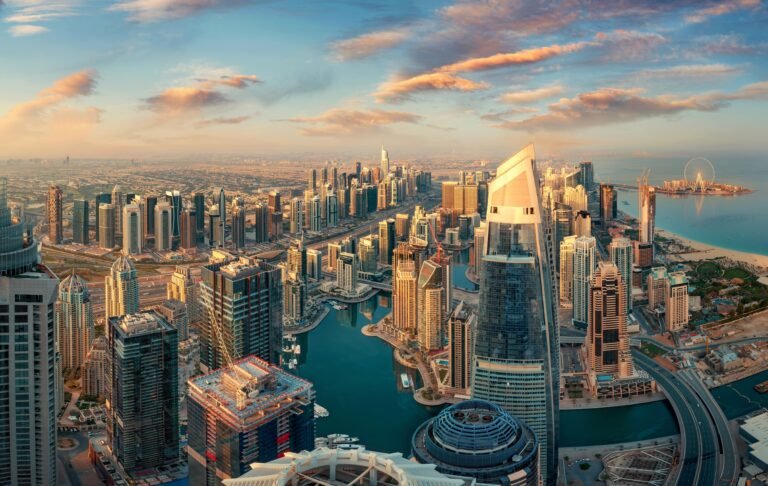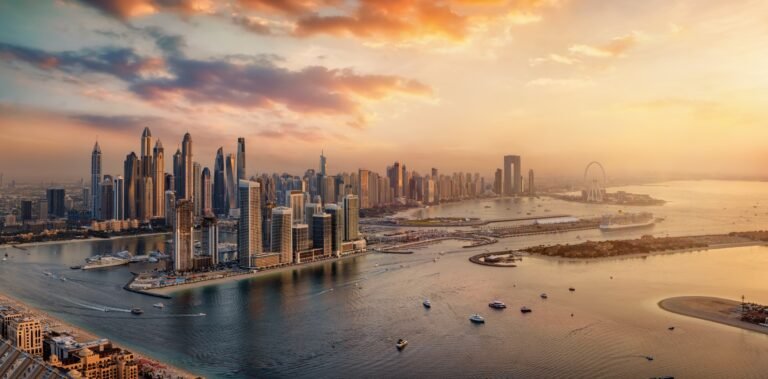

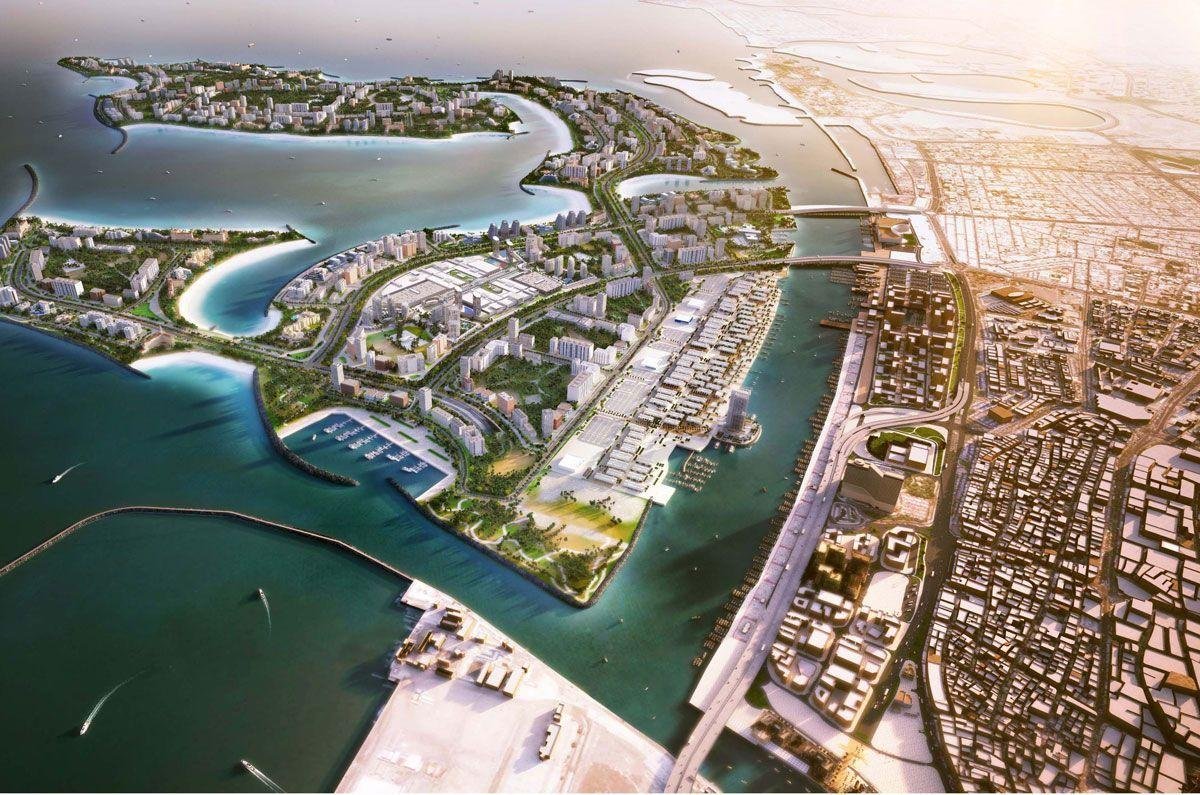
Three places are doing most of the work in our conversations with investors this year: Dubai Islands, Jumeirah Gardens, and Al Marjan Island. They aren’t interchangeable. One is a beachfront play at an early price, one is a central lifestyle district, and one is a resort economy being built almost from scratch. What they share is timing. Each is early enough that the upside hasn’t been priced in yet, and that’s usually where the real money in Dubai gets made.
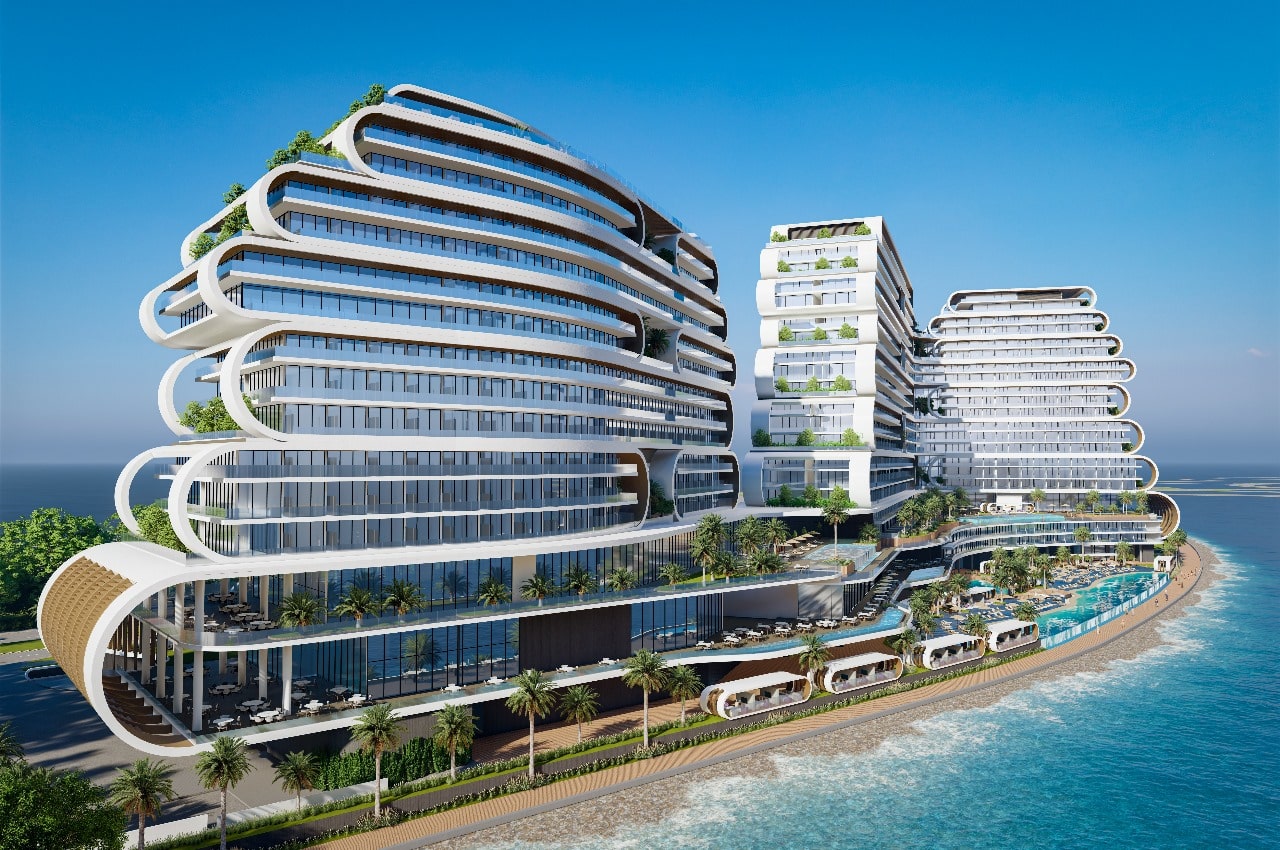
One name we watch on the island is Janu, Aman’s Al Marjan launch.
Check out our comprehensive walkthroughs of the Dubai properties buying process:
- The UK Investor’s Guide to Buying Property in Dubai
- The US Investor’s Guide to Buying Property in Dubai
- The Canadian Investor’s Guide to Buying Property in Dubai
And don’t forget to join our Webinar – See you there!
Dubai Islands: getting in before the beachfront is priced in
Dubai Islands, which most people still know as Deira Islands, is one of the more ambitious master plans on the map right now. It’s a set of man-made islands along the northern coastline, with real beaches and easy reach into the rest of the city. The reason it interests me is simple: you can still buy into a major coastal development here at a price that won’t last.
The masterplan runs to more than 80 hotels sitting alongside homes and retail, which turns the islands into a year-round destination rather than a seasonal one. The beaches are genuinely among the best in Dubai, and the plan builds in green space and eco-friendly infrastructure, which matters to the kind of buyer paying attention now.
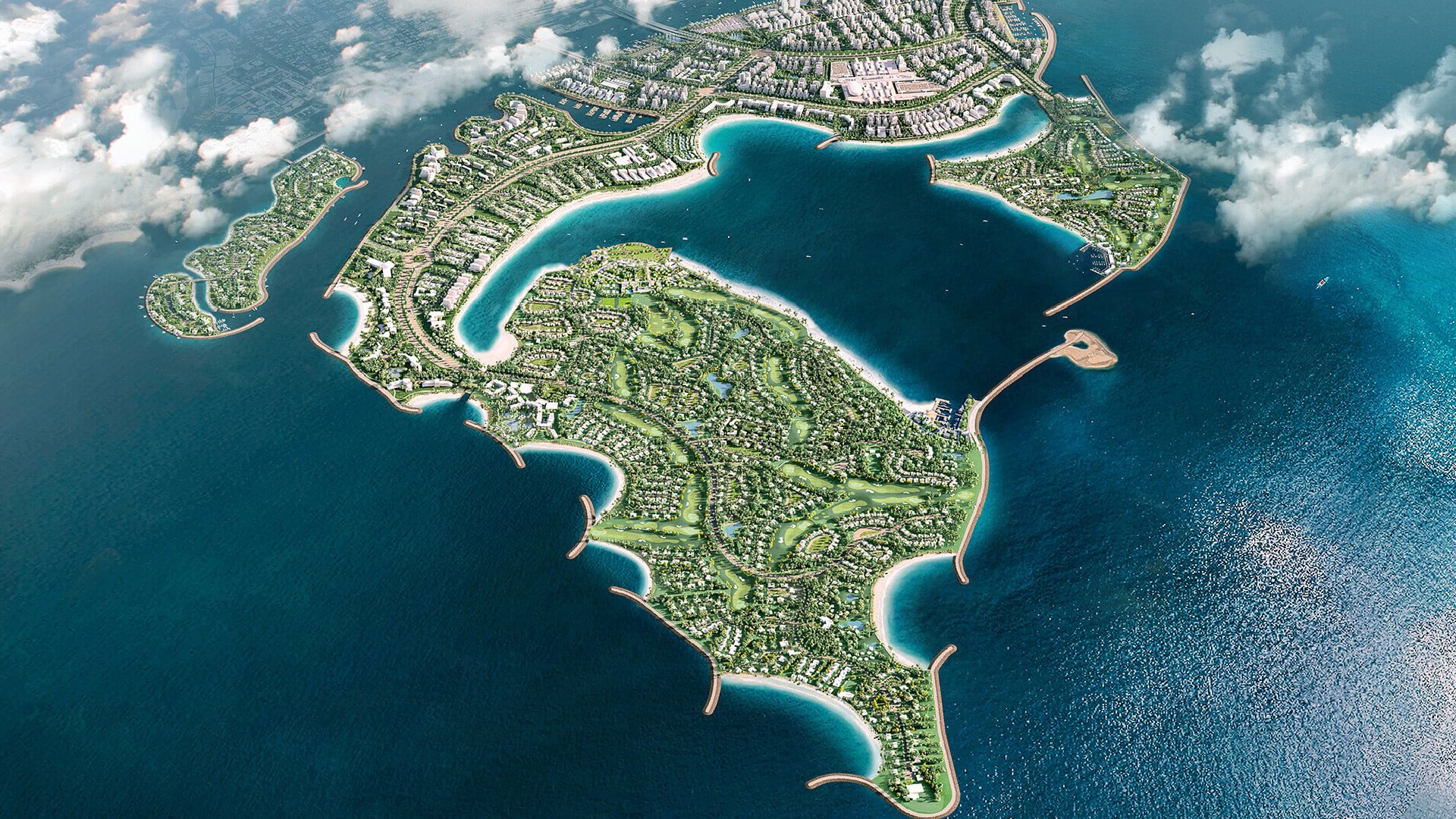
On returns, projected rental yields start at 8 percent, above the city average, and because the area is still early there’s room for the capital side to move. Forecasts point to price appreciation of over 40 percent as the islands come fully online. Access helps too. You’re close to Dubai International Airport, Deira, and Downtown, which makes it practical for commuters and strong for short-term letting.
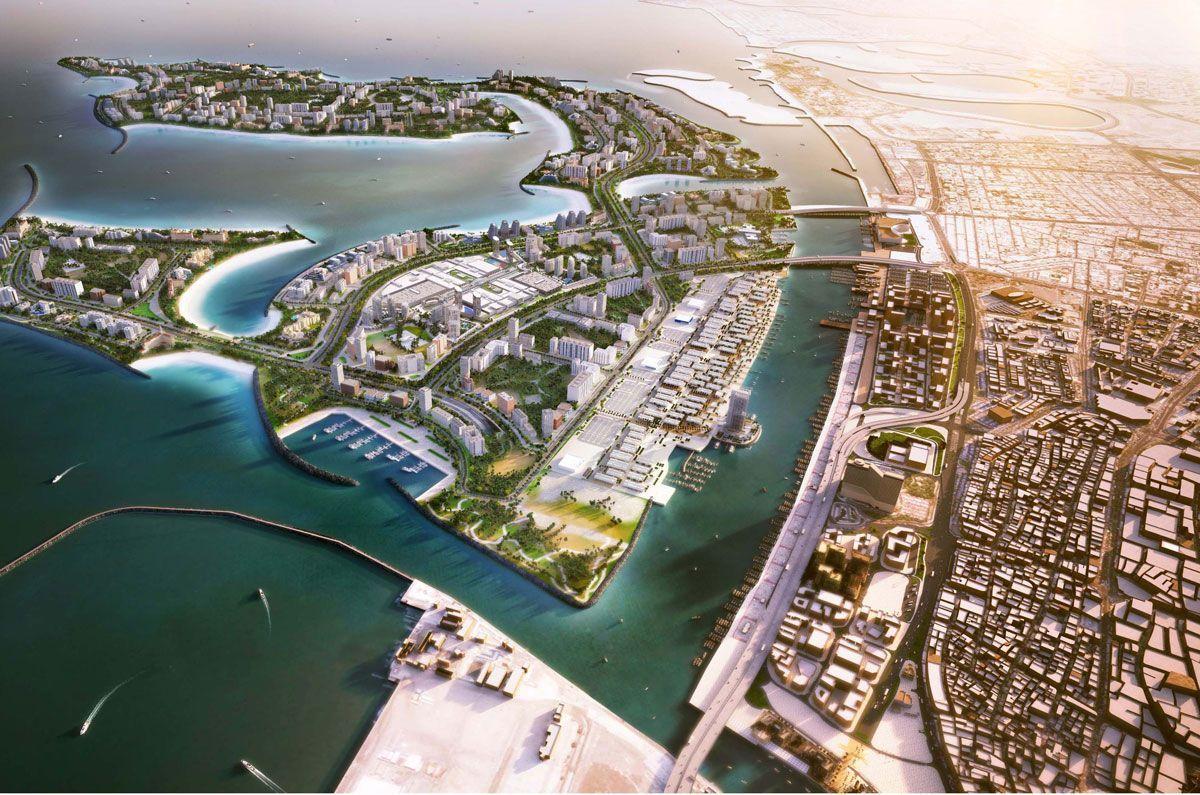
What tips it for me is the pace. Nakheel, the master developer, has given sub-developers just two years to complete their projects. That kind of deadline means faster progress and quicker returns, and with leading developers already selling and prices still low against other beachfront spots in Dubai, this is one of the cleaner entry points for waterfront property in the region.
Jumeirah Gardens: central, walkable, and built to hold value
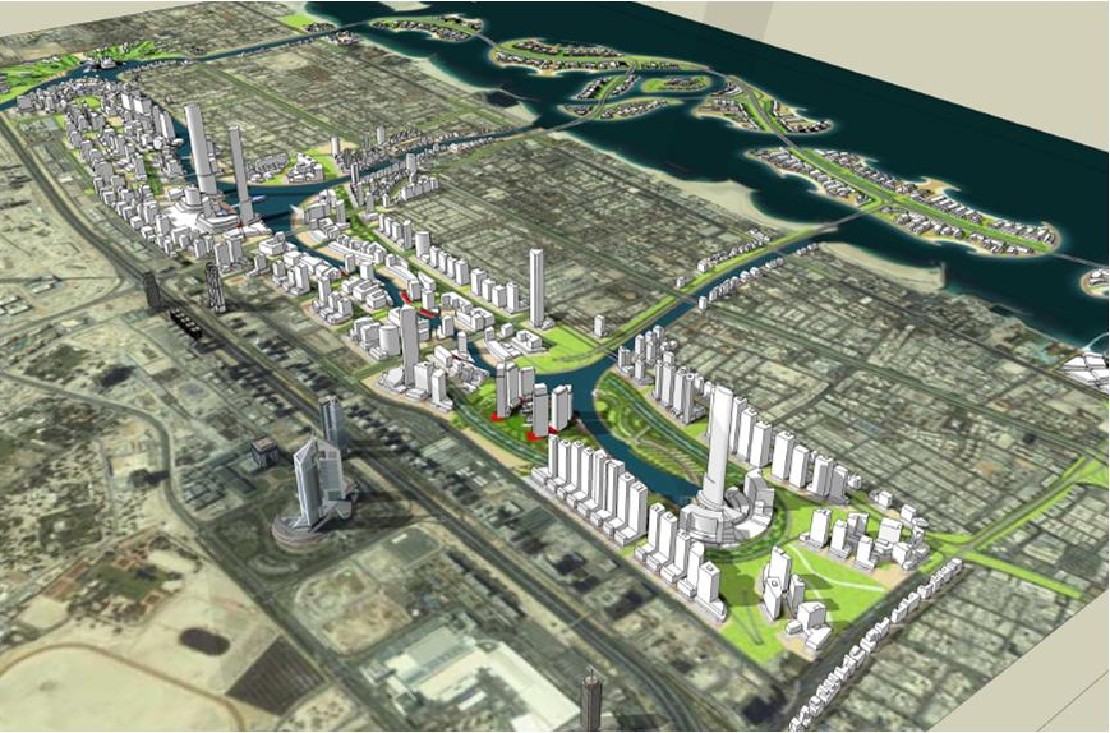
Jumeirah Gardens is the inland pick, and it’s a reimagining of an urban district rather than a new island. It sits in Al Satwa, right off Sheikh Zayed Road, which puts it minutes from Downtown Dubai, the DIFC, Jumeirah Beach, and City Walk. That location is the whole argument, and it’s a strong one.
It’s being designed as a pedestrian-friendly, medium-density community with parks, open green space, and walkways running through it. That’s a deliberate choice aimed at families, professionals, and creatives who want a modern life without commuting to it. Central location plus livability tends to hold value better than either does alone.
On the numbers, rental yields are projected between 8 and 10 percent a year, supported by demand from both long-term tenants and shorter stays. Capital appreciation is forecast at 25 to 30 percent as the district fills out and demand for well-placed, lifestyle-led communities keeps climbing.
The plan brings in retail, restaurants, schools, and entertainment, which makes it attractive to people who actually want to live there rather than just park capital. The Sheikh Zayed Road frontage and public transport links keep occupancy high and demand steady through the year. For an investor, that adds up to long-term value resting on livability, connectivity, and solid fundamentals rather than hype.
Al Marjan Island: the highest-upside play, and the most patience required
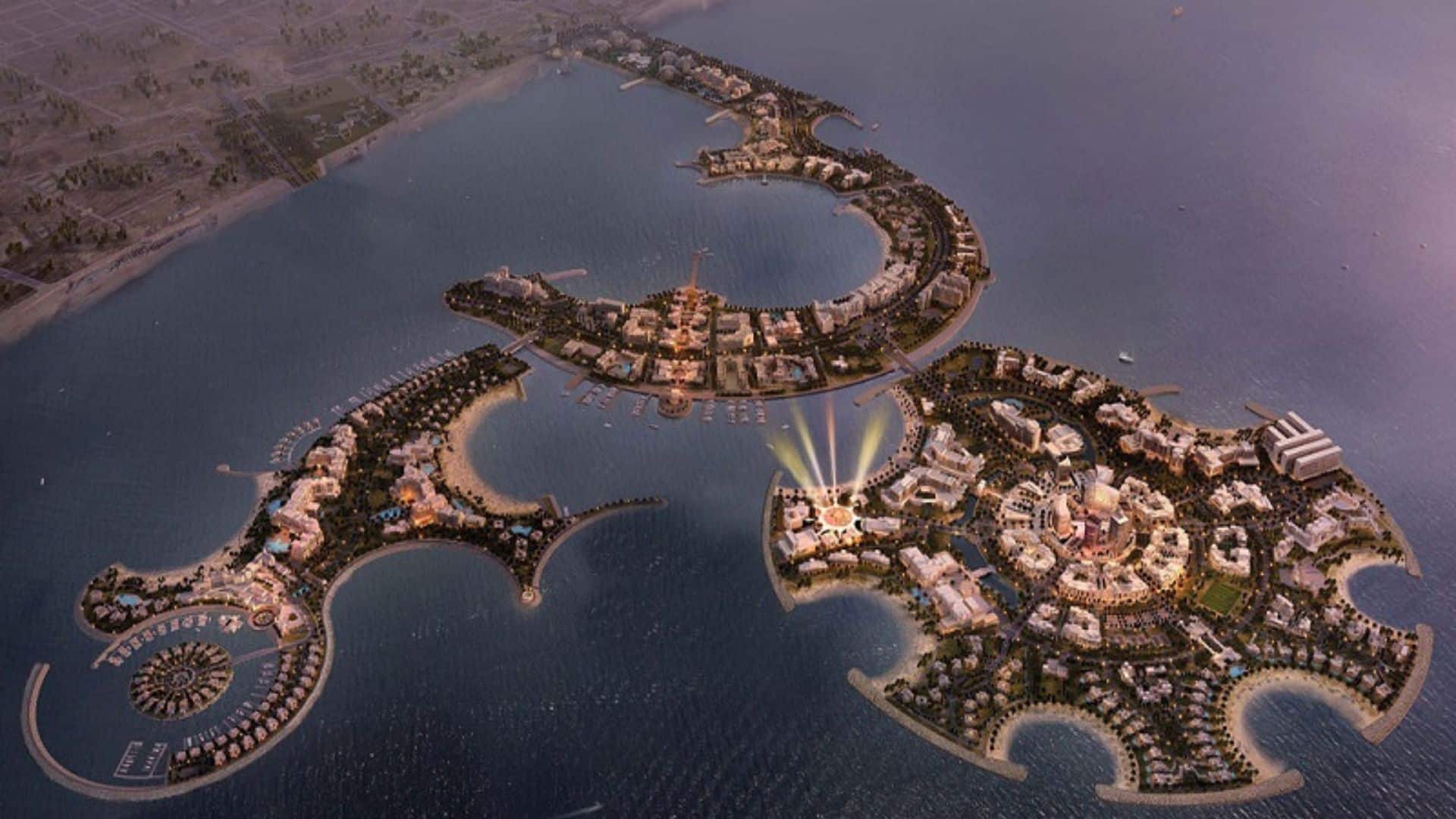
Further north in Ras Al Khaimah, Al Marjan Island is the boldest of the three. It’s a man-made archipelago reaching into the Arabian Gulf, and it sits at the center of the emirate’s push into tourism and hospitality. Beaches, mega-resorts on the way, and business-friendly rules are pulling in regional and international money fast.
It’s about 45 minutes from Dubai International Airport, so it’s accessible while offering a completely different pace to urban Dubai. Quiet beaches and turquoise water make the case for holidaymakers and second-home buyers, but this is no sleepy resort. It’s turning into a serious engine for short-term rentals, branded residences, and luxury hospitality.
The biggest single catalyst is the Wynn Al Marjan resort, a $3.9 billion integrated development that will bring the UAE’s first casino, a luxury hotel, and high-end villas. When it opens in 2027 it will lift the island’s global profile on its own. Alongside it, projects such as Manta Bay, which features the world’s tallest rooftop beach, and several branded residences are underway with handovers expected in the next two to three years.
The income case is strong. Studio units are yielding up to 8.78 percent, short-term Airbnb-style rentals are returning close to 9.43 percent, and larger one-bedroom units are delivering solid numbers of their own. Hospitality investors are seeing internal rates of return as high as 28 percent on five-star hotel investments. That’s underpinned by the emirate’s tourism growth, a friendly regulatory environment, and early-stage pricing with real room to run.
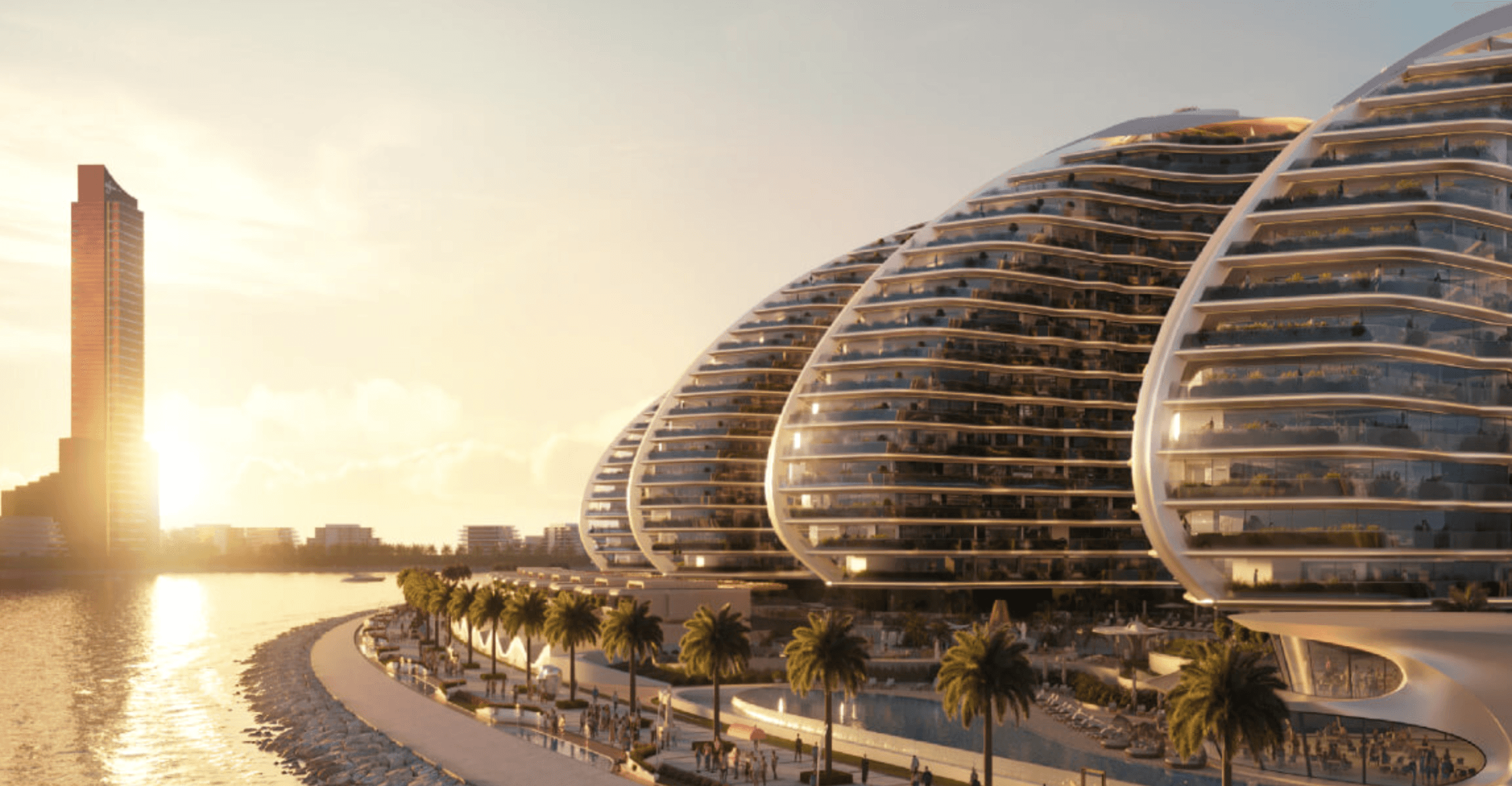
Sustainability runs through the development too, with floating villas, eco-conscious construction, and energy-efficient infrastructure. And Ras Al Khaimah makes it easy on the ownership side: 100 percent foreign ownership, no income or capital gains tax, and a set of incentives aimed squarely at foreign investors.
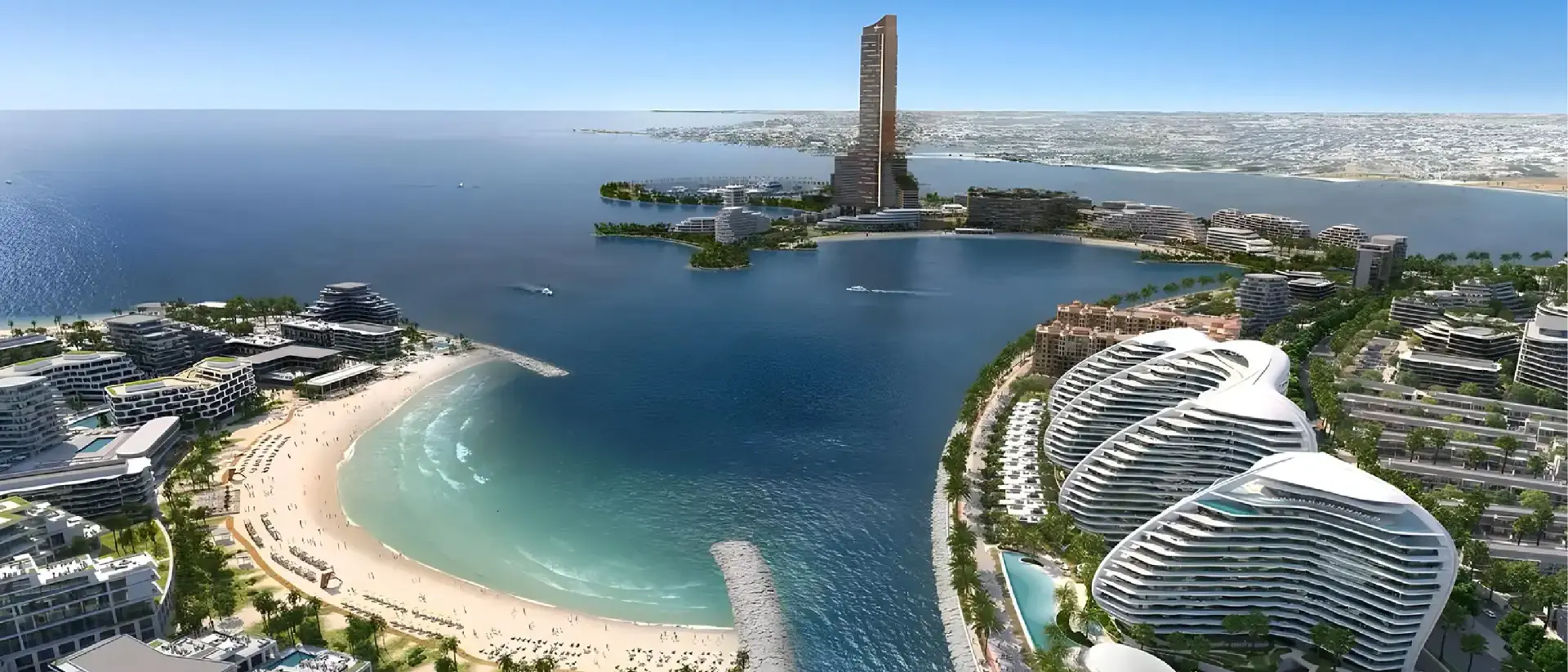
With demand for waterfront and resort-style living still climbing, Al Marjan’s limited supply and early stage make it one of the highest-upside plays around. It also asks the most patience, since much of the return arrives as the resorts open.
How the three fit together
The point of holding all three is that they do different jobs. Dubai Islands gives you beachfront access and fast transformation at a price that’s still competitive. Jumeirah Gardens gives you inner-city convenience and a green, community-led model that holds value. Al Marjan gives you early entry into a resort economy in a jurisdiction built to attract capital. Fast yield, medium-term appreciation, or a high-growth tourism bet, these three cover the range, and each rests on real fundamentals rather than a good story.
Useful Resources
- Al Marjan Island, Ras Al Khaimah: Buyer & Investor Guide
- Al Marjan Island – Ras Al Khaimah (RAK)
- Al Marjan Island: The UAE’s Next Frontier for International Real Estate Investment
- Why Property Buyers Are Turning Their Attention to Al Marjan Island
- Comparative Investment Outlook: Al Marjan Island vs. Dubai Islands
- Al Marjan Island: The Next Investment Frontier in the UAE
- Al Marjan Island: Your Gateway to Luxury Waterfront Living and Profitable Investments