
A Toronto downtown condo yields 3 to 4%. A comparable Dubai apartment can clear 7%, and you keep all of it, because there is no tax on the rent, the gain, or the estate. That gap, plus a market coming out of years of stabilization into real growth, is why a rising number of Canadian investors are looking past North America. Add no down-payment stress test, no capital gains bite, and a transaction you can complete without leaving Canada, and the appeal is less about hype and more about arithmetic.
Canadians tend to invest the way you would expect: risk-conscious, but after growth. Dubai offers an unusual pairing of the two, safety and scalability. Below is the case in numbers, drawn in depth from Totality Estates’ comprehensive guide, which is worth reading before you commit to anything.
Dubai’s market versus Canada’s plateau
The Canadian market, Toronto and Vancouver especially, has spent years wearing the same criticisms: inflated prices, tight mortgage rules, thinning returns. Dubai is on the other side of that cycle, coming out of stabilization into growth on the back of global investor confidence, big infrastructure projects, and the economic diversification under the UAE’s Vision 2030.
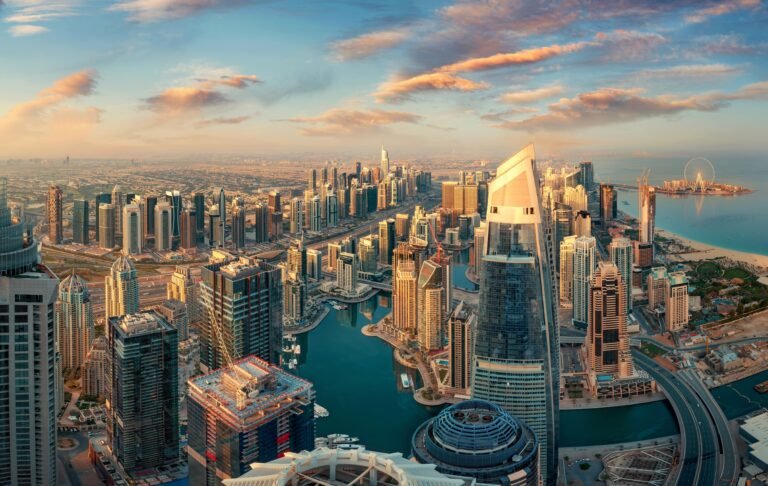
Rental yields in Dubai can run above 7%, well ahead of comparable Canadian markets, where Toronto’s downtown condos sit between 3 and 4% and Vancouver is no better. Then there is capital appreciation on top, particularly in areas like Dubai Marina, Business Bay, and Downtown.
The developer payment plans do a lot of the lifting on access. On off-plan, Canadians can often enter with a deposit of just 10 to 20%, on interest-free installment schedules running up to five years. Compare that to Canada, where heavy down payments and stress tests keep a lot of would-be investors out of the market entirely.
Tax and ownership
The single biggest advantage for a Canadian buyer is what Dubai does not charge. No income tax, no capital gains tax, no inheritance tax, no annual property tax, and those policies apply to local and foreign investors alike.
Set that against Canada’s capital gains tax, which taxes 50% of the profit on the sale of an investment property, and the saving is substantial whether you are building rental income or selling for a gain. Foreign buyers also get full ownership in freehold zones, no Emirati partner or residency required, and as the Canadian investor guide notes, you can repatriate 100% of your investment income, in any currency, without restriction. That is liquidity and legal security in one.
Location and access
Dubai sits between Europe, Asia, and Africa, which is part of why it works as both an investment base and a place to spend time. Daily flights from Toronto, Vancouver, and Montreal make it reachable whether you are buying remotely or planning to spend part of the year there.
The time-zone overlap with Asia and Europe suits digital entrepreneurs and people running global businesses. And buyers acquiring property worth at least AED 2 million (around CAD 750,000) may qualify for a renewable 10-year Golden Visa, which grants residence rights without a work sponsor.

The Totality Estates guide sets out how the value thresholds and ownership types line up with visa eligibility, which turns the decision from purely an investment into a possible route to relocate or retire in the UAE.
Buying from abroad
Buying Dubai property remotely is more straightforward than most people expect. With no restriction on foreign ownership in freehold areas and digital documentation in place, a Canadian can run the whole transaction, selection, offer, contract, payment, without leaving the country.
The procedures are transparent, the Dubai Land Department standardizes the contracts, and you do not need a local bank account to start a purchase. Power of attorney, verified escrow accounts, and multilingual agent support keep it safe and efficient. Totality Estates handles this process for Canadian clients directly, with service packages covering virtual tours, legal liaison, and ongoing rental management. First-time overseas buyer or seasoned investor, a trusted intermediary is what keeps the deal compliant and the value intact.
Why the timing works
Dubai’s population is projected to pass 6 million by 2040, driven by an expanding middle class and continued expatriate arrivals. That sustains rental demand, particularly in the mid to upper-tier communities that draw professionals, digital nomads, and retirees.
It lines up with major infrastructure, the Dubai Metro 2040 expansion, the Museum of the Future, Expo City, each of which pulls investment into the surrounding zones. Research cited in the Totality Estates guide expects these developments to lift rental rates by 15 to 25% over the next five years. For a Canadian buyer, that means both immediate income from high yields and longer-term capital gains tied to how Dubai is actually planning its growth.
Exit options and portfolio resilience
Dubai gives you more than one way out. Hold for yield, flip an off-plan unit before handover, or resell into a liquid international market. For Canadians worried about the pressures at home, rising rates, tighter mortgages, inflation, Dubai real estate offers a diversification hedge with low correlation to the Canadian housing cycle.
Which is why a growing share of Canadian buyers, particularly in Ontario, Quebec, and British Columbia, are shifting attention to Dubai, and not only individuals but wealth managers and real estate funds after better international exposure. To build a strategy around your own income, risk tolerance, and time horizon, reach out to Totality Estates, whose team walks Canadians through the due diligence with clarity rather than pressure.
Your next step
If you are a Canadian investor weighing your next move, the case for Dubai is not subtle: strong fundamentals, favorable law, and a low entry point. What to do with that:
-
Download the guide tailored for Canadian investment in Dubai real estate for a deeper read on the opportunity.
-
Contact Totality Estates to schedule a personalized consultation.
-
Share the guide with your financial advisor or real estate consultant for a second opinion on cross-border tax.
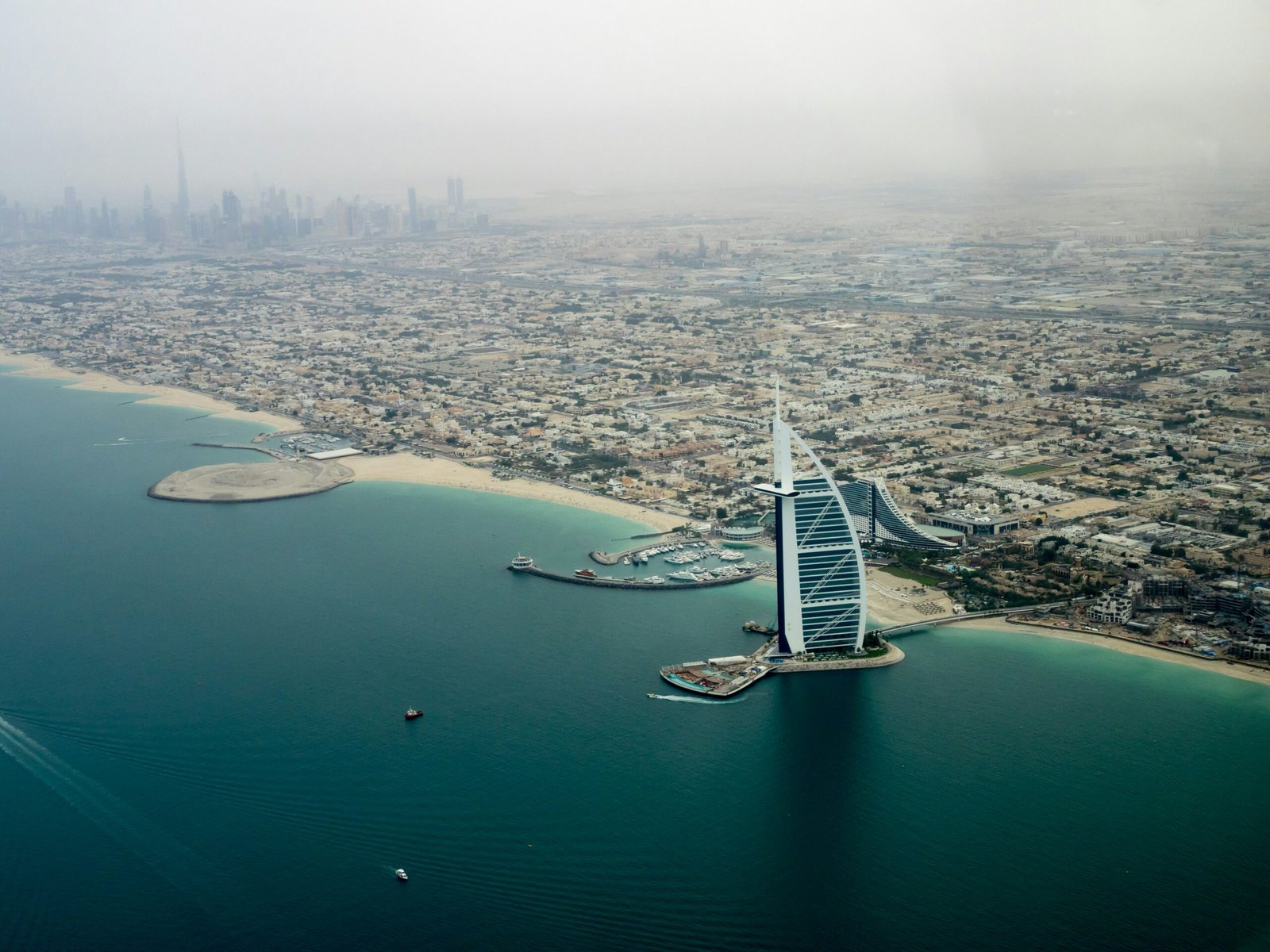
Dubai’s skyline keeps expanding, and the investors who got in early are expanding with it. If the numbers make sense for you, this is a reasonable time to look seriously.