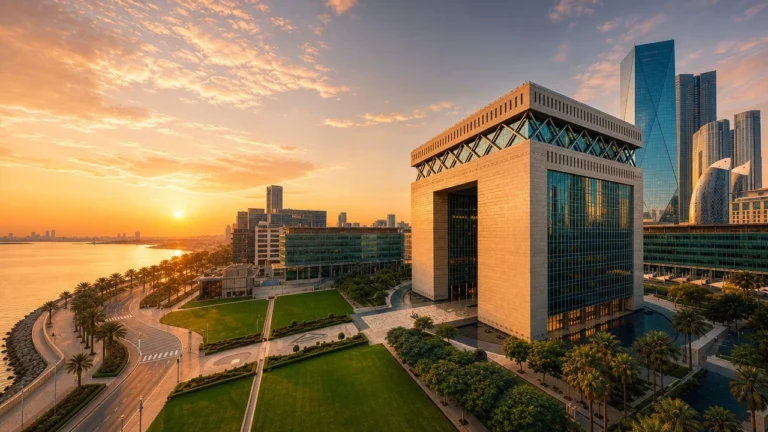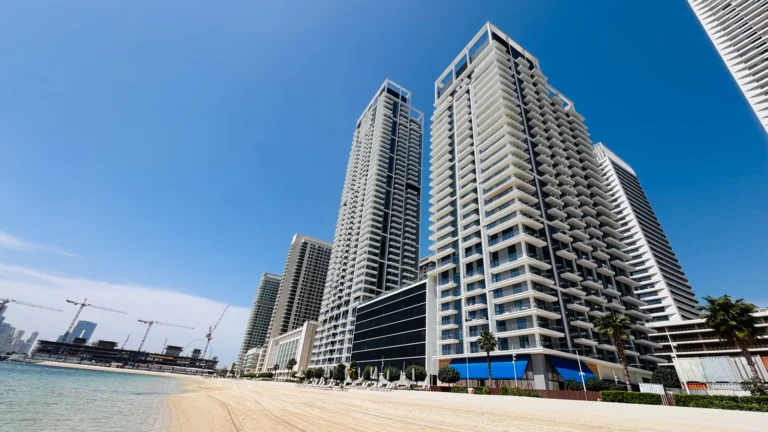

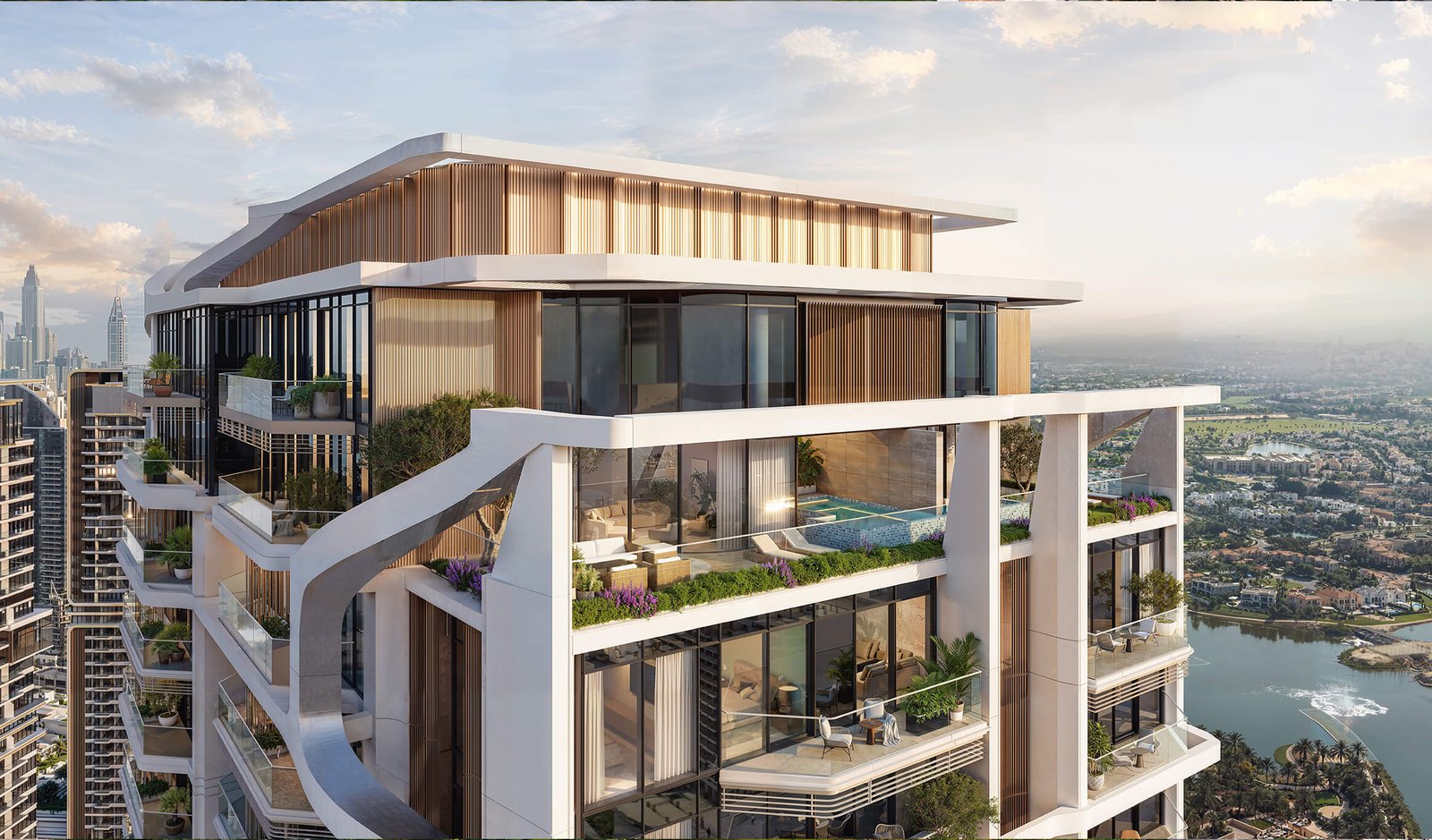
Non-UAE nationals can buy freehold property across a wide range of Dubai neighborhoods, not just one or two trophy districts. Downtown Dubai, Dubai Marina, Palm Jumeirah, Jumeirah Lake Towers, Business Bay, Dubai Hills Estate, Jumeirah Village Circle, Al Furjan, plus budget-friendly pockets like International City and Dubai Silicon Oasis. There are master-planned growth stories too, Dubai South with its Expo legacy and airport expansion, and greener enclaves like Al Barari. The canvas is broad, which is exciting and a little overwhelming at the same time.
Freehold in Dubai means full ownership in designated zones, of the property and, in many cases, the land interest tied to it, rather than a time-bound leasehold. That distinction matters for long-term control, resale strategy, and passing assets down. This piece maps the terrain first, then layers in the nuance that actually decides your day-to-day experience and your yield: liquidity, commute, service charges, and future catalysts. Cross-check the official area designations too; the market guides from Property Finder, Bayut, and Driven Properties are useful for that.
The popular freehold areas, placed in a sentence
Luxury lifestyle

- Palm Jumeirah. Iconic shoreline living, signature villas, branded residences, water everywhere. Service charges run higher, but so does global recognition.
- Downtown Dubai. Skyscrapers, Burj Khalifa adjacency, blue-chip apartments. Strong demand, fast liquidity, premium finishing in many towers.
Waterfront and vibrant
- Dubai Marina. Animated promenade, yacht views, a deep rental market. High-rise living across a wide range of building ages, so layouts and service charges vary. Viewing in person pays off.
- Business Bay. Mixed-use central artery with residential towers and commercial hubs. Good if you want city life without the Downtown price ceiling in certain stacks.
Family-friendly

- Jumeirah Village Circle (JVC). Maturing fast, parks, mid-rise apartments and townhomes, approachable entry points, a strong tenant pool.
- Dubai Hills Estate. Master-planned by Emaar with golf, schools, and malls. A balanced option for families wanting newer stock and organized landscaping.

Affordable
- Jumeirah Lake Towers (JLT). Clustered towers around lakes, walkable pockets, diverse inventory, typically cheaper than Marina or Downtown while staying central.
- International City. Value-led, budget-friendly apartments with strong occupancy. Check building age and maintenance history.
- Al Furjan. Mid-market townhouses and apartments with improving connectivity. Popular with budget-conscious end-users and investors.
Master-planned
- Dubai South. Post-Expo development with logistics and aviation catalysts and a long runway as Al Maktoum Airport scales. A patient investor’s macro story.
- Al Barari. A green, low-density oasis. You pay a premium for serenity and landscaping over typical urban density.
One afternoon I walked a buyer from Downtown through Marina and into JVC. His preferences flipped from skyline glamour to “actually I want a dog-friendly park and a second bedroom” in about three hours. That is why viewing a few contrasting areas back to back beats scrolling a hundred listings.
Freehold versus leasehold, plainly
- Freehold: you own the property and associated land interest indefinitely in designated zones. This is the path most foreign buyers consider first.
- Leasehold: you lease for a defined period, up to 99 years in many cases, with specific rights and reversion terms. A different tool, useful in some situations.
Foreign ownership is fully permissible in designated freehold areas under Dubai’s post-2002 regime. Always confirm a specific plot or building on official systems or through your conveyancer. A quick check early saves headaches.
Popular freehold areas at a glance
This table stays qualitative on purpose. Your specific tower, service charges, and view corridors move the needle more than any area average.
| Area | Property types | Lifestyle | Who it suits | Consider |
|---|---|---|---|---|
| Downtown Dubai | High-rise apartments, branded residences | Iconic skyline, walk to landmarks | Prestige, strong liquidity | Premium pricing, check service charges by tower |
| Dubai Marina | Apartments (wide age range), some penthouses | Waterfront promenades, dining, transit | Investors wanting deep rental demand | Building age varies, compare clusters |
| Palm Jumeirah | Villas, townhouses, resort-style apartments | Beachfront living, global brand appeal | Lifestyle buyers, trophy assets | Higher service charges, stack and shoreline matter |
| Business Bay | Apartments, newer and established | Mixed-use core, near Downtown | City professionals, lock-and-leave | Traffic at peaks, evaluate tower quality |
| JVC | Apartments, townhouses | Family-friendly, parks, improving retail | Value-minded end-users and investors | Still maturing, diligence building by building |
| Dubai Hills Estate | Villas, townhouses, mid-rise apartments | Golf, schools, organized master plan | Families wanting newer stock | Premiums in certain enclaves, compare sub-communities |
| JLT | Apartments in clustered towers | Lakeside clusters, walkable pockets | Budget-conscious wanting centrality | Mixed tower quality, check views and traffic |
| International City | Apartments | Value-led, high occupancy | Yield-focused, low entry price | Older stock in places, maintenance varies |
| Al Furjan | Townhouses, apartments | Community feel, improving metro links | First-time buyers, pragmatic investors | Compare builder specs, check sound insulation |
| Dubai South | Apartments, townhouses, villas in pockets | Expo legacy, aviation growth story | Long-horizon investors | Catalyst-driven, pick the sub-location carefully |
| Al Barari | Villas, low-rise, boutique apartments | Lush, low-density, wellness-centric | Privacy seekers, nature lovers | Low density means a premium, car-first mobility |
Confirming an address is freehold
- Check the plot or building designation through an official lookup or your conveyancer. The Dubai Land Department systems are the authoritative starting point.
- Cross-reference the major portal guides as a sanity check. Final reliance belongs with official records and your legal team.
- Do tower-level diligence. Within one district, buildings differ on service charges, finishing, and view risk from future construction. Shortlist three towers per area and compare on fees, floor plans, and outlook.
If you want a curated shortlist including current off-plan versus ready trade-offs, talk to Totality Estates and we will tailor it to your budget and timeline.

The buying sequence, shortlist to keys
1. Shortlist the micro-location, not just the district
Two towers in the same area can be wildly different experiences. In Dubai Marina, a promenade-facing stack reads nothing like a back-cluster unit by a busy junction. Shortlist three buildings in one area and two areas in total. That is manageable and comparative.
2. Check title and ownership type
Ask for the title deed on a ready property, or the SPA, allotment, and Oqood on off-plan, and confirm the asset sits in a designated freehold zone. If anything feels fuzzy, pause and verify before you negotiate.
3. Price reality check with three comps
Pull three real, recent comparables, same tower or an adjacent peer, similar view and size. Price per square foot helps, but floor, view, layout, parking count, and handover condition move the number.
4. Offer, MoU or SPA, and deposit
For ready property you typically sign a Memorandum of Understanding (Form F) and place a security deposit, often 10%. For off-plan you sign the developer’s Sale and Purchase Agreement, with a payment plan tied to construction milestones.
5. Trustee office and KYC
Ready transfers are executed at an approved trustee office. Bring passports, IDs, and KYC forms. If you are financing, the bank and valuation slot into the timeline here.
6. Transfer, registration, and keys
At transfer, fees are paid, ownership is lodged, and keys and access cards follow. For off-plan, the key moment is Oqood registration, then handover at completion with snagging beforehand. Treat snagging as a real event. A thorough defects list saves you months of small annoyances.
What the fees actually run
Ranges vary by asset, developer, and lender, so use this to plan rather than as a final quote.
- DLD transfer fee: generally 4% of purchase price, ready and off-plan.
- Agency fee: commonly 2% plus VAT where applicable on secondary sales, sometimes less or fixed for developer-direct.
- Trustee and registration admin: a fixed fee band that varies by transaction type and value.
- Oqood, off-plan registration: a percentage-based fee, often shown as 4% of the SPA in practice. Confirm in your SPA.
- Mortgage registration: generally about 0.25% of the loan amount plus admin.
- Bank valuation: commonly AED 2,500 to 4,000 or more, depending on lender and asset.
- NOC, developer no-objection certificate: a fixed fee, often AED 500 to 5,000 depending on developer and community.
- Service charges, annual: an AED per square foot band by tower or community, higher in premium waterfront and prime districts. Get the current schedule.
| Cost line | Ready purchase | Off-plan purchase |
|---|---|---|
| DLD transfer | ~4% | Often 4% via Oqood registration |
| Agency fee | ~2% | 0 to 2%, developer-direct versus brokered |
| Trustee and admin | Fixed band | Fixed band |
| Oqood | n/a | Often 4% of SPA, confirm yours |
| Mortgage registration | ~0.25% of loan | ~0.25% of loan if financing near handover |
| Bank valuation | AED 2.5k to 4k+ | Similar if financing |
| NOC | AED 500 to 5,000 | AED 500 to 5,000 |
| Service charges | Pro-rated at transfer | Start at handover |
Ask for the service charge schedule broken out by component, common area, chilled water where applicable, and so on. It sounds dry, but it clarifies your year-one operating cost.
Financing as a non-resident
Lenders vary, but a few patterns hold. Non-residents usually see a lower maximum loan-to-value than residents, so expect a higher down payment, often 25 to 35% or more depending on lender and asset. Banks want predictable income through salary slips, tax returns, or audited business statements. The bank lends off valuation, or the lower of price versus valuation, even if your SPA is higher. Life and property insurance are usually required. And fixed versus variable is not a purely financial choice; weigh your holding horizon and currency exposure. If you want us to match a lender to your profile and country of income, speak to Totality Estates.
Off-plan versus ready
This is less about which is better and more about timing, liquidity, and your tolerance for variability.
| Factor | Off-plan | Ready (completed) |
|---|---|---|
| Entry price | Often lower than an equivalent ready unit today | Market price now, no construction risk |
| Payment plan | Staggered by milestone | One-time plus mortgage at transfer |
| Rental income | Starts at handover | Can start immediately |
| Spec and finish risk | Some variability until handover | What you see is what you get |
| Capital appreciation | Potential upside from construction to handover | More tied to market cycles and micro-improvements |
| Liquidity | Improving, depends on developer and stage | Generally deeper in mature areas |
| Service charges | Start at handover | Start now, pro-rated |
Want cash flow now and picky about views and layouts? Ready makes sense. Staged on capital and comfortable with a two to four year horizon? Off-plan can work, provided the developer and sub-location are strong and you like the end-state master plan.
Match your profile to areas and asset types
| Buyer profile | Priorities | Better starting points |
|---|---|---|
| Global exec, based elsewhere | Lock-and-leave, brand, liquidity | Downtown, Business Bay (newer towers), branded residences near transit |
| Family with school needs | Green space, schools, newer stock | Dubai Hills Estate, Arabian Ranches, parts of Mudon or Mira (verify freehold section) |
| Yield-focused investor | Solid occupancy, rational service charges | JLT (tower-specific), JVC (newer stock), International City (diligence on maintenance) |
| Waterfront lifestyle | Views, promenades, dining | Dubai Marina (cluster-specific), Palm Jumeirah (budget permitting) |
| Long-horizon macro bet | Airport and Expo catalysts, price discovery | Dubai South (micro-location matters), selective new corridors |
| Privacy and nature | Low density, gardens | Al Barari, villa pockets in Dubai Hills or similar master plans |
Due diligence checklist
- Ownership type: confirm freehold designation for the specific plot, tower, and unit.
- Title, SPA, Oqood: ready means title deed, off-plan means SPA plus Oqood. Verify names and unit identifiers.
- Service charges: request the latest schedule and check chilled-water billing if relevant.
- Building quality: age, facade, elevators, common areas, and recent maintenance notices.
- View risk: any planned adjacent tower? Ask for plots and permissions nearby.
- Traffic and noise: visit at peak, stand on the balcony, and listen.
- Rental reality: check actual rents on similar stacks, not the top-5% outlier.
- Developer and facilities: track record, completion history, amenity upkeep.
- Mortgage and valuation: align your offer with valuation assumptions, confirm bank timelines.
- NOC and liens: ensure the seller clears service-charge arrears and there are no encumbrances.
- Snag and handover: book snag slots early, document issues with photos.
Emerging freehold corridors worth watching
Dubai keeps adding chapters. Verify status before you act, but experienced buyers are currently watching:
- Dubai Creek Harbour: a waterfront skyline story with long-term urban gravity. Pick buildings with the outlook you actually care about.
- Meydan and MBR City: newer villa and townhouse supply, improving road links. Sub-community choice matters.
- Arjan and Town Square: value-led mid-market with new stock. Cherry-pick developers.
- Dubai Islands and Palm Jebel Ali: large-scale coastal plans with room for future price discovery and brand-led launches.
- Ras Al Khor and lagoon-adjacent pockets: nature-reserve adjacency with evolving master plans. Check exact plot positioning.
We track launch calendars, likely pricing bands, and who is building what. Join our list if you want the feed.
Reading the micro-locations, street by street
You know the headline areas. The real work is reading micro-locations, because one stack over can swing noise, view quality, and even your AC bill. Use this as a field checklist when you are standing there with the agent.
Downtown Dubai
Look at view corridors, Burj, fountain, and skyline versus internal, service-charge bands by tower, and lobby and elevator wait times at peak. I would pass on a unit that relies on “partial Burj” when that really means the edge of a glass sliver from the balcony. Charming, but it should be priced that way.
Dubai Marina
Promenade versus back-cluster positioning, road noise, delivery-bay proximity, and night footfall, which is great for lifestyle and less so if you sleep lightly. Check facade condition, lifts, and common areas by building age. I would pass on a beautifully renovated apartment where the chiller arrangement and service charges eat your monthlies.
Palm Jumeirah
Shoreline and frond positioning for sun path, privacy, and beach access, plus the maintenance quality of common areas, which should meet the premium. Test weekend traffic on a Friday afternoon. I would pass on a villa with a spectacular pool sitting under a constant jet-ski drone off the beach strip.
Business Bay
Ingress and egress at rush hour, ground-level retail you will actually use, and the day-versus-night mood, which shifts from corporate at noon to lively at 8pm in some pockets. I would pass on a high-spec unit with an awkward layout, the long corridor that eats your living space.
JVC
Newer stock with rational floor plans and balconies that are usable rather than decorative, plus building-management reputation. Talk to a concierge or a resident casually. I would pass on the unit where the render promised a park view and the real balcony faces a parking lot and a future construction pit.
Dubai Hills Estate
Sub-community differences in street width, setbacks, and landscaping maturity, proximity to the mall and schools versus weekend event traffic, and villa facades and snag history on recently handed-over streets. I would pass on a villa with a great yard but zero privacy from neighboring terraces.
JLT
The cluster matters. Some are quieter, some have better food and drink, some better transit. Check the tower’s retrofit history on lifts, lobby, and chillers, and compare lakeside versus roadside stacks. I would pass on a decently priced tower with a persistent elevator problem. Ask security how often people get stuck.
International City
Building upkeep, actual service-charge records, and rental comps from the same block, since micro-variation is real. I would keep moving if the service-charge arrears situation looks murky.
Al Furjan
Metro adjacency versus noise, internal street quietness and parking habits, and sound insulation between townhomes. Walk it with someone upstairs. I would pass on the block that looks ideal on the map but has a cut-through road right behind the garden wall.
Dubai South
Exact sub-location relative to planned infrastructure and future retail nodes, developer track record, and precise handover timelines. Match the payment plan to your real cash flow, no heroics. I would pass on any phase where the amenity promise is doing the heavy lifting and the delivery record is thin.
Al Barari
Orientation for sun and shade and garden usability ten months of the year, community-management standards, which should be excellent, and drive times to your actual life. I would pass on a unit that trades on “zen” but sits beside a service road with more vans than butterflies.
Errors that show up too often
- Romancing the render. If your decision is 90% render and 10% contract, invert it. The SPA and the developer record matter more than the sunset gradient.
- Ignoring view risk. An open view today can be a crane tomorrow. Pull neighboring plot information and ask point-blank about future towers.
- Forgetting the service-charge math. A cheaper price with higher AED per square foot in charges can out-cost a pricier unit with leaner operations over five to seven years.
- Over-indexing on headline yield. Yields vary by layout, floor, building management, and tenant profile. Do not extrapolate from the best Airbnb screenshot you saw online.
- Skipping the peak-hour test. Visit at 8:30am or 6:30pm and you will learn more about livability than any brochure.
- Assuming any bank matches your plan. Lenders differ. If you are a non-resident entrepreneur, get a read on income docs and valuation logic before you fall for a unit.
What to check in 20 minutes on site
| Checkpoint | What to do | Why it matters |
|---|---|---|
| Balcony reality | Stand outside 3 to 5 minutes, mid-day and peak | Heat, noise, and wind versus the lifestyle fantasy |
| Lift and lobby | Ride twice at peak | Wait times are daily friction |
| Sound insulation | Listen in the bedroom, ask someone to walk above | Sleep quality drives tenant renewals |
| Chiller and fees | Request the latest figures | Operating cost shapes yield and ownership joy |
| Plot next door | Ask about permits and plans | Protects view quality and resale |
| Parking and access | Drive in and out at peak | Commute sanity check |
| Water pressure | Test showers and kitchen | Practical and often missed |
| Management | Chat with security or concierge | Ground truths you will not see online |
A one-day viewing sprint from central Dubai
| Route | Morning | Midday | Afternoon | Why it works |
|---|---|---|---|---|
| Urban-waterfront contrast | Downtown | Business Bay | Dubai Marina | Tests appetite for the core city versus promenade living |
| Family green line | Dubai Hills Estate | Arabian Ranches (select pockets) | JVC (newer stock) | Compares master-planned new versus value family communities |
| Value-yield lens | JLT (tower-specific) | Al Furjan | International City (sample blocks) | Pressure-tests yield against quality and fees |
Keep it to three towers per stop. More is not better; comparability is.
Documents to prep on the buyer side
- Passport copy, a clear scan.
- Proof of address, a utility bill or bank statement.
- Income documents, salary slips or tax returns, or audited statements if self-employed.
- A clean, simple source-of-funds summary. Banks appreciate it.
- Contact details for your conveyancer. We can recommend one if needed.
- If off-plan, a clear timeline of payment-plan milestones against your cash flow.

From offer to handover, the no-drama sequence
The exact order shifts slightly by bank and developer, but this is the backbone.
Offer and basic diligence, days 1 to 3
Agree the price, reserve the unit with a token if needed, and exchange IDs. For ready, confirm the title deed, service-charge clearance, and utilities. For off-plan, confirm the SPA, payment plan, Oqood process, and expected handover window. Lock the next meeting dates in writing.
MoU or SPA and deposit, days 3 to 7
Ready: sign the MoU (Form F) and place a security deposit, often 10%. Off-plan: sign the developer’s SPA and pay the booking or initial milestone. Check name spellings against passports, unit numbers, and parking bays now, not at transfer.
Mortgage and valuation, parallel track, one to two weeks
If financing, the bank orders a valuation and you submit income docs. Expect conditions like insurance and life cover. The bank lends on the lower of purchase price versus valuation, so align your expectations.
NOC and clearance
The developer issues a No-Objection Certificate once outstanding service charges and developer fees are settled. For off-plan resales, check any assignment requirements. Some developers need three to five working days to release the NOC, so build that into your flight plans.
Transfer at the trustee office, one to two hours once booked
Bring passports and IDs, manager’s cheques or bank transfer as allowed, and all originals. Parties sign, the trustee lodges the transfer with DLD, and fees are paid. You receive a new digital title on ready, or Oqood confirmation on off-plan. Keys and cards often release the same day for ready units.
Handover and snag
Snag thoroughly, walls, plumbing, AC, and white goods where included. Log defects in the developer app or snag sheet and schedule rectification. Switch utilities and set up landlord accounts where necessary, chiller included.
Long-let, short-let, or the middle lane
Investors ask about this the most. The honest answer depends on community regulations, building bylaws, and your appetite for operations.
| Dimension | Long-let (12 months+) | Short-let (nightly or weekly) | Mid-let (1 to 6 months) |
|---|---|---|---|
| Occupancy variance | Often steadier | Seasonal, event-driven | Moderate, expat relocations |
| Gross yield potential | Predictable band | Higher if managed well | Midway, fewer changeovers |
| Effort | Lower | Higher, turnovers and reviews | Medium |
| Wear and tear | Lower | Higher | Medium |
| Licensing and rules | Standard tenancy framework | Tourism permits and building rules apply | Depends on policy, check the building |
| Best fit | Busy owners, simple math | Hands-on or using premium managers | Corporate housing, renovation buffers |
Before you pick a lane: some towers restrict short-lets or cap volumes, location changes everything, frequent turnovers plus high charges can compress true yield so model net not gross, and interview at least two management partners. Ask for audited occupancy and a real example unit in your stack or a near peer.
Mini-glossary
- Freehold: indefinite ownership in designated zones, of the property and its associated land interest.
- Leasehold: time-bound ownership rights, up to 99 years, with defined terms and reversion.
- SPA: the Sale and Purchase Agreement, the binding contract with a developer or the core sale document.
- Oqood: the official off-plan registration record of your unit and contract.
- NOC: a developer’s No-Objection Certificate confirming dues are settled and allowing transfer.
- DLD: the Dubai Land Department, which records transactions and titles.
- Trustee office: the authorized office where transfers are executed and registered.
- Service charges: annual building and community fees for operations and amenities, quoted in AED per square foot.
- Valuation: the bank’s independent appraisal that anchors your loan amount.
- Snag: the defects list to be rectified at handover or immediately after purchase.
The short version
Foreigners can buy freehold across many of Dubai’s most desired areas, Downtown, Marina, Palm, Business Bay, JVC, Dubai Hills, JLT, Al Furjan, International City, Dubai South, and Al Barari among them. Freehold gives full ownership in designated zones, better control over resale, and flexible leasing. The smart move is to compare micro-locations and specific towers, not just districts. View corridors, service-charge bands, chiller costs, noise, and ingress and egress change your day-to-day and your yield. Costs are legible: DLD around 4%, agency around 2%, trustee and admin, Oqood for off-plan, mortgage registration around 0.25% of loan, valuation, NOC, and annual service charges. Non-resident financing exists but needs clean income documentation and comfort with valuation-led lending. Choose off-plan for staged payments and a multi-year horizon; choose ready for cash flow now and no spec risk.
Three moves to make next
- Pick your contrast day. Two areas that feel different, Downtown versus Dubai Hills for example, then three towers per stop.
- Line up documents. Passport, proof of address, income docs. If off-plan is likely, map the payment plan to your cash flow now.
- Get a read on lending. Even if you end up all-cash, a valuation chat keeps negotiations honest.
When you are ready, we will compile a micro-location shortlist, current service-charge bands, and likely rental outcomes for each stack you are weighing. Schedule a call with us.