
A concentrated portfolio in Dubai works beautifully right up until the moment it doesn’t. One area cools, one asset class stalls, and if everything you own moves together you feel all of it at once. Diversification is not a magic word here. It is the difference between a bad quarter and a bad year.
What follows is how I think about spreading a Dubai property portfolio across asset types, locations, and points in the cycle, and where the real trade-offs sit.
Mixing Property Types
The first split is by what you actually own. Residential, commercial, and off-plan each behave differently when the market moves, and that is precisely the point. When one segment struggles, another is often flat or rising.

Residential, meaning apartments, villas, and townhouses, is the steady end. Demand comes from expats and locals alike, it rarely switches off entirely, and in the right location you get both rental income and appreciation. It is not the highest-yielding thing you can buy, but it is the part of the portfolio that keeps paying while you wait for the rest.

Commercial, meaning offices, retail, and warehouses, pays more. Yields in a prime business hub like Downtown Dubai or the DIFC can run well above residential. The catch is that commercial is the first thing to feel an economic slowdown. When companies contract, occupancy drops and your income drops with it. Higher yield, higher beta.

Off-plan is the growth play. Buy early, before completion, and you are usually in at a lower price with room for capital appreciation as the project comes up. The risk is not subtle: delays and cancellations happen, and the only real defence is buying from developers with a track record you can actually check. Off-plan rewards patience and punishes optimism about a builder you don’t know.
Balancing Risk and Reward
The mix is where it comes together. High-yielding commercial can throw off serious income but reacts sharply to economic shifts. You balance that with residential in established locations, the kind that keeps paying rent through a wobble and acts as ballast.
Off-plan and newer developments in emerging areas sit on top of that as the appreciation layer. Pair the growth-focused holdings with the lower-risk ones and you get a portfolio that can chase returns in one corner without betting the whole thing on any single market phase.
What a Balanced Dubai Portfolio Looks Like
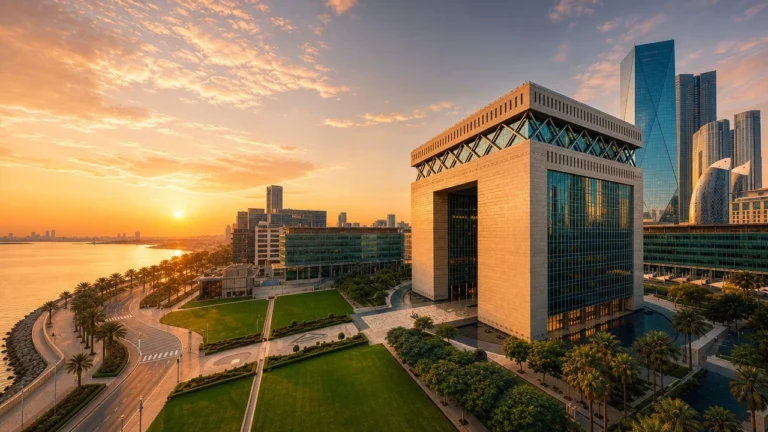
Concretely: residential units in Downtown Dubai for stable income and appreciation off consistent demand. Commercial space in the DIFC for higher yield, riding the demand for premium offices in a recognised financial hub. Off-plan in Dubai South for future growth, with the Al Maktoum International Airport expansion as the long-term driver behind that area.
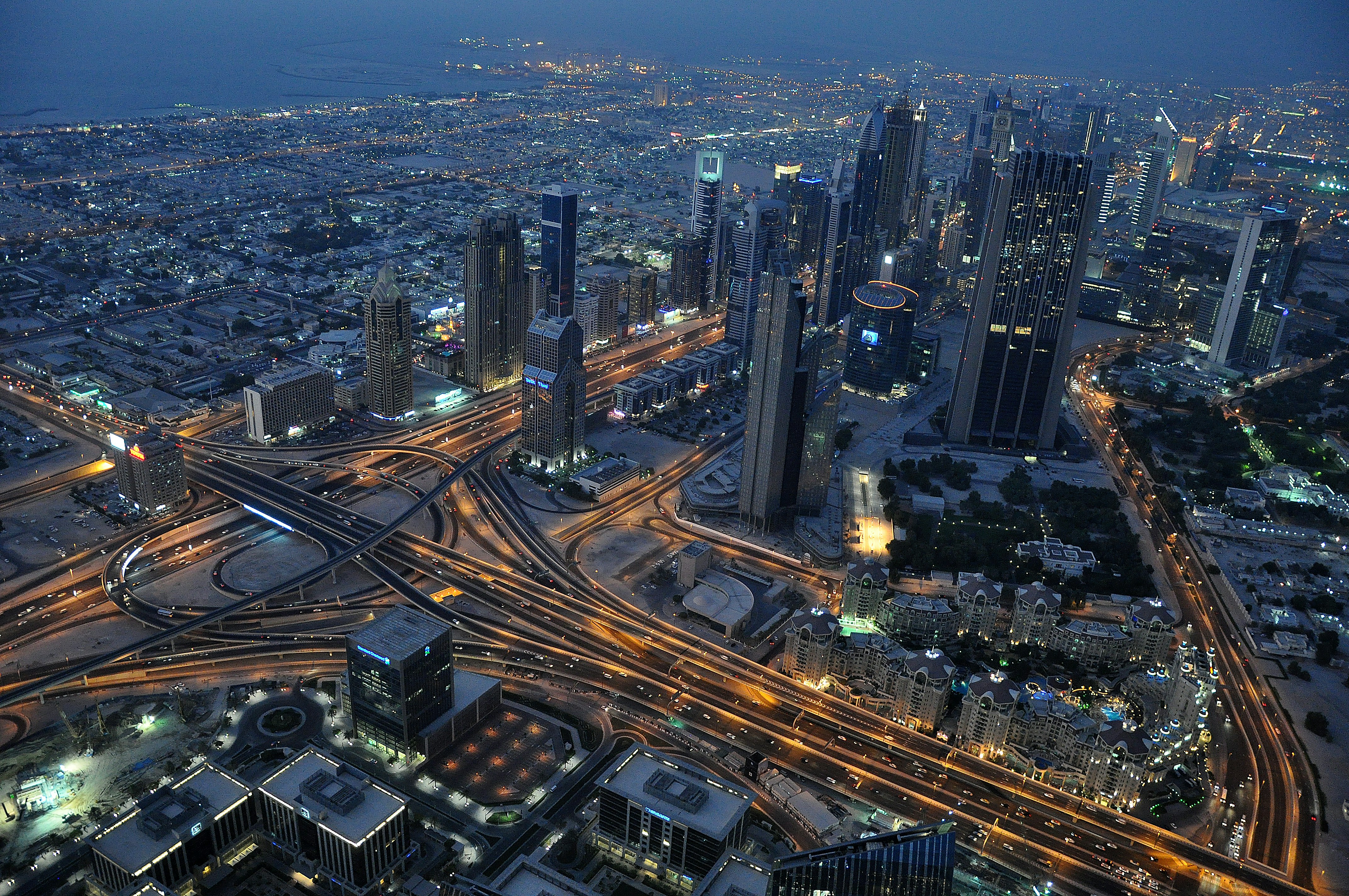
Three assets, three different risk profiles, three different triggers. That is the shape you want.
Geographical Diversification
Owning in more than one part of Dubai does the same job across the map. If values stall in one district, growth somewhere else can offset it. Different areas move at different times, driven by new infrastructure, planning decisions, and shifts in where demand actually goes.
Spotting Areas With Room to Run
The tells are fairly reliable. Areas getting new infrastructure, a metro extension, new roads, a commercial hub, tend to be positioned for growth. Dubai South is the obvious current example. Locations named in the Dubai 2040 Urban Master Plan are worth watching for the same reason: government intent usually shows up later as demand and price.
History helps too. Neighbourhoods that have grown consistently or recovered cleanly after a downturn are usually better bets than ones that have only ever gone one way.
Infrastructure and Planning
Metro connectivity is one of the clearer value signals in this city. Property near existing or planned stations tends to see stronger demand and better appreciation, so it is worth weighting toward.

Proximity to work matters just as much. Being close to Business Bay and the DIFC, or to the emerging hubs in Dubai South, pulls in professionals, and that keeps demand up for both homes and commercial space. Areas sitting inside Dubai’s long-term expansion plans should see growth in population, infrastructure, and amenities over time, which feeds back into values.
Understanding Market Cycles
Diversifying across the cycle, not just across the map, is the part most people skip. Markets move through growth, stability, and decline, and each phase rewards a different kind of buying.
Buying Across the Phases
In the growth phase, lean toward emerging areas and properties with real appreciation potential, the ones sitting on new infrastructure or economic expansion. In the stability phase, hold established areas that pay steady rent and don’t swing much; that is your buffer when things turn. In a decline, distressed stock at reduced prices is how you set up the next recovery. Buy across all three over time and the portfolio stops depending on any single moment.
Mature and Emerging Areas
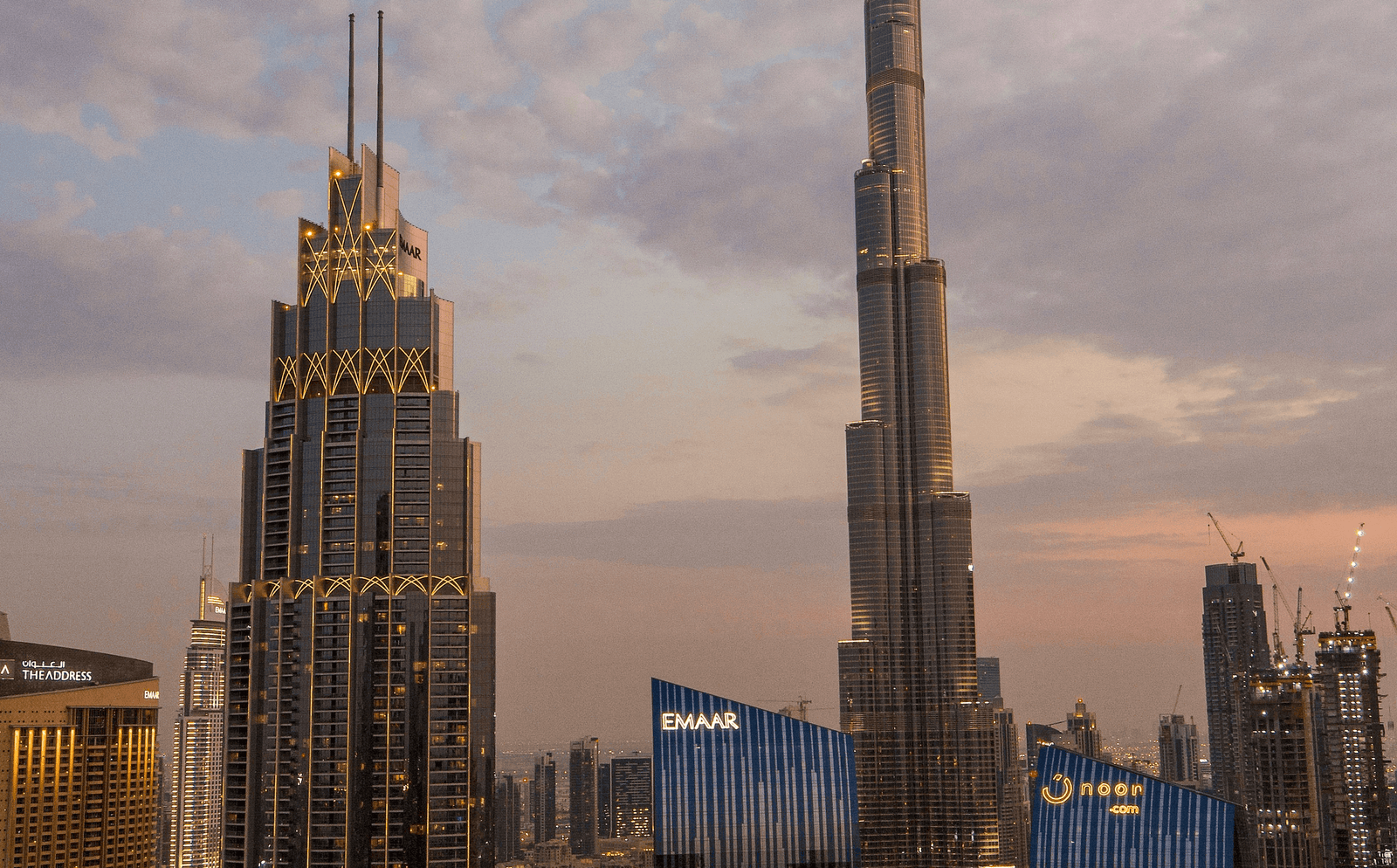
Mature markets, Dubai Marina, Downtown Dubai, Palm Jumeirah, give you stability, strong yields, and long-term appreciation off consistent demand. They are the reliable end.
Emerging markets, Dubai South, Jumeirah Village Circle, Al Furjan, give you lower entry costs and more upside as they build out. They ask for more nerve and a longer horizon, and they pay for it if you are right about the area.
On Timing
-
Watch the indicators. Price trends, sentiment, and the broader economic picture tell you roughly where you are. Buying into dips and selling into peaks is easy to say and hard to do, but the discipline is worth the effort.
-
Stagger your entries. Spreading purchases across different times means you catch different points in the cycle instead of loading up at one price. It quietly lowers your exposure to any single phase.
-
Stay current. Market reports, industry events, and people who actually transact in these areas will keep you ahead of the trend rather than reacting to it.
Join one of our webinars for more on where the opportunities and the traps sit in Dubai property.
The point of all this is not complexity for its own sake. A portfolio built across asset types, areas, and phases simply has fewer ways to fail at once. When one part is having a bad year, another is usually carrying it.
Related reading: