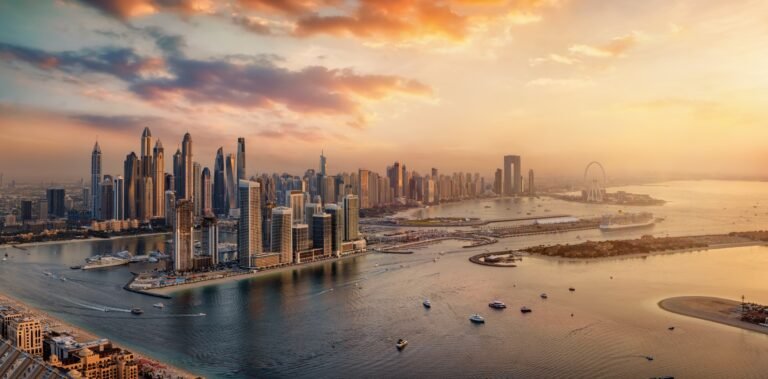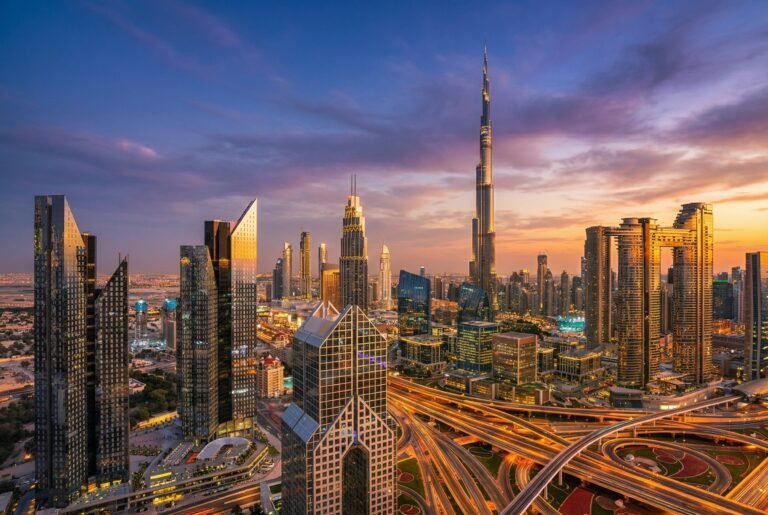

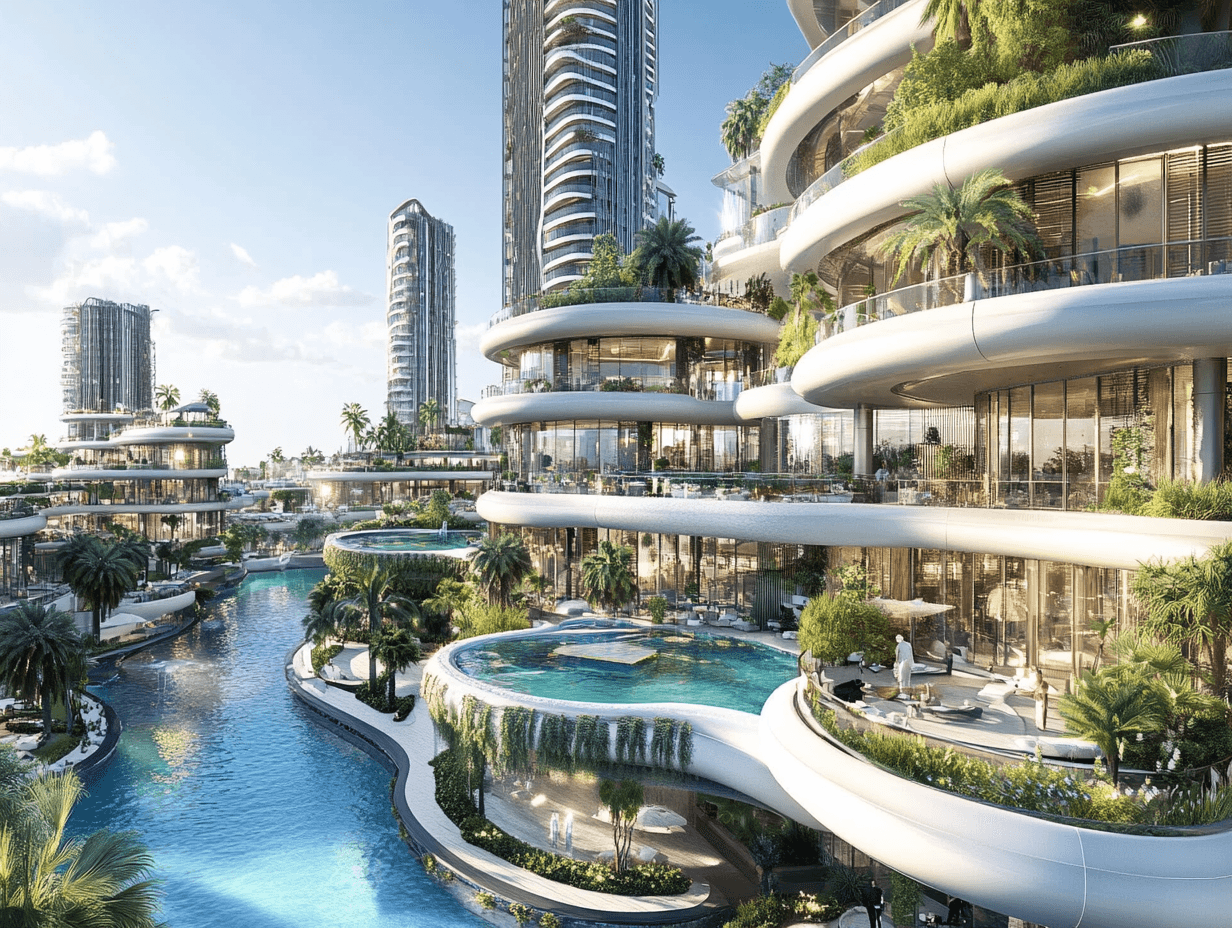
The honest answer to whether 2025 is a good year to buy in Dubai is that it depends less on the market and more on what you buy and where. The market itself is in good shape: the economy is diversified, the tax position is genuinely favourable, and demand from expats and foreign buyers keeps outrunning the pessimists. But “Dubai is up” is not an investment. The district, the building, and the price you pay are. So here is what the numbers actually say, and where the growth is pointing.
The economy underneath the market
Property does not do well for long in a shaky economy, so start there. Dubai’s economy grew 4.5% in 2022 while much of the world wobbled, and the Dubai Economic Report 2023 forecasts similar rates continuing. That resilience comes from the deliberate move off oil. Tourism, finance, technology, and trade now carry the weight, which means a swing in commodity prices no longer drags the whole emirate with it.
Where the demand comes from
Tourism and business are the two engines feeding housing here. Millions of visitors a year sustain demand for both short-stay and residential stock, and the free zones do the rest. The DIFC pulls in finance salaries and Dubai Silicon Oasis pulls in tech, and both bring high-income tenants who need somewhere to live and companies that need office space. That tenant base is why yields hold up.
What the market data shows
Prices have climbed steadily for years, and the forward supply-demand picture plus government backing suggests that continues, though at a calmer pace than the early run.
Source: dxbinteract.com
Prices
Apartment prices in Dubai rose roughly 30% between 2020 and 2023, with growth carrying into 2024. Data from firms like Property Finder and Bayut backs that up. The prime end drove a lot of it: Downtown Dubai, Dubai Marina, Palm Jumeirah. Going forward, expect prices to keep rising but more moderately, held up by foreign money, expat demand, and Dubai’s standing as a business hub. The areas people point to for real appreciation are Dubai Creek Harbour, Meydan, and Dubai South. That is where I would be looking for growth rather than the already-priced prime towers.
Yields
Dubai yields average 5 to 7%, which puts it near the top globally, and emerging neighbourhoods do better. Jumeirah Village Circle, Business Bay, and Dubai Silicon Oasis all push higher, driven by expats and professionals who rent rather than buy. That renter base is growing, not shrinking, so the yield story has legs into 2025.
Supply and demand
Dubai has generally kept new supply in step with need, but population growth has tilted things toward demand, especially in central and up-and-coming areas. Well-located stock stays scarce enough to protect values. The oversupply risk is real in the wrong pockets, so location does the heavy lifting here.
The policy and tax side
A lot of Dubai’s pull for foreign buyers is regulatory, not physical.
Residency
The Golden Visa hands long-term residency to property investors, entrepreneurs, and skilled professionals, which changes the calculation for anyone thinking beyond a quick flip. Add the Retire in Dubai programme and the Virtual Working Programme and the door opens to retirees and remote workers too. For an international buyer, residency for the family is often worth as much as the yield.
Tax
The tax position is the part that surprises people used to being taxed on everything:
- No personal income tax
- No capital gains tax
- No inheritance tax
- No property tax
There is also no tax on rental income. Run the same building through a UK or US tax regime and the net return looks nothing alike. That gap is a large part of why the money keeps coming.
Location and infrastructure
Dubai sits between Europe, Asia, and Africa, which turned it into a logistics and transport hub and, in turn, a property one.
Connectivity
The spending on infrastructure is ongoing and specific: Dubai Metro expansion, and the build-out of Dubai South and Dubai Creek Harbour. Dubai International Airport (DXB) is still one of the busiest on the planet, and Al Maktoum International Airport in Dubai South is set to add to that. Property near where the connectivity is being built tends to move first, which is the whole argument for Dubai South.
Sustainability
Dubai Creek Harbour and Meydan are leading on eco-focused development, with energy-efficient buildings and green space built in rather than bolted on. As more foreign capital screens for sustainability, that focus matters to future values, not just to the marketing.
Where I would look in 2025
A few areas stand out for demand and appreciation, driven by infrastructure, population, and commercial growth.
Dubai Creek Harbour
Anchored by Dubai Creek Tower, this mixes residential, commercial, and retail, and it is shaping up as one of the emirate’s most wanted addresses with strong return potential across the board.
Meydan
Sitting near Downtown Dubai, Meydan pairs high-end stock with a location close to the main commercial districts. With more developments coming, it is set up for long-term growth.
Business Bay
One of the central business districts, Business Bay blends residential, commercial, and retail, keeps developing, and keeps pulling in multinational tenants. That keeps it a solid bet into 2025.
So, is 2025 the year?
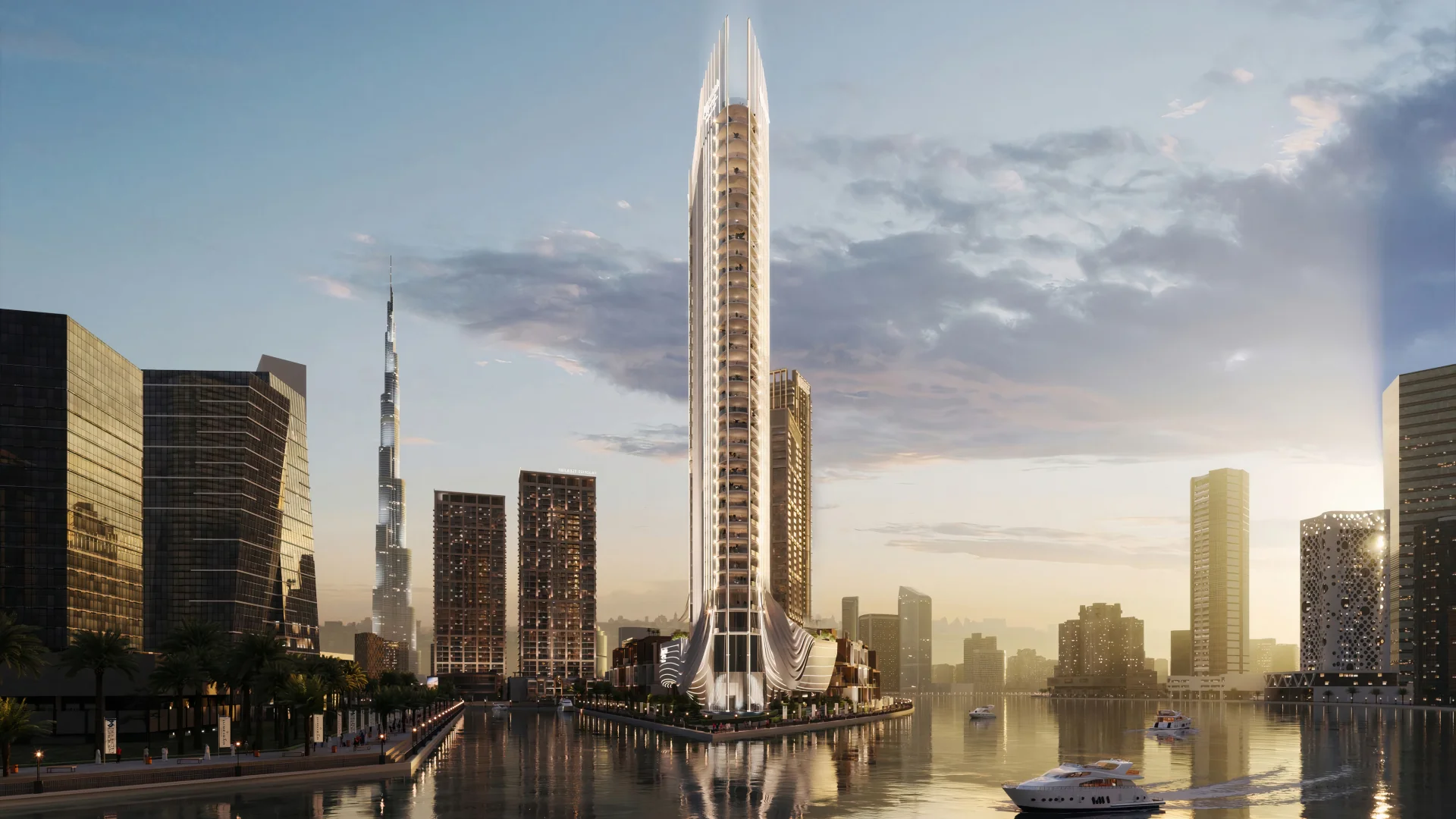
On balance, yes. Growing economy, buyer-friendly policy, real tax advantages, and rising demand across residential and commercial all point the same way, and the emerging neighbourhoods give you room to buy in ahead of the appreciation. None of that saves you from a bad building in an oversupplied street. Buy the location and the payment terms as carefully as you buy the market, and Dubai’s real estate can do the work for you in 2025 and well past it.