
Going into 2024, the question I get most from buyers is whether the run-up in Dubai’s real estate prices has more road left. My read: yes, but the easy double-digit gains of 2022 and 2023 are behind us, and the market rewards people who buy in the right pocket rather than anyone who simply shows up with cash.
Where prices actually sit
Dubai property has swung hard over the past decade, pushed around by oil, regional events and the odd global shock. The recovery after COVID was real. By 2023, prices in Downtown Dubai, Dubai Marina and Palm Jumeirah had climbed back to pre-pandemic levels, and a few pockets went past them.
For 2024 I expect the growth to carry on at a slower, steadier pace. The luxury end keeps appreciating because international money keeps arriving and there is only so much prime stock. Mid-market and affordable housing move more on local demand, so the growth there is calmer and, frankly, more predictable.
Rentals stay the quiet engine. Occupancy in the prime areas is high, expats keep landing, and yields in the better locations still throw off a decent income. That income is the part a lot of buyers underrate when they get fixated on the resale price.
The sectors doing the heavy lifting
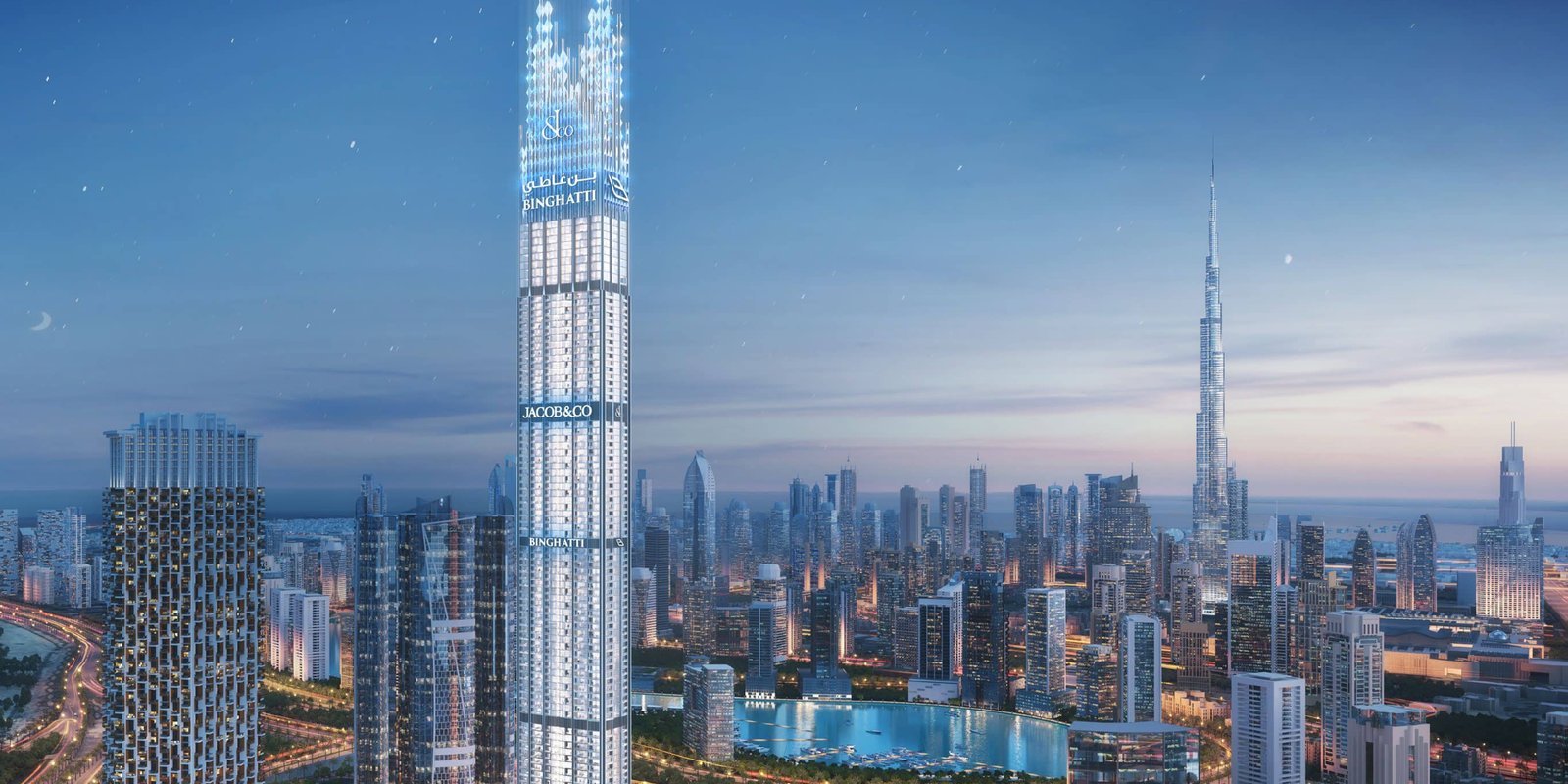
Luxury. High-net-worth buyers and foreign investors keep pushing into the top end. Palm Jumeirah, Emirates Hills and Downtown Dubai lead it. This is the segment where scarcity does the work for you.
Affordable housing. Developers and the government have leaned into mid-income stock, and it is finding buyers. Dubai South, Dubailand and Al Furjan are the names to know here, cheaper entry points with infrastructure filling in around them.
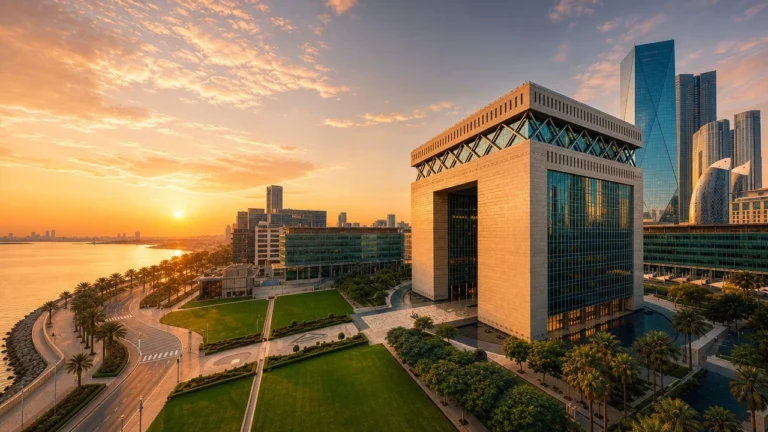
Commercial. Office and logistics demand is rising as more companies base themselves in Dubai. Business Bay and DIFC are where the premium office demand concentrates.
What the wider world does to these numbers
Interest rates. Borrowing costs move with global rates, so keep an eye on the US and Europe. When money gets more expensive there, it changes how buyers here finance both homes and commercial deals.
Currency. The dirham is pegged to the dollar, so a strong dollar makes Dubai pricier for European and Asian buyers and can soften demand from those markets. A weaker dollar does the opposite.
Stability. This is the one people forget to price in. When other regions get shaky, capital looks for somewhere safe and liquid, and Dubai has become one of those places. Uncertainty elsewhere tends to send buyers here.
What the government is doing
Visas and incentives
The Golden Visa hands long-term residency to investors and property owners, which is a genuine reason wealthy buyers commit to holding here rather than trading in and out. The cut to property transaction fees lowered the cost of buying and selling, which helps anyone actually transacting. And the ongoing support for startups and smaller businesses feeds straight back into office demand.
Tighter rules on transactions
The regulation has been getting stricter, and that is a good thing for buyers. The UAE tightened anti-money-laundering rules to keep dirty money out of property. Developers now face firmer requirements on completion timelines and escrow accounts, so your deposit is better protected on off-plan. Real Estate Investment Trusts also give investors a way in without buying a unit outright, which adds liquidity and a diversification route for both institutions and individuals.
The infrastructure story
Dubai 2040 Urban Master Plan. This is the long game. It leans on sustainable development and quality of life, and areas like Dubai Creek Harbour and Dubai South stand to gain from the transport links, green space and smart-city work coming their way.
Metro expansion. The Red Line extension out to the Expo 2020 site and Al Maktoum International Airport pulls previously out-of-the-way areas into range, and that changes the demand picture for those neighbourhoods.
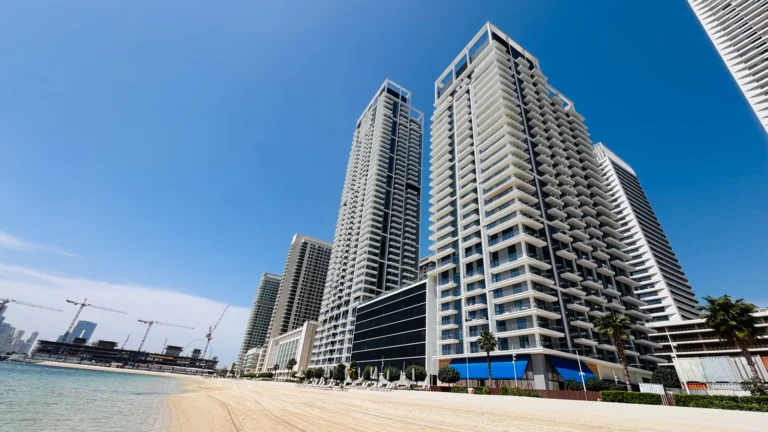
Tourism and hospitality. New hotels, resorts and entertainment keep money flowing into places like Jumeirah Beach Residence and Dubai Marina, which supports both values and rental demand there.
How I’d approach 2024
Property types worth owning
- Luxury villas and apartments in Palm Jumeirah, Emirates Hills and Downtown Dubai, for capital growth backed by rental demand.
- Affordable units in Dubai South and Dubailand, for steady rent now and upside as those areas mature.
- Commercial space in Business Bay and DIFC, where office demand is climbing and it diversifies you away from residential.
Areas I’d focus on
- Downtown Dubai, still the default for luxury buyers thanks to the location and the landmarks around it.
- Dubai Marina, heavy expat and young-professional demand, which keeps rentals tight.
- Dubai South, the value play, cheaper entry with real infrastructure behind it.
Matching the strategy to your timeline
- Short-term. If you want to flip or capture quick gains, off-plan in fast-developing neighbourhoods is where the movement is.
- Long-term. For a hold, established areas with strong rental demand and infrastructure already underway, like Business Bay or Dubai Hills Estate, give you stability plus appreciation.
- Diversify. Spread across residential, commercial and even hospitality in different parts of the city rather than betting everything on one tower.
The opportunities in 2024 are real, but they are uneven. Watch the emerging areas, keep the global rate and currency picture in view, and stay on top of the rule changes. The buyers who do that well will keep more of their return than the ones chasing whatever headline is loudest that month.