
Sustainable homes in Dubai used to be a niche most buyers walked past. That has changed. Lower utility bills, government backing and a run of well-built green communities have turned eco-friendly villas from a nice-to-have into something buyers actively ask me for, and the numbers now back the demand.
Why the shift is happening

Two government targets sit behind most of this. The Dubai Clean Energy Strategy 2050 aims to draw 75% of the city’s energy from clean sources by 2050. Alongside it, the Dubai Demand Side Management Strategy 2050 targets a 30% cut in electricity and water use by 2030, with more to follow.
Buyers are responding. A 2023 report showed a 15% rise in demand for properties inside sustainable developments, and by 2024 more than 1,500 projects met the city’s green building regulations. That is no longer a fringe of the market.
The communities worth knowing
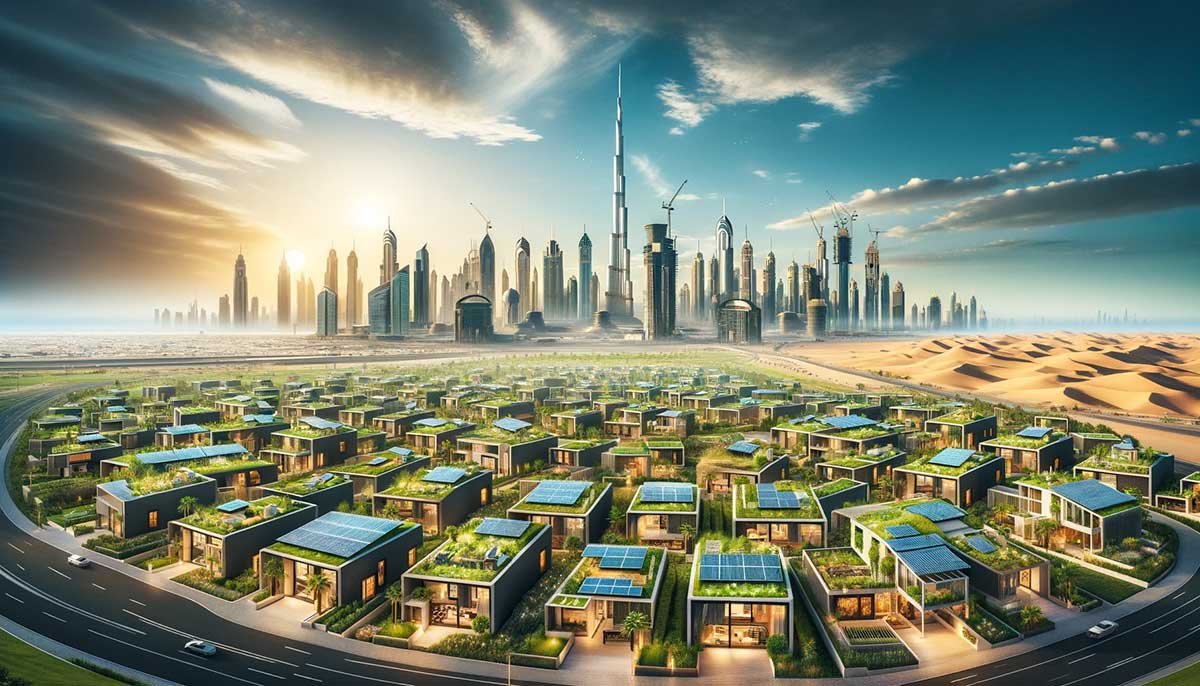
The Sustainable City in Dubai Land is the one everyone points to, and for good reason. It is Dubai’s first operational net-zero energy community: 500 villas running on solar, 11 biodome greenhouses, 3,000 square metres of urban farming plots and serious recycling infrastructure. Residents see utility bills fall by around 60% thanks to how the place is designed, not through any sacrifice in comfort.
MAG City in Mohammed Bin Rashid City, Meydan District-7, works at a bigger scale, with 5,100 residential units built around efficiency. Solar panels and thermal insulation cut energy use by up to 20%, and water-saving fixtures bring water consumption down by roughly 30% across the development.

Mirdif Hills mixes residential, commercial and leisure space with sustainability built in rather than bolted on. It holds over 1,500 apartments, green building designs that trim energy use by up to 25%, and more than 60,000 square metres of green space for the people living there.

Bluewaters Island shows you can do this in a dense, high-footfall setting too. Its water conservation measures cut usage by 40% against a traditional development, and efficient building design plus sustainable materials keep the footprint down across its 200-plus residential units.

Emaar Beachfront brings the same thinking to the luxury end. Buildings like Bayview and Grand Bleu Tower run energy-efficient systems that reduce consumption by up to 30%, and the 2 kilometres of private beach and green space give the community a real pull with buyers who care about how a place is built.

What the government puts on the table
The support is practical, not just rhetorical. The Green Building Incentive Program hands developers reduced fees and faster permits when they hit high ratings under the Dubai Green Building Regulations. There are subsidies for renewable energy projects, which make solar and similar systems easier to justify on a build. Some banks now offer better mortgage terms on green developments, because they see the lower long-term risk. And the government pushes Public-Private Partnerships to spread the cost and risk of green projects (RAALC Law Firm).
What you actually get out of it
The lifestyle case is straightforward: cleaner air, less noise, more green space nearby. The money case is what tends to close the deal. Homes in The Sustainable City see utility savings of up to 50% against comparable properties elsewhere. And demand has pushed values in these green developments up by around 20%, so the sustainability is holding value rather than costing it.
Where this goes next
Dubai is not slowing down on this. The green pipeline keeps growing, and developers keep folding in smart technology and efficient design. With government targets locked in and buyer demand rising, sustainable stock is set to become a larger slice of the market rather than a specialist corner of it. If you want a home that costs less to run and holds its value, this is a category worth putting on your list rather than dismissing.
Totality Real Estate
Totality Estates works across property investment, management and development, with real weight behind sustainable and well-planned projects. The focus is on building communities that people want to live in for the long haul, not just units to sell. The portfolio runs across residential and commercial, and if you are weighing luxury villas, eco-friendly apartments or commercial space, Totality Estates can point you at options that fit how you actually want to live and invest.