
Dubai’s property supply pipeline is entering a critical phase. The years ahead will be shaped by a notable slowdown in unit handovers during 2025 and 2026, followed by an unprecedented surge in deliveries in 2027. That shift will influence prices, rents, and investor strategies. Understanding how launches compare to actual handovers and what delayed delivery means for absorption is essential for anyone allocating capital in this market.
Handovers vs. Launches: The Supply Gap
Most industry forecasts for 2025 estimated around 37,171 residential units would be delivered. Recent analysis suggests only around 62 percent — or 22,896 units — will actually complete. In 2026 the trend deepens: out of 71,613 forecasted units, just 34,740 are expected to reach handover, a mere 48 percent completion rate. Combined, these two years yield only about 57,636 of an anticipated 108,784 units in Morgan’s International Realty study. Fitch Ratings and other analysts note factors such as funding delays, contractor shortages and buyer payment schedules are limiting actual delivery, leaving a meaningful gap between launches and handovers.
Better homes reports confirm the slowdown. While more than 20,000 new units were delivered in H1 2025, the projected complete figure for the full year is around 72,365 units — up 171 percent over 2024 — but still short of original pipeline estimates. That suggests developers are launching aggressively, but real delivery is lagging, creating a temporal imbalance in supply.
Price and Rent Impact in the Slower 2025–2026 Period
Despite construction slows, property prices remain resistant. Betterhomes data shows average Dubai property values rose to AED 1,582 per square foot in H1 2025, a 6 percent increase from late 2024 and 18 percent year‑on‑year — up nearly 90 percent from the pandemic-era low of AED 833. Villas posted especially strong gains with nearly 29 percent annual growth led by Jumeirah Bay Island and other waterfront locations.

However rental growth slowed. REIDIN index shows rental inflation decelerating to around 8.5 percent annual growth by May 2025, down from over 21 percent a year earlier. Fitch warns that this rate could stall or even face mild correction if over‑supplied, projecting yields to decrease modestly while rents plateau or soften in stretched areas.
In the slower handover scenario tenants face more choice. With fewer units completed relative to launches, the market may remain tight in some segments — particularly premium units already built. That allows prices and rents to hold firm. But where delays cluster, especially in emerging mid‑market communities like JVC, Arjan and Business Bay, tenants gain leverage and rental growth slows further.
The 2027 Surge: When the Pipeline Becomes Reality
The real supply stress test arrives in 2027. Morgan’s projects 70,537 units expected to complete — almost double the five‑year average of 35,531 units and near record scale for Dubai’s residential market. Key zones leading this surge include Jumeirah Village Circle (some 16,852 units across 2025‑2027), Business Bay (10,127 units) and Azizi Venice (7,860 units).
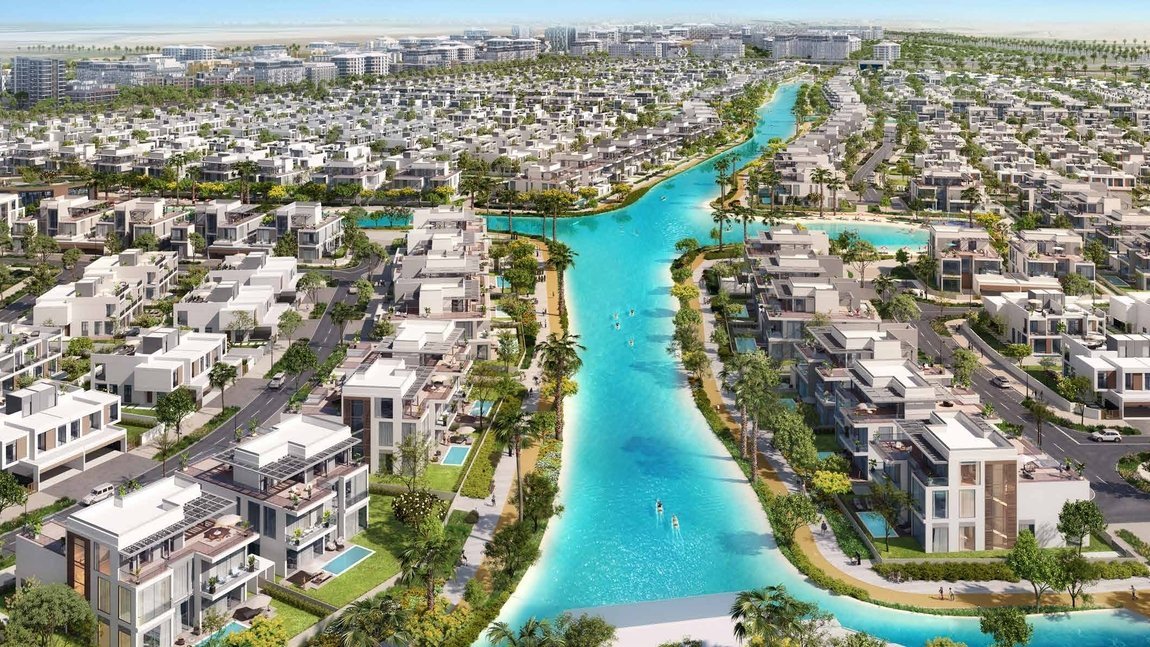
Betterhomes data anticipates over 200,000 new units entering the market through 2027, despite the earlier under‑delivery trend. Property Finder and Cavendish Maxwell estimate nearly 300,000 total units by 2028, led by JVC, Business Bay, Azizi Venice, Damac Lagoons and Arjan with tens of thousands of units still scheduled.

As those delayed handovers materialize, supply exceeds historical norms. Unless demand scales in parallel, downward pressure on rents and prices is likely. Fitch projects up to 15 percent price correction in late 2025 into 2026, tied to a massive pipe of 210,000 units arriving across two years — double prior three‑year delivery levels.
Price, Rent and Yield Scenarios
If demand remains steady through 2027, and most buyers are end-users or investors targeting yield, prices may remain stable but appreciate slowly. But if the supply surge coincides with slower migration or fewer foreign inflows, absorption may lag and pricing power shifts to buyers. In prime zones like Downtown, Palm and Gulf front residences that are limited in stock, value may hold better. Mid‑market core areas with supply bulges could see rental yield compression and temporary softness.
What Investors Should Do
In the 2025–2026 handover slowdown investors may find better pricing and stronger rental growth in ready communities where stock is limited. That period rewards assets in established locations like Marina, Palm or JBR where fewer completions mean tighter rental dynamics. In contrast, forward‑commitment properties in zones slated for heavy 2027 delivery require careful timing. On‑paper discounts may hide future churn risk.

2027 offers opportunity albeit with caution. Investors targeting capital appreciation might benefit by entering early at launch prices before broad deliveries. But they must track handover schedules, developer reliability, and location-specific absorption. Those able to hold for 18‑24 months and target areas with limited supply will emerge stronger even if overall market softens.
Summary Outlook
Dubai property supply pipeline dynamics matter. A slower handover in 2025 and 2026 means prices and rents remain supported in the short term, albeit rental momentum softens. But the sharp delivery spike in 2027 fundamentally changes the equation. Supply may outpace demand, particularly in mass‑market inventory areas. That creates both risk and strategic potential, depending on timing, location selection and investor patience.
Long‑term investors who focus on scarcity and branded or elite nodes may navigate the pipeline surge with minimal impact. Opportunists who buy into launch prices and exit before oversupply becomes visible may benefit from short‑term premiums. Short‑term buyers in heavily oversupplied communities may face downward pressure on yields and exit value.
Dubai’s infrastructure buildout, ongoing migration, and strong investor reputation remain positive anchors across scenarios — but when volume arrives, market dynamics can shift. The key is not just understanding what will be built, but when it will hand over, where it lands, and who the buyer will ultimately be.
Do you want help identifying areas with more resilient demand and better absorption risk? Book a 20‑minute strategy call or register for the next webinar on investing in Dubai with Totality Estates to explore how to align your timing with delivery cycles and optimize selection under different pipeline scenarios.