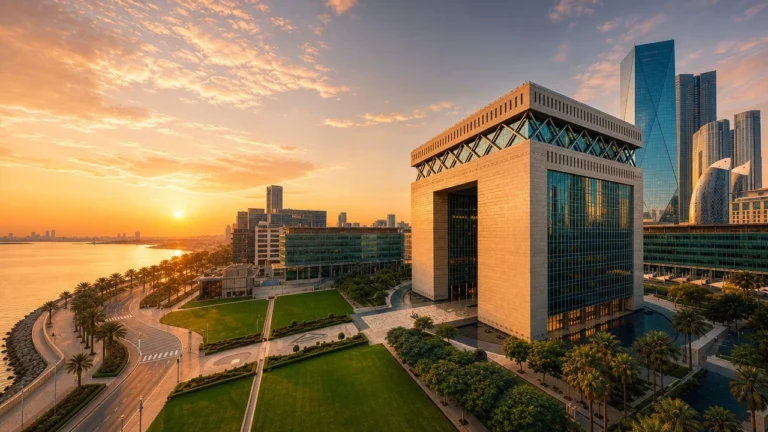

The word “luxury” gets thrown around so loosely in Dubai that it stops meaning anything. A studio in a tower with a rooftop pool gets marketed the same way as a beachfront villa on Palm Jumeirah. So let me be specific about what actually holds value at the top of this market, which addresses trade at a genuine premium, and what you are really paying for when you buy into them.
Why the top end of Dubai holds up
Before the addresses, the reasons the money keeps arriving. A few of them matter more than the brochures suggest.
The tax position is the big one. No income tax, no capital gains tax, no inheritance tax. For a buyer coming from London, Toronto, or Mumbai, that changes the entire arithmetic of holding an asset for ten years. You keep your rent and you keep your gain. That is rare, and it is the single thing most first-time buyers underprice when they compare Dubai to home.
Then there is residency. The Golden Visa gives long-term residency to investors and skilled professionals, and foreign buyers can own freehold in designated areas outright. That combination, own the asset and live here legally, is what turns a second home into a base.
The rest is what you would expect from a city sitting between Europe, Asia, and Africa, with an airport most of the region routes through and an economy the government has spent two decades pulling away from oil. It is stable, it is connected, and demand comes from both residents and international buyers rather than one fragile source. That is the backdrop. Now the neighbourhoods.
Palm Jumeirah

Palm Jumeirah is the address people mean when they say Dubai luxury without thinking about it. The man-made island, palm-shaped, lined with villas, apartments, and resorts including Atlantis The Palm and Nikki Beach. What you are buying here is scarcity plus recognition. There are only so many fronds, and everyone in the world knows the name.
Prices run from AED 3,000 to AED 8,000 per square foot depending on where you sit and what you buy. That is a wide band, and the spread is the whole point: a mid-frond villa with a skyline view and a tip villa with open Gulf water are very different products at very different numbers. In 2023 prices on the Palm rose 7% over the year, which tells you demand has not softened even at these levels.
One thing to check before you fall for the location: many of the older villas need serious work. The bones can be excellent, but budget for it rather than discovering it after handover.
Emirates Hills
People call it the Beverly Hills of Dubai, and for once the comparison is fair. Emirates Hills is a gated, low-density community of large custom villas wrapped around the Montgomerie Golf Course. Big plots, quiet streets, restricted access. You are paying for privacy and space, not proximity to anything.
Villas start around AED 15 million and the larger estates run past AED 100 million. Luxury stock here has appreciated at roughly 5 to 8% a year. Because almost every home is custom, no two viewings are the same, so the quality of the build and the fit-out matters as much as the address. Walk the mechanicals as carefully as you admire the entrance hall.
Downtown Dubai

Downtown is the opposite bet to Emirates Hills. Instead of space and quiet, you get the Burj Khalifa, the Dubai Fountain, the Dubai Mall, and the Dubai Opera within walking distance, and you get them from a high-rise apartment rather than a villa. This is the address for someone who wants the city at the door.
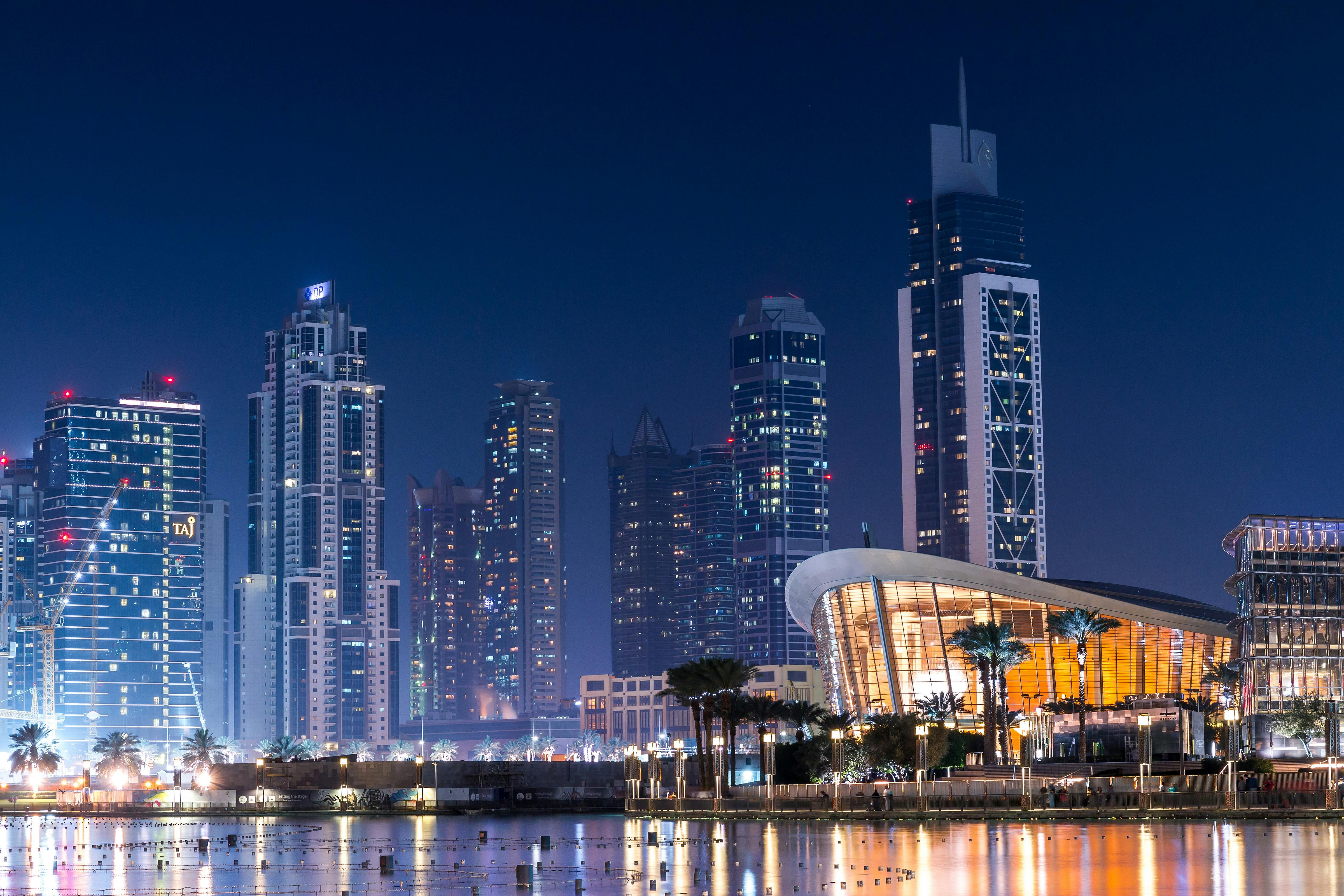
Rental yields sit around 5 to 6% a year, which is respectable for an area with this much prestige baked into the price. Expect to pay between AED 2,500 and AED 4,500 per square foot, with the building and the exact view driving where you land in that range.
Dubai Marina

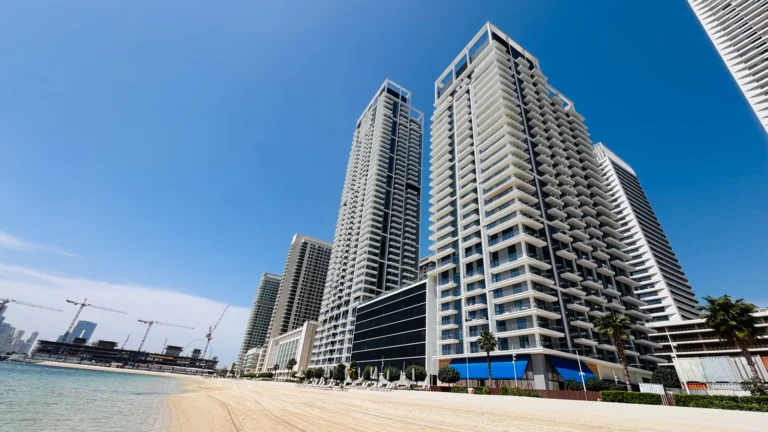
Dubai Marina is where the numbers start working harder for you. Waterfront apartments, floor-to-ceiling glass, the Marina Walk and its cafes and restaurants below. It rents well and it rents fast, which is why yields here run 5 to 7% a year, a touch above Downtown.
Prices range from AED 1,500 to AED 3,500 per square foot. For a buyer who wants both capital growth and a rental income that actually covers something, the Marina tends to be the more sensible entry into the premium end than the trophy addresses above it.
Jumeirah Bay Island

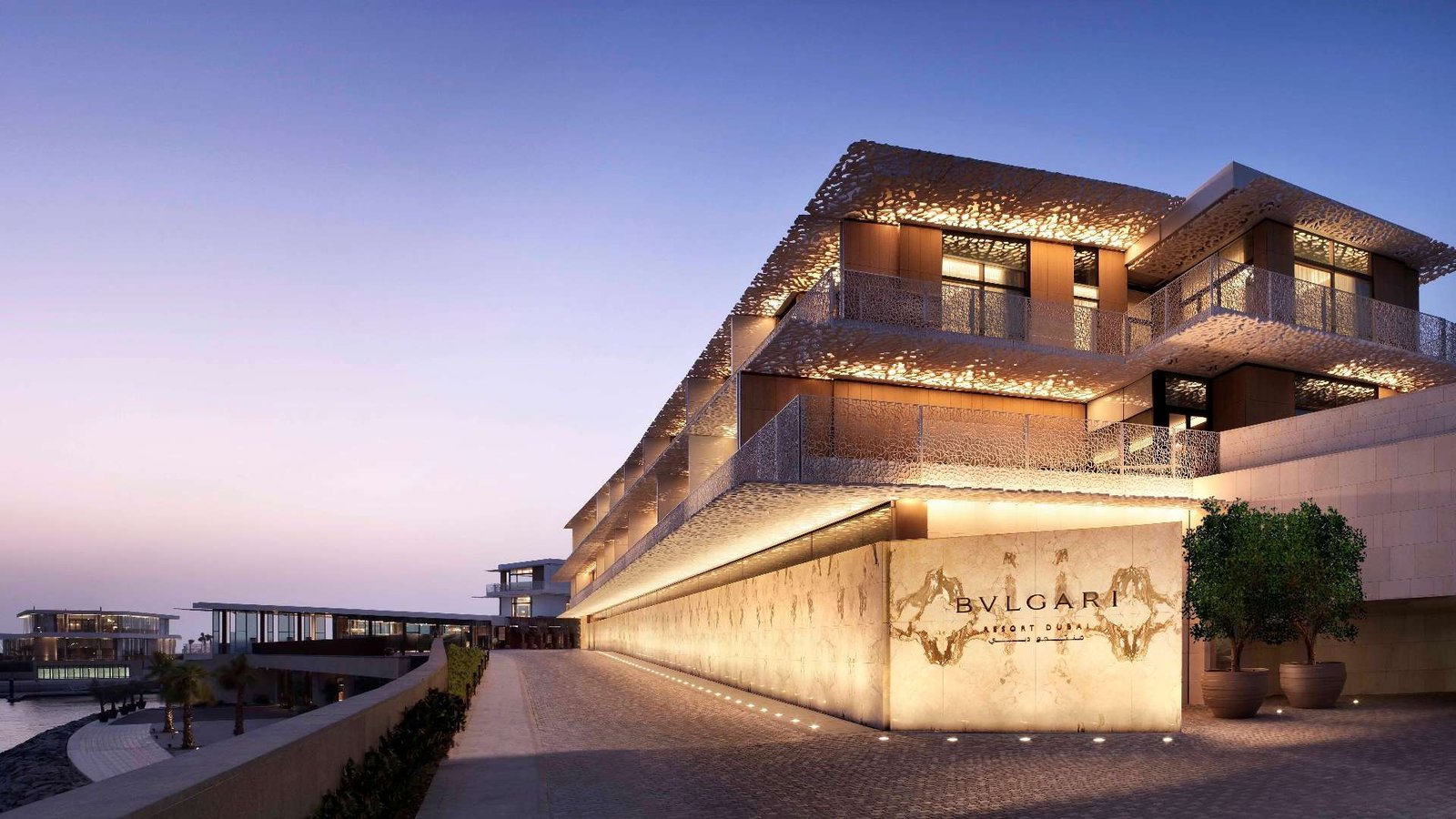
This one is quieter and far more exclusive. Jumeirah Bay is a small man-made island off Jumeirah Beach Road, home to the Bvlgari Resort and Residences and a limited run of private villas and apartments. The pitch is seclusion within minutes of the city, which is a rare thing to be able to sell.

Prices start around AED 40 million and the larger villas run past AED 100 million. This is a market for buyers who value privacy over everything and are not chasing yield. The scarcity and the address do the long-term work.
Where I’d look beyond the obvious
The four established names above are the safe answers, and Jumeirah Bay covers the ultra-private end. If you want something with more nature and less concrete, Al Barari is worth a look: large green estates built around a botanical setting, a calmer version of prime that suits end-users more than flippers.
The thing I would tell anyone shopping at this level is not to buy the community, buy the specific property. Two villas on the same Palm frond can be a world apart on view, orientation, and how much you will spend fixing what the previous owner ignored. The address gets you in the room. The plot, the build, and the fees decide whether it was a good buy.
If you want the process laid out for your own situation, these walkthroughs go step by step:
- The UK Investor’s Guide to Buying Property in Dubai
- The US Investor’s Guide to Buying Property in Dubai
- The Canadian Investor’s Guide to Buying Property in Dubai
You can also join our webinar if you would rather ask questions live.