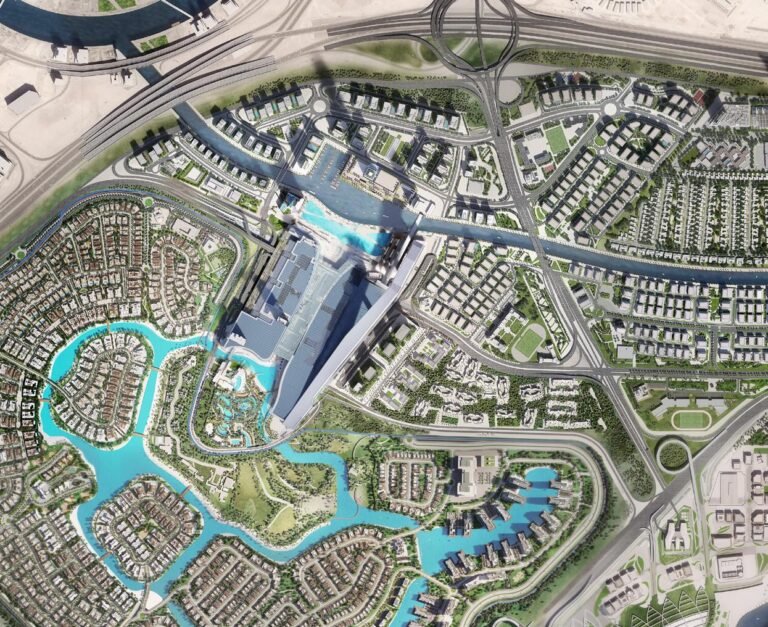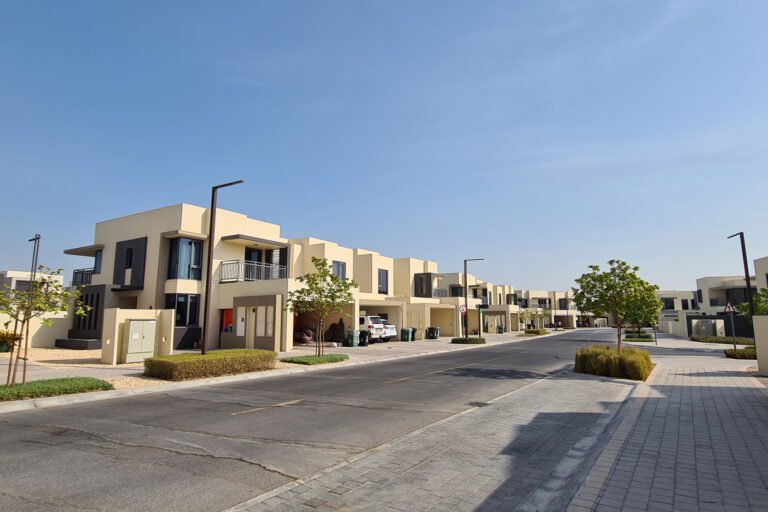

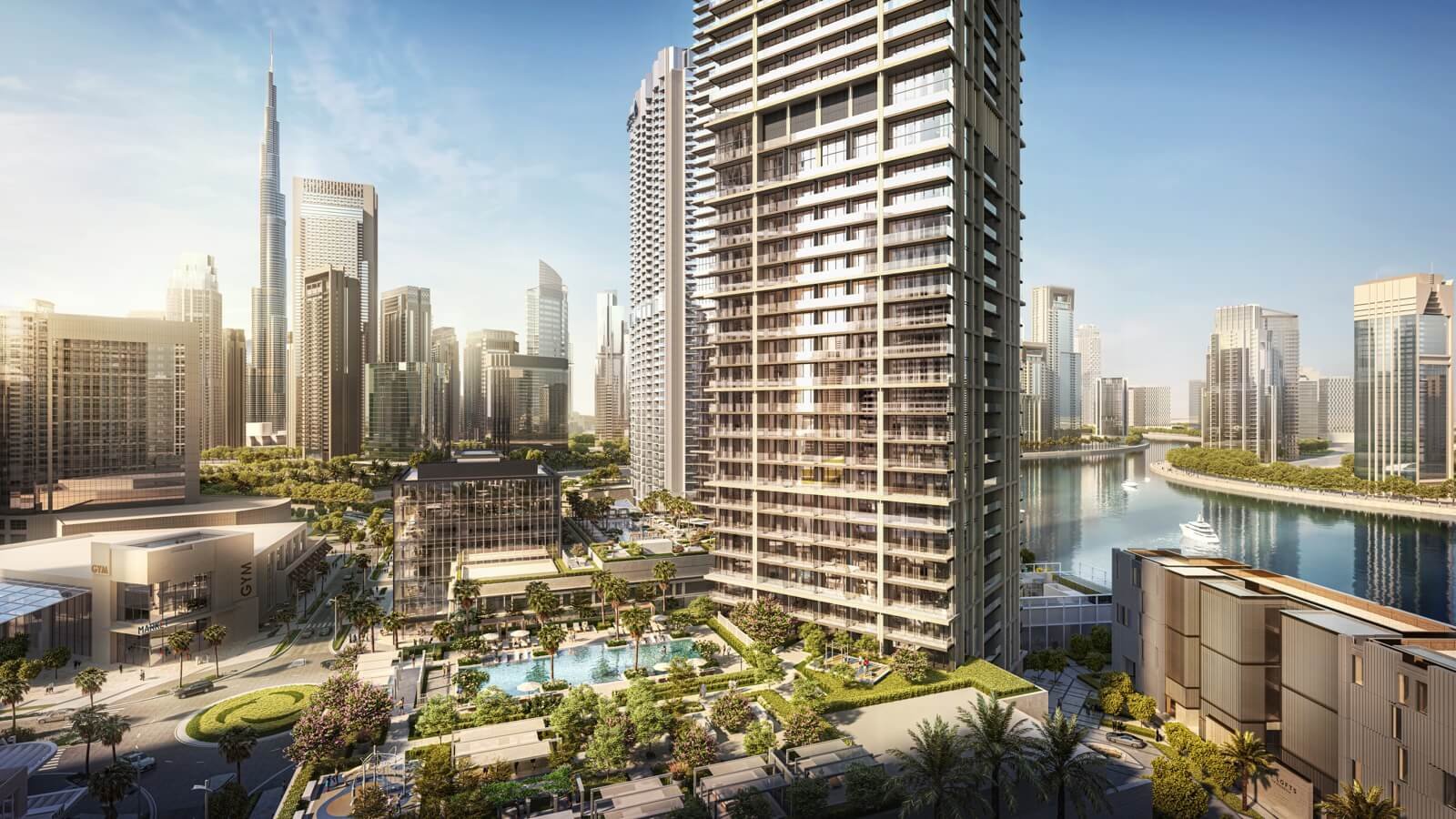
If you’re searching for apartments for sale in Peninsula Tower, Business Bay, you’re probably already aware of the headline: Peninsula is a multi-tower, master-planned waterfront community with phases like Peninsula One, Two, Three, and Four (The Plaza). Studios to four-bedroom apartments, even duplex lofts and penthouses. Pools, gyms, retail plazas, canal promenades—the whole “mini-district” idea. The listings are spread across portals, but there’s also real value in working with a boutique brokerage that filters the noise (I’ll come back to that). Perhaps I’m biased, but I think Peninsula gets the “city energy + water calm” balance mostly right. Not perfectly—no community is—but right enough to make you pause.

Quick lay of the land: public listings commonly show studios starting from roughly the low AED 1.1M range, with 1-beds and 2-beds stepping up from there, and premium floor plans (bigger layouts, canal or Downtown views) stretching well into multi-million territory—especially in Peninsula Four, The Plaza and larger three-beds. Those bands shift with inventory and views, so treat them as a snapshot rather than a promise.
Where to find apartments (without falling into endless scrolling)
I know the tab-hopping routine far too well. Three portals, five filters, then a WhatsApp chain with six brokers. It works… until it doesn’t. Here’s a cleaner path:
Bayut (broad inventory + filters)
-
Go to Bayut’s Peninsula pages to filter by tower (Peninsula One / Two / Three / Four), beds, price, and view. You’ll usually see studio ranges from ~AED 1.1M–1.9M, and for Peninsula One specifically, listings spanning ~AED 1.25M up to ~AED 5.25M for larger homes with prime views and sizes. Keep an eye on unit counts—if a building shows 40+ active listings, you can gauge negotiating leverage.
Property Finder (useful averages & quick stats)
-
Property Finder often displays starting prices and average asking prices across Peninsula sub-pages. It’s helpful if you want a sanity check on the market’s midpoint before you dive into micro-comparisons. Think of it as your “price barometer” for Business Bay waterfront stock.
Or… skip the maze with a boutique team
-
If you want a tighter shortlist—verified stacks, orientation notes, noise considerations, upcoming handover timing, payment plan quirks—work with a specialist. Totality Estates (yes, that’s us) keeps an internal ledger of real transaction intel and owner situations (e.g., “motivated seller, needs to exit pre-handover” vs “firm on price, rented at strong yield”).
Interlinks you can use now:
• Talk to an advisor • Read Dubai market insights • Buy in Business Bay – start here

What’s actually on offer (by type, feel, and price logic)
Unit mix you’ll see most
-
Studios & 1-beds: Usually the liquidity anchors—most transacted, easiest to rent, widest buyer pool.
-
2-beds: Where view starts to reshape pricing. Canal-facing 2-beds punch above their weight.
-
3-beds & 4-beds / duplex lofts / penthouses: Scarcer, more design-led, and more sensitive to tower position, floor, and orientation (Burj Khalifa vs Canal vs cityscape).
-
Across the phases, Peninsula Four (The Plaza) stands out as a lifestyle node—twin towers, plaza culture, and larger amenity stage. Completion timelines matter for your rent-up or move-in assumptions.

Price bands (reading today’s listings like a pro)
-
Studios: commonly ~AED 1.1M–1.9M depending on tower, floor, and handover horizon.
-
1-beds: recent average asking hovers just above ~AED 2.0M (but varies with size/views).
-
2-beds: think mid-to-upper AED 2M–3M+, with premiums for corner stacks and clear canal / Downtown sightlines.
-
3-beds & larger: AED 4M–5M+ isn’t unusual in top positions; best-in-stack or rare layouts can exceed that.
(All figures are indicative, anchored to current public listings; exact availability shifts week to week.)
Key features & why people pick Peninsula (and sometimes… why they don’t)
A community with edges softened by water
Peninsula’s waterfront setting changes the daily rhythm. Morning runs track along the canal; evenings spill into the plaza. That mix of active ground retail + podium amenities is the soul of the place, not just an add-on. When the plaza hums, the towers feel less like isolated high-rises and more like a stitched-together district. Peninsula Four (The Plaza) leans hardest into this.

Amenity stack that actually gets used
Pools, modern gyms, deck space, shaded seating, children’s play areas—expected, yes, but here the public realm and retail feel integral. In practice, it keeps residents on-site longer (which quietly supports values). Portals will list the usual: balconies, built-ins, covered parking, security, shared pool/gym; read those as baseline rather than differentiators.

Views (the real price lever)
Two apartments, same size, same finish—wildly different outcomes if one frames Dubai Canal or Burj Khalifa and the other doesn’t. Orientation, floor, and stack matter more here than in landlocked towers. If you’re on a strict budget, consider sacrificing a sliver of view for a better layout or quieter position; long-term liveability often wins.

The trade-offs (because there are always trade-offs)
-
Vibe: Peninsula aims for “active urban waterfront.” If you want hush-quiet suburban calm, you might prefer a different district.
-
Traffic rhythm: Business Bay flows well by Dubai standards, but peak times can still pinch.
-
Price sensitivity: Waterfront premiums can stretch beyond pure rental yield logic. That’s fine—if you value the lifestyle delta.
Snapshot tables you can actually use
Peninsula at a glance (today’s buyer view)
|
Factor |
What it means in Peninsula |
Why it matters |
|---|---|---|
|
Unit Mix |
Studios, 1-, 2-, 3-beds, duplex lofts, penthouses |
Tailor to strategy: liquidity (studios/1s) vs family-led (2s/3s) |
|
Price Anchors |
Studios from ~AED 1.1M; 1-beds ~AED 2.0M avg ask; larger units vary widely |
Sanity-check against portal ranges before negotiating |
|
Views |
Canal / Downtown / cityscape |
Primary price lever; stack & floor change everything |
|
Community |
Plaza + retail + promenade |
Drives footfall, convenience, and long-term defensibility |
|
Timeline |
Mixed (ready & off-plan phases) |
Affects payment plans, rental start date, and cash flow |
Peninsula vs. “Another Business Bay Waterfront Tower” (decision aid)
|
Criterion |
Peninsula (multi-tower district) |
Typical single tower nearby |
|---|---|---|
|
Sense of Place |
Strong plaza/retail spine; cohesive masterplan |
Amenity-rich tower but less street-level scene |
|
Inventory Depth |
Multiple phases → more resale choice |
Narrower set of stacks/floors |
|
Price Spread |
Wider (from entry studios to trophy views) |
Tighter band around tower’s brand |
|
Long-Run Appeal |
Public realm keeps maturing |
Rests mostly on building management & finishes |
|
Noise/Activity |
Livelier at ground level (a plus for many) |
Often calmer (depends on location) |
Micro-location notes that don’t show up on brochures
-
Plaza proximity: Being close to The Plaza is great for convenience—coffee, day-to-day errands, a quick dinner. If you’re extremely noise-sensitive, a mid-rise, set-back position may suit you better.
-
Waterfront edges: Canal-front stacks enjoy the mood shift at dusk. It’s subtle, but it’s the Peninsula signature.
-
Access & exits: Test your commute at your real hours, not mid-afternoon on a Tuesday. It changes the story.
-
Future phases: With multi-tower communities, construction sequencing can create temporary inconveniences—but also buying windows. Early discomfort often equals better entry pricing.
Buying routes (and how to not overcomplicate them)
Portal-only is fine if you have unlimited time. Most people don’t. A more efficient approach is:
-
Use Property Finder to get your bearings on price averages and typical features;
-
Jump to Bayut for tower-specific filters and deeper listing volume;
-
Bring a shortlist to a brokerage that actually works Peninsula day-to-day (stack notes, real deal histories, handover dates, and off-market whispers). For developer-led phases (e.g., Peninsula Four, The Plaza), check the official specs and completion guidance so your timelines are real.
Lightly opinionated take (you can disagree)
If you’re renting first, 1-beds in efficient stacks might be the sweet spot: manageable ticket, wide tenant pool, and strong day-to-day usability. If you’re living in, 2-beds with true canal or Downtown frames feel “worth it” over time—your daily view tax amortizes quickly. Studios? Great for liquidity, especially if you buy the right exposure at the right moment (motivated seller, pre-handover pressure). I’ve also seen some buyers chase trophy 3-beds purely for that edge-to-edge panorama. Perfectly fine, if it’s not a yield play. We don’t have to make every apartment justify itself on a spreadsheet.
Quick FAQ (so you don’t DM me at midnight)
What’s driving price variation inside the same tower?
Stack (corner vs middle), height (clearance over neighbors), view corridor (uninterrupted vs oblique), and layout efficiency (dead space kills value).
Are current asking prices “firm”?
It depends on seller urgency and supply on that stack. When portals show 40+ similar units, you have room. When there are three near-identical comps and one is a corner with a skyline axis… less so.
Is Peninsula Four (The Plaza) different enough to pay a premium?
If the plaza lifestyle matters to you—yes. If you prefer sheer vertical quiet, you might find better value elsewhere in the community.
Two quick, realistic next steps
-
Shortlist builder: Send us 3 non-negotiables (view, layout, budget cap). We’ll cut to 6–8 real options. Start here.
-
On-site sense-check: 40 minutes on foot around the plaza and canal will tell you more than 4 hours on portals. Book a viewing.
How the Towers “Feel” in Real Life (Layouts, Stacks, and Little Things)
I’m tempted to say “all floor plans are good if the price is right,” but that’s not actually true. Some stacks just… live better.
Peninsula One & Two

Vibe: Earlier phases set the tone for the district: clean lines, efficient cores, and that light-filled, contemporary Dubai aesthetic.
Layouts to watch:
-
Studios with rectangular living areas (less corridor loss) are easier to furnish and rent.
-
1-beds with semi-open kitchens tend to photograph better and feel larger than the numbers suggest.
-
Corner 2-beds with dual exposures carry a premium, though sometimes the marginal extra price outweighs the daily benefit—depends on your view tolerance.
Small quirk: In some stacks the balcony depth is generous; in others it’s a “Juliet-plus.” If you care about usable outdoor space (morning coffee ritual, I get it), measure that depth on a viewing, not just on a brochure.
Peninsula Three

Vibe: A bit more vertical energy as the masterplan matured. I’ve noticed buyers who want a quicker “downtown-adjacent” feel lean here.
Layouts to watch:
-
Compact 1-beds that keep kitchen utilities on a single wall (cleaner lines, better living area).
-
2-beds with split bedrooms (good for sharers and privacy, makes renting simpler).
Note on acoustics: At plaza-edge levels, you’ll hear life—pleasant to many, not to all. Higher floors mellow it out.
Peninsula Four (The Plaza)

Vibe: The social flagship. Two towers frame the plaza, so the ground-level experience matters more here than anywhere else in the community.
Layouts to watch:
-
1-beds with proper entry buffers (door opens into a mini foyer vs directly into the living room).
-
2-beds with true canal or Downtown axes—these are the “live-in for years” candidates.
-
Duplex lofts/penthouses for the “I want a home that tells a story” crowd.
Street-level reality: Cafés, convenient errands, evening foot traffic. If you like to “step out and be somewhere,” this is it. If you want cocoon-quiet, choose a setback or higher-floor stack.
Price-Per-Sq-Ft Corridors (and How to Use Them Without Getting Lost)
Let’s be honest: price-per-sq-ft can mislead. Still, it’s useful if you treat it like a corridor rather than a target. The exact corridor for any tower hinges on view, floor, and condition, but you can think in bands to sanity-check asks and offers.
|
Unit Type |
“Quieter” Corridor* |
“Prime Exposure” Corridor* |
What to sanity-check |
|---|---|---|---|
|
Studio |
lower band vs. average |
at/above average |
Window width and balcony depth; noisy vs. quiet stack |
|
1-Bed |
average band |
average + premium |
Oblique vs. framed canal/Burj view; layout efficiency |
|
2-Bed |
average band |
average + larger premium |
Corner vs. mid-stack; split-bed layout; natural light |
|
3-Bed+ |
wide dispersion |
top quartile |
Stack rarity; floor height; lift-to-unit ratio |
*Corridors vary by week; treat these as relative bands. If you’re looking at an outlier ask, either (a) there’s a hidden premium (view, fit-out, rare stack), or (b) it’s mis-priced and your negotiation window is wider than it looks.
Practical method:
-
Pull 6–8 comps by same tower + near-identical stack.
-
Adjust mentally for floor height (clearance over neighbors is a big one).
-
Compare net internal area—two “1-beds” can differ by 70–100 sq ft; that alone can skew the corridor.
-
Apply a view factor (I sometimes give +5–12% for truly framed canal/Downtown axes, but it’s case-by-case).
-
Then look at seller context (pre-handover cash need vs. long-term holder). That last line is where deals are actually made.
Yield Math: Short-Let vs Long-Let (Illustrative, Not a Promise)
This part is always slightly contentious, so I’ll be explicit: numbers below are illustrative, to show how to think, not to guarantee outcomes.
Assumptions (example 1-bed)
-
Purchase price: AED 2,200,000
-
Closing & setup: ~4–5% (DLD + agency + conveyance + furnish if needed)
-
Long-let rent: AED 150,000/year (illustrative)
-
Service charges: AED 22/sq ft × 800 sq ft ≈ AED 17,600/year (illustrative band)
-
Landlord insurance, incidentals: AED 2,000/year
Long-let net (simplified):
-
Gross: 150,000
-
Opex (charges + incidentals): ~19,600
-
Net income: ~130,400 → ~5.9% net on purchase price (before financing)
Short-let scenario (if allowed, and with competent management):
-
Gross occupancy: say ~75% at AED 600/night (illustrative) → ~AED 164,250/monthly gross across occupied nights? Not quite—better to annualize: 0.75 × 365 × 600 ≈ AED 164,250 per year (I’ll slow down: 0.75 × 365 = 273.75 nights; × AED 600 = AED 164,250/year).
-
Mgmt + platform + cleaning: ~25–30% blended (varies).
-
Utilities/internet: AED 10,000–14,000/year.
-
Service charges: ~17,600 (same).
Short-let net (very rough):
-
Gross: ~164,250
-
Costs (30% mgmt): −49,275
-
Utilities: −12,000
-
Service charges: −17,600
-
Net: ~85,375 → ~3.9% net (again, purely illustrative).
Sometimes short-let outperforms (peak event calendars, canal-view units, stylish fit-out); other times long-let wins on worry-free stability. I’ve found view, interior quality, and calendar curation determine the short-let outperformance, more than people admit.
Want a tailored sheet? We’ll plug real quotes (service-charge line items, management proposals, lender terms) into a calculator and send you a tidy PDF and spreadsheet. Request it here.

Financing & Payment-Plan Tactics (Straightforward, Not Sexy)
Ready stock (resale/just handed-over):
-
Mortgage route: UAE residents and qualified non-residents can access 50–80% LTV depending on profile. The monthly payment vs rent delta will decide your cash-flow comfort.
-
Offer structure: If you spot three near-identical comps, lead with a data-anchored offer and a clean timeline (pre-approved, quick valuation booking). Sellers respect readiness; it reduces “just testing” friction.
Off-plan (developer payment plans):
-
Typical structures: 60/40, 70/30, or milestone spreads with a post-handover portion.
-
Practical tip: If you’re yield-oriented, consider funding up to handover, then refinancing once you can rent. A refinanced LTV can lower your equity tied up and improve your cash-on-cash return—assuming rates and your profile cooperate.
-
Snag to note: Calendar the handover window with buffer. Delays are not the rule but neither are they rare; you’ll want flexibility on furniture and leasing readiness.
If you want, I can append a simple cash-on-cash vs LTV matrix (by rate & rent scenarios) for your short-listed unit. It’s surprisingly clarifying.
Peninsula vs Downtown / Dubai Marina / JVC (Quick Decision Table)
You might be choosing between a Business Bay waterfront life and a more established icon area—or a value play elsewhere. Here’s the distilled version:
|
Criterion |
Peninsula (Business Bay) |
JVC |
||
|---|---|---|---|---|
|
Daily feel |
Active waterfront + plaza culture; “new-district energy” |
Iconic urban core; luxury tourist axis |
Beach & marina lifestyle; high density |
Residential value; quieter |
|
Unit choice |
Broad (studios → penthouses) across phases |
Skews premium; limited studios |
Wide; many towers; variable quality |
Value apartments & townhouses |
|
View drivers |
Canal & Downtown frames |
Burj Khalifa, fountains, skyline |
Marina, sea, skyline |
Park/community views |
|
Liquidity |
Strong & growing; multiple phases |
Very strong in prime tiers |
Very strong; huge rental market |
Good; price-sensitive |
|
Yield tilt |
Balanced; depends on view & entry price |
Lower % yields, higher absolute rents |
Healthy yields with right stack |
Often higher % yields |
|
Who it fits |
Urban-waterfront seekers; plaza lifestyle |
Trophy address hunters |
Beach-adjacent, active social life |
Value and steady long-lets |
No one matrix can capture your preferences (and I suppose that’s the point). Still, it helps narrow the field.
Peninsula Buyer Checklist (the on-site script most people wish they had)
You don’t need a 40-point inspection form… but a good viewing script saves you from “I should’ve asked that.” Try this flow:
Before the viewing (10 minutes)
-
Map the stacks you’re about to see (rough bearings for Canal / Downtown axes).
-
Check construction context: any nearby works, plaza events calendar (even roughly).
-
Set your “walk-away number.” Not the seller’s number—yours.
In the lobby / lifts (5 minutes)
-
Lift count and speed: time one full cycle. If you’re buying a high floor, you’ll live this daily.
-
Lobby traffic pattern: quick read of footfall at your typical move-in hours.
In the apartment (15–20 minutes)
-
Light & layout: stand in the main living area for a full minute. Where does light pool? Any “dead” corners?
-
View integrity: step back two meters from the window; do you still get the view, or is it only “Instagram by the glass”?
-
Balcony usability: depth for two chairs + small table? Check door swing and threshold (trip points matter).
-
Acoustics: close the balcony, then open it; listen for plaza noise, HVAC hum, or road “wash.”
-
Storage reality: count linear wardrobe meters. People forget this and then buy extra dressers that choke the layout.
-
Services check (handover/newer units): quick look at access panels, sealants, and door alignment; you’re not the snagging engineer, but you can catch obvious issues.
In the building / precinct (10–15 minutes)
-
Amenity read: are the gym and pool genuinely usable or just brochure items? (Look at peak hours if you can.)
-
Retail & plaza rhythm: where will you actually get coffee, groceries, a quick dinner? The best communities pull you downstairs.
After the viewing (5 minutes)
-
Score it out of ten on four things only: view, layout, light, quietness. If it doesn’t hit your baseline, walk. There will always be another listing.
Negotiation Playbook (real-world levers that move numbers)
Most Peninsula deals turn on five levers. You won’t need all five; pick your two.
|
Lever |
How to Use It |
Why It Works |
|---|---|---|
|
Comps precision |
Bring 3–5 same-stack comps (or nearest equivalents) with dates & deltas |
Specificity beats “market is soft/hot”; sellers respond to near-identical evidence |
|
Clean timeline |
Share pre-approval (or proof of funds) + agreed valuation date + target transfer slot |
Reduces uncertainty; many sellers value certainty more than a few % |
|
Condition credits |
Price in visible snagging or refresh items instead of endless back-and-forth |
Concrete numbers turn opinion into solvable math |
|
Handover/tenancy timing |
Align with seller’s practical need (exit date, tenant notice period) |
A timeline match can be worth a meaningful discount |
|
“Walk-away” clarity |
Let your agent deliver a calm best-and-final (with expiry) after two rounds |
Signals seriousness; avoids reactive bidding wars |
Red Flags & Deal-Killers (the short list that saves weeks)
No scare tactics—just the usual suspects to control:
Title and liens
-
Ensure clean title and no encumbrances. Your conveyancer will verify; still, ask early to surface surprises.
Service-charge reality
-
Get the latest service-charge schedule (and any pending adjustments). Budget realistically; don’t rely on last year’s glossy numbers if handover is recent.
Snagging & warranty windows (newer stock)
-
Note any open snag lists, rectification timelines, and warranty transfer details. Keep photos; timestamp them.
Fit-out and alterations
-
Any structural or major MEP changes should have approvals. If in doubt, flag it. A lovely DIY wall niche isn’t worth a paperwork mess.
Short-let policy & building rules
-
If short-let potential is part of your thesis, confirm the policy per building and current management stance. “It was allowed last year” is not a policy.
Tenancy reality (if rented)
-
Confirm lease terms, break clauses (if any), notice periods, and deposit transfer. A “vacant on transfer” promise must be documented, not verbal.
Payment Plans, Mortgages & Cash-on-Cash (choose your path)
Resale / Ready Stock
-
Mortgage: Typical LTVs vary by profile. Residents may secure higher LTVs than non-residents.
-
Valuation watch: Canal/Downtown views can appraise conservatively if the valuer doesn’t treat view premiums like the market does. Mitigation: comps, comps, comps.
-
Cash-on-cash mind-set: A slightly lower LTV can sometimes boost sleep quality more than it hurts headline ROI. It’s okay to choose comfort.
Off-Plan (Illustrative patterns)
-
Milestone plans: e.g., 60/40 or 70/30 with a post-handover tranche.
-
Tactic: If you want yield faster, prioritize towers/phases with near-term handover and known snagging performance.
-
Refinance optionality: Consider a refinance at or post-handover if rates/profile align; it can re-optimize your equity exposure.
Simple comparison table (illustrative):
|
Route |
Pros |
Cons |
Who it fits |
|---|---|---|---|
|
Ready + Mortgage |
Immediate use/rent; known product; comp-driven price |
Lower LTV for some profiles; valuation variance |
Owners/landlords who want today-not-tomorrow |
|
Off-Plan + Plan |
Phased cash calls; brand-new handover |
Delivery risk; yield later |
Planners who like staged funding |
|
Cash Purchase |
Strongest negotiating position; fastest transfer |
Opportunity cost of capital |
Yield-agnostic, speed-seeking buyers |
Practical Risks & Mitigations (because real life happens)
|
Risk |
Early Signal |
Mitigation |
|---|---|---|
|
Overpaying for view “story” |
Asking sits far above near-identical comps |
Price the view premium explicitly; if it’s emotion-led, admit it and own it |
|
Service-charge creep |
Newer community; evolving amenity ops |
Model +10–15% stress test; ask for recent owner invoices |
|
Snagging drag |
Multiple visible finishing issues on viewing |
Add credits or completion conditions; post-handover snag support |
|
Short-let friction |
Mixed messages on policy |
Get written building/management confirmation; plan a long-let fallback |
|
Liquidity on exit |
Niche stack or awkward layout |
Prefer popular layouts; avoid “only looks good on paper” plans |
The Two-Minute Peninsula Summary (so you can brief a partner)
-
What it is: A multi-tower, canal-front community in Business Bay with an active plaza and day-to-day retail.
-
Why it’s compelling: Waterfront daily life, strong amenity spine, and a range of unit types from studio to penthouse.
-
Where prices sit: Entry studios through multi-million premium view homes; exacts move with view/stack/phase.
-
Who it suits: People who want an urban-waterfront lifestyle without being directly inside the Downtown tourist axis.
-
How to buy well: Precision comps, clean timelines, view/layout sanity checks, and honest service-charge modeling.
Shortlist Peninsula apartments that actually fit your brief.
Tell us your 3 non-negotiables—view, layout, budget—and we’ll send 6–8 real options with comps, service-charge estimates, and a clean negotiation plan.
Summary Table
|
Topic |
TL;DR |
|---|---|
|
Why Peninsula |
Urban-waterfront life, active plaza, real day-to-day retail |
|
What to Buy |
Studios/1s for liquidity; 2s for liveability; 3s+ for view-driven living |
|
Price Logic |
View, stack, floor > raw sq-ft; treat ppsf as a corridor |
|
Yield |
Long-let stable; short-let outperformance depends on view & finish |
|
Buy Smart |
Precision comps, clean timeline, balcony depth check, service-charge stress test |
|
Next Step |
Share 3 non-negotiables → get 6–8 true fits with comps & plan |