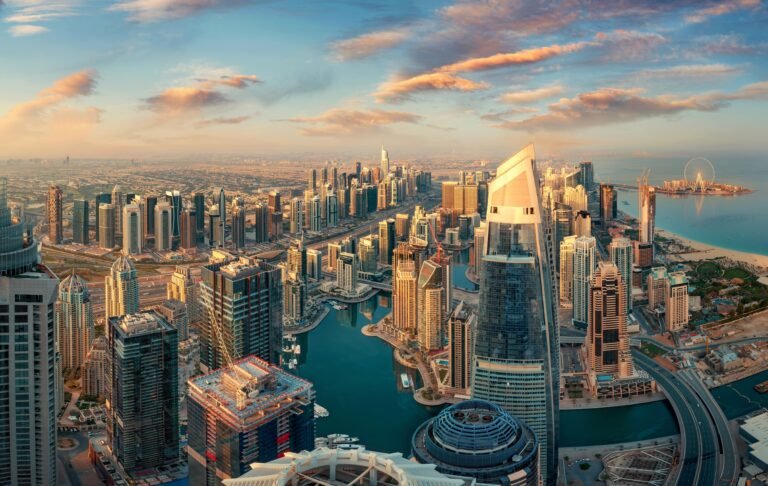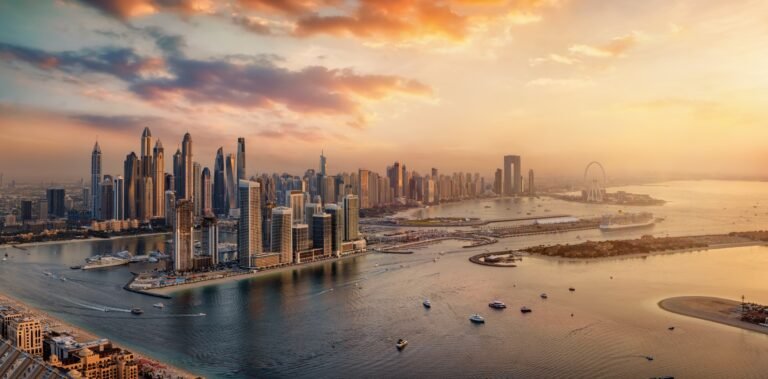

Dubai’s rental market has come off the boil, and that is the important part. After a couple of years of steep increases, the pace of rent growth is slowing as a wave of new homes finally reaches the market. Apartment rents in the low and mid segments may still tick up. Villa rents look set to level off as supply catches demand. For tenants that means more choice and more room to negotiate. For landlords it means the easy years are over. Through 2026, expect steadier, more moderate growth rather than another surge.
Here is what that shift actually means, split by who you are: tenant, landlord, or investor.
Why the market stayed strong in the first place
Before the trends, it helps to understand the pull. Dubai’s economy is not a one-trick oil story. Tourism, trade, finance, and real estate all carry weight, and recent reporting has shown residential momentum in both rents and sales. A diversified base makes renting, and investing to rent, feel less exposed than in cities where a single sector sets the weather.
The tax position helps the math too. No capital gains tax, no inheritance tax for many foreign owners, and long-term visa reforms that give the tenant base more stability. If you want to see how that plays out in off-plan yields, Totality Real Estate works with exactly that kind of client.
Then there is the obvious stuff that still counts: location at the crossroads of Europe, Asia, and Africa, strong airports and transport, decent healthcare and schools, and a climate people move for. When a tenant picks where to live, that connectivity and lifestyle mix does the deciding more often than the rent line alone.

The trends shaping the market right now
1. Rent growth is cooling
The numbers tell it plainly. Annual rental growth across all residential property slowed to 8.5 percent in May 2025, down from 14.3 percent in January and 21.1 percent a year earlier. One market read put it simply: the market is stabilising after rapid growth, and with over 72,000 new units expected this year, the pressure on rents is starting to ease. For renters that means less sticker shock. For landlords it means timing matters more than it used to.

2. Supply is catching up
The slowdown is mostly a supply story. More homes are completing. Some villa districts have seen asking rents rise even as new handovers arrive that will temper future increases. When more units hit the market, tenants get choice and landlords get competition. That is the whole mechanism.
3. The market is splitting
Not every segment behaves the same, and this is where it gets messy:
- Apartments: lower and mid-market still have some upward push, though slower. In older districts, some rents are slipping. Parts of Bur Dubai and Deira have seen decreases of up to 6.2 percent.
- Villas and townhouses: uneven. Affordable and mid-tier villas have risen in some districts, up to around 9 percent, while luxury villa rents jumped sharply in others, with one source citing up to 53 percent in the first half of the year in a single area.
- The read: apartments in older, less prime areas face pressure, villas in strong family communities stay firm. Location and property type carry the outcome.
4. Tenants have more leverage
The balance has tilted. With more supply, renewal negotiations are getting easier and choice is wider. More new leases are being signed relative to renewals, because for a lot of tenants moving now beats swallowing a big renewal hike. If you are looking to rent, that is your window.
5. Luxury and short-term hold firm
The top end and the short-stay market run on their own logic. Prime waterfront and striking addresses keep pulling high-income professionals and long-term visa holders. Short-term rentals stay strong on the back of tourism and business travel. For premium landlords, quality stock is resilient. For everyone else, more caution is warranted.
What to do about it
If you are renting
- More choice means less stress. You can afford to be picky on amenities, location, and terms.
- Do not assume big drops everywhere. Some segments, villas and family homes especially, are still rising.
- Watch renewal versus new lease. If your landlord proposes a steep increase while alternatives are plentiful, cite the market.
- Budget for small increases or flat rent, and treat a good negotiation as the upside, not the baseline.
If you are a landlord
- The field is tougher. An older, poorly maintained unit will lose tenants or get squeezed on terms.
- Quality wins. Well finished, well located, amenity-rich property outperforms.
- A moderate increase beats an aggressive one. Push too hard and you risk a vacancy that costs more than the hike would have earned.
- Track supply in your own segment and area. If a lot of new stock is coming, adjust with service or incentives before the market forces it.
Rental snapshot
Ballpark average annual rents across the main property types. Treat these as a starting point, not a valuation.
| Property type | Average annual rent (Dubai) | Notes |
|---|---|---|
| Apartment (all types) | AED 107,000 | Broad average, depends on area and bedrooms |
| Two-bedroom apartment | ~AED 170,000 | Mid-market, location driven |
| Villa | AED 203,000 | Family homes, wide range |
| Townhouse | AED 146,000 | Smaller than a large villa, often good value |
Where demand is concentrated in 2025 and 2026
Ask ten renters where the best place to live in Dubai is and you get ten answers, because it depends on budget, lifestyle, and how long someone has been in the city. Still, a handful of communities rise to the top year after year, for connectivity, returns, or just the feel of the place. Here are the ones doing the heavy lifting, with the data and what we see on the ground at Totality Real Estate.
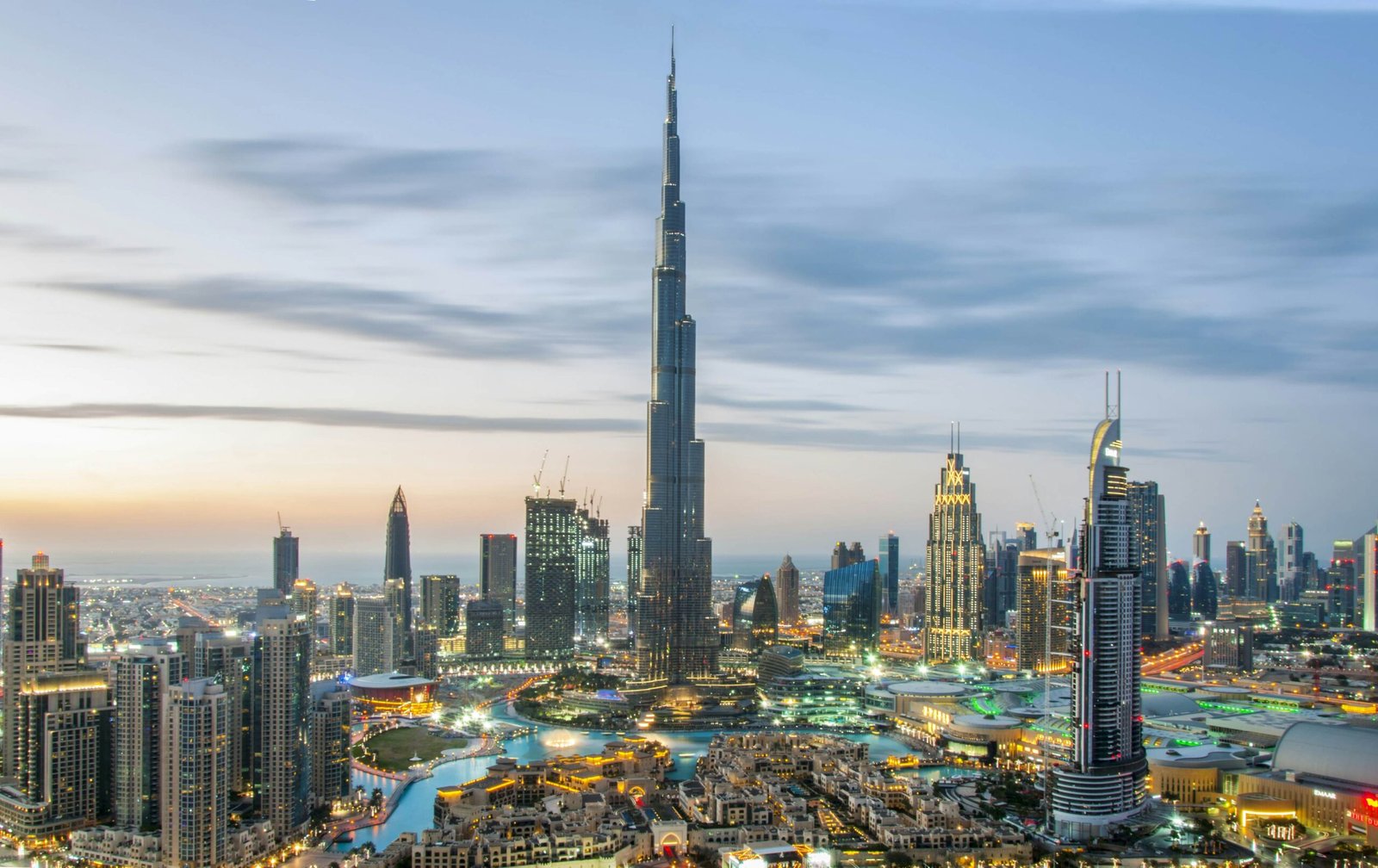
Downtown Dubai

Downtown needs no introduction: Burj Khalifa, Dubai Mall, the fountains. Even as supply grows elsewhere, demand here has not faded so much as turned selective.
| Unit type | Average annual rent | Change (YoY) |
|---|---|---|
| 1 bedroom | AED 145,000-160,000 | +3% |
| 2 bedroom | AED 200,000-230,000 | +2% |
| 3 bedroom | AED 270,000-320,000 | Stable |
Renters pay for convenience, prestige, and top-tier amenities. Investors hold for consistent demand from executives and long-term residents who want a city within a city. As rental growth cools across Dubai, Downtown keeps premium yields because the location cannot be copied.
Dubai Marina and JBR

If Downtown is for city people, Marina and JBR are for water views, nightlife, and weekend brunches by the sea. They have been top picks for both short lets and long leases for years.
| Unit type | Average annual rent | Rental yield |
|---|---|---|
| Studio | AED 90,000 | 6.5%-7.5% |
| 1 bedroom | AED 130,000-150,000 | 6% |
| 2 bedroom | AED 190,000-230,000 | 6.2% |
| 3 bedroom (penthouse) | AED 350,000+ | Varies |
The short-term scene stays busy, with occupancy averaging above 80 percent in 2025 on the back of tourism and corporate relocations. For investors, Marina and JBR are the steady workhorses of the rental market: always moving, rarely quiet.
Jumeirah Village Circle (JVC)

A decade ago few would have picked JVC as a rental hotspot. It is one now. Affordable pricing, new amenities, and family appeal have pushed it near the top of the search rankings across the portals.
| Property type | Average rent 2025 | YoY change |
|---|---|---|
| Studio | AED 55,000-65,000 | +5% |
| 1 bedroom | AED 70,000-85,000 | +4% |
| 2 bedroom | AED 100,000-115,000 | +6% |
| Townhouse (3 BR) | AED 160,000-190,000 | +7% |
The tenant mix is what makes it interesting: young professionals, small families, digital nomads drawn by mid-range pricing and access. Developers keep adding buildings with pools, gyms, and coworking, closing the gap between affordable and lifestyle-rich. Renewal rates are high here, which is usually the sign of a district that has matured.
Dubai Hills Estate

Drive down Al Khail Road and you can watch Dubai Hills expand: a clean, green, master-planned Emaar community. It has become the default for families who want a villa or townhouse without the chaos of Downtown or Marina.
| Unit type | Average annual rent | Notes |
|---|---|---|
| 3 BR townhouse | AED 210,000-250,000 | High demand |
| 4 BR villa | AED 300,000-350,000 | Limited inventory |
| Apartment (1 BR) | AED 120,000 | Fastest-growing sub-segment |
The golf course, schools, and the mall have turned it into a full ecosystem rather than a suburb. Tenants moving from Business Bay or Downtown trade skyline for green space, and most say they prefer it.
Palm Jumeirah
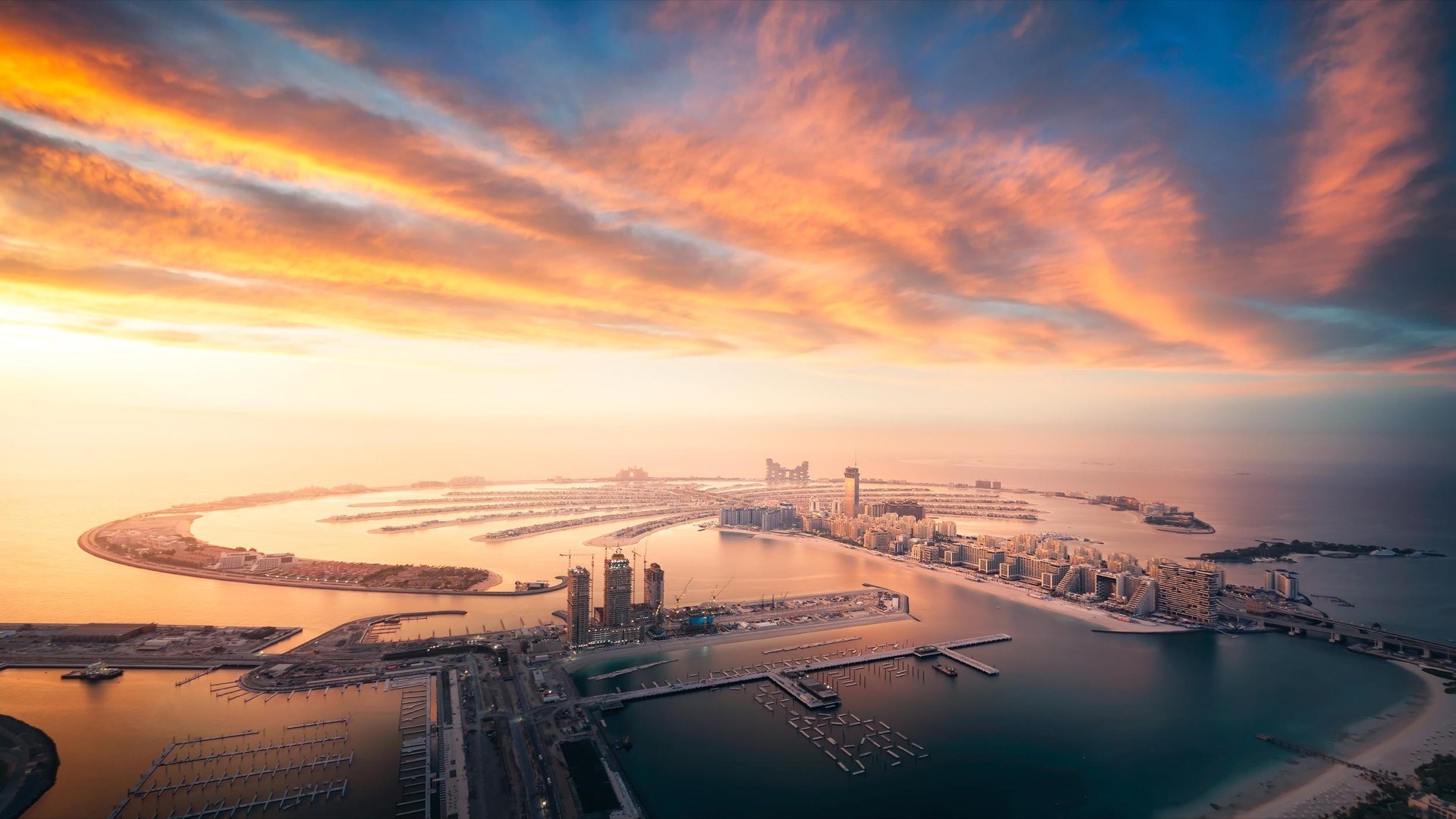
Palm Jumeirah is still Dubai’s trophy address. Even with new supply from Palm West Beach and Royal Atlantis, rents are holding. The reason is exclusivity, and exclusivity does not scale.
| Property type | Average annual rent | Yield estimate |
|---|---|---|
| 2 BR apartment | AED 300,000-350,000 | 5%-6% |
| 4 BR villa (beachfront) | AED 750,000-1.2M | 4%-5% |
| Short-term (per night) | AED 1,500-3,000 | 85% occupancy |
It is among the most expensive places to rent and still runs near full occupancy for quality homes. Many tenants are executives on long assignments or Golden Visa holders. If you ever wanted proof that brand and prestige carry economic value, this is it.
The neighbourhoods side by side
| Area | Lifestyle | Avg annual rent (2 BR) | Typical yield | Notes |
|---|---|---|---|---|
| Downtown Dubai | Urban luxury | AED 210K | 5-6% | Prestige, top amenities |
| Dubai Marina / JBR | Waterfront, social | AED 200K | 6-7% | Tourist appeal, steady demand |
| JVC | Affordable, family | AED 110K | 7-9% | High growth, new supply |
| Dubai Hills Estate | Suburban premium | AED 250K (3 BR TH) | 6-7% | Popular with families |
| Palm Jumeirah | Luxury, striking | AED 350K | 5% | Elite address, limited stock |
The challenges worth watching
1. Oversupply in specific pockets
New completions are good for tenants and can strain landlords in certain zones. More than 72,000 units are expected across Dubai in 2025, mostly apartments. Areas like Dubailand, Al Furjan, and parts of Business Bay could see short-term saturation. If your portfolio leans on those zones, plan for longer leasing cycles.
2. Regulation keeps moving
The Dubai Land Department continues to refine the rules on rental caps and renewals.
- Annual increases follow the RERA index, which updates regularly.
- Eviction notices now need valid grounds, such as sale or personal use, with 12 months’ advance notice.
Staying compliant keeps you out of penalties and builds tenant trust. If you want a sense of how professional management handles this, our guide on choosing a reliable Dubai property manager covers it for overseas owners.
3. Short-term versus long-term
Short lets bring higher gross yields, up to 12 percent in peak season, but with higher operating costs and seasonal risk. Long leases give steadier income and simpler management. Plenty of investors blend the two: a couple of holiday-let apartments against a few long-term family units to smooth the cash flow.
The quieter shift: greener, smarter buildings
Dubai’s rental stock is getting greener and more connected, and it is starting to show up in demand. Emaar, Ellington, and Sobha are building in solar, grey-water systems, and home automation. Tenants are responding, and some will pay a little more for a building that costs less to run. For investors, green buildings often command 5 to 10 percent higher rents and hold tenants longer. It is a subtle trend now, but it is not reversing.

The bigger picture
Dubai’s rental market is maturing, not collapsing and not booming out of control. Maturity is healthy. More balance means fewer shocks, more supply means better options, and clearer regulation means stability. Landlords have to adapt, because the days of demand outstripping supply five to one are gone, but in exchange the market gains credibility and longer-term confidence.
The 2026 to 2030 outlook
Dubai’s property story has always been about transformation, towers rising out of sand, neighbourhoods changing overnight. The next phase feels different. Less about speed, more about balance and durability.
1. Moderate growth, roughly 4 to 6 percent a year
After the surges of 2021 to 2023 and the normalisation of 2024 to 2025, most analysts, including JLL and Knight Frank, expect rental growth to settle between 4 and 6 percent a year through 2026 to 2030.
| Year | Estimated avg rental growth | Key driver |
|---|---|---|
| 2026 | +5% | Continued population inflow (tech, finance, expats) |
| 2027 | +4.5% | Expo legacy projects, Al Maktoum Airport expansion |
| 2028 | +6% | Tourism and short-stay rebound (casino opening in RAK) |
| 2029 | +5% | Corporate relocation demand |
| 2030 | +4% | Market equilibrium, high-end stability |
Forecasts are never exact, and reality may surprise us. But a slow, steady curve is good news. It signals a city moving beyond speculation into sustainable growth.
2. The demand drivers hold
Population. Dubai’s population crossed 3.7 million in 2025 and is expected to top 5.5 million by 2040. Each 100,000 new residents translates roughly into 30,000 to 35,000 additional housing units, many of them rentals for new arrivals on flexible visas.
Golden Visa and residency. The 10-year Golden Visa keeps drawing investors and specialists who prefer to rent before they buy. Developers are even launching visa-ready units priced around AED 2 million to meet eligibility.
Tourism and short stays. By 2027, when the Wynn casino resort opens in Ras Al Khaimah, the combined Dubai and RAK short-term rental sector is projected to exceed 90,000 active units at close to 80 percent occupancy, feeding a steady flow of visitors across Business Bay, JBR, and Downtown. You can explore short-term projects on Totality’s off-plan page.
3. Yield forecast, 2026 to 2030
Dubai continues to out-yield London, Singapore, and New York. Prime zones stabilise at 5 to 6 percent, while secondary and emerging districts still run 7 to 9 percent, especially JVC, Arjan, and Dubai South.
| Area | 2025 yield | 2026-2030 forecast | Outlook |
|---|---|---|---|
| Downtown Dubai | 5.2% | 4.8-5.5% | Stable |
| Dubai Marina | 6.2% | 6-6.5% | Slight growth |
| Jumeirah Village Circle (JVC) | 7.8% | 7-9% | Strong |
| Dubai Hills Estate | 6.4% | 6-7% | Consistent |
| RAK Al Marjan Island | 9.1% | 8-10% | High potential |
Over five years, a 2 to 3 percent yield gap compounds into a serious difference. That is why our advisory work at Totality Estates concentrates on early-stage districts, where rent growth still runs ahead of price growth.
4. Rent versus buy, a 2025 view
People forget the simple question: is it cheaper to rent or to buy?
| Scenario | 2 BR Downtown | 3 BR villa Dubai Hills |
|---|---|---|
| Annual rent | AED 210K | AED 310K |
| Property price | AED 3.9M | AED 5.2M |
| Mortgage (25 yrs @ 4.25%) | AED 21,200 / month | AED 28,400 / month |
| Yield equivalent | 6.4% | 5.9% |
Renting stays more flexible for short-term expats. Those staying five years or more can save 12 to 18 percent over the long run through ownership, especially if they buy early in an off-plan cycle and refinance later. Worth reading alongside this: why US investors are moving into Dubai for 7% yields and zero taxes.
5. Field notes for 2026 to 2030
Not rules, just what I watch for:
- Buy into emerging sub-markets. Dubai Islands, Dubai South, and Arjan still trade below AED 1,000 per sq ft yet show 20 to 30 percent higher yields.
- Blend lease lengths. A hybrid split, roughly 70 percent long-term and 30 percent short-stay, cuts vacancy risk.
- Favour smart and green features. Smart thermostats, EV chargers, and efficient appliances already sway tenant choice.
- Use professional management. As the market matures, tenants expect real service standards. Licensed firms handle maintenance and compliance properly.
- Stay agile on financing and currency. If your income is in USD or EUR, dirham hedges or multi-currency accounts take the sting out of swings.
6. Outlook by property type
| Segment | 2026-2030 outlook | Investor insight |
|---|---|---|
| Apartments | Moderate growth in mid-tier, luxury stable | Good for yield and liquidity |
| Villas | Stabilising, limited new stock | Hold for capital gains |
| Townhouses | Strong family demand | Balanced returns |
| Short-term rentals | High volatility, top gross ROI | Needs active management |
| Commercial spaces | Gradual recovery | Selective opportunities in free zones |
The takeaway
One word covers Dubai’s rental market today: balance. After a few volatile years, the city has moved into steady, data-led growth. Tenants get more choice and reasonable prices. Landlords compete on quality and service. Investors get clarity from better regulation and transparency. That is what a mature market looks like. So whether you are a tenant weighing a move or an investor eyeing the next project, this is a moment to reassess and plan, not to panic or to wait indefinitely.
At Totality Real Estate we help clients read this market with data and on-the-ground experience. Explore our off-plan projects or reach the team for a rental investment report built around your budget and return goals.
FAQ
Will rents in Dubai drop in 2026?
Unlikely. Rents may flatten rather than fall. More supply slows growth, but firm demand keeps the market stable.
Which areas offer the highest yields?
JVC, Arjan, and Dubai South typically deliver 7 to 9 percent gross annual returns.
Are short-term rentals still profitable?
Yes, especially in tourist zones like Downtown and Marina, though they need active management and licensing.
Villa or apartment for rental income?
Apartments yield better, villas appreciate better. A balanced portfolio often holds both.
What does a 2-bedroom in Dubai rent for in 2025?
Around AED 170,000 a year, depending on area and amenities.