

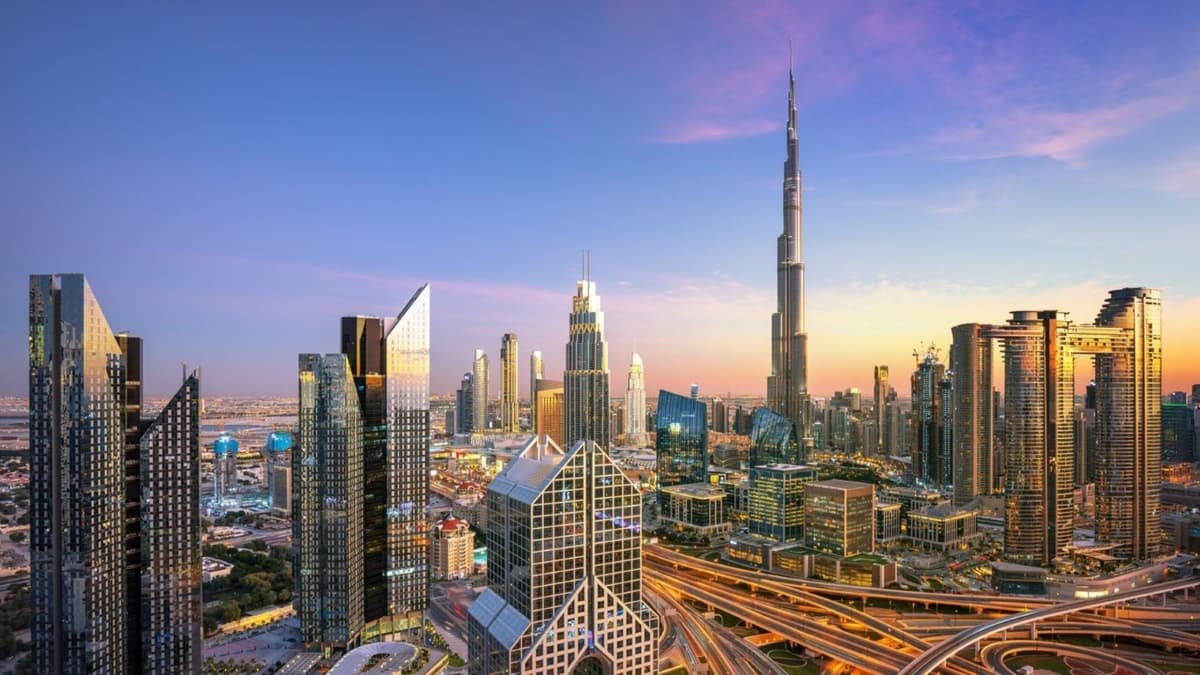
Yes, a foreigner can own property outright in Dubai. In the approved areas, ownership is 100%, it is registered in your name, and it is transferable and inheritable. Compared with a lot of markets that greet foreign buyers with extra stamp duties and ownership caps, Dubai is unusually open about it.
The “can I own” question is almost never where people get stuck. The three that actually catch buyers out are these: where you are allowed to own, what exactly you are buying, and how you register it without paying money into the wrong hands. Get those right and the rest is process. This is not legal advice, but it will keep you clear of the rookie mistakes.
Tell me your budget, preferred area, and whether you want ready or off plan, and I will send back a verified shortlist of freehold options that actually match. Message me directly.
What “freehold” actually means here
Freehold in Dubai means you own the unit and the land interest in perpetuity. Not a 30 year right. Not a 99 year clock quietly ticking down. That holds as long as the property sits in a zone approved for non-UAE nationals, and as long as the ownership is registered with the land authority.
Two details matter more than people expect. First, the designated areas are not optional. Foreign ownership is tied to approved zones set out under Regulation No. (3) of 2006 and later designations. Second, registration is the whole game. Dubai’s system is built around a formal register and title documentation, and that paperwork is what turns an agreement into ownership. If you have ever bought in a market where proof of ownership is a bit murky, the registration-first model here is genuinely reassuring.
Quick glossary
- Freehold: ownership that is not time-limited, recorded on the real property register, usually with a title deed issued through the land authority.
- Designated areas: approved zones where non-UAE nationals can own specific real property rights.
- Title deed: the official proof of ownership. Verify it before you treat a deal as safe.
- Escrow account: a project bank account where off-plan buyer payments are held under escrow rules for real estate development.
- RERA: the regulatory arm under the land authority umbrella, focused on market regulation and governance.
- Golden Visa (property investor): a residency pathway tied to property ownership value thresholds, described in the official services.
The laws that do the work
Three pieces of legislation carry most of the framework:
- Law No. (7) of 2006, the foundational law for real property registration and the land register concept.
- Regulation No. (3) of 2006, which sets the areas where non-UAE nationals can own real property rights, the designated areas idea.
- Law No. (8) of 2007, which brought in escrow account requirements for off-plan development, one of the biggest buyer protections in the market.
The institutions you will keep running into are the Dubai Land Department and its regulatory arm, commonly called RERA. The land authority publishes the service details, fees, title transfer steps, and the real estate investor Golden Visa pathway.
Freehold vs leasehold vs usufruct
This is the comparison that helps most people decide what they are comfortable owning.
| Ownership right | Typical duration | What you own | What you can usually do | Best for |
|---|---|---|---|---|
| Freehold | Perpetual | Unit plus land interest | Sell, lease, transfer, pass to heirs | Long-term investors, generational planning |
| Leasehold | Often up to 99 years | Use right for a fixed term | Occupy or rent during the term, subject to contract | Medium-term horizon, sometimes lower entry pricing |
| Usufruct | Up to 99 years | Right to use and benefit | Use, rent out, benefit economically | Structured use-right deals, specific projects |
Dubai recognises all three in the foreign ownership context, including long lease and usufruct rights up to 99 years in certain cases. One slightly awkward truth about freehold: it sounds simple, but every building still has rules, service charges, and an owners’ association. Freehold does not mean no obligations. It means your ownership is not time-limited.
Where Dubai’s model stands out
Plenty of major cities let foreigners buy. Most of them tax the welcome heavily or restrict certain property types. That is where Dubai quietly wins on investor psychology.
| City | Can foreigners buy? | Common friction points | Investor feel |
|---|---|---|---|
| Dubai | Yes, in designated zones | Area limits, process discipline, service charges | Pro-ownership, relatively clean registration (U.AE) |
| London | Yes | Higher transactional taxes, heavy holding costs | Great market, pricey entry |
| Singapore | Yes, with constraints | Extra duties, restrictions on landed property | High quality, tightly managed |
| New York City | Yes | Complex tax environment, annual property tax | Liquid market, heavier friction |
The market’s message is basically: come invest, follow the process, stay in the right zones.
The residency angle, what “used for visas” really means
Freehold ownership gets talked about alongside residency because the land authority runs an investor pathway tied to property value. On the official e-service for the real estate investor track, a buyer owning a property with a purchase value of AED 2 million or more at time of purchase can apply for a renewable 10 year residence permit. Family sponsorship is available, and there are conditions around mortgaged properties and proof of the amount paid.
There is also a smaller stepping stone. The land authority lists a 2-year investor residence (Taskeen) tied to AED 750,000 purchase value at time of purchase.
How we got here
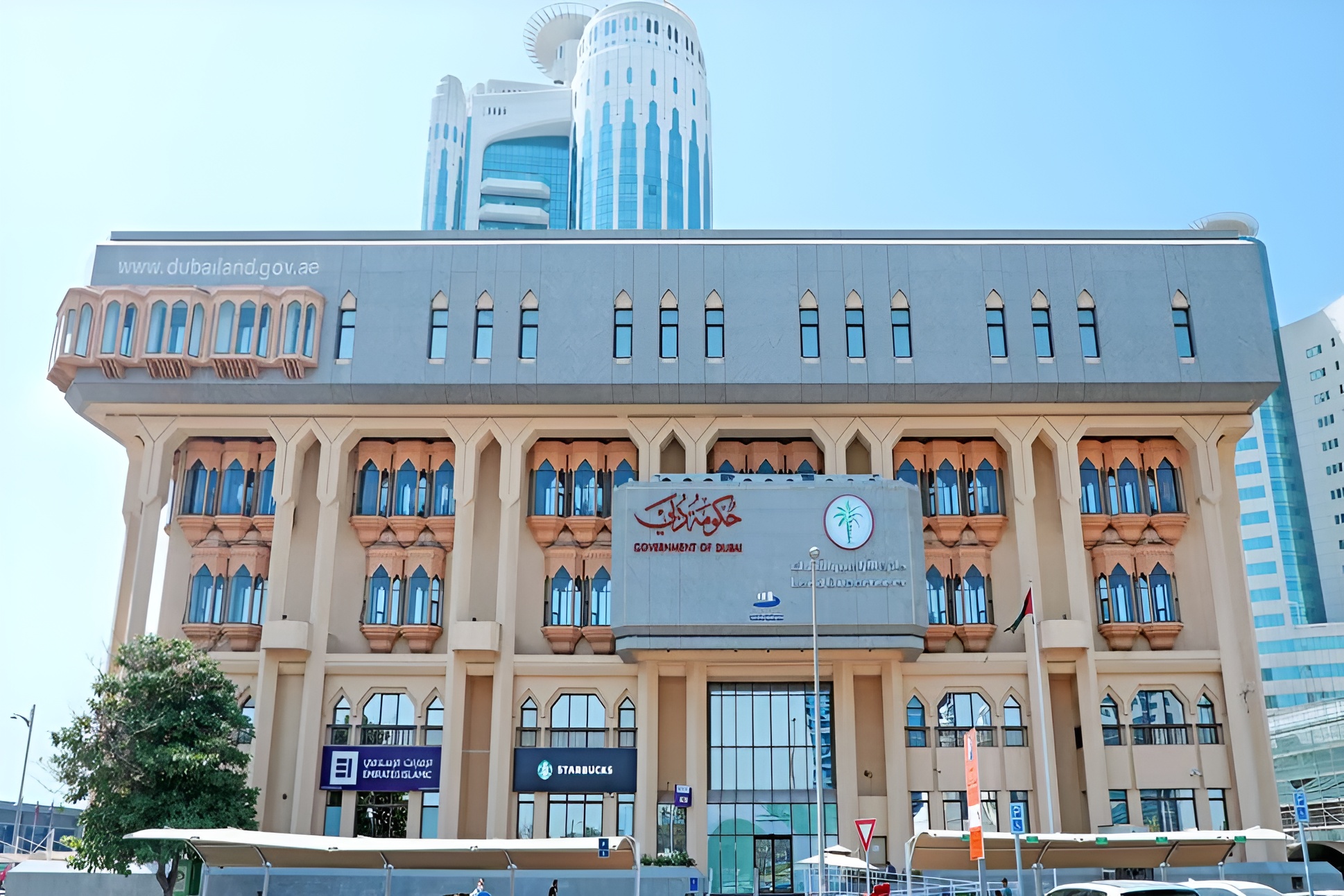
Before Dubai opened up broader freehold ownership, most foreign buyers were limited to long lease structures, often described as 99-year arrangements. The change came when the emirate began allowing foreign nationals to buy in specific zones, then formalised it through the land registration system and designated-area rules. Law No. (7) of 2006 anchored the formal register and the primacy of registration. Regulation No. (3) of 2006 set the designated areas for non-UAE nationals.
If you remember one thing here, make it this: Dubai’s model is not simply “foreigners can buy.” It is “foreigners can buy, but the where and the paperwork are part of the deal.”
Verifying a freehold area without guessing
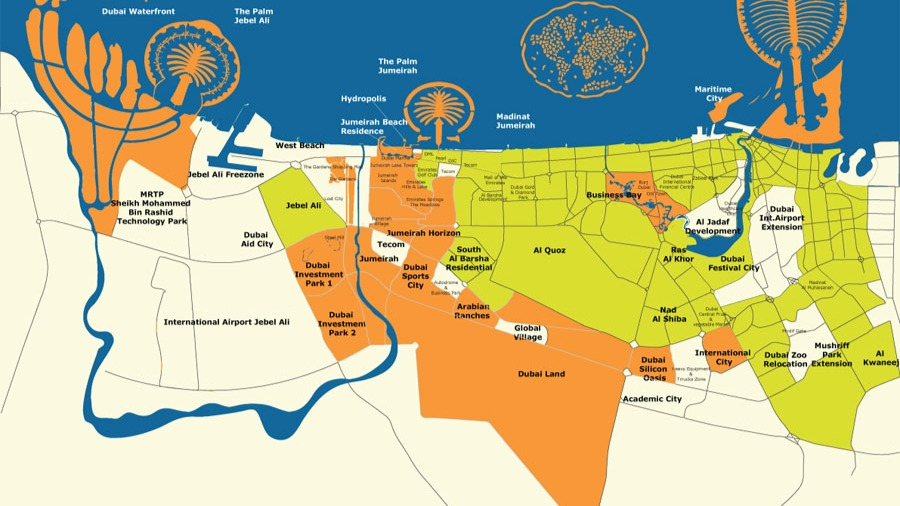
People want a tidy list of freehold areas. The problem is that lists age, zones expand, and marketing materials over-simplify. So I use two layers. Start with a reputable current list to orient yourself. Portals and brokerages like Exclusive Links, Bayut, and Driven Properties all publish regularly updated overviews of communities commonly treated as freehold. Then, before you pay anything meaningful, verify the specific asset through the official process. Do not let a blog list be the final authority, mine included.
The sanity-check experienced buyers use
- Confirm it is registrable and transferable through DLD channels. The transfer service and procedures are documented by the Dubai Land Department.
- Confirm the official status with title deed validation. DLD runs a Title Deed Verification service built for exactly this.
- If it is off plan, confirm it is recorded in the provisional system and linked to escrow. The escrow law defines the framework, and DLD explains the purpose in its FAQs.
Do those three checks and you remove most of the avoidable risk.
The freehold areas people usually mean
When buyers say “freehold area,” these are the communities that come up most, and what they tend to get bought for.
| Community | Typical buyer intent | Worth knowing |
|---|---|---|
| Dubai Marina | Short-term rental demand, lifestyle tenants | Strong rental liquidity, big variation building to building |
| Downtown Dubai | Prestige, prime location | Price per sq ft can be unforgiving, but demand is consistent |
| Palm Jumeirah | Trophy assets, ultra-luxury | Unique product, very asset-specific underwriting |
| Jumeirah Village Circle | Yield focus, entry-price sensitivity | Wide spread between the great buildings and the average ones |
| Business Bay | Central rental demand, investor stock | Micro-location matters, walkability varies |
| Dubai Hills Estate | Family end-users, long-term hold | Quality-of-life premium, steady absorption |
| Emirates Hills | Ultra high net worth, low turnover | Scarcity drives value more than yield |
One thing people rarely admit out loud: sometimes a buyer picks an area because it feels right, then builds the investment case afterward. It happens. The fix is not to feel bad about it. The fix is to run a numbers-based checklist so the gut call and the spreadsheet have to agree.
The buying and registration process, in the order it actually happens
1. Agree the terms, then document them properly
In the resale market you start with agreed commercial terms, then move into the formal transfer track. DLD’s transfer-of-ownership service page sets out the required documents and what to expect.
2. Handle the developer or community requirements, especially the NOC
Most properties need a No Objection Certificate before transfer, and DLD supports an electronic NOC flow. People try to rush this and then regret it. The NOC stage is where unpaid service charges and admin issues surface. Far better to find out early than at the trustee office with everyone sitting around a table.
3. Register and verify digitally
Dubai leans hard into digital services, and it works in the buyer’s favour. Dubai REST is the central smart platform for real estate services and owner access, and DLD explains how to pull your electronic title deed inside the app. If you want a simple trust-but-verify step, DLD’s Title Deed Verification tool gives you something concrete to do rather than something to take on faith.
If residency is part of the plan, I can help you structure the purchase so it still stacks up as an investment, not just a visa target. Message me directly.
Off-plan protections: escrow and provisional registration
A huge share of foreign investment flows through off-plan inventory, so you cannot skip this. Two pillars carry it. Escrow accounts, defined under Law No. (8) of 2007, describe how buyer payments are held for a development. And DLD’s own FAQ explains what an escrow account is and why it exists.
Then there is the provisional registration layer. DLD references the Oqood portal for project registration and provisional procedures. This is the clean way to understand that a signed SPA and a legally recorded buyer right are not always the same moment in time.
Off-plan risk control
| Risk | What it looks like | Control |
|---|---|---|
| Paying into the wrong place | Funds not linked to the project escrow | Confirm the escrow structure against the DLD framework |
| Vague paperwork | Reservation without clear registration status | Confirm the provisional registration pathway via DLD services |
| Hidden transfer delays | You cannot transfer smoothly later | Build NOC expectations in early, do not leave it for the last week |
Costs and fees to budget for
Simple budgeting rule: your transaction has a few hard government costs and a few soft operational ones. Sanity-check each before transfer day. People get stressed at the trustee office mostly because they did not pre-budget.
The core government charge is a 4% fee for registering a real property sale contract, calculated on the sale contract value. You will also see the “4% to the Department” requirement show up directly in DLD service instructions for specific cases, such as registering the sale of a mortgaged property.
| Cost item | What it is | When it hits | Notes |
|---|---|---|---|
| DLD sale registration fee | 4% of sale contract value | At transfer registration | In the fee schedule and in DLD service procedures |
| Developer NOC | Permission to transfer, confirms dues cleared | Before the transfer appointment | Fees vary by developer and community, confirm early |
| Trustee admin fees | Service partner and processing fees | At transfer | Varies by channel, confirm when booking |
| Service charges | Building or community operating costs | Ongoing | Ask for the latest statement, not last year’s |
The buyer checklist
Before you pay a serious deposit
- Verify the title deed details using the Dubai Land Department Title Deed Verification service.
- If it is off plan, insist on escrow clarity. The framework is defined in Law No. (8) of 2007.
- Confirm designated-area eligibility. Ownership by non-UAE nationals in defined areas is set out in Regulation No. (3) of 2006.
During transfer preparation
- Confirm NOC requirements and timing. Do not leave it to the last week.
- Confirm the payment instruments for your scenario. With a mortgage, procedures can require multiple manager’s cheques, including one to the Department for the 4%.
- Make sure the buyer name matches the passport exactly, especially if a visa application is part of the plan.
After transfer
- Pull your electronic title deed through Dubai REST. The official guide shows how owners access it in the app.
- Store the title deed, SPA, NOC, and service charge statements in one folder. You will thank yourself later.
Inheritance and succession, the practical reality
Freehold is treated as a real property right recorded on the land register. What many foreign buyers miss is that “inheritable” and “easy to inherit” are not the same sentence. The asset can pass to heirs, but the path depends on documentation, wills, family structure, and the applicable succession procedures.
A sensible, undramatic approach: keep the ownership record clean, correct spelling, correct passport details, correct share structure. If you own several assets, think about whether you want a simple ownership structure or a shared one, because shared ownership can complicate succession. And if you are buying for generational planning, coordinate the holding structure with proper estate advice. I am staying cautious here on purpose. This is the part where confident oversimplification causes expensive messes.
Ready property vs off plan
| Topic | Ready property (resale or ready from developer) | Off-plan property |
|---|---|---|
| Main proof point | Verified title deed, transfer workflow | Escrow structure, provisional registration and SPA workflow |
| Core protection | Transaction registration, title deed verification | Escrow account rules for buyer funds |
| Biggest buyer mistake | Skipping verification and rushing the transfer | Paying without clear escrow linkage or project recording |
| Best fit | Buyers who want immediate use or income | Buyers optimising payment plans and launch pricing |
| Safest first step | Use official title deed verification | Confirm the escrow framework and developer track record |
Mistakes I keep seeing, even from smart buyers
The patterns repeat, and it is rarely carelessness. Usually people are excited, moving fast, and someone has told them “don’t worry, it’s Dubai, it’s all fine.” It is fine, when you follow the process.
The first mistake is treating a marketing summary like legal truth. “Freehold” becomes a comfort word, but the real comfort comes from verification. The second is assuming the biggest risk is price. Price matters, obviously, but the bigger risk is friction: delays, unclear paperwork, a hidden operational issue discovered after you own the thing. The third is waiting until the last week to ask transfer questions. NOC timing, service charges, admin requirements. None of it feels glamorous, and all of it decides whether your deal closes smoothly.
A contradiction I notice in myself too: I like moving quickly. But in property, the fastest path is almost always the one with the most structure.
FAQs
Can foreigners buy freehold property in Dubai?
Yes. Foreign nationals and expatriates can buy freehold in designated areas, anchored to the real property registration framework and the designated-area regulation.
What is the main law behind freehold registration?
Law No. (7) of 2006 is the key foundation for real property registration, and the reason title deeds and the official record carry so much weight.
What are designated areas, and why do they matter?
They are the specific zones where non-UAE nationals may own real property rights, defined under Regulation No. (3) of 2006. Outside those areas, ownership rights differ by category and structure.
How do I verify a title deed?
Use the Title Deed Verification service from the Dubai Land Department. It is built specifically to validate the certificate of title.
Does off-plan buying have legal protections?
Yes. The escrow framework for real estate development is defined under Law No. (8) of 2007, designed to protect buyers by structuring how project funds are handled.
What is the main government fee when buying?
A 4% fee for registering a real property sale contract, based on the sale contract value.
Does buying help with residency or the Golden Visa?
It can. The DLD investor service references AED 2 million purchase value at time of purchase for a 10-year renewable residence permit, with conditions for mortgaged properties. There is also a 2-year Taskeen residence tied to AED 750,000.
Can I combine multiple properties to reach AED 2 million?
The DLD Golden Visa investor page indicates one or more properties can qualify if wholly owned by the applicant and the conditions are met.
Do I have to be inside the UAE to apply for the investor Golden Visa?
The DLD service terms specify the applicant must be inside the UAE.
Is freehold the same as leasehold?
No. Freehold is indefinite ownership. Leasehold and usufruct are time-limited rights, commonly up to 99 years depending on structure.
Can my heirs inherit freehold property?
Ownership is a registered real property right, and inheritance is a legal process. Plan the documentation carefully rather than rely on assumptions.
What is the biggest mistake foreign buyers make?
Relying on marketing summaries instead of verifying the asset through the official process: title deed verification, designated-area eligibility, and escrow clarity for off plan.
If I want residency, should I buy purely for the visa threshold?
I would treat residency as a secondary benefit, not the investment thesis. The property still has to make sense on yield, liquidity, and risk. For the formal threshold and documentation rules, rely on the official DLD service terms.
What is the single best move before sending money?
Verify the title deed details and the legitimacy of the parties, then align your payment flow with the official process and protections.
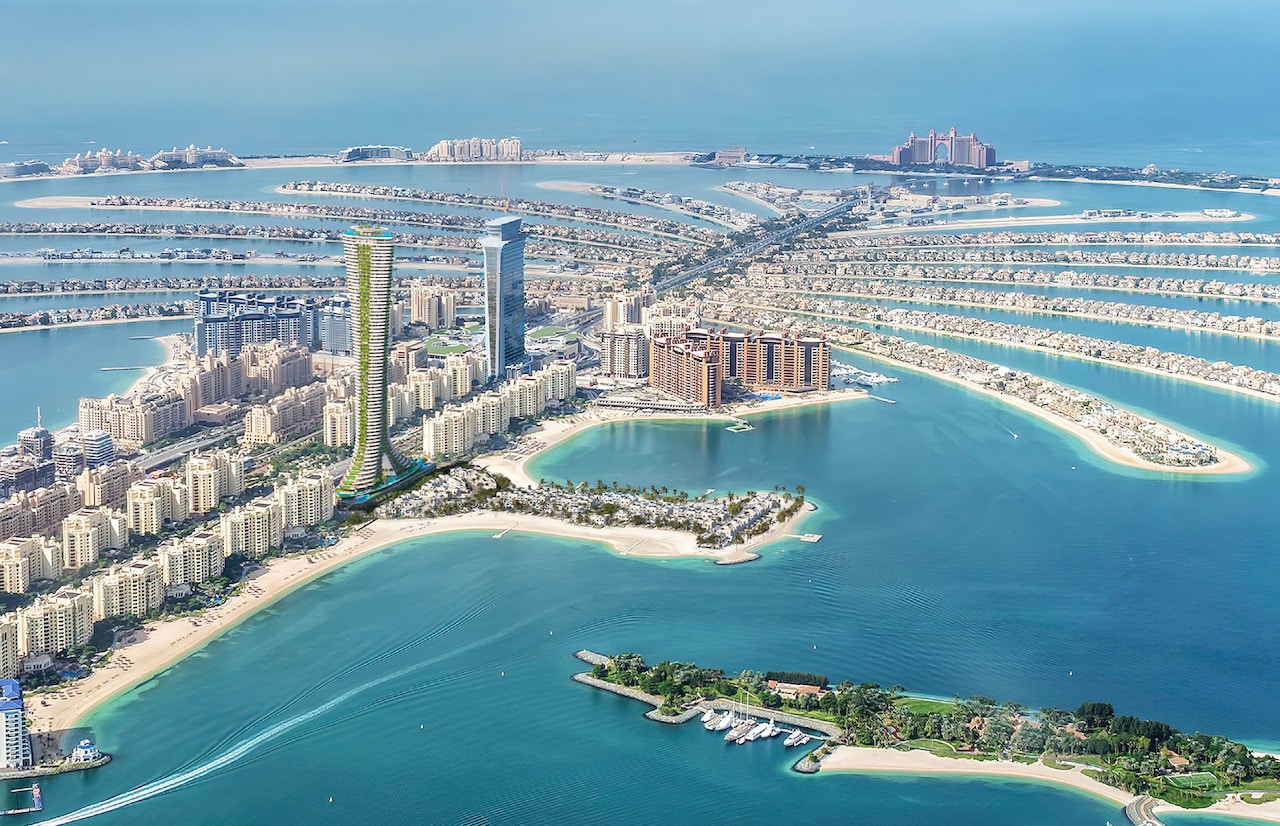
Want to buy freehold with a clean, verified process? Message me and my team. We will shortlist options in designated areas and walk you through the transfer.
The short version
Dubai’s freehold laws are one of the reasons global investors keep coming back. Foreign ownership is not treated like a loophole here. It is designed into the system, with designated areas, formal registration, and a process that rewards buyers who do things properly. But the market is still real. Buildings have service charges. Developers have procedures. Transfers have steps. So the smart play is boring and reliable: treat freehold as the opportunity, and treat the transaction like a checklist. If you are planning to buy, the best first move is not endless browsing. It is a verified shortlist matched to your budget and timeline, then checking each option with discipline.
For more on financing and costs, two worth reading: