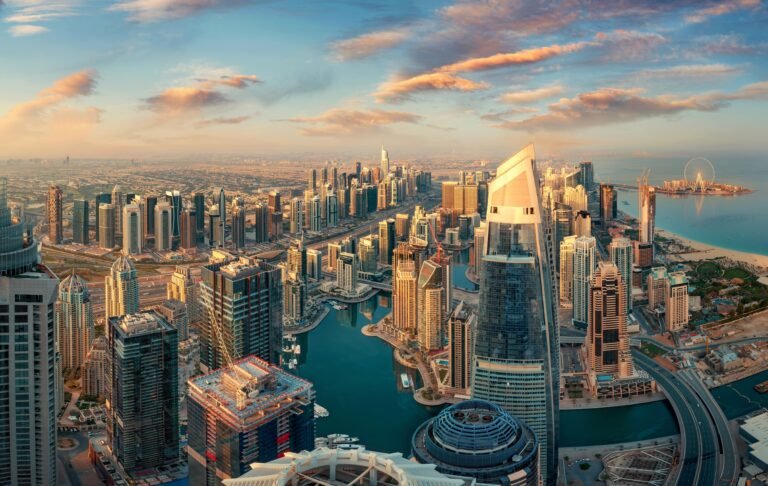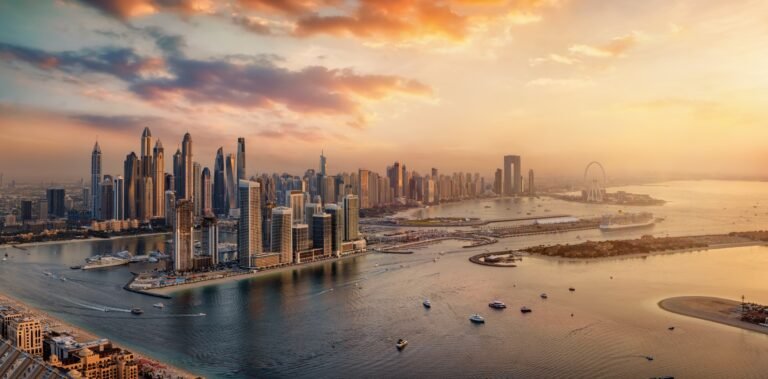

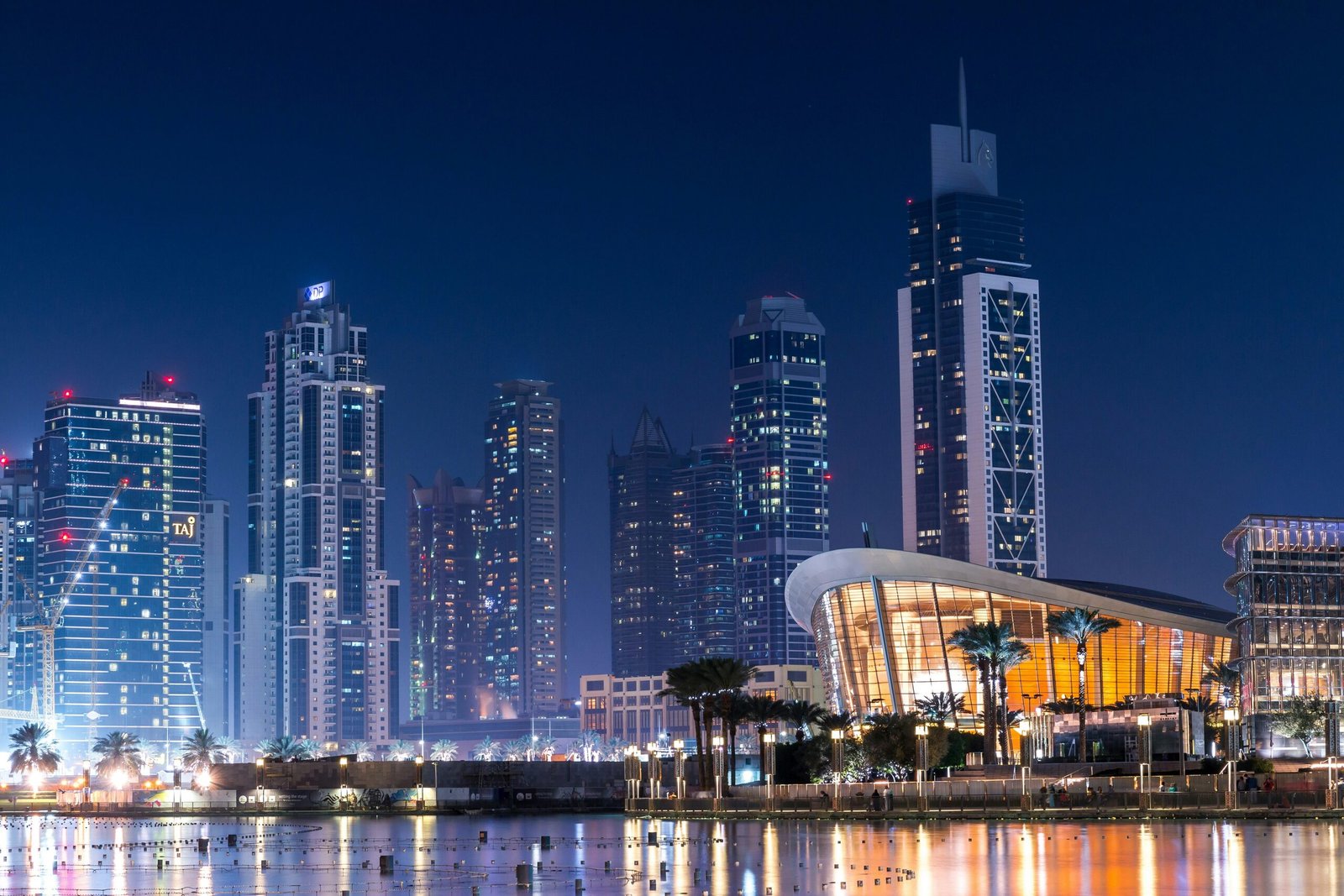
Dubai went from a quiet desert trading town to one of the busiest property markets on earth inside a couple of generations. That is not luck, and it is not a bubble that keeps failing to pop. A handful of specific decisions built it, and understanding them tells you why the market keeps running when others stall. Here is what actually drives it.
An economy that stopped depending on oil
The foundation is diversification. Dubai’s economy used to lean heavily on oil. Over the years the emirate deliberately shifted toward trade, tourism, finance, and real estate, which cut its exposure to oil prices and gave it a steadier base. A more stable economy makes for a more stable property market, and that stability is what long-term investors are really buying.
The government’s Vision 2021 plan put innovation and diversification at the centre of policy, with real estate as a core pillar. Free zones, resorts, and mixed-use developments followed. Moving off oil and onto non-oil sectors is what turned short-term construction into sustainable demand.
Its position as a trade gateway to the Middle East, Africa, and Asia reinforced all of it. Access to global markets brought a strong financial base, international business, and with them, demand for property.
Policy and regulation built for investors
Government policy has done a lot of the work. The market was deliberately opened to foreign capital through rules that made buying secure and transparent.
The key move was allowing non-residents to buy in designated freehold areas. That single change made Dubai a serious option for buyers from Europe, Asia, and across the Middle East. Straightforward purchasing and a range of ownership options, including long leaseholds, put the city near the top of the list for investor-friendly markets.
The tax position sealed it. No capital gains tax, no property tax, and consistently high rankings for ease of doing business with minimal restrictions on foreign ownership in designated zones. The Dubai Land Department then added reforms to tighten transparency and lift confidence, including a regulatory agency, a full property registration system, and stronger legal protection for buyers and developers.
A population that keeps growing
Demand needs people, and Dubai keeps attracting them. Expatriates arrive for work, standard of living, and a modern city, and the numbers show it. According to the Dubai Statistics Center, the population has grown by over 50 percent in the last decade, with more than 80 percent of residents being foreign nationals.
That mix creates steady demand across the board. Younger professionals want apartments in urban locations, families want villas or townhouses in the suburbs. As the population grows, so does the need for new stock, and the market grows with it. On top of that, the city’s role as a tourism and business hub keeps driving hotels, resorts, and short-term rentals, a trend that accelerated around events like Expo 2020.
Foreign capital and global standing
Dubai pulls foreign investment better than most, and real estate is where a lot of it lands. The tax-free position and high rental yields make it attractive to global investors looking outside their home markets, and its location at the crossroads of three continents reinforces the case for both commercial and residential property.
Top-tier landmarks such as the Burj Khalifa, Palm Jumeirah, and the Dubai Mall have cemented the city’s appeal, drawing institutional investors, high-net-worth buyers, and international developers.
The Golden Visa and related incentives added to it. A long-term residency route for investors and skilled workers has brought more affluent residents into the city, which feeds demand across both luxury and mid-range stock. I have covered how that works here: Dubai Investor Visa Blueprint: How to Secure Dubai Residency through Property Ownership.
Infrastructure that keeps expanding the map
Infrastructure is the part buyers underrate. Dubai has spent heavily and consistently on roads, transport, airports, ports, and utilities, and the result is a city that works for both residents and business.
The Dubai Metro, the road network, and the airports make the city accessible and keep it attractive to buyers and residents. Large projects such as Dubai Creek Harbour and Dubai South, along with new residential communities, have widened the range of places to live and spread demand beyond the central districts. That expansion takes pressure off the core and makes the whole market more accessible.
Expo 2020 and what comes next
Expo 2020 gave the market a real push. It brought millions of visitors and triggered new commercial and residential development around Dubai South and the Expo site, while putting Dubai firmly on the global property map.
The outlook stays strong because the city keeps planning for it. The Dubai 2040 Urban Master Plan commits to more green space, better transport, and higher livability, which is exactly the kind of forward spending that supports property values over time.
Where that leaves the market
The boom is not one thing. It is diversification, investor-friendly policy, population growth, foreign capital, and heavy infrastructure spend all pulling in the same direction, on top of a tax-free base. That structure is why Dubai keeps performing, and why the market is positioned to keep doing so for both local and international buyers.
Where to start
If you want to move on this, speak to a trusted Dubai property advisor, look at mortgage options, and take a position in one of the more resilient markets going:
The UK Investor’s Guide to Buying Property in Dubai