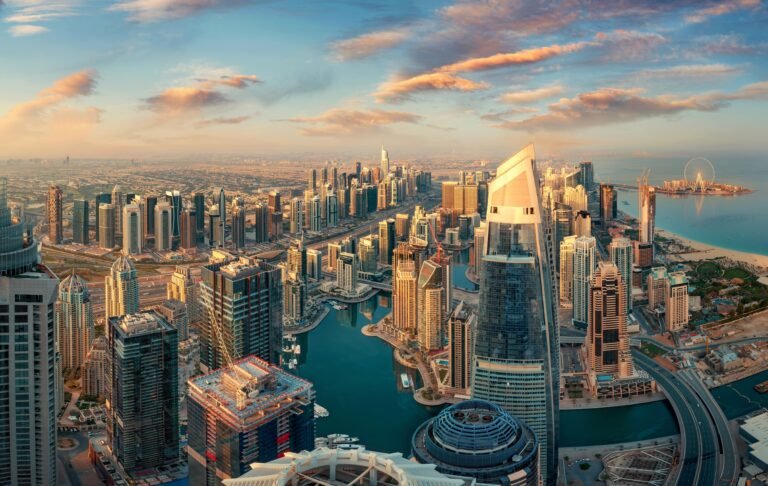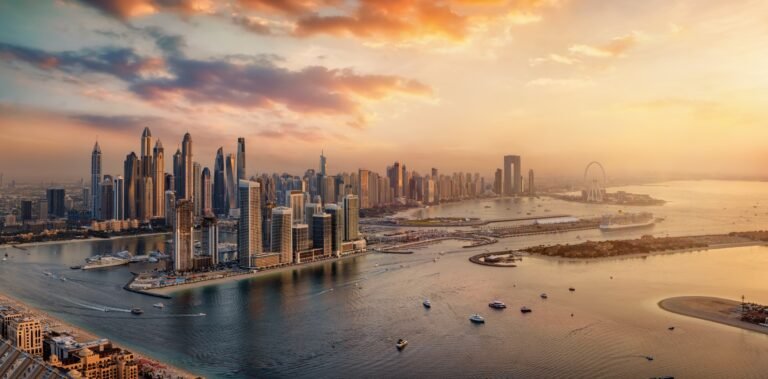

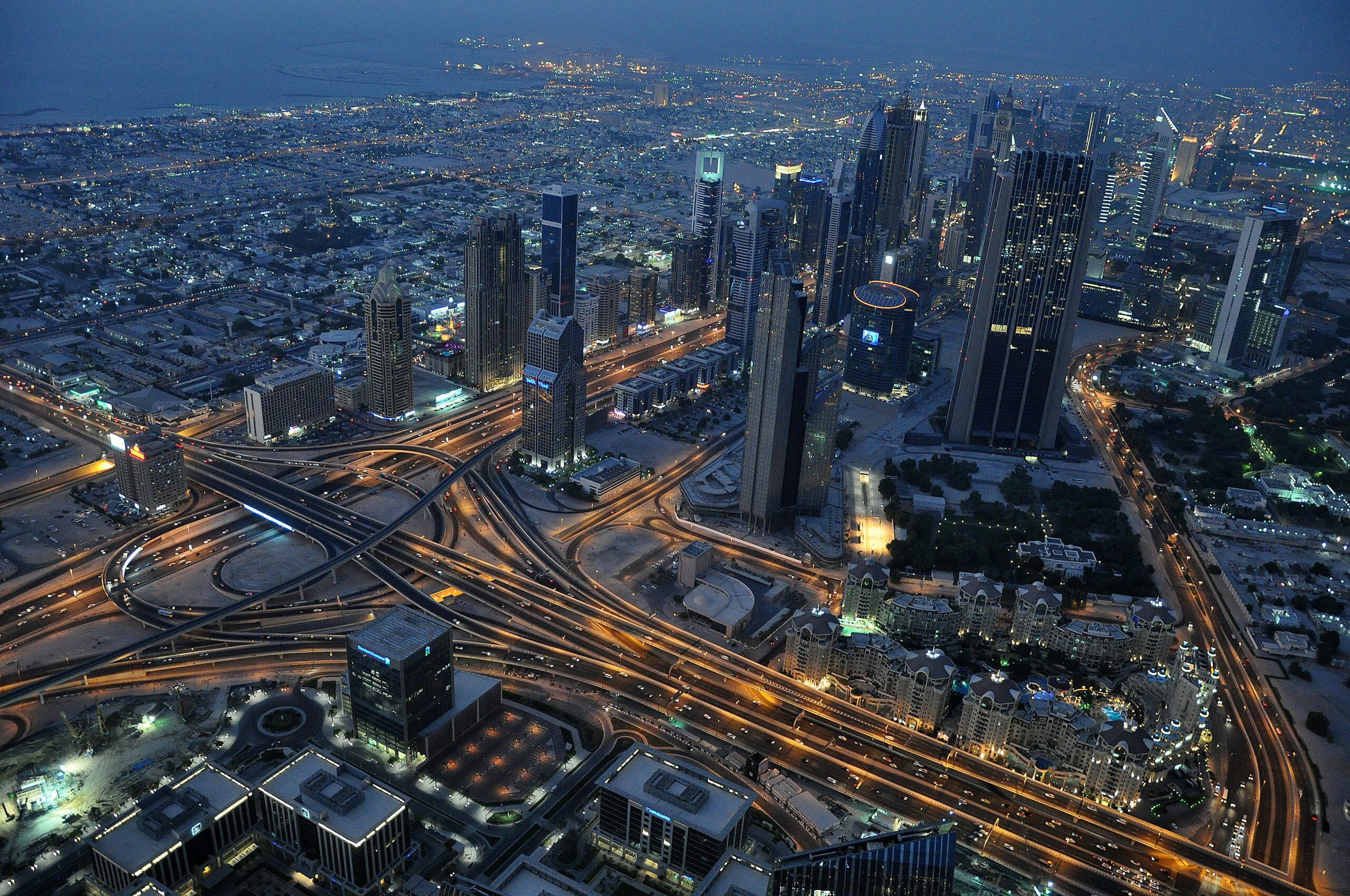
If you strip Dubai’s luxury market down to why it keeps working for investors, it comes to a handful of things that reinforce each other. Here is how I explain it to clients before we look at a single property.
One Abu Dhabi name to add to the list is Hudayriyat Island in the UAE.
- Economic growth and stability. The economy is diversified across tourism, trade, real estate and finance, so it does not lean on any one sector. That resilience is what keeps demand steady at the luxury end rather than lurching with a single industry.
- Strategic location. Dubai sits at a crossroads for global business and tourism, with connectivity to match, and that keeps both residential and commercial property in play for international investors.
- Real investment potential. The established luxury neighbourhoods, Palm Jumeirah, Emirates Hills and Downtown Dubai, consistently beat the rest of the city on price appreciation and rental yield. Exclusivity, amenities and views keep them in demand with end users and investors alike.
- Tax benefits and government support. A tax-free environment, active support for foreign investors, and incentives like the Golden Visa add up to an environment that rewards holding for the long term.
- Lifestyle. The shopping, dining, beaches and everything else are not a footnote here. They pull in high-net-worth individuals who want to live in the city, not just own a piece of it.
- Emerging luxury developments. The market is not static. Newer areas like Jumeirah Bay Island and Al Barari are climbing fast, and buyers who move early can do well as they mature.
The future outlook for luxury real estate in Dubai
Dubai keeps building, and that is the point. New luxury projects, from towers to villa communities, keep the city at the benchmark for high-end living, and the pipeline means further expansion rather than a plateau. For anyone thinking about long-term wealth preservation and growth, that steady supply of quality stock is part of the appeal.
The direction of travel matters too. The city’s focus on sustainability, innovation and smart-city technology is feeding into what the luxury market offers, giving serious buyers more sophisticated options than they had even a few years ago.
What you get here is not only the financial case, it is the life that comes with it. Security, tax advantages and genuine high-end amenities keep Dubai near the top of most investors’ lists. The play is to hold positions in both the established luxury areas and the newer developments, so you have a foothold in one of the world’s most active property markets across the range.
Where is the best place to live in the UAE?
The UAE draws expats, investors and families for the same reasons: a high standard of living, real economic opportunity, and a tax position that is hard to beat. Between the infrastructure and the mix of nationalities already here, it suits people chasing career success and a full life at the same time. Below is a straight look at the main options, Dubai, Abu Dhabi and Sharjah, and what actually separates them.
What makes the UAE attractive in the first place
Economic stability. The UAE runs one of the strongest economies in the Middle East, built first on oil and now spread across tourism, real estate, finance and technology. In 2023 the economy held up well despite global uncertainty, with GDP growing 4.1%. That kind of stability is what keeps investors and professionals coming.
Tax benefits. There is no personal income tax, so residents keep more of what they earn, and no capital gains or inheritance tax either. For high-net-worth individuals and business owners, that is a significant part of the decision.
Government support and visas. The visa programs are built for foreign residents, the Golden Visa among them, giving investors, entrepreneurs and specialist talent up to 10 years of residency for themselves and their families. Paired with business-friendly policy, it consistently ranks the UAE near the top for ease of doing business. For the property route into residency specifically, see the Dubai Investor Visa Blueprint: How to Secure Dubai Residency through Property Ownership.
Strategic location. Sitting where Asia, Europe and Africa meet, the UAE is a hub for trade, tourism and business, with the airports and seaports to back it up. Dubai International Airport is among the busiest in the world.
Quality of life. Healthcare, education and entertainment are all high-tier, the public spaces are well kept, and there is plenty to do, from the malls and international dining to the outdoors. Dubai and Abu Dhabi both pair modern comfort with cultural depth.
If you want to talk it through, join one of our webinars for more on investing and living in Dubai.
Dubai
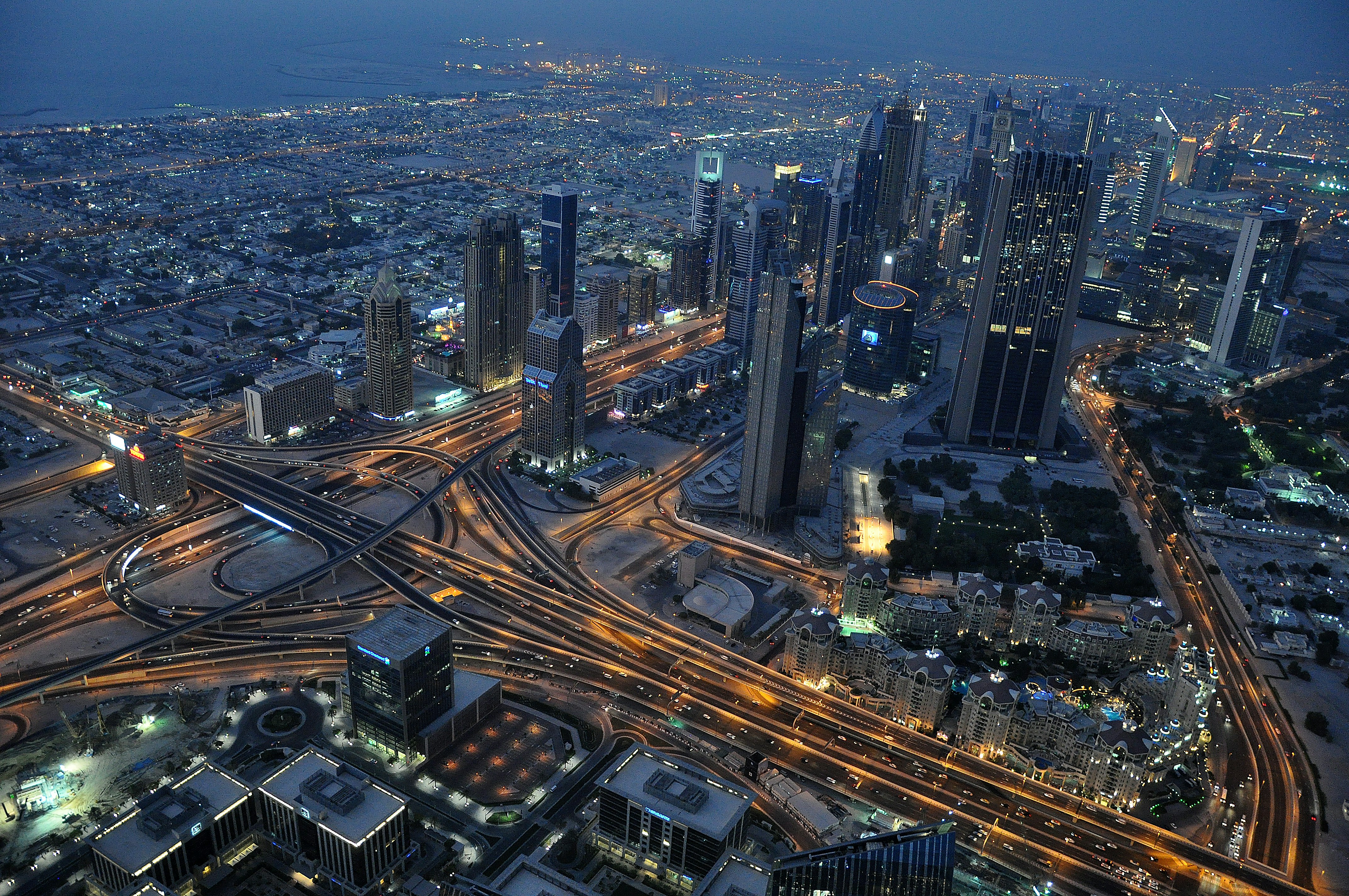
Dubai is the obvious first stop, and for good reason. As the largest city in the UAE it offers a top-tier lifestyle, modern infrastructure and an active property market, and it functions as a hub for business, finance, tourism and entertainment. That combination is why so many expats land here.
Lifestyle. Luxury malls, fine dining, beach resorts and landmarks like the Burj Khalifa, Dubai Marina and Palm Jumeirah. Add a mixed population, an active night scene and sun year-round.
Top neighbourhoods and 2024 rents:
| Neighbourhood | Typical annual rent | Notes |
|---|---|---|
| Dubai Marina | AED 70,000 to AED 120,000 (1-bed) | Waterfront living, luxury apartment stock, restaurants and cafes on the doorstep |
| Downtown Dubai | AED 90,000 to AED 160,000 (1-bed) | Home to Burj Khalifa and Dubai Mall; the city’s most prime address |
| Jumeirah | AED 120,000 to AED 350,000 | Luxury villas near the beach; range depends on the property |
| Dubai Hills Estate | AED 180,000 to AED 350,000 (villa) | Family community with parks, schools and shopping nearby |
Market trend. The rental market was set for growth in 2024, with strong demand in prime spots like Dubai Marina, Downtown and Dubai Hills Estate. Rents rose a modest 2 to 4% in 2023 and remain relatively affordable next to other global cities.
Abu Dhabi
Abu Dhabi, the capital, is the calmer option. Where Dubai is cosmopolitan and fast, the capital leans into culture and family life at a gentler pace.
Lifestyle. Strong beaches, cultural landmarks like the Louvre Abu Dhabi and the Sheikh Zayed Grand Mosque, and a slower rhythm. Water sports, desert safaris and golf fill the leisure side.
Top neighbourhoods and rents:
| Neighbourhood | Typical annual rent | Notes |
|---|---|---|
| Saadiyat Island | AED 250,000 to AED 450,000 (villa) | Luxury developments beside the cultural landmarks; one of the most prime areas |
| Al Reem Island | AED 80,000 to AED 140,000 (2-bed) | Modern waterfront community, popular with families and young professionals |
| Corniche Area | AED 90,000 to AED 160,000 (1-bed) | Luxury apartments with Arabian Gulf views |
Market trend. Steady growth, particularly in high-end property. Government moves to improve the city’s lifestyle offering have lifted demand in areas like Saadiyat Island and Al Reem Island.
Sharjah
If the priority is affordability without giving up a family-friendly setting, Sharjah is the answer. It does not match Dubai or Abu Dhabi on luxury, but for expat families after more reasonable housing it holds up well.
Lifestyle. A mix of cultural heritage, family facilities and a relaxed feel. The emirate is known for its art scene, with plenty of museums and galleries, plus public parks and beaches.
Top neighbourhoods and rents:
| Neighbourhood | Typical annual rent | Notes |
|---|---|---|
| Al Zahia | AED 70,000 to AED 120,000 (3-bed villa) | Family community with modern villas and townhouses, near schools, malls and parks |
| Al Majaz | AED 45,000 to AED 85,000 (2-bed) | Mix of residential and commercial, from affordable apartments to luxury homes |
Market trend. Sharjah stays more affordable than its neighbours, which keeps it popular with families watching the budget. In 2024 rents stabilised and more people chose Sharjah for the lower cost of living.
If you want the full process for buying into these areas, these guides walk through it:
- The UK Investor’s Guide to Buying Property in Dubai
- The US Investor’s Guide to Buying Property in Dubai
- The Canadian Investor’s Guide to Buying Property in Dubai
Which one is right for you
It comes down to how you want to live and what you want to spend. If you want the cosmopolitan, fast-paced version with top-tier amenities, Dubai is the pick, and it works for professionals and families both. If you would rather have the same quality at a calmer pace, with more culture and a capital-city feel minus the hustle, Abu Dhabi is the stronger fit. And if you want a quieter, more affordable base without giving up on quality, Sharjah does that well.
Across all three, the underlying case holds: a high standard of living, real tax advantages and a stable economy. Whether you weight luxury, affordability or a family-friendly community most heavily, there is a version of the UAE that fits.