
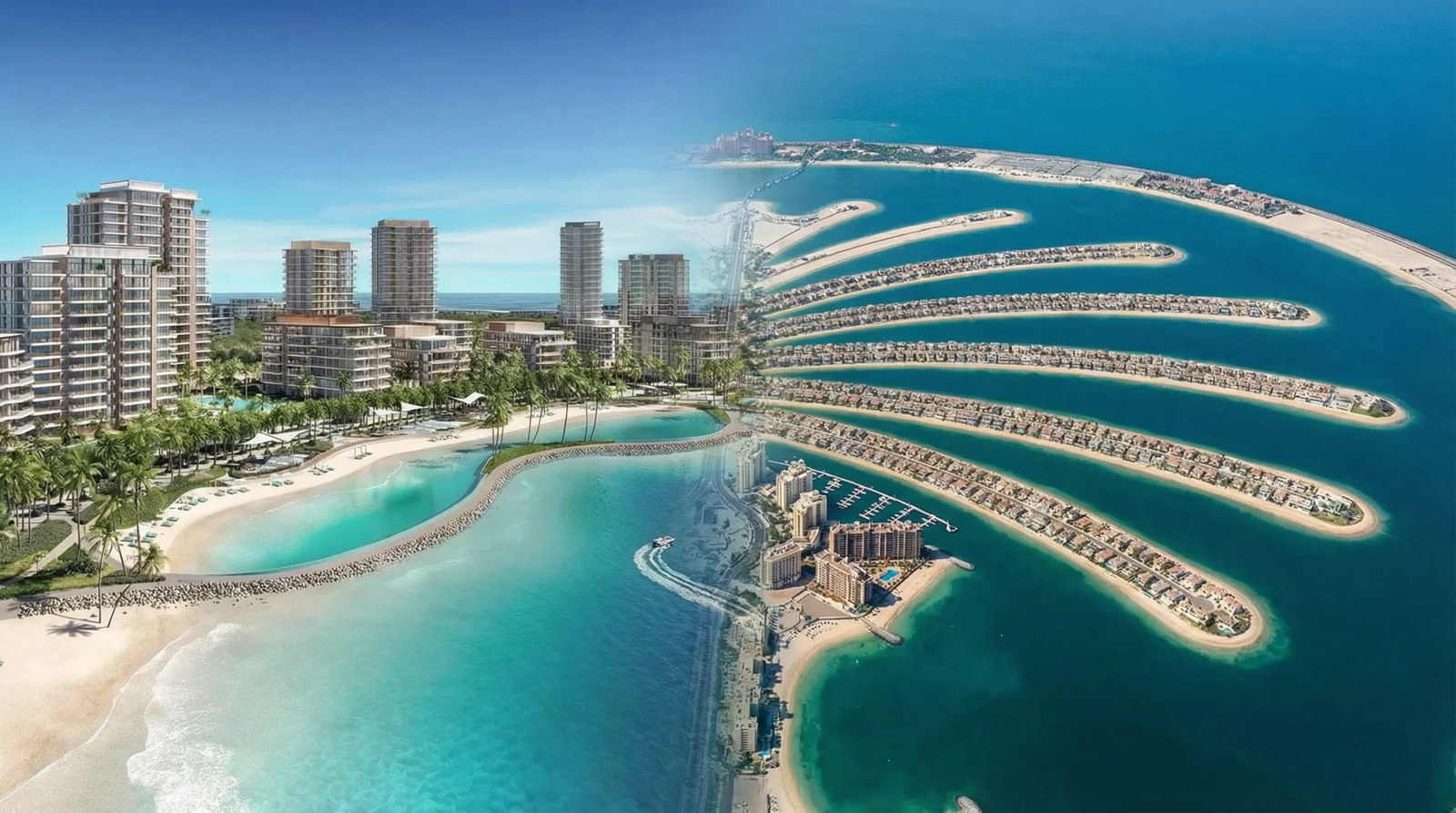
Palm Jumeirah gives you an established ultra-luxury address and income you can see today. Dubai Islands, the master development formerly called Deira Islands, gives you a newer, more accessible waterfront that is still being built out. Palm is usually the stronger call for immediate prestige, working amenities, and pricing you can benchmark. Dubai Islands is the more interesting call if you care about runway and capital appreciation over the next several years rather than certainty right now.
Dubai Islands vs Palm Jumeirah at a glance
| Factor | Palm Jumeirah | Dubai Islands |
|---|---|---|
| Market stage | Mature, fully established | Emerging, still being delivered in phases |
| Buyer appeal | Trophy buyers, end users, luxury investors | Strategic investors, early movers, growth-focused buyers |
| Lifestyle | Ready now, resorts, beach clubs, dining, branded residences | Planned mixed-use coastal lifestyle, beaches, parks, wellness, marinas |
| Price profile | Premium, high barrier to entry | More accessible waterfront entry point |
| Rental profile | Proven and operational | Promising, but still forming at area-wide level |
| Risk profile | Lower development risk | Higher execution risk, higher upside potential |
| Location feel | New Dubai luxury coastline | Closer to Old Dubai, Deira, and northern coastal regeneration |
| Best fit | Immediate luxury and stability | Long-term appreciation and earlier entry |
Why the comparison is not really luxury versus affordability
Most articles boil this down to expensive island versus cheaper island. That framing is not wrong, but it misses the point. The real choice is between certainty and runway.
Palm Jumeirah is a place buyers already understand. The address is globally known. The fronds, the trunk, the crescent, the monorail, the private beaches, the branded residences, all of it reads instantly to the market. You are not buying a concept there. You are buying into an ecosystem that already works. Nakheel describes it as a fully active residential, tourism, and leisure destination, with five-star hotels, Michelin-starred restaurants, marinas, retail, Palm West Beach, Nakheel Mall, Al Ittihad Park, and the Palm Monorail already woven into daily life.
Dubai Islands feels different. Not worse. Different.
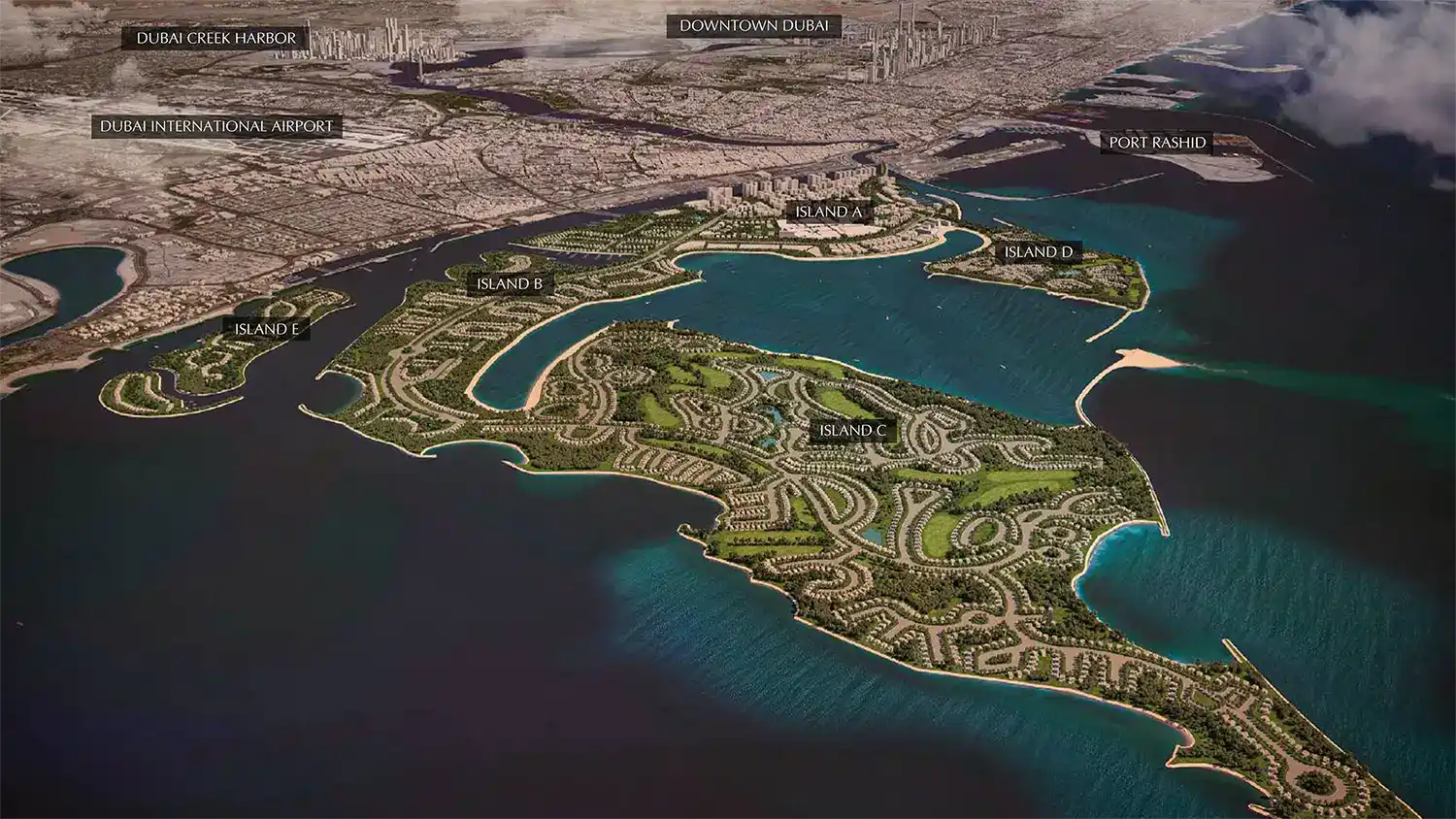
It is a five-island master development on Dubai’s northern coastline, aligned with the Dubai 2040 Urban Master Plan, and Nakheel’s positioning is clearly about future living and a larger tourism-plus-residential ecosystem. The project spans five interconnected islands, around 17 square kilometres, with over 20 kilometres of beaches, more than 80 planned resorts and hotels, parks and open space, marinas, promenades, and a wider public realm than most narrowly luxury-led island communities.
So when someone asks which one is better, the honest answer is that they are not really chasing the same buyer. Palm Jumeirah suits the person who wants an address that already carries social proof, tenant depth, operating hospitality, and resale comparables. Dubai Islands suits the person who wants to enter a master-planned coastal district before the full value stack is priced in. That distinction runs through the whole comparison, and it is the right way to frame it.
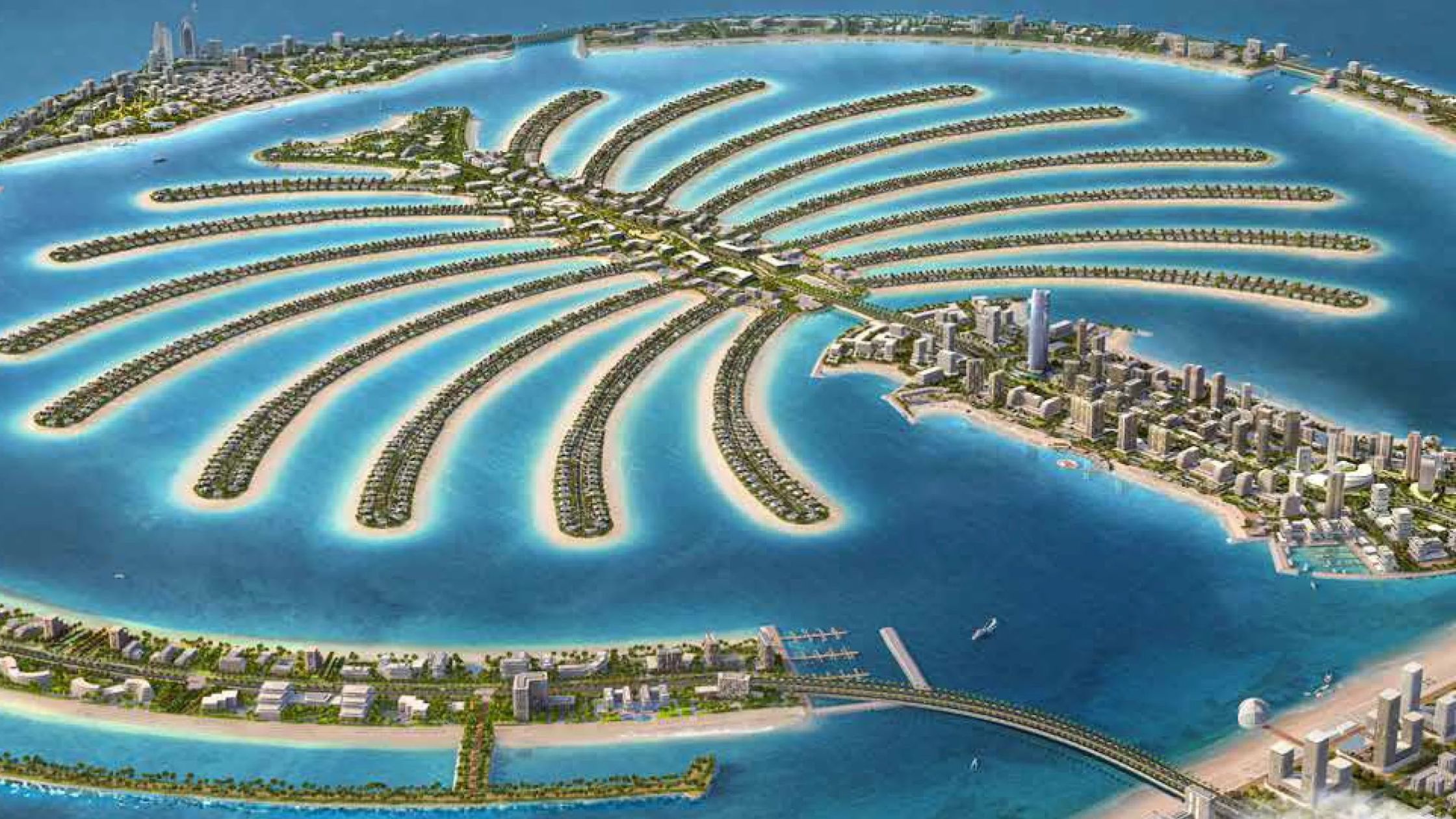
Market position: mature icon versus emerging growth story
Palm Jumeirah has already done the hard part. It has history, brand equity, and enough transactions behind it that buyers can benchmark value with confidence. Market commentary keeps putting it in the stability, liquidity, and immediate usability bucket, which is fair. It is not cheap, but it is legible. You know what you are buying into.
Dubai Islands sits almost on the opposite side of that. It is not yet defined by transaction history to the same degree. It is defined by master-plan logic. That can be powerful, and it can also test your patience. Nakheel’s vision is broader than a single prestige enclave: an interconnected waterfront destination with residential, hospitality, cultural, wellness, and leisure components. The upside there is not one building performing well. It is the whole district maturing. A buyer is underwriting a destination thesis, not just a unit. Exciting for some investors, too open-ended for others.
Location and connectivity
Location is another place where the lazy comparison falls apart. Palm Jumeirah sits inside Dubai’s established luxury coastal corridor. That matters for end users, short-stay operators, and anyone who wants to stay close to Dubai Marina, Media City, JBR, and the Sheikh Zayed Road spine. Nakheel points to anchors such as Nakheel Mall, Palm West Beach, Al Ittihad Park, The View at The Palm, and the Palm Monorail. The area feels operational because it is.
Dubai Islands sits off the coast of Deira and northern Dubai. Nakheel frames it as close to the city but still feeling separate from it, reached by road and sea, with the Infinity Bridge connection and proximity to Dubai International Airport, Dubai Creek, Jumeirah, and Downtown. That geography is genuinely interesting. It is not trying to copy Palm Jumeirah. It is building a large-scale waterfront district tied to older commercial Dubai as well as the wider city. For buyers thinking about northern Dubai and airport access, it can end up feeling more strategic than they first assume.
Lifestyle: immediate polish or future breadth
Palm Jumeirah sells a lifestyle that already exists, and that is its biggest strength. Beach clubs are running. Hotels are operating. Dining is not theoretical. You can walk the asset, study the building, compare views, and understand the neighbourhood almost instantly.
Dubai Islands is a horizon play. The vision leans into beaches, open space, wellness, marinas, family elements, resorts, and a broad public realm. Some coverage describes it as calmer, more spacious, and more future-focused than Palm Jumeirah, which reads about right. I would still be careful with polished claims here. Lifestyle value on Dubai Islands will strengthen as phases complete, which is the whole point, but it also means you should judge each launch against what will be delivered around it, not just inside it.
Palm Jumeirah was born when Dubai first exploded onto the world stage. Dubai Islands is the next chapter.
Pricing and entry point
Price is usually where this conversation gets narrowed down fast. Palm Jumeirah sits in Dubai’s premium waterfront bracket, and that shows up in live market data, not just brand perception. Property Finder’s current Palm Jumeirah transaction pages show a community rental yield around 5%, with recent deals still printing at very high price per square foot, including several off-plan transactions above AED 4,700 per sq ft and even above AED 6,100 per sq ft in late March 2026. Entry is expensive, and buyers are paying for a globally recognised address with proven demand.
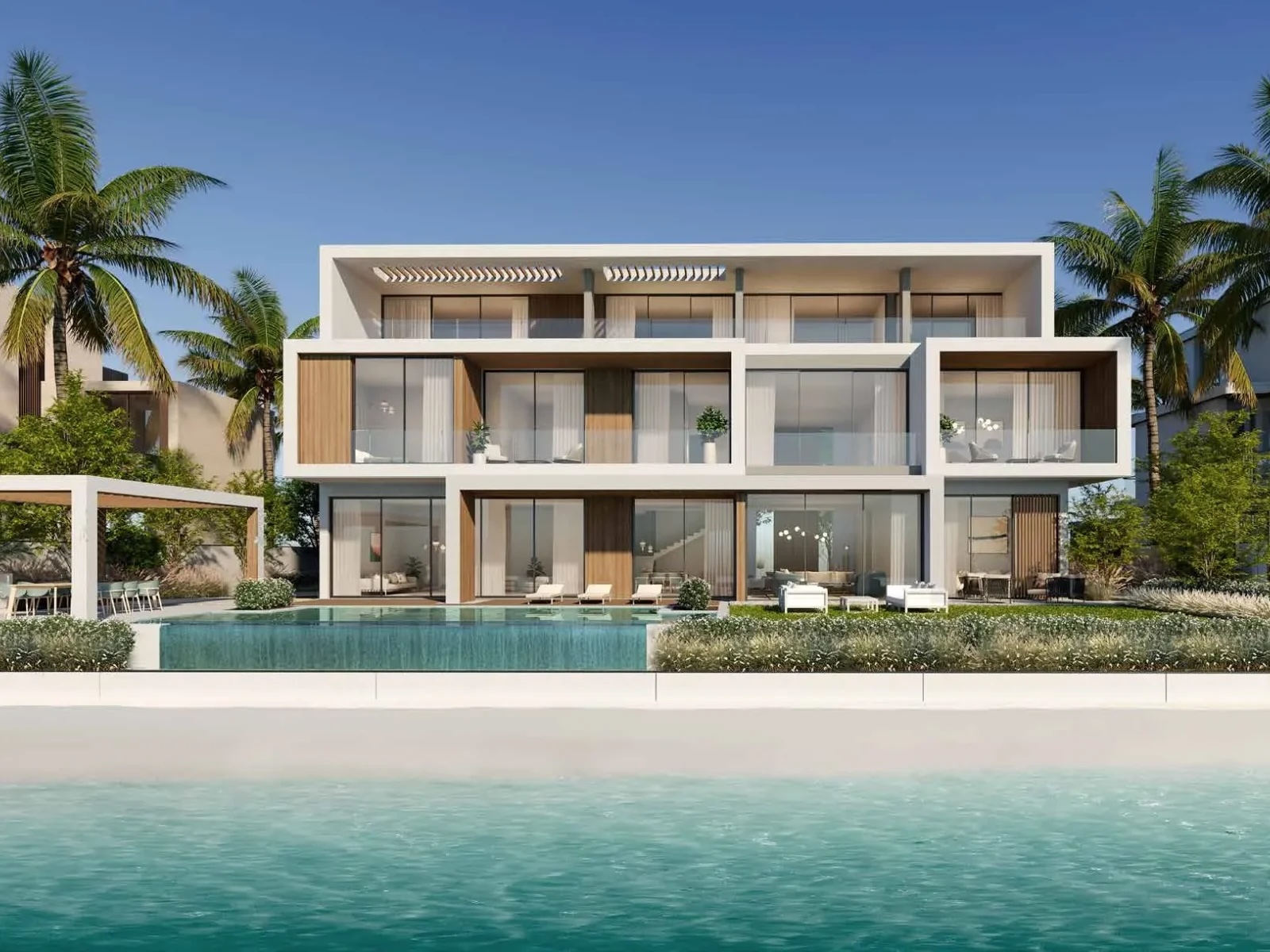
Dubai Islands is still at the stage where pricing is being shaped by launches, infrastructure rollout, and the area finding its shape. Property Finder currently describes it as largely driven by new developments and off-plan launches, with average asking values around AED 3.3 million and average price per sq ft at roughly AED 2,514. That is not cheap in any meaningful Dubai waterfront sense, but it is a more accessible entry point than Palm Jumeirah for buyers who want coastal exposure without paying full maturity pricing on day one.
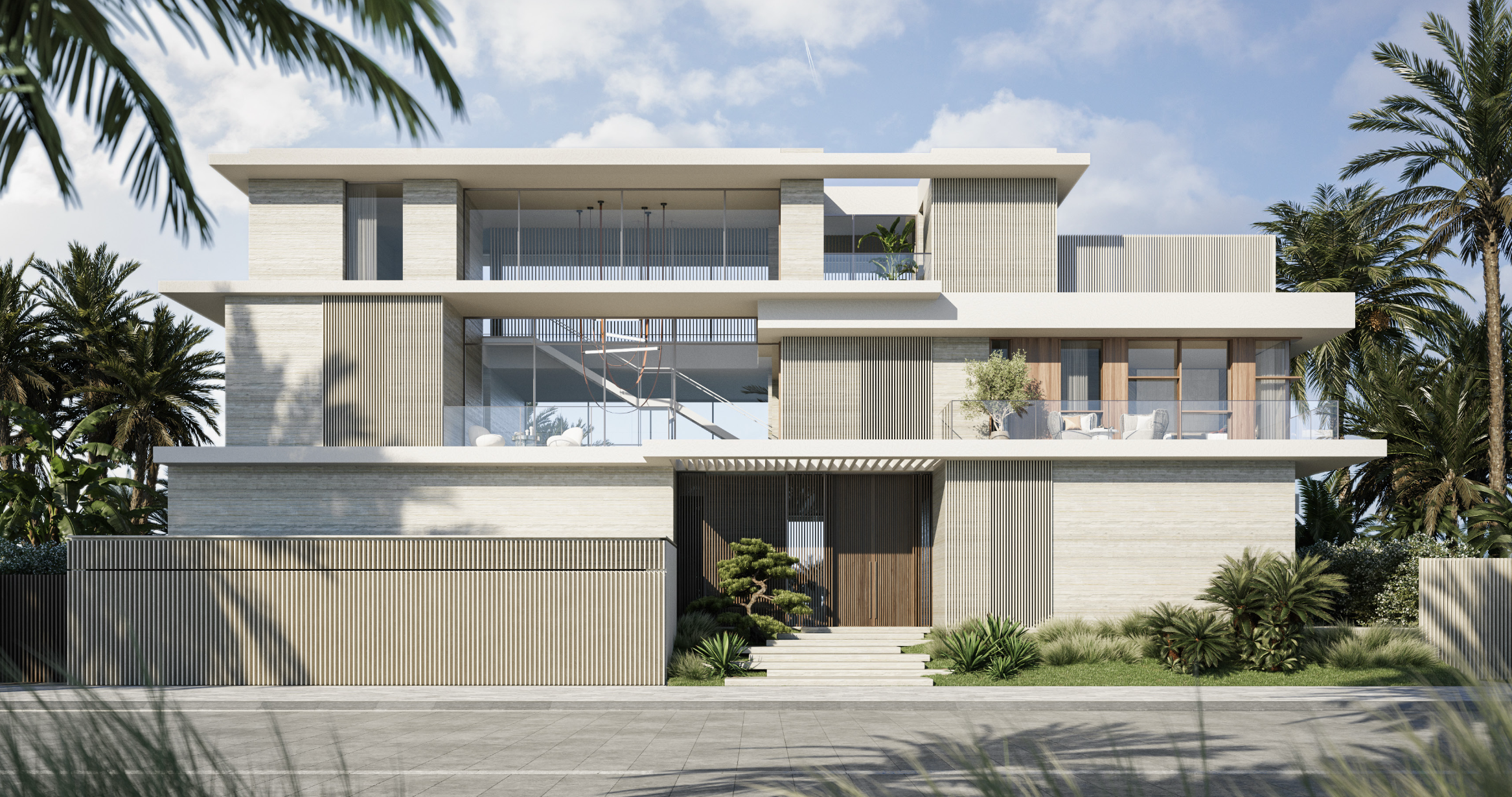
The gap matters because two investors can both say they want waterfront in Dubai and mean very different things. One wants capital parked in an address the market already reveres. The other wants to buy into a district before the surrounding ecosystem is fully priced. Palm Jumeirah is usually the first conversation. Dubai Islands is often the second, and sometimes the smarter one, just less obvious.
Pricing comparison
| Factor | Palm Jumeirah | Dubai Islands |
|---|---|---|
| Entry pricing | Higher, premium luxury threshold | Lower relative waterfront entry point |
| Market status | Mature pricing, clearer benchmarks | Emerging pricing, more influenced by launch cycle |
| Product mix | Ready luxury, resale, ultra-prime, branded stock | Mostly new launch and off-plan led supply |
| Buyer advantage | More price transparency and comparables | Better chance to capture district repricing over time |
| Main trade-off | Higher capital outlay | Greater development and timing risk |
Rental yield and income profile
This is where the “high ROI” shorthand gets used too casually, so it is worth being precise. Palm Jumeirah has a clearer income profile today than almost anywhere else on Dubai’s waterfront. DXBInteract data puts the community’s rental yield at 7%, stronger than the lower-to-mid yield band Engel & Völkers attributed to prime communities like Palm Jumeirah when benchmarked against Dubai’s highest-yielding mid-market zones. That gap is worth attention. At a median price of AED 6,410,000 and a median AED 5,100 per sqft, the Palm is producing a yield figure that challenges the assumption that trophy addresses always compress returns.
An asset can carry one of Dubai’s highest price-per-sq-ft figures and still produce a 7% yield when the underlying rental demand is deep enough. Palm Jumeirah appears to be doing exactly that, supported by resilient luxury demand, short-stay flexibility in the right units, and a leasing market that has been operational long enough to price itself efficiently. For income-focused buyers, that mix of prestige and yield is harder to find than most comparison pieces suggest. And even where the address premium does compress the percentage, it supports liquidity, prestige demand, and strong absolute rental values, which for many overseas buyers matters more than squeezing out an extra point on paper.
Dubai Islands is more prospective on income. The current sales market is still heavily off-plan, and many project pages are marketed around future rental demand tied to waterfront living, tourism, and the wider mixed-use plan. Property Finder’s Dubai Islands listings keep framing the area around holiday-home demand, premium coastal positioning, and long-term rental potential, but that is an area thesis, not a mature, deeply traded leasing market today.
The practical read is simple. If you want income visibility now, Palm Jumeirah is the stronger answer. If you are comfortable underwriting future tenant depth and area completion, Dubai Islands may eventually offer a stronger yield-to-entry-price equation on selected stock. Plausible, not guaranteed. Good underwriting treats it that way.
Capital appreciation: where is the bigger runway?
If I had to put the appreciation case in one line: Palm Jumeirah has already appreciated into its status, while Dubai Islands is still building toward it.
Palm Jumeirah’s strength is scarcity inside a mature ultra-prime ecosystem. Limited beachfront stock, global name recognition, continued branded launches, and a deeply established hospitality environment all support long-term pricing. New stock on the Palm still commands extremely high prices, which tells you the address keeps its pricing power. That does not mean appreciation stops. It means the upside works off a much higher base.
Dubai Islands has the more obvious appreciation narrative because the district is earlier in its lifecycle. Nakheel’s positioning is large-scale and long-horizon: five islands, roughly 17 square kilometres, more than 20 kilometres of beaches, over 80 planned resorts and hotels, and a broad leisure and residential programme tied to Dubai’s long-term urban planning. If that ecosystem matures as intended, early buyers may benefit from the repricing that tends to arrive when a location shifts from concept to functioning destination.
That is why the appreciation case for Dubai Islands sounds stronger in comparative content, and directionally it probably is stronger. But bigger upside comes with more moving parts: launch timing, handover quality, surrounding infrastructure, operator execution, absorption. Buyers who read only the upside story usually miss that half of the equation.
Dubai Islands to 2030: price forecast, yields, and the real risks investors should actually watch
Density and community feel
Density is a useful lens if you handle it carefully. Palm Jumeirah is spatially iconic but operationally compact. Its trunk, fronds, and crescent create a concentrated, legible island where leisure, residential, and hospitality uses sit close together. Property Finder’s comparison coverage describes the Palm as compact and clearly defined, with a concentrated lifestyle ecosystem that lowers destination risk because the island is already complete.
Dubai Islands is broader in concept: a five-island district with beaches, marinas, resorts, parks, and mixed-use programming spread across a much larger canvas. That supports the idea of a more spacious and diversified coastal destination, especially over time.
Comparisons often show Dubai Islands designed for more open space and greater spread, while Palm Jumeirah reads as more crowded and built up.
Who should buy which
Choose Palm Jumeirah if:
- You want immediate luxury, not future luxury.
- You value global address recognition and resale familiarity.
- You want a more proven rental market and lower destination risk.
- You are comfortable paying a premium for certainty, prestige, and operating amenities.
Choose Dubai Islands if:
- You want earlier entry into a major waterfront growth corridor.
- You are more focused on medium-to-long-term capital appreciation than immediate income certainty.
- You like the idea of a broader tourism-residential ecosystem rather than a single concentrated luxury island.
- You are comfortable underwriting future area maturation, not just present-day convenience.
Buyer fit
| Buyer type | Better fit |
|---|---|
| Trophy address buyer | Palm Jumeirah |
| Immediate rental income buyer | Palm Jumeirah |
| Long-term capital growth investor | Dubai Islands |
| Off-plan strategist | Dubai Islands |
| Lifestyle-led luxury end user | Palm Jumeirah |
| Early-cycle waterfront investor | Dubai Islands |
That is the heart of it. Palm Jumeirah is a finished statement. Dubai Islands is a developing thesis.
Final verdict: which one is actually better?
The clearest way to say it, without turning it into sales copy: Palm Jumeirah is better for immediate certainty. Dubai Islands is better for long-term upside, for the right buyer. Palm Jumeirah is already a finished global waterfront address with operating hospitality, active resale and rental markets, and a level of brand recognition very few Dubai communities can match. Dubai Islands is a five-island coastal master plan still moving through its growth phase, built around beaches, resorts, mixed-use living, and Dubai’s longer-term expansion.
So Palm Jumeirah usually wins for buyers who care about immediate luxury, easier benchmarking, rental visibility, and lower execution risk. Dubai Islands usually wins for buyers who care more about entering earlier, paying less than Palm-level pricing, and positioning for district-wide appreciation as infrastructure, hospitality, and residential absorption mature.
Final decision
| Your priority | Better choice | Why |
|---|---|---|
| Immediate luxury lifestyle | Palm Jumeirah | Fully established, ready-now ecosystem |
| Stronger resale familiarity | Palm Jumeirah | Deeper market history and buyer recognition |
| Immediate rental visibility | Palm Jumeirah | More mature leasing and hospitality demand |
| Lower waterfront entry point | Dubai Islands | More accessible than Palm Jumeirah |
| Long-term capital appreciation | Dubai Islands | Earlier in the growth cycle |
| Off-plan strategy | Dubai Islands | More launch-led supply and future district repricing |
| Wider master plan ambition | Dubai Islands | Five-island mixed-use coastal vision |
My own editorial view: Palm Jumeirah is the easier recommendation, but Dubai Islands may be the more interesting one. Easier and more interesting are not the same thing. For conservative capital, Palm usually makes more sense. For strategic capital with patience, Dubai Islands has the stronger runway.
Frequently asked questions
Is Dubai Islands better than Palm Jumeirah for investment?
Not universally. Dubai Islands may offer stronger capital appreciation potential because it is earlier in its development cycle and still being shaped as a destination. Palm Jumeirah offers more pricing transparency, a more mature ecosystem, and stronger immediate certainty. The better investment depends on whether the buyer values stability or runway more.
Is Palm Jumeirah better for rental income?
In most cases, yes, especially today. Palm Jumeirah already has operating hotels, branded residences, beach clubs, established short-term and long-term demand, and clearer market data. Dubai Islands may develop attractive rental economics over time, but Palm is the more proven income market right now.
Is Dubai Islands more affordable than Palm Jumeirah?
Generally, yes. Current market coverage and listing data indicate that Dubai Islands offers a lower waterfront entry point than Palm Jumeirah, which remains one of Dubai’s most premium and globally recognised coastal addresses. That lower entry point is one reason Dubai Islands appeals to growth-focused buyers.
Can foreigners buy property in both Palm Jumeirah and Dubai Islands?
Yes. Foreign nationals can own freehold property in designated areas of Dubai, and both Palm Jumeirah and Dubai Islands sit within Dubai’s foreign ownership framework as established or planned freehold waterfront destinations. The Dubai Land Department states that foreign nationals are permitted to own freehold title in designated areas.
Is Dubai Islands only for off-plan buyers?
Not only, but that is where much of the market emphasis still sits. Dubai Islands is closely associated with new launches, phased development, and master-plan-led growth, so many buyers enter through off-plan or early-cycle stock. Palm Jumeirah, by comparison, has a much deeper ready and resale market.
Is Palm Jumeirah lower risk than Dubai Islands?
Usually yes, in real estate terms. Palm Jumeirah’s risk is lower because the destination is already mature, the lifestyle is operational, and price discovery is easier. Dubai Islands carries more execution and timing risk because its full value depends on the successful build-out of the broader district over time.
Is Dubai Islands the next Palm Jumeirah?
Not exactly. It is tempting to market it that way, but the better reading is that Dubai Islands is its own coastal model. Palm Jumeirah is a compact global icon built around concentrated luxury. Dubai Islands is a broader five-island waterfront district with a more mixed-use, future-oriented, tourism-plus-residential identity. They overlap, but they are not the same urban product.
Which area is better for end users?
Palm Jumeirah is usually better for end users who want immediate lifestyle delivery, prestige, and ready amenities. Dubai Islands may suit end users who are comfortable buying into a future-facing coastal district and waiting for the area to fill in around them.
Conclusion
Palm Jumeirah and Dubai Islands are both high-profile Dubai waterfront destinations, but they serve different goals. Palm Jumeirah is stronger for immediate luxury, operational lifestyle, and proven rental and resale depth. Dubai Islands is stronger for buyers after earlier entry, lower relative waterfront pricing, and long-term appreciation tied to a large-scale coastal master plan. For most buyers, the question is not which one is better overall, but which one is better for the reason behind the purchase.