

The single biggest reason my clients buy in Dubai is that the money they make stays theirs. No property tax, no capital gains tax, no inheritance tax. In New York, Paris, or Singapore the state takes a slice at every stage. Here it does not. That one fact reshapes the maths on every deal, whether you are collecting rent or planning to sell down the line.
What the tax-free structure actually means for you
Take a simple case. You buy at AED 3 million and sell years later at AED 6 million. The full AED 3 million profit is yours, with nothing deducted for capital gains. That is why short-term flipping has a following here that it does not have in most mature markets, and why long-term holders keep more of their appreciation than they would almost anywhere else.
The inheritance side matters just as much for families and anyone thinking about legacy. In much of the world, passing property to your children comes with a tax bill large enough to force a sale. In Dubai the asset moves on intact. If you are structuring wealth to hand down, that is a serious point in the city’s favour.
Larger investors can also apply for the Golden Visa. I have written the full walkthrough here: Dubai Investor Visa Blueprint: How to Secure Dubai Residency through Property Ownership.
Rental yields other cities cannot match
If your priority is income, Dubai is hard to beat. Average rental yields sit between 5 and 7 percent depending on location, and in some pockets higher. London and Hong Kong often land at 2 to 3 percent. That gap is the whole reason capital keeps moving here.
Downtown Dubai, Dubai Marina, and Palm Jumeirah are the reliable performers. They pull expats, tourists, and business professionals year-round, so tenant demand rarely thins out.

Millions of tourists and expats arrive every year, and that flow keeps the rental market full. Own a well-located unit in one of these districts and finding a tenant is rarely the problem.
Prices grow, and the market recovers
Dubai property is not just steady, it appreciates. The market has repeatedly recovered from downturns and gone on to post real gains. In 2021, prices climbed more than 18 percent as the city came back post-pandemic.

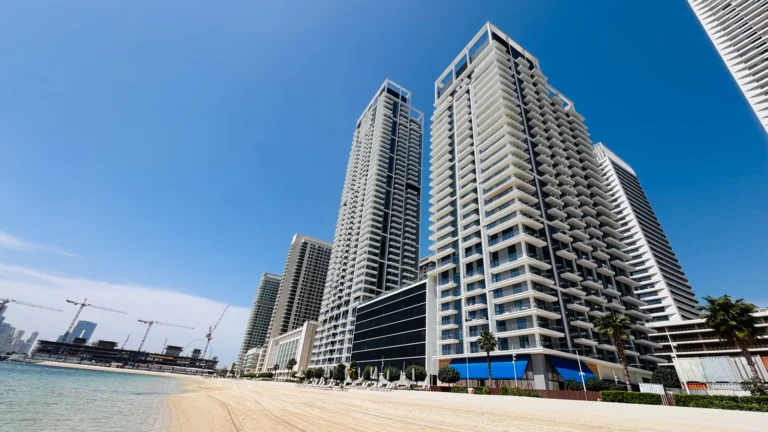
Palm Jumeirah with its beachfront villas, Dubai Marina with its skyline, and Downtown Dubai around the Burj Khalifa all hold consistent demand. With projects like Dubai Creek Harbour and new waterfront developments still in the pipeline, there is room for the growth to continue.
The legal framework is built for the buyer
Dubai’s system is designed to give investors confidence. Freehold laws let foreign nationals buy, sell, and fully own property in designated areas with no restrictions, which is rare. Many countries put heavy limits on foreign ownership. Here you own outright.
The Dubai Land Department keeps transactions transparent and the registration process clean and efficient, with protections built in for both sides of a deal. The regulations are updated regularly to stay in line with international standards.
Then there is the Golden Visa, running since 2019. Invest AED 2 million or more in real estate and you secure a 10-year residency visa with family sponsorship, banking and business access, and the right to settle in the city. For many buyers that residency is worth as much as the yield.
The lifestyle is part of the return
Living here is its own draw. Views of the Burj Khalifa, a pool downstairs, and dining that runs from casual to Michelin-starred. Homes in Palm Jumeirah and Downtown Dubai go the full distance: private beaches, large gardens, serious gyms, and smart-home systems that run the place for you. Some come with their own marina berth.

The city itself is built for convenience. Malls like The Dubai Mall, strong healthcare, international schools, modern public transport, and safety ratings among the highest in the world. For families and professionals, that combination is a large part of why they stay once they arrive.
Location at the centre of global business
Dubai sits between Europe, Asia, and Africa, which makes it a natural base for trade and travel. Dubai International Airport is one of the busiest on the planet, with direct routes almost everywhere.
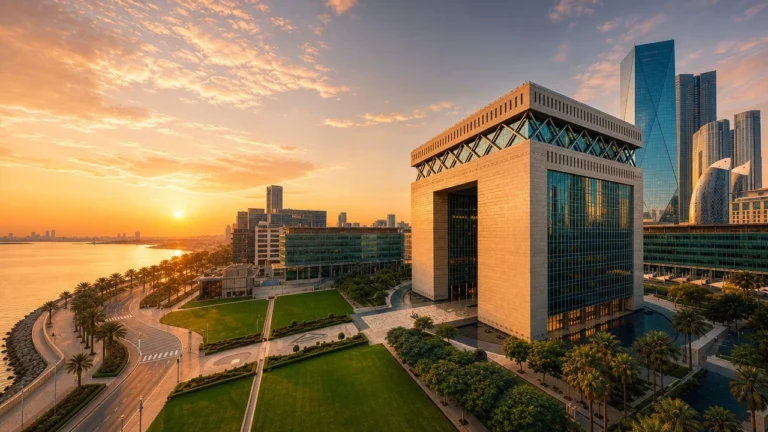
The city has used that position well. The Dubai International Financial Centre draws major companies and entrepreneurs from across the world.

A diversified economy across real estate, tourism, finance, and technology means the property market holds up better than single-sector markets when conditions tighten.
The bottom line
Put it together and the case is straightforward. No tax eroding your profit, rental returns most cities cannot touch, long-term growth, a lifestyle worth living, laws written for the buyer, and a location at the crossroads of global trade. That is a strong package by any measure.
If you want the full process for your market, start here:
The UK Investor’s Guide to Buying Property in Dubai
And if you want to talk it through, join one of our free webinars.