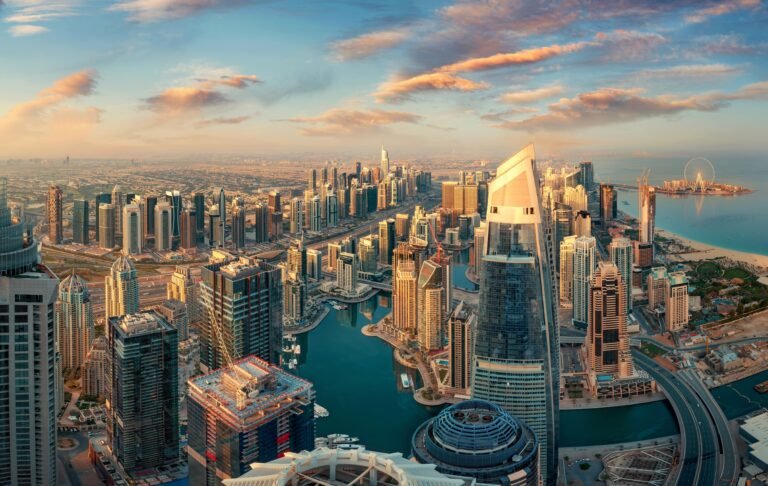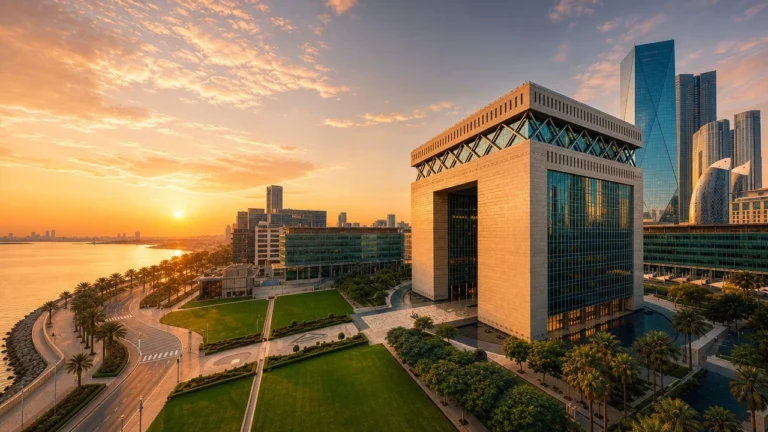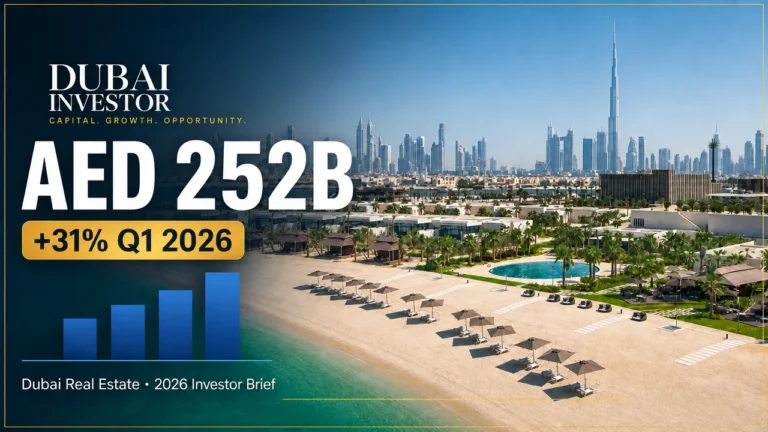

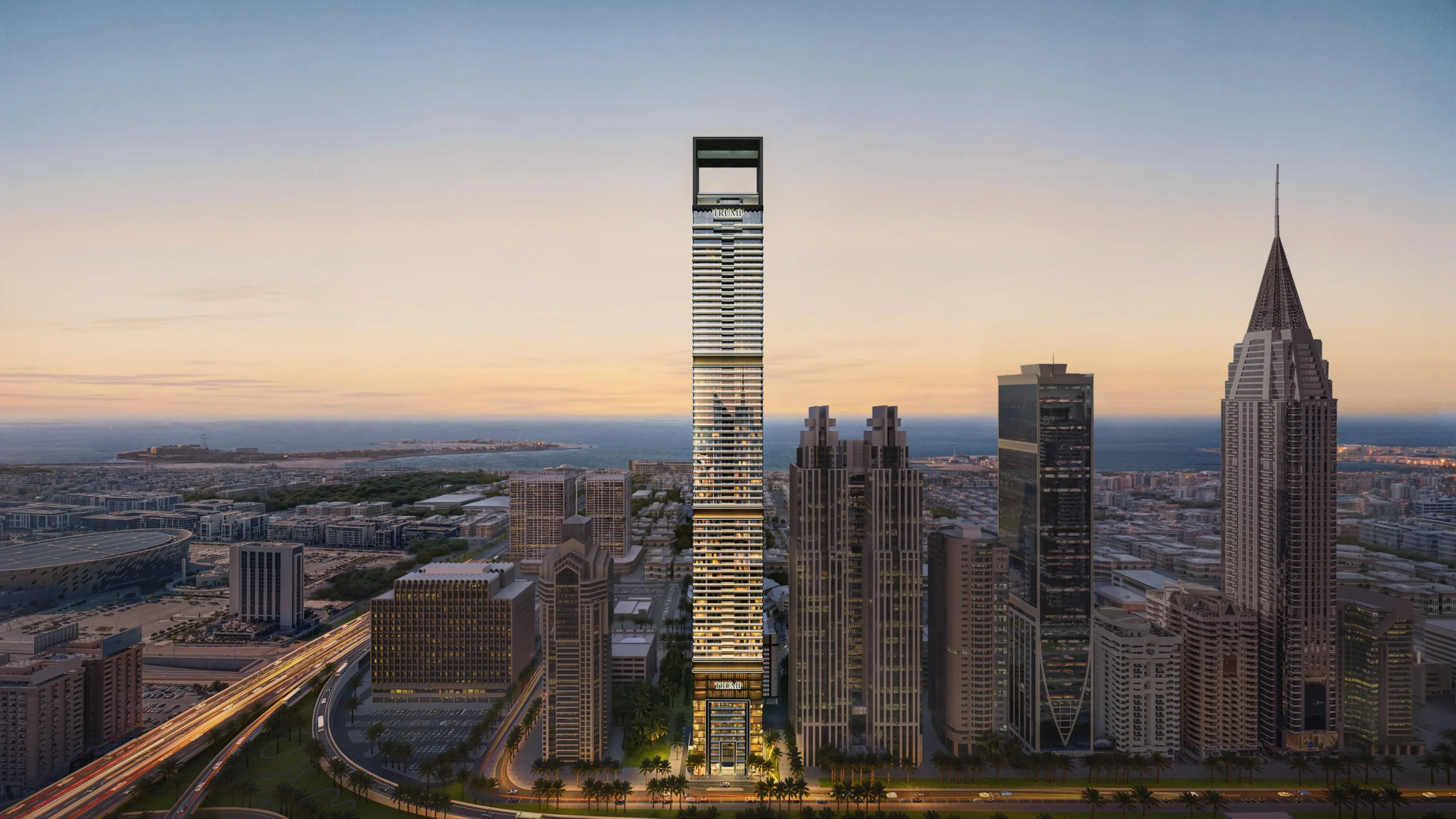
Residential prices in Dubai are up more than 33% since early 2020, and gross rental yields still land ahead of most regional markets. That combination is rare. Plenty of cities give you one or the other. What gets missed in the headline numbers is why the run has held: this is not a post-COVID bounce that ran out of road. It is the result of the emirate deliberately building an economy that does not depend on oil, and backing it with residency and ownership rules that actually bring foreign money in rather than scaring it off.
What is actually driving it
The government spent years pushing revenue away from oil and into tourism, finance, and technology. Every one of those feeds housing demand, because the people those sectors attract need somewhere to live. Two policy moves matter more than the rest. The Golden Visa hands long-term residency to investors and skilled professionals, which turns a buyer into a resident with a reason to stay. And the relaxation of foreign ownership rules lets overseas buyers hold freehold property outright in designated zones. Take those two away and the demand story looks very different.
The 2040 plan is redrawing the map
The Dubai Urban Master Plan 2040 is worth reading if you care about where prices go next. It sets out a decentralized city built around five urban centres, with more green space and better transport links between them. The practical effect is that outer communities like Arjan and Dubai South, places that used to sit off most buyers’ radar, are now pulling real demand from both renters and owners. Metro extensions and public space are following the plan. Districts that were cheap because they were inconvenient are becoming convenient, and the pricing has not fully caught up yet in some of them.
Yields and capital growth pull in different buyers
Dubai is one of the few large cities where you can still get gross yields between 5% and 9%. Studios and one-bedroom units in Jumeirah Village Circle and Business Bay throw off returns that match or beat what you would get in London or Singapore, and they cost a fraction as much to buy in. That end of the market is a yield play. The luxury communities are a different game: Palm Jumeirah and Dubai Hills Estate draw wealthier buyers chasing capital appreciation and a place to actually live, not a spreadsheet return.
Supply is the thing to watch. Around 40,000 new homes are due for delivery in 2025, and that much stock can drag prices in specific segments, especially the affordable apartment tier. The counterweight is population growth and the fact that expats are staying rather than cycling out after two years. Well-located stock with real amenities holds up. Oversupplied pockets of samey apartments do not, and it is worth knowing which you are buying into.

Sustainable and smart is becoming the baseline
Demand for energy-efficient buildings, solar integration, and genuinely eco-conscious design has moved from niche to expected. The Sustainable City proved this can be commercially viable rather than a loss-leading showcase. On the technology side, developers are building in home automation, AI security, and app-controlled everything. Younger buyers do not treat any of this as a bonus. They assume it is there, and they mark down buildings that skip it.
Why global capital keeps landing here
Dubai’s stability has shielded its property market from shocks that hit other hubs. As interest rates and inflation squeezed affordability across Western markets, capital started looking east, and the low-tax setup, transparent rules, and high liquidity here make it an easy destination to underwrite. Reports from Global Banking & Finance and Deloitte both point to a marked rise in foreign investment into Dubai property over the past year. Buyers from Europe, Russia, China, and India are not just flipping. A lot of them are moving families and preserving wealth across generations, which is patient money and tends to stabilise a market rather than froth it.
The risks nobody puts in the brochure
Overbuilding is real, particularly in the affordable apartment segment. If a district gets more units than it can absorb, you see price corrections and slower appreciation there, and the glossy launch materials will never tell you which districts those are. Global volatility and currency swings can also thin out foreign participation quickly. The counterbalance is that Dubai monitors its own market data closely, runs transparency initiatives, and has RERA as a regulator with actual teeth. That does not remove the risk. It just means you can see it coming if you look.
Where this leaves an investor
The fundamentals are strong, the reforms are real, and the range of opportunity runs from a high-net-worth buyer wanting a Palm villa to an institution assembling a rental portfolio. But the returns sit in the details: the specific district, the specific building, the timing against that 40,000-unit supply wave. Pick the sustainable stock, track which infrastructure is actually being built rather than announced, and buy where the demographics are heading. Do that and Dubai in 2025 protects capital and grows it. Ignore it and you can still lose money in a rising market.
If you want the mechanics of buying from abroad, we have walked through it by market:
- The UK Investor’s Guide to Buying Property in Dubai
- The US Investor’s Guide to Buying Property in Dubai
- The Canadian Investor’s Guide to Buying Property in Dubai
You can also join one of our webinars if you would rather ask questions live.