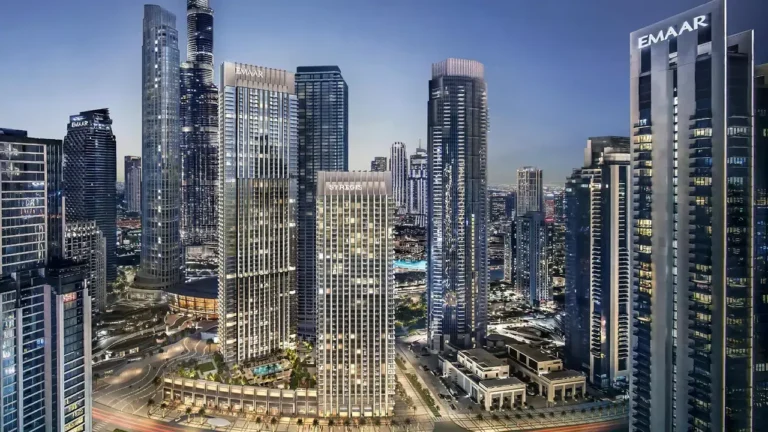

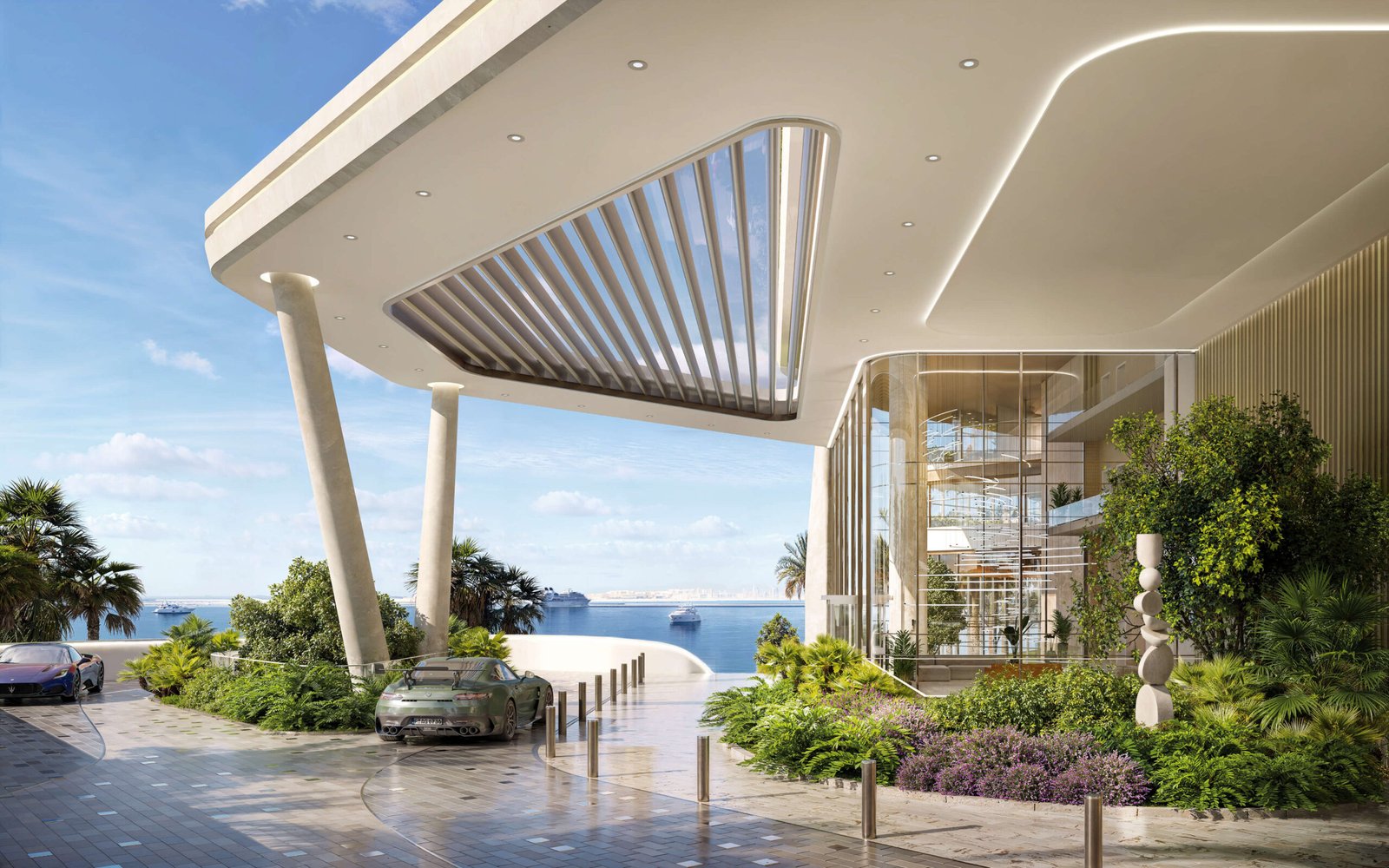
The off plan projects in Dubai worth your attention in 2026 cluster in a handful of places: Dubai Islands, Palm Jebel Ali, Dubai Maritime City, and Ghaf Woods. Not because a brochure said so. Because each has a demand story a future buyer can actually understand, a developer with the balance sheet to deliver, and the kind of scarcity that can support real appreciation over a long enough window. A doubling by 2030 is possible in the right unit. It is never a promise, and anyone who sells it as one is selling you the flyer, not the asset.
For how to actually underwrite these, see our Dubai real estate investment assignment strategy.
One Meydan option worth a look is OCTA’s Rove Home launch, priced from about AED 1.4M with a 2029 handover.
The shortlist below shifts as developers release new phases; for the full current set, browse the newest off-plan launches we track.
Market performance moves around, as the September 2026 Dubai real estate market report shows, so this guide sticks to what decides outcomes in the real world: developer delivery consistency, master plan depth, payment plan structure, resale transfer rules, and whether the unit type is still something an end user wants in 2028 or 2029. I will also flag the uncomfortable parts. Service charges. View risk. The way some “great launches” quietly become average the moment the next phase of supply lands.
Structure is simple. A shortlist you can skim in two minutes, a comparison table, deeper project breakdowns with honest pros and cons, a payment plan cheat sheet, a total cost checklist, due diligence questions, and FAQs. If you read only two sections, read the comparison table and the due diligence checklist. Those two save the most money.
- A shortlist of projects that keep coming up in serious buyer conversations
- A ranking method you can disagree with and still use
- A side by side comparison table
- A payment plan cheat sheet
- A due diligence checklist to run before you pay a reservation fee
The shortlist in one view
A small reality check first. Most “best off plan” lists are a brochure parade. I am trying not to do that. This shortlist runs on four filters: developer credibility, master plan and demand story, product type that actually resells, and whether the area has real momentum in 2026 rather than marketing noise.
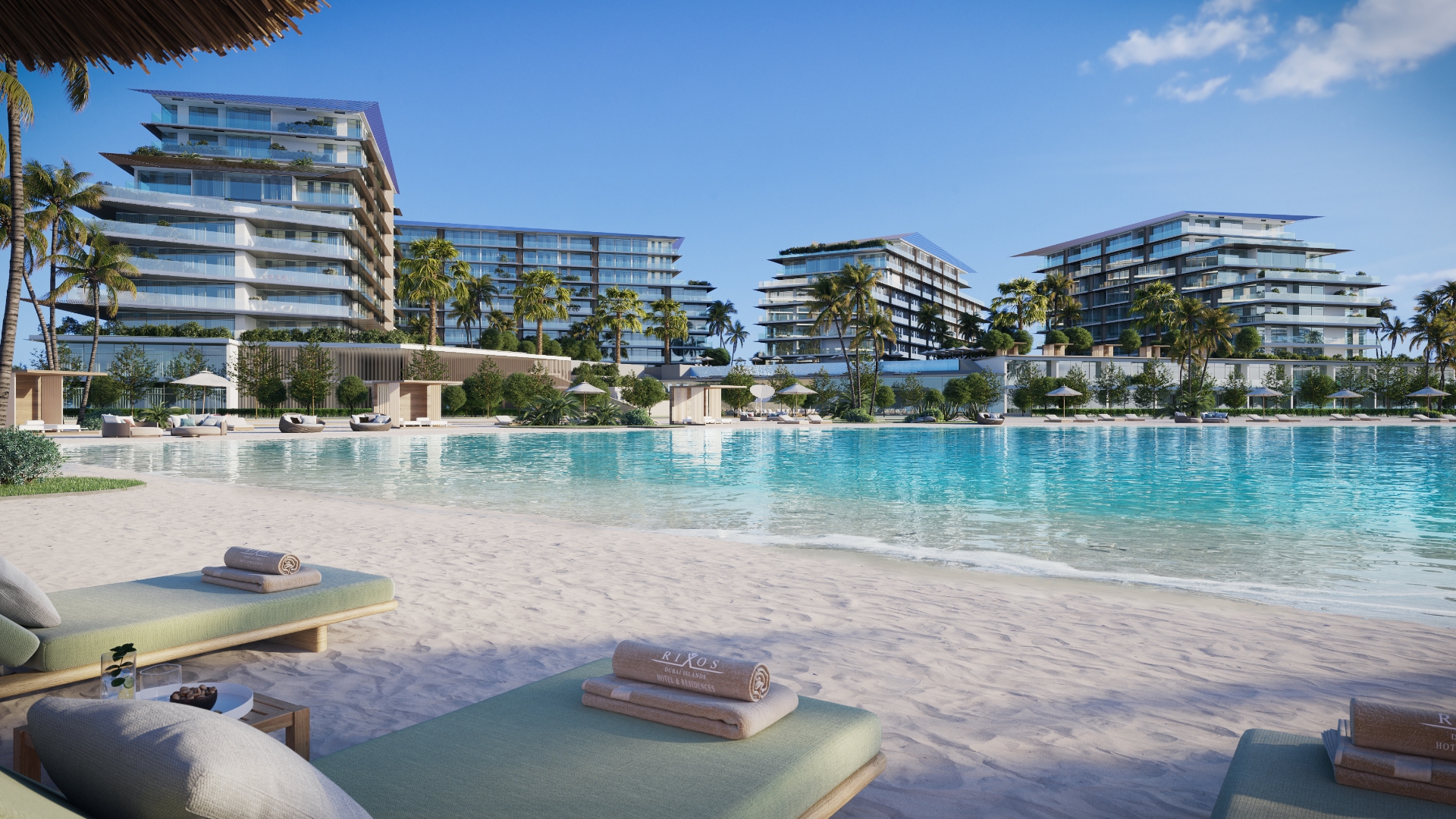
Rixos Hotel & Residences, Dubai Islands. Nakheel. Best for buyers who want branded lifestyle plus waterfront positioning. Standout reason: the first branded hospitality and residential offering on Dubai Islands. Handover window: check the live release.
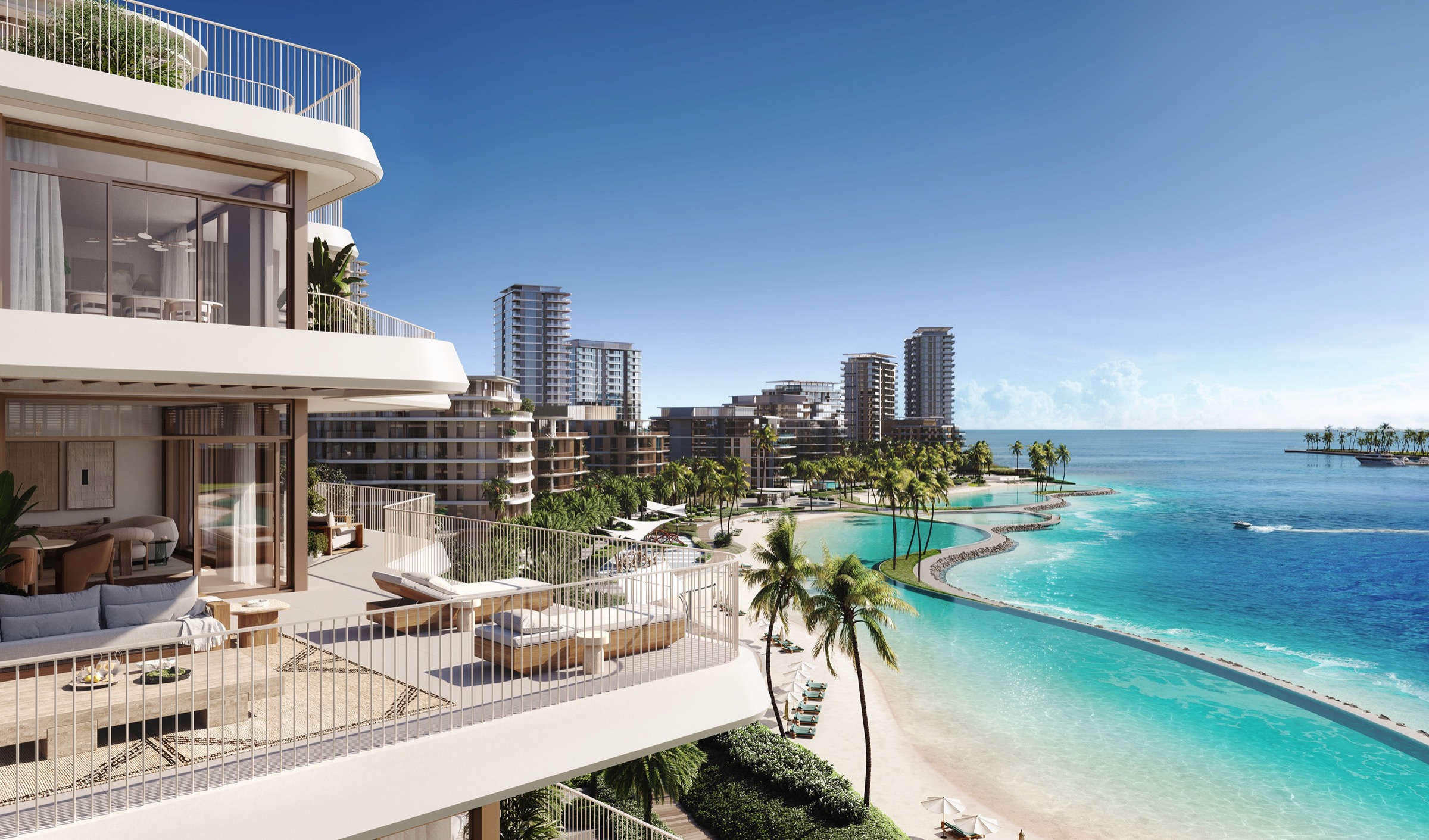
Bay Grove Residences, Dubai Islands. Nakheel. Best for end users and long-horizon investors. Standout reason: designed around nature connection, a coastal setting, and a family amenity mix.
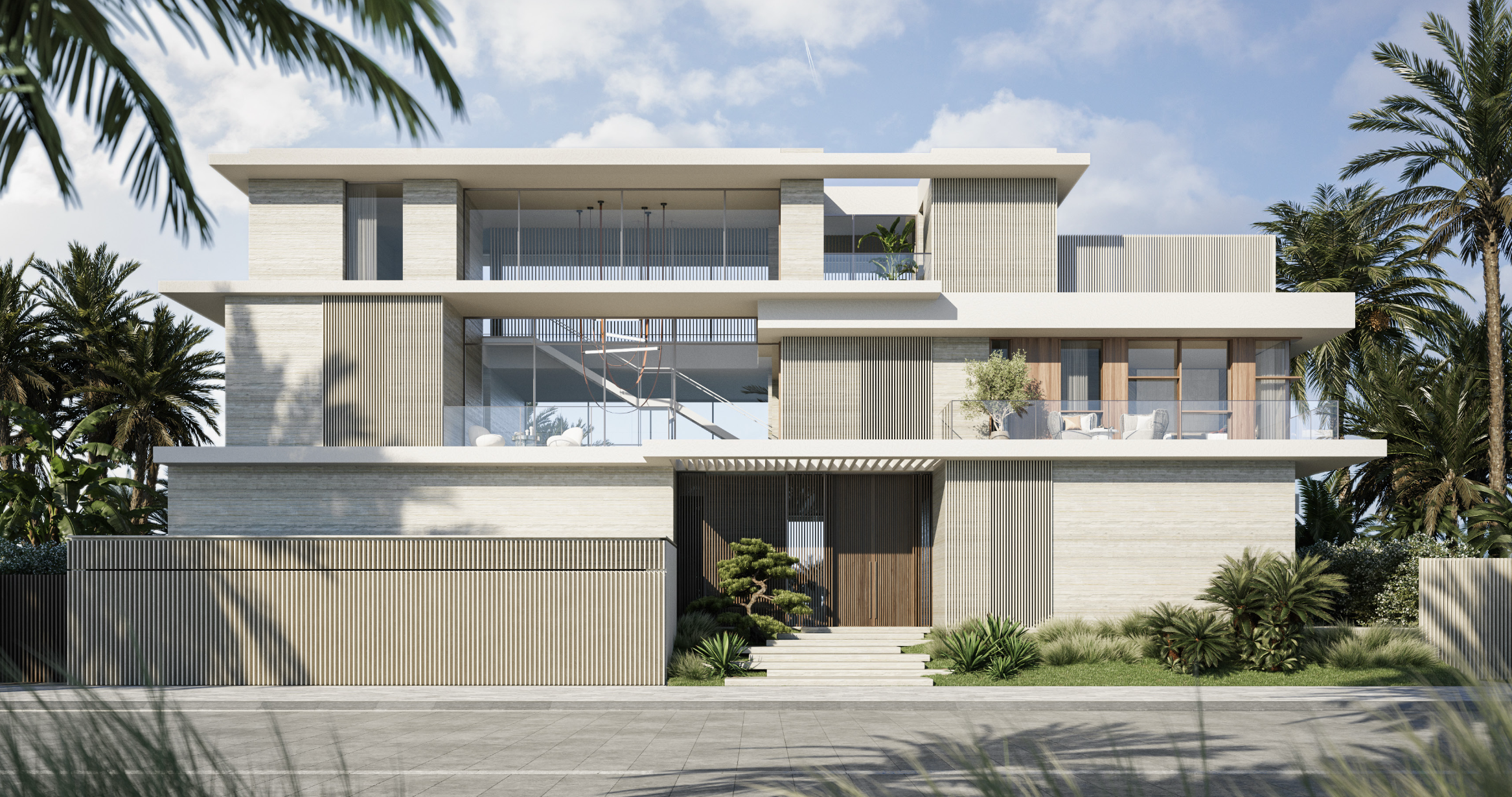
Bay Villas, Dubai Islands. Nakheel. Best for villa buyers who want lower-density island living. Standout reason: a private villa community on Island B with coastal-oriented typologies.
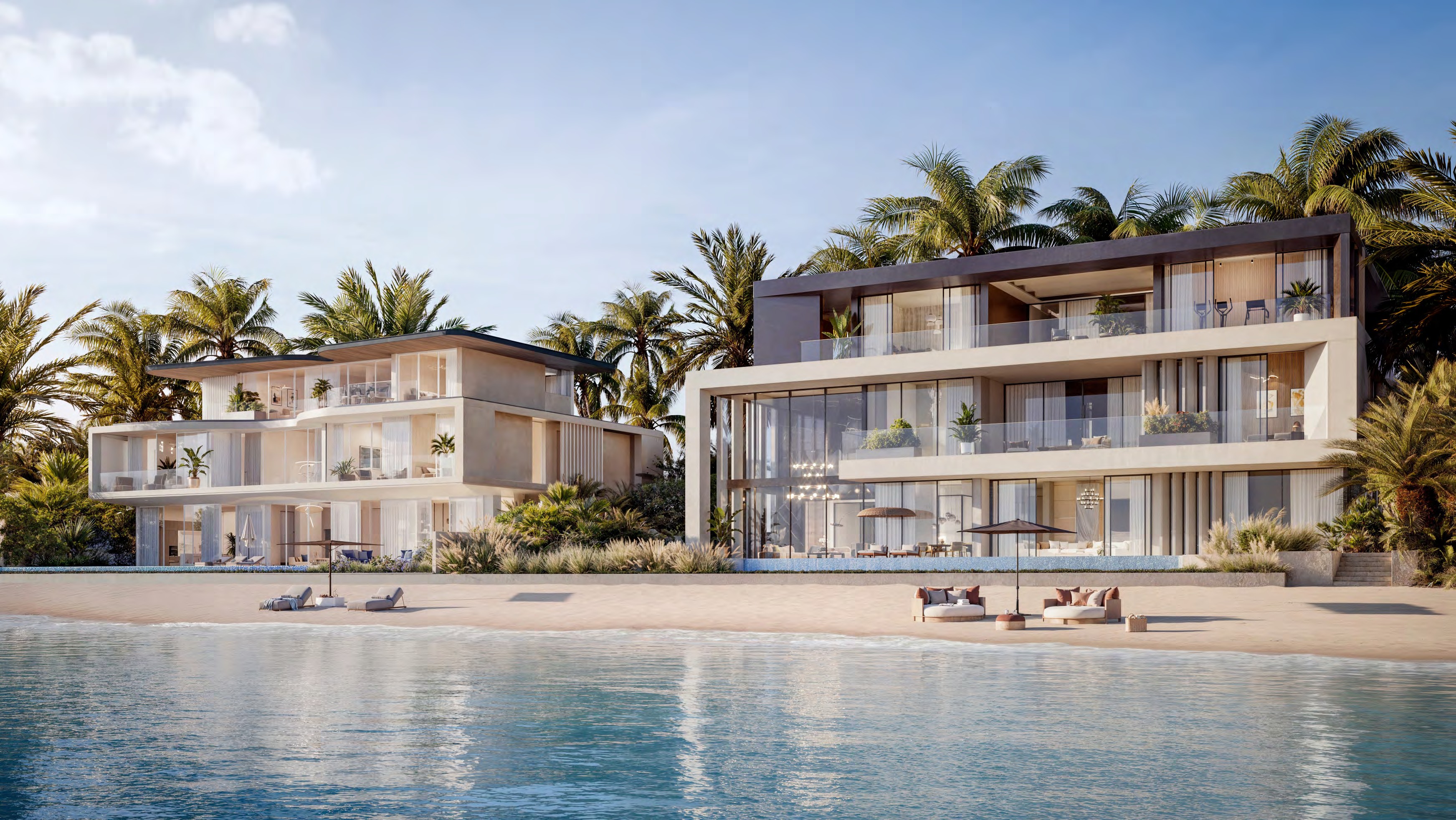
Palm Jebel Ali waterfront villa collections. Nakheel. Best for long-horizon capital appreciation. Standout reason: premium waterfront villas within the revived Palm Jebel Ali master development.
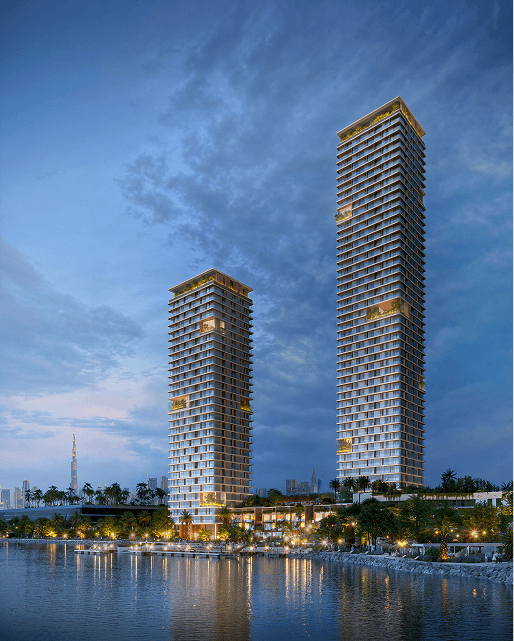
Orise, Dubai Maritime City. BEYOND (Omniyat Group). Best for luxury apartment buyers who want coastal living close to the city. Standout reason: the second Dubai Maritime City project, a broad unit mix, and a heavy design focus.
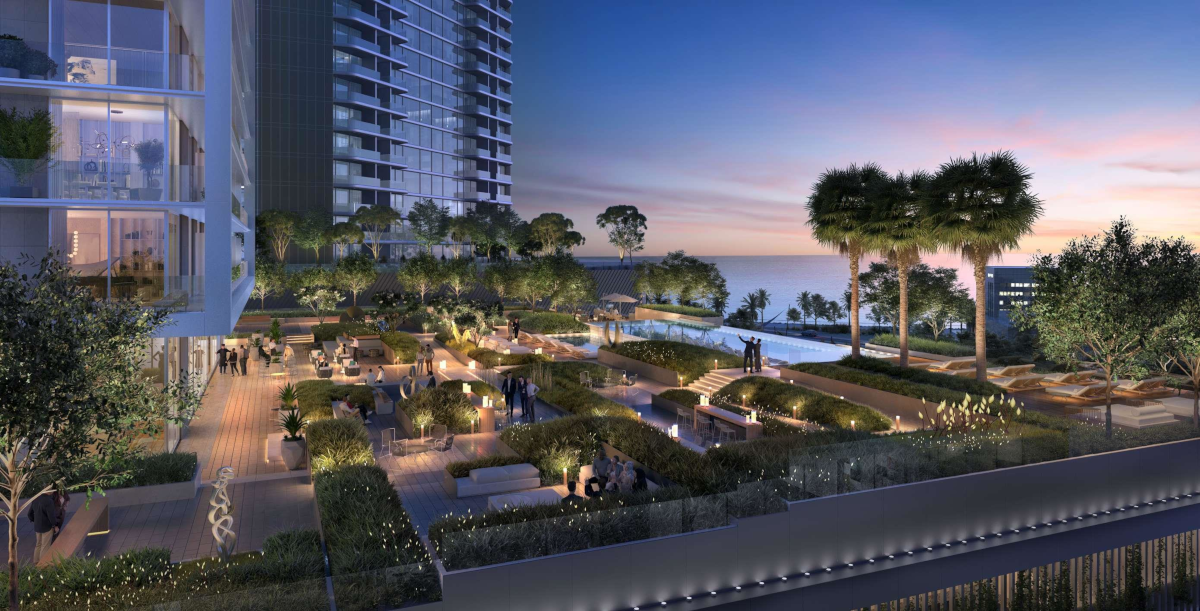
Saria, Dubai Maritime City. BEYOND. Best for buyers who want social proof. Standout reason: referenced as a sell-out preceding Orise, which matters for confidence even though you cannot buy Saria itself now.
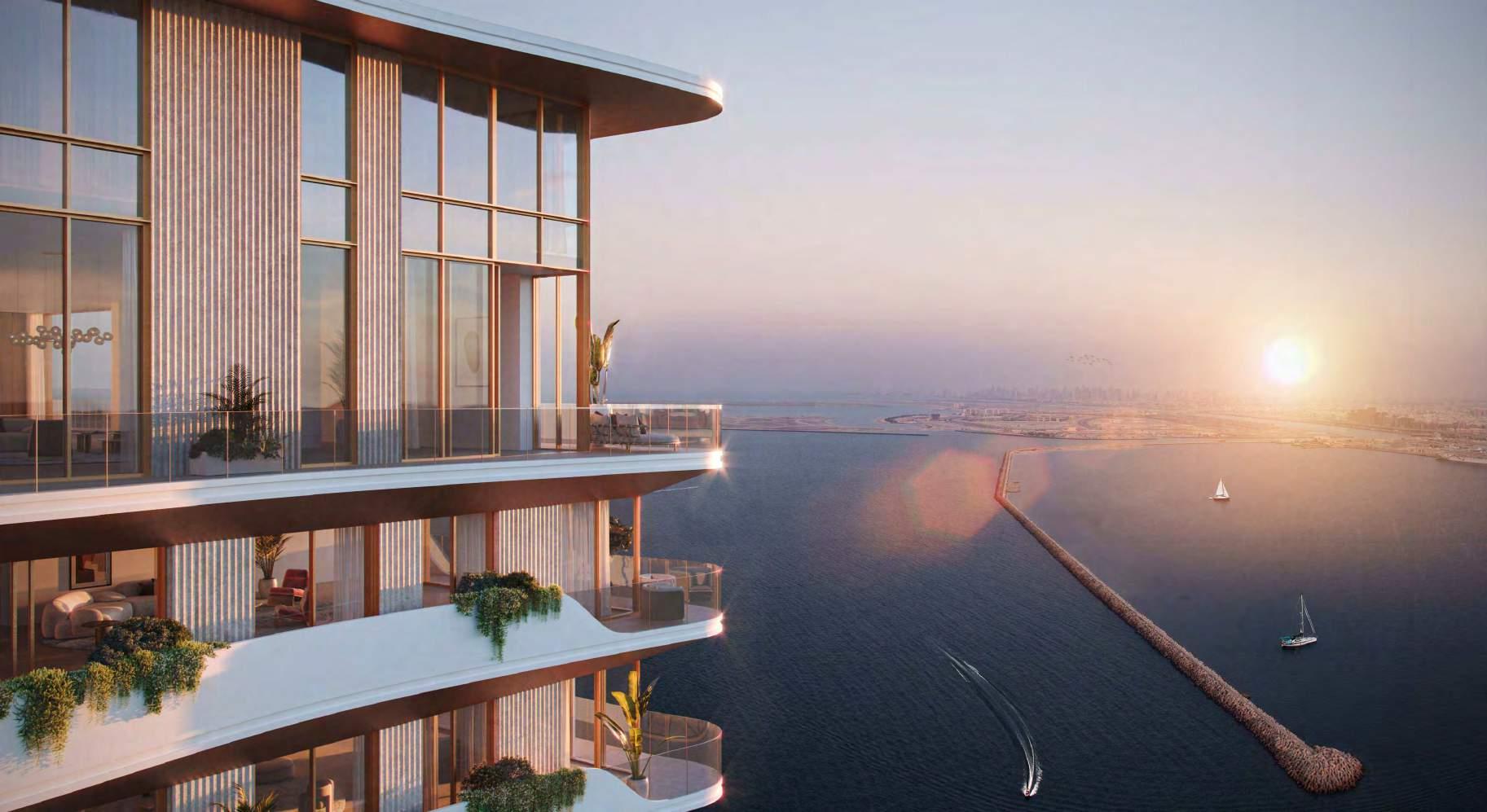
The Mural, Dubai Maritime City. BEYOND. Best for buyers who like boutique, design-led towers. Standout reason: an angled facade concept and waterfront positioning, with delivery timing tied to the release.
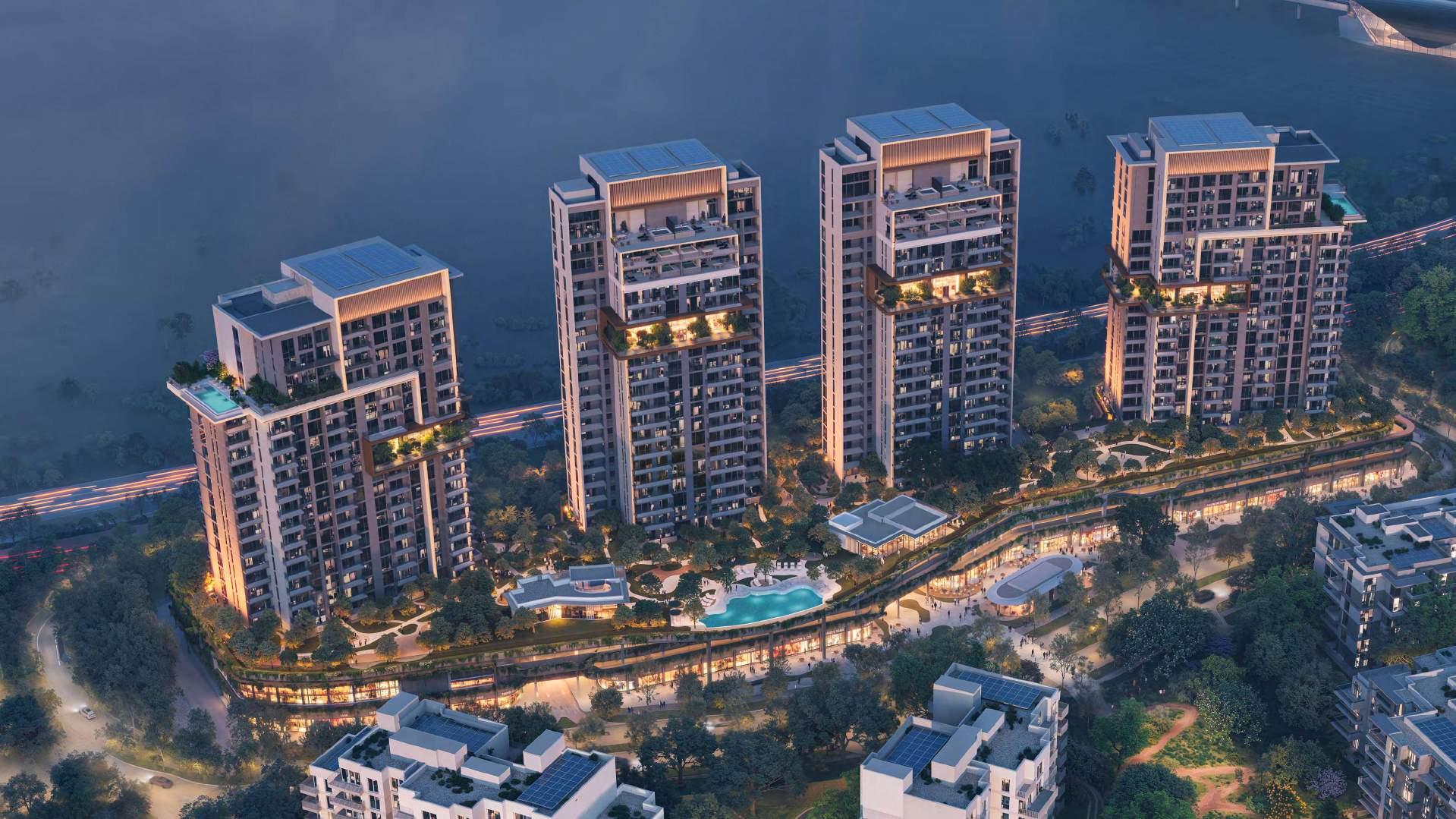
Distrikt Ghaf Woods, Dubailand area. Majid Al Futtaim. Best for lifestyle-led buyers and long-term holds. Standout reason: a forest-living concept and sustainability narrative that genuinely differentiates in Dubai.
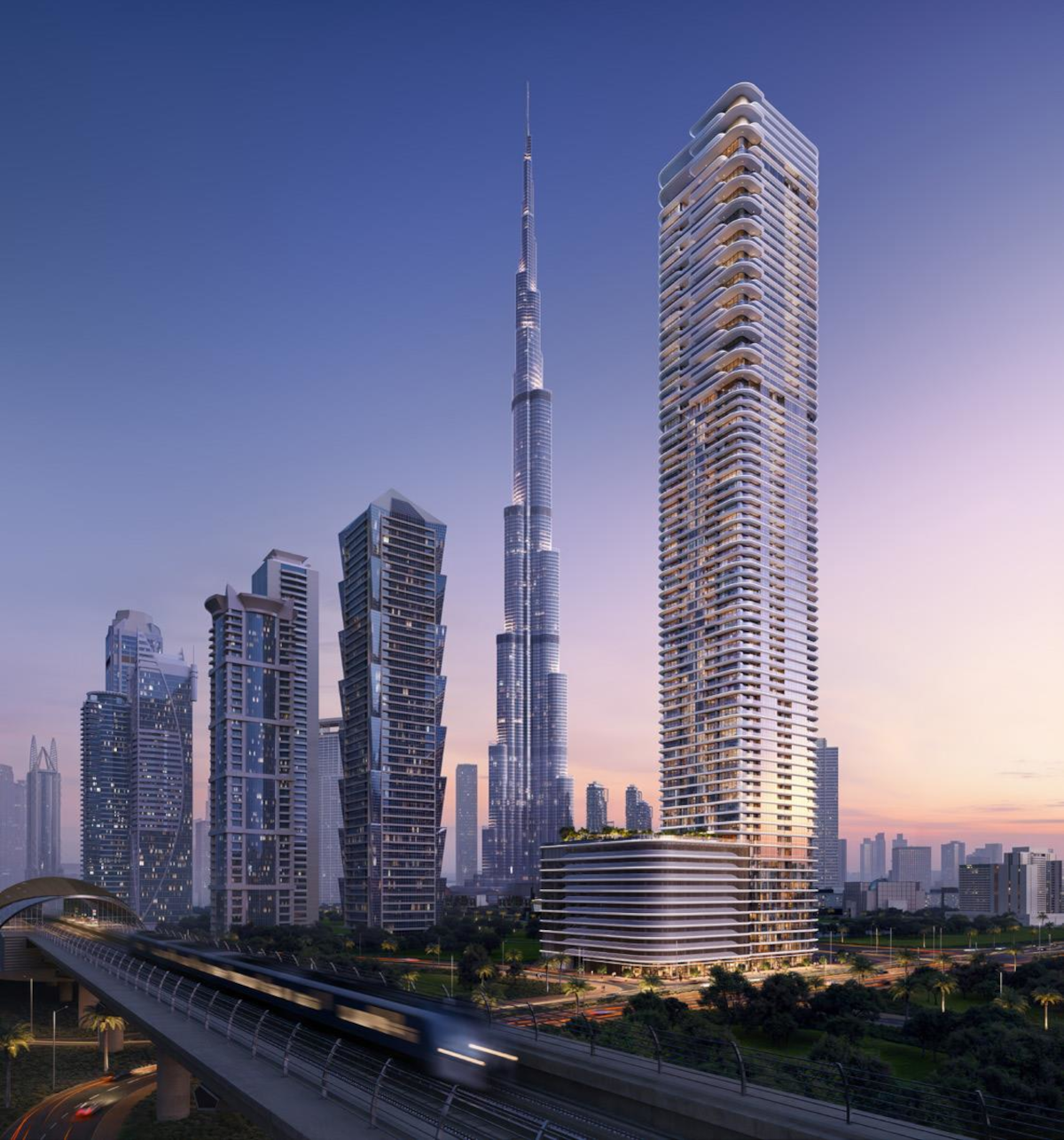
Avarra by Palace, Business Bay. Emaar. Best for branded, central Dubai demand. Standout reason: branded Palace positioning from a top-tier developer.
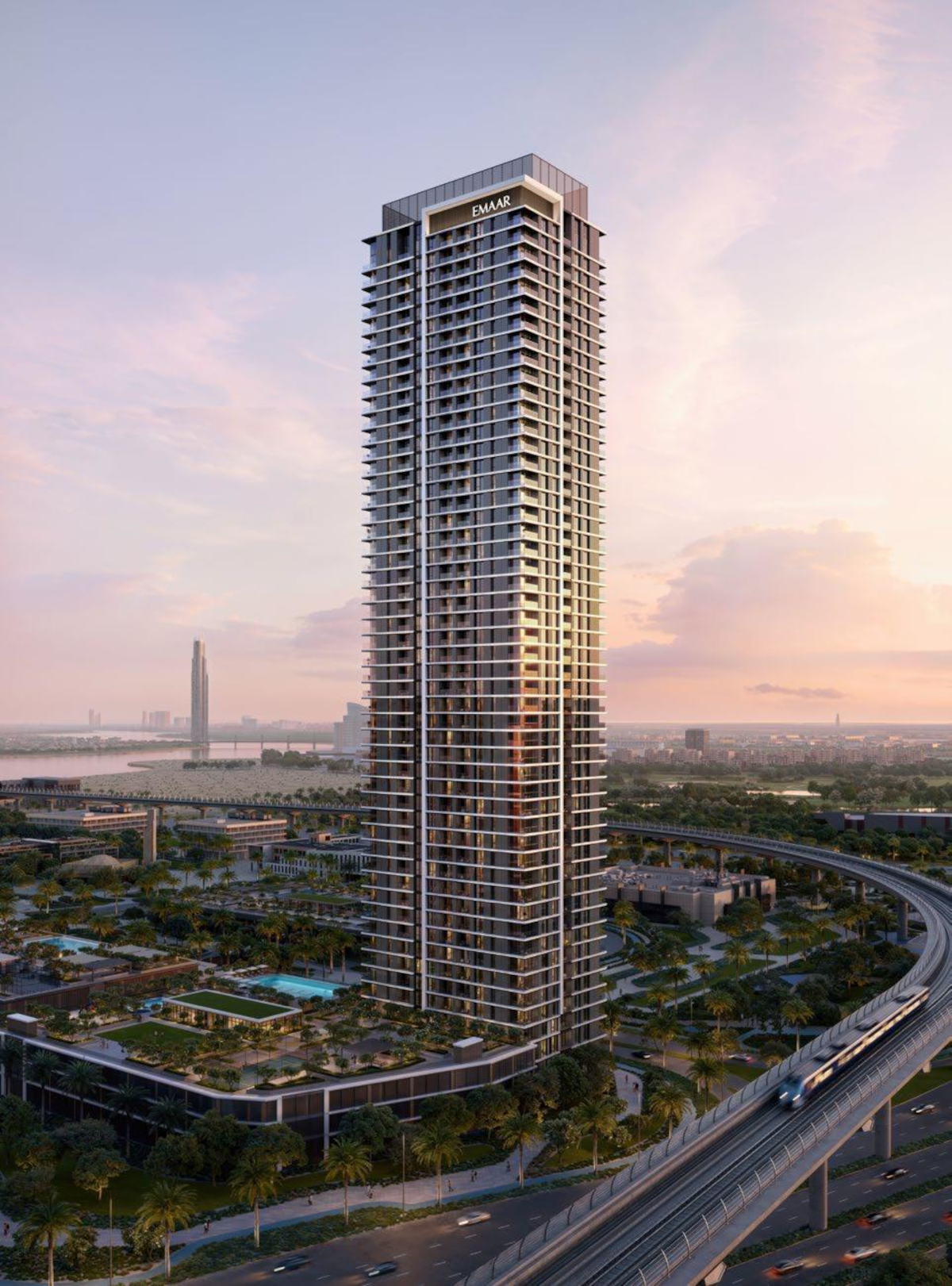
Montiva by Vida, Dubai Creek Harbour. Emaar. Best for buyers who want prime master-planned living and resale liquidity. Standout reason: established demand in a flagship waterfront district.
The same shortlist, more scannable
| Project | Area | Developer | Product type | Best for | Why it stands out |
|---|---|---|---|---|---|
| Rixos Hotel & Residences | Dubai Islands | Nakheel | Branded waterfront | Lifestyle, rental optional | First Rixos branded offering on Dubai Islands |
| Bay Grove Residences | Dubai Islands | Nakheel | Waterfront apartments | End user, hold | Coastal, family amenity mix, nature integration |
| Bay Villas | Dubai Islands | Nakheel | Villas | End user, hold | Low-density island villa community |
| Palm Jebel Ali villa collections | Palm Jebel Ali | Nakheel | Waterfront villas | Long horizon | New premium waterfront villa launches |
| Orise | Dubai Maritime City | BEYOND | Luxury apartments plus duplexes | Lifestyle, hold | Second DMC project, design led, amenity heavy |
| Saria | Dubai Maritime City | BEYOND | Luxury waterfront | Benchmark project | Mentioned as a sell-out, confidence signal |
| The Mural | Dubai Maritime City | BEYOND | Luxury tower | Design buyers | Distinct facade, waterfront positioning |
| Ghaf Woods | Dubailand | Majid Al Futtaim | Forest living community | Lifestyle, long hold | Differentiated green narrative, major developer |
| Avarra by Palace | Business Bay | Emaar | Branded residences | Central demand | Branded Palace product by Emaar |
| Montiva by Vida | Dubai Creek Harbour | Emaar | Master plan apartments | Resale liquidity | In Emaar’s current off plan lineup |
The quick read
For the most story-plus-scarcity momentum in 2026, Dubai Islands and Palm Jebel Ali are the big narrative plays. They also demand patience, and you have to accept that timelines can drift. For coastal but still near the city, Dubai Maritime City is turning into a serious premium cluster, especially with BEYOND’s launches. For a non-waterfront differentiator, Ghaf Woods is one of the clearer new-category communities, and the forest-living angle is unusual for Dubai in a good way, assuming execution matches the promise. Branded residences can help resale and rental perception, but they add cost and complexity too. More on that below.
How these projects were ranked
Ranking Dubai off plan is messy, and I will not pretend otherwise. Launches come in waves, pricing shifts, and a project that looks best on Monday can feel overpriced by Friday if the release sells out and the next phase jumps. A repeatable method still beats vibes. Here is the one used, and you can copy it for your own shortlist.
1) Track record and delivery consistency
A strong developer brand does not guarantee a clean handover, but it lowers the odds of a nasty surprise. That is one reason Emaar, Nakheel and Majid Al Futtaim keep showing up in investor research. They are not fringe players.
2) Master plan depth, not just a single tower
When an area is part of a larger destination plan, it builds its own gravity over time. More amenities, more reasons for end users to live there, more reasons for the next buyer to pay up later. Dubai Islands is positioned as a multi-island waterfront destination, and Palm Jebel Ali is pitched as a benchmark waterfront lifestyle play.
3) Location catalysts and buyer psychology
Sometimes the best project is simply the one easiest to explain to the next buyer. Waterfront, branded hospitality, walkable lifestyle, green living: those stories travel. Orise is positioned around coastal living close to prime Dubai nodes, and Ghaf Woods around forest living. Sticky narratives.
4) Payment plan strength and transfer rules
The payment plan math comes later, but in 2026 payment plans still shape investor behaviour. A plan that looks flexible can hide transfer restrictions, fees, or milestone timing that squeezes your cash flow. There is a reason buyer guides keep hammering on flexible payment options.
5) Exit strategy realism
The unglamorous part. Who buys it from you later, and why? If the only buyer is another investor, that can get fragile. If end users want it too, resale liquidity improves. That is why every entry carries a “best for” label: end user, long hold, lifestyle buyer.
What this ranking is not: a promise of returns, a guarantee that a project beats the market, or financial advice. It is a structured way to shortlist, then do proper due diligence.
What feels different this cycle
Dubai off plan has a familiar rhythm. Hype, launches, limited release, a second wave, then pricing re-anchors. 2026 still feels a little different in a few ways, and the same patterns keep surfacing when investors ask what is actually worth looking at right now.
Branded residences are expanding, and the tradeoffs are clearer
Branded is no longer niche. Emaar’s own off plan lineup includes branded products like Avarra by Palace and Montiva by Vida. On the island side, Nakheel’s Dubai Islands launches include Rixos Hotel & Residences Dubai Islands, positioned as resort-style beachfront living. The upside is obvious: branding can make the product easier to market later and lift buyer confidence. The hidden cost is real too. Service models, fees, and hotel-like expectations add friction if you are purely chasing yield.
Waterfront supply is growing, but view premiums still matter
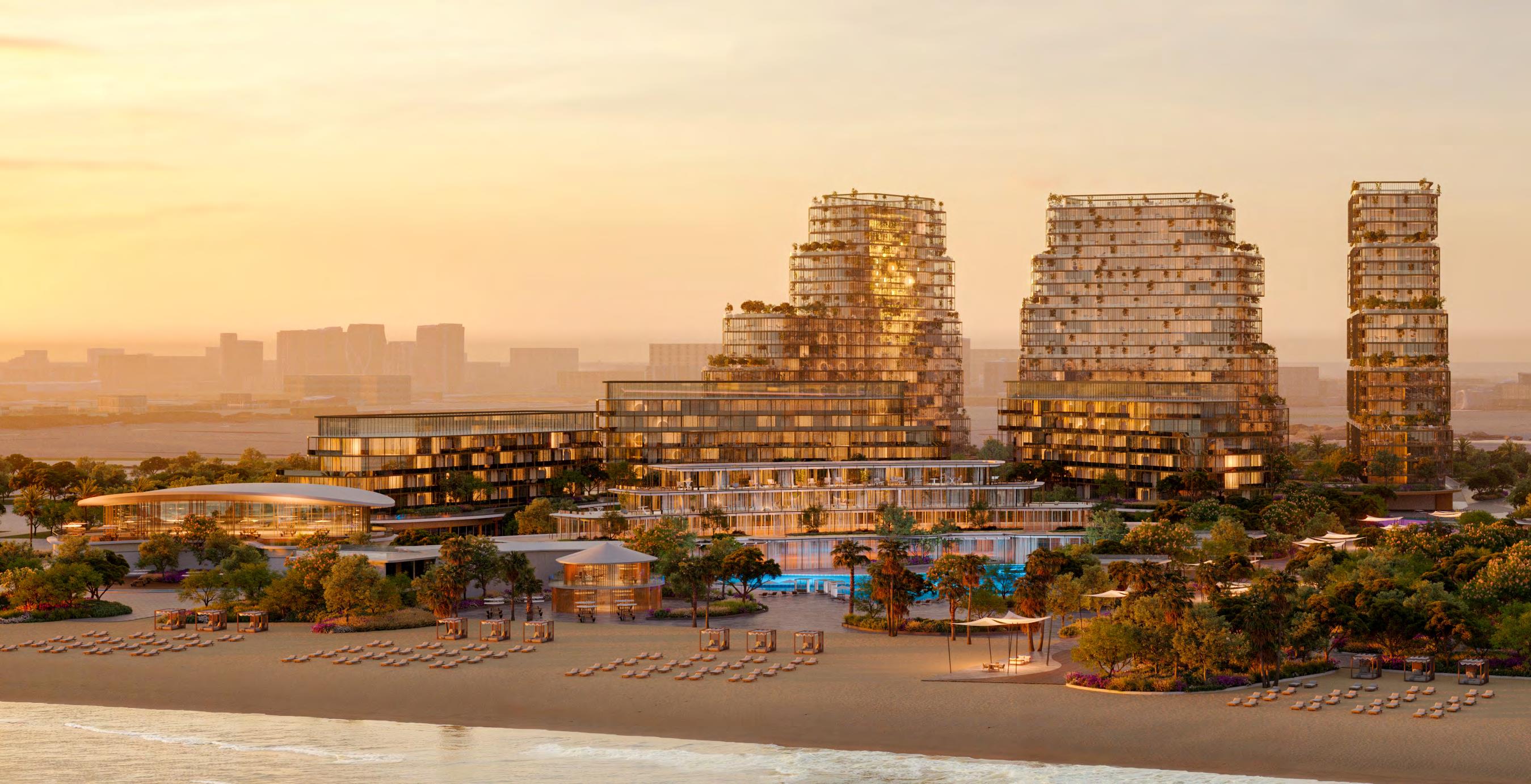
Dubai Islands, Palm Jebel Ali and Dubai Maritime City are all framed around coastal living, but they are not the same buyer story. Nakheel describes Dubai Islands projects like Bay Grove as beachfront lifestyle living, while Palm Jebel Ali is positioned around premium villa living on the fronds. BEYOND is building a waterfront masterplan in Dubai Maritime City, and Orise is marketed around panoramic views and coastal calm. Here is what investors forget: not every “waterfront” unit still feels waterfront once the next tower goes up. If your exit depends on the view, treat view protection as due diligence, not wishful thinking.
Green and wellness communities are becoming a real demand driver
This is where Ghaf Woods stands out. Majid Al Futtaim’s announcement frames it as forest living and a first-of-its-kind integrated community concept for Dubai, a strong differentiator when so many districts blur together. It is not for everyone, but the point is simple. When a community has a memorable identity, the resale story is easier to tell later.
Not every launch doubles
I know the “double by 2029” headlines get clicks. Sometimes it happens. Sometimes it does not. The projects that perform usually sit at the intersection of credible delivery, an area narrative that keeps pulling end users, a payment plan that does not trap you, and a realistic resale buyer pool. That last one is the boring part, and it is also the part that saves people.
Where the momentum is by area
Dubai Islands: who it suits, what to watch
Nakheel’s Dubai Islands pipeline includes Bay Grove Residences, Bay Villas and Rixos Hotel & Residences Dubai Islands, all framed around beachfront access and a lifestyle-destination concept. Why buyers care: a new waterfront destination close to older Dubai, easier to explain than a random new district. Typical unit types: branded apartments, waterfront apartments, villas and beach houses depending on the release. Demand drivers: resort-lifestyle positioning, private beach angles, and brand pull in the Rixos case. Risks: construction-phase noise, “waterfront” that is technically waterfront but not visually compelling, and soft service-charge assumptions. The exit that usually works: hold through early construction, then sell into end-user demand once the area becomes real rather than conceptual.
Palm Jebel Ali: the long-horizon play
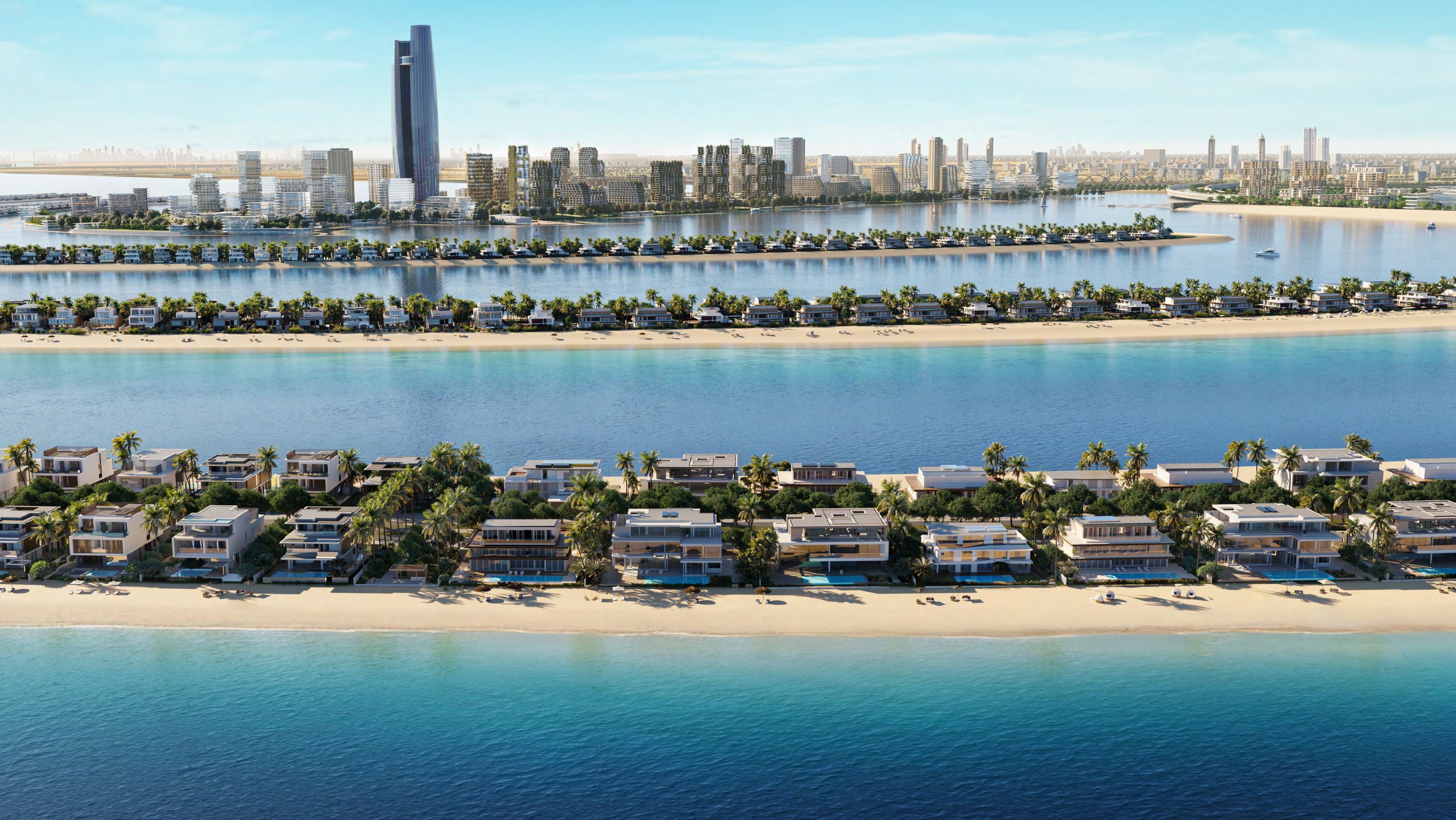
Nakheel’s Palm Jebel Ali positioning focuses on luxury villas with premium finishes and panoramic beach views, with premium waterfront villa collections like the Beach Collection. Why buyers care: legacy Dubai narrative, the “next Palm” psychology, and the scarcity of true frond waterfront villas. Typical unit types: large luxury villas. Demand drivers: status-asset behaviour and long-term masterplan maturation. Risks: long timelines, and larger ticket sizes that shrink your buyer pool later. The exit that usually works: a long hold, or a sale once milestones and infrastructure clarity reduce the timeline fear.
Dubai Maritime City: waterfront, different buyer profile
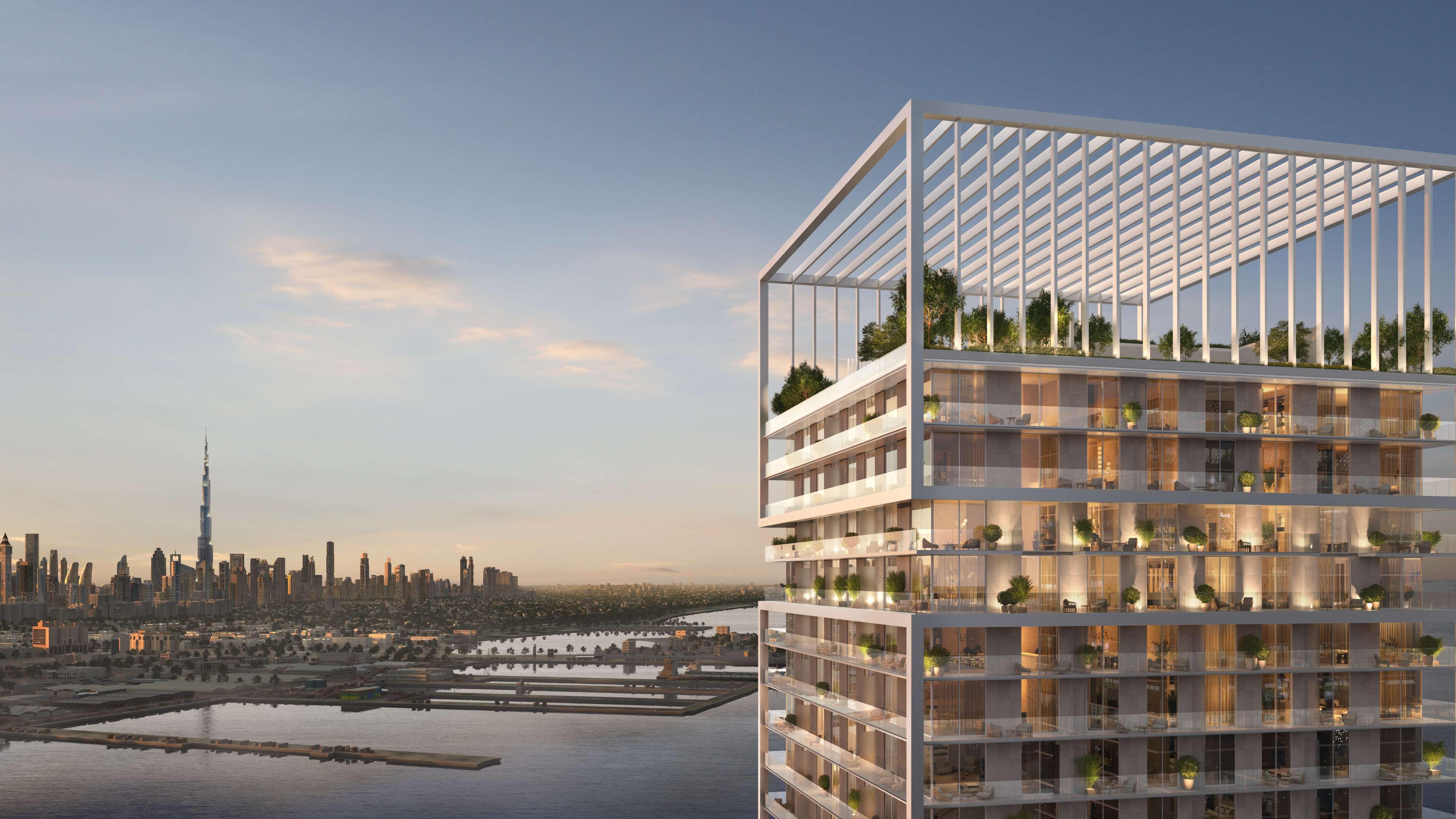
BEYOND describes an 8 million square foot waterfront masterplan in Dubai Maritime City, and Orise markets a mix of apartments, chalets and duplex penthouses with panoramic views. Why buyers care: coastal living close to central Dubai nodes, with premium design-led positioning. Typical unit types: apartments and high-end duplexes, sometimes boutique luxury towers. Demand drivers: design, views, proximity, and the new-premium-cluster effect. Risks: micro-location matters a lot here, so understand what will sit in front of you later. The exit that usually works: sell into lifestyle buyers who want a coastal address near the city, not purely investors.
Ghaf Woods: green lifestyle and buyer psychology
Majid Al Futtaim’s press release frames Ghaf Woods as bringing forest living to Dubai, and the official site positions it as a forest community with clusters and amenities. Why buyers care: clear differentiation and nature-led lifestyle demand. Typical unit types: low-rise apartments and penthouses depending on cluster. Demand drivers: wellness positioning and the rarity of dense greenery in Dubai. Risks: you are betting on execution matching the promise. The exit that usually works: hold through early delivery phases and target end users, not just investors.
Branded versus non-branded off plan
Here is where I land. Branded can be a smart move, and it can also be a trap, depending on your goal. Emaar’s off plan page lists branded launches like Avarra by Palace and Montiva by Vida, which shows how mainstream branded has become. Nakheel’s Dubai Islands branded angle shows up in Rixos Hotel & Residences Dubai Islands.
| Feature | Branded residences | Non-branded prime projects | What it means for investors |
|---|---|---|---|
| Pricing | Often includes a brand premium | Often cleaner pricing | Brand premium can compress yield if rents do not follow |
| Service model | Usually more hotel-like expectations | Usually standard community living | More services can mean higher ongoing costs |
| Resale story | Easier narrative for some buyers | Relies more on location, layout, view | Branding can help liquidity, but only if pricing stays rational |
| Rental appeal | Sometimes stronger for short-term demand | Often stronger for long-term family demand | Decide your rental strategy first |
| Who should avoid | Pure yield chasers with thin margins | Buyers who need a prestige layer | If you hate fees and complexity, branded can be stressful |
Payment plans: what matters more than the headline
A payment plan is leverage, and leverage cuts both ways. Developers love the easy-monthly framing, and to be fair it helps people enter the market. You still need to see how payments align with construction milestones, and how resale transfers work. And your biggest safety feature in Dubai off plan is not the payment plan. It is regulation. The Dubai Land Department describes escrow accounts as dedicated accounts where off plan buyer funds are deposited, and Dubai has an escrow law governing the system.
The common mistakes: focusing on the down payment only, not the next 12 to 18 months of cash calls; ignoring transfer fees and NOC processes until you want to sell; and assuming post-handover means no pressure, right up until service charges and furnishing costs arrive.
| Plan type | Typical benefit | Main risk | Best use case | Due diligence question |
|---|---|---|---|---|
| 30/70 or 20/80 | Lower upfront, more time | Big balloon risk later | Long hold, strong cash flow planning | What are the construction milestones and dates? |
| 50/50 or 60/40 | Balanced exposure | Less flexibility if you resell early | Buyers who can fund steadily | What are the transfer rules before handover? |
| Construction-linked milestones | Payments track progress | Delays can shift timelines | Risk-aware investors | How does the SPA define milestone completion? |
| Post-handover plan | Smaller monthly after delivery | Fees and occupancy risk post-handover | Rental strategy with management | What are expected service charges and handover conditions? |
| Discounted cash deal | Price advantage | Liquidity concentration | Investors prioritising entry price | Is the discount real versus the next release pricing? |
Comparison table, side by side
Here is the money table most people want. It is slightly unfair, because availability changes fast, releases get revised, and a project that looks perfect today can feel ordinary after a new phase launches next month. It still gives you a decision frame you can reuse.
| Project | Developer | Area | Product type | Starting price (signal) | Payment plan | Handover window | Rental fit | Best for | Key risks | Score |
|---|---|---|---|---|---|---|---|---|---|---|
| Rixos Dubai Islands Residences | Nakheel + Rixos | Dubai Islands | Branded waterfront apts, beach houses, villas | ~AED 2.6M | 80/20 | Q4 2026 | Short and long term | Lifestyle + prestige hold | Brand premium, service charges, resale rules | 9.2 |
| Bay Grove Residences Phase 3 | Nakheel | Dubai Islands | Waterfront apts, duplexes | AED 2.0M launch | 20/50/30 | Mar 2029 | Long term, some short term | Mid-horizon appreciation | Longer timeline, new supply nearby | 8.6 |
| Orise | BEYOND (Omniyat) | Dubai Maritime City | Waterfront apts, chalets, penthouses | From AED 1.9M | 50/50 | Q1 2028 | Both | Waterfront value play | View premiums, construction timeline risk | 8.9 |
| The Mural | BEYOND | Dubai Maritime City | Ultra-luxury tower | By request, high ticket | 50/50 | TBC | Long term | Statement home | Liquidity, narrow buyer pool | 8.0 |
| Ghaf Woods | Majid Al Futtaim | Ghaf Woods | Forest living community | Varies by cluster | Varies by release | Phased | Long term | End-user demand | Community delivery sequencing | 8.7 |
| Avarra by Palace | Emaar | Business Bay | Branded style, city core | From AED 2.7M | Varies by release | TBC | Long term | Core liquidity | Higher entry price | 8.4 |
| Montiva by Vida | Emaar | Dubai Creek Harbour | Lifestyle tower | From AED 1.91M | Varies by release | TBC | Long term | End-user demand | Supply, view protection | 8.3 |
Pricing and availability change quickly. For the current unit mix, floor plans and payment plan sheets, use the gated shortlist or message us. In off plan that caveat is genuinely true, not a formality. The expanded version of this table, with more Dubai Islands and Maritime City launches, sits inside the Investor Room. Sign in and request the latest sheet there.
Project deep dives
Rixos Dubai Islands Residences: the branded resort-home angle
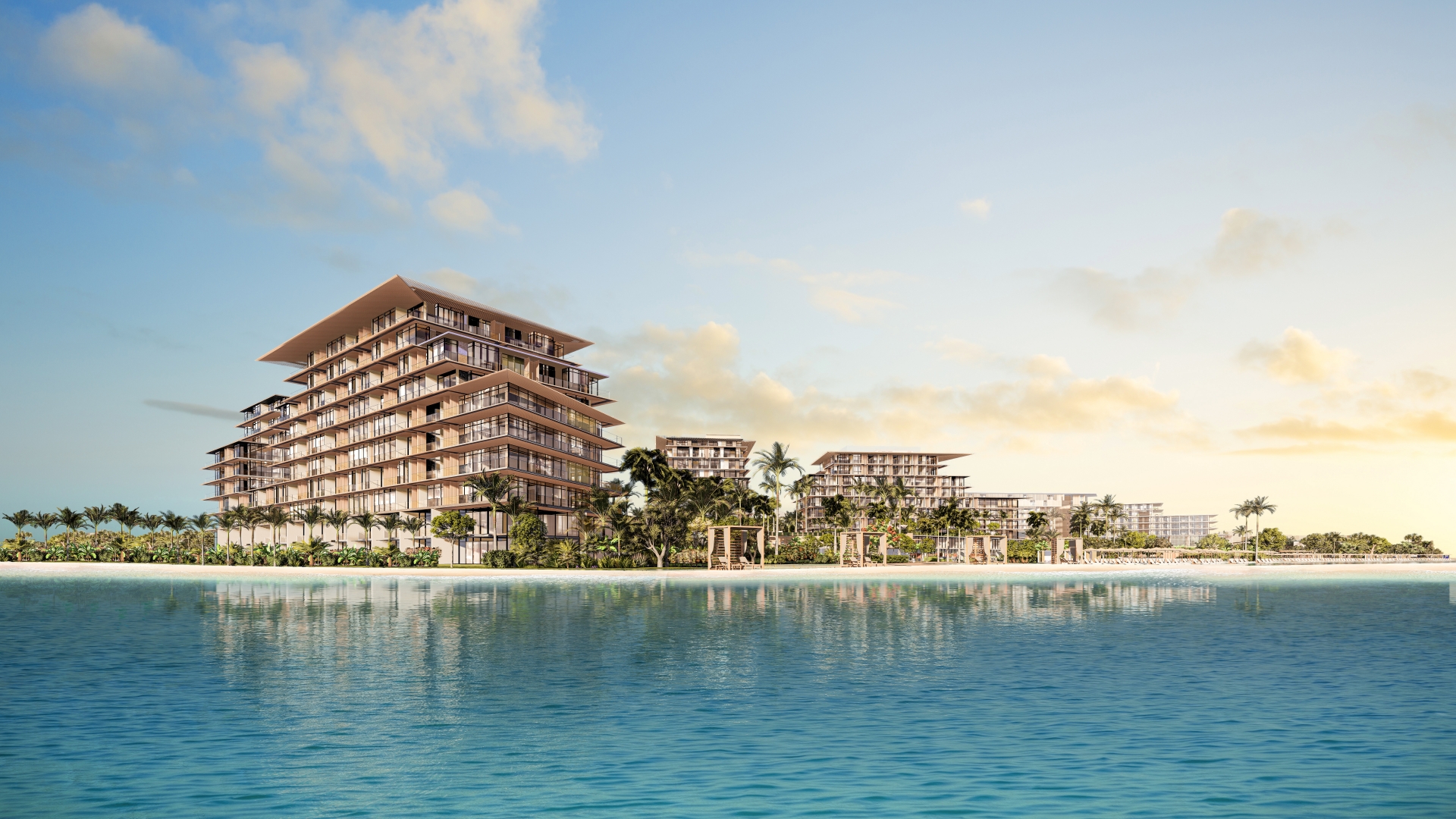
What it is. A branded waterfront product on Dubai Islands with an intentionally resort-like mix: apartments, beach houses and larger residences. The pitch is lifestyle plus service, and it works when that is what you actually want.
Why it made the shortlist. It is already packaged for a resale narrative. You are not just selling a two-bed, you are selling brand, amenities, a service model and a recognisable name. That matters when the next buyer is comparing a dozen similar-looking towers. The payment plan is easy to understand, and clarity is underrated.
The buyer profile that fits. A long hold with a strong lifestyle component, or a premium unit that stays liquid because it is easy to explain to international buyers. Also good for buyers who like the idea of occasional short-term stays without turning their life into a hosting job.
Payment plan. An 80/20 structure with handover referenced as Q4 2026. Simple on paper. Still check the installment schedule and any admin fees.
Comparable alternatives. Other Dubai Islands branded or near-branded waterfront launches, plus selected beachfront products in older coastal districts if you prefer ready over off plan.
What I would double-check. Service charge expectations, what is included versus hotel-style extras, and resale rules if you plan to flip early. Also view protection and long-term masterplan sequencing, because island masterplans evolve.
Verdict. Buy if you want brand-backed positioning and a clearer resale story. Skip if you hate paying for branding and would rather maximise size per dirham.
Bay Grove Residences Phase 3: the clean-math option
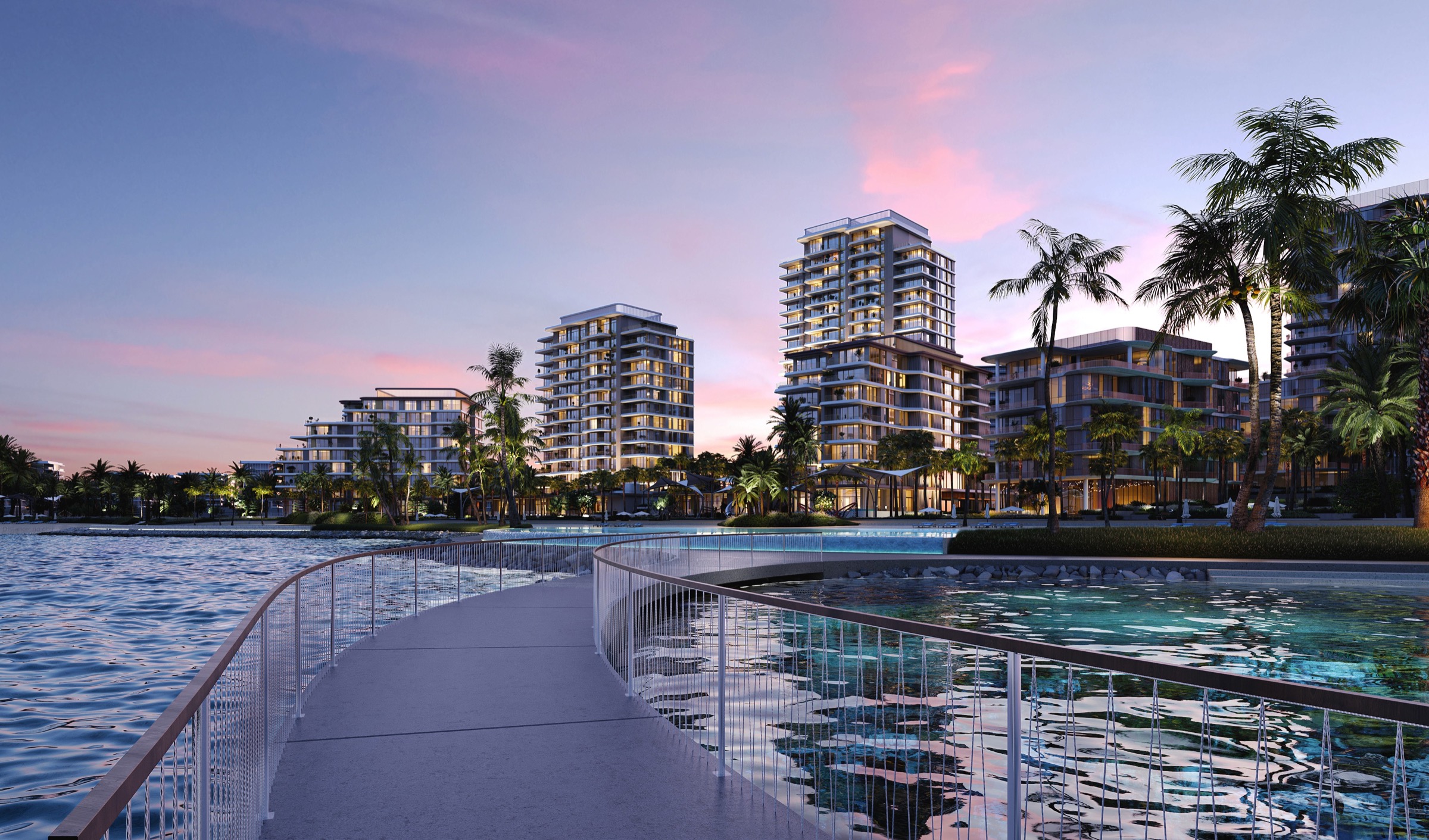
What it is. A Nakheel waterfront residential phase on Dubai Islands, apartments and duplexes, structured as a straightforward coastal-lifestyle offer.
Why it made the shortlist. It is scannable. A visible launch price signal, a clear payment plan and a defined delivery target make planning easier. Launch price is shown as AED 2M, with an explicit note that pricing and conditions can change, which is refreshingly honest.
The buyer profile that fits. Buyers who want Dubai Islands exposure without a branded service layer. The “I want waterfront, but I am still an investor” profile.
Payment plan. 20/50/30, delivery shown around March 2029. That is a longer runway, so your strategy should match it.
Comparable alternatives. Other Dubai Islands phases with earlier delivery, or off plan in established waterfront areas if you want a shorter timeline.
What I would double-check. Timeline risk, and future competing supply. Dubai Islands is big. Great long term, but short term it creates a lot of close substitutes.
Verdict. Buy if your plan is a patient hold with a clean, understandable structure. Skip if your goal is a quick flip within 12 to 18 months.
Orise by BEYOND: a Maritime City play with a simpler plan
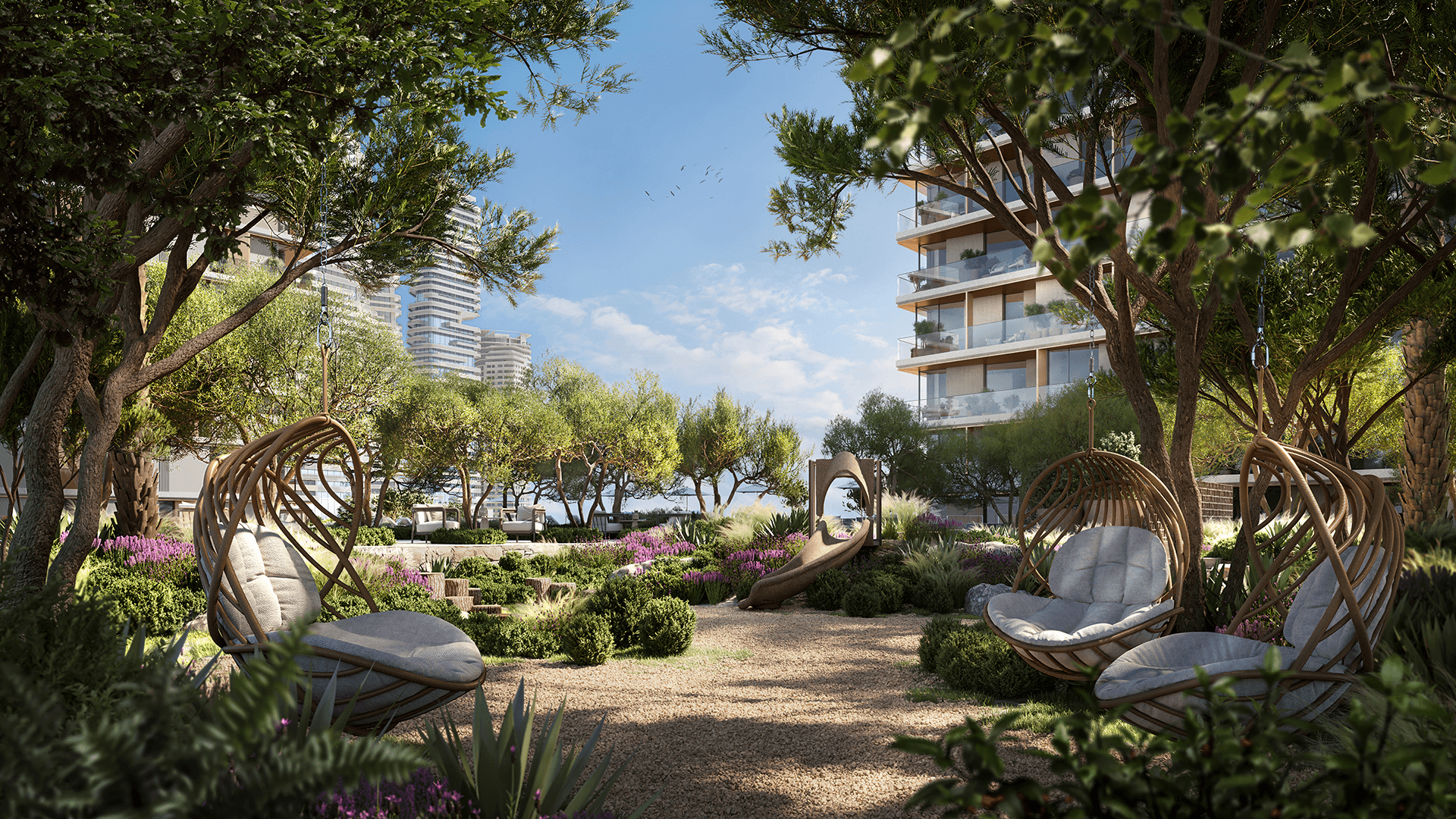
What it is. A BEYOND project in Dubai Maritime City, positioned as luxury waterfront living, with a 50/50 payment plan and completion shown as Q1 2028.
Why it made the shortlist. Maritime City has a distinct buyer profile. It is not trying to be another marina, and that differentiation helps resale later. Starting prices are signalled from AED 1.9M, which keeps the waterfront entry point relatively accessible compared with some trophy towers.
The buyer profile that fits. Investors who want waterfront without the highest branded premium, and end users who want views and a calmer coastal feel while staying close to the city.
Payment plan. 50/50 looks friendly, but always ask about milestone timing and whether a big chunk lands early. On some launches the headline is 50/50 but the construction side is front-loaded.
Comparable alternatives. Other Maritime City towers, plus selective coastal launches in nearby districts if you want a different commute pattern.
What I would double-check. View premiums, tower orientation, and the realistic short-term rental rules for the building if that is part of your plan. And check the escrow details, as always.
Verdict. Buy if you want coastal exposure with a simpler structure and a credible developer story. Skip if you are purely chasing a branded badge.
Ghaf Woods: the green-demand bet
What it is. A Majid Al Futtaim community framed around forest living, indoor-outdoor lifestyle and a sustainability-forward identity. The developer’s announcement leans hard into the forest concept and a first-of-its-kind integrated community approach.
Why it made the shortlist. Buyer psychology is shifting. Not for everyone, but for enough people. Buyers are more sensitive now to walkability, shade, greenery and daily livability, not only skyline views. Communities that bake that into the masterplan can hold value in a slightly more defensive way, even if the market cools.
The buyer profile that fits. End users, families and long-term investors who want a live-here narrative, not only a rent-it-out narrative.
Payment plan. Varies by cluster and launch. Do not assume, confirm the exact schedule on the unit you want.
What I would double-check. Phased delivery sequencing and the practical reality of green living in Dubai: what is built first, what arrives later, and how that affects resale timing.
Verdict. Buy if you believe lifestyle-led masterplans outperform generic towers over time. Skip if you want immediate rental yield and the fastest handover.
The fees people forget
People rush this part, then regret it. The purchase price is only the loudest number. A few fees are consistent enough to plan for.
- DLD transfer or registration fee, commonly referenced as 4% of the sale value in DLD processes.
- Mortgage registration fee where applicable, shown by DLD as 0.25% of the mortgage value in the relevant procedures.
- Escrow basics. Your off plan payments should go to the project escrow account. The DLD describes the escrow account as the project bank account where buyer funds for off-plan units are deposited.
| Cost item | Typical range | When paid | Who collects | How to reduce risk |
|---|---|---|---|---|
| DLD registration / transfer fees | Often planned as a % (commonly 4%) | On registration milestones | DLD / trustee channel | Confirm exact fee pathway for off plan vs ready |
| Oqood / initial off plan registration | Varies by project and process | Early stage | DLD via developer process | Get the official schedule in writing |
| Developer admin fees | Varies widely | Booking or SPA | Developer | Ask for the full fee sheet before paying |
| Service charges | Varies by building | Annual | Building management | Compare similar buildings, ask for projections |
| Furnishing (if STR focused) | Varies by spec | Before leasing | Vendor | Decide spec level early, budget realistically |
| Property management | % or fixed | Monthly | Operator | Use clear scope: cleaning, maintenance, guest handling |
| Snagging | Low to moderate | Pre-handover | Snagging firm | Use a reputable firm, document defects |
| Mortgage valuation gap risk | Varies | When financing later | Bank | Keep buffer cash, do not over-leverage |
Due diligence checklist before you reserve
This is the list I like because it is not fancy. It is just the stuff that prevents headaches.
- Escrow account confirmation. Confirm payments go into the project escrow account, not a generic corporate account. The DLD frames escrow as the project bank account where off-plan buyer amounts are deposited.
- Developer delivery record. Ask what they have delivered in the last three to five years, and whether handover dates slipped.
- SPA clauses. Handover definition, penalties, termination rules, and what happens if timelines shift.
- Resale and transfer rules. Minimum paid percentage before resale, NOC fees, transfer fees, and whether assignments are allowed.
- View protection. What can be built in front of you later, and what is permanently protected, if anything.
- Service charge expectations. Request projected ranges and compare with similar buildings, especially if branded.
- Unit liquidity. Ask, if I sell in 2027, who is my buyer? Be specific.
- Rental strategy fit. Short term versus long term, building rules, and management options.
- Cash buffer plan. The down payment is not the finish line. Plan for fees, furnishing and timing gaps.
More deep dives
Bay Villas on Dubai Islands: landed, waterfront, still close to the city
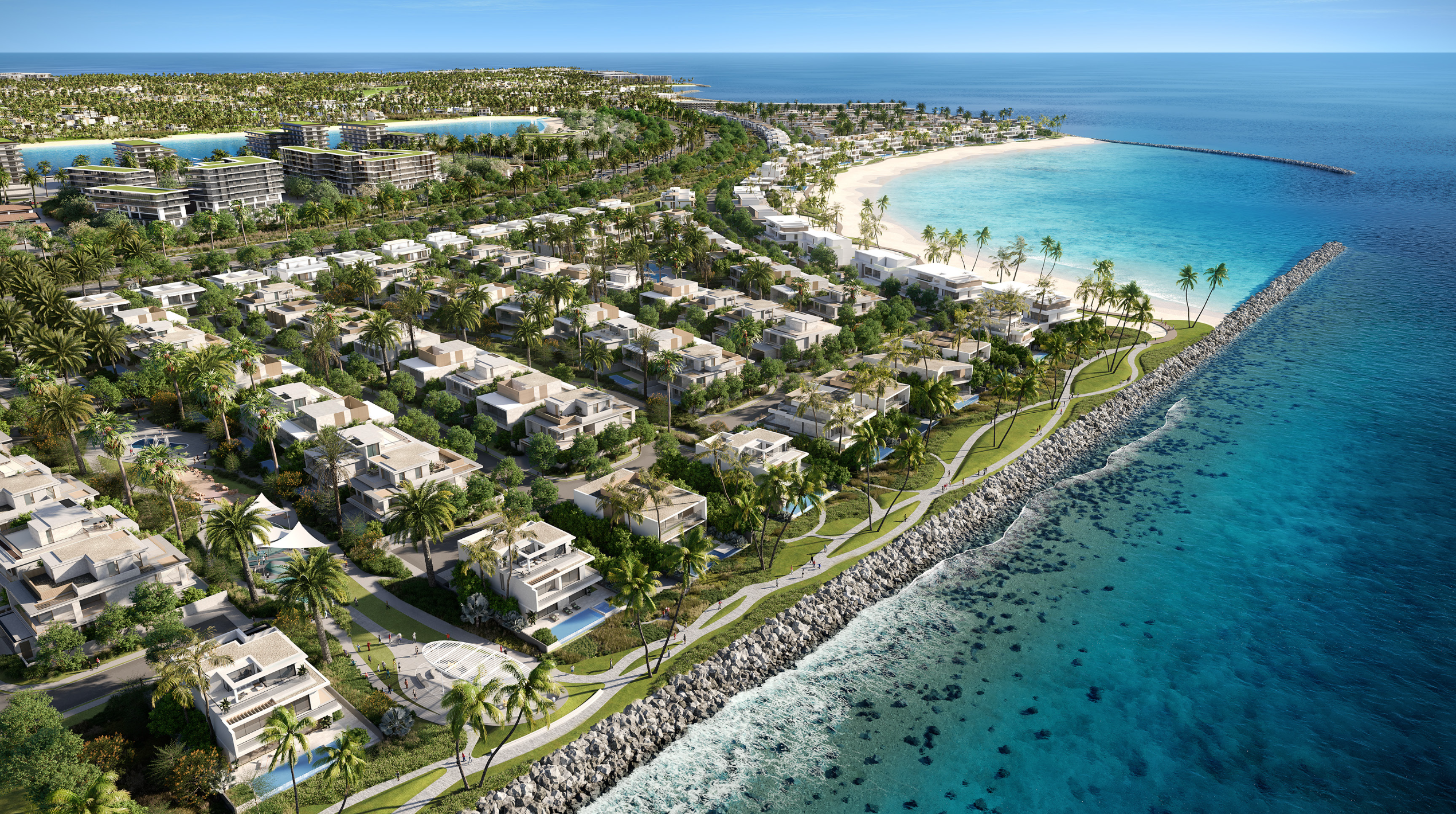
What it is. Nakheel’s low-density, villa-led community on Dubai Islands B, positioned as gated coastal living with multiple villa and townhouse types. Nakheel has publicly talked about awarding a major construction contract for Bay Villas, and described it as a 636-unit waterfront community.
Why it made the shortlist. Landed product behaves differently than towers. If the broader market gets noisy, buyers still pay for privacy, frontage and layout flexibility, especially on the coast. Bay Villas is also one of the clearer family-investor narratives on Dubai Islands. It is not trying to be everything.
The buyer profile that fits. End users who want villa life on an island, and investors who prefer a longer hold with a more scarcity-like product. Also buyers who do not want to explain a complicated branded service model to the next owner.
Payment plan. Varies by release and inventory, but listings commonly present an 80/20 style structure, for example 15% down, then construction installments, then 20% on handover. Treat that as a planning signal, then confirm the exact schedule on the unit you reserve.
Comparable alternatives. If you like landed but want a different timeline, compare with villa launches on Palm Jebel Ali, though those tend to be a longer-horizon, higher-ticket bet.
What I would double-check. Handover sequencing, exact beachfront or waterfront positioning, and the fine print around resale before completion. Because it is landed, double-check plot orientation and privacy. Those are resale dealbreakers in villas.
Verdict. Buy if you want a villa-first play on Dubai Islands and you are thinking in years, not months. Skip if your entire plan depends on fast liquidity.
Palm Central Private Residences: the early apartment chapter on a long story
What it is. Presented by Nakheel as a resort-style set of homes across three buildings, positioned along the Spine of Palm Jebel Ali. It is framed as calm, connected and very island-lifestyle rather than high-rise intensity.
Why it made the shortlist. Palm Jebel Ali is a multi-phase, long-horizon masterplan, and early releases can sometimes capture a strong narrative premium if execution stays on track. Nakheel has described Palm Jebel Ali as a seven-island development with 16 fronds and more than 90 km of beachfront, which signals the scale of the bet.
The buyer profile that fits. Buyers comfortable with a longer timeline who like being early on a major coastal expansion corridor. If you need quick rental cash flow, you may feel impatient here.
Payment plan. Specific releases are typically construction-linked. Watch two things: the size of your largest installment, and whether resale is allowed before a certain paid percentage.
Comparable alternatives. If you want coastal with a shorter runway, compare with Dubai Islands options like Bay Grove or Rixos.
What I would double-check. On mega masterplans, timing matters a lot. Understand what gets delivered first, what comes later, and whether your location depends on future infrastructure completing on schedule.
Verdict. Buy if you are deliberately playing the long game. Skip if you are secretly hoping it behaves like a quick flip. It probably will not.
Palm Jebel Ali Beach Collection villas: the ultra-premium scarcity thesis
What it is. Palm Jebel Ali’s villa story has centred on premium beachfront inventory. Nakheel has published multiple updates on Beach Collection releases and described the Beach Collection as offering multiple distinct villa styles.
Why it made the shortlist. At the very top end, scarcity and symbolism can matter almost as much as price per sq ft. Dubai Holding has also published progress milestones for Palm Jebel Ali works, which helps ground the story in execution steps, not only marketing.
The buyer profile that fits. High-net-worth buyers, family offices, and buyers who want a flagship asset rather than an investment unit. Less about squeezing yield, more about owning a landmark.
Payment plan. Varies by release and inventory. The safest move is to request the official schedule for the exact villa type you are reserving, then map it against your liquidity.
Comparable alternatives. Ultra-prime branded waterfront residences can be a smaller-ticket substitute for buyers who want the coastal identity without going full villa.
What I would double-check. Liquidity is the big one. The buyer pool is narrower. On major coastal projects, be clear on what is guaranteed versus what is future vision.
Verdict. Buy if you value rarity and prestige and your holding power is strong. Skip if you need a broad, everyday resale market.
Avarra by Palace, Business Bay: core liquidity, branded energy
What it is. Listed on Emaar’s official site as a Business Bay project, with an apartment and penthouse mix and a stated starting price of AED 2.7M.
Why it made the shortlist. Not everyone needs a new island. Some investors want core-city liquidity. Business Bay is easier to explain to global buyers, easier to rent, and typically has deeper resale activity than emerging districts. Not as exciting as a brand-new masterplan, but boring and liquid can be a strategy.
The buyer profile that fits. Investors who want city-core demand, and end users who want proximity and skyline life. Often a good fit for buyers who do not want to wait for an entire district to mature.
Payment plan. Emaar plans vary by launch. Pull the exact schedule from the current sales pack.
Comparable alternatives. Other Emaar core projects, plus select branded residences in established zones.
What I would double-check. The entry price is higher, and your upside may be steadier rather than explosive. Confirm service charge expectations, especially if amenities are premium.
Verdict. Buy if your priority is liquidity and city demand. Skip if your whole thesis is new-masterplan uplift.
Montiva by Vida, Dubai Creek Harbour: end-user demand meets lifestyle brand
What it is. Listed on Emaar’s official site for Dubai Creek Harbour, with a stated starting price of AED 1.91M.
Why it made the shortlist. Dubai Creek Harbour tends to attract end users who like masterplan structure and a waterfront-city feel without being purely resort. Vida as a lifestyle brand can also help the rental story, especially for longer-term tenants who want consistency.
The buyer profile that fits. Long-term holders, end users, and investors who want a safe choice that still feels premium.
Payment plan. Same rule. Confirm the schedule for the release you are buying, then map it against your own cash flow, not the brochure’s.
Comparable alternatives. Other Creek Harbour towers, plus select waterfront projects if your priority is pure coastal living.
What I would double-check. View protection and future tower placement. In masterplans, an open view can close if you did not verify what sits in front of you.
Verdict. Buy if you want balanced demand. Skip if you only buy first-time launches in brand-new districts.
Common mistakes I still see weekly
- Buying a payment plan, not a property. A pretty 70/30 headline does not matter if the unit is hard to resell.
- Assuming handover means ready-ready. Ask what completion means in the SPA, and budget for snagging and move-in reality.
- Ignoring service charges until it is too late. A small difference per sq ft becomes big annually, especially in premium projects.
- Not confirming escrow details. The DLD describes the real estate escrow account as a project bank account where off-plan buyer amounts are deposited. That is not a detail, it is the safety framework.
- Planning to flip without checking resale rules. Some projects restrict assignment until you have paid a minimum percentage, or impose fees.
- Underestimating total fees. DLD-related costs often include a 4% transfer and registration fee, and mortgage registration can add 0.25% of the mortgage value, plus other line items depending on the route.
Mini glossary
- Escrow account. The project bank account where off-plan buyer funds are deposited, per DLD.
- Oqood. The off-plan registration system and certificate used during construction. Ask your developer or agent for the exact process for your project.
- SPA. Sales and Purchase Agreement, the contract that defines handover, penalties and your rights.
- Handover. The point keys are delivered, but confirm what complete means in the SPA.
- Service charges. Annual fees for building and community operations, often a bigger investor lever than people admit.
- Assignment / resale before handover. Selling your contract before completion. Rules vary.
- NOC. No Objection Certificate, sometimes needed for transfers, depending on the developer.
- Construction-linked plan. Installments tied to project milestones rather than calendar dates.
- View protection. Whether your view is protected by zoning or future plots, or not.
- Liquidity. How easy it is to resell, and to whom.
FAQs
What is the best off plan project in Dubai for investment in 2026?
It depends on your strategy. For branded, lifestyle-led resale storytelling, Rixos Dubai Islands is strong on narrative and clarity. For a cleaner, non-branded Dubai Islands structure, Bay Grove fits. For waterfront with a different buyer profile, Orise in Maritime City is one to shortlist.
Which has the stronger upside, Dubai Islands or Palm Jebel Ali?
Dubai Islands can feel sooner, because it is positioned as a near-city coastal district with multiple active launches. Palm Jebel Ali is more of a long-horizon, scale-driven bet. Nakheel frames it as a seven-island development with major beachfront scale.
Are branded residences worth it in Dubai?
Sometimes. Branding can help resale clarity and rental positioning, but you have to weigh the premium you pay against the practical benefits you actually get, plus the service-charge impact. The worth-it answer is usually personal, not universal.
What payment plan is best for investors, and why?
The best plan is the one you can comfortably fund even if the market slows. Investors often like construction-linked plans that preserve optionality, but always check resale rules and watch for big installments that hit early.
What are the biggest risks with off plan property in Dubai?
Timeline risk, resale restrictions, service charges, and not confirming escrow safeguards. The DLD’s escrow definition is clear: off-plan funds should flow into the project escrow account.
How do escrow accounts and Oqood work?
Escrow is the regulated project account where off-plan buyer amounts are deposited, per DLD. Oqood is the off-plan registration record and certificate used during construction. Your agent or developer should guide you through the project-specific steps.
Can I resell before handover, and what are typical restrictions?
Often yes, but it depends on developer rules, whether assignments are allowed, and whether you have paid a minimum percentage. Always ask for the transfer conditions and fees before you reserve.
What yields are realistic for short term versus long term?
It varies massively by unit type, view, building rules and seasonality. Short term can outperform in the right product, but it is operationally heavier. Long term is simpler, and sometimes wins on stability.
How much cash should I keep aside after the down payment?
You usually need a buffer for DLD and registration fees, furnishing, snagging and timing gaps. As a planning reference, mortgage registration fees can include 0.25% of mortgage value in DLD service fee schedules.
What should I check in the SPA before signing?
Handover definition, penalties, termination clauses, snagging obligations and resale rules. If anything feels vague, slow down.
If you want this turned into a short personalised shortlist, send your budget, hold time and goal (flip, hold or rental) via Contact. You can also browse the full off plan lineup, read more on the blog, or check the investment FAQ and off plan FAQ. For the mortgage registration process, the DLD’s own registering the sale of a mortgaged property page is the primary reference.
Pick your strategy first, then the project
Compress everything into one line and it is this: pick the buyer you plan to sell to later, then buy what that buyer will want. Obvious, and yet people still buy off a launch flyer. A simple way to decide:
- Want story, prestige, lifestyle, and an easy explanation to future buyers? Look at branded and near-branded coastal products like Rixos Dubai Islands.
- Want a cleaner investment structure without paying for branding? Dubai Islands phases like Bay Grove can make sense, if your horizon matches the timeline.
- Want a different waterfront buyer profile, not the same marina crowd? Maritime City options like Orise are worth comparing.
- Want core liquidity and easier rental demand? City-core launches like Avarra are the less romantic, more liquid choice.
Last updated: January 2026. Off plan changes quickly, and I would rather be honest about that than pretend a shortlist stays frozen.