
Yes, and here is exactly what $250,000 buys
Dubai has a reputation for multi-million dirham towers, so the assumption is that you need deep pockets to get in. You do not. A budget of roughly $250,000, which is about AED 918,000 at the pegged rate, buys real property here. It will not put you in a Downtown penthouse, but it comfortably covers a studio or a smaller one-bedroom apartment, usually in a newer suburban community, and often through an off-plan project with a payment plan that spreads the cost over years.
That is the honest headline. The detail is where the money is either made or wasted, so this guide walks through what the budget actually secures, where it stretches furthest, the fees people forget, and the residency line you need to know about.
What $250,000 realistically secures
Property types: studios and smaller one-beds
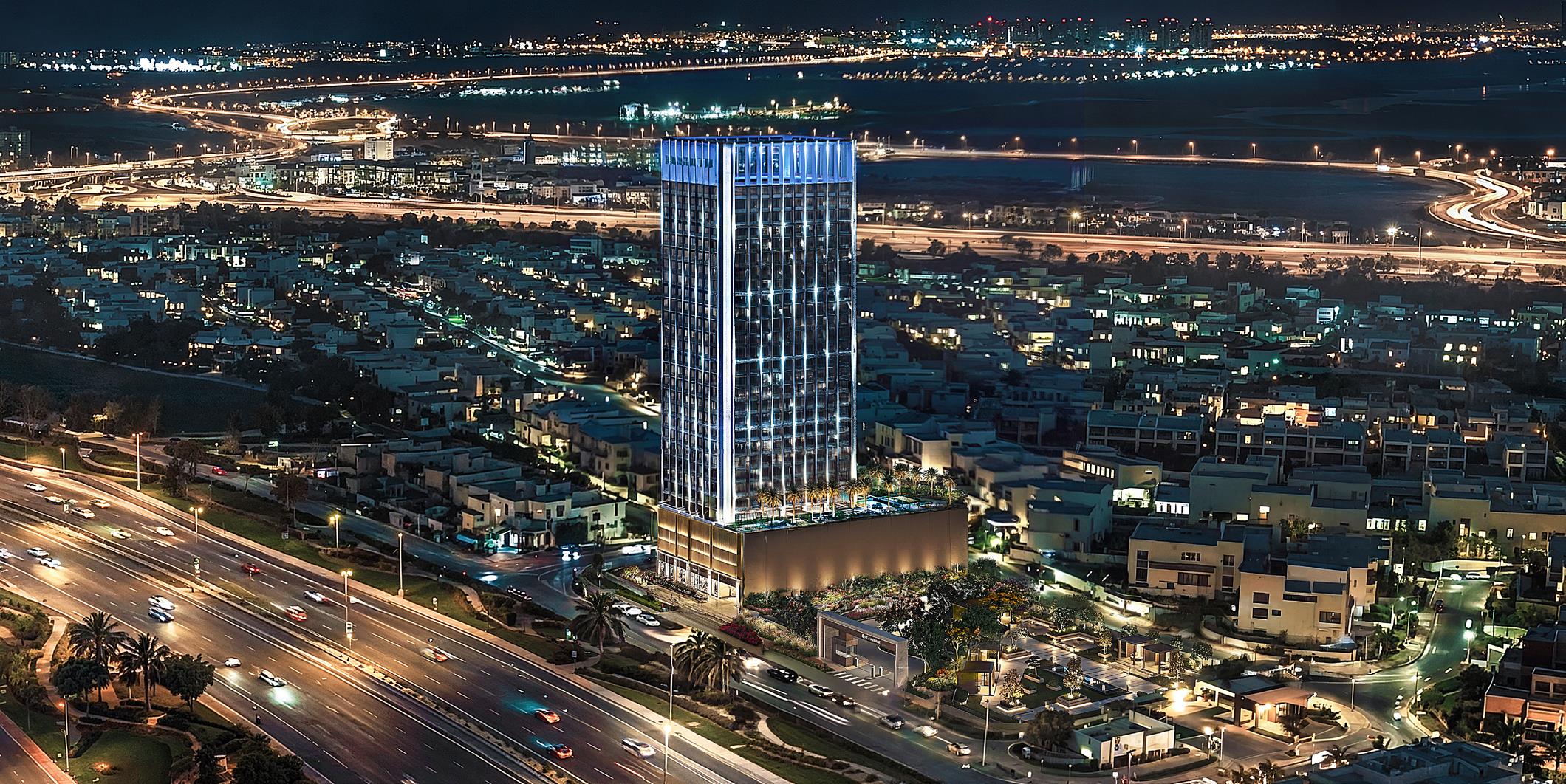
At this price point, you are shopping for studio apartments and smaller one-bedroom units. These are the workhorses of the rental market, popular with young professionals, single expats, and investors chasing yield. A studio gives you an open-plan space that folds the bedroom, living area, and kitchen into one footprint. A one-bed adds a separate sleeping area, which appeals to couples or anyone who wants a bit more room. Both types tend to sit in modern, amenity-rich buildings.
Where the budget goes furthest
A handful of areas have become the natural home for affordable stock. They share a profile: newer developments, full community facilities, and good road links, just a little further out from the absolute centre. The ones that come up most often:
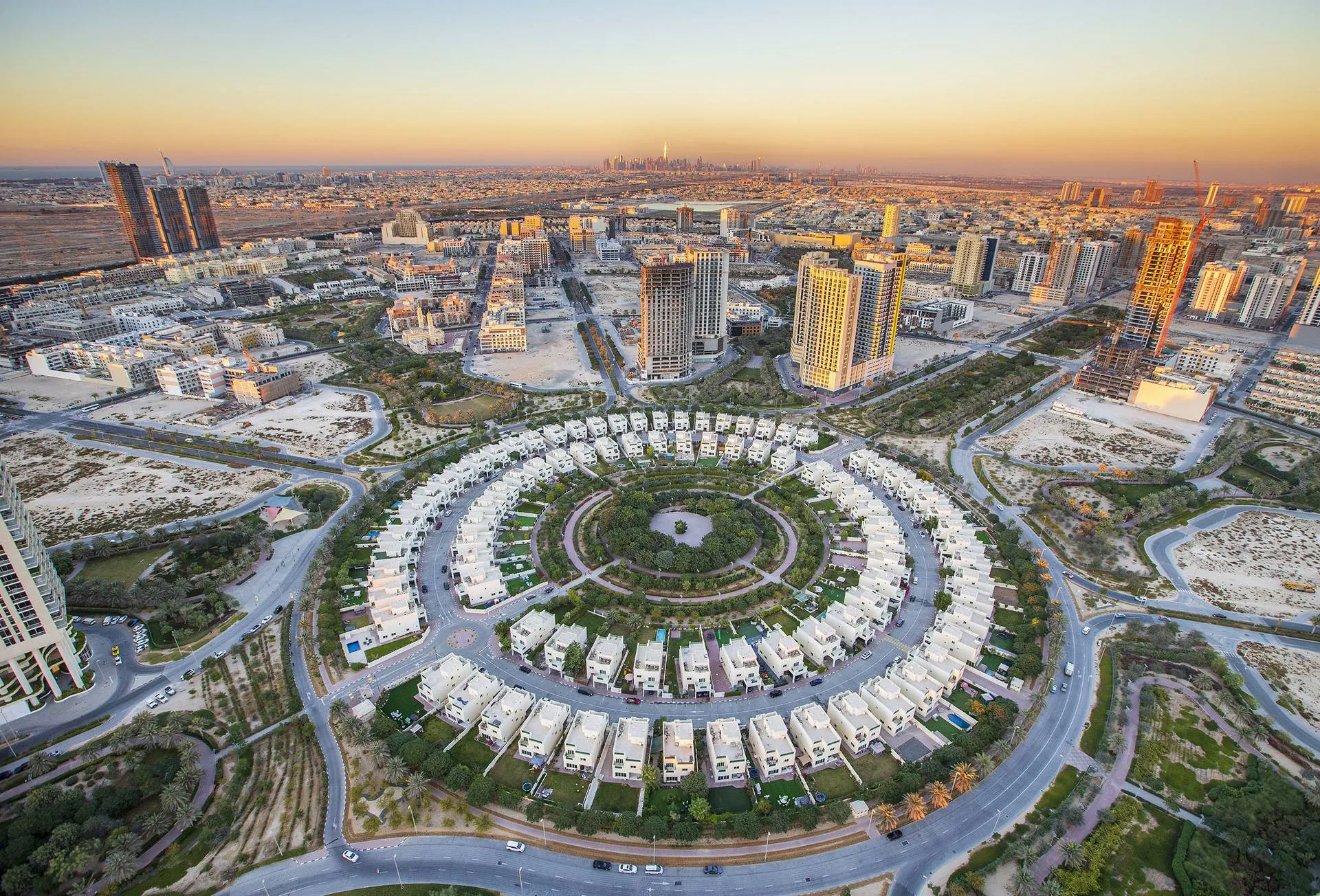
- Jumeirah Village Circle (JVC). A master-planned community with a family feel, green spaces, and a wide mix of residential options. Well connected, and popular with both renters and buyers on price alone.
- Dubai Silicon Oasis (DSO). A free-zone technology park that grew into a proper residential and commercial hub. It draws tech-sector professionals and runs as a self-sufficient community with schools, healthcare, and retail on site.
- Dubailand. A large development made up of many sub-communities. Areas like Arjan and Remraam regularly produce units inside the $250,000 budget, and the wider district leans on entertainment and leisure, which suits families.
- Arjan. A district within Dubailand that has grown fast. It holds several projects with studios and one-beds at competitive prices, helped by its road access and its proximity to Dubai Miracle Garden and Dubai Butterfly Garden.
- Areas along Sheikh Mohammed Bin Zayed Road. Communities along this arterial route often price lower, and they benefit from good infrastructure and easy commuting.
None of these carry the global name recognition of Downtown or Palm Jumeirah. That is the point. You trade a postcode for affordability, modern living, and room for capital growth as Dubai keeps expanding outward.
Off-plan, and why it helps this budget most
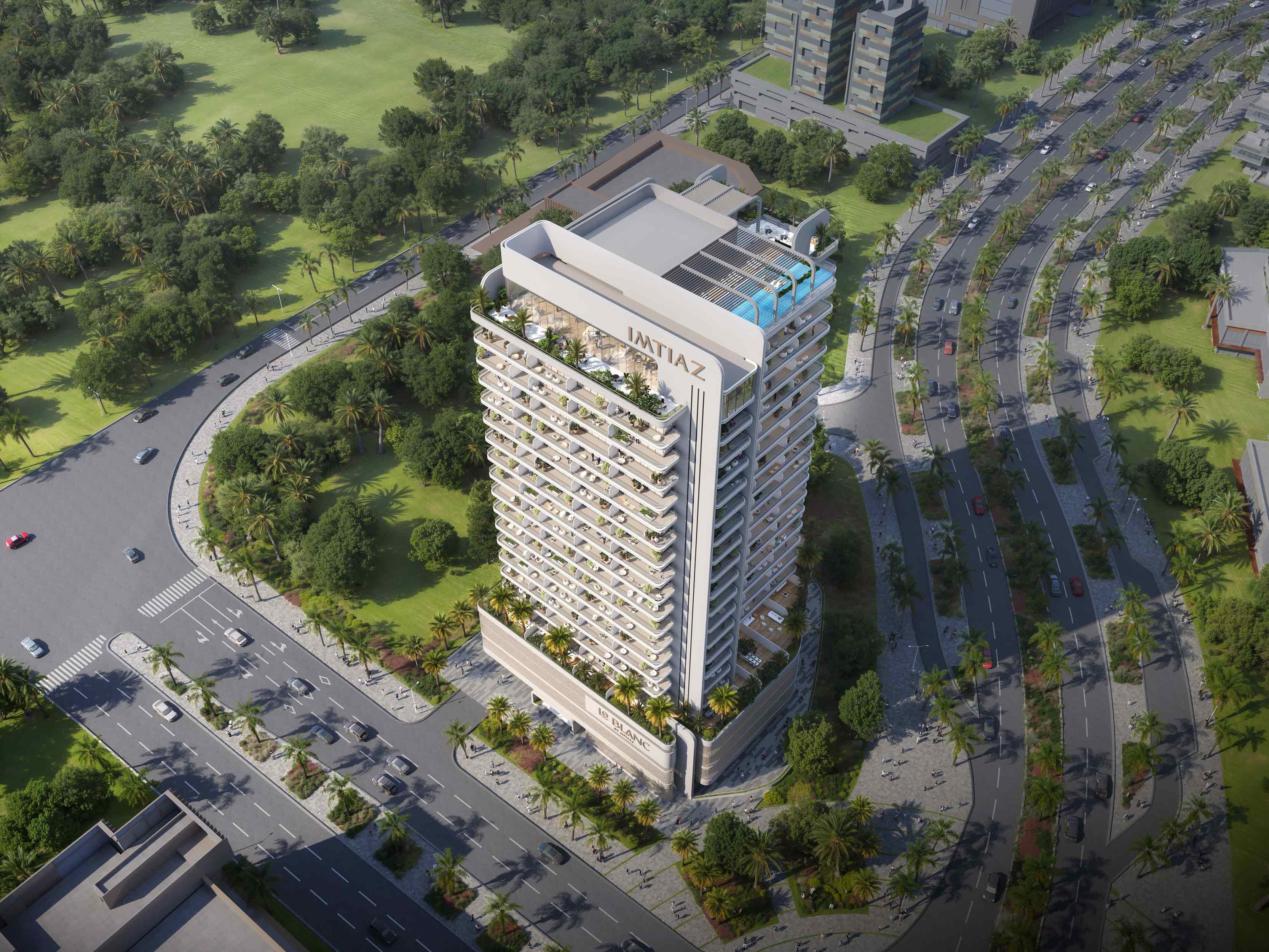
The biggest advantage at $250,000 is how much off-plan stock is available. These are properties bought before or during construction, and developers attach payment plans that stretch the cost over years, sometimes past the completion date. A typical structure is a 10% to 20% down payment, instalments through construction, and a final payment at handover. For a buyer entering with limited upfront cash, that structure does most of the heavy lifting, and it lets you ride any appreciation while the project is being built.
The residency line you need to know
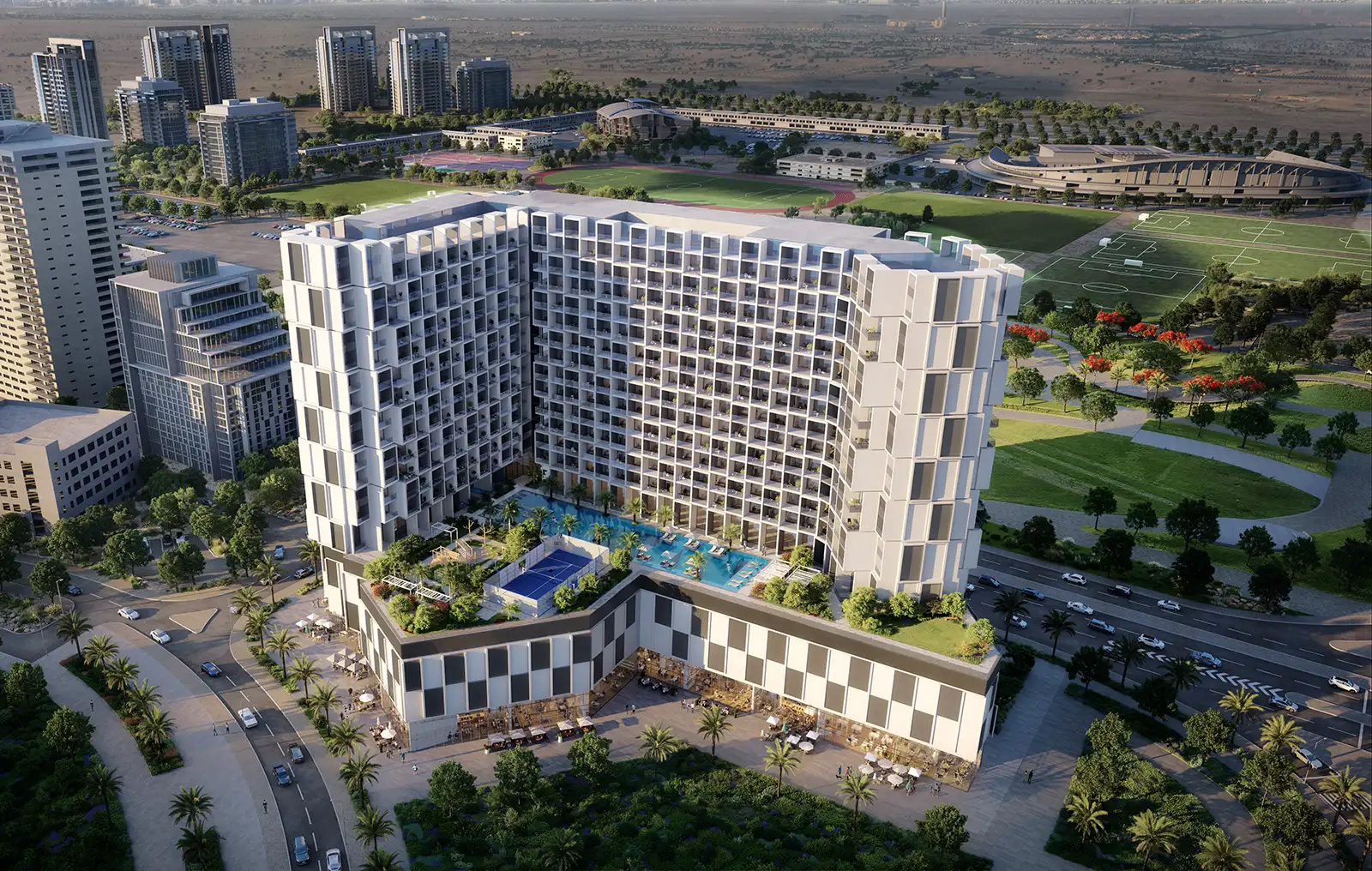
Buying property can open a path to residency, but the threshold sits above this budget. The long-term residency visa, the Golden Visa, generally needs a minimum property investment of AED 1 million, roughly $272,000. That is a stretch beyond $250,000, but not a wall. Some buyers pool resources, and others buy slightly above the line, or let appreciation carry a unit over the threshold in time. The rules move, so check the current position with a legal expert or a reputable agency like Totality Real Estate before you plan around it.
Rental yields at this level
A modest budget does not mean modest returns here. Dubai’s rental yields regularly beat those of most global cities, driven by a steady flow of expats needing somewhere to live. Studios and one-beds in the emerging areas above are exactly what renters want, which keeps income coming. Add the city’s ongoing build-out and the case for capital growth, and a $250,000 unit is a credible entry point rather than a compromise.
Tips for budget-conscious buyers
The costs beyond the sticker price
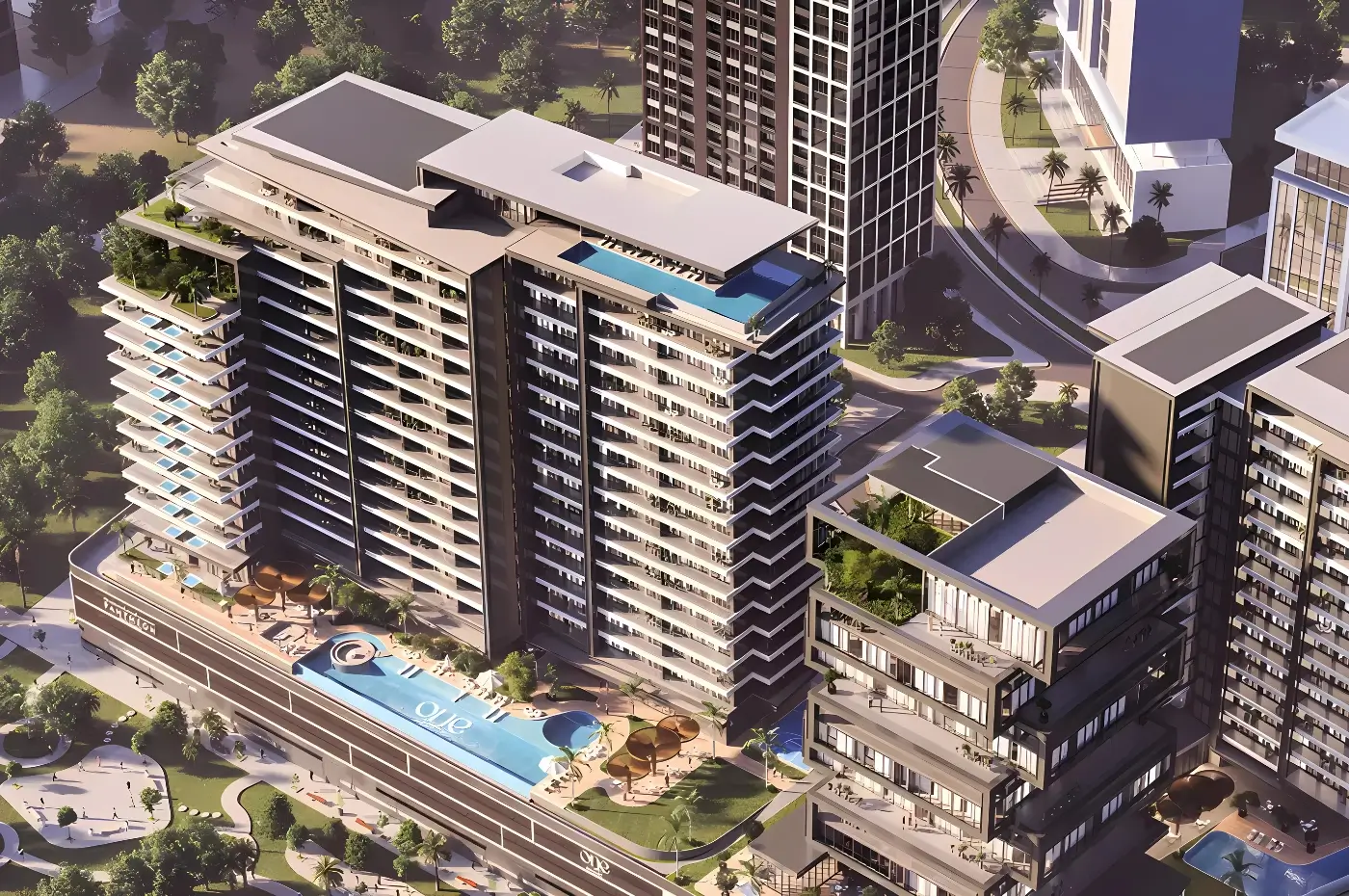
The common mistake is planning around the advertised price alone. Budget for another 6% to 7% of the property value on top. Here is where it goes:
- Dubai Land Department (DLD) fee. The big one, at 4% of the purchase price. A mandatory government fee to register the property in your name.
- Agent commission. Typically 2% of the purchase price plus VAT. Clarify it early. When you buy off-plan directly from the developer, the developer pays the agent’s commission.
- Registration fees. Smaller administrative charges tied to the property value. For properties under AED 500,000 it is around AED 2,000, and above that around AED 4,000.
- Mortgage registration fee, if you finance. An extra 0.25% of the loan amount plus VAT to register the mortgage with the DLD.
- Service charges. Annual fees for maintaining common areas and facilities. They vary a lot by developer, location, and amenities, so ask for the per-square-foot figure before you commit. It comes straight off your net yield.
Add it up and a $250,000 property really needs an all-in budget closer to $265,000 to $270,000. Small on paper, but it shifts your planning, so do not overlook it.
Location: the affordability trade-off
Units in this range sit in emerging or suburban areas, which usually means more distance from the centre, the landmarks, and the main business districts. That is a trade, not a flaw, and the upside is real:
- Better rental yields. Lower entry prices plus consistent demand for reasonably priced homes tend to produce stronger yields than central, expensive stock.
- Community living. Many of these are master-planned communities built around families, with parks, schools, retail, and recreation on the doorstep.
- Growth potential. As the city expands, these areas often get new infrastructure first, and buying early can pay off as they mature.
Weigh it against how you actually live. If a daily commute to a central district matters, check the transport links and road access before you buy. Most of these communities are well connected, and the infrastructure keeps improving.
The AED/USD peg works in your favour
One genuine comfort for international buyers is the stability of the dirham against the dollar. The AED is pegged to the USD at roughly 3.6725 to 1, so your $250,000 reliably converts to over AED 900,000 in purchasing power. No currency swings to model around, which makes planning cleaner and cuts the risk for anyone holding dollars or a dollar-pegged currency.
What $250,000 buys, side by side
A rough comparison, not an exhaustive list, to show the kinds of choices you face at this budget.
| Property Type | Location (Example) | Typical Size (sq ft) | Key Features | Potential Rental Yield | Considerations |
|---|---|---|---|---|---|
| Studio Apartment | Jumeirah Village Circle (JVC) | 350-500 | Modern finishes, community amenities, often in new developments | 6-8% | Ideal for singles and couples, strong rental demand, good entry point |
| 1-Bedroom Apartment | Dubai Silicon Oasis (DSO) | 600-800 | Separate living and sleeping areas, near the tech hub, self-contained community | 5-7% | Suits small families and professionals, good infrastructure |
| Studio / 1-Bed (Off-Plan) | Dubailand (Arjan) | 400-700 | Flexible payment plans, appreciation potential at completion, modern design | 6-9% (projected) | Requires patience, developer reputation is key, higher potential returns |
It is rarely about the most square footage. It is about the best fit for your goal. A studio in a fast-developing area can offer more long-term growth than a larger apartment in a settled, slower-moving community.
Why Dubai, for an investor at this level
Beyond the affordability, the investment case holds up. The government has pushed hard on economic diversification, backed by top-tier infrastructure and a business-friendly setup that keeps pulling in global talent and capital. Expo City Dubai, formerly Expo 2020, reinforced the city’s standing as a global hub and lifted demand across sectors, real estate included. For a $250,000 investor, that means entering a market with a track record of growth, tax-free rental income, and the prospect of capital gains, a genuine way to diversify a portfolio.
Government initiatives and diversification
You cannot separate Dubai’s property market from government policy. New economic zones, a growing tourism and logistics base, and progressive visa reforms like the Golden Visa and Green Visa keep a steady flow of residents and businesses arriving, which sustains demand for homes and commercial space alike. That support gives even a modest-budget investor a firmer footing.
Where the next hotspots may form
JVC, DSO, and Dubailand offer value now, but the map keeps shifting. New master-planned communities launch constantly, and it pays to watch the growth corridors. Areas around the upcoming Al Maktoum International Airport or new metro extensions could see real appreciation over the coming years. A $250,000 budget aimed at early-stage off-plan in those areas is essentially getting in before the crowd, with the capital gains that can follow as infrastructure lands.
Sustainability and smart-city building
Dubai is leaning hard into green building, energy-efficient design, and smart-home technology. Beyond a better place to live, it protects long-term value. As buyers grow more conscious of environmental impact, properties with strong sustainability credentials should command a premium, adding another layer to the investment case.
The purchase process, step by step
If you are ready to move, the process is less intimidating once you see it laid out. Work with a reputable agency like Totality Real Estate and legal counsel, but here is the shape of it.
1. Define your goals and budget
Start with the objective. Primary home, holiday home, or pure investment? That decides the property type and location. Reconfirm the $250,000 budget with the 6% to 7% in fees factored in. This first step matters most.
2. Research and shortlist
Use portals, agencies, and market reports to find units in your budget and preferred areas. Weigh property type, amenities, and proximity to services and transport.
3. Engage a real estate agent
A local, experienced agent earns their keep. They bring market insight, access to off-plan listings you will not find yourself, negotiation, and help meeting the legal requirements.
4. Due diligence and legal checks
Once you have a property, do the work. Verify the developer’s track record for off-plan, check the title, and understand any community rules. Legal counsel reviews the contracts and protects your interests. Do not skip this.
5. Secure financing, if needed
If you need a mortgage, look at local banks. Dubai’s banking sector is well developed, with products for residents and non-residents. Have your financial documentation ready. Even paying cash, understand the numbers.
6. Sign the Sale and Purchase Agreement (SPA)
With terms agreed, you sign the SPA, which sets out the sale conditions. For off-plan, it includes the payment schedule. Read every clause before you sign.
7. Register with the DLD
Finally, ownership transfers and registers with the Dubai Land Department. You pay the DLD fee and the associated charges, and once registered you receive your title deed. At that point you own property in Dubai.
The bottom line
$250,000 will not put you above the Burj Khalifa, but it is a real, workable entry into one of the world’s more dynamic property markets. The buyers who do well focus on emerging areas, use off-plan payment plans, and budget for every cost rather than the headline price alone. Do the research, get the right guidance, and this budget opens more doors than most people expect.