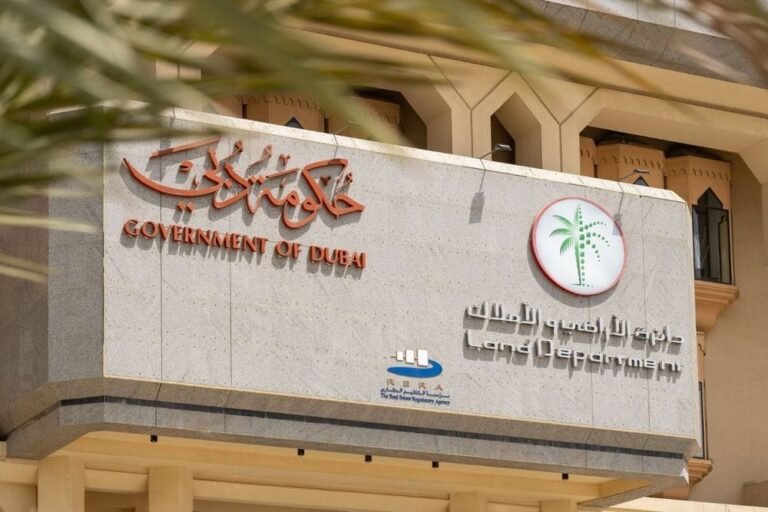

Behind every clean Dubai property transaction sits the Dubai Land Department. It is the government body that registers title, regulates Dubai’s real estate market, and keeps the whole thing transparent enough that a buyer in Toronto or London can put money into a Dubai apartment without lying awake about it. Established in 1960, the DLD is the reason Dubai’s tax-free returns, high yields, and investor-friendly rules come wrapped in legal protection rather than risk. This piece walks through what the DLD actually does, how it is structured, and why that structure keeps drawing a global investor base.
Mission and Core Functions
The DLD exists to make Dubai’s property market secure, transparent, and worth trusting, for locals and foreign investors alike. It does that through regulatory frameworks and streamlined transaction processes, so that when you buy, you know what you are buying and where the protections sit.
The Divisions That Make It Work
The DLD runs through several specialised arms, each covering a different corner of the market:
-
Real Estate Regulatory Agency (RERA): the regulatory arm. RERA enforces the laws governing property management, developer activity, and broker conduct. That oversight is what keeps business practices honest and protects investors, and it is a big part of why Dubai’s market has the reputation it does.
-
Real Estate Investment Management and Promotion Center: the outward-facing arm. It promotes Dubai property internationally through roadshows and partnerships, showing off the market’s potential and helping new investors find their way in.
-
Dubai Real Estate Institute (DREI): the education arm. DREI runs certification courses, seminars, and training for industry professionals, raising standards across the market and, by extension, investor confidence.
Together these arms give the DLD full coverage of the market, which is what keeps it well-regulated, competitive, and open to investors worldwide.
Economic Resilience: The Foundation Under the Market
Dubai’s economy has moved away from oil into a diversified base, with tourism, trade, finance, and real estate now driving GDP. According to the Dubai Statistics Center, UAE GDP was projected to grow 3.9% in 2023, with much of that coming from non-oil sectors. That resilience, backed by a government committed to diversification, is what makes Dubai a stable place to hold property rather than a speculative bet.
What Drives the Growth
Trade and financial services: sitting at the crossroads of Europe, Asia, and Africa, Dubai is a major trade hub, with top-tier ports and airports feeding global routes. Its financial services sector keeps expanding, and the city serves as a regional headquarters for a long list of multinationals.
Tourism: Dubai drew over 16 million international visitors in 2019, on the strength of its landmarks, hotels, and retail. In 2022 it set a target of 25 million visitors a year, which feeds straight into rental demand.
The Tax-Free Advantage
The tax position is one of the biggest draws. Unlike most global markets, Dubai charges no personal income tax, no capital gains tax, and no annual property tax. Your rental income and your capital gains land in your pocket with minimal deductions. There is a 4% property transfer fee payable to the DLD, and beyond that the costs stay low, which is a large part of the appeal.
How That Compares Globally
In New York, London, or Hong Kong, investors are dealing with income tax, capital gains tax, and property tax, all of which chip away at net returns. Dubai’s tax-free framework lets you keep more of the upside while transaction costs stay low. That combination is exactly what pulls in high-net-worth individuals, companies, and portfolio managers looking for better conditions than their home markets offer.
Government Support and Visa Incentives
Dubai has tied several residency options to property investment, which turns a purchase into more than a financial move. These programs add stability and value to ownership, and they are a deliberate lever to attract and keep foreign capital.
Visas Tied to Property Investment
-
3-Year Investor Visa: available on property worth at least AED 750,000. Renewable, flexible, and suited to short- and mid-term investors.
-
10-Year Golden Visa: available on property investment of AED 2 million or more. It grants ten years of residency with renewal options and lets you live, work, and study in the UAE without a local sponsor.
These visas give investors long-term stability, the ability to bring their families, open bank accounts, and run a business in Dubai. That is a genuinely rare offer among global property markets, and it strengthens the case for buying here.
Location and Global Connectivity
Dubai’s position between Asia, Europe, and Africa makes it a natural hub for international business and travel. It is well connected too, with Dubai International (DXB) and Al Maktoum International (DWC) flying direct to more than 240 destinations.
That connectivity feeds property demand on both the residential and commercial sides. The steady flow of tourists, expatriates, and business travellers keeps short- and long-term rentals moving, and occupancy runs especially high near the city centre and the main attractions.
Lifestyle and Standard of Living
Dubai’s quality of life is a real part of the investment case. The retail, dining, and cultural offering is strong, the healthcare and education systems are top-tier, and the city ranks among the safest globally, which matters to families and professionals deciding where to put down roots.
Popular Lifestyle and Investment Neighbourhoods
-
Downtown Dubai: home to the Burj Khalifa and Dubai Mall, and a magnet for high-net-worth buyers after luxury residences. Demand stays consistent and capital appreciation is strong.
-
Dubai Marina: known for its waterfront lifestyle, dining, and nightlife, and a favourite for professionals and families. The waterfront apartments and high-end facilities keep rental demand high.
-
Palm Jumeirah: the man-made island offering exclusive beachfront living, and a draw for affluent buyers after premium real estate.
These areas combine a high quality of life with steady appreciation potential, which is what keeps Dubai working as both a lifestyle and an investment destination.
High-Return Areas and Property Options
Dubai’s market spans everything from affordable high-yield apartments to luxury villas, so there is stock to match most investor profiles and goals.
-
Jumeirah Village Circle (JVC): popular for affordability, with a diverse resident base and rental yields reaching up to 10% in some cases.
-
Dubai Creek Harbour: anchored by the ambitious Creek Tower project, and fast becoming an investment hub with strong future growth potential.
-
Meydan: close to Downtown, offering mid- to high-end property with promising growth as the surrounding infrastructure develops.
Market Performance and Rental Yields
Dubai runs some of the highest rental yields in the world, averaging 5 to 8% and occasionally hitting 10%. Set that against mature markets like London and New York, where yields generally sit below 4%, and the competitiveness is obvious.
Transparency and Technology
The DLD has pushed hard on transparency and technology. Through initiatives like blockchain, property transactions and registrations have become more secure, efficient, and open.
Blockchain and Data Access
The DLD introduced the Dubai REST app, which uses blockchain to secure online property transactions. It cuts fraud risk and shortens processing times, so transactions move faster and safer. The DLD also opens up property transaction data to the public, which lets investors read market trends and valuations in real time rather than relying on hearsay.
The Bottom Line
Dubai’s market stands out for a specific set of reasons: tax-free income, high rental yields, investor-friendly visas, and unusual transparency. The DLD is the body that holds all of that together, enforcing the rules, keeping the market open, and pushing the technology forward. Backed by supportive policy, a diversified economy, and top-tier infrastructure, the market is set up for continued growth. Whether you are after a luxury villa in Downtown or a high-yield apartment in JVC, the range is there, and so is the regulatory backbone that makes buying into it a considered move rather than a gamble.