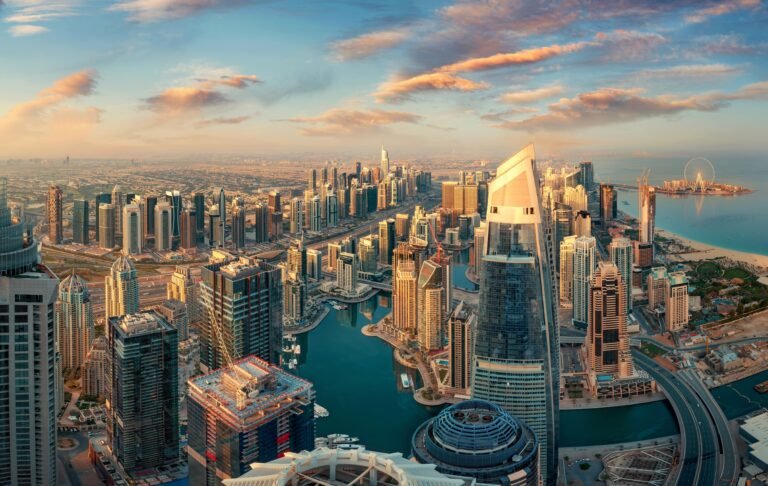

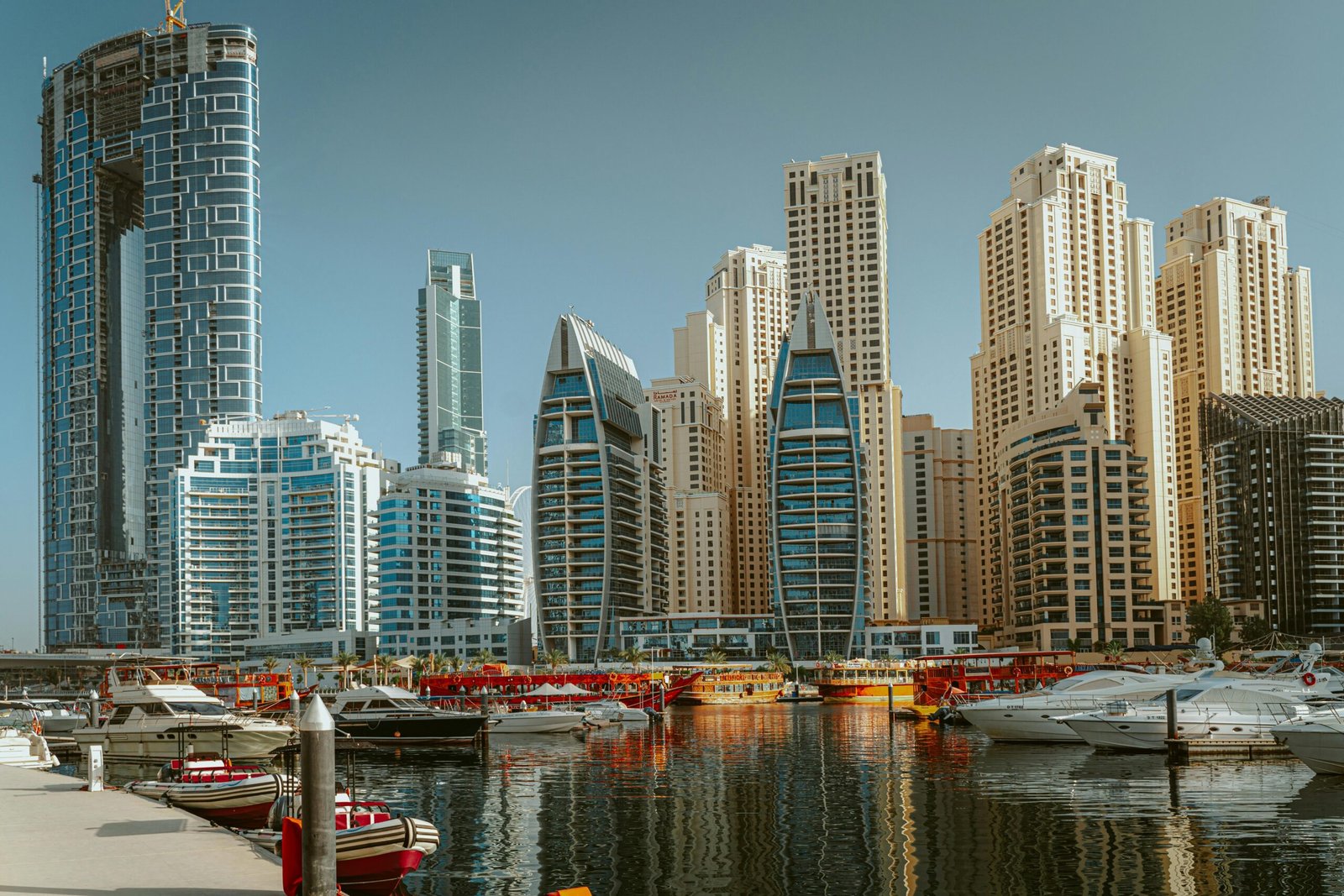
Dubai took in roughly 1,000 new residents a day through the first quarter of 2025. That single number explains most of what my clients are seeing on the ground: rents climbing, cranes everywhere, and good units letting before they hit the portals. If you want to understand where rent and yield are heading this year, start with the people, not the buildings.
A thousand arrivals a day
By the end of March, the Dubai Statistics Center put the population at about 3.92 million, with intake running near 1,000 people daily in Q1. This is policy working exactly as intended. The Golden Visa, the remote work residency, and zero personal income tax were built to pull in professionals, founders, and people who can work from anywhere, and they are doing it.
Every one of those arrivals needs somewhere to live. That is the whole story behind the rent numbers.
Rents are up, and the premium areas are up more
ValuStrat’s recent figures show apartment rents up 10% year-on-year and villa rents up 5.1% across the emirate. The top-end districts are running hotter. A market forecast points to rental increases of 15% to 18% this year in places like Palm Jumeirah, Downtown Dubai, Dubai Marina, and Jumeirah Bay Island.
Put a real number on it. A two-bedroom in Downtown that let for AED 120,000 in 2022 can ask AED 150,000 or more today and still draw several offers. I have watched tenants lose units because they went away to think about it overnight.
Developers are building fast, and still behind
The response from developers is a supply wave. JSR Group expects around 75,940 new residential units, villas and apartments combined, to be delivered across the city by the end of 2025.
That sounds like a lot until you run it against the intake. At current trends Dubai could add roughly 365,000 residents a year. Assume an average household of three, and the city needs about 120,000 new homes annually just to stand still. So even a big delivery year leaves a gap, and the gap is widest in the areas everyone actually wants.
Why people keep choosing Dubai
It is not one thing. It is a stack of them:
- Zero income tax, which matters more the more you earn.
- Safety and infrastructure. Dubai sits among the safest cities globally, with the roads, healthcare, and amenities to match.
- Connectivity. Emirates flies to more than 150 destinations, so almost anywhere is a direct hop.
- Long-term residency. The 10-year Golden Visa and the remote work visas let expats plan around staying, not leaving.
The wealth is following the same path. Henley & Partners’ Global Wealth Migration Report 2024 counted more than 4,500 millionaires moving to the UAE in 2023, and a large share of them landed in Dubai.
_______________________________________________________________________________________
Check out our comprehensive walkthroughs of how to invest from abroad:
- The UK Investor’s Guide to Buying Property in Dubai
- The US Investor’s Guide to Buying Property in Dubai
- The Canadian Investor’s Guide to Buying Property in Dubai
And don’t forget to join one of our Webinars!
_______________________________________________________________________________________
Where rents are climbing fastest
The increases are citywide, but some neighborhoods are moving harder than others. Here is early 2025 at a glance:
| Area | Annual Rent Increase |
| Palm Jumeirah | 17% |
| Downtown Dubai | 15% |
| Dubai Marina | 14% |
| Business Bay | 12% |
| Jumeirah Village Circle (JVC) | 10% |
Notice JVC on that list. Communities that used to be the budget answer, JVC and Dubai Sports City among them, are pricing out the middle-income tenants who relied on them.
What this means if you rent
Housing is getting more expensive and more competitive, plainly. The RERA rental index caps how much a landlord can raise at renewal, which offers some protection, but enforcement gets patchy right when it matters, on lease expiry, when a landlord pushes for an above-market number. More tenants are ending up in one of two spots: negotiating hard, or moving out to a newer, less central area to keep the budget intact.
Still a land of opportunity?
For investors, this is the good side of the same coin. Dubai is one of the few major global markets where rental yields still reach 6% to 8%, especially in newer apartments or off-plan units in growth areas like Arjan, Al Furjan, and Dubailand. Against London at 2% to 3% or New York at 3% to 4%, that spread speaks for itself.
The caveat is financing. Higher global interest rates have made mortgages dearer, which eats into net returns, so the yield on paper is not always the yield in your pocket. Work with a broker who knows the sub-markets and check the Dubai Land Department data before you commit.
Will prices keep climbing?
Most analysts see rents rising through 2025, though likely at a slower pace in the second half as new supply lands. The exceptions are the supply-constrained districts. Downtown, Marina, and beachfront stock will hold their pricing pressure because there is simply nowhere to add more of them.
The variable nobody controls is the wider economy. If oil stays stable, tourism keeps running, and the region stays calm, the housing market stays firm.
The practical read
If you rent, the move is to lock a longer lease in an up-and-coming area before the next renewal cycle catches you. If you invest, the yields are real, but they reward data and local knowledge over enthusiasm. Either way, the intake numbers say the same thing: Dubai is not easing off, and the demand behind these rents is not going anywhere soon.