
Return on investment in Dubai is decided in the details most buyers skip past. The headline yield gets all the attention, but your actual return lives in the service charge you did not model, the location premium you did or did not pay for, the fee schedule at the notary, and how quickly you can get a tenant in. Get those right and Dubai’s numbers are genuinely hard to beat. Get them wrong and a 7% gross can quietly become a 4% net.
Here is how the pieces fit together.
The market you are buying into
Dubai’s property market runs under the Dubai Land Department (DLD) and the Real Estate Regulatory Agency (RERA), and the regulation is real rather than decorative. That structure is a large part of why international money keeps coming.
Two numbers give you the shape of it. In the first half of 2023, transactions hit AED 177 billion, up 46% year on year. And rental yields across the city average 6 to 8% a year, with prime areas like Downtown Dubai, Dubai Marina, and Business Bay pushing higher, particularly on short-term lets. Very few global cities pair that kind of yield with this kind of transaction volume.
Location decides most of your return
Where you buy matters more than almost anything else you will do. Dubai splits roughly into two kinds of area worth owning.
Established high-yield areas
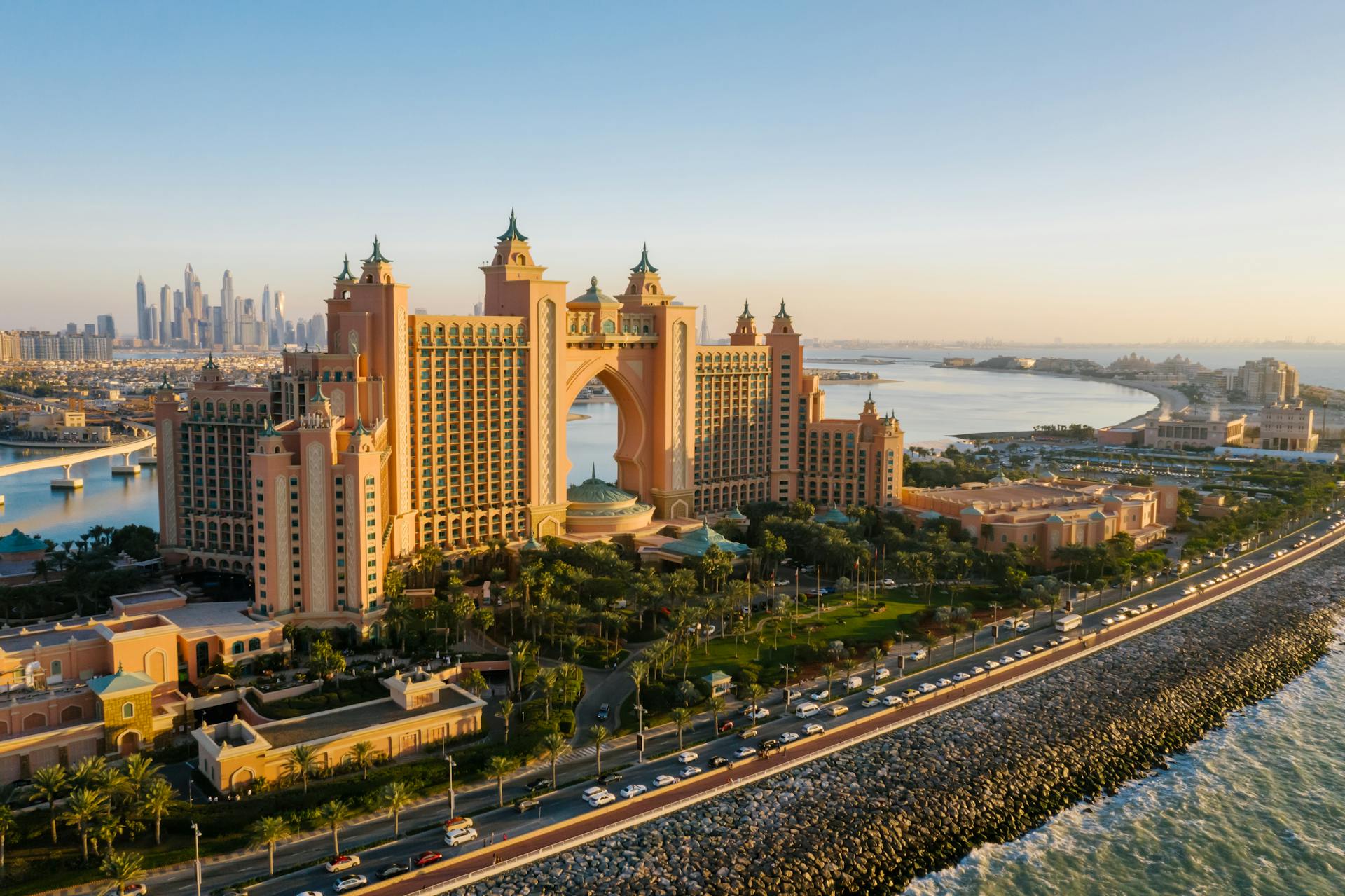
Palm Jumeirah draws tourists and long-term tenants to its waterfront villas and apartments.
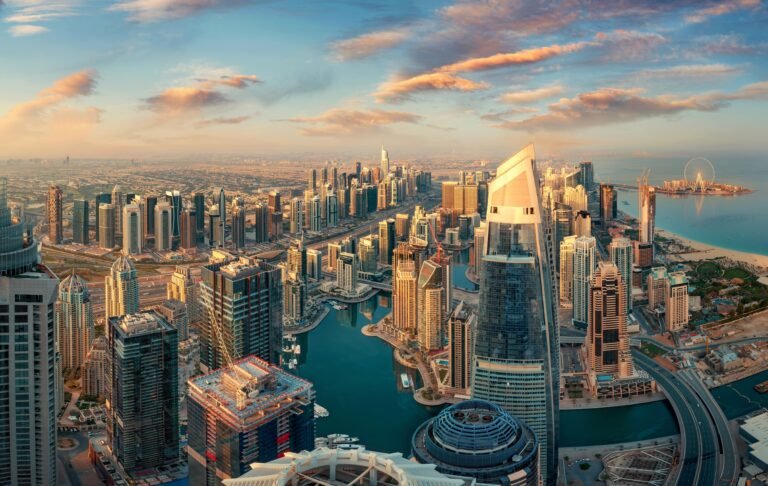
Dubai Marina stays in demand for its walkable, urban lifestyle and its closeness to the business districts.

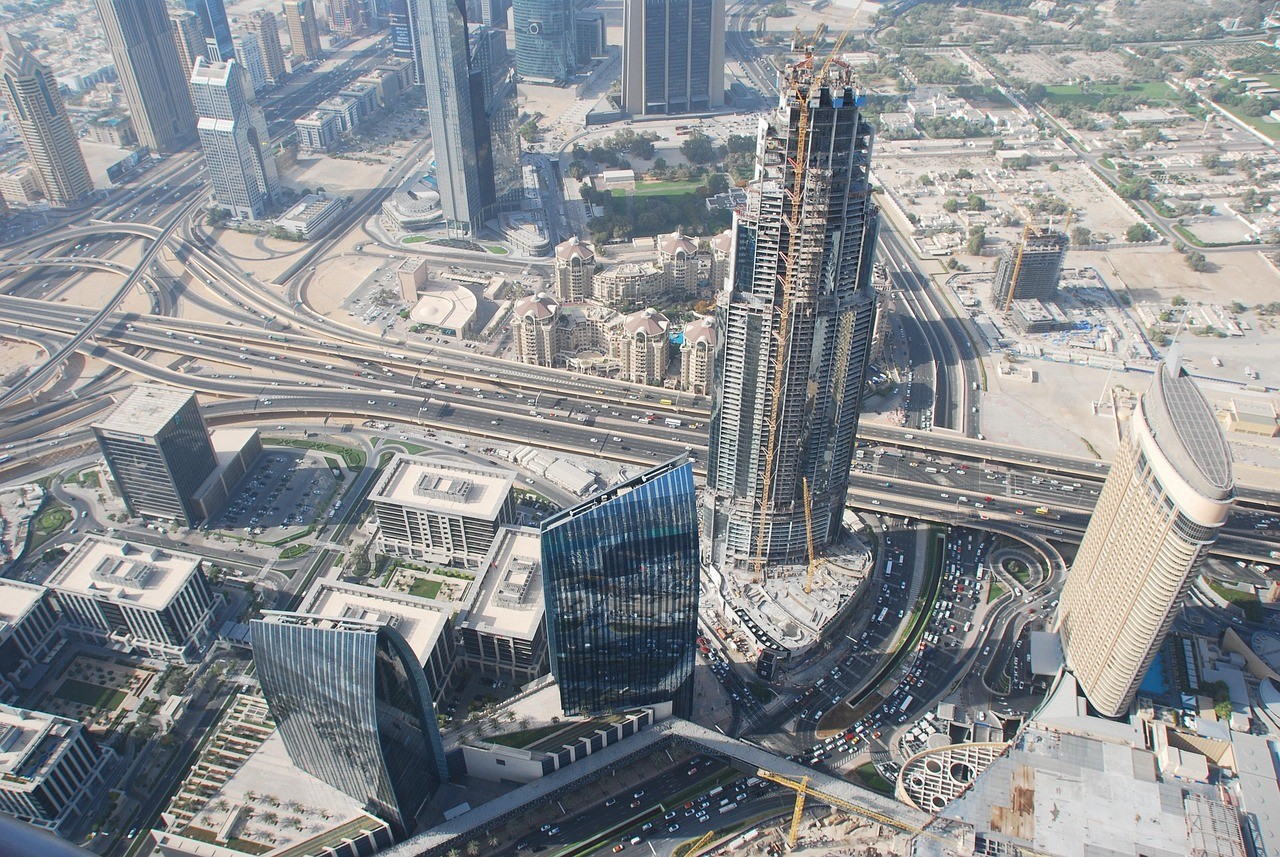
Downtown Dubai pulls both tourists and professionals, thanks to the Burj Khalifa and Dubai Mall on the doorstep.

Emerging growth zones
Dubai South sits next to Expo City Dubai and Al Maktoum International Airport, which is the whole thesis for buying early.

Jumeirah Village Circle (JVC) offers cheaper stock with strong rental demand from families and younger professionals.

One detail worth writing down: properties near transport hubs such as metro stations command premiums of 10 to 15%. Accessibility is not a soft benefit. It shows up in the price and in how fast you rent.
Off-plan, used properly
Buying before completion can lift your return, but only if you go in with your eyes open. The upside is real: lower entry prices than finished stock, flexible developer payment plans, and the chance of capital appreciation by the time the keys arrive. Off-plan made up 44% of all transactions in 2022, so plenty of buyers already lean on it.
The due diligence is where people get careless. Check the developer’s track record. Verify the timeline and that the project complies with RERA. And know that off-plan funds have to sit in escrow accounts, which is your protection if a project stalls. Buy off-plan without checking those three things and you are gambling, not investing.
Getting the rental strategy right
How you rent changes your income as much as what you buy.
Short-term rentals
Airbnb-style lets do well in high-tourist areas like Palm Jumeirah and Business Bay. Dubai took in 21 million overnight visitors in 2023, which keeps vacation-rental demand deep. The trade-off is more work and more turnover.
Long-term rentals
Family communities like Arabian Ranches and The Springs give you stability and high occupancy.

Long leases cut your management costs and give you a steady income you can plan around. Which route wins depends on the building, the area, and honestly how hands-on you want to be.
Upgrades that actually pay back
Not every renovation earns its money back. A few reliably do. Green-certified buildings command up to 10% higher rents according to the DLD, and energy-efficient work like solar panels and smart thermostats lines up with Dubai’s Clean Energy Strategy. Smart features such as automated lighting, smart locks, and climate control make a unit easier to market. And the basics, a modern kitchen and a tidy outdoor space, tend to pay back fastest of all, whether through rent or resale.
The costs nobody warns you about
The price on the listing is not the price you pay. Budget for these before you commit:
- DLD transfer fee: 4% of the property price, mandatory to register the property in your name.
- Agent commission: typically 2% of the transaction, paid by the buyer.
- Trustee office fees: AED 4,200 for registration.
- Mortgage registration: 0.25% of the loan amount plus AED 290 in admin fees, if you are financing.
- Annual service charges: AED 10 to AED 30 per square foot per year, depending on the property and its amenities.
That last line is the one that eats yields. A cheap price per square foot with a heavy service charge can return less than a pricier building with a lean one. Ask for the service-charge history before you fall for the number on the front page.
The tax position
This is where Dubai pulls ahead of most markets. No income tax on your rent. No capital gains tax on your profit when you sell. No annual property tax. For an overseas buyer used to losing a slice of both income and gain at home, that difference compounds year after year and is the real engine behind the returns.
Financing
Residents and non-residents can both borrow. Residents can secure up to 85% financing on properties below AED 5 million; non-residents up to 75% loan-to-value. Tenures run 10 to 25 years, with fixed and variable rates typically in the 3 to 5% range. Get pre-approved before you shop, and compare rates, terms, and fees across lenders rather than taking the first offer, because the financing structure feeds straight into your net return.
The protections working in your favour
The DLD and RERA have put real safeguards in place. Off-plan payments go into escrow, so your money is protected if a project fails. RERA monitors developers and holds them to their timelines. And only licensed brokers can handle transactions. None of that removes the need to do your own checks on the property, the developer, and the broker, but it means the system is built to catch problems rather than hide them.
Playing the long game
The strongest returns here come from holding, not flipping. A few principles hold up over a full cycle.
Diversify the portfolio
Spreading across sectors lowers your exposure. Residential gives you steady demand from expats and families. Commercial performs in hubs like DIFC and Business Bay. Retail units do well in high-footfall spots such as Downtown Dubai and Palm Jumeirah. Different property types moving on different cycles is what smooths your overall return.
Use the incentive programmes
The Golden Visa gives long-term residency to buyers of property worth over AED 2 million. For an international investor, residency alongside the asset adds a stability that pure yield numbers do not capture.
Mind the cycle
Buying into a dip and holding for recovery is the oldest strategy in the book because it works. Dubai’s market has historically bounced back quickly, which rewards buyers with patience over those chasing the top.
What 2025 looks like
A few forces are shaping the near term.
Population is projected to reach 5.8 million by 2040, and the Dubai 2040 Urban Master Plan is built around livability and connectivity, which keeps new developments attractive. Sustainable and smart projects, from Dubai Sustainable City to units with automated systems built in, are increasingly what tenants and buyers ask for first. The luxury end keeps running on demand from high-net-worth buyers in Downtown Dubai, Palm Jumeirah, and Emirates Hills.

And the old Expo 2020 site, now District 2020, has turned into a working business and residential hub, lifting property values in the surrounding areas along with it.
The risks, plainly
None of this is a one-way bet. The market moves with global conditions, oil prices, and investor sentiment, so stay informed rather than assume the line only goes up. Property laws evolve, which means keeping current or working with a legal advisor who does. And as Dubai keeps diversifying its economy away from oil, different sectors will feel those shifts differently, which is another argument for spreading your exposure.
What it comes down to
Maximising ROI here is not about finding a secret area or timing the exact bottom. It is about understanding the fees, the legal process, and the financing, then buying in the right location and holding through the cycle. The tax position and the yields are already in your favour. The returns come from not giving them back through avoidable mistakes.
Contact us at Totality Estates if you want help building a strategy around your own numbers, even if you are starting from scratch. You can also join one of our free webinars for the latest on the market.