
The three things that trip up expat buyers in Dubai are not price or location. They are the ownership type you sign for, the paperwork you turn up with, and what happens to the property if you die. Sort those out and buying here is genuinely straightforward. The tax-free income and the lifestyle are real draws, but they are not the part that needs your attention. This is.
Freehold or leasehold
The first decision is the ownership structure, and it changes what you actually own.
Freehold
Freehold means you own the property and the land it sits on, permanently. You can sell it, lease it or alter it without asking a landowner or developer for permission. For most foreign buyers making a long-term investment, this is the one you want.
Leasehold
Leasehold gives you the property for a set term, usually 99 years, after which ownership returns to the freeholder. During the lease you can live in it or rent it out, but a major renovation or a sale can require the freeholder’s sign-off. It is cheaper and available in more central locations, so it has its place, just know that it is a time-limited right, not outright ownership.
Where foreigners can own freehold
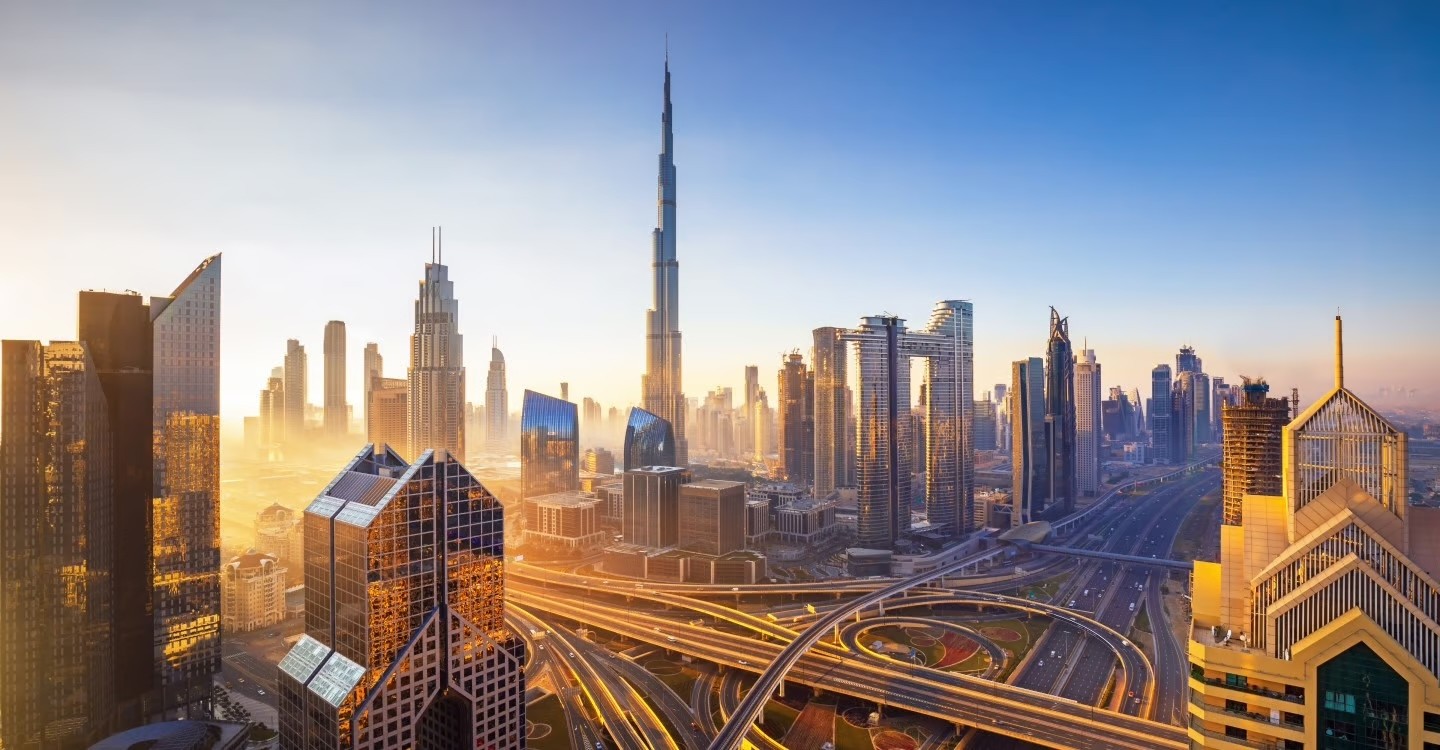
Dubai has designated freehold areas where foreigners can buy outright, and they include some of the most in-demand addresses in the city:
-
Dubai Marina: luxury apartments, waterfront views, restaurants and retail at the door.
-
Palm Jumeirah: the palm-shaped island, with beachfront villas and apartments.
-
Downtown Dubai: the Burj Khalifa and Dubai Mall, with a mix of luxury and commercial stock.
-
Jumeirah Lakes Towers (JLT): residential and commercial towers around the lakes, with metro access.
The trade-offs, plainly
Freehold gives you full ownership with no time limit, freedom to sell, lease or modify without approval, and the better long-term return profile. The cost is that it is usually more expensive and confined to the designated areas, which may put some budgets out of reach.
Leasehold gives you a lower entry price and a wider choice of locations, including central and high-demand areas, which suits someone who wants a long-term home without full ownership. The limits are the fixed term, the need for freeholder permission on big changes or a sale, and the question of what happens when the lease runs down if it is not renewed.
The documents you actually need
As an expat, you will need to produce:
-
Passport copy: proof of identity.
-
Emirates ID: if you are a UAE resident.
-
Proof of address: a recent utility bill or tenancy contract.
-
Proof of income: salary certificates or recent bank statements showing you can fund the purchase.
-
Sales and Purchase Agreement (SPA): the binding contract between buyer and seller.
What the SPA is doing for you
The SPA is the spine of the whole transaction. It is the formal contract that sets the purchase price, the payment schedule and any conditions that have to be met before ownership transfers. It binds both sides to the agreed terms, so it protects the buyer and the seller. It spells out the deposit, the installments and the final payment due at transfer, and it lists conditions that have to clear first, such as securing your financing or settling outstanding dues on the property. Read it properly before you sign it.
Why the NOC matters
A No Objection Certificate is what lets ownership transfer within a developer-managed community.
Developer approval: the NOC confirms the developer has no objection to the transfer, which means all service charges and outstanding dues have been paid.
Required for transfer: the Dubai Land Department will not process the transfer without it. No NOC, no deal. It is a hard gate in the process.
A final check: it also confirms the property is free of disputes or unresolved issues that could hold up the transfer.
Inheritance and what happens to the property
This is the part expat buyers most often skip, and it is the one with the largest downside if you ignore it.
How Sharia law affects inheritance
In Dubai, inheritance is governed by Sharia law, and it applies to Muslims and non-Muslims alike unless a registered will says otherwise. Sharia sets specific rules for distributing assets, property included, and those rules can look very different from the inheritance laws in your home country.
Default distribution: with no will, the property is divided according to Sharia, which prioritizes certain relatives and allocates fixed shares. That may not match what you would have chosen.
The complication: for an expat who wanted a different arrangement, that automatic split can create real problems for the people left behind. The fix is a legally registered will setting out your own wishes.
Draft a will that UAE law recognizes
To make sure your property passes the way you intend, draft a will that complies with UAE law. Non-Muslims can register one at the Dubai International Financial Centre (DIFC) Wills Service Centre, which gives a clear legal framework for how your estate is handled. A registered will also cuts down disputes among heirs and makes the transfer far smoother if the worst happens.
The transfer process on death
When an owner dies, the process runs through several steps. The Dubai Land Department is notified and given the relevant documents, including the death certificate. The authorities then confirm whether a will exists and whether it is registered under UAE law. If there is a valid will, the property is distributed under its terms. Once the legal requirements are met, the property transfers to the heirs, either as the will directs or, without one, according to Sharia.
The bottom line
Buying in Dubai as an expat is a serious commitment, and the legal side is where you protect yourself. Know the difference between freehold and leasehold, arrive with the right documents, and settle your inheritance planning before, not after. Do that and the transaction itself is smooth.
For more on the market and the money side of buying here:
-
Understanding Dubai Property Taxes and Fees: the financial obligations that come with a purchase.
-
Dubai Property Market 2024: What Investors Need to Know: current trends and where the opportunities sit.