
Off plan projects in Dubai in 2026: what actually matters, and what I would double check
A 10 percent booking figure gets quoted so often that people start treating it as a discount. It isn’t. It is common across launches, but it is not a rule, and it tells you nothing about the quality of the building, the depth of demand, or whether you can sell the unit later. All a staged payment plan does is spread your cash out. That is useful. It is not the same as safety.
For the running list rather than a snapshot, see the new off-plan launches in Dubai we update as projects come to market.
For 2026 the cleanest way to think about off plan is to stop chasing the newest render and start weighing three things against each other: how much construction is left, whether the escrow and registration check out, and whether your exit is realistic. Dubai still launches shiny things every quarter. The investor-friendly moves this year tend to be projects already well underway, where your timeline risk is smaller and where you can verify the details through Dubai Land Department channels instead of a sales deck. DLD points buyers straight to Project Status (Mashrooi) inside the Dubai REST app, where you can see developer details and escrow account details.
What off plan actually means here, in plain English
You are buying before completion, usually direct from the developer, and paying in milestones while the thing gets built. The contract is an SPA. Your interim ownership record for an off plan unit is usually tied to Oqood. On paper it is simple. In practice it is only simple if you do the boring verification steps first.
The upside is obvious: you can often get in at an earlier price, your cash goes out in stages, and if the area genuinely improves over the build period you might catch some appreciation by handover. The annoying part is just as obvious. Timelines move, specifications shift, and your rental yield is a spreadsheet fantasy until you have keys and a tenant in the door.
The buyer protection layer people forget to use
Dubai’s off plan framework is built around two things: project registration and escrow accounts. The developer registers the project and opens a project escrow account, and buyer money is supposed to flow into that escrow structure, not into some other account. That is the whole idea. Dubai Law No. 8 of 2007 is literally the escrow law for real estate development, and DLD’s own FAQ explains the escrow account in plain terms: a bank account where money collected from off plan purchasers is deposited. Law No. 13 of 2008 sets out the interim property register, which is where off plan sales get recorded before they move to the full real estate register.
You can check any of this yourself. DLD points buyers to Project Status (Mashrooi) in the Dubai REST app, which shows project details, status, developer details, and the escrow account. It feels bureaucratic right up until you realise it is your first real reality check on whether the project is what the brochure says it is.
If you want a fuller due diligence walkthrough, the Totality Blog has a practical checklist covering Dubai REST checks, escrow, Oqood, and SPA clauses.
Off plan versus ready, side by side
| Topic | Off plan (developer) | Ready property (secondary) |
|---|---|---|
| Upfront cash | Often lower to start, staged payments | Often higher upfront, unless financed |
| Timeline certainty | Medium to low, depends on delivery | Higher, you can inspect and move in |
| Price upside | Can be stronger into handover, not guaranteed | More defensive, depends on the cycle |
| Main risk | Delay, quality, spec changes | Condition, renovation, tenant issues |
| Best for | Planned hold, portfolio building | Immediate use, immediate income |
The benefits, and the part people oversell
Flexible payment plans. Developers do commonly structure booking down payments and instalments, and that makes entry easier if you prefer to deploy capital in stages. Here is the honest note though: a nice payment plan is very good at distracting a buyer from a mediocre project.
Capital appreciation. This is the headline, and it can be real, especially when a community is early in its development curve. But appreciation is not a feature you are buying. It is an outcome you are hoping for. Underwrite the exit, the comparable supply, and the competition you will face at handover before you count on it.
Newer specs. Smart home kit, wellness amenities, better layouts, sometimes greener building standards. New is not automatically better. In a brand-new masterplan, new can also mean a first-generation management team learning on the job.
The shortlist for 2026
These are the projects setting the tone this year. Treat every handover date as something to confirm per building and per phase, not per masterplan.
Palm Jebel Ali (Nakheel): waterfront, long horizon
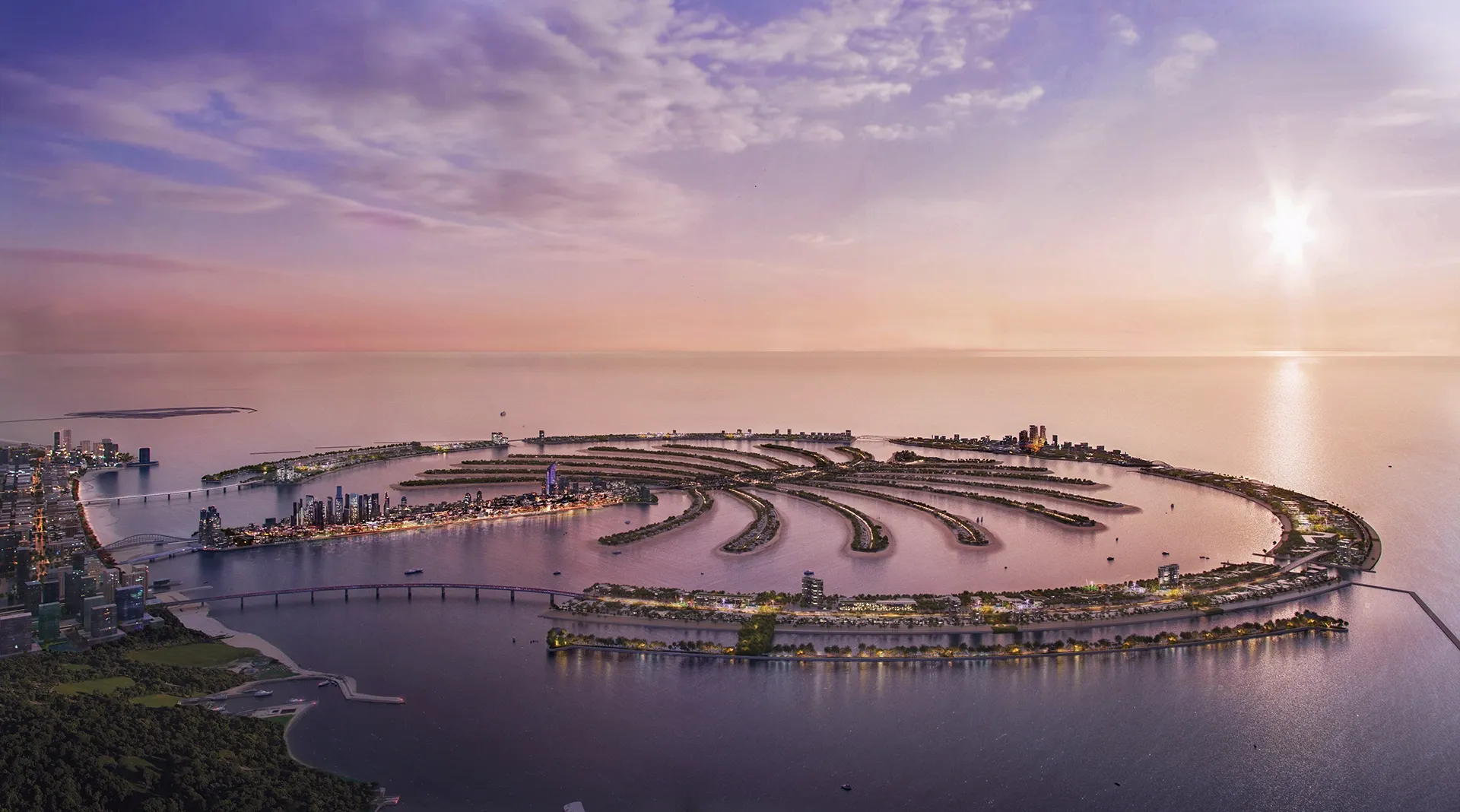
Palm Jebel Ali is being positioned as the next era of palm-style beachfront living, with villas and frond neighbourhoods, and it is one of Nakheel’s flagship stories right now. If you buy here you are buying brand value, scarcity, and a long timeline thesis. You are not buying quick yield, and you should not pretend otherwise.
The Oasis by Emaar: large-scale villas, end-user demand
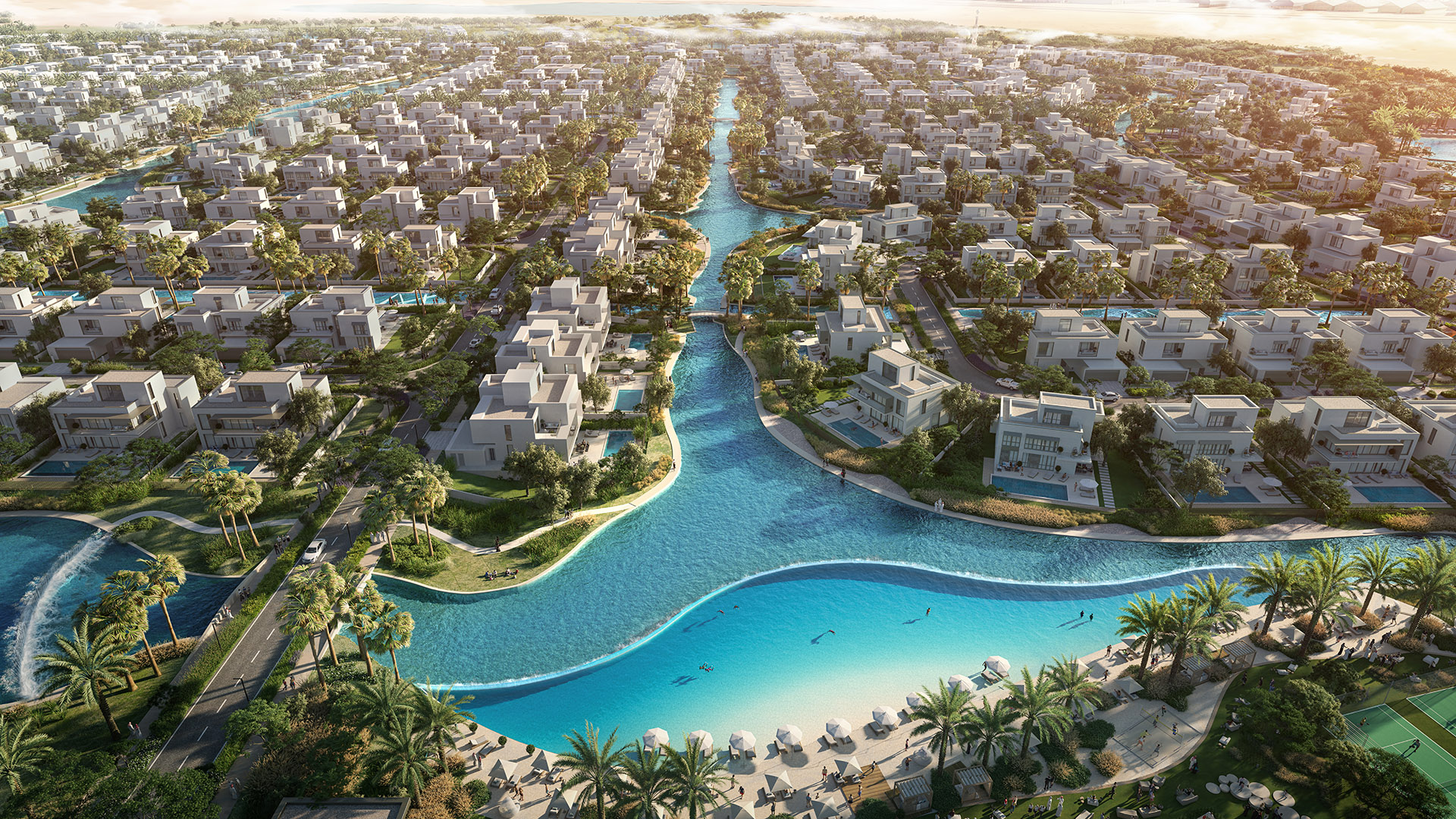
The Oasis is Emaar leaning into big-plot villa living with a quiet-luxury positioning. It tends to attract end users and long-term holders, which matters more than it sounds. End-user demand is often what keeps resale values steady later, when the speculative buyers have moved on.
Azizi Venice (Dubai South): the value waterfront play
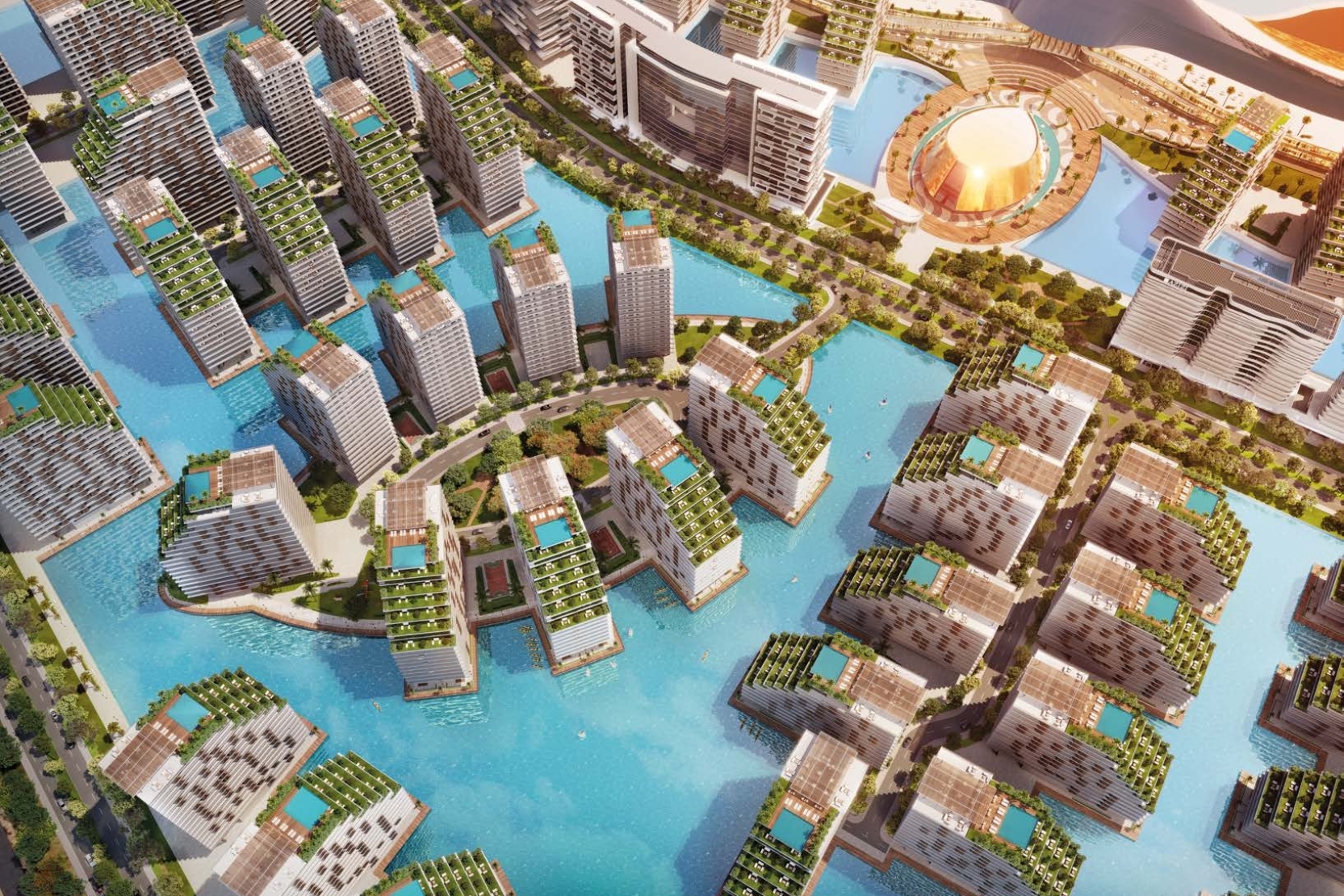
Azizi Venice is pitched as a lagoon-first community in Dubai South, and the masterplan is enormous. What I like about it, cautiously, is that you are not paying prime-waterfront pricing the way you would in Dubai Marina or a mature beachfront zone. You are buying a story that depends on Dubai South actually becoming what it is planned to become.
Three reality checks before you get carried away:
- It is phased. Azizi has referenced Azizi Venice 1 and 2 for handover in Q1 2026, which matters because it shows early stock can deliver while later phases carry on.
- The scale cuts both ways. Azizi has described the broader Venice vision as more than 36,000 residential units plus mansions. That is amenities and destination energy, and it is also a lot of resale competition down the line.
- Dubai South is the actual bet. Have a basic view on the airport and logistics story before you commit. Dubai Aviation Engineering Projects has published work tied to the Al Maktoum International Airport expansion, and that programme is the long-horizon catalyst people are underwriting here.
Who it fits: a medium-term hold, a value-focused waterfront lifestyle thesis, and enough patience to sit through area-growth risk while Dubai South matures.
Sobha Hartland II: build quality, gated, lagoon living
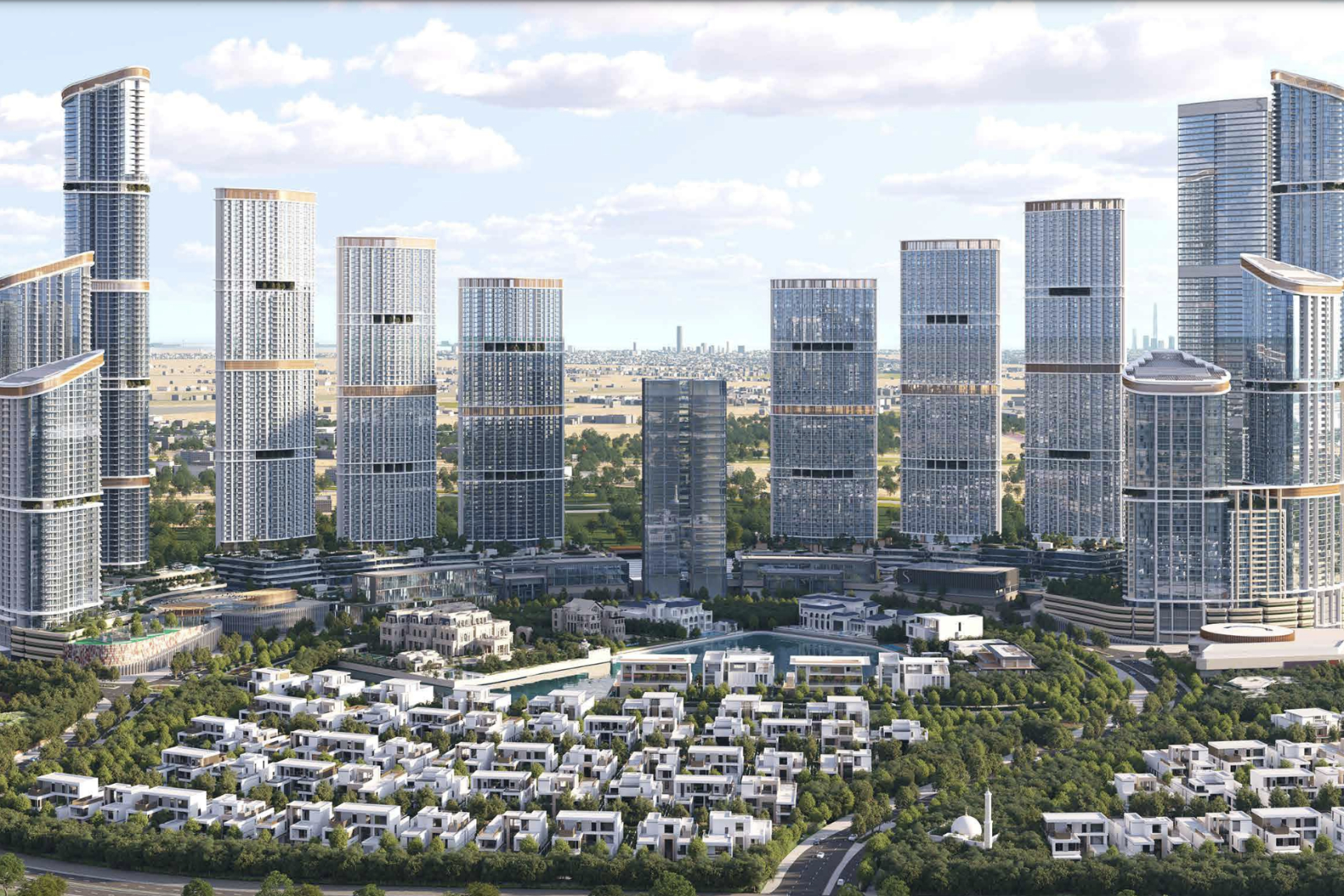
People argue about Sobha, but almost nobody says they build cheaply. Hartland II is a master-planned luxury community with apartments, villas, crystal lagoons, and a more green, nature-heavy feel than the usual high-rise cluster. Sobha describes it as eight million sq ft with 90 acres of open space and greenery, pitched as a gated community.
One thing to keep straight: Hartland II is a platform for many launches, not a single tower with one handover date. So your handover is never “Hartland II.” It is the specific building or cluster you pick.
Who it fits: buyers who care about build quality and a calmer master-community identity, not quick flips.
Six Senses Residences Dubai Marina: trophy, branded, a different game
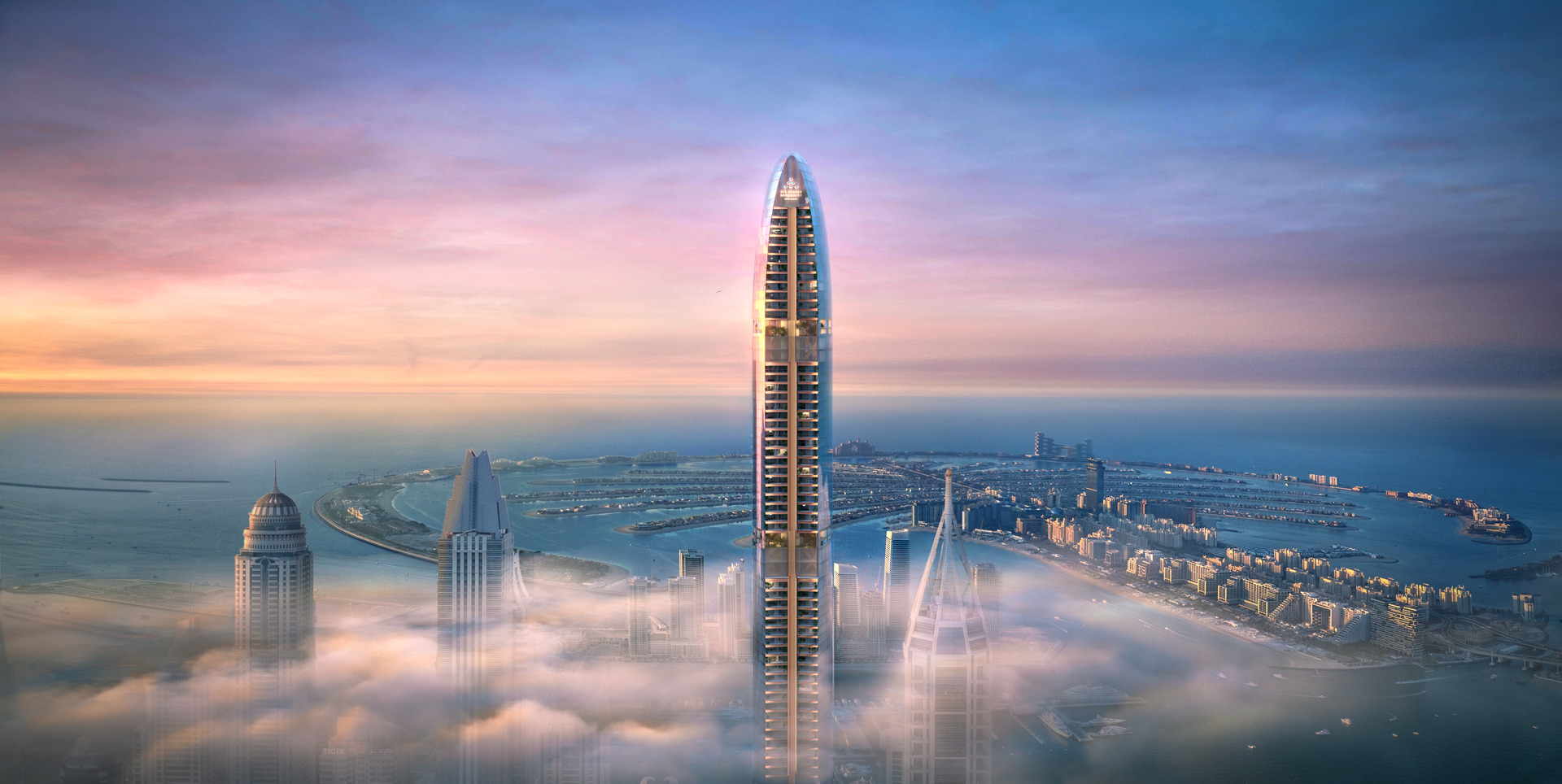
This one is not competing with mid-market off plan. It is competing with global trophy real estate. Select Group positions Six Senses Residences Dubai Marina as a branded tower scheduled for completion in 2028, and Woods Bagot describes it as a 122-storey tower reaching 517 metres.
Two things to hold in your head. You are buying brand equity, a service model, and scarcity, not the rental-yield math people apply to a JVC studio. And exit liquidity in trophy assets can be strong, but the buyer pool is smaller and more sentiment-driven, so it moves with the mood of the top end of the market.
Who it fits: HNW buyers who want a prestige asset, or investors who understand branded resale and can hold through cycles.
Beach Walk Grand 2 (Dubai Islands): early coastal inventory
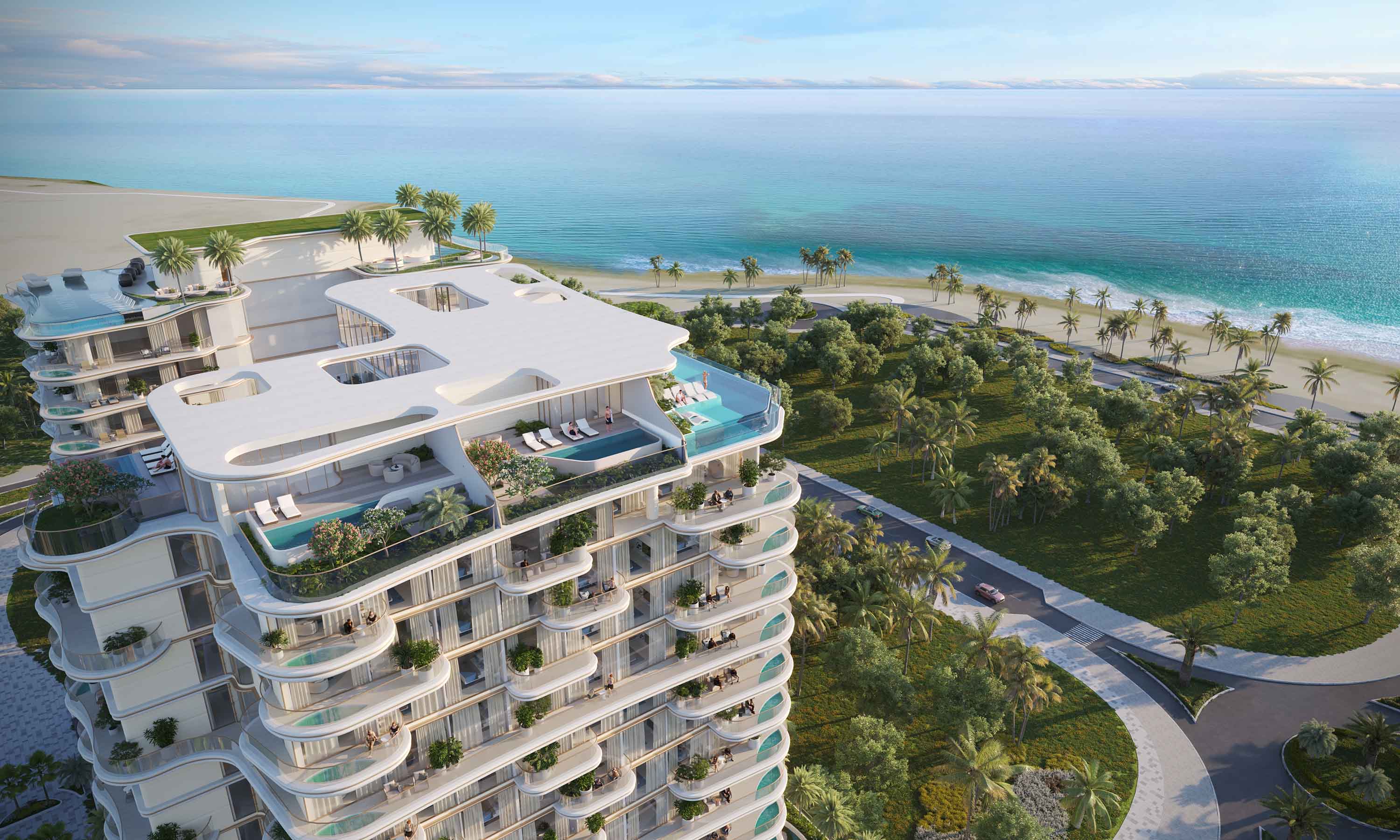
Dubai Islands is Nakheel’s five-island waterfront development, about 17 square kilometres, meant as a calmer coastal expansion close to Deira and DXB. Beach Walk Grand 2 is one of the newer apartment launches there, with portals listing delivery around late 2027. Confirm the exact building and phase before you take that date as gospel.
Who it fits: buyers who want next-wave waterfront exposure without paying mature beachfront premiums, and who can hold while the district’s amenities and hospitality fill in.
One Residence (Downtown Dubai): central, simple story
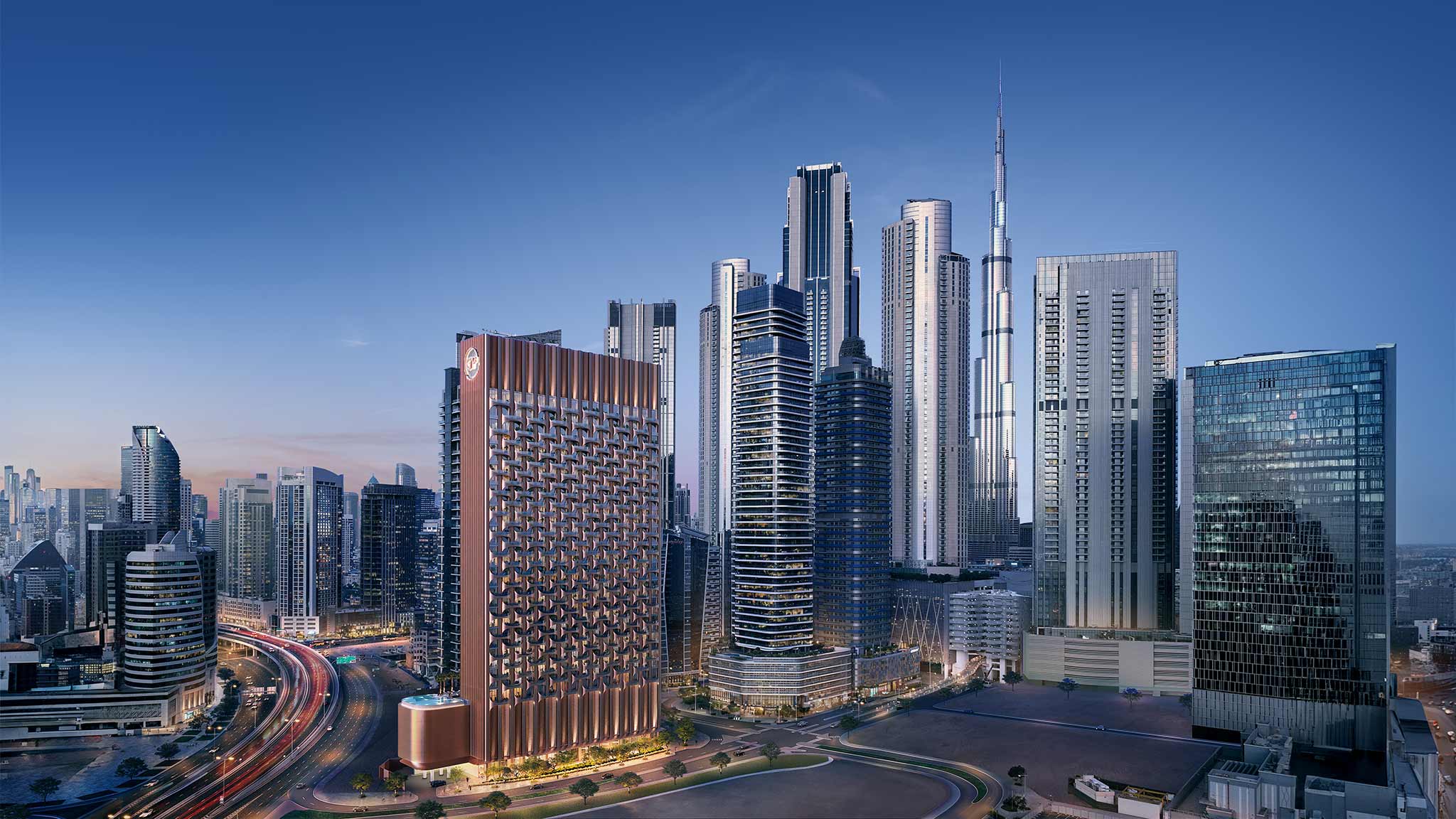
A Ginco Properties project in Downtown Dubai. The pitch is the location, full stop. Ginco’s own project page lists completion in Q1 2027.
Who it fits: buyers who want central liquidity and a straightforward Downtown tenant-demand thesis, rather than a bet on a new district.
Avana Residences (JVC): rental demand, already building
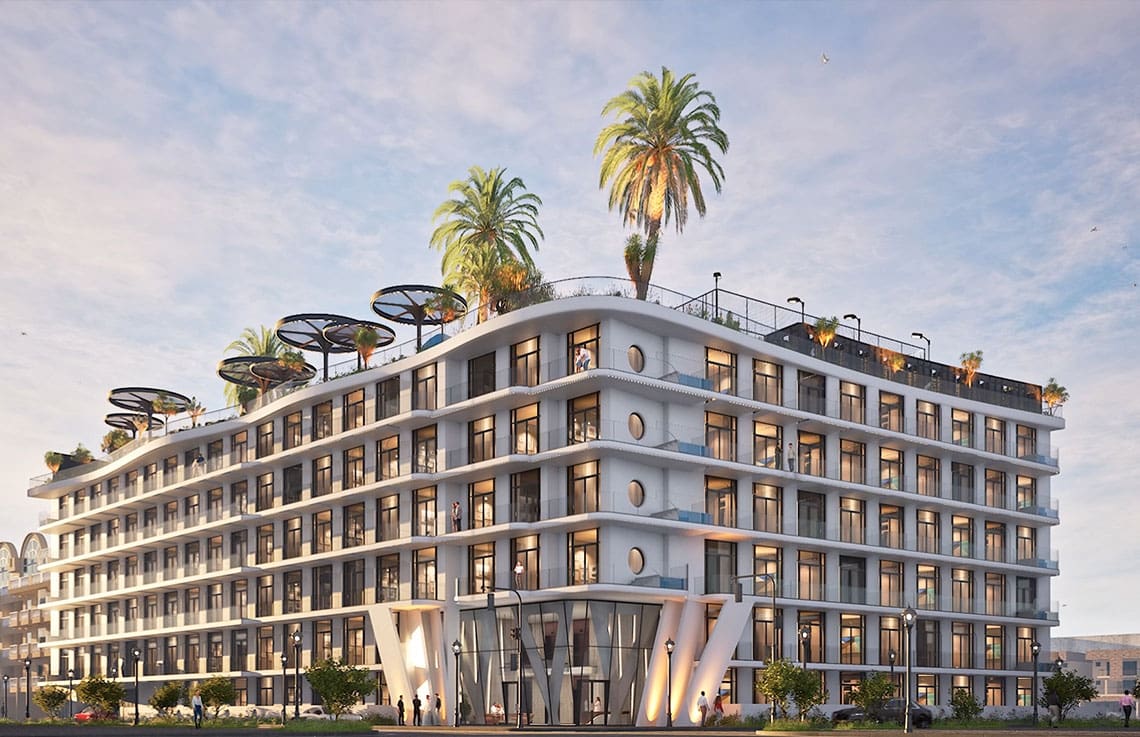
JVC works because it is not pretending to be something it isn’t. It is a big, central-ish, liveable community that keeps absorbing tenants. Nakheel’s community page frames JVC as a 560-hectare master community, and it is widely treated as a practical, family-friendly area with a deep rental stock. For Avana specifically, Deca lists a Q4 2026 handover target.
Who it fits: yield-oriented buyers who want rentability first, plus end users who want newer stock in a proven rental district.
The shortlist at a glance
| Project | Best for | Area maturity | Handover (verify per unit) | Watch this |
|---|---|---|---|---|
| Azizi Venice | Value waterfront thesis | Emerging | Early phases around Q1 2026, rest phased | Supply scale, district maturity |
| Sobha Hartland II | Quality, family profile | Maturing core zone | Depends on the building or cluster | Picking the right sub-project |
| Six Senses Dubai Marina | Trophy, branded prestige | Mature | 2028 target | Narrower buyer pool |
| Dubai Islands (Beach Walk Grand 2) | Early coastal positioning | Early-stage | Often listed late 2027 | Amenities take time to arrive |
| One Residence (Downtown) | Central liquidity | Mature | Q1 2027 | Price-per-sqft sensitivity |
| Avana (JVC) | Rental demand play | Mature | Q4 2026 | Competing supply in JVC |
Pick your lane first, then pick your project
This is the step that saves the most time. Decide whether you are buying a 2026 delivery or a 2026 decision. A 2026 delivery hands over this year, or is far enough along that your timeline risk is genuinely low. A 2026 decision means you buy this year but keys might be 2027 or later, so your underwriting needs more patience. Keep that distinction and you stop chasing “the best project” and start matching a project to a timeline and an exit you can live with.
| Lane | What you want | Typical stage | What to prioritise |
|---|---|---|---|
| Near-handover 2026 | Less timeline risk, faster path to rent or resale | Late construction, handover in 2026 | Mashrooi check, escrow match, snagging plan, rent comps |
| Mid-build in 2026 | Capture some appreciation into handover | Mid construction | Developer delivery record, payment milestones, supply pipeline |
| Early launch in 2026 | Maximum upside if the area takes off | Early stage | Strict due diligence, conservative exit, cashflow tolerance |
The areas that make sense this year
Dubai Hills Estate: the defensive premium
Dubai Hills keeps landing on shortlists because it is a mature-enough story with greenery, golf, family demand, and a wide tenant base, while still running new launches and phases. Emaar positions it as “The Green Heart of Dubai.” If you want to sleep at night, this tends to be the calmer bet. Not the cheapest, not the highest yield on paper, but demand is easy to explain to a tenant and to a resale buyer. The mistake here is overpaying for a view premium that doesn’t resell, or a layout that looks luxury and rents awkwardly. Be a little boring: prioritise layout, parking, walkability to retail, and a credible handover date per building.
Dubai Marina: liquidity first
Marina is one of those places where the location needs no explanation. Emaar describes it as a pioneering waterfront project with luxury residences. If you care about proven resale liquidity and tenant demand, it is still a strong category, and the off plan angle here is about specific new inventory, not discovering an area. Watch service charges and unit efficiency. Marina buyers sometimes chase the skyline image and forget the unit has to work for a real tenant. Easy to rent beats nice to post.
Rashid Yachts and Marina (Mina Rashid): next premium waterfront
This one sits between mature waterfront and brand-new district, which is what makes it interesting. Emaar positions Rashid Yachts and Marina as a premier waterfront destination built around marina lifestyle, and P&O Marinas frames Mina Rashid as a major marina destination with significant berth capacity. You are underwriting lifestyle demand and marina adjacency, not just commute convenience. The thing to watch is your unit’s micro-location inside the masterplan. Waterfront districts have big internal differences: one building is front-row, the next is a long walk, and that gap shows up in rentability.
JVC: rentability first, boring in the best way
JVC stays popular because it is practical: a huge rental base, central road access, and lots of unit variety. Nakheel describes it as spanning 560 hectares with over 700 villas. If you want a unit that simply rents to a broad tenant pool, it belongs on the shortlist. The trade-off is competing supply, so pick a project that stands out on layout, finish, and amenities, with a handover date that is actually credible.
Dubai South: the infrastructure bet
Dubai South is the long-game district, built around aviation, logistics, and large-scale planning, with Expo City adjacency. The master developer describes it as a master-planned city with logistics, aviation services, commercial, and residential components, and DAEP’s work on the Al Maktoum International Airport programme is a big part of why the thesis holds. Underwrite a slow ramp. The project can be great and the area can still take time to feel fully alive. Assume patience, then get pleasantly surprised if it accelerates.
Dubai Islands: early coastal exposure
Nakheel describes Dubai Islands as five islands totalling 17 square kilometres, positioned as a major waterfront living destination. If you believe in the long-term transformation of that corridor, 2026 is still early enough to be ahead of full maturity. The honest trade-off is timing. Coastal masterplans deliver in waves, hospitality then retail then the finished-place feeling, so if you need premium rent on day one, be careful.
| Area | Best lane | Why it fits | Watch item |
|---|---|---|---|
| Dubai Hills Estate | Defensive premium hold | Broad end-user appeal, clear lifestyle story | Overpaying for small premiums |
| Dubai Marina | Liquidity first | Proven demand, global recognisability | Service charges, unit efficiency |
| Rashid Yachts and Marina | Premium waterfront growth | Destination-style waterfront positioning | Micro-location inside masterplan |
| JVC | Rentability first | Big tenant base, wide product range | Competing supply, quality variance |
| Dubai South | Long-game value | Master-planned growth district | Area maturity timeline |
| Dubai Islands | Early coastal | Large-scale coastal plan | Amenity ramp-up period |
How to buy, in the right order
Verify the project exists, properly. Open Dubai REST, go to Project Status (Mashrooi), search the project by name, and view the details including the escrow account. DLD describes Dubai REST as giving off plan buyers real-time information like completion percentage, actual project photos, and the escrow account number. That last one matters more than the renders.
Match the escrow to your SPA. The project name and developer name should line up with what Mashrooi shows, and the payment instructions in your SPA should point to the same escrow account. If anything is off, do not assume it is fine. Get it clarified in writing before a dirham moves.
Check the developer can actually launch. DLD’s FAQ notes a project can be launched or announced only after the developer completes registration and obtains an accreditation certificate, via Oqood.
Only then treat the payment plan as a tool. A payment plan is a cashflow schedule, not a discount. Developers know many buyers decide on the first number they see, usually the booking percentage, so force the analysis back to three questions: what is the total price against similar stock in the same area, what is the cash outflow by milestone, and if the market turns annoying, can you still hold without panic selling?
| Plan type | Why buyers like it | Check before you celebrate |
|---|---|---|
| Low booking, staged construction | Easier entry, smoother cash deployment | Total price vs comps, milestone timing, resale restrictions |
| Post-handover instalments | Helps cashflow, feels safer | Whether rent realistically covers instalments after service charges and vacancy |
| Front-loaded plan | Sometimes better negotiation leverage | Higher early exposure, so escrow and registration checks must be perfect |
What to budget for
The small admin items drift, but the big headline numbers are stable. The major cost is the 4 percent DLD transfer fee, with additional admin and registration charges depending on the transaction. A conservative budget line usually includes:
- The DLD registration fee, commonly referenced as 4 percent
- Admin and trustee processing fees, which vary by route
- Agent fee, commonly 2 percent plus VAT on resale, though off plan can differ by arrangement
- Mortgage registration if you finance, commonly 0.25 percent of the loan amount plus admin
If you want the don’t-trust-me-verify-it approach, use the DLD service pages as your anchor for what actually exists operationally, especially around project registration and escrow.
The 12 questions that stop expensive mistakes
This is the part that feels slow, then later you realise it saved you real money.
| Question | Why it matters | How to verify |
|---|---|---|
| Exact project name and phase? | Marketing names hide phase differences | Dubai REST, Project Status (Mashrooi) |
| Is an escrow account number shown? | Confirms escrow linkage and structure | Dubai REST shows the escrow account number |
| Does the SPA payment instruction match the escrow? | Prevents misdirected payments | Mashrooi escrow details, DLD escrow definition |
| Completion percentage today? | Timeline risk is a core 2026 factor | Dubai REST provides completion percentage |
| Actual site photos, not renders? | Reality check | Dubai REST provides actual pictures |
| Unit efficiency, layout, view? | Rentability and resale liquidity | Floor plan plus comparable rentals |
| Service charge expectations? | Can quietly destroy yield | DLD Service Charge Index where available |
| What is included at handover? | Furnishing and appliance gaps matter | SPA schedule of finishes |
| Delay clauses and remedies? | Delivery is the 2026 concern | SPA clauses, legal review |
| Can you resell before handover, and at what fee? | Exit flexibility | SPA, developer assignment policy |
| Target tenant profile? | Stops you buying the wrong unit type | Area demand logic |
| Plan B if rent comes in 15% lower? | Keeps you solvent | Stress-test your cashflow |
The SPA clauses that matter more than the brochure
This is not legal advice, but these are the clauses that tend to decide outcomes.
Handover timing and what happens if it slips. Don’t just look for a date. Look for the language around delays, notice periods, and remedies. Some contracts are clear, some are vague. Vague isn’t automatically bad, but vague should lower your optimism about the timeline.
Snagging and defects. Snagging is normal in Dubai. Plan for it, budget for it, and understand how the developer handles defects and timelines. It sounds negative. It is just practical, and buyers who plan for it stay calm at handover while others feel blindsided.
Assignment and resale before handover. This is where investors get surprised. If you might sell before handover, the contract has to allow it. Plenty of projects permit assignment under conditions, and plenty make it slow or expensive. Assume nothing, confirm everything in writing.
The mistakes I keep seeing, and the fixes
Most off plan mistakes are not dramatic. They are subtle. You sign, you pay, you feel good, and later you find you bought the right story but the wrong unit, or the right unit on the wrong timeline, or you trusted one document and skipped the one official check that would have saved you.
Trusting the brochure instead of Dubai REST. Still the most avoidable one. Open Dubai REST, go to Mashrooi, search by name, confirm the escrow details, and match them to your SPA. If the project isn’t showing, or the details are murky, slow down. “Urgent” is rarely your friend in off plan.
Buying a payment plan instead of a property. Compare total price to local comps, then stress-test your cashflow assuming rent lands 10 to 15 percent below your hope, with a vacancy buffer. If it still works, you are probably fine. If it only works in a perfect world, it is a fragile deal.
Picking a pretty unit that rents awkwardly. Prioritise the unromantic signals: efficient layout, a practical kitchen, real storage, clear parking, walkable access to shops or transport, and a view that isn’t blocked. That is what keeps occupancy high.
Ignoring service charges. They matter more than people admit, especially in amenity-heavy buildings. DLD’s Service Charge Index lets you check approved service fees for jointly owned properties via RERA. Where the rate isn’t set yet on a new building, underwrite it conservatively.
Assuming resale before handover is easy. Some projects make it easy, some slow, some expensive, some gated behind milestones. Decide your exit before you reserve and confirm the assignment rules and fees in the SPA, in writing. Not “they said it’s fine.”
Treating handover as a date rather than a process. Handover is snagging, then defects, then rectification, then documentation, then keys. Plan a snagging budget and, if you are an investor, start your leasing timeline after snagging, not on the handover month printed in a sales pitch.
FAQs
What is the safest way to verify an off plan project in Dubai?
Use Dubai REST, open Project Status (Mashrooi), search the project, review the project, developer, and escrow account details, then match those escrow details to your SPA before you pay.
Does Dubai REST show construction progress and real photos?
Yes. DLD describes it as providing real-time information on off plan projects, including completion percentages and actual project photos.
What is an escrow account in Dubai off plan property?
DLD describes it as a bank account of a real estate project where money collected from off plan purchasers is deposited.
Why does escrow matter?
With so many launches and so much marketing, escrow verification is a simple way to anchor your decision to the official project structure instead of sales talk.
How do I check service charges?
Use the DLD Service Charge Index enquiry, which lets you check approved service fees for jointly owned properties via RERA.
What is the mortgage registration fee?
DLD’s mortgage registration service lists 0.25 percent of the mortgage value, plus other fixed items depending on the case.
Are 10 percent booking plans always a good sign?
No. A payment plan is a sales tool. Underwrite total price, service charges, and realistic rent first, then treat the plan as cashflow scheduling, not a discount.
What’s the difference between buying in 2026 and handing over in 2026?
Buying in 2026 is the decision date. Handing over in 2026 is when you can realistically plan for keys, snagging, and rent. They are not the same thing, and treating them as the same changes your risk.
Is Dubai South a short or long-term play?
Long horizon. It is positioned as a master-planned city tied to logistics, aviation, and residential growth, so you underwrite patience.
Why is JVC still popular for off plan?
It is practical, huge, and has consistent tenant demand. Nakheel describes it as spanning 560 hectares with over 700 villas, which hints at both the scale and the lived-in feel.
The pattern holds either way. If you want faster income, bias toward projects with clear progress signals and a handover schedule you can verify building by building, phase by phase. If you want maximum upside, that is still doable, but the trade-off is a longer timeline and a stronger need for conservative underwriting. Verify first. Then fall in love with the unit.
Related resources, worth bookmarking
If you’re buying off plan in Dubai, these are the guides I keep coming back to when sanity-checking deals,
timelines, and the legal pieces that usually get glossed over.
Tip, open these in new tabs and skim the headings, it saves time later.
Want a 2026 shortlist that’s verified, not just hyped? We build a tight shortlist around your budget, timeline, and yield target, then verify each option through Dubai REST and Project Status (Mashrooi), escrow details included. You get two or three options, a clear buy-versus-wait call, and a simple cashflow stress test.