

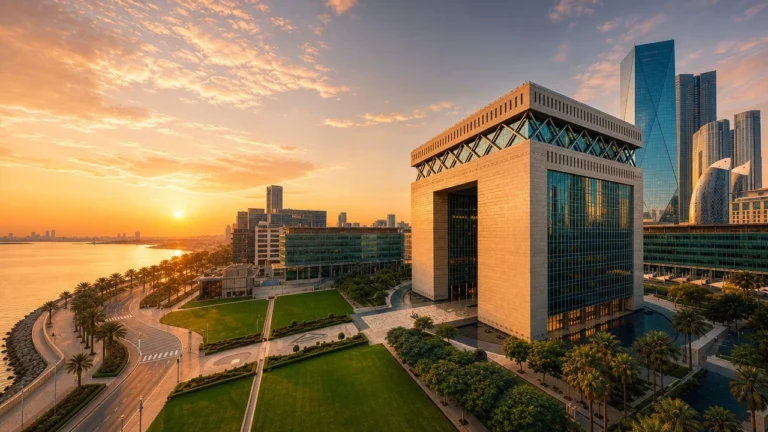
 Investment Insights
Why the UAE Attracts Global Capital
The UAE pulls in global capital for reasons that are less about the skyline than people assume. Near-zero tax, real stability, a location between…
Straight answers on buying, owning, and investing in Dubai and UAE real estate. Choose a topic below.
An Indian national needs a visa, a medical exam, health insurance, and an Emirates ID to live in Dubai, and the route in depends on whether you are coming for a job, to invest, or to work for yourself. Here is how it actually breaks down.
Visa options
Most Indians arrive on an employment visa. Your employer sponsors it and handles the work permit and residency visa, which usually run 2 to 3 years and get renewed. A medical exam is part of the process.
Once you land, you complete a medical exam, secure health insurance, and apply for your Emirates ID, which every resident is required to hold.
Where the jobs are
Indian professionals are in demand across finance and banking, technology and IT (software, data, cybersecurity), healthcare, construction and engineering, hospitality, and real estate. The pull for most people is the same: tax-free salary and a market that keeps hiring.
Cost of living
Living costs run higher than most Indian cities, though tax-free income takes the edge off. Rent is the biggest line.
Housing choices
Rent is usually paid annually in advance, or split across 1 to 4 post-dated cheques, so plan your cash flow around that.
Legal points to keep straight
Yes. As a Golden Visa holder you can sponsor your immediate family, and the terms are more generous than a standard residence visa.
On a normal visa, children age out at 18 and you have to keep renewing. The Golden Visa removes that:
Moving to Dubai as a Chinese national comes down to three things: getting the right visa, having a reason to be here (usually investment or work), and lining up the language and community support that makes settling in easier. Here’s the picture.
Chinese citizens get a visa on arrival, valid for 30 days from entry and extendable for another 30. That’s fine for scouting or a short trip, but not for relocating. For that you want long-term residency. The main route is the Golden Visa, a 10-year residency for significant investors, entrepreneurs, and specialised talent. Real estate is one of the clearest ways in for Chinese investors.
Property is the big draw. There’s no capital gains or income tax, the market runs from luxury villas to prime commercial space, and the yields tend to beat what investors get at home. Beyond the returns, Dubai’s position as a trade hub gives you access to the Middle East and the markets around it, which matters if you’re thinking internationally rather than just parking capital.
You’re not landing cold. Professional Chinese-English translation and interpretation services operate here, including firms like ASLT that handle simultaneous and consecutive interpreting for business. The Chinese community is growing, and there are cultural centres and community groups running language classes and social programmes to help you settle.
Financial Times: Shenzhen and Dubai pledge to increase cross-border ETF investing
Reuters: Bank of Singapore sees Middle East accounting for a fifth of assets over 3 to 5 years
Yes, Dubai is one of the easier places in the world to raise a family, and that’s a big part of why people move here. The draws are safety, schools, and communities built around family life.
Dubai is consistently ranked among the safest cities anywhere, with low crime and a genuinely family-friendly feel. Parents let their kids do things here they might not elsewhere.
There’s a wide choice of internationally accredited schools: British, American, IB, and Indian curricula among them. Areas like Al Barsha, Emirates Hills, and Jumeirah sit close to strong schools, which keeps the daily commute sane.
Neighbourhoods like Mirdif, Arabian Ranches, and Al Barari are designed around families, with spacious homes, parks, and gated layouts that give kids room to play safely.
Beaches, parks, water parks, and theme parks like Motiongate and Legoland cover the weekends, and community malls and cultural centres fill in the rest for kids and adults alike.
World-class clinics and hospitals, with real depth in paediatrics and family medicine. Communities such as Al Furjan and Dubai Hills sit near good facilities.
With residents from over 200 nationalities, children grow up around other cultures as the norm, which tends to make them adaptable and globally minded.
Housing runs from affordable apartments in areas like Al Furjan to high-end villas in Emirates Hills, and most family areas come with schools, supermarkets, clinics, and leisure built in.
What you need depends on why you’re coming: work, investment, or joining family. But the core is the same, the right visa, an entry permit, health insurance, and your paperwork in order. Here’s the rundown.
You need an entry permit before the residency visa itself. These come as single-entry (90 days) or multi-entry.
Mandatory, and it has to cover your full residency period. Many employers include it in the package.
Online through the General Directorate of Residency and Foreigners Affairs (GDRFA), or in person at AMER service centres.
Official source: GDRFA.
Dubai’s education system is built for an international population, so whatever curriculum your family already follows, you can almost certainly continue it here. Schooling is compulsory for children aged 6 to 18.
Most expat families use private schools, and there are over 220 of them offering British, American, Indian, French, and IB programmes. Public schools mainly serve UAE nationals and follow the Ministry of Education curriculum with an emphasis on Arabic and Islamic studies. The Knowledge and Human Development Authority (KHDA) regulates the private schools, inspecting them annually and publishing the ratings, so you can check a school’s standing before you enrol. Because you can pick a curriculum that matches your home country, moving in or out of Dubai is far less disruptive for the children.
Nurseries and kindergartens focus on foundational skills and are often attached to a primary school. Annual fees run from AED 27,000 to AED 33,000 (roughly $7,500 to $9,000) depending on the institution and its facilities.
Dubai hosts branch campuses of universities from the UK, USA, and Australia, alongside the University of Dubai and the institutions in Dubai International Academic City. You will find undergraduate and postgraduate programmes with globally recognised degrees, and some offer research options.
For a family relocating, the range of quality options is one of the genuine reasons Dubai works. You are not forced to compromise on your children’s schooling to move here.
Yes. Unmarried couples can legally live together in Dubai. This changed in 2020, when the UAE decriminalised cohabitation as part of a wider set of legal reforms, so couples can share accommodation freely, whether resident or visiting.
That said, the cultural context still applies. Keep public displays of affection to a minimum, dress modestly in the more conservative parts of the city, and be aware that some landlords or traditional residential communities may still have their own rules. It is worth checking with a landlord before you sign a lease.
One practical point on residency: sponsoring a partner for a long-term visa still requires a marriage certificate. So the 2020 change mainly helps short-term stays and expats sharing a home rather than the sponsorship route. The modern, international neighbourhoods like Downtown Dubai and Dubai Marina tend to be the most relaxed about mixed living arrangements.
It depends on the life you want, but for most people it comes down to three emirates: Dubai for pace and opportunity, Abu Dhabi for a calmer version of the same, and Sharjah if you want more space for less money. Here is how I break it down for clients.
First, why people move here at all. There is no personal income tax, so you keep what you earn. The location puts you a few hours’ flight from Asia, Europe, and Africa, which matters if you do business across borders. The Golden Visa gives investors and skilled professionals long-term residency instead of the old two-year cycle. And day to day, the healthcare, schools, and infrastructure are genuinely world-class.
The obvious choice if you want a global city with everything on tap. Where you land inside Dubai changes the whole experience:
On rent, apartments run roughly AED 55,000 to AED 200,000 a year depending on the area and size. Downtown and the Marina sit at the top of that range.
The capital moves slower and feels more settled. Strong cultural pull with the Louvre Abu Dhabi and the Sheikh Zayed Grand Mosque. Good picks:
Rents here typically fall between AED 80,000 and AED 300,000, higher for villas and family homes.
Cheaper than both, with a real community feel and a serious arts and museum scene. It suits families who want more room and a quieter pace. Al Zahia offers modern villas and townhouses; Al Majaz mixes homes, retail, and the cultural sites. Rents range from about AED 35,000 to AED 120,000, which is why so many families commuting into Dubai choose to live here.
If you want the fast, cosmopolitan version with the most career and business options, Dubai. If you want luxury and culture at a gentler pace, Abu Dhabi. If value and space matter more than being in the thick of it, Sharjah. For families specifically, look at Dubai Hills Estate, Saadiyat Island, or Al Zahia. For luxury, Downtown Dubai, Dubai Marina, or Saadiyat.
It is genuinely first-rate, and for most expats that is one less thing to worry about when they move. The system is regulated by the Dubai Health Authority (DHA), with the wider Ministry of Health and Prevention (MOHAP) setting the rules nationally. Here is what that means in practice.
The facilities are serious. You have hospitals and clinics like the Cleveland Clinic Abu Dhabi, and dedicated zones such as Dubai Healthcare City. Across the UAE there are over 166 hospitals, public and private, covering everything from routine care to specialist work.
Public and private both exist, but most expats go private. Public healthcare is open to UAE nationals and to expats with a valid Emirates ID. That said, most expats lean on private insurance for wider cover, shorter waits, and multilingual staff who can actually speak your language.
Insurance is mandatory. Your employer has to cover you. Dependents, so spouses, children, and domestic staff, need to be insured separately, which is a cost people often forget to budget for.
Where Dubai stands out is specialist care and technology. Cardiology, oncology, paediatrics, and fertility treatment are strong, and the city pulls in medical tourists for cosmetic and advanced procedures. AI, telemedicine, and robotics are already part of how the bigger hospitals work (Government of Dubai Media Office, Knight Frank).
There is also a real push on prevention, with public campaigns aimed at diabetes and heart disease, both common here given the diet and the heat that keeps people indoors (The U.S.-U.A.E. Business Council). The system keeps expanding to keep up with a growing population, and access to primary and emergency care is easy wherever you live.
As a US national you do not need a special permit to move here, but you do need a residency visa, and property is one of the cleanest routes to it. Here is the path I walk American clients through.
If you are going the property route, the level of investment sets the visa length, AED 750,000 for three years, AED 2 million for five. Two conditions catch people out: the property must be completed and ready to live in, since off-plan units under construction generally do not qualify, and you need the title deed in hand to prove full ownership when you apply.
Dubai is genuinely multicultural, but it sits on Islamic tradition, so respect the local norms on dress and public behaviour and you will have no trouble. Get plugged into both local and expat communities early, they are how you find your footing. And learn the basic laws of the place so you do not trip over something by accident.
A few practical things to line up alongside the visa: health insurance, which is mandatory for residents; schools, if you are bringing children, since the good ones fill up; and a local bank account plus a real sense of the cost of living so your finances are steady from month one. Get those sorted and the move is straightforward.
Strong, varied, and mostly private, which is exactly why so many families choose where to live around the school run. Dubai’s education market is overwhelmingly private, with public schools mainly for UAE nationals, and that has produced a wide field of internationally recognised curriculums. For a buyer, it matters, because a home near a well-rated school holds its value and rents more easily.
The Knowledge and Human Development Authority (KHDA), set up in 2006, regulates private schools, inspects them every year, and rates them from Outstanding down to Weak. Those ratings are published, so parents and investors can both see exactly how a school performs before committing. Fees run a wide spread, from around AED 10,000 a year at the affordable end to AED 120,000 and up at premium schools, so there is something for most budgets.
Certain neighbourhoods are prized for their schools, and it shows in demand. Emirates Hills and The Meadows sit near Dubai British School and Emirates International School. Al Barsha has GEMS Dubai American Academy and the American School of Dubai. Jumeirah has Jumeirah English Speaking School (JESS) and a mix of curriculums. Homes near top schools tend to hold steadier occupancy, better tenant retention, and firmer resale values, because families will pay for a short commute to a good school.
Beyond the schools themselves, families are drawn by the wider picture: residents from over 200 nationalities and a genuinely multicultural classroom, one of the safest cities in the world, and the Golden Visa and other residency schemes that let a family settle long term and plan their children’s education without constant visa renewals.
Yes, for most people the UAE stacks up well, and the tax-free income is usually what tips the decision. Here’s how it breaks down across the things people actually ask me about.
Money. There’s no personal income tax, so what you earn is what you keep. For anyone coming from a high-tax country, that alone changes the maths on saving and how far a salary goes.
Work. The economy isn’t built on one industry. Finance, tech, healthcare and tourism all hire, and the government has spent years pulling in foreign investment and talent, so the job market stays active.
Safety. Crime is low and you feel it day to day. It’s one of the first things people notice, families especially.
Healthcare. Both public and private hospitals are strong, and the private side in particular holds up against what you’d expect in Europe or North America.
Schools. Plenty of international schools and universities running curricula that match international standards. If you’re moving with kids, you’ll have options.
Lifestyle. Dubai and Abu Dhabi give you the modern side, dining, shopping, things to do, alongside the cultural side, and the location makes travelling anywhere easy.
The honest caveat: it suits people who want that pace and that kind of city living. Go in knowing what you’re getting and it delivers.
For most people with an international career or capital to deploy, yes, Dubai is worth the move, and the tax position is usually the deciding factor. Zero personal income tax, strong infrastructure, and a lifestyle that’s hard to match elsewhere. Here’s what actually drives the decision.
1. Economy and jobs
Dubai is a serious business hub now, pulling in global corporates and a busy startup scene. Finance, technology, real estate, tourism, and healthcare all hire from around the world. With no income tax, you keep far more of what you earn. For founders, the free zones and straightforward visa process make it an easy place to set up.
2. Property market
The Dubai real estate market is set to keep growing, driven by local and overseas demand. Property prices rose 15.9% in 2023, and that momentum carried on. Whether you’re buying to live or to invest, there’s real choice, particularly off-plan with flexible payment plans. In prime areas like Downtown Dubai, Dubai Marina, and Palm Jumeirah, short-term rentals stay in demand and rental yields run 6 to 8% in well-located stock.
3. Quality of life
The infrastructure is world-class, from the malls and restaurants to the beaches and hospitals. Families do well here: plenty of international schools, parks, and things to do. It’s also one of the safest cities in the world, with low crime and a strong sense of community.
4. Visas and residency
The visa options have opened up. The Golden Visa gives you up to 10 years of residency, and buying property worth AED 2 million or more qualifies you. There’s also a Retirement Visa for retirees with sufficient funds or a property investment, which makes settling here long term realistic for a lot of people.
5. Tax-free income
No personal income tax is the headline benefit. For a high earner or a business owner, that’s a substantial annual saving you can put back into lifestyle or the next investment.
6. A genuinely mixed city
Over 200 nationalities live here, so it’s easy to find your footing whatever your background. The events, festivals, and networking scene reflect that mix.
7. Where the city is heading
Dubai has put real money into smart-city tech and sustainability. The Dubai Urban Master Plan 2040 points to greener, more livable growth, and between the Metro, EV infrastructure, and digital government services, the direction of travel is clear.
The right neighborhood depends on who you are: waterfront professional, family that wants a garden, or someone chasing the buzz of Downtown. Here are ten areas I keep coming back to, with what each does best and rough rent and buy figures.
1. Dubai Marina
2. Downtown Dubai
3. Arabian Ranches
4. Palm Jumeirah
5. Jumeirah Lake Towers (JLT)
6. Mirdif
7. Jumeirah Beach Residence (JBR)
8. The Springs
9. Dubai Hills Estate
10. Al Barsha
Relocating from Brazil to Dubai is straightforward once you have the visa and the budget mapped out. Here’s what actually matters: how you get residency, what you’ll earn and spend, and where you’ll live.
Once you’re here you’ll do a medical exam, take out health insurance, and get an Emirates ID. All three are required of every resident.
Hiring is strongest in hospitality and tourism, finance and banking, technology and IT, real estate, and healthcare. Brazilians tend to do well in hospitality in particular. Use Bayt.com, LinkedIn, and GulfTalent for the search, and recruiters who place expats can move things along.
Dubai runs pricier than most Brazilian cities, but tax-free income offsets a lot of it.
Dubai is an Islamic city, so respect the local rules in public. During Ramadan, don’t eat or drink in public in daylight hours, and keep public affection and revealing clothing in check. There’s a large expat scene, Brazilians included, with restaurants and social groups that keep you connected to home. Arabic is official, but English runs day-to-day business and social life, and you’ll find Portuguese speakers and services aimed at the Brazilian community.
Rent is usually paid a year in advance, though some landlords take 1 to 4 post-dated cheques instead. Factor that into your opening cash.
Moving from Germany to Dubai is well-trodden ground, and the process is clear once you know the visa route and the costs. Here’s how it breaks down.
To finish the process you’ll do a medical exam, take out health insurance, and register for an Emirates ID. All three are mandatory.
The strongest sectors for German professionals are technology and IT (AI, blockchain, cybersecurity), engineering and construction, finance and banking including fintech, and hospitality and tourism. Use LinkedIn and industry recruiters, and the German Business Council Dubai for networking. When you negotiate salary, remember it’s tax-free, but push to have housing, medical, and children’s education allowances built in, since those are the big costs.
Dubai is more liberal than its neighbours but still part of an Islamic country, so match local practice in public, especially during Ramadan when eating and drinking in public during fasting hours is out. With over 200 nationalities here, including a sizeable German community, you’ll find familiar circles fast. Arabic is official but English runs everything day-to-day, and the Goethe-Institut hosts events for the German-speaking crowd.
Plan for a decent cushion of upfront cash on top of your first year’s rent, because the initial setup is where Dubai gets expensive. How much depends on your lifestyle, family size, and whether a job is covering any of it, but here’s the real breakdown.
Upfront costs
A residence visa runs AED 4,000 to 7,500 depending on type and duration, plus AED 100 to 200 for the Emirates ID.
Rent is usually paid in 1 to 4 cheques for the year. A one-bedroom is AED 5,000 to 7,500 a month in the outer areas, or AED 7,500 to 25,000 in prime spots like Downtown. Landlords want most or all of that upfront.
Security deposits are AED 2,000 to 5,000, and DEWA (electricity and water) connection deposits start from AED 2,000.
Furnishing a place from scratch costs AED 10,000 to 30,000 depending on size and taste.
Monthly living costs
Housing tends to eat 25 to 30% of salary. Figure AED 5,000 to 25,000 a month depending on where and what you rent.
Electricity and water average AED 500 to 1,500 a month.
Transport: metro fares start at AED 3 a trip. Running a car adds AED 1,000 to 3,000 a month once you count insurance, fuel, and maintenance.
Groceries run AED 1,000 to 2,000 per person. Eating out often pushes that well up.
Health insurance is mandatory and starts at AED 500 to 1,500 per person per month.
If you have kids, private school fees are AED 12,000 to 65,000 a year depending on the school.
Before you fly, make sure your passport has at least six months left, sort health insurance so you meet the UAE requirement on arrival, and set aside money specifically for the visa, Emirates ID, and deposits. Those first-month costs catch most people off guard.
As an Australian, you’ll need a visa route, a job or investment to anchor it, and a realistic read on costs, because tax-free income is real but Dubai isn’t cheap. Here’s what the move actually involves.
Visa options
Employment visa: the common one. Your employer sponsors it, usually valid two or three years depending on the contract.
Investor visa: for property or business. Property investment starts at AED 1 million; business owners apply through the Dubai Department of Economic Development. Typically 3 to 5 years.
Freelancer visa: freelance permits for media, tech, and education, if you’d rather not be tied to one employer.
Golden Visa: invest AED 2 million or more in property, or hold in-demand expertise in fields like healthcare or tech, and you may qualify for a 5- or 10-year visa.
Tourist visa: Australians get a free 30-day visa on arrival, extendable by another 30 days. Good for scouting before you commit.
For any residency visa you’ll do a medical exam, take out health insurance, and register for an Emirates ID, which becomes your main form of ID here.
Where the jobs are
Construction and real estate, finance and banking, tech and IT (Dubai’s Smart City push means demand for software, cybersecurity, blockchain, and AI), hospitality and tourism, and healthcare all hire expats regularly. For the search, LinkedIn plus local portals like Bayt and GulfTalent do the heavy lifting, and agencies such as Robert Walters and Hays UAE place a lot of expats.
Fitting in
Dubai is cosmopolitan but it’s still an Islamic country. Dress modestly in public and mind the rules during Ramadan, when eating and drinking in public during daylight isn’t allowed. English is spoken everywhere, so communication is rarely an issue, though a few Arabic phrases go a long way. With over 200 nationalities and a solid Australian community, you won’t feel isolated.
What it costs
Housing: the big one. A one-bedroom in Dubai Marina or Downtown Dubai runs AED 8,000 to 12,000 a month. Areas like Jumeirah Village Circle or Al Barsha are cheaper.
Utilities: AED 500 to 1,200 a month including cooling, depending on size and usage.
Transport: the Metro, buses, and taxis are efficient. Owning a car is affordable given low petrol prices, though insurance and parking add up.
Groceries and dining: around AED 1,500 to 3,000 a month. A casual meal is AED 30 to 50; high-end dining runs AED 300+ per head.
Healthcare: private insurance is required, with basic plans from AED 5,000 a year.
Education: international school fees run AED 30,000 to 90,000 a year depending on school and grade.
Housing types
High-rise apartments cluster in Dubai Marina, Downtown, and Jumeirah Lake Towers. If you want space, villas in Arabian Ranches, Jumeirah Golf Estates, or The Springs come with gardens and a family feel. Gated communities like Emirates Hills, Palm Jumeirah, and Dubai Hills Estate add security and amenities. Whatever you pick, factor in service charges and maintenance fees, which are standard here.
Legal points worth knowing
Make sure your employment contract lines up with UAE Labour Law, covering salary, hours, and end-of-service benefits. Australians can swap their licence for a UAE one without a driving test. And the legal system is based on Sharia with civil law layered in for business, property, and criminal matters, so read up on local rules around public behaviour, alcohol, and drugs, where penalties are steep.
You apply for the UAE retirement visa by meeting one of the financial thresholds, being at least 55, and submitting online through the Retire in Dubai portal. It’s a 5-year renewable visa run by Dubai Tourism together with the General Directorate of Residency and Foreigners Affairs (GDRFA). Here’s how it works.
The financial threshold, pick one
Monthly income of AED 20,000 or more, proven through pension or other regular income.
Savings of at least AED 1 million in a UAE or international bank, backed by statements.
Property in Dubai worth at least AED 2 million, fully owned, mortgage-free, and in a freehold area.
A combination: property worth AED 1 million plus AED 500,000 in savings.
The other requirements
You must be at least 55, hold valid comprehensive health insurance covering the UAE, and have a passport with at least six months’ validity when you apply.
Documents
A passport copy, proof of income (pension or salary statements above AED 20,000) or bank statements showing the AED 1 million savings, the property title deed if you’re applying on that basis, proof of health insurance, and an Emirates ID application.
The process
Apply online through the Retire in Dubai portal (https://retireindubai.com) or a registered typing centre, attaching your documents.
The GDRFA reviews everything and verifies you meet the financial and other criteria.
Once approved, the visa is issued for 5 years, renewable as long as you still qualify.
Apply for your Emirates ID at the nearest GDRFA office. That’s your official ID here.
Renewal and what you get
You renew every 5 years by showing you still meet the financial requirements and hold health insurance. Straightforward if nothing’s changed. The visa lets you sponsor your spouse and dependent children, gives you access to the UAE’s healthcare system, and there’s no income tax on your pension or savings.
Two things to plan for: Dubai’s cost of living, particularly housing, healthcare, and leisure, is not low. And if you’re going the property route, the market runs from beachfront apartments to family villas in communities like Palm Jumeirah, Dubai Marina, and Arabian Ranches.
To qualify for a UAE Golden Visa as a property investor, the core requirement is straightforward: own real estate worth at least AED 2 million. Everything else is detail around that number.
Here is what the AED 2 million has to look like:
The threshold. The property must be worth AED 2 million or more. It can be one property or several combined, as long as the total clears the line.
Freehold only. The investment has to be in freehold property in a designated area. Freehold gives expats full ownership, the right to sell, lease or transfer. Restricted leasehold does not count.
Fully paid, no mortgage on the qualifying amount. The AED 2 million must be paid in full. If a property is part-financed, only the amount you have actually paid counts toward the threshold.
Off-plan is allowed. Under-construction and off-plan units qualify as long as they hit the AED 2 million value and are bought from an approved developer. Keep the contracts and payment receipts for the application.
Documentation. You need the title deed issued by the Dubai Land Department (or the relevant land authority in another emirate) proving ownership and value.
Hold it. Plan to keep the property for at least two years. Selling before that can get the visa cancelled.
What you get in return is a renewable 10-year residency with no local sponsor required, and you can sponsor your spouse and children for the same term. You also sit inside Dubai’s tax-free setup: no income tax, no capital gains tax when you sell, and freedom to work or start a business without a separate work permit.
On process, once the property qualifies you submit the title deed and apply through the GDRFA in the emirate where the property sits, complete the medical test, arrange health insurance for yourself and your dependents, and collect the Emirates ID that confirms the residency.
A UAE investor visa comes down to how much you invest and where. The visa runs for 5 or 10 years, lets you live in the UAE while your investment stands, and is renewable as long as you keep it in place. Here is what qualifies.
5-year visa: a minimum of AED 5 million (about USD 1.36 million) in real estate or another eligible sector.
10-year visa: more than AED 10 million (about USD 2.72 million) in real estate, a business, or an industrial venture.
The investment can sit in a completed or under-construction property, a single unit or a portfolio, a UAE company or start-up, or sectors like manufacturing, healthcare or education.
On paperwork, you need proof of the investment (title deeds, company registration, or bank statements), a valid passport with photos and any existing UAE residence permit, a clean criminal record certificate, and proof of health insurance in the UAE.
You apply through the Federal Authority for Identity and Citizenship (ICA) or the Dubai Land Department, depending on the type of investment. Once it is reviewed and approved, the visa is issued to you and your eligible dependents, and it renews as long as the investment stays in place. Spouses and children can usually be sponsored under it.
The UAE has deliberately streamlined this process to pull in foreign capital, so the ICA and the official business portals are the places to check current thresholds before you commit.
The UAE’s 5-year visa is part of the long-term residency programme for investors, entrepreneurs and talented individuals, and it renews when it expires. The first job is working out which category you fall into, because that decides everything else.
Property investors: own one or more UAE properties worth at least AED 2 million in total. The property must be fully paid off and in a habitable state.
Entrepreneurs: own or partner in a UAE project with a minimum investment of AED 500,000, or hold approval for a start-up from an accredited UAE business incubator.
Outstanding students: a GPA of at least 3.75 from a UAE high school or university. Strong graduates from universities abroad may also qualify.
Talented individuals: specialists such as scientists, researchers and healthcare professionals, judged on their qualifications and contribution to their field.
Investors need the title deed, bank statements showing the property is paid in full, and a No Objection Certificate (NOC) from the developer. Entrepreneurs need proof of ownership or investment, incubator approval and business financials. Students bring transcripts, proof of enrolment and any awards or recommendations. Talented applicants bring their professional certificates, any patents or publications, and a UAE employment contract or offer.
Apply online through the ICA portal or the GDRFA in Dubai, or through an accredited typing centre. Then complete a medical fitness test at a government-approved centre, give your biometrics and apply for the Emirates ID. Fees usually run AED 2,500 to AED 3,000 once processing, medical and Emirates ID are included, though they vary by category. Once it is approved, you get the 5-year residency, which allows multiple entries and renews as long as you still meet the criteria.
Downtown Dubai is a busy district, so yes, there is a background level of noise, but inside a well-built apartment it is usually a lot quieter than the street suggests. This is the home of the Burj Khalifa, Dubai Mall and the Dubai Fountain, and that energy is exactly why people want to live here. It just comes with movement.
Where the noise comes from:
Tourists and foot traffic. Millions of visitors pass through each year, concentrated around Dubai Mall and the Burj Khalifa. It peaks during holidays, tourist season and big events like New Year’s Eve.
Construction. Dubai keeps building, and there can be ongoing work nearby. That said, most of Downtown is now complete, so this is fading over time.
Traffic. As a central business and leisure hub, the roads get heavy at rush hour and weekends. Sheikh Mohammed bin Rashid Boulevard, which loops the area, carries a lot of cars and delivery vehicles.
Events. The nightly Dubai Fountain shows draw crowds, and the music and people are audible. Special events like New Year’s fireworks are livelier still.
How much of that reaches you depends on the unit. Higher floors in towers like the Burj Khalifa or The Address Residences get far less street noise, while apartments right on the boulevard or beside the attractions hear more. Most of the luxury buildings are built with good soundproofing, so interiors tend to stay calm even when the neighbourhood outside is busy. And it varies by pocket: near Dubai Opera or Burj Park you get more event noise, while the residential streets set back from the main draws are noticeably quieter. If quiet matters to you, view the specific unit at different times of day before you commit.
English is the language you’ll actually hear and use most in Dubai, even though Arabic is the official language. Business, tourism, and day-to-day life run largely in English, a product of a population that also speaks Hindi, Urdu, Tagalog, and plenty more. Visit Dubai
For property, that has some practical upsides:
Dealing with agents is easy: with English so widespread, negotiations and property details rarely get lost in translation, and many agents are multilingual on top of that.
Documents and legal work: official paperwork is often in Arabic, but English translations are standard, so non-Arabic speakers can follow what they’re signing.
Listings and marketing: most listings and marketing are in English, which is what makes Dubai reachable for international buyers and expats.
Cultural awareness still counts: with clients from so many backgrounds, good agents read the differences and adjust to how people from different cultures prefer to do business.
The upshot for a buyer or tenant: language is almost never a barrier to getting a deal done here.
Yes, buying property in Dubai can get you a residency visa, as long as the property value and type meet the criteria. There are a few options depending on how much you’re putting in.
Two-year property investor visa: a self-sponsored visa for a property investment of at least AED 750,000. Renewable every two years while you still own it. Good for anyone who wants a shorter-term option with easy renewal.
Three-year investor visa: also from AED 750,000, residential or commercial, in a freehold area. If the property is mortgaged, you need to have paid off at least 50% of its value. Renewable every three years while you keep the property.
Five-year investor visa: needs a minimum of AED 5 million, and the property must be fully paid, no financing allowed. This one lets you bring your family, which makes it a real relocation option.
Ten-year Golden Visa: for investments totalling at least AED 10 million. That can include real estate but has to be combined with other investments such as bonds or a business. The upside is no minimum residency requirement, so you keep the visa without living here full-time.
To apply, you register the property with the Dubai Land Department, get a good conduct certificate, complete medical tests, and submit through the DLD Cube Centre or online. One important condition: the property has to be ready, not off-plan, freehold, and with a valid title deed. Meet that, and property is one of the more flexible routes to residency here.
As a British national you’ll need a visa to reside, and the smoother moves come down to sorting the visa, the job or investment behind it, and a realistic budget. Tax-free income is the draw, but housing and schooling will take a bite. Here’s the detail.
Visa options
Employment visa: the usual route. Your employer sponsors it and handles the admin, and it’s valid 2 to 3 years depending on the contract.
Investor visa: buy property worth at least AED 1 million and you can qualify for a 2-year residency visa. Business owners can apply for longer terms depending on the level of investment.
Freelancer visa: freelance permits for media, tech, and education, letting you work independently without an employer sponsor.
Golden Visa: the 10-year visa, open to real estate investors putting in at least AED 2 million, plus entrepreneurs and highly skilled professionals.
Tourist visa: a free 30-day visa on arrival, extendable by another 30 days, handy for an initial look before committing.
For residency you’ll do a medical, take out health insurance, and get an Emirates ID.
Where Brits find work
Finance and banking (Dubai’s the regional hub, strong in investment banking, wealth management, and fintech), technology (software, cybersecurity, AI), real estate and construction, healthcare, and education, where British-curriculum schools need UK-qualified teachers. Networking matters more here than at home, so lean on LinkedIn, agencies like Hays and Robert Walters, and the British Business Group Dubai. When you negotiate salary, get housing, medical, and education allowances written in, because those costs are significant.
What it costs
Housing: the biggest expense. A one-bedroom in Dubai Marina, Downtown, or Palm Jumeirah runs AED 8,000 to 12,000 a month, cheaper in Jumeirah Village Circle or Al Barsha.
Utilities: AED 500 to 1,200 a month depending on size and use.
Transport: the Metro, buses, and taxis cover most needs. A car is affordable on fuel, though factor in insurance and parking.
Healthcare: private and mandatory, with basic insurance from AED 5,000 a year.
Education: British-curriculum schools are everywhere but pricey, AED 30,000 to 90,000 a year depending on school and grade.
Groceries and dining: higher than the UK, especially for imports. A family spends AED 1,500 to 3,000 a month on groceries, with mid-range meals AED 50 to 150 a head.
Legal points
Residency visas are tied to your job or investment, usually 2 to 3 years, renew before they expire. Employment contracts fall under UAE Labour Law, with end-of-service benefits after 12 months of continuous work. Brits can own freehold in areas like Palm Jumeirah, Dubai Marina, and Business Bay, with full rights to sell, lease, or transfer. You can convert your UK licence to a UAE one without a test. And the legal system blends Sharia, particularly in family matters, with civil law for business and property, so be aware of local rules on public behaviour, alcohol, and dress.
Housing types
Apartments in Dubai Marina, JBR, and Downtown come with pools, gyms, and concierge, typically AED 8,000 to 12,000 a month for a one-bed. Villa communities like Arabian Ranches, The Springs, and Jumeirah Park give families more space at AED 12,000 to 20,000 a month depending on size and location. Gated communities such as Emirates Hills, Palm Jumeirah, and Dubai Hills Estate sit at the luxury end. Weigh up proximity to work and schools, and expect rent paid annually, either in one lump sum or 1 to 4 post-dated cheques.
Yes. Family members you sponsor in Dubai can get a driving license, provided they meet the criteria set by the Roads and Transport Authority (RTA).
Residency. They must hold a valid UAE residency visa under your sponsorship. No valid visa, no license.
Age. Minimum 18 for a light vehicle license, 21 for heavy vehicles and motorcycles.
Eye test. An eye test at an RTA-approved optician or driving school comes first, to confirm their vision meets the standard.
Classes and tests. If they don’t already hold a valid license from another country, they enrol at an RTA-approved driving school and pass a theory test on road rules and traffic laws, then a practical road test.
Some countries qualify for direct conversion with no driving test, including the UK, USA, Canada and many European Union nations. Holders from countries like India, Pakistan and the Philippines usually have to go through the full process, classes and tests included.
Passport with valid residency visa.
Emirates ID.
A No Objection Certificate (NOC) from the sponsor, in some cases, particularly on a family visa.
Eye test certificate.
Driving school registration papers, for anyone without an existing license.
Register with an RTA-approved school such as the Emirates Driving Institute or Galadari Motor Driving Centre.
Complete the theory classes and pass the RTA Theory Test.
Complete the practical lessons, usually between 20 and 40 hours depending on experience.
Pass the RTA Road Test, and the license is issued.
The whole thing takes 2 to 6 months, depending on how quickly they get through the classes and tests. Lessons, tests and registration typically run AED 4,500 to AED 7,000, varying by school and the number of classes needed.
You can get a UAE residency visa by investing in property, and which visa you qualify for comes down to how much you put in. Here is what to know before you start.
3-year investor visa. Minimum investment AED 750,000. The property has to be residential, in a freehold area, and not mortgaged for more than 50% of its value. It renews as long as you still own the property.
5-year investor visa. Minimum investment AED 5 million. You have to hold the property for at least three years and it cannot be bought with a mortgage. It lets you sponsor your immediate family.
10-year Golden Visa. Minimum AED 2 million in property, or AED 10 million in other investments. There is no minimum residency requirement, so you keep it even if you are not living in the UAE full time. It also lets you sponsor family and domestic staff without age restrictions.
Buy a qualifying property. It must be freehold, residential, and either fully paid or mortgaged with at least 50% of its value already paid off.
Submit your documents. Passport, property title deed, a good conduct certificate from the UAE Police, and proof of health insurance. You may also be asked for financial statements and proof of existing residency.
Medical and biometrics. A medical examination at a certified UAE centre, plus fingerprints and a photograph.
Visa issued. Once everything checks out, the residency visa is issued. It lets you live in the UAE, sponsor family, open bank accounts and access the rest of what residency brings.
Banking access. You can open local accounts and tap into the UAE’s banking and investment options.
Family sponsorship. You can bring your immediate family onto your residency.
Quality of life. World-class healthcare, education and a stable environment.
It is a popular route for international investors, but get legal and real estate advice to make sure every requirement is met before you commit.
Dubai uses the United Arab Emirates Dirham, abbreviated AED and also written as Dhs or just Dirham. One Dirham divides into 100 fils. The Dirham has been pegged to the US Dollar since 1997 at a fixed rate of roughly 1 USD = 3.67 AED, so the exchange rate barely moves.
Everything official in Dubai runs in AED, from real estate to retail. Because the city is so international, hotels and tourist spots often accept USD and EUR too, but all formal transactions, including property purchases and contracts, are done in AED.
If you are visiting, changing major currencies into Dirhams is easy at the airport, banks and money exchange centres across the city.
Buy AED 2 million or more of residential property and you qualify for the UAE Golden Visa, a 10-year renewable residency. It is one of the most common routes people take into long-term UAE residency.
You need real estate worth at least AED 2 million, roughly USD 545,000. That can be one property or several, as long as the combined value clears the threshold.
A Golden Visa holder can sponsor a spouse, children of any age, parents, and up to 3 domestic helpers. That is what makes the property route attractive for families, not just single investors.
The 10-year Golden Visa gives you long-term UAE residency without a national sponsor, and lets you sponsor your family while keeping your income, gains, and inheritance tax-free. Here are the main benefits.
Long-term residency: A renewable 10-year residency, so you and your family have real stability and security, with no national sponsor needed.
Family sponsorship: You can sponsor your spouse, children, and domestic helpers. They stay in the UAE for as long as your Golden Visa is valid.
No residency requirement: You do not have to live in the UAE continuously to keep the visa active, so you can live or work elsewhere without losing it.
Tax benefits: No personal income tax, no capital gains tax, and no inheritance tax, which is a real advantage for anyone managing their finances across borders.
Business opportunities: Entrepreneurs and investors get access to the UAE economy and strong infrastructure to build on.
Real estate investment: The visa encourages investment in UAE property, a market that has grown significantly and is expected to keep appreciating.
Healthcare and education: You and your family get access to world-class healthcare and education across the UAE.
Taken together, that is why the Golden Visa appeals to investors, entrepreneurs, skilled professionals, and their families looking for a long-term base in the UAE.
A local move in Dubai usually runs AED 1,000 to AED 6,000, with a small apartment at the bottom of that range and a large villa at the top. What moves the number is the size of your home, the distance, and which services you take.
One-bedroom apartment: generally AED 800 to AED 1,500.
Three-bedroom villa: AED 3,000 to AED 6,000, more if you add packing and unpacking or have specialty items like a piano or fragile artwork.
To keep the cost down, declutter before the move, pack the non-fragile things yourself, and book off-peak if you can. Get a few quotes and compare them, so you land a fair price without dropping to a company that will damage your furniture.
A Russian national moving to Dubai needs the right visa, and after that the rest of it, work, housing, and the legal side, falls into place fairly quickly. The draw is real: a strong economy, tax-free income, and a high standard of living. Here is what the move actually involves.
1. Visa options for Russian nationals
You need a visa to live and work in Dubai. Which one depends on why you are coming:
Employment Visa: the most common route. Once you land a job, your employer sponsors the visa, valid for 2 to 3 years depending on your contract, with a work permit included. The employer handles most of the paperwork, from the visa to the work permit to the residence visa.
Investor Visa: for those buying property or starting a business. Buying property worth AED 1 million or more qualifies you for a 2-year visa, and business owners can apply for longer terms depending on the size of the investment.
Freelancer Visa: freelance permits exist for professionals in fields like media, technology, and education, letting you live and work independently without an employer.
Golden Visa: long-term residency for investors, entrepreneurs, and highly skilled professionals. Invest at least AED 2 million in property or business and you qualify for a 10-year residency visa.
Tourist Visa: Russian nationals get a free 90-day tourist visa on arrival, extendable if needed. A sensible way to spend time here before committing to a permanent move.
Once your visa is granted, you complete a medical examination, take out health insurance, and register for an Emirates ID, which every resident needs.
2. Work prospects
Dubai’s economy has openings across finance, technology, healthcare, hospitality, and real estate, and Russian nationals with experience in these fields do well.
Where the jobs are:
Technology and IT: Dubai is building itself into a tech hub, with roles in software development, cybersecurity, and artificial intelligence. Russian IT professionals are in demand for their technical depth.
Finance and banking: as a global financial centre, Dubai needs people in banking, wealth management, and financial analysis.
Healthcare: the sector is expanding fast, with demand for doctors, nurses, and specialists, especially in private facilities.
Hospitality and tourism: hotel management, event planning, and luxury services all offer plenty of openings.
Real estate: property managers, agents, and developers are in demand, particularly Russian speakers serving the growing base of Russian investors here.
Networking: connections matter a lot in Dubai. Use LinkedIn, job portals like Bayt.com and GulfTalent, and recruiters. The Russian Business Council in Dubai also runs networking events for Russian expats.
Salaries: pay is competitive and tax-free. When you negotiate, factor in housing allowance, medical insurance, and school fees if you have children, since those are big costs here.
3. Culture and settling in
Dubai is cosmopolitan with a large expat population and a growing Russian community, so the move is smooth, but a few things are worth knowing:
Islamic culture: the UAE is an Islamic country, so respect local customs and laws, including dress codes and conduct during Ramadan. Dubai is more liberal than much of the region, especially in expat areas.
The Russian community: it is substantial and still growing, with Russian restaurants, cultural events, and social clubs. Dubai Marina, Jumeirah Beach Residence (JBR), and Palm Jumeirah are popular with Russian expats.
Language: Arabic is official, but English is spoken everywhere in business and daily life, and you will find plenty of Russian-speaking professionals and businesses too.
4. Housing
Options run from high-rise apartments to luxury villas. Russian nationals gravitate to Dubai Marina, Downtown Dubai, and Palm Jumeirah.
Apartments: many choose Dubai Marina and Jumeirah Beach Residence (JBR) for the waterfront views and amenities. A one-bedroom in these areas runs AED 8,000 to AED 12,000 per month.
Villas: for families, communities like Arabian Ranches, The Springs, and Jumeirah Park offer space near parks and schools. Rents range from AED 12,000 to AED 20,000 per month depending on size and location.
Luxury villas: Palm Jumeirah and Emirates Hills offer private beaches, golf, and the privacy high-net-worth buyers are after.
Rent is usually paid a year in advance or across 1-4 post-dated cheques, so plan your cash flow around that.
5. Legal points to know
Residency visa: tied to employment or investment, and renewed every 2 or 3 years depending on type.
Employment contracts: governed by UAE Labour Law, covering salary, hours, leave, and end-of-service benefits. Read yours in full before signing.
Property ownership: Russian nationals can buy in designated freehold areas such as Palm Jumeirah, Downtown Dubai, and Business Bay. Freehold gives you full rights to sell, lease, or pass the property to your heirs.
Driving licence: a valid Russian licence converts to a UAE one without a driving test.
Legal system: Sharia law governs family and inheritance matters, while a civil law framework covers business and property. Know the local rules on public behaviour, alcohol, and dress to stay out of trouble.
A UK national moving to Dubai needs the right visa, a job or investment to anchor it, a realistic read on the cost of living, and a bit of cultural awareness. None of it is hard, but the order matters. Here’s how it works, area by area.
1. Visas for UK nationals
You need a valid visa to live and work in Dubai. Which one depends on why you’re coming:
Employment visa: the most common route. Your employer sponsors it and handles most of the process, including your work permit and residency visa. It usually runs 2 to 3 years and renews with your contract.
Investor visa: for buying property or starting a business. Buy real estate worth AED 1 million or more and you qualify for a 2-year residency visa. A business can lead to longer residency depending on how much you put in.
Freelancer visa: a freelance permit for independent professionals in media, tech, education and similar fields. It lets you live and work here without an employer sponsoring you.
Golden Visa: long-term residency for investors, entrepreneurs and skilled professionals. Put AED 2 million or more into real estate and you get a 10-year residency visa covering you and your family.
Tourist visa: UK nationals get a 30-day free tourist visa on arrival, extendable by another 30 days. Good for scouting the city before you commit.
Once your visa is issued you’ll do a medical examination, take out health insurance, and apply for an Emirates ID, which every resident needs.
2. Job prospects
Dubai has a strong market in finance, technology, real estate and hospitality, and British professionals are well regarded here. Where the openings are:
Finance and banking: a large financial sector with room for people in banking, investment management and financial analysis.
Technology and IT: growing demand in software development, cybersecurity and artificial intelligence.
Real estate: the market keeps expanding, with roles in property management, sales and development. Experience from the UK property sector travels well here.
Healthcare: UK-trained doctors, nurses and specialists are in high demand in the private system.
Hospitality and tourism: hotel management, events and customer service, in one of the world’s busiest tourist cities.
Teaching and education: many international schools run the British curriculum, so UK teachers slot in easily.
Networking: it counts for a lot here. Use LinkedIn and recruiters like Hays and Michael Page to reach employers.
3. Cost of living
Dubai can cost more than the UK, especially on housing and schooling. But the income is tax-free, and that goes a long way toward closing the gap. The main lines:
Housing: usually your biggest expense. A one-bedroom in Dubai Marina, Downtown Dubai or Jumeirah Beach Residence (JBR) runs AED 8,000 to AED 12,000 a month. Cheaper areas like Jumeirah Village Circle (JVC) or Al Barsha start around AED 5,000 a month for a one-bed.
Utilities: electricity, water and air conditioning typically run AED 500 to AED 1,200 a month, depending on the size of your place and how hard you run the AC.
Transport: the Dubai Metro, buses and taxis are efficient. Running a car is cheap on fuel, though budget for parking and insurance.
Healthcare: private care is excellent and insurance is mandatory. A basic plan is around AED 5,000 a year, more depending on coverage.
Education: if you’re bringing children, British-curriculum schools are everywhere. Tuition runs AED 30,000 to AED 90,000 a year depending on the school and year group.
Groceries and dining: groceries cost more than the UK, especially imported goods, with a family bill of AED 1,500 to AED 3,000 a month. Eating out is common, with mid-range meals at AED 50 to AED 150 a head.
4. Settling in culturally
Dubai is multicultural and the move is smooth for most Brits, but a few things are worth knowing:
Islamic customs: this is an Islamic country, so respect local norms in public. During Ramadan, avoid eating or drinking in public during daylight hours, and dress modestly around government buildings and religious sites.
The expat community: there’s a big British contingent already here. Dubai Marina, Palm Jumeirah and The Springs have plenty of UK residents, which makes finding your feet easier.
Language: Arabic is official, but English is spoken everywhere, in business, retail and government. You’ll get by from day one.
Social life: plenty to do, from malls and fine dining to beaches and cultural events. Alcohol is served in licensed venues like hotels and restaurants, but public intoxication is illegal, so keep that in mind.
5. Where to live
Dubai has everything from high-rise apartments to large villas. Most UK nationals choose based on budget, family size and how close they want to be to work or school.
Apartments: Dubai Marina, Downtown Dubai and JBR offer modern apartments near the business and entertainment hubs, which suits professionals and families.
Villas: for more space, Arabian Ranches, The Springs and Jumeirah Park have homes with private gardens, community facilities and good schools nearby. Villa rents run AED 12,000 to AED 20,000 a month, depending on location and size.
Gated communities: Emirates Hills and Dubai Hills Estate offer high-end living with golf, private pools and premium amenities, popular with high-net-worth residents.
One thing that catches people out: rent is usually paid annually or in 1-4 post-dated cheques, so plan your cash flow for that before you sign.
No, Dubai does not have a high crime rate. It is one of the safest major cities in the world, which is a big part of why it works for residents, tourists, and property investors alike. Here is what sits behind that, what the crime numbers actually look like, and what it means if you are weighing up living or doing business here.
Overview of Crime in Dubai
Dubai’s crime rate is very low by the standard of other big cities. A few things drive that, strict law enforcement, a strong legal framework, and the social values that run through life in the UAE. The government puts real weight on public safety and order, and that is a large reason Dubai stands out both regionally and globally.
Low Crime Rates
General Crime: Overall crime is low. Violent crime, assault, robbery, murder, is rare, and the city ranks among the safest anywhere on crime statistics.
Petty Crime: As in any big city, pickpocketing and theft happen, but they are uncommon and usually involve tourists rather than residents.
Dubai Police and the other enforcement agencies have a strong reputation for professionalism and speed, which adds to how safe people feel here.
Key Factors Contributing to Dubai’s Low Crime Rate
A few things sit behind the numbers, and they are worth understanding if you are assessing the city’s safety:
Stringent Laws and Regulations
Dubai’s legal system is strict and enforced hard. Things treated lightly elsewhere, public drunkenness, drug possession, anti-social behaviour, can carry heavy penalties here, including prison or deportation. The framework blends civil, Sharia, and Islamic law, and that enforcement deters crime.
Drugs: The UAE runs zero-tolerance drug laws. Even small amounts can mean long sentences and heavy fines.
Alcohol: Alcohol is regulated, and public intoxication can bring fines or jail. Drink-driving is prosecuted seriously.
High Surveillance and Policing
Dubai runs extensive surveillance across the city, CCTV in public spaces, malls, residential areas, and roads. That makes crime far harder to get away with. Security is visibly present in many areas too, which discourages it in the first place.
Dubai Police are well equipped and highly professional, so crimes get investigated and closed quickly. They also run prevention work, patrolling neighbourhoods and carrying out routine checks.
Cultural and Social Factors
Strong cultural and social norms in Dubai reinforce respect for the law. Most of the population lives conservatively, placing high value on family, reputation, and personal integrity, which supports law-abiding behaviour. A large share of residents are expatriates who stick to local laws to keep their status and avoid deportation.
On top of that, the UAE’s approach, a stable, well-regulated environment focused on economic development, eases the socioeconomic pressures that can drive crime elsewhere.
Dubai’s Crime Statistics and Comparisons
Precise, up-to-date figures are not always easy to get, but Dubai consistently ranks high on global safety indices, and its crime rate sits among the lowest in the world.
Global Safety Rankings: The Global Peace Index (2023) ranks the UAE among the safest countries in the world, with Dubai central to that.
Dubai Police Statistics: Dubai Police report crime falling year on year. In 2021, violent crime hit its lowest in decades. Property crimes like burglary and theft are also infrequent, and get resolved quickly when they do happen.
Set against New York, London, or Los Angeles, Dubai’s crime rates are much lower. Violent crime, gang activity, and property theft are all more common in those cities, which makes Dubai’s safety record stand out.
Crime in Specific Areas: What Investors Should Know
The overall rate is low, but a few areas see more petty crime, mainly the high-tourist zones. Even there, serious crime stays rare.
Tourist and Commercial Areas
Major tourist spots like Downtown Dubai, Jumeirah Beach, and Deira can see more petty theft and scams, pickpocketing or bag snatching. These tend to be opportunistic, not violent.
Residential Areas
For residents, upscale neighbourhoods like Emirates Hills, The Meadows, Palm Jumeirah, and Dubai Marina are among the safest, with gated communities and round-the-clock surveillance.
Business Districts and International Hubs
Areas like Dubai International Financial Centre (DIFC) and Business Bay run tight security given the concentration of multinationals and international business, so they stay safe and professional for staff and visitors.
For a South African citizen, moving to Dubai comes down to five things, the visa, the job market, the cost of living, housing, and adjusting to the culture. The draw is real, tax-free income, a broad job market, and a high standard of living, but a smooth move means knowing how each piece works. Here is how to plan it.
1. Visa Processes for South African Citizens
You need a valid visa to live and work in Dubai. The main routes:
Employment Visa: The most common one, sponsored by your employer, usually valid for 2 to 3 years, with the employer handling most of the paperwork. You will also do a medical exam and take out health insurance before the residency visa is issued.
Investor Visa: If you invest in real estate or start a business, you can apply for an investor visa. On the property side, a minimum AED 1 million investment gets you a 2-year visa. Business owners can apply for longer visas depending on the investment.
Freelancer Visa: Work in media, technology, or education and you can apply for a freelancer visa. Dubai offers dedicated freelance permits, so you can live and work here without being tied to one employer.
Golden Visa: A long-term residency visa for investors, entrepreneurs, and highly skilled professionals. For property investors, AED 2 million or more qualifies for a 10-year visa.
Tourist Visa: South African passport holders can get a 30-day tourist visa, handy if you want to scope the city out before you commit or finalise a job.
Once the visa is approved, you apply for an Emirates ID, your official identification in the UAE, and you provide proof of residence such as a rental contract.
2. Employment Opportunities for South African Nationals
Dubai has demand across a lot of sectors, which makes it a strong option for South African professionals:
Key Sectors for Employment:
Finance and Accounting: With Dubai as a global financial hub, a background in finance, accounting, or banking opens plenty of doors.
Technology: Growing demand for IT people, especially in blockchain, cybersecurity, and artificial intelligence.
Engineering and Construction: Experience in engineering, construction management, or project development is in demand given the constant building and infrastructure work.
Healthcare: Doctors, nurses, and specialists are needed as the city expands its medical services.
Hospitality and Tourism: As a top tourist destination, Dubai has steady openings in hospitality, tourism, and retail.
Networking: Use LinkedIn and recruiters like Michael Page and Robert Walters to reach employers. Industry job fairs and networking events in Dubai help too.
Salary Expectations: Salaries are competitive and generally tax-free. When you negotiate, make sure the package covers housing allowances, medical insurance, and education allowances for children, since those are big costs here.
3. Cultural Adaptation for South African Citizens
Dubai’s mix of nationalities makes settling in easier, but you still need to respect local customs:
Islamic Culture: Dubai is more relaxed than much of the region, but Islamic traditions shape daily life. During Ramadan, expatriates are expected not to eat, drink, or smoke in public during daylight hours, and modest dress matters in public places.
Expat Community: There is a large expat population, including plenty of South Africans, so familiar social circles are easy to find. There are South African clubs, events, and restaurants, and areas like Jumeirah and The Greens are popular for the community feel.
Language: Arabic is official, but English is spoken widely, in business, retail, and hospitality, so communication is straightforward.
4. Cost of Living in Dubai for South Africans
Living costs run higher than in South Africa, especially housing and schooling, though the standard of living is high and the tax-free income helps offset it. The main lines:
Housing: Rent is usually the biggest cost. A one-bedroom apartment in popular expat areas like Dubai Marina, Downtown Dubai, or Jumeirah runs AED 8,000 to AED 12,000 per month. Cheaper options sit in areas like Jumeirah Village Circle (JVC) or Mirdif.
Utilities: Monthly electricity, water, and air conditioning generally run AED 500 to AED 1,200 depending on the size of the place and your usage.
Transportation: The public transport is efficient, Dubai Metro, buses, and taxis. If you drive, petrol is cheap, but budget for insurance and parking.
Healthcare: Standards are high, and private health insurance is required for all residents. Cost depends on coverage, with basic plans from AED 5,000 a year.
Education: For families, international schools are the main option, offering British, American, and International Baccalaureate (IB) curricula. Annual fees range from AED 30,000 to AED 90,000 depending on the school and grade.
Groceries and Dining: Grocery prices are higher than in South Africa, especially for imported goods. A family typically spends AED 1,500 to AED 3,000 a month. Eating out can be affordable, with mid-range meals at AED 50 to AED 100.
5. Housing Options for South Africans Moving to Dubai
The choice runs from luxury villas to affordable apartments. Depending on budget and lifestyle:
Apartments: Areas like Dubai Marina, Jumeirah Beach Residence (JBR), and Business Bay suit those wanting waterfront views and easy access to shopping, dining, and entertainment, with modern high-rise units and strong amenities.
Villas: For families, villa communities like Arabian Ranches, The Springs, and Jumeirah Village Circle (JVC) offer more space and access to parks, schools, and recreation, with gardens for kids or pets.
Gated Communities: Emirates Hills, Palm Jumeirah, and Dubai Hills Estate offer luxury villas and townhouses in secure, gated settings, with golf courses, private pools, and upscale amenities.
When you pick a place, weigh up how close it is to work, schools, and transport, because traffic can be a factor in parts of Dubai.
6. Legal Considerations for South African Nationals
South African citizens have to follow local law. A few things to keep in view:
Residency Visa: Your visa renews every 2 or 3 years depending on the type, whether employment, investment, or family sponsorship.
Driving License: South Africans can swap a South African licence for a UAE one without a driving test, which makes driving here simple.
Property Ownership: South Africans can buy in designated freehold areas like Palm Jumeirah, Downtown Dubai, and Dubai Marina, where foreigners own outright.
Employment Contracts: Make sure your contract complies with UAE Labor Law, which covers working hours, end-of-service benefits, and paid leave.
Yes, Dubai is one of the safest cities in the world to live in, and it ranks near the top of the global safety indexes year after year. As of 2024 it ranked fourth globally for safety, with a safety index of 83.5 and a low crime index of 16.5, according to Numbeo. That comes down to a heavy focus on security, strict enforcement, and advanced surveillance across the city.
Key Factors Contributing to Dubai’s Safety:
Low Crime Rates: Crime here is minimal, thanks to effective policing and strict penalties. Petty crimes like theft are rare, so it stays safe for residents and tourists.
Advanced Technology: The city runs AI-powered surveillance to monitor public spaces and respond fast to anything that comes up.
Cultural Diversity and Tolerance: A diverse population lives side by side, backed by government policies that promote tolerance and inclusion.
Strict Laws and Enforcement: Firm rules on public safety, traffic, and conduct keep the environment secure.
Safety in Everyday Life:
Public Spaces: Parks, malls, and tourist attractions are well monitored around the clock.
Nighttime Safety: Walking alone at night is generally safe, including for women, given the city’s security.
Community Living: Residential areas and gated communities often add their own private security on top.
For families, singles, or retirees, that adds up to real peace of mind, and it is a big reason people pick Dubai for a secure, active lifestyle. Happy to answer anything else about life here.
Moving to Dubai is fairly straightforward if you plan it, and it usually comes down to four things: a visa, a place to live, a bit of cultural awareness, and some paperwork. Here is how each piece works.
1. Securing a residency visa
2. Finding accommodation
3. Adapting to local norms
4. Handling the legal side
A couple more things
Work through these in order and the move is smooth rather than stressful.
To move to Dubai as a French citizen you need a residence visa, and how you get one depends on why you are coming: a job, an investment, freelance work, or the Golden Visa. Everything else, the cost of living, the culture, the legal side, follows from that. Here is what to weigh up before you commit.
1. Visas
French citizens can live and work here on one of a few routes:
Whichever route you take, you will do a medical test, arrange health insurance, and get your Emirates ID, which is the official residents’ ID here.
2. Work
The demand is in finance, tech, real estate, education, healthcare, and hospitality. A few things to know going in:
3. Culture
4. Cost of living
Rent is usually the biggest line. In Dubai Marina, Downtown, or Palm Jumeirah a one-bedroom runs roughly AED 8,000 to AED 12,000 a month; areas like Jumeirah Village Circle or Al Nahda are cheaper. The rest:
5. Legal points
6. Why people make the move
English expats in Dubai tend to cluster in five areas, and which one suits you comes down to whether you want city living or a family villa. Here they are.
The busy, waterfront choice. High-rise apartments, the marina views, and a wall of restaurants and bars on the doorstep. It draws the crowd that wants city life with the water right there.
Home to the Burj Khalifa and Dubai Mall. Luxury apartments, serious dining, and nightlife, so it pulls British expats who want to be in the thick of it.
A firm favourite with British families. Spacious villas, greenery, and a calmer pace. It is built around two golf courses, Earth and Fire, which host the annual DP World Tour Championship.
The central option, and a long-established expat hub with plenty of British residents. A mix of villa compounds and low-rise apartments, much of it walkable to the beaches and cafes.
Suburban and family-oriented, close enough to the key parts of Dubai to be convenient. Gated communities of villas with private gardens, lakeside views, and parks.
Yes, a mortgaged property can back a Dubai property visa, as long as you have enough real equity in it. Under the 2024 rules, the bank holding your loan does not disqualify you, but the numbers and the paperwork have to line up.
What the property has to clear:
You also need a No Objection Certificate (NOC) from the bank. That letter confirms the lender has no problem with a residency visa being issued against the mortgaged property, and it should set out how much you have paid and what is still owed. Alongside the NOC, have your title deed, a mortgage account statement, and the usual supporting documents ready: passport copy, photos, and health insurance.
Which visa the value gets you:
The practical appeal is that you keep leverage on the property while still getting residency out of it, and once the visa is granted you can sponsor your family and take your income tax-free.
As a Nigerian citizen, moving to Dubai comes down to sorting a visa, lining up work or an investment, and budgeting honestly for a higher cost of living. The draw is real: tax-free income, a large expat community, and a good standard of living. Here is how the pieces fit together.
1. Visa eligibility
You need a visa to enter and live in Dubai, and which one depends on why you are coming:
Once you have a visa, you will do a medical examination, take out health insurance, and apply for an Emirates ID, which every resident needs.
2. Employment opportunities
Dubai’s economy is broad, and if your qualifications and experience are solid you will find the market competitive but open. The strongest sectors:
For the job hunt, work LinkedIn, Bayt.com, and GulfTalent, and consider recruitment agencies like Robert Walters and Michael Page.
3. Lifestyle and cultural integration
Dubai is modern and diverse, but it is part of the UAE and carries its own customs. A few things to keep front of mind:
4. Cost of living
It costs more to live here than in Nigeria, especially on housing and schooling, though tax-free income takes some of the sting out. Roughly what to expect:
5. Legal requirements
Investment Insights
The UAE pulls in global capital for reasons that are less about the skyline than people assume. Near-zero tax, real stability, a location between…
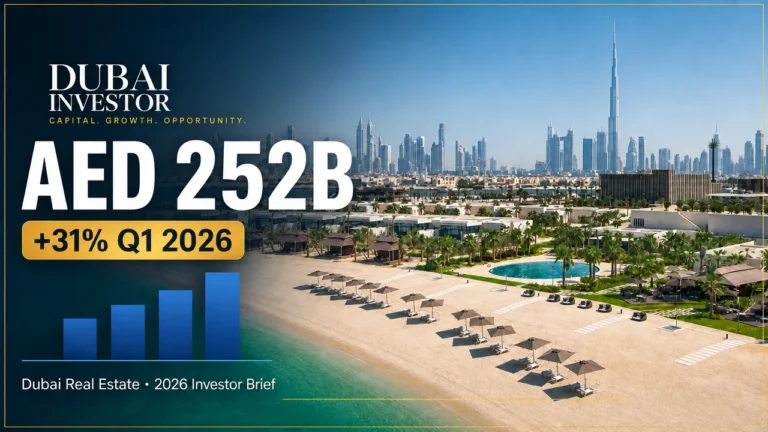 Investment Insights
Dubai real estate investment in 2026 remains attractive for investors seeking rental income, capital appreciation, tax efficiency and UAE residency options. The market is…
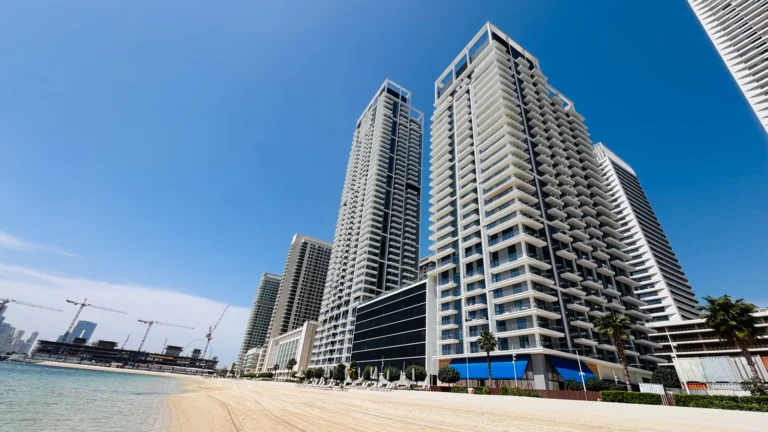 Investment Insights
A 2026 investor's guide to Dubai's waterfront apartment market. District-by-district analysis of Marina, Emaar Beachfront, Creek Harbour, Bluewaters, and Dubai Islands, with yields, costs,…